

ACL TREATMENT PHYSICAL THERAPY AND RECOVERY: YOUR COMPLETE GUIDE AT TRINITY REHAB
An ACL injury can feel devastating, especially if you’re an active person. Whether you’re a student athlete, a warehouse worker, or simply someone who loves staying active, an anterior cruciate ligament tear threatens your mobility and independence. The good news is that with proper ACL treatment physical therapy and expert guidance, most people recover fully and return to the activities they love. At Trinity Rehab, we specialize in comprehensive ACL rehabilitation across our 27 locations in New Jersey and Pennsylvania, delivering evidence-based recovery programs that work.
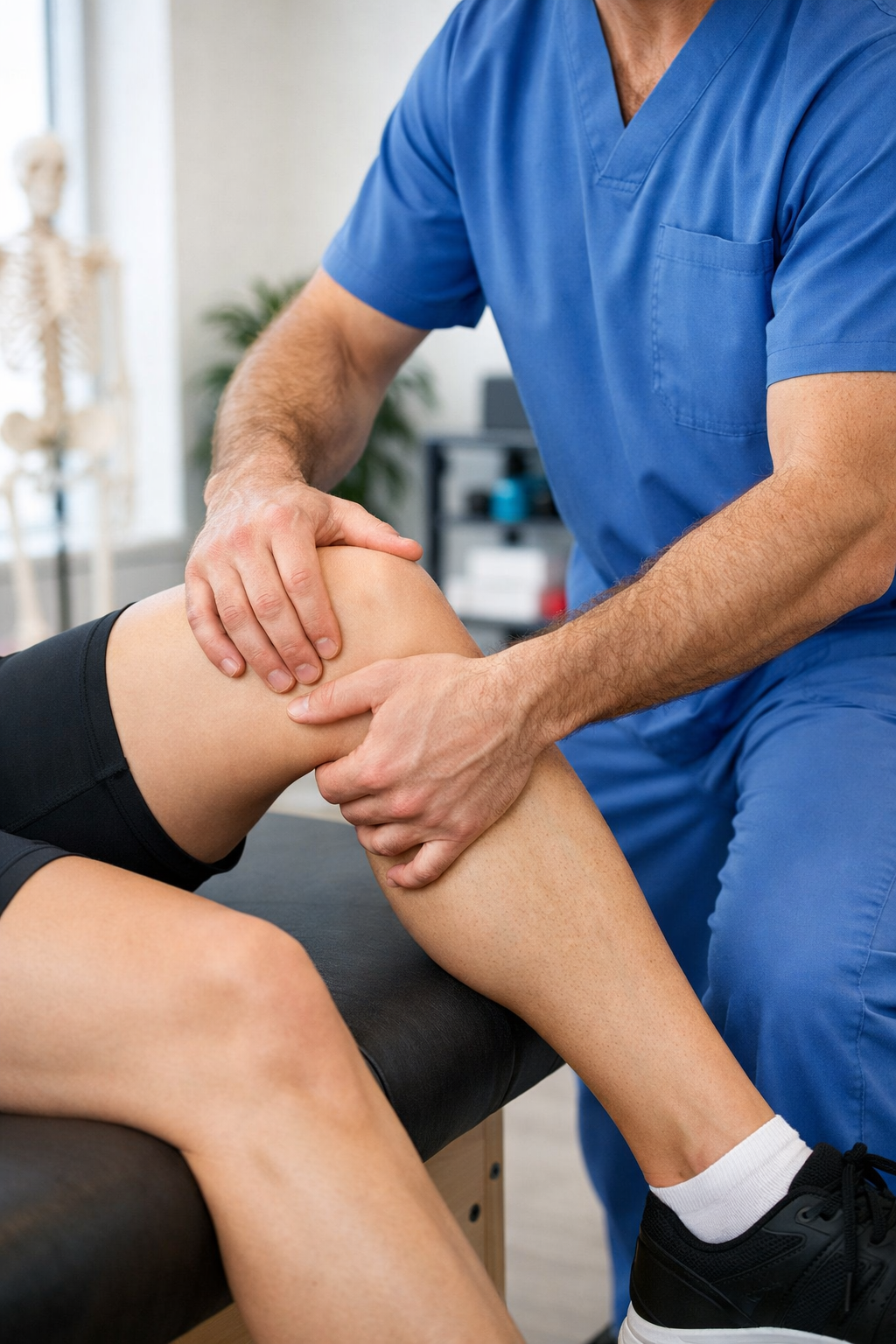
UNDERSTANDING ANTERIOR CRUCIATE LIGAMENT INJURY
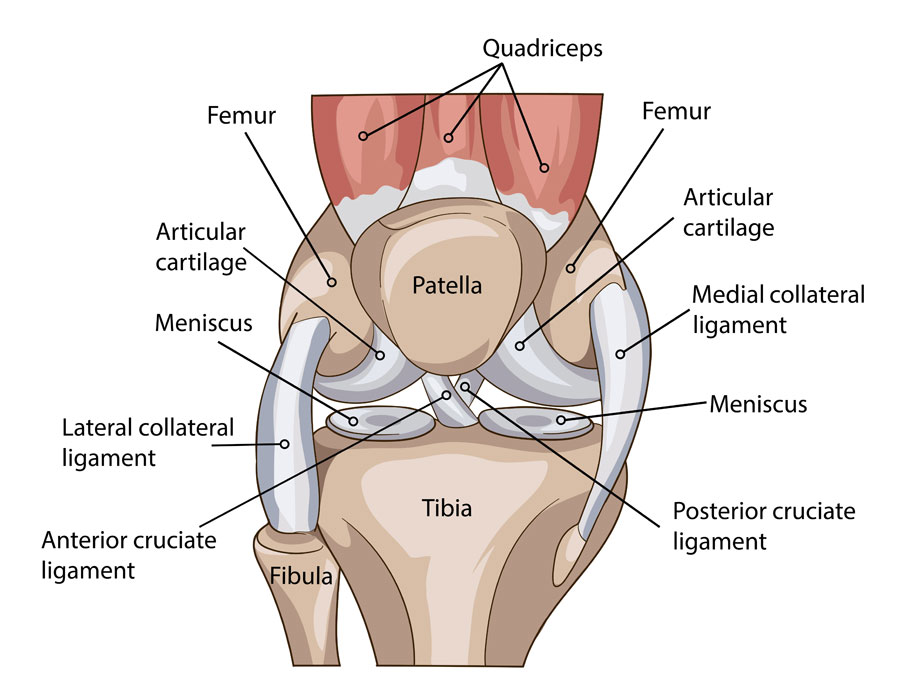
The anterior cruciate ligament (ACL) is one of the four major ligaments that stabilize your knee. The ACL runs diagonally inside the knee, connecting the thigh bone (femur) to the shin bone (tibia), and is critical for rotational stability and controlled movement. It also works closely with the medial meniscus, a cartilage structure that cushions and stabilizes the joint, further supporting knee stability. When you pivot, decelerate rapidly, or change direction explosively, your ACL keeps your knee stable and aligned.
An ACL injury occurs when this ligament is stretched or torn through a sudden, forceful movement rather than gradual wear and tear. The injury typically involves planting one foot and twisting your body in the opposite direction (the classic pivoting injury), suddenly stopping while running, or receiving direct contact to the outside of the knee. These injuries are particularly common in sports demanding quick directional changes—exactly the kinds of activities high school and college athletes engage in regularly.
ACL injuries can happen to anyone, not just elite athletes. A warehouse worker might tear their ACL stepping awkwardly off a platform. A parent might feel the dreaded “pop” while playing with their children in the backyard. The ACL is composed of collagen fibers that cannot spontaneously heal when torn because they lack adequate blood supply. This is why the injury typically requires either surgical reconstruction or carefully managed non-surgical ACL injury rehabilitation. Understanding this anatomy helps explain why structured physical therapy after ACL surgery is so essential.
WHY ACL RECOVERY MATTERS
Ignoring an ACL injury or attempting to “push through it” without proper treatment can lead to serious long-term consequences. When your ACL is damaged, your knee loses its primary rotational stabilizer. This instability doesn’t just feel uncomfortable—it fundamentally changes how your knee functions and can accelerate damage to surrounding structures. If the injury is not properly treated, persistent instability may develop, leading to repeated episodes of the knee giving way and increasing the risk of further injury.
Over time, an untreated or inadequately rehabilitated ACL injury can lead to meniscal tears, cartilage degeneration, and early-onset osteoarthritis. Many people who delay proper treatment end up requiring more extensive surgery years later. For working communities where people depend on their physical ability to perform their jobs, this isn’t just about comfort—it’s about long-term earning potential.
There are several treatment options for ACL injuries, including both non-surgical and surgical pathways. Proper ACL rehabilitation, whether surgical or non-surgical, focuses on restoring the dynamic stability your ACL once provided. If conservative measures fail to resolve symptoms or persistent instability remains, surgical options such as ACL reconstruction may be necessary. By strengthening the muscles around your knee (particularly your quadriceps and hamstrings), improving your proprioception (your body’s sense of where it is in space), and restoring your movement patterns, evidence-based rehabilitation effectively compensates for the structural damage and allows you to return to normal activities safely.
At Trinity Rehab, we understand that getting back to an active lifestyle is essential to your identity and livelihood. This is why we’re committed to delivering the most effective ACL treatment physical therapy services across New Jersey and Pennsylvania.
COMMON CAUSES OF ACL INJURIES
ACL injuries happen through specific movement patterns. Understanding how these injuries occur can help you recognize risk factors and, in some cases, prevent future injuries:
- Sports-related pivoting and cutting – Rapid directional changes in sports like soccer, basketball, football, and tennis are the leading cause of ACL injuries, particularly among young athletes competing in high school and college programs
- Sudden deceleration or stopping – Planting your foot and suddenly stopping (as in skiing, baseball, or even slipping on ice) creates tremendous rotational forces through the knee
- Direct contact to the outer knee – A hit to the outside of the knee while your foot is planted can force the knee inward, tearing the ACL; this commonly occurs in contact sports
- Awkward landing from jumping – Landing from a jump with your knee in an awkward position or with your weight on the inside of your foot strains the ACL significantly
- Hyperextension – Forcing your knee to straighten too far beyond its normal range places extreme stress on the ACL
- Occupational injuries – Workers in warehouses, construction, and manufacturing can suffer ACL injuries from slipping, stepping off equipment incorrectly, or falling on the job. Learn more about work injury rehabilitation
- Recreational activities – Even non-competitive activities like hiking, yard work, or playing with children can result in ACL injuries if movements are forceful and unexpected
- Motor vehicle accidents – The trauma of a collision can cause knee ligament injuries through the force of impact or awkward positioning
Understanding these causes helps explain why ACL injuries are so common in active communities. Approximately 200,000 ACL injuries are diagnosed in the United States each year, making it one of the most prevalent knee injuries treated through physical therapy.
RECOGNIZING THE SIGNS AND SYMPTOMS
If you’ve experienced any of the following signs, you should seek professional evaluation from a qualified physical therapist or orthopedic specialist:
- A loud “pop” or tearing sensation – Many people report hearing or feeling a distinct pop at the moment of injury; this is often a sign of ligament rupture, such as an anterior cruciate ligament tear or anterior cruciate ligament rupture
- Immediate and significant swelling – Within two hours (sometimes minutes) after injury, swelling develops as the knee joint fills with fluid from bleeding
- Knee instability or “giving way” – Your knee may feel like it’s shifting or sliding, particularly when turning or changing direction; this is the hallmark of ACL insufficiency
- Immediate inability to continue activity – Most ACL injuries are severe enough that people cannot continue playing sports or performing their activity
- Pain, particularly on the inner side of the knee – While the ACL itself is painful, associated injuries (like meniscal tears) often cause sharper pain at specific locations
- Limited range of motion – Pain and swelling restrict how far you can bend or straighten your knee
- Difficulty bearing weight or walking normally – Your knee may not feel strong enough to support your body weight, or you may experience pain with normal walking
- A feeling of looseness in the joint – Your knee may feel wobbly or unstable compared to your uninjured side
An anterior cruciate ligament tear or rupture often presents with these symptoms. Not all of these symptoms appear in every ACL injury. What’s important is that any knee injury with instability, significant swelling, or a popping sensation warrants professional evaluation. Magnetic resonance imaging (MRI) is often used to confirm the diagnosis and assess the extent of the injury. Delaying diagnosis can lead to additional injuries from instability.
HOW PHYSICAL THERAPY AT TRINITY REHAB HELPS
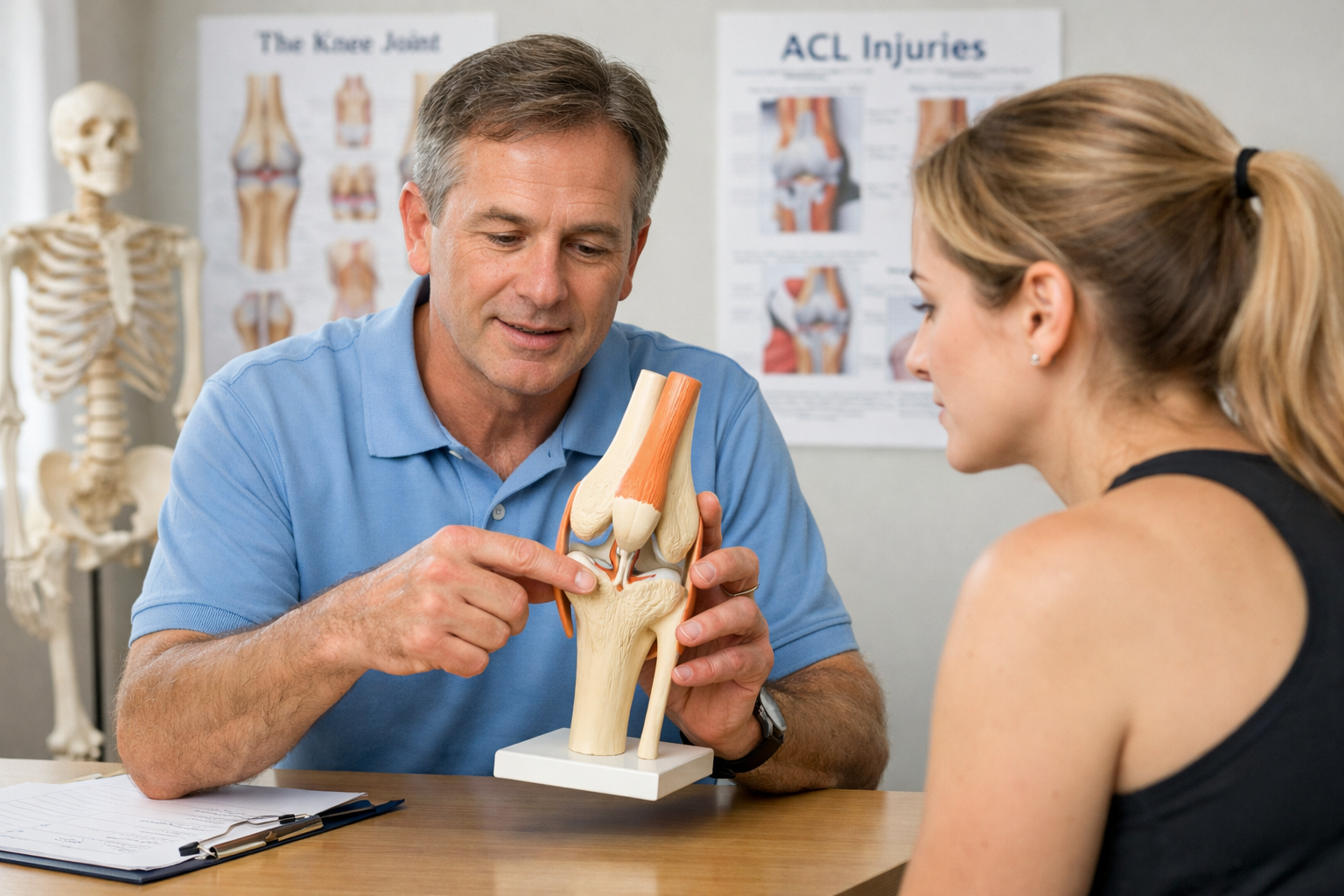
At Trinity Rehab, we provide comprehensive ACL treatment physical therapy services that address both surgical and non-surgical pathways. Our evidence-based approach draws on current research and decades of clinical experience working with patients just like you. Individualized physical therapy treatment is essential for ACL injuries, as it ensures each patient receives a tailored rehabilitation program based on evidence-based practices, activity level, and specific goals.
Pre-Surgical Rehabilitation (Prehabilitation)
If you’re scheduled for ACL reconstruction surgery, you don’t have to wait passively for your surgery date. Prehabilitation—physical therapy before surgery—dramatically improves your surgical outcomes and speeds overall recovery. During prehabilitation, our licensed physical therapists focus on:
- Reducing swelling and restoring range of motion so you enter surgery with a knee that bends and straightens normally
- Building strength in your quadriceps, hamstrings, and hip muscles to prepare your leg for surgical recovery
- Improving balance and proprioception so your neuromuscular system is optimized before reconstruction
- Establishing movement patterns and exercise habits that will continue after surgery
- Addressing pain and inflammation through manual therapy and activity modification
Research shows that patients who complete prehab before ACL reconstruction have better range of motion shortly after surgery, return to strength faster, and achieve better long-term functional outcomes. At Trinity Rehab, we typically see patients 2-3 times per week for 3-4 weeks before surgery, with a progression of exercises and manual therapy tailored to your specific needs.
Post-Surgical Rehabilitation After Anterior Cruciate Ligament Reconstruction: The Five Phases of Recovery
ACL reconstruction is not the end of treatment—it’s the beginning. The reconstructed ligament takes time to integrate into your knee, and your muscles, balance, and movement patterns need systematic retraining. We organize post-surgical recovery into five distinct phases:
Phase 1: Immediate Post-Operative (0-2 weeks)
Immediately after surgery, your focus is on controlling inflammation, protecting your new graft, and beginning gentle mobility. We use ice, compression, and elevation (the classic RICE protocol) to manage swelling while you use crutches and a knee brace. Early exercises include:
- Quad sets (tightening your quadriceps muscle while lying down)
- Straight leg raises with the brace locked
- Gentle passive and active-assisted range of motion exercises
- Elevation and icing protocols
- Early walking as tolerated with crutches
Manual therapy and hands-on techniques begin to ease joint tension. This phase is about protection and preventing complications like blood clots or excessive stiffness.
Phase 2: Early Protected Motion (2-6 weeks)
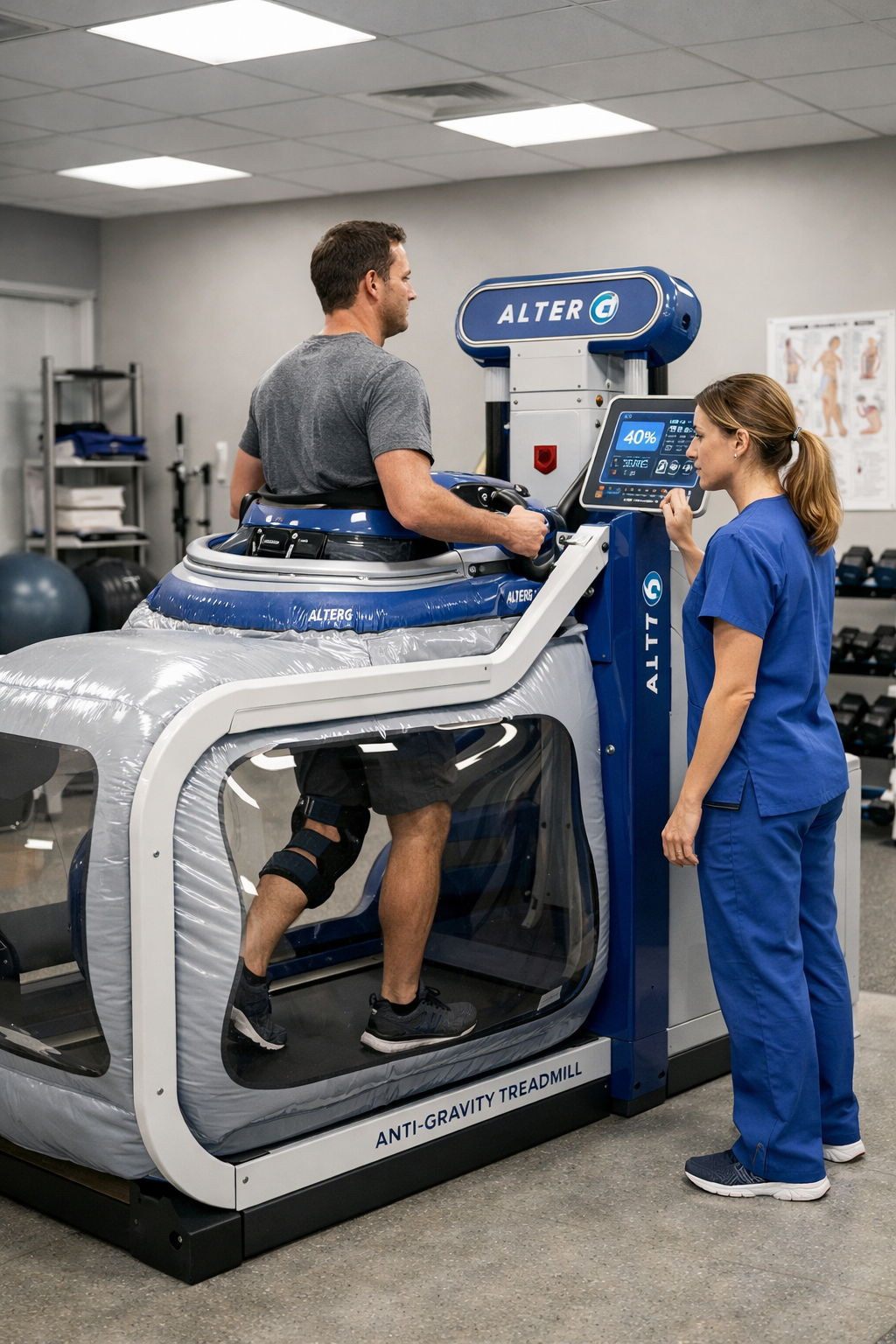
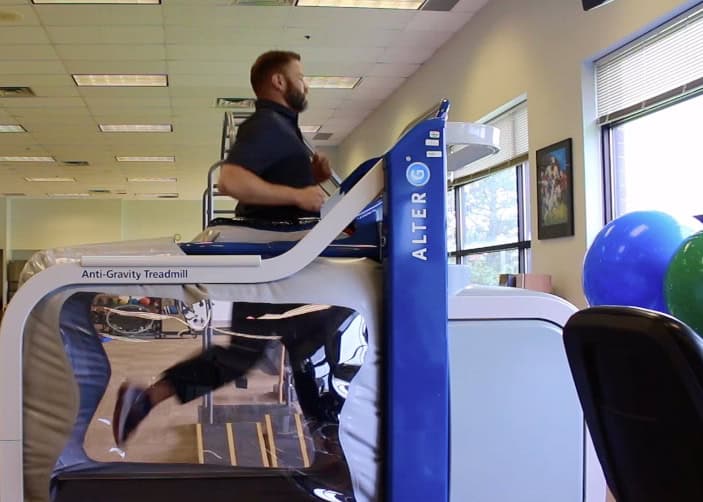
As your incisions heal and initial inflammation subsides, we begin progressive strengthening and mobility work. You’ll typically be weaned off crutches during this phase, though you’ll continue wearing your brace. This is where advanced tools like the AlterG Anti-Gravity Treadmill become valuable—it allows you to begin weight-bearing activity sooner by reducing your body weight through differential air pressure. You can walk or run at as little as 20% of your body weight, building strength without fear of reinjury. Your exercise program progresses to:
- Heel slides to improve knee flexion (bending)
- Quad sets and straight leg raises with resistance
- Hamstring curls (standing or lying)
- Hip abduction and adduction exercises
- Stationary bike for low-impact cardiovascular work
- Balance training beginning with supported standing
- Range-of-motion work with manual therapy as needed
IASTM (Instrument-Assisted Soft Tissue Mobilization) may also be introduced to address post-surgical scar tissue and fascial restrictions. By the end of Phase 2, you should have nearly normal range of motion and minimal swelling, with quadriceps strength rebuilding from near zero.
Phase 3: Progressive Strengthening (6-12 weeks)
This phase emphasizes building substantial strength and starting basic proprioceptive training. Your brace can often be discontinued by the end of this phase. The AlterG continues to be useful for progressive weight-bearing while building confidence in your knee. Exercises become more challenging:
- Weight-bearing exercises like mini squats and lunges
- Resistance band work for quad and hamstring strengthening
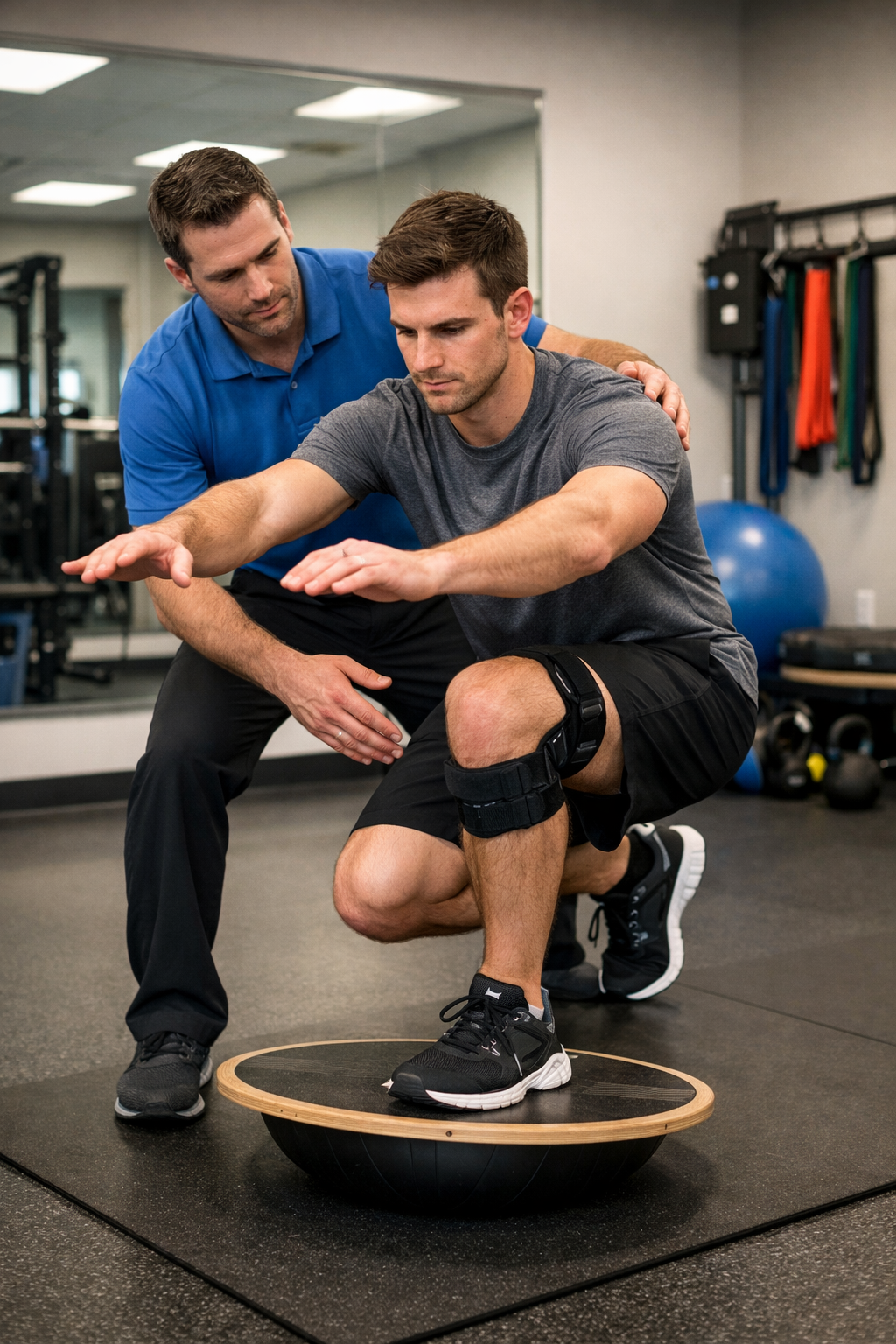
- Single-leg balance activities to improve proprioception
- Controlled step-ups and step-downs
- Increasing intensity on the stationary bike
- Introduction of elliptical training
- Balance and coordination drills
- Core strengthening (planks, bridges, bird dogs)
Dry needling may be incorporated to address trigger points in compensatory muscles (quadriceps, hamstrings, IT band, calf) that develop tightness during rehab, helping restore flexibility and reduce pain. Kinesiology taping provides support during active recovery phases without restricting movement. By week 12, you should have 80%+ strength in your quadriceps compared to your uninjured side and walk without any limp or brace.
Phase 4: Return to Function (3-6 months post-op)
Now the training becomes more dynamic as you rebuild your body’s confidence in your knee. Exercises simulate real-world demands:
- Plyometric training (controlled jumping and hopping)
- Running progression starting with straight-line running
- Figure-8 running and controlled cutting drills
- Sport-specific exercises tailored to your goals
- Continued strength and proprioceptive training at higher intensities
- Agility ladder drills and cone drills
- Balance training on unstable surfaces
Dartfish Video Motion Analysis technology is valuable here—it analyzes your movement patterns and identifies biomechanical issues that may have contributed to your original injury or could lead to re-injury. By addressing these movement compensations before you return to sport, you reduce re-injury risk significantly. This is often the phase where patients feel like they’re “really” recovering because they’re returning to more familiar activities.
Phase 5: Return to Sport/Activity (6-9+ months post-op)
The final phase focuses on returning to competitive sports or demanding recreational activities safely. This phase involves:
- Advanced plyometrics and sport-specific training
- Return-to-sport testing to ensure adequate strength, balance, and agility
- High-intensity interval training
- Sport-specific drills and practice
- Gradual return to competition with appropriate monitoring
- Ongoing maintenance training to prevent re-injury
- Psychological preparation for return to sport
EPAT/Shockwave Therapy (Extracorporeal Pulse Activation Technology) may be used for any lingering inflammation, patellar tendonitis (common after ACL graft harvesting), or persistent knee pain. This non-invasive therapy uses acoustic pressure waves to stimulate circulation, break down scar tissue, and accelerate tissue healing. The timeline varies based on the type of sport and your individual healing. Most patients can return to recreational activities by 6 months, but return to competitive sports typically requires 9-12 months of rehabilitation. At Trinity Rehab, we don’t rush this process—we use objective testing to ensure you’re truly ready before advancing.
Non-Surgical ACL Treatment Pathway
Not all ACL injuries require surgery. For patients with partial tears, lower activity demands, or personal preference for conservative treatment, we offer comprehensive non-surgical rehabilitation. This pathway works best for:
- Patients with sedentary or low-demand lifestyles
- Those with partial tears
- Patients who are not ready for surgery
- Those with significant medical comorbidities that make surgery risky
- Young patients where surgery outcomes may be optimized at a later time
Non-surgical ACL tear treatment without surgery follows a similar progressive structure to post-surgical rehabilitation but typically extends over a longer timeline (12-18 months) and focuses heavily on building dynamic stability through muscular strength and proprioceptive training. Many of the same tools and techniques apply—manual therapy, dry needling for muscle tightness, and kinesiology taping all contribute to conservative management. Research shows that 50-70% of patients with non-surgical ACL rehabilitation can return to sport-specific activities, though some may experience occasional instability episodes.
Specific Exercises and Techniques for ACL Rehab
Throughout your recovery phases, you’ll encounter several key ACL rehab exercises that form the foundation of rehabilitation:
- Quad Sets and Straight Leg Raises strengthen your quadriceps, the primary muscle that compensates for ACL insufficiency
- Heel Slides restore your knee’s bending range of motion in a gentle, controlled manner
- Hamstring Curls build the muscles on the back of your thigh, which work synergistically with your quadriceps to stabilize your knee
- Balance Training including single-leg stance activities restores proprioception—your nervous system’s awareness of your body in space
- Sport-Specific Drills prepare your neuromuscular system for the precise demands of your chosen activity
- Plyometric Training develops explosive power and trains your muscles to react instantly to directional changes
At Trinity Rehab, we don’t just give you exercises to perform at home—though we absolutely provide a comprehensive home exercise program. Your focused, individualized time with a licensed therapist includes hands-on manual therapy, advanced equipment, and our expertise to guide your recovery with precision. Your therapist continuously monitors your progress, adjusts your program based on your response, and ensures you’re following the appropriate progression for your healing timeline.
ADVANCED REHABILITATION TECHNIQUES
At Trinity Rehab, we believe that recovery from an anterior cruciate ligament injury is more than just following a standard protocol—it’s about leveraging the latest advancements in rehabilitation science to help you regain optimal knee function. For patients recovering from ACL reconstruction or ACL surgery, advanced rehabilitation techniques can make a significant difference in restoring knee motion, building muscle strength, and accelerating your return to activity.
One innovative approach we utilize is blood flow restriction (BFR) training. BFR involves applying a specialized cuff to the upper thigh to partially restrict blood flow while performing low-load strengthening exercises. This technique allows you to achieve gains in muscle strength and size similar to high-intensity training, but with much less stress on your healing knee joint. For patients early in their ACL reconstruction recovery, BFR is a safe and effective way to jumpstart quadriceps strength without risking the new graft.
Another powerful tool in our arsenal is neuromuscular electrical stimulation (NMES). After ACL surgery, it’s common for the quadriceps muscle to become inhibited, making it difficult to fully activate and strengthen. NMES uses gentle electrical impulses to stimulate the quadriceps, helping you regain muscle control and power more quickly. This is especially valuable in the early weeks after surgery, when voluntary muscle contraction may be limited.
By integrating these advanced techniques into your personalized rehabilitation plan, our physical therapists help you achieve better outcomes—restoring knee motion, improving knee joint stability, and supporting a smoother, more confident recovery after ACL reconstruction surgery. Our commitment to evidence-based care ensures you benefit from the latest innovations in ACL injury rehabilitation.
RETURN TO SPORT AND ACTIVITY
Getting back to the activities you love after an ACL injury is a major milestone—and it requires careful planning and expert guidance. At Trinity Rehab, our sports physical therapy team is dedicated to helping you safely return to sport and high-level activity with confidence and reduced risk of re-injury.
The return to sport process is highly individualized and based on objective criteria. Before you’re cleared to resume sports, you’ll need to demonstrate significant improvement in knee function, including full knee motion, restored quadriceps strength, and balanced hamstring strength. Our therapists use a combination of functional tests and sport-specific drills to ensure your knee is ready for the demands of your chosen activity.
Throughout this process, we focus on advanced agility, plyometric, and strengthening exercises that mimic real-world sports movements. This approach not only rebuilds your physical capacity but also retrains your body’s movement patterns to prevent compensations that could lead to re-injury. For female athletes, who are at a higher risk for ACL injuries due to anatomical and biomechanical factors, we provide specialized training to address these unique challenges and promote safe, effective return to play.
Our goal is to help you achieve full knee motion, optimal muscle strength, and the confidence to participate in sports or recreational activities without pain or instability. With Trinity Rehab’s expert guidance, you can trust that your return to sport is built on a foundation of safety, performance, and long-term knee health.
PREVENTING FUTURE INJURIES
Long-term success after an ACL injury isn’t just about recovery—it’s about preventing future injuries and maintaining healthy knee function for years to come. At Trinity Rehab, we emphasize injury prevention as a core part of your rehabilitation journey.
Our injury prevention programs combine targeted strengthening exercises, balance exercises, and sport-specific drills to address the key factors that contribute to ACL injuries. Strengthening exercises like squats, lunges, and step-ups help build muscle strength and stability around the knee joint, while balance exercises such as single-leg squats and balance board work improve proprioception and reduce the risk of falls or awkward landings.
Sport-specific exercises, including agility drills and plyometrics, are tailored to your individual goals and the demands of your activity—helping you move with power, speed, and control. Our physical therapists collaborate closely with orthopedic surgeons and athletic trainers to design personalized injury prevention strategies that fit your lifestyle and athletic needs.
In addition to exercise, we educate patients on practical steps to reduce stress on the knee joint, such as choosing proper footwear, using orthotics when needed, and modifying training loads. By making injury prevention a priority, you can minimize your risk of re-injury, enhance your knee function, and enjoy an active, pain-free life long after your initial recovery.
WHY PATIENTS CHOOSE TRINITY REHAB FOR ACL REHABILITATION
- Focused, Individualized Time With a Licensed Therapist – You’re not exercising in a crowded gym with minimal supervision. Each session is tailored to your specific injury, surgical timeline, and goals. Your therapist knows your history, your concerns, and your progress trajectory.
- Advanced Tools Not Available at Many Local Clinics – We invest in cutting-edge equipment like the AlterG Anti-Gravity Treadmill, EPAT/Shockwave Therapy, and Dartfish Video Motion Analysis. These tools accelerate recovery and help you achieve results faster than traditional therapy alone.
- A Welcoming Environment Built on Energy, Respect, and Encouragement – Recovery is both physical and psychological. Our team creates a space where you feel supported, motivated, and genuinely cared for throughout your journey.
- Experienced Therapists – Our team includes specialists with extensive ACL rehabilitation experience who understand the nuances of each individual case.
- Multiple Locations Across New Jersey and Pennsylvania – With 27 clinics, Trinity Rehab is always nearby. Dry needling is available at Warren and Metuchen locations.
- A Streamlined Process That Saves Time and Reduces Stress – We handle insurance verification, obtain authorizations, and manage all the paperwork so you can focus entirely on recovery.
- Flexible Scheduling That Respects Your Time – We offer early morning, evening, and weekend appointments because we understand that working people need flexibility. We work with your schedule.
- Insurance Acceptance – We work with most major insurance plans and handle the authorization process so you don’t have to. Financial barriers shouldn’t prevent you from getting the care you need.
- Comprehensive Approach – We don’t just exercise your knee in isolation. We assess your entire lower body, your movement patterns, your core stability, and your goals to ensure comprehensive, functional recovery. Technology meets experience for fast, long-lasting results.
FIND ACL TREATMENT NEAR YOU
Trinity Rehab provides expert ACL treatment physical therapy across 27 convenient locations. Find the clinic nearest you:
New Jersey
Pennsylvania
FREQUENTLY ASKED QUESTIONS ABOUT ACL INJURIES AND RECOVERY
Related Conditions
How long does ACL recovery typically take?
Can you successfully rehabilitate an ACL tear without surgery?
When can I return to sports after ACL surgery?
What does ACL physical therapy actually involve?
How soon after ACL surgery should I start physical therapy?
Does insurance cover ACL physical therapy?
What specific exercises help most with ACL recovery?
How do I know if I've actually torn my ACL?
Can a torn ACL heal on its own without surgery or physical therapy?
What's the difference between ACL repair and ACL reconstruction?
How common are ACL injuries?
Who is at higher risk for ACL tears?
If you’re dealing with an ACL injury—whether you’re a student athlete, a worker in one of your local industries, or simply an active member of your community—you don’t have to navigate recovery alone. Here’s your path forward:
1. Request An Appointment
Contact Trinity Rehab to schedule a comprehensive ACL evaluation. We’ll assess your injury, discuss your goals, and explain your options. If you haven’t had imaging yet, we’ll discuss whether X-rays or MRI are needed and can coordinate with local orthopedic providers.
2. Receive A Custom Treatment Plan
Based on your evaluation, whether your injury is surgical or non-surgical, your age and activity level, and your specific goals, we’ll develop a detailed treatment plan with realistic timelines. We’ll explain exactly what to expect, what your home exercise program looks like, and how we’ll measure progress.
3. Work Hard and Progress In Your Recovery
With multiple appointment times available to fit your schedule, you’ll begin your rehabilitation under expert guidance from a licensed physical therapist. Whether you’re recovering from surgery or pursuing non-surgical treatment, you’ll progress through structured phases with regular assessments ensuring you’re advancing appropriately.
4. Recover and Enjoy Life Pain-Free
Recovery isn’t about just walking without pain—it’s about returning to the activities that make you feel like yourself. Whether that’s competing in athletics, performing your job confidently, or playing with your family, we’ll guide you there.
Don’t let an ACL injury derail your active life. With proper ACL treatment physical therapy, most people recover fully. Contact Trinity Rehab today to schedule your evaluation and take the first step toward recovery. Experience care that moves you—your recovery journey starts here.