

Shoulder impingement can make simple movements feel sharp, blocked, or unpredictable. Reaching overhead, putting on a jacket, grabbing something from a cabinet, lifting at work, throwing, swimming, pressing in the gym, or sleeping on one side can all become frustrating when the shoulder starts to pinch.
At Trinity Rehab, our physical therapists help patients in New Jersey and Pennsylvania understand what is driving shoulder impingement symptoms and build a plan to restore comfortable motion, rotator cuff strength, shoulder blade control, and confidence with daily activity.
What Is Shoulder Impingement?
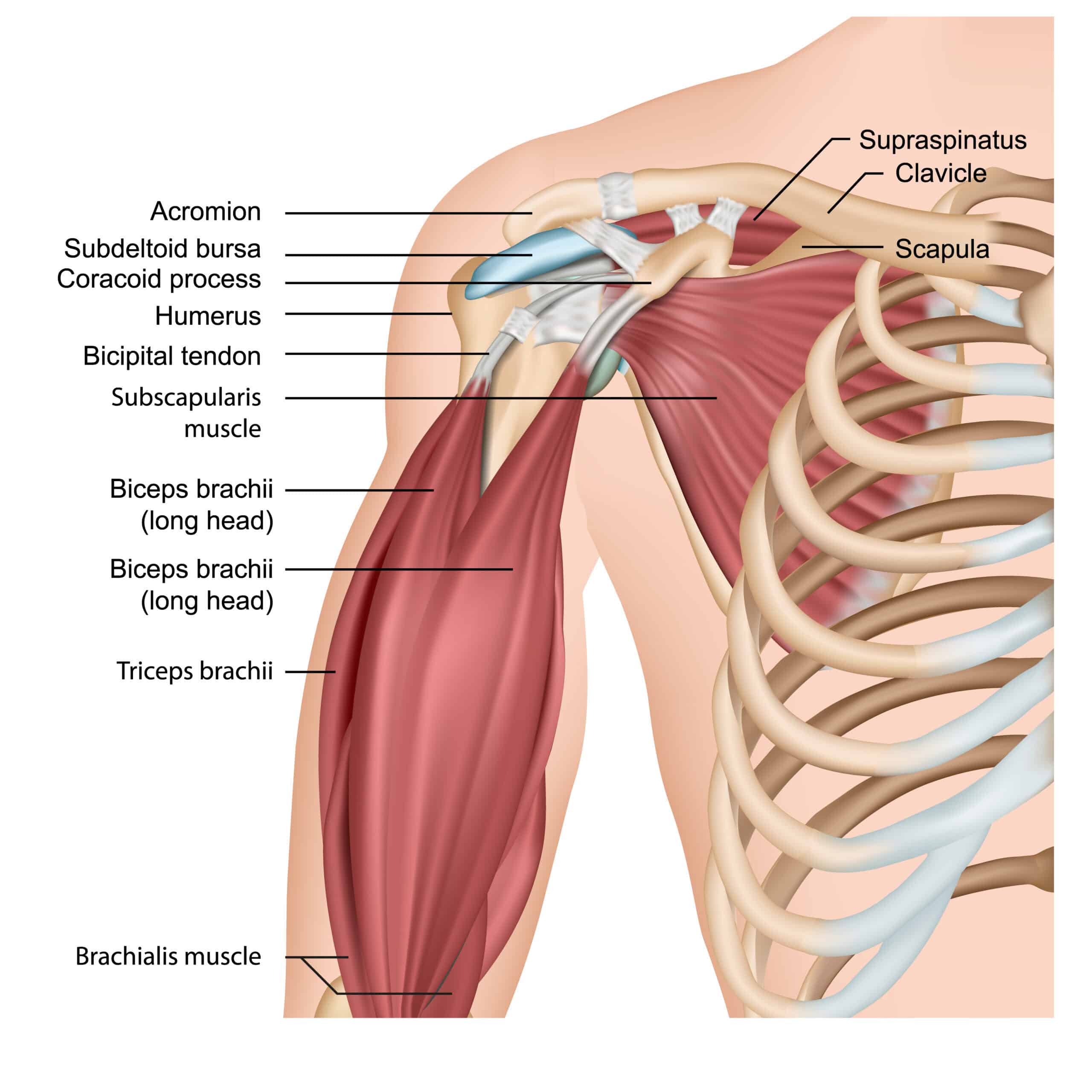
Shoulder impingement is commonly used to describe pain or pinching when tissues around the shoulder become irritated during arm movement, especially overhead. It is not always one single diagnosis. The pain may involve the rotator cuff, bursa, shoulder blade mechanics, posture, upper-back mobility, workload, or a combination of factors.
Many patients describe a painful arc as the arm lifts, sharp pain reaching to the side, soreness lying on the involved shoulder, weakness lifting away from the body, or a catch in the front or outside of the shoulder. The useful question is not just what hurts, but why that movement has become overloaded.
Common Symptoms
Shoulder impingement symptoms often show up during specific positions and tasks. Patients commonly report:
- Pinching or sharp pain when reaching overhead.
- Pain reaching out to the side or behind the back.
- Discomfort putting on a coat, fastening a bra, or reaching into the back seat.
- Pain lying on the affected shoulder.
- Weakness or fatigue with lifting, carrying, throwing, swimming, pressing, or upper-body workouts.
- Neck, upper-back, or shoulder blade stiffness that seems to feed the shoulder pain.
- Symptoms that calm down with rest but return when activity increases again.
Symptoms can overlap with rotator cuff tendinopathy, bursitis, frozen shoulder, AC joint pain, biceps tendon irritation, and referred pain from the neck. That is why a movement-based evaluation matters.
Why Rest Alone Often Is Not Enough
Rest can reduce irritation for a short time, but it does not rebuild the shoulder’s ability to tolerate reaching, lifting, work, sport, or exercise. Many people feel better for a few days, then flare again when they return to the same overhead motion, desk posture, workout, or work task.
Physical therapy focuses on the factors that can be changed: shoulder range of motion, rotator cuff strength, shoulder blade timing, thoracic mobility, neck and posture habits, training volume, lifting mechanics, and the way activity is reintroduced.

How Physical Therapy Helps Shoulder Impingement
Your plan should match your exam, symptoms, goals, and irritability level. Treatment may include:
- Manual therapy to improve shoulder, upper-back, rib, neck, or soft-tissue mobility.
- Range-of-motion work that restores usable movement without forcing painful positions.
- Rotator cuff strengthening for external rotation, elevation, and arm control.
- Scapular stabilization for better shoulder blade mechanics.
- Thoracic mobility and posture strategies for patients with desk or driving-related symptoms.
- Graded overhead strengthening so the shoulder can tolerate reaching again.
- Work, sport, throwing, swimming, gym, or home-task progressions when those activities matter.
- A home exercise plan that supports progress between visits.
Tools such as manual therapy, dry needling, or EPAT may be considered when clinically appropriate, but they should support the movement and strengthening plan rather than replace it.

When To Get Checked
Consider scheduling a physical therapy evaluation when shoulder pain keeps returning, limits sleep, interrupts work, changes your workouts, or makes you avoid reaching and lifting. Early care can often prevent a temporary irritation from becoming a recurring pattern.
Seek medical evaluation first for major trauma, visible deformity, suspected dislocation, sudden inability to raise the arm, severe unexplained weakness, fever, chest pain, shortness of breath, or numbness and tingling that is worsening.
Shoulder Impingement Treatment Near You
Trinity Rehab provides shoulder impingement physical therapy at locations across New Jersey and Pennsylvania. Use the local pages below to find condition-specific care at the clinic nearest you.
- Brick, NJ
- Cherry Hill, NJ
- Clark, NJ
- Clifton, NJ
- Doylestown, PA
- East Brunswick, NJ
- East Windsor, NJ
- Emerson, NJ
- Flemington, NJ
- Hamilton, NJ
- Howell, NJ
- Manalapan, NJ
- Matawan, NJ
- Metuchen, NJ
- Middletown, NJ
- Newtown, PA
- Piscataway, NJ
- Sewell, NJ
- Shrewsbury, NJ
- Somerset, NJ
- Somerville, NJ
- Sparta, NJ
- Toms River, NJ
- Upper Dublin, PA
- Warren, NJ
- Wayne, NJ
- Woodbridge, NJ
Related Shoulder Care
Shoulder impingement often overlaps with other shoulder problems. These pages can help patients and search engines understand the relationship between shoulder impingement, broader shoulder pain, rotator cuff injury, and Trinity treatment services.
Frequently Asked Questions
Can physical therapy help shoulder impingement?
Is shoulder impingement the same as a rotator cuff tear?
When should shoulder impingement be checked by a doctor first?
Do I need a referral to start physical therapy?
How long does shoulder impingement recovery take?
Start Shoulder Impingement Physical Therapy
If shoulder pinching, overhead pain, stiffness, or rotator cuff irritation is limiting your routine, start with a clear evaluation. Trinity Rehab can help you understand the problem and build a plan that fits your life.