Meniscus Tear Treatment

meniscus tear physical therapy treatment at Trinity Rehab New Jersey and Pennsylvania

Why Meniscus Tear Relief Matters

Your meniscus is a C-shaped piece of cartilage that acts as a shock absorber between your thighbone (femur) and shinbone (tibia). Each knee contains two menisci — the medial meniscus on the inner side and the lateral meniscus on the outer side. Together, they distribute weight evenly across the knee joint, reduce friction during movement, and provide critical stability.

When a meniscus tears, the knee loses part of its natural cushioning system. Without proper treatment, a torn meniscus can lead to chronic knee pain, progressive joint damage, and an increased risk of developing osteoarthritis over time. Research published in the New England Journal of Medicine has shown that physical therapy is as effective as surgery for many types of meniscus tears, particularly degenerative tears in adults over 40 (Katz et al., 2013).

Addressing a meniscus tear early with targeted physical therapy not only relieves pain — it protects the long-term health of your knee joint and helps you avoid unnecessary surgical procedures.

Common Causes of Meniscus Tears

Meniscus tears can happen to anyone, at any age, though the underlying causes often differ:

  • Sports-related injuries — Sudden pivoting, cutting, or twisting motions during basketball, soccer, tennis, or football are among the most common causes of acute meniscus tears, particularly in younger athletes
  • Degenerative changes — As cartilage weakens with age, even routine activities like squatting, kneeling, or rising from a chair can cause a tear. Degenerative meniscus tears are especially common in adults over 50
  • Workplace activities — Jobs that require frequent squatting, heavy lifting, or prolonged kneeling — such as construction, warehouse work, or landscaping — place significant stress on the meniscus
  • Overuse and repetitive stress — Runners, cyclists, and fitness enthusiasts who train without adequate recovery time can develop small tears that gradually worsen
  • Traumatic knee injuries — Direct impact to the knee during a fall, auto accident, or collision can tear the meniscus, often alongside other structures like the ACL

Degenerative meniscal tears are usually horizontal in the meniscus, producing both an upper and lower segment, while traumatic meniscal tears are usually radial or vertical and can create a moveable fragment that may catch in the knee. Degenerative meniscal tears are more common in smokers. The tear pattern helps determine the best treatment approach for a damaged meniscus.

knee anatomy meniscus diagram showing medial and lateral meniscus

Symptoms Patients Often Notice

Meniscus tear symptoms can vary depending on the severity and type of knee injury, but often include discomfort, limited range of motion, and other signs that should not be ignored. Initial symptoms of a torn meniscus include well-localized pain and swelling in the knee.

  • A popping sensation at the time of injury
  • Swelling that develops gradually over 24 to 48 hours
  • Stiffness and difficulty fully bending or straightening the knee — a torn meniscus can lead to increased joint fluid in the knee
  • Sharp pain along the joint line, especially when twisting or squatting — pain from a torn meniscus is usually felt on the inner or outer side of the knee, not around the kneecap
  • A catching, clicking, or locking sensation during movement
  • The knee feeling unstable or giving way during weight-bearing activities
  • Pain that worsens with prolonged standing, walking, or climbing stairs
  • Difficulty kneeling or squatting down comfortably

At first, you might be able to bear weight on your injured leg after a meniscus tear, and walking is generally well-tolerated unless it involves twisting or pivoting. If you are experiencing any combination of these symptoms, seeking a professional evaluation is an important first step toward effective treatment.

Diagnosis of Meniscus Tears

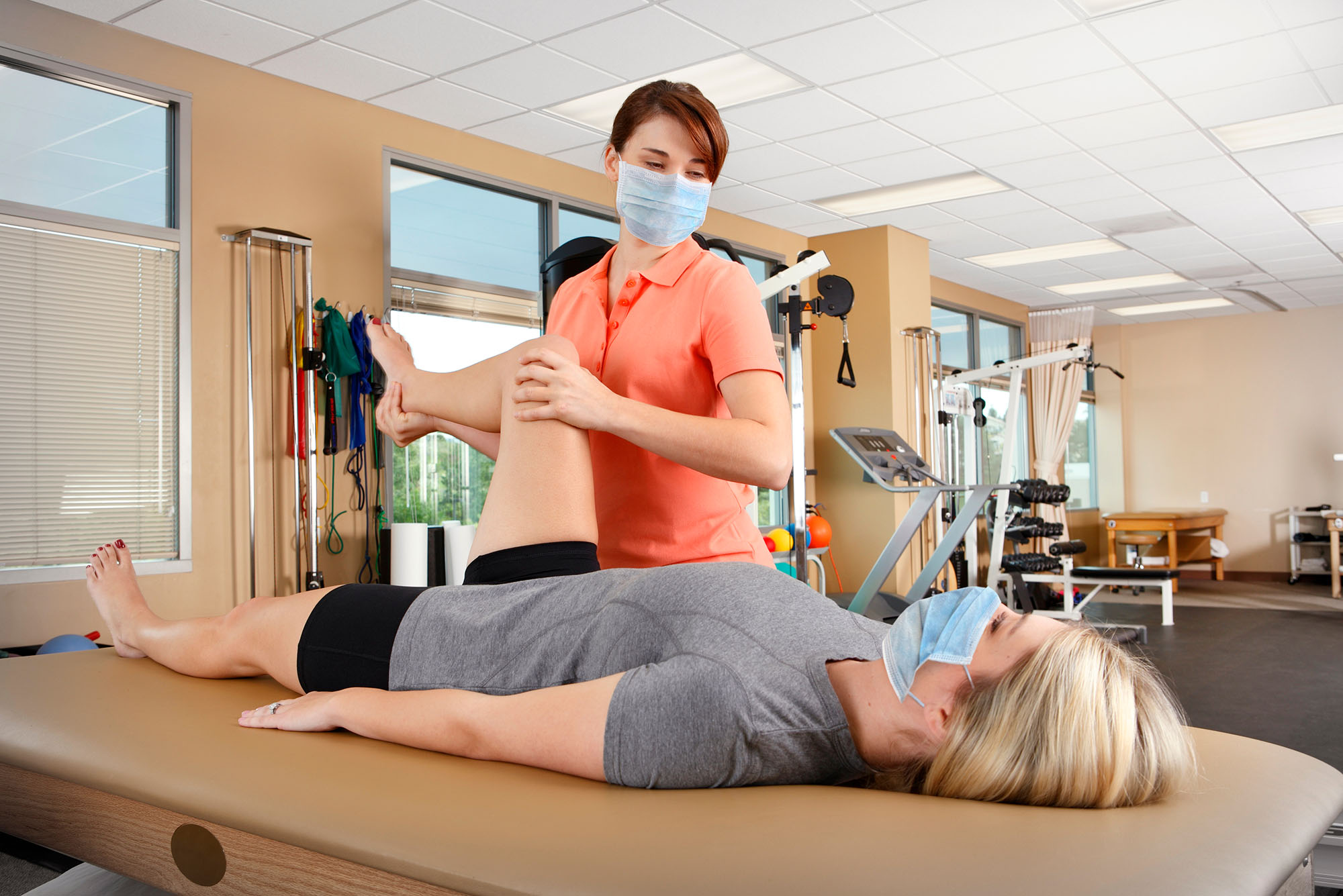
Accurate diagnosis is the first step toward effective meniscus tear treatment and a successful recovery. When you visit a healthcare provider for knee pain or suspected meniscus injury, they will typically begin with a thorough physical examination of the knee. A physical exam typically involves checking for tenderness along the joint line, assessing range of motion, and evaluating knee stability. The McMurray test is one of the most commonly used clinical tests, where the examiner flexes and rotates the knee to detect clicking or pain that suggests a meniscal tear.

Imaging studies can confirm the diagnosis and reveal the specific tear pattern. MRI (magnetic resonance imaging) is the gold standard for visualizing meniscus tears and can show the precise location, size, and type of tear. An X-ray may be taken to rule out fractures or arthritis, though it cannot directly show soft tissue injuries like meniscus tears.

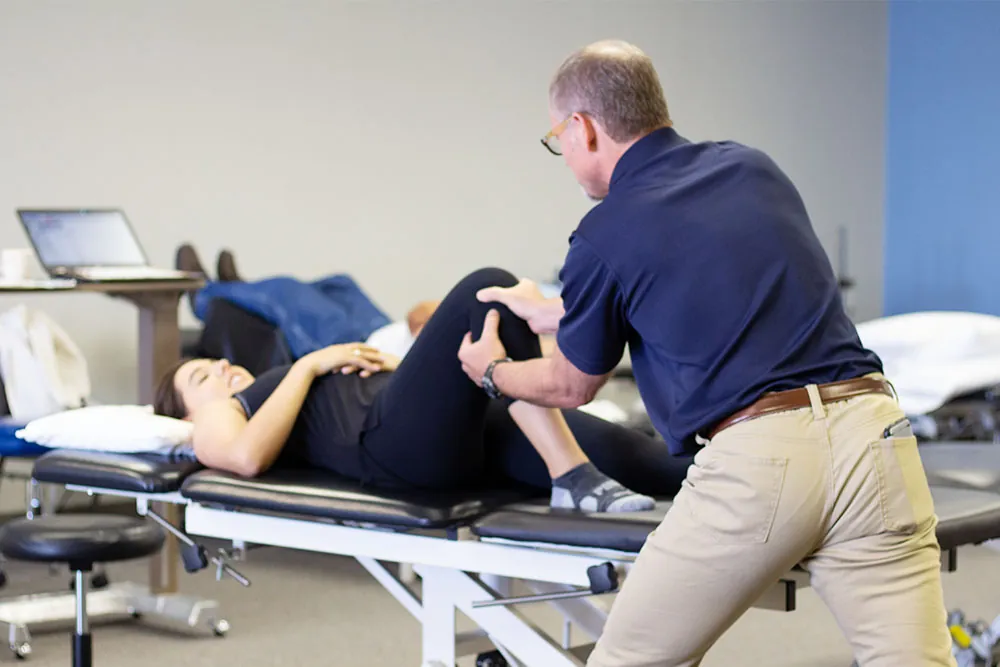
Your physical therapist can assess your knee through clinical examination and develop an appropriate treatment plan. If your symptoms suggest a more complex injury or if progress stalls, your therapist may recommend imaging for further evaluation.

physical therapist guiding knee recovery exercises

How Physical Therapy Restores Knee Function

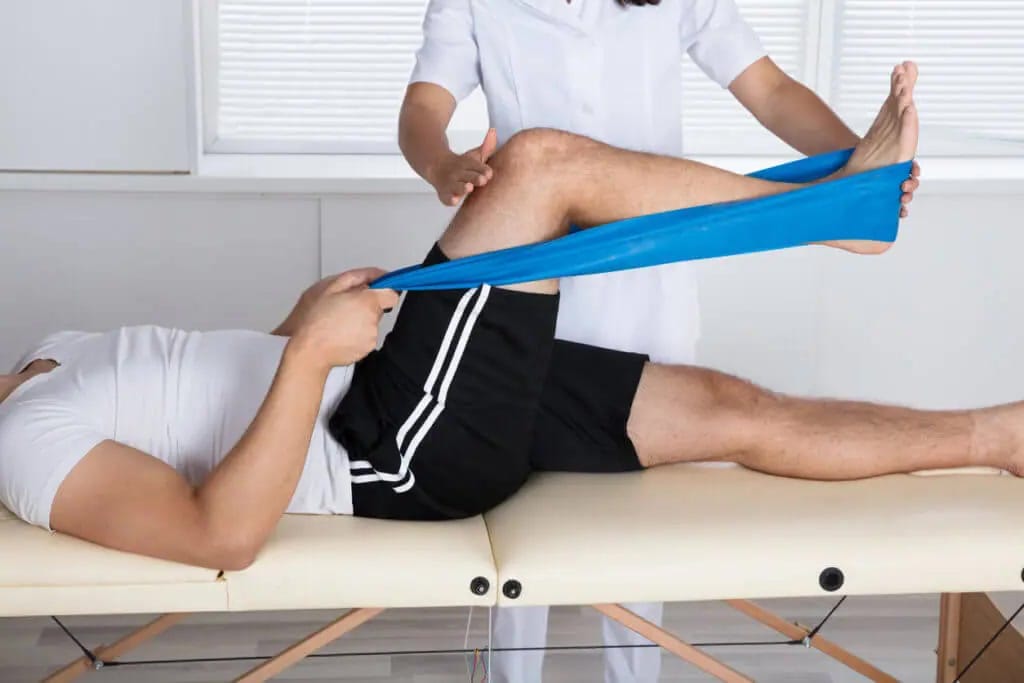
Physical therapy for meniscus tears follows a structured, progressive approach designed to reduce pain, restore mobility, rebuild strength, and return you to your normal activities. Rest is a key factor for meniscus healing and helps prevent further injury. The RICE protocol (Rest, Ice, Compression, Elevation) is commonly used to reduce swelling in the early stages. Patients with a torn meniscus can use non-narcotic pain relievers to manage pain alongside their therapy program. At Trinity Rehab, your treatment begins with a comprehensive one-on-one evaluation where your therapist assesses the specific nature of your injury, your movement patterns, and your recovery goals.

Physical therapy focuses on strengthening the muscles around the knee, particularly the quadriceps and hamstrings, to stabilize the joint and improve knee motion. Quadriceps muscle strengthening exercises can help prevent some of the secondary effects of a torn meniscus.

Phase 1: Pain Reduction and Protection

During the initial phase of meniscus tear treatment, the priority is controlling pain and swelling while protecting the injured tissue. Your therapist may use:

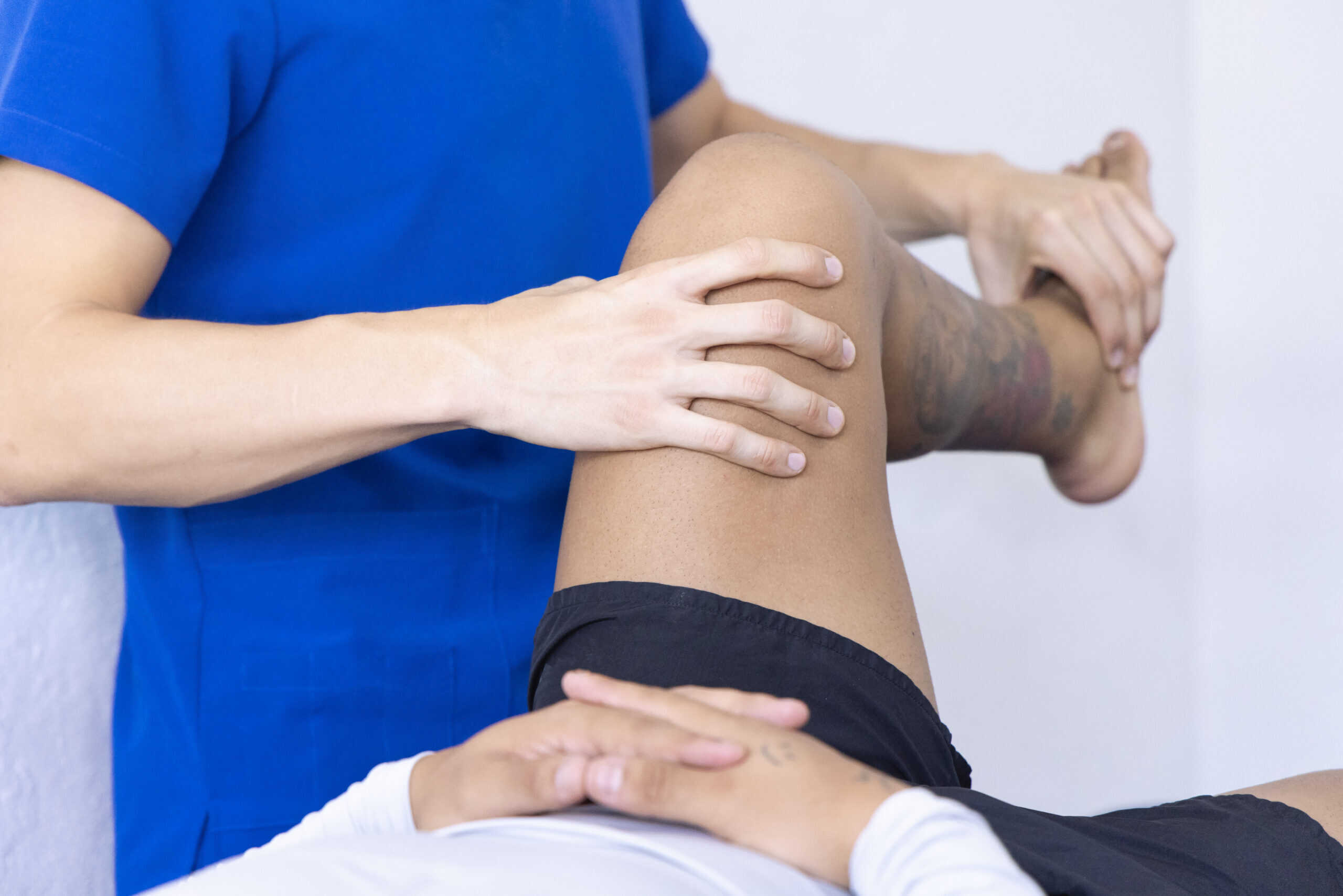
  • Manual therapy — Gentle hands-on techniques including joint mobilization and soft tissue massage to reduce stiffness and improve circulation around the knee
  • Modalities for pain management — Ice therapy, electrical stimulation, and ultrasound to decrease inflammation and provide pain relief
  • Protected range-of-motion exercises — Careful, controlled movements to maintain joint mobility without aggravating the tear
  • Gait training — Guidance on walking patterns to minimize stress on the healing meniscus
knee rehabilitation exercise during physical therapy session

Phase 2: Progressive Strengthening and Mobility

As pain decreases, treatment shifts toward rebuilding the muscular support system around your knee:

  • Quadriceps strengthening — Exercises targeting the front thigh muscles, which are critical for knee stability and shock absorption
  • Hamstring and hip strengthening — Balanced lower extremity strength helps distribute forces more evenly across the knee joint
  • Proprioception training — Balance exercises on unstable surfaces to retrain your knee’s position sense and reduce the risk of re-injury
  • Functional movement training — Squats, lunges, and step-ups performed with proper mechanics to rebuild confidence in weight-bearing activities
  • Dry needling — Targeted trigger point therapy to release muscle tension in the quadriceps, IT band, and calf muscles that often develop compensatory tightness

Phase 3: Return to Activity

The final phase focuses on bridging the gap between clinical improvement and real-world function:

  • Sport-specific or activity-specific training — Agility drills, cutting movements, jumping, and landing mechanics tailored to your particular activities
  • Progressive loading — Gradually increasing intensity to ensure the knee can handle the demands of your work, recreation, or athletic pursuits
  • Injury prevention education — Strategies for warm-up routines, movement modification, and strength maintenance to protect against future meniscus problems
  • EPAT/Shockwave therapy — Advanced regenerative therapy that uses acoustic pressure waves to stimulate tissue healing and accelerate recovery in appropriate cases
physical therapist evaluating patient knee mobility

Types of Meniscus Tears

  • Radial tears — The most common type, cutting across the meniscus fibers. Small radial tears in the outer zone can heal with physical therapy, while larger ones may require surgical intervention
  • Horizontal tears — Running along the length of the meniscus, these are often associated with degenerative changes and respond well to conservative treatment
  • Bucket-handle tears — A large vertical tear where a portion of the meniscus flips into the center of the joint, frequently causing mechanical locking. These tears are more likely to require arthroscopic meniscus repair
  • Flap tears — A section of torn meniscus folds over on itself, often causing a catching sensation during knee movement
  • Complex tears — Involving multiple tear patterns within the same meniscus, these are typically degenerative in nature and are often best managed with physical therapy rather than surgery

How to Prevent Meniscus Tears from Returning

Recovery does not end when your symptoms resolve. Maintaining knee health over the long term requires consistent attention to strength, flexibility, and movement quality:

  • Maintain quadriceps and hamstring strength — Strong thigh muscles absorb impact forces that would otherwise stress the meniscus
  • Warm up properly before activity — Dynamic stretching and light cardio prepare your knee for the demands ahead
  • Use proper form during exercise — Avoid letting your knees collapse inward during squats, lunges, and landing from jumps
  • Wear appropriate footwear — Supportive shoes that match your activity reduce abnormal knee stress
  • Listen to your body — Persistent knee pain or swelling after activity is a signal to modify your routine, not push through it
  • Manage your weight — Every pound of body weight translates to approximately four pounds of force across the knee joint during walking. Maintaining a healthy body mass index (BMI) significantly reduces knee stress
  • Stay active with low-impact activities — Regular low-impact activities such as swimming or cycling maintain joint health and cartilage nutrition without overloading the meniscus

Why Patients Choose Trinity Rehab for Meniscus Tear Treatment

Trinity Rehab provides a patient-centered approach to meniscus tear treatment that sets us apart:

  • One-on-one care — Every session is conducted by a licensed physical therapist, not an aide or assistant. You receive the full attention and expertise of your clinician throughout your visit
  • 27 convenient locations — With clinics across New Jersey and Pennsylvania, quality meniscus tear physical therapy is always close to your home or workplace
  • Evidence-based treatment — Our therapists stay current with the latest research on knee rehabilitation, ensuring your treatment plan reflects the most effective approaches available
  • No physician referral required — In New Jersey, you can begin physical therapy without a doctor’s referral, getting you started on recovery faster
  • Individualized treatment plans — No two meniscus tears are the same, and neither are our treatment programs. Your plan is designed around your specific injury, goals, and lifestyle
  • Advanced treatment options — Access to manual therapy, dry needling, EPAT/shockwave therapy, and other specialized techniques that accelerate healing
  • Insurance-friendly — We work with most major insurance plans and will verify your coverage before your first visit

Frequently Asked Questions

Getting Back to What Matters

A meniscus tear does not have to define your future. With the right treatment approach, most patients achieve full recovery and return to the activities they love — from competitive athletics to gardening, hiking to playing with their children. At Trinity Rehab, we are committed to helping you move past this injury with confidence.

Your Next Steps

Getting started with meniscus tear treatment at Trinity Rehab is simple:

  1. Schedule your evaluation — Call or visit our appointment page to book your initial assessment at any of our 27 locations
  2. Meet your physical therapist — Your first visit includes a comprehensive examination and the start of your personalized treatment plan
  3. Begin your recovery — Most patients notice improvement within the first few sessions as pain decreases and mobility begins to return

Find Meniscus Tear Treatment Near You

Trinity Rehab offers expert meniscus tear physical therapy at 27 locations across New Jersey and Pennsylvania. Find the clinic closest to you:

New Jersey: Brick | Cherry Hill | Clark | Clifton | East Brunswick | East Windsor | Emerson | Flemington | Hamilton | Howell | Manalapan | Matawan | Metuchen | Middletown | Piscataway | Sewell | Shrewsbury | Somerset | Somerville | Sparta | Toms River | Warren | Wayne | Woodbridge

Pennsylvania: Doylestown | Newtown | Upper Dublin

Sources

  1. Katz, J. N., et al. (2013). Surgery versus physical therapy for a meniscal tear and osteoarthritis. New England Journal of Medicine, 368(18), 1675-1684. https://doi.org/10.1056/NEJMoa1301408
  2. Sihvonen, R., et al. (2018). Arthroscopic partial meniscectomy for a degenerative meniscus tear: A 5-year follow-up of the FIDELITY randomized trial. British Journal of Sports Medicine, 52(21). https://doi.org/10.1136/bjsports-2017-098437
  3. American Academy of Orthopaedic Surgeons. (2024). Meniscus tears. OrthoInfo. https://orthoinfo.aaos.org/en/diseases–conditions/meniscus-tears/

Find Meniscus Tear Treatment Near You

New Jersey Locations

Pennsylvania Locations

★★★★★ 4.9 from 2,400+ patients ✓ No Referral Needed ✓ Same-Week Appointments
📞 (732) 808-4006 Book Appointment