

Introduction to Shoulder Pain
Shoulder pain most often comes from the rotator cuff, impingement, or stiffness that limits reaching and overhead motion. Physical therapy restores movement and strength through manual therapy and progressive exercise, and may reduce the need for injections or surgery. A typical course runs 6-12 weeks, and New Jersey Direct Access means you can start without a referral.
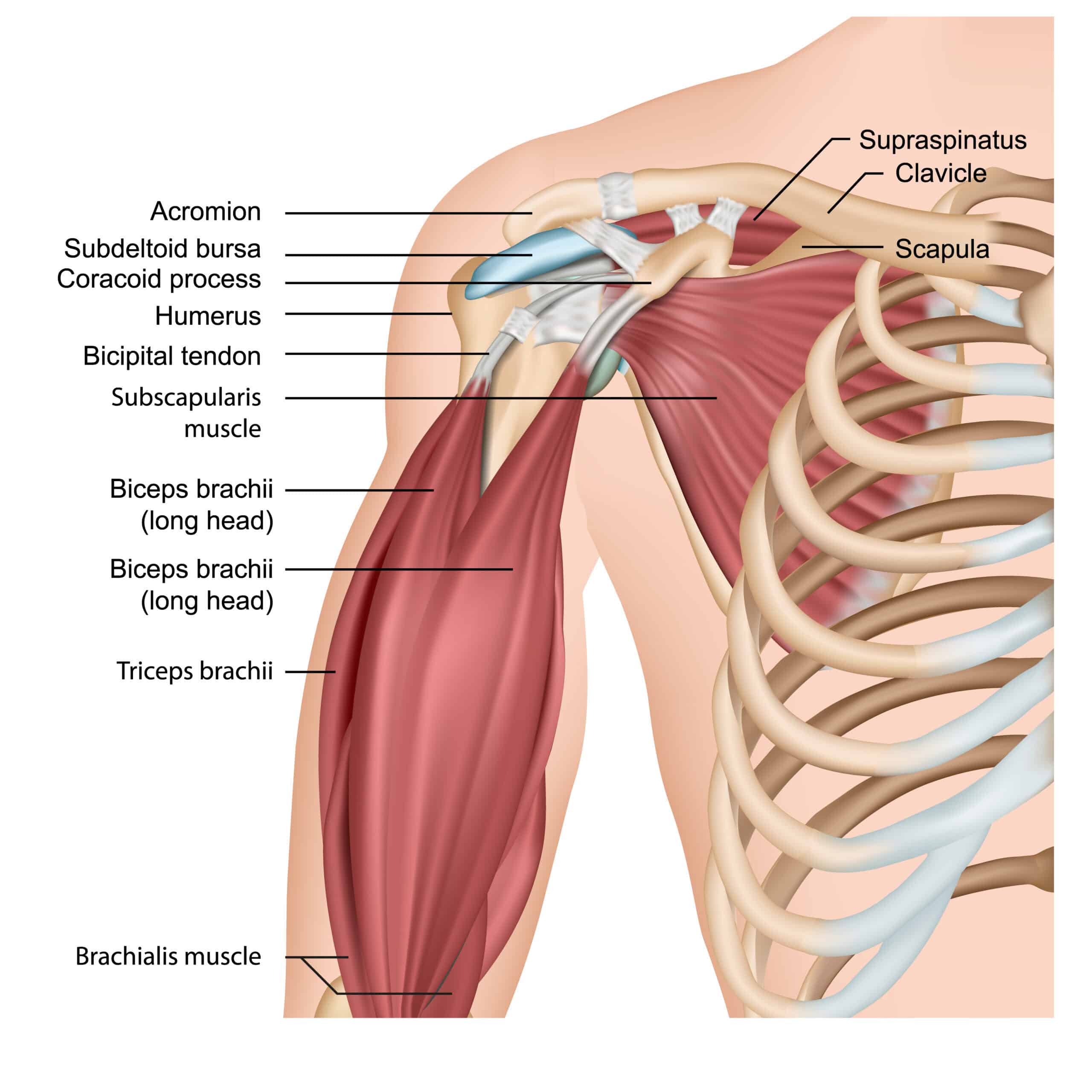
Shoulder pain is a widespread issue that can disrupt your daily life, making even simple movements challenging. The shoulder joint is one of the most mobile and complex joints in the body, allowing you to reach, lift, and rotate your arm in many directions. However, this flexibility also makes the shoulder vulnerable to pain and injury. Whether your discomfort is due to overuse, an injury, or an underlying condition, shoulder pain can limit your range of motion and affect your ability to perform everyday tasks. Consulting a physical therapist is a crucial first step in addressing shoulder pain. Through a combination of expert assessment and targeted physical therapy exercises, a physical therapist can help relieve shoulder pain, restore function, and guide you on the path to recovery. Understanding the causes and symptoms of shoulder pain is the foundation for effective treatment and long-term relief.
Shoulder Pain Treatment & Relief: A Complete Guide to Physical Therapy
Shoulder pain has a way of making itself known in every corner of your day. Reaching into a high cabinet, pulling on a jacket, lifting your child — movements you never used to think about suddenly require planning, compensation, or simply enduring the ache. Shoulder pain can interfere with everyday tasks such as getting dressed, lifting objects, or sleeping comfortably. At night, finding a comfortable position can feel impossible, leaving you exhausted on top of everything else.
You are not alone. Shoulder pain is one of the most common musculoskeletal complaints, affecting millions of Americans each year. In fact, shoulder pain is a common ailment affecting 18% to 26% of adults and can impact as many as 70% of people at some point in their lives. Common causes include arthritis, frozen shoulder, tendonitis, bursitis, and rotator cuff injuries. The shoulder joint is prone to injury due to its high range of motion and the complexity of its structure. Symptoms can include pain radiating down the arm, pain that spreads to the neck or upper back, or referred pain from the neck. The good news is that in the vast majority of cases, expert physical therapy — not surgery — is the most effective path to lasting shoulder pain relief. Conservative treatments like physical therapy are prioritized over surgery, except in cases of severe injury. At Trinity Rehab, our clinical teams across New Jersey and Pennsylvania have a thorough understanding of the anatomical structures and movement patterns involved in shoulder pain and help patients recover full, pain-free function every day.
If you notice shoulder pain, it is advisable to see a doctor as soon as possible, especially if it prevents you from doing everyday activities. Shoulder pain can worsen if left untreated, making it important to seek professional help. The longer you leave a potential shoulder injury without treatment, the worse it is likely to get. Research shows that physical therapy can be as effective as joint injections and even surgery for reducing shoulder pain and increasing mobility. Physical therapy can prevent the need for surgery, especially for older adults who may not have as high a success rate with surgery. At Trinity Rehab, we use advanced techniques and personalized treatment plans to treat shoulder pain and restore your quality of life.
Benefits of Physical Therapy
Physical therapy offers a wide range of benefits for those experiencing shoulder pain. Working with a physical therapist allows you to get to the root of your discomfort, as they assess your shoulder muscles, rotator cuff tendons, and overall movement patterns. Through a personalized treatment plan, you’ll engage in physical therapy exercises designed to improve your range of motion, reduce pain, and restore strength. Strengthening exercises and stretching exercises not only help you recover from current pain but also protect your shoulder from future injuries by promoting balanced muscle function and healthy movement. By focusing on the rotator cuff and surrounding muscles, physical therapy helps stabilize the shoulder joint and supports lasting relief. Incorporating physical therapy into your routine is a proactive way to reduce pain, regain confidence in your movements, and maintain a healthy, pain-free shoulder.
Importance of Early Intervention
Addressing shoulder pain early can make a significant difference in your recovery and long-term shoulder health. When you notice the first signs of discomfort, reaching out to a physical therapist can help you manage symptoms before they become more severe. Early intervention allows for gentle stretches, postural exercises, and targeted strategies to correct muscle imbalances that may be contributing to your pain. By taking action quickly, you can prevent the development of chronic pain, avoid further injury, and reduce the likelihood of needing more invasive treatments down the line. A physical therapist will guide you through safe, effective exercises and provide education on how to protect your shoulder, helping you stay active and pain-free for the future.

What to Expect from Physical Therapy
When you begin physical therapy for shoulder pain, you can expect a thorough and personalized approach to your care. Your physical therapist will start with a comprehensive evaluation, assessing your range of motion, strength, and movement patterns to pinpoint the source of your pain. Based on these findings, they’ll create a treatment plan tailored to your needs, which may include physical therapy exercises like wall push ups, resistance band routines, and manual techniques such as joint mobilization. The goal is to relieve pain, restore function, and help you return to your favorite activities with confidence. Throughout your sessions, your physical therapist will monitor your progress and adjust your plan as needed, ensuring you receive the most effective care for your shoulder.
Role of a Physical Therapist
A physical therapist is your partner in overcoming shoulder pain and regaining full function. With specialized training in musculoskeletal health, physical therapists are experts in diagnosing and treating shoulder injuries and conditions. They provide a thorough evaluation and develop a customized treatment plan to relieve shoulder pain, improve mobility, and prevent future injuries. In addition to guiding you through targeted exercises and postural corrections, your physical therapist will educate you on healthy movement patterns and strategies to protect your shoulder in daily life. By working closely with a physical therapist, you gain the knowledge and support needed to manage pain, recover from injury, and maintain optimal shoulder health for the long term.
Heat Therapy and Pain Management
When it comes to managing shoulder pain, heat therapy can be a simple yet effective tool to help relieve discomfort and improve your daily function. Applying gentle heat to the shoulder—whether through a warm compress, heating pad, or a soothing warm bath—can increase blood flow to the area, relax tight muscles, and reduce stiffness. This is especially helpful for those experiencing shoulder pain due to muscle tension or overuse.
A physical therapist may recommend incorporating heat therapy as part of your overall treatment plan, particularly before stretching or physical therapy exercises, to help loosen the shoulder and enhance your range of motion. Developing the best treatment plan involves combining heat therapy with other conservative methods tailored to your specific needs and comfort. It’s important to follow your physical therapist’s guidance to ensure you’re using heat therapy safely and effectively, as improper use can sometimes worsen symptoms. By making heat therapy a regular part of your pain management routine, you can take an active role in relieving shoulder pain and supporting your recovery.
Postural Exercises and Correction
Good posture is essential for a healthy shoulder joint and can make a significant difference in both relieving current shoulder pain and preventing future injuries. Many people don’t realize that poor posture—such as slouching or rounding the shoulders—can place extra stress on the shoulder muscles and rotator cuff tendons, leading to discomfort and even injury over time.
A physical therapist can assess your posture and design a program of therapeutic exercises tailored to your needs. These exercises focus on strengthening the rotator cuff and surrounding shoulder muscles, improving alignment, and correcting muscle imbalances that contribute to pain. (Muscle imbalances also contribute to conditions like tennis elbow and other overuse injuries.) Shoulder blade squeezes are a key therapeutic exercise that help improve posture and shoulder stability by promoting proper shoulder blade positioning and movement. By practicing these postural therapeutic exercises regularly, you can reduce strain on the shoulder joint, support proper movement patterns, and lower your risk of developing shoulder injuries in the future. Taking steps to improve your posture today can help you move more comfortably and confidently tomorrow.
Creating a Personalized Treatment Plan
Every case of shoulder pain is unique, which is why a personalized treatment plan is key to effective recovery. At Trinity Rehab, your physical therapist will work closely with you to understand your specific symptoms, lifestyle, and goals. Together, you’ll develop a customized plan that may include targeted physical therapy exercises, specific exercises tailored to address the underlying cause of your shoulder pain, heat or cold therapy, and activity modification to help manage symptoms and promote healing.
Your treatment plan will also address any underlying issues, such as muscle imbalances or postural problems, that may be contributing to your shoulder pain. By taking a comprehensive approach, your physical therapist ensures that every aspect of your care is tailored to your needs, helping you achieve the best possible outcome. With a personalized treatment plan, you can feel confident that you’re on the right path to relieving shoulder pain and regaining full function.
The duration of physical therapy for shoulder pain varies significantly based on the diagnosis, severity, and individual response to treatment, often ranging from four to 12 weeks.
Monitoring Progress and Adjusting the Plan
Recovery from shoulder pain is a journey, and ongoing support from your physical therapist is essential for success. Throughout your treatment, your physical therapist will regularly monitor your progress, checking in on your symptoms, range of motion, and overall function. Based on your response to therapy, your treatment plan may be adjusted—whether that means modifying exercises, changing the intensity of your sessions, or introducing new techniques to address persistent pain.
This continuous feedback loop ensures that your care remains effective and responsive to your needs. By staying engaged with your physical therapist and communicating any changes in your symptoms, you can make steady progress toward your goals and achieve lasting relief from shoulder pain.

Maintaining a Healthy Shoulder
Keeping your shoulder joint healthy requires ongoing attention, even after your pain has improved. Stretching and range-of-motion exercises are essential for regaining flexibility, making daily tasks easier. Regular exercise is one of the best ways to maintain strong rotator cuff muscles and support a full range of motion. Exercises for shoulder pain, including specific shoulder exercises, can often be performed at home with minimal or no equipment to improve strength, stability, and mobility. Simple exercises like wall push-ups, arm circles, and shoulder rolls can help keep your shoulder mobile and resilient against future injuries.
Important exercises for shoulder rehabilitation include pendulum swings, wall slides, and external/internal rotation. For the Pendulum stretch, lean forward slightly and let your injured arm hang loosely. Gently swing your arm in small circles, using one arm at a time and then the other arm, to increase flexibility and mobility. The Doorway stretch involves standing in a doorway, stepping the foot forward on the same side as your injured shoulder, pressing your palms into the frame, and leaning forward to stretch your chest and shoulders. Shoulder blade squeezes are performed by standing tall and squeezing your shoulder blades together for six seconds at a time. For the Cross-body shoulder stretch, bring your injured arm across your body and apply gentle pressure with the opposite hand, then repeat on the opposite side. Wall push-ups are done by standing at an angle to a wall, placing your hands at shoulder height, and pushing against the wall to strengthen the shoulder muscles.
Low-impact aerobic exercises like walking or swimming can help manage shoulder pain by gently working the muscles without stressing the shoulder. Effective shoulder rehabilitation also includes building strength without moving the joint using isometric exercises. Resistance band exercises are excellent for strengthening the rotator cuff and scapular stabilization muscles, which reduces pressure on the shoulder joint. Pain management modalities such as heat, ice, ultrasound, and electrical stimulation — including advanced options like EPAT shockwave therapy and dry needling can help reduce inflammation. Manual techniques like massage and joint mobilization help release muscle tension and restore range of motion.
A physical therapist can guide you in developing a home exercise program that fits your lifestyle and addresses any lingering muscle imbalances or movement patterns that could lead to pain. In addition to exercise, it’s important to practice good posture, avoid repetitive strain, and take breaks to stretch throughout the day. By making shoulder health a priority, you can reduce your risk of future injuries and continue enjoying the activities you love—pain free.
Ready to start your recovery? Schedule an appointment at a Trinity Rehab location near you today. Our physical therapy treatments are personalized to your goals and covered by most insurance plans.
Frequently Asked Questions — Shoulder Pain Relief
How long does physical therapy for shoulder pain take?
Do I need a referral to start physical therapy for my shoulder?
Will physical therapy help me avoid shoulder surgery?
Does insurance cover physical therapy for shoulder pain?
What are the most common causes of shoulder pain treated at Trinity Rehab?
Can physical therapy help with shoulder pain at night or when sleeping?
What types of shoulder treatments does Trinity Rehab offer?
How do I know if my shoulder pain needs physical therapy vs. a doctor visit first?
What Our Patients Say
Find Shoulder Pain Treatment Near You
Trinity Rehab offers expert shoulder pain treatment at 27 locations across New Jersey and Pennsylvania. Find your nearest clinic below and schedule your appointment today.
New Jersey
- Shoulder Pain Treatment in Brick, NJ
- Shoulder Pain Treatment in Cherry Hill, NJ
- Shoulder Pain Treatment in Clark, NJ
- Shoulder Pain Treatment in Clifton, NJ
- Shoulder Pain Treatment in East Brunswick, NJ
- Shoulder Pain Treatment in East Windsor, NJ
- Shoulder Pain Treatment in Emerson, NJ
- Shoulder Pain Treatment in Flemington, NJ
- Shoulder Pain Treatment in Hamilton, NJ
- Shoulder Pain Treatment in Howell, NJ
- Shoulder Pain Treatment in Manalapan, NJ
- Shoulder Pain Treatment in Matawan, NJ
- Shoulder Pain Treatment in Metuchen, NJ
- Shoulder Pain Treatment in Middletown, NJ
- Shoulder Pain Treatment in Piscataway, NJ
- Shoulder Pain Treatment in Sewell, NJ
- Shoulder Pain Treatment in Shrewsbury, NJ
- Shoulder Pain Treatment in Somerset, NJ
- Shoulder Pain Treatment in Somerville, NJ
- Shoulder Pain Treatment in Sparta, NJ
- Shoulder Pain Treatment in Toms River, NJ
- Shoulder Pain Treatment in Warren, NJ
- Shoulder Pain Treatment in Wayne, NJ
- Shoulder Pain Treatment in Woodbridge, NJ