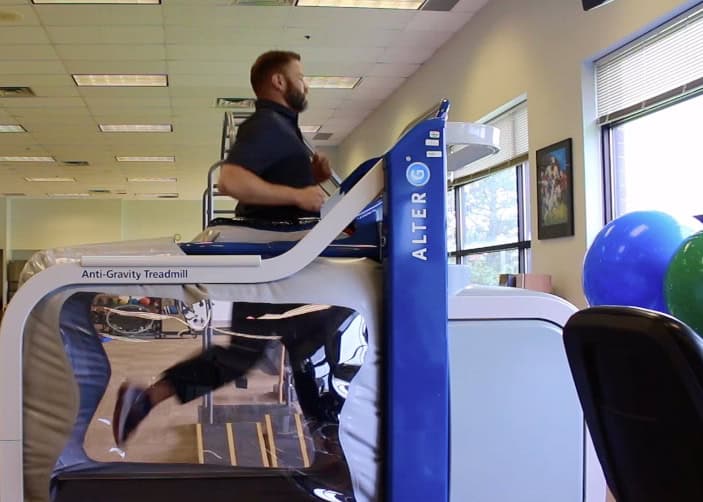

SCIATICA TREATMENT: LASTING RELIEF THROUGH PHYSICAL THERAPY
Sciatica is leg pain – often with tingling or numbness – caused by irritation of the sciatic nerve, frequently from a herniated disc or spinal stenosis. Physical therapy calms the nerve with specific movements, manual therapy, and core strengthening, and most cases improve without surgery. Relief often begins within a few weeks, and New Jersey Direct Access lets you start without a referral.
That sharp, electric-shock sensation shooting from your lower back through your buttock and down one leg — it can stop you mid-step, interrupt a night’s sleep, or make sitting at your desk feel impossible. If you recognize that description, you are not alone. Sciatica is one of the most common pain conditions in the United States, and it follows the path of the sciatic nerve — the longest nerve in the body. The good news is that sciatica treatment physical therapy delivers real, lasting pain relief for the vast majority of patients, without surgery or long-term medication. At Trinity Rehab, we have helped thousands of patients across New Jersey and Pennsylvania move past sciatic nerve pain and return to the lives they love.
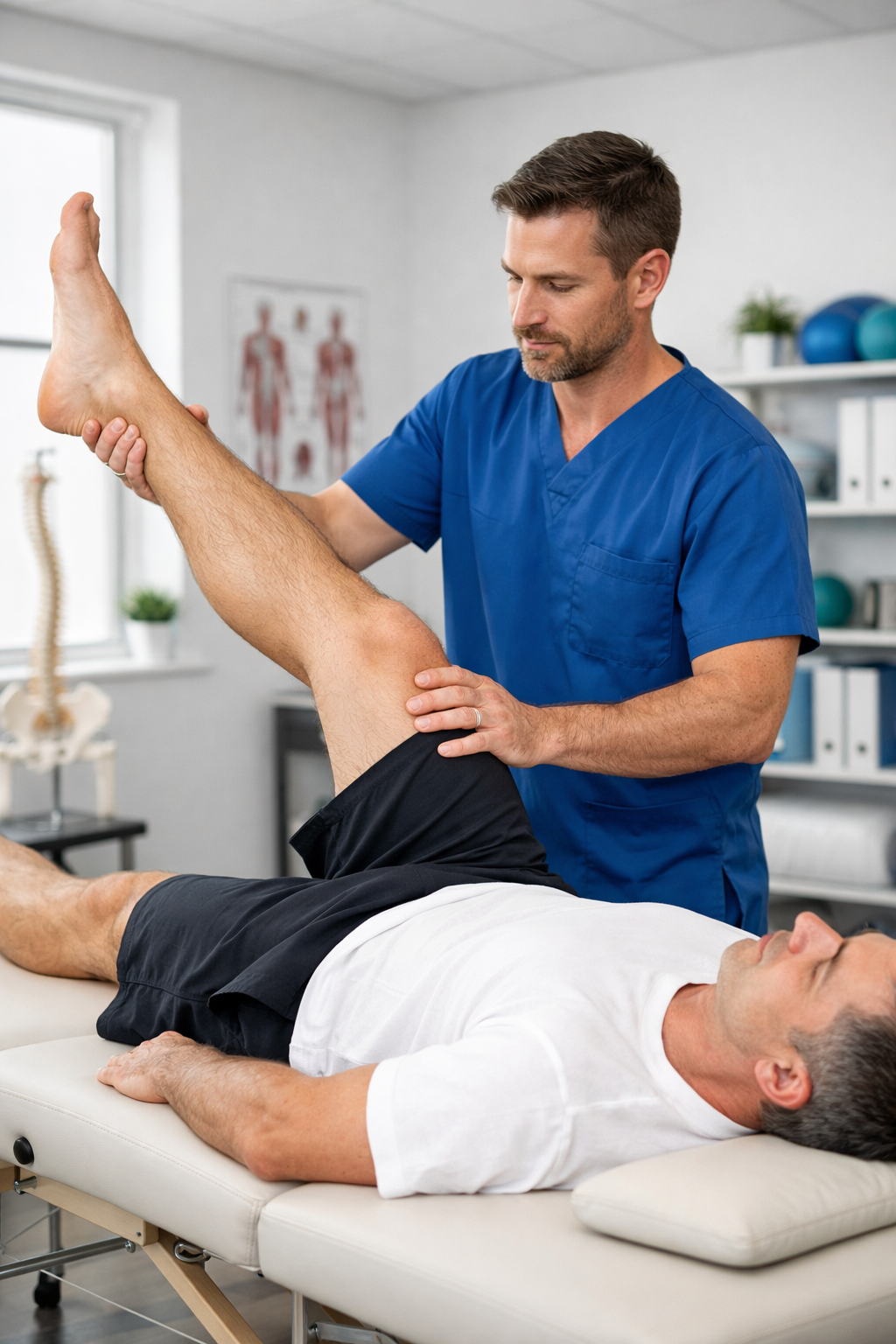
Why Sciatica Relief Matters
Sciatica is far more common than many people realize. According to Cleveland Clinic, nearly 40% of all adults will experience sciatica at some point in their lives. For many, an episode passes relatively quickly — most mild cases of acute sciatica improve with conservative treatment within a few weeks to 12 weeks. But sciatica pain that goes untreated or is poorly managed is a different story.
When left unaddressed, sciatica symptoms can worsen over time:
- Progress from occasional flare-ups into chronic pain that limits daily function for months or years
- Lead to muscle atrophy in the affected leg as the nerve signal weakens over time
- Cause persistent numbness or muscle weakness that makes walking, climbing stairs, or exercising difficult
- In severe cases, result in permanent nerve damage — though this is uncommon when treatment is sought early
The encouraging reality is that the overwhelming majority of sciatica sufferers recover fully with the right conservative care. Physical therapy for sciatica not only relieves pain but addresses the root cause of nerve compression — so you heal properly and reduce the risk of recurrence. When symptoms worsen despite rest, seeking medical care from a healthcare professional or trained therapist is the right next step.

Common Causes of Sciatica
Sciatica is a symptom, not a diagnosis in itself. The technical clinical term is lumbar radiculopathy — a condition in which nerve root compression or irritation in the lumbar spine produces pain, numbness, or tingling that radiates down the leg along the sciatic nerve’s pathway. Understanding what is compressing the spinal nerves guides the most effective sciatica treatment.
Here are the most frequent underlying causes our physical therapists identify during a physical exam:
- Herniated disc or bulging disc — The most common cause of sciatica, accounting for approximately 90% of cases. When the soft interior of a spinal disk pushes through its outer casing, it can press directly on the lumbar nerve roots, triggering the characteristic radiating sciatica pain pattern. The herniated disc material creates inflammation that irritates surrounding soft tissues and pinched nerves. Related reading: back pain treatment at Trinity Rehab.
- Lumbar spinal stenosis — A narrowing of the spinal canal in the lower back, most often due to age-related changes, that compresses the nerve roots. This form of spinal stenosis is more common in adults over 60 and may cause sciatica symptoms that worsen with prolonged standing or walking. Spinal stenosis can develop gradually, and many patients do not realize the source of their leg pain until symptoms become persistent. As the spinal canal narrows, it reduces the space available for spinal nerves in the lower body.
- Spondylolisthesis — When one vertebra slips forward over the one below it, the resulting instability can pinch a nerve root. This condition is often related to a stress fracture in the spine and may affect active adults or athletes. The slippage can reduce pressure on one side while creating severe pain on the other.
- Piriformis syndrome — The piriformis muscle sits deep in the buttock, and when it tightens or spasms, it can compress the sciatic nerve as it passes beneath (or, in some individuals, through) it. Piriformis syndrome can mimic classic disc-related sciatica and sciatica responds well to targeted physical therapy. Muscle spasms in this region are a common risk factor.
- Degenerative disc disease — As spinal disks gradually lose height and hydration with age, the space available for nerve roots can narrow. This is a gradual process and is often manageable with the right exercise and postural strategies to maintain spine health.
- Pregnancy — The growing uterus can put direct pressure on the sciatic nerve, and pregnancy-related changes in posture and pelvic alignment may further aggravate symptoms. Most pregnancy-related sciatica resolves after delivery, but PT can help provide relief in the meantime.
- Bone spurs / osteoarthritis — Extra bone growth around spinal joints or vertebrae, often from long-standing arthritis, can narrow the openings through which nerve roots travel. Related reading: arthritis treatment at Trinity Rehab.
- Poor body mechanics — Improper lifting technique, prolonged sitting at a desk, or repetitive bending can gradually increase pressure on the spinal disks and irritate the sciatic nerve over time. These risk factors are among the most preventable causes of sciatica pain.
Because the hip and lumbar spine work closely together, hip dysfunction can also contribute to or mimic sciatica. Learn more about our hip and knee pain treatment.
Symptoms Patients Often Notice
Sciatica has a distinctive pain pattern that sets it apart from other types of back or leg pain. While everyone’s experience varies somewhat depending on which nerve root is affected and what is causing the compression, the following sciatica symptoms are most characteristic:
- Shooting or burning pain from the lower back through the buttock and down one leg — often described as an electric shock, a deep ache, or severe pain that travels along a predictable path into the lower leg and foot
- Numbness or tingling in the leg, calf, or foot — sometimes described as “pins and needles,” this reflects nerve irritation interfering with normal sensation in the lower body
- Muscle weakness in the affected leg or foot — difficulty lifting the foot (foot drop), pushing off when walking, or noticing reduced muscle strength in one leg compared to the other
- Leg pain that worsens with sitting, coughing, or sneezing — these activities increase pressure within the spinal cord and spinal canal, and can momentarily amplify nerve compression symptoms. Prolonged sitting is one of the most common aggravators.
- Difficulty standing from a seated position or walking for extended periods — some patients find they can walk short distances comfortably but need to stop and rest as leg pain and sciatica symptoms accumulate
- Pain on one side of the body only — this is characteristic of sciatica; it reflects the nerve root compression on one side of the spine, not both
If you are experiencing severe pain with leg weakness, loss of bladder or bowel control, or symptoms that began after a significant injury, seek medical care promptly. These can be signs of cauda equina syndrome or spinal cord involvement, which require urgent evaluation from a healthcare professional before beginning physical therapy.
How Physical Therapy for Sciatica Restores Function
At Trinity Rehab, we treat sciatica at its underlying cause — not just the pain. Our licensed physical therapists design individualized treatment plans that progress through structured phases, ensuring you build the muscle strength and joint mobility to stay well long after your formal treatment ends. Physical therapy for sciatica focuses on reducing pain, restoring movement, and preventing future episodes.
Here is what your recovery typically looks like:
Phase 1: Pain Reduction and Nerve Calming
The first priority is reducing inflammation, calming the irritated nerve root, and getting you moving more comfortably. Your therapist may use:
- Manual therapy — hands-on joint mobilization and soft tissue mobilization to reduce lumbar stiffness, decompress irritated nerve roots, and restore movement in the joints contributing to your symptoms. Manual therapy techniques improve blood flow to the affected area and reduce pain rapidly.
- Neural mobilization (nerve glides) — gentle, carefully guided movements designed to improve the way the sciatic nerve moves through surrounding soft tissues, reducing tension and sensitivity. Nerve glides are one of the most effective tools to treat sciatica conservatively.
- Gentle stretching exercises — targeted stretches for the piriformis, hip flexors, and lumbar spine to relieve tightness that may be compressing the nerve and reduce pressure on surrounding structures
- Therapeutic modalities — heat or cold applications to reduce muscle spasms and ease acute pain, helping improve blood flow and allowing you to engage more effectively in active treatment. Bed rest is not recommended — gentle movement supports the healing process better.
- Massage therapy — targeted work on the muscles of the lower back, glutes, and lower body to release tension in the soft tissues surrounding the irritated nerve
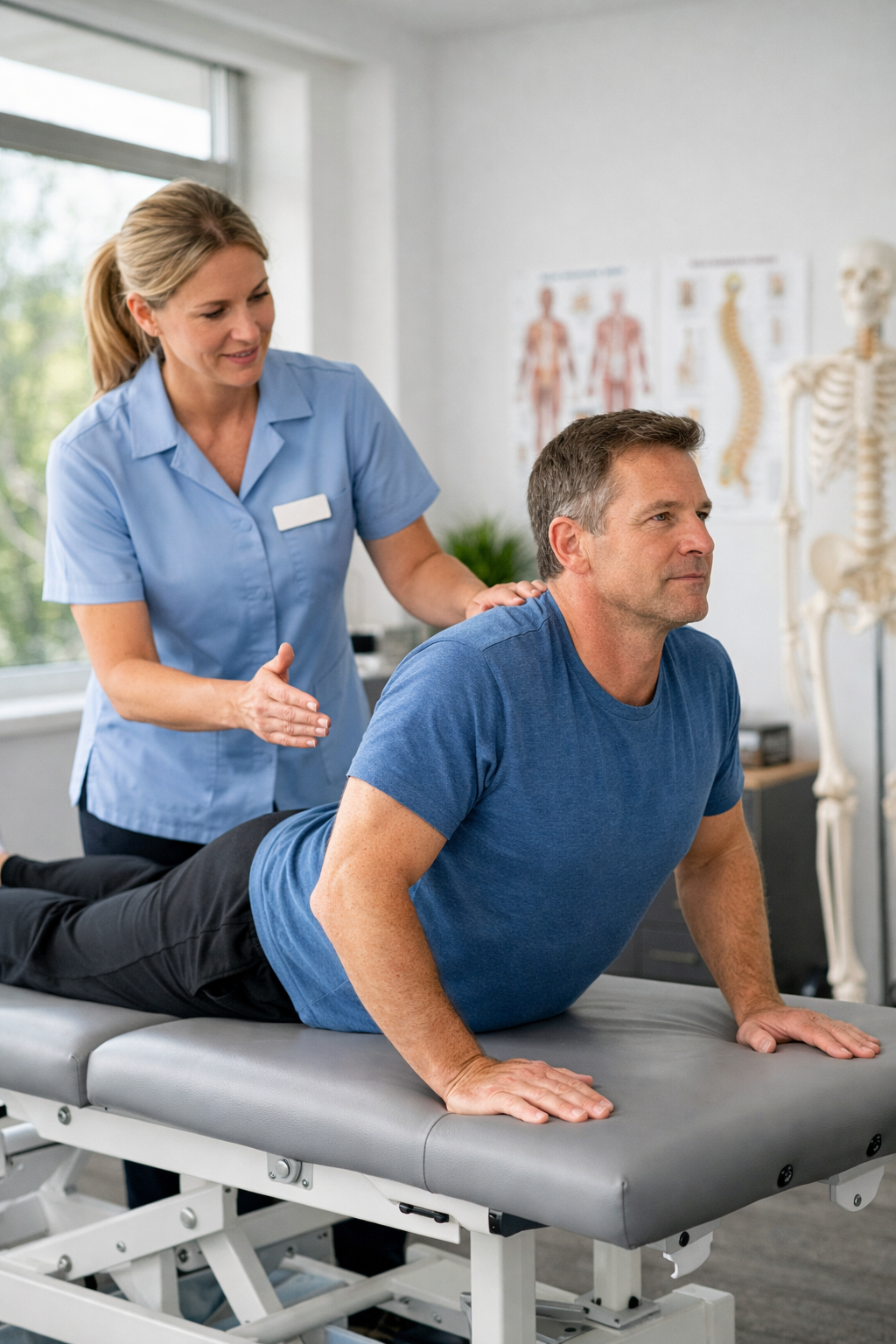
Phase 2: Progressive Strengthening and Stability
Once acute sciatica pain is under control, your physical therapist shifts focus to building the muscular support system that protects your lumbar spine and sciatic nerve from re-irritation. This phase typically includes:
- Core stabilization and strengthening exercises — targeted activation of the deep abdominal and spinal muscles (transversus abdominis, multifidus) that form a natural brace around the lumbar spine
- Hip and glute strengthening — weak glutes and hip muscles place excessive load on the lumbar spine; systematically strengthening them reduces the mechanical stress that often drives nerve compression. Try the glute bridge: lie on your back with knees bent, feet flat on the floor at hip width apart, and lift your hips until your body forms a straight line from shoulders to knees.
- McKenzie method exercises — a well-researched system of directional movements that helps centralize pain, reduce disc-related nerve irritation, and restore full spinal range of motion
- Posture correction and body mechanics training — learning to sit, stand, lift, and move in ways that protect your spine health throughout the day and address poor body mechanics that may have contributed to your condition
- Nerve glides and neural mobilization — continued nerve glides help maintain sciatic nerve mobility as you progress through rehabilitation, gradually increasing range to restore full lower body function
For patients with persistent piriformis tightness or lumbar muscle guarding that limits progress, dry needling can be an effective addition. This technique targets myofascial trigger points in the piriformis, gluteal, and paraspinal muscles to release deep tension that stretching exercises alone cannot fully resolve.
For patients with chronic sciatica or those who have not responded adequately to initial conservative treatment, EPAT shockwave therapy offers a non-invasive option to stimulate tissue healing, increase blood flow, and reduce symptoms of chronic pain sensitization in the affected area.
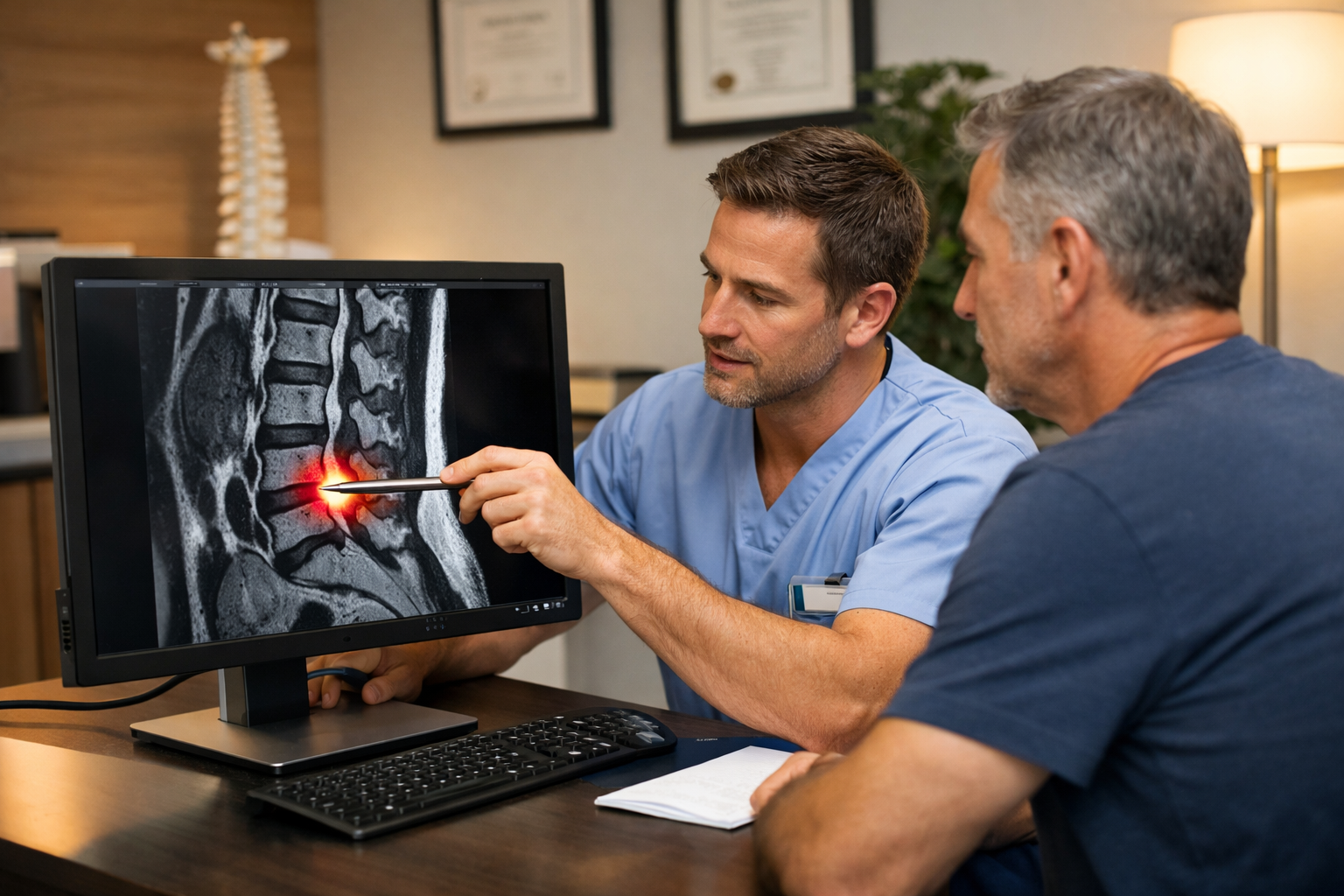
Phase 3: Return to Activity and Long-Term Prevention
The final phase prepares you to fully resume the activities that matter most to you — whether that means returning to a desk job without pain, getting back on the golf course, or picking up your grandchildren without fear. This phase includes:
- Functional training — movements that mirror your specific daily activities and demands, ensuring your upper body and lower body are ready for real life, not just the clinic
- Sport-specific or work-specific exercises — for athletes and workers whose activities involve repetitive loading, rotational movements, or prolonged postures
- Injury prevention education — understanding your individual risk factors, how to recognize early warning signs of a flare-up, and when to apply self-management strategies to prevent sciatica from returning
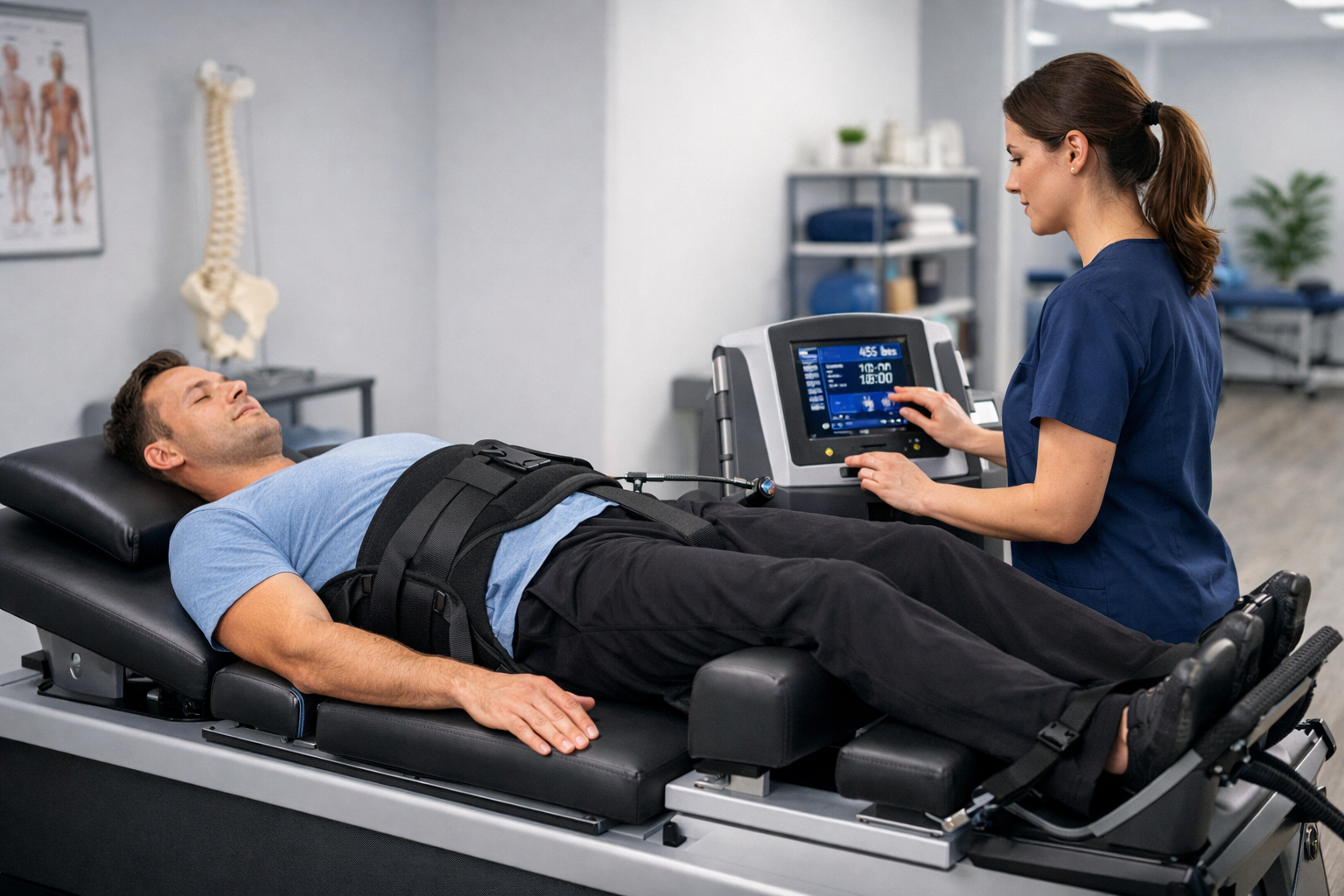
- Home exercise program — a clear, manageable set of stretching exercises and strengthening exercises you can continue independently to maintain your gains, build muscle strength, and protect your spine long term
How to Prevent Sciatica from Returning
To prevent sciatica recurrence, our physical therapists recommend:
- Maintain a healthy weight — excess body weight increases pressure on the lumbar spinal disks and compresses spinal nerves
- Stay active — regular movement and stretching exercises improve blood flow, joint mobility, and keep your lower body strong
- Practice good body mechanics — avoid prolonged sitting, use proper lifting technique, and take movement breaks throughout the day
- Continue your home exercise program — even after symptoms resolve, ongoing strengthening exercises protect spine health
- Breathe properly — breathing deeply during exercise supports core engagement and helps reduce pressure on the lower back
- Pull one knee to your chest while lying on your back with the opposite knee bent to gently stretch the lower back and glutes. This is a safe daily maintenance stretch.
Why Patients Choose Trinity Rehab
When you are dealing with sciatic nerve pain, you deserve more than a template treatment plan and a crowded gym. Here is what sets Trinity Rehab apart:
- One-on-one care with a licensed physical therapist, every visit — You will not be handed off to aides or exercise on your own. Your trained therapist is present and engaged throughout every session, providing hands-on manual therapy, soft tissue mobilization, and real-time guidance.
- 27 convenient locations across New Jersey and Pennsylvania — With clinics spread across the region, you can find quality physical therapy close to where you live, work, or commute.
- Direct access — no physician referral required — New Jersey’s direct access law means you can schedule an appointment and begin treatment immediately, without waiting for a doctor’s referral first. The same applies in Pennsylvania. This means you get to the right medical care faster.
- Evidence-based treatment protocols — Our clinical approach draws on the most current research in lumbar spine rehabilitation, neural mobilization, and neuromuscular strengthening — so you benefit from what the science shows actually works to treat sciatica.
- Personalized treatment plans — Your sciatica is not identical to anyone else’s. We conduct a thorough physical exam to understand your specific anatomy, activity level, and goals before designing a plan that fits you.
- Flexible scheduling including early morning and evening appointments — Because we know that recovery should not require taking time off work.
Find Sciatica Treatment Near You
Trinity Rehab offers expert sciatica treatment at 27 convenient locations across New Jersey and Pennsylvania. Every clinic provides one-on-one physical therapy with a licensed therapist — no referral required.
New Jersey
Pennsylvania
Frequently Asked Questions
How long does physical therapy for sciatica take?
Can sciatica go away on its own?
Do I need a referral to see a physical therapist for sciatica?
What exercises help sciatica?
When should I see a doctor versus a physical therapist for sciatica?
Living with sciatic nerve pain means living smaller than you should — avoiding the activities you love, modifying how you move, and bracing for the next flare-up. At Trinity Rehab, we believe that is not acceptable. Our physical therapists bring both clinical expertise and genuine care to every patient interaction, because we know that behind every case of sciatica pain is a person trying to get back to something they love: a morning run, time on their feet at work, playing on the floor with their kids, or simply sleeping through the night without pain.
We are here to help you through the healing process — with a clear plan, consistent one-on-one attention, and evidence-based treatment that addresses your sciatica at its source. Sciatica responds best to early intervention, so do not wait for symptoms to worsen.
You do not need to simply manage this pain. You can overcome it.
Getting started is straightforward:
- Request an appointment — Choose a location near you and a time that works with your schedule. No referral needed.
- Receive a custom treatment plan — Your licensed physical therapist will conduct a thorough physical exam, identify the root cause of your sciatica, and build a personalized program around your specific goals to reduce pain and restore function.
- Work hard, progress, and recover — With one-on-one guidance at every session, you will build muscle strength, reduce symptoms, and gain the knowledge to prevent sciatica from coming back.
Ready to take the first step toward sciatica relief? Request your appointment today and connect with a Trinity Rehab physical therapist at one of our 27 locations across NJ and PA.
Related Conditions and Treatments
OTHER CONDITIONS WE TREAT
Trinity Rehab treats a wide range of musculoskeletal conditions. Explore our other condition-specific resources: