
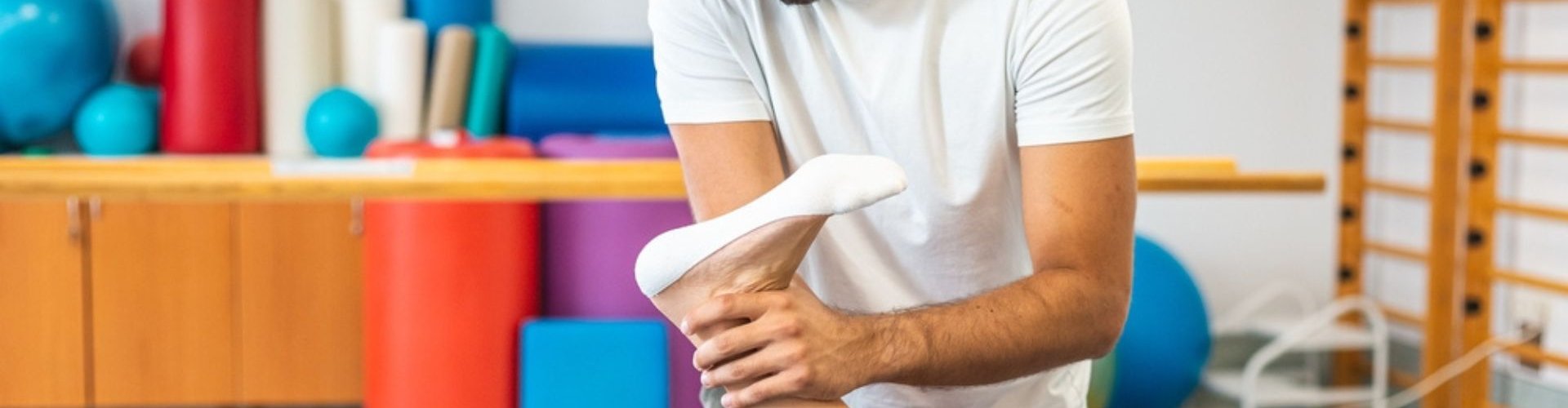
SCIATICA TREATMENT IN TOMS RIVER, NJ
For the residents of Toms River, the geography itself tells the story. On one side, the calm of the estuary — paddleboarding along the Toms River, crabbing off a dock on Barnegat Bay, launching a kayak at the Woodbridge River Park access near Cattus Island. On the other, the open ocean beaches of the Barnegat Peninsula, where summer brings surfing, volleyball, and long walks in soft sand that load the spine with every uneven step. Year-round, Toms River residents live active, water-adjacent lives that are worth every bit of effort to protect. And for the community’s large retiree population in Holiday City and Silver Ridge, the stakes are equally real — maintaining the ability to golf at Bey Lea, walk the boardwalk, and stay independent is not a small thing. Sciatica is one of the most common conditions that threatens all of it. Trinity Rehab provides focused, one-on-one sciatica treatment in Toms River to help you return to — and stay in — the life you have built on the shore.
What Sciatica Is and Why It Happens
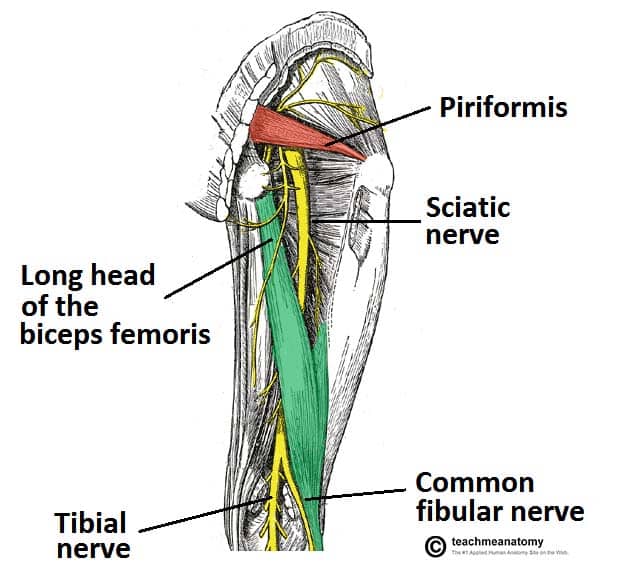
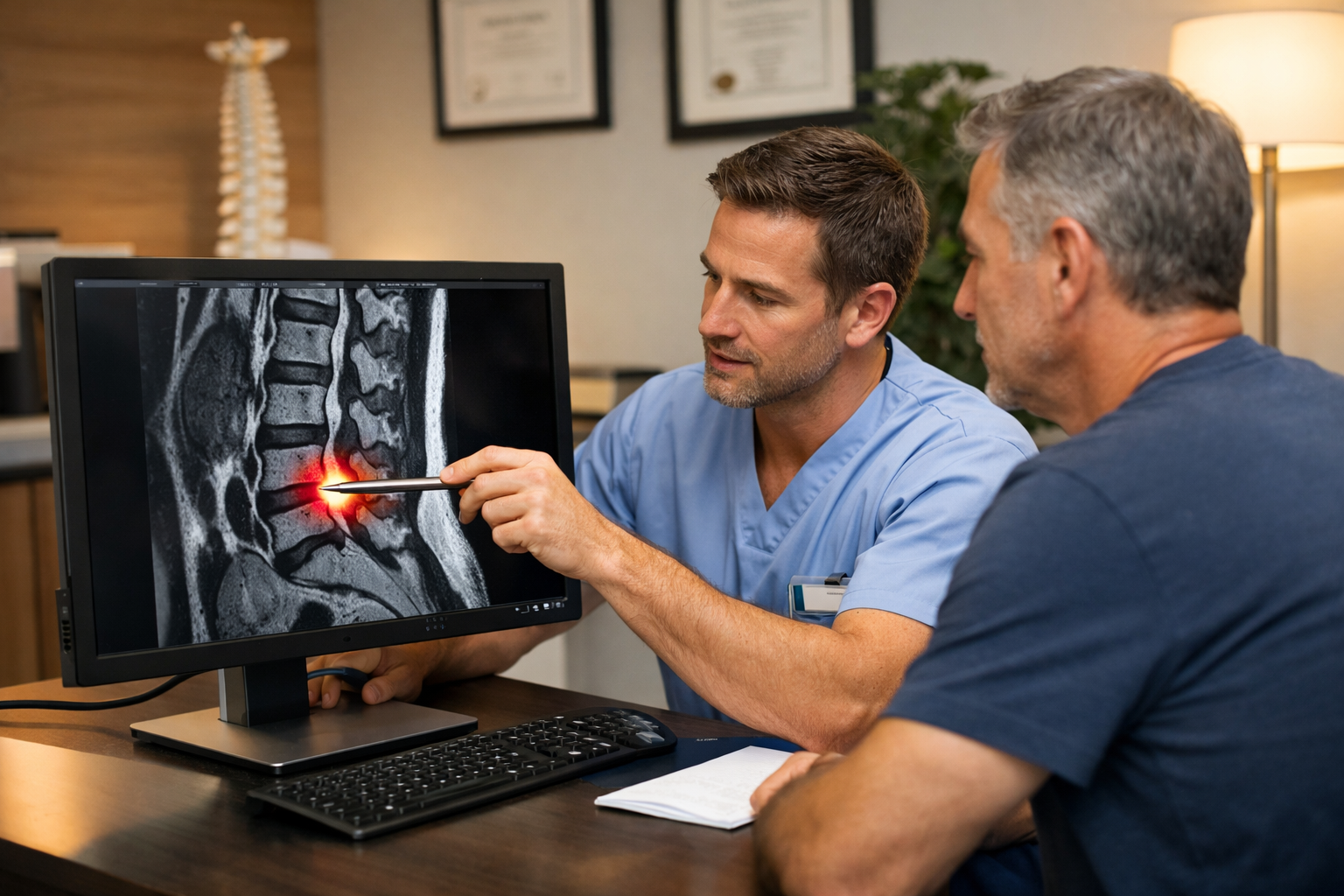
Sciatica describes symptoms — pain, numbness, or tingling — that travel along the path of the sciatic nerve, from the lower back through the buttock and down one leg. It is caused by compression or irritation of the lumbar nerve roots (L4 through S3), a condition clinically known as lumbar radiculopathy. The most common cause, accounting for roughly 90% of cases, is a herniated or bulging disc pressing against a nerve root. Other causes include spinal stenosis (canal narrowing more common in adults over 60), piriformis syndrome (the gluteal muscle compressing the nerve directly), and spondylolisthesis (vertebral slippage).
What distinguishes sciatica from ordinary lower back pain is the radiating quality — the symptom that travels down the leg, sometimes reaching the calf or foot. That traveling pattern is the nervous system signaling exactly where the compression is, which makes it a useful diagnostic guide during physical therapy evaluation. Mayo Clinic notes that sciatica tends to affect one side of the body, and that most cases resolve with appropriate conservative care.
Why Toms River Residents Develop Sciatica
Ocean County’s largest community has a diverse population — families, young professionals, and a substantial retiree community — with correspondingly varied sciatica triggers:
Waterfront and beach activities. The physical demands of Toms River’s coastal lifestyle are significant. Launching and carrying kayaks and paddleboards requires loaded spinal flexion and overhead reaching. Walking on soft sand forces the pelvis and lumbar spine to work harder with every step due to the unstable surface. Surfing involves repetitive lumbar extension (pop-ups) and paddle mechanics that stress the lower back across an entire summer season. Jet skiing and motorboating transmit vibration through the spine over hours on the water. Any of these activities, performed regularly by someone with an underlying disc vulnerability or weak core, can develop into acute sciatica.
Community Medical Center and healthcare workers. RWJBarnabas Health’s Community Medical Center is one of Toms River’s largest employers. Nurses, patient care technicians, and allied health professionals perform physically demanding work — patient transfers, prolonged standing, awkward posture positions in procedural settings — that subjects the lumbar spine to cumulative loading. The combination of occupational spinal stress and the demands of an active shore lifestyle after hours is a well-documented pattern for disc-related sciatica.
Warehouse and distribution workers. Ocean County’s industrial and commercial corridor employs many Toms River residents in physically demanding logistics and warehousing roles. Repetitive bending, lifting, and twisting — often with time pressure and without adequate ergonomic support — are leading causes of lumbar disc herniation. Workers in these environments sometimes tolerate increasing back discomfort until a single heavy lift produces an acute sciatic nerve compression. Related reading: back pain treatment at Trinity Rehab.
Golf and active retirees. Toms River’s 55-plus communities — Holiday City, Silver Ridge, and others — represent a large, physically active population. Municipal golf at Bey Lea, tennis and pickleball at the Toms River Country Club, and swimming and fitness at Ocean County YMCA are staples of retirement life in Ocean County. The rotational forces of golf, the lateral movement of tennis and pickleball, and the impact of daily walking create specific lumbar and hip loading patterns that can trigger or aggravate sciatica — particularly in adults over 60 with degenerative disc changes or spinal stenosis.
Youth and recreational sports families. Toms River has three regional high schools — North, East, and South — all with active athletic programs. Parents and coaches of TR North Mariners, East Raiders, and South students are often in the bleachers, on the sidelines, and on recreational fields themselves. Youth sports parents who are also coaching, hauling equipment, and staying active in their own recreational leagues face the dual demands of physical parenting and personal fitness. Toms River Recreation’s programs draw adult participants in softball, flag football, and tennis who add sport-specific lumbar loading to already busy lives.
Winter shoveling and seasonal transitions. Despite the coastal character, Toms River gets its share of winter storms. Snow shoveling — combining lumbar flexion and rotation with heavy, repetitive lifting — is one of the most statistically consistent triggers for acute lumbar disc herniation and sciatica. The transitions between seasons are also risk points: the first kayak launch of spring, the first full beach day in June, the first post-summer yard cleanup in October.
Symptoms Common Among Toms River Patients
- Burning or shooting pain from the buttock down through the thigh and calf — often described as an electric bolt or a deep ache with a sharp edge
- Numbness or tingling in the lower leg or foot — a common experience for Toms River golfers who notice their foot going “asleep” through a round
- Stiffness and pain getting out of a boat or low beach chair — the lumbar flexion of sitting in watercraft or shoreline chairs is a well-known sciatica aggravator
- Leg weakness on stairs or uneven terrain — relevant for Cattus Island trail users and those navigating beach access boardwalks and stairs
- Relief with movement, worsening with sustained sitting or standing — walking on the boardwalk may feel better than sitting at a restaurant afterward
- One-sided symptoms — sciatica is characteristically unilateral; bilateral leg symptoms warrant additional evaluation
Seek prompt medical attention if you experience sudden, severe leg weakness, any loss of bladder or bowel control, or symptoms following a significant impact or fall.
Sciatica Treatment at Trinity Rehab Toms River: Phase-by-Phase Recovery
Trinity Rehab’s physical therapists use a structured, progressing approach that addresses your sciatica at its source and prepares you for the specific demands of life in Toms River.
Phase 1: Pain Reduction and Nerve Calming
The first priority is reducing nerve irritation enough to allow effective movement-based treatment. Your therapist will use:
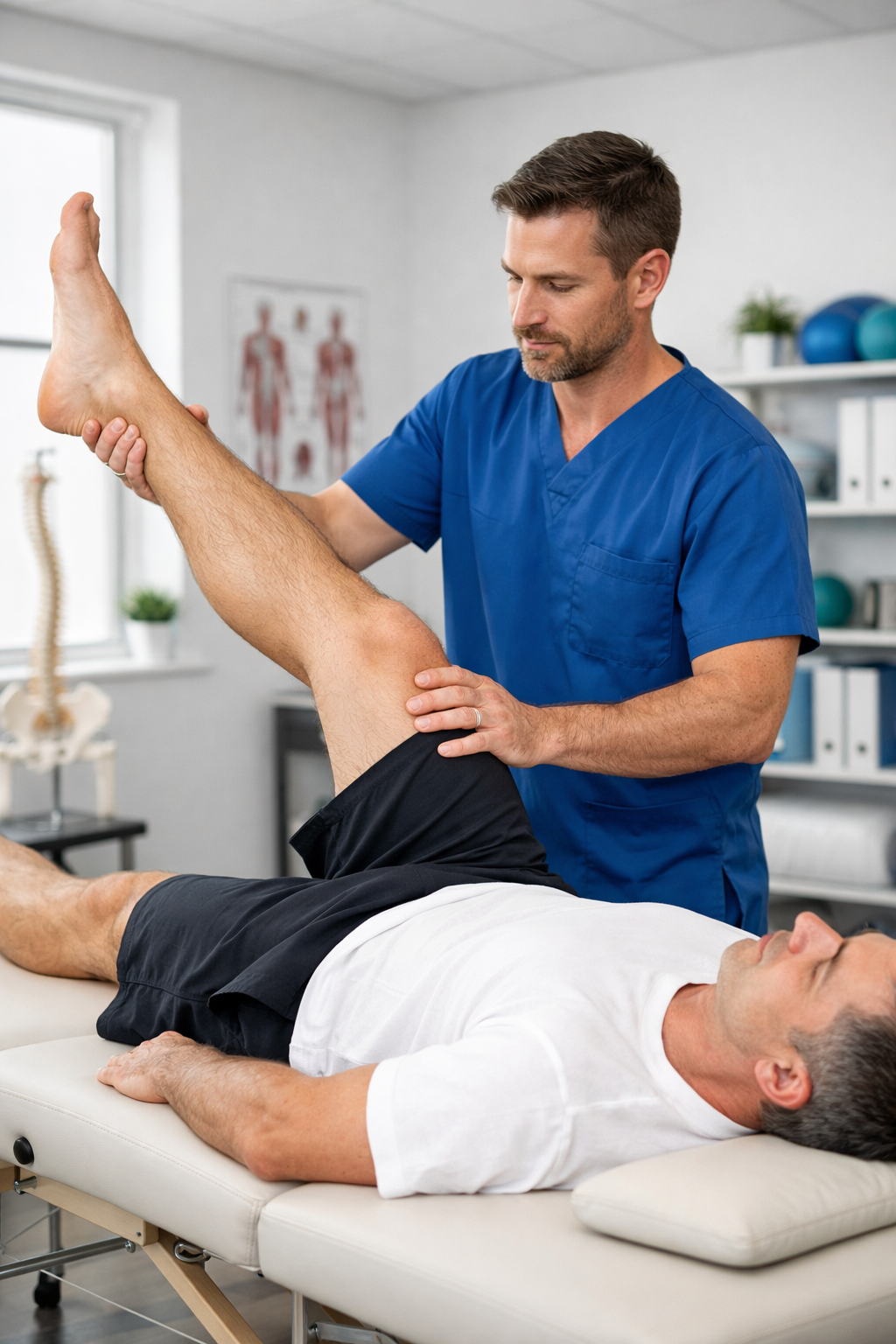
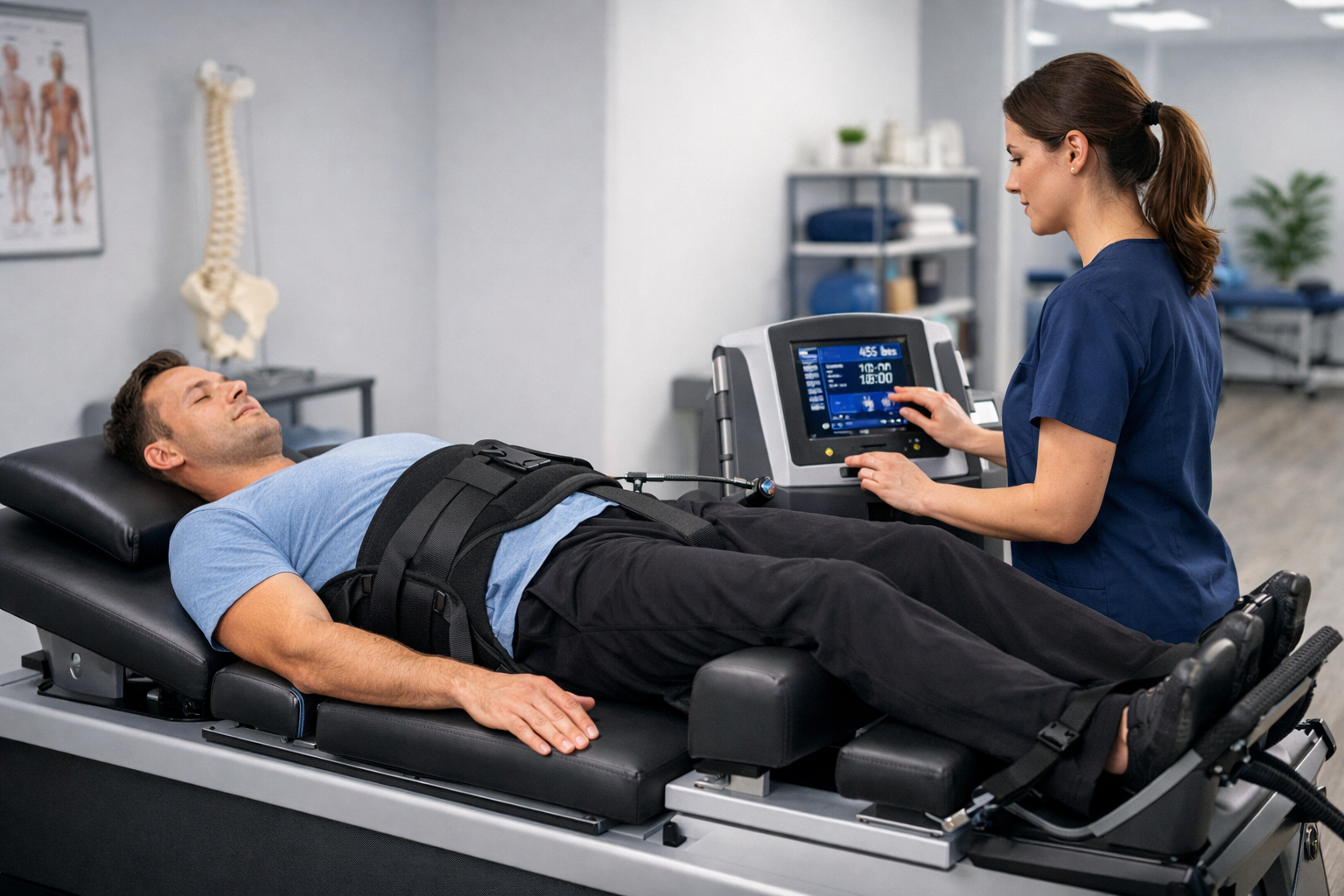
- Manual therapy — joint mobilization of the lumbar spine and sacroiliac joint, along with soft tissue techniques targeting the piriformis and gluteal muscles; essential for patients whose sciatica is driven by hip muscle compression of the sciatic nerve
- Neural mobilization — nerve gliding techniques that encourage the sciatic nerve to move through its sheath and surrounding tissue without resistance; these techniques directly reduce the neural hypersensitivity that makes ordinary movement feel dangerous
- Positioning and therapeutic movement — identifying which spinal positions decompress your nerve root and using them strategically to manage pain between sessions; patients are taught self-management tools from day one
- Therapeutic modalities — heat, cold, or electrical stimulation as appropriate to reduce muscle guarding that is limiting movement and treatment effectiveness
Phase 2: Strengthening and Stabilization
Once the nerve is less irritated, the program shifts to building the physical infrastructure that prevents recurrence:
- Core stabilization progression — from isolated deep muscle activation to integrated multi-plane stability; tailored to your specific demands (e.g., the rotational stability needs of a golfer differ from the impact-absorption needs of a trail walker)
- Hip and glute strengthening — addressing the gluteal weakness that is almost universally present in sciatica patients and that, when corrected, dramatically reduces the mechanical load on lumbar nerve roots
- Dry needling — for patients with persistent piriformis tightness or paraspinal trigger points that are limiting progress in strengthening, dry needling provides a targeted release that opens the door to more effective exercise
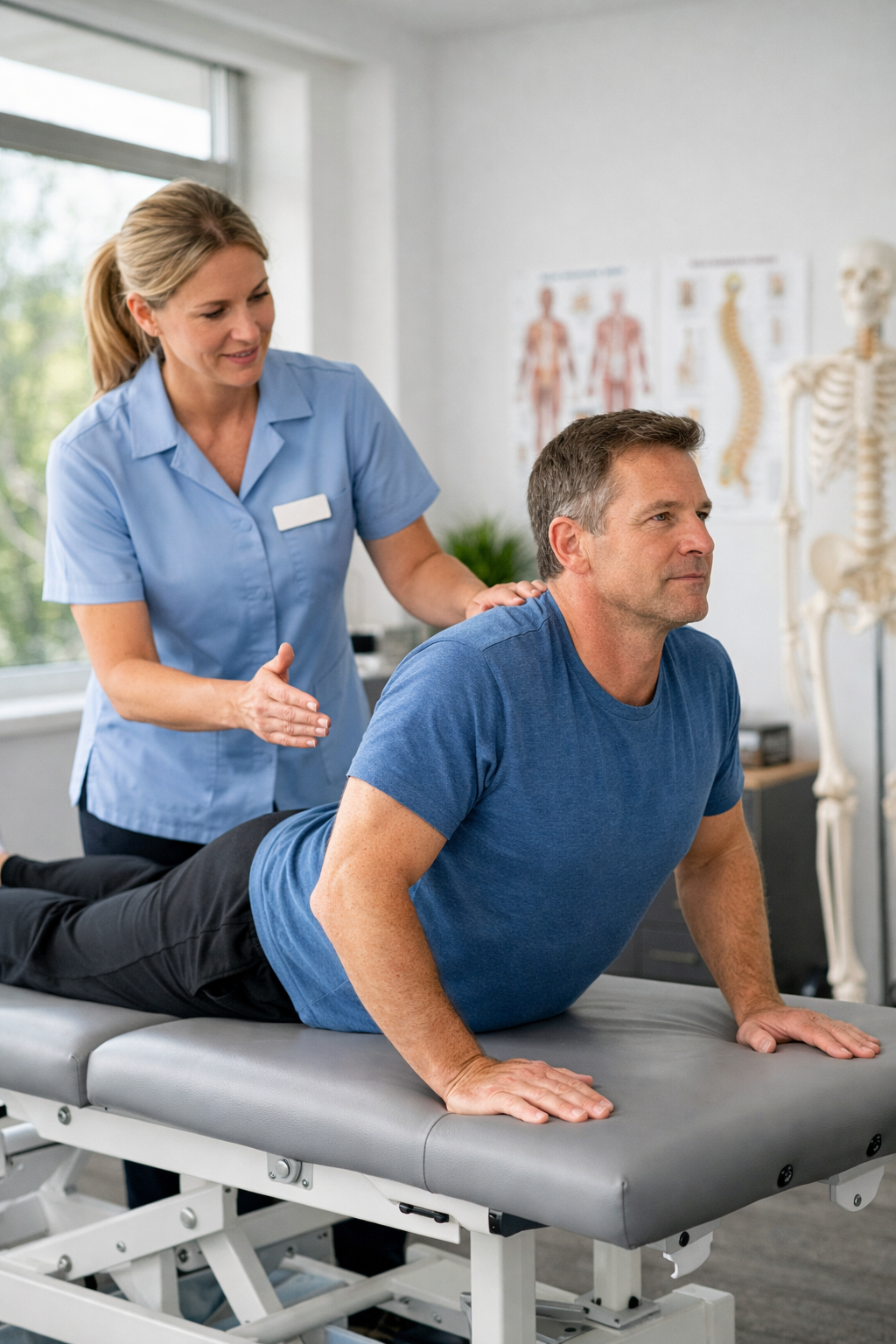
- McKenzie method exercises — directional exercises, particularly extension-based, are often highly effective for the disc-related sciatica common in Toms River’s working-age patients
Phase 3: Return to Shore Life and Long-Term Prevention
Before you are cleared to return to full activity — whether that means an 18-hole round at Bey Lea, a full day on Barnegat Bay, or a return to Community Medical Center’s nursing floors — Phase 3 ensures your body is mechanically prepared:
- Functional and sport-specific training — movements that replicate the lumbar demands of your specific activities: kayak launches, golf swings, patient transfers, beach walks on uneven sand
- Occupational rehabilitation — for healthcare and warehouse workers, specific training in body mechanics for lifting, patient transfer, and sustained standing
- Injury prevention education — understanding your individual risk pattern, how to recognize early sciatic symptoms before they escalate, and what to do when a flare begins
- Independent home exercise program — a realistic, sustainable maintenance routine designed around your Toms River life
Why Trinity Rehab in Toms River
Trinity Rehab brings the standard of one-on-one, licensed physical therapist care to Ocean County. Your sciatica is not a number in a group session — it is your daily life, your ability to kayak Barnegat Bay or play with your grandchildren at Cattus Island, and it deserves focused expert attention.
No referral needed. New Jersey’s Direct Access Law means you can book an evaluation and begin treatment immediately. In sciatica, acting before symptoms become chronic is one of the most predictive factors for full recovery.
Trinity Rehab accepts most major insurance plans and offers scheduling flexibility that accommodates retirees, shift workers at Community Medical Center, and parents managing busy family schedules. Early morning and evening appointments are available.
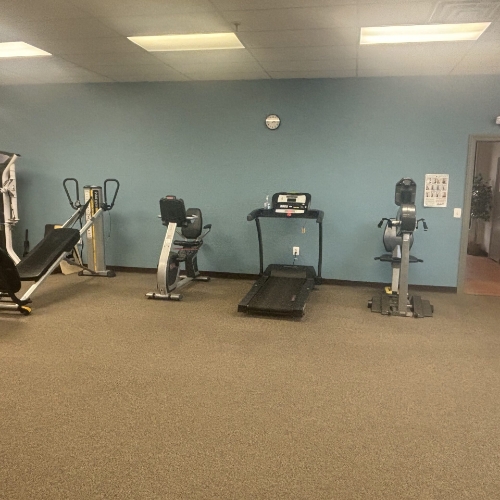
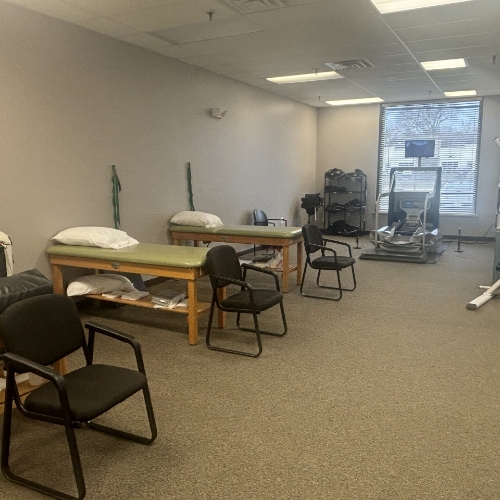
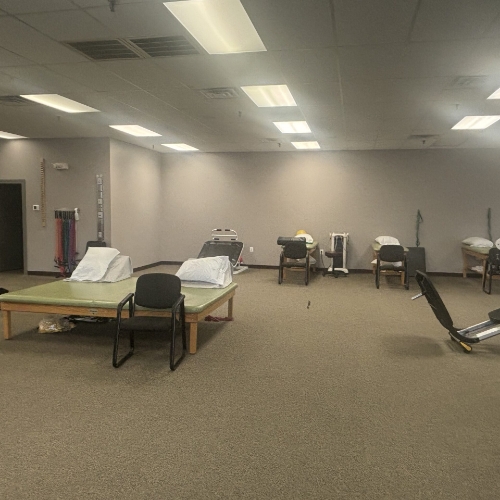
Inside Our Toms River Clinic
Related Conditions & Treatments
Sciatica is just one of the many conditions we treat at Trinity Rehab Toms River. Explore our full range of conditions we treat or learn more about specific treatment approaches:
- Sciatica Treatment Overview
- Back Pain Treatment
- Hip & Knee Pain Relief
- Manual Therapy
- Dry Needling
- EPAT / Shockwave Therapy
Toms River Sciatica Rehab For Leg Pain, Sitting Pain, And Walking Tolerance
Sciatica-like symptoms can make sitting, driving, bending, sleeping, and walking difficult. Toms River patients need a plan that separates nerve-related leg pain from back, hip, or muscle-driven symptoms.
Your therapist may assess symptom behavior, lumbar mobility, nerve tension, hip strength, walking tolerance, and positions that calm or worsen symptoms. Progressive weakness, numbness, or bowel/bladder changes should be medically reviewed urgently.
Related Toms River spine options include back pain physical therapy, spinal stenosis treatment, and the main Toms River physical therapy clinic page.
Frequently Asked Questions
Toms River Sciatica Rehab For Leg Pain, Sitting Pain, And Walking Tolerance
Sciatica-like symptoms can make sitting, driving, bending, sleeping, and walking difficult. Toms River patients need a plan that separates nerve-related leg pain from back, hip, or muscle-driven symptoms.
Your therapist may assess symptom behavior, lumbar mobility, nerve tension, hip strength, walking tolerance, and positions that calm or worsen symptoms. Progressive weakness, numbness, or bowel/bladder changes should be medically reviewed urgently.
Related Toms River spine options include back pain physical therapy, spinal stenosis treatment, and the main Toms River physical therapy clinic page.
Where can I get sciatica treatment in Toms River, NJ?
Does Trinity Rehab accept Medicare for sciatica treatment?
I have spinal stenosis — can physical therapy still help my sciatica?
Can I kayak or golf during treatment?
How is sciatica different from general lower back pain?
Toms River’s water, golf, trails, and community are built for living fully — not for managing pain from the sidelines. Trinity Rehab is here to help you get back to all of it.
- Request your appointment — no referral needed, flexible scheduling available
- Receive a comprehensive evaluation — identify the exact cause of your sciatica and the right treatment approach
- Recover with one-on-one expert care — every session, a licensed physical therapist working directly with you
The bay, the boardwalk, and the golf course are waiting. Book your appointment today.