
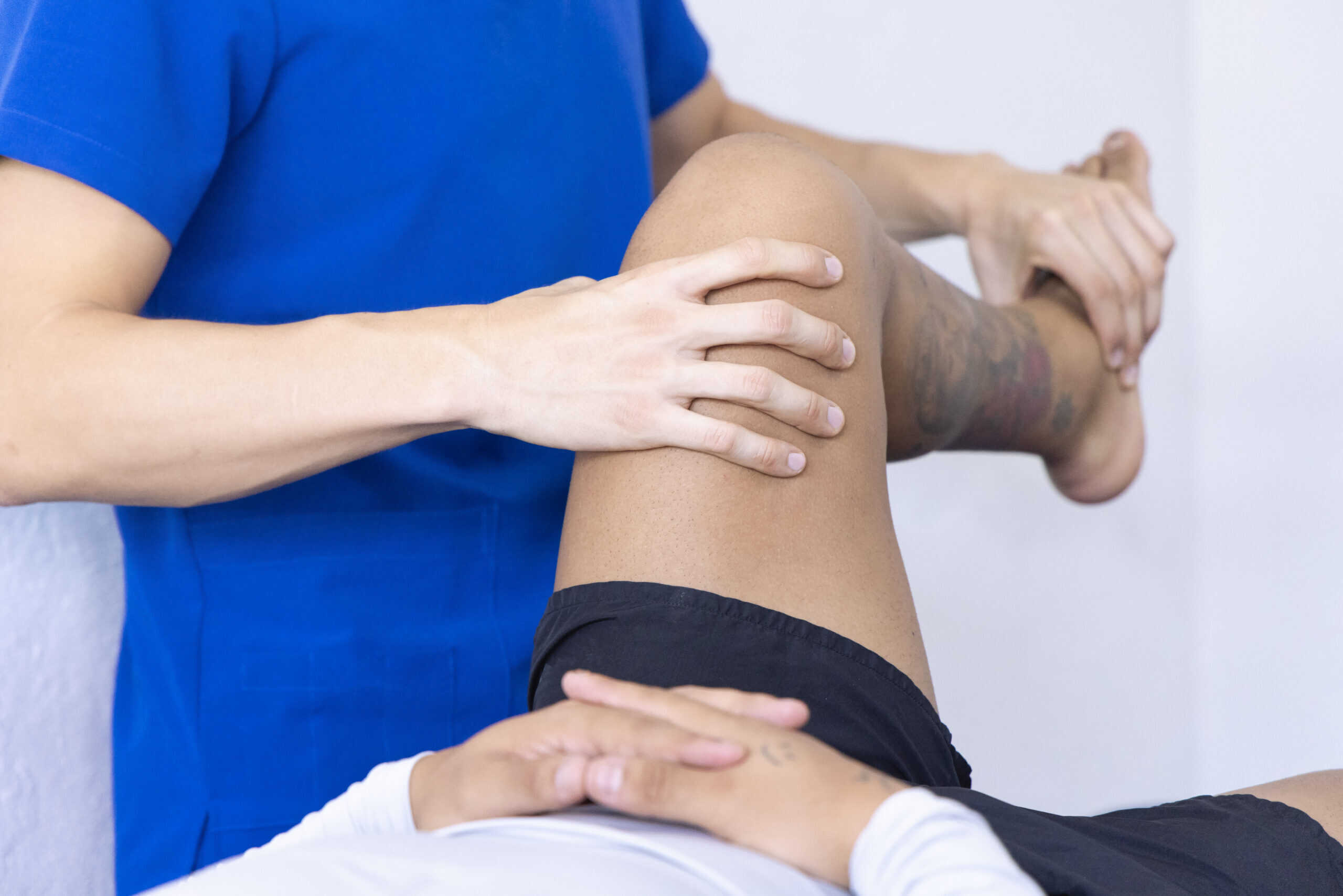
If getting out of bed, climbing stairs, or simply walking across a parking lot has become a daily struggle because of aching, stiff joints, you are not alone. Osteoarthritis affects more than 32.5 million adults in the United States, making it the most common form of arthritis and one of the leading causes of chronic pain and disability (CDC). Osteoarthritis is the most common disease of the joints worldwide, primarily affecting individuals over the age of 45. The gradual breakdown of protective cartilage leaves bone surfaces grinding against each other, producing pain, swelling, and stiffness that can steal your independence one activity at a time.
The good news is that osteoarthritis does not have to define your life. Physical therapy is widely recommended by the American Academy of Orthopaedic Surgeons, the American College of Rheumatology, the Arthritis Foundation, and the National Institute for Health and Care Excellence (NICE) as a first-line treatment for osteoarthritis — before medication escalation and long before surgery becomes a consideration. Following health and care excellence standards and evidence-based guidelines from these organizations is essential for effective osteoarthritis management. At Trinity Rehab, we specialize in helping patients across New Jersey and Pennsylvania reclaim movement, reduce joint pain, and return to the activities that matter most.
Why Osteoarthritis Relief Matters
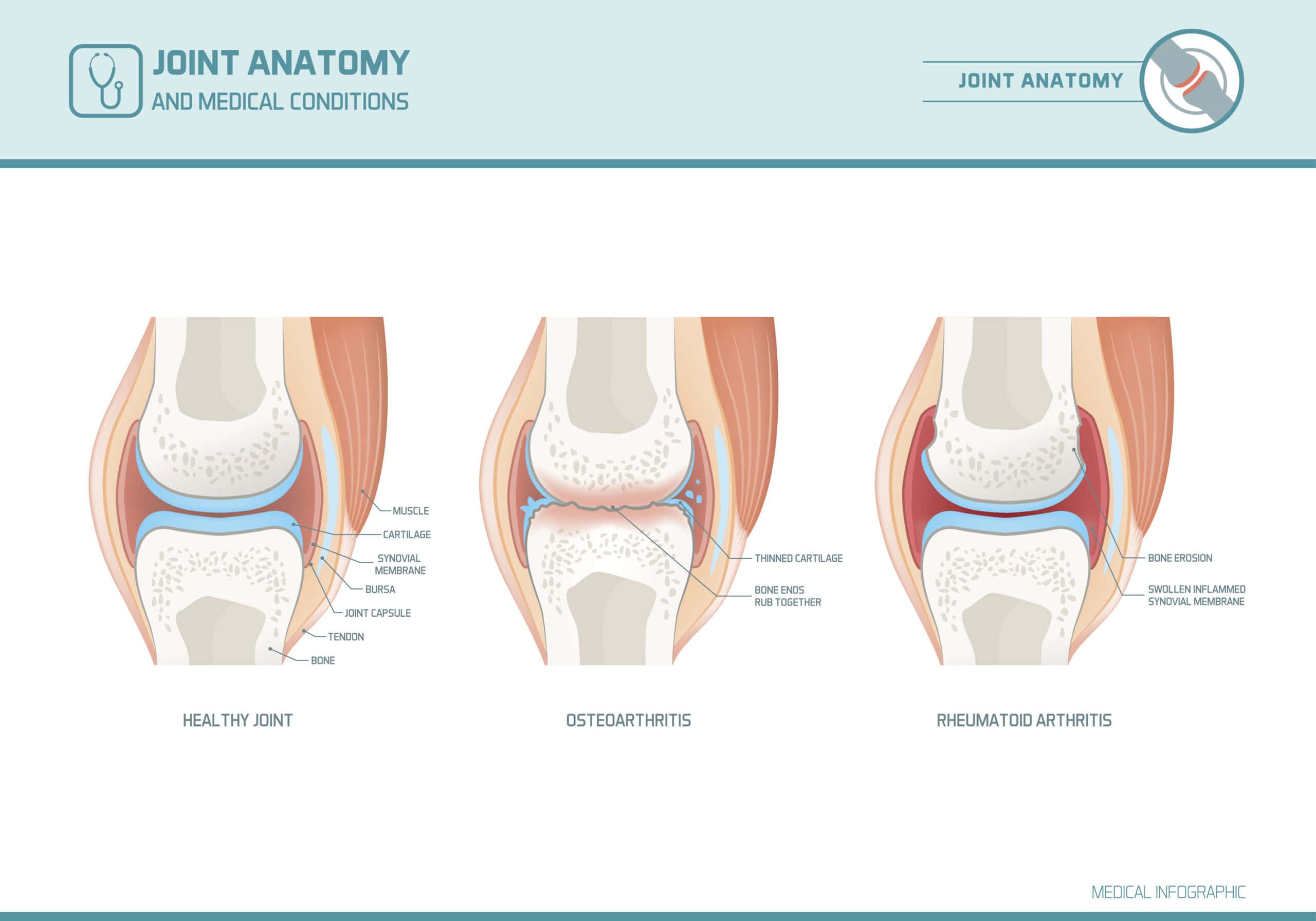
Osteoarthritis is a progressive degenerative joint disease. Without proper intervention, the cartilage that cushions your joints continues to wear down, narrowing the joint space and increasing bone-on-bone contact. Over time this leads to:
-
Chronic osteoarthritis pain that can progress to severe pain, limiting work, hobbies, and social participation
-
Loss of range of motion that makes everyday tasks — bending, reaching, gripping — increasingly difficult
-
Muscle weakness around the affected joint, accelerating further joint deterioration; muscle strengthening and targeted strengthening exercises for the hip and quadriceps are important to help prevent further joint deterioration and improve joint mechanics
-
Compensatory movement patterns that can trigger pain in other areas of the body
-
Reduced cardiovascular fitness from decreased physical activity
-
Emotional toll including frustration, anxiety, and depression related to lost independence
If left untreated, these consequences can significantly impact your quality of life. Nonsteroidal anti-inflammatory drugs (NSAIDs) are commonly used to relieve osteoarthritis pain.
Early, targeted physical therapy can slow this cascade. Research published in the Journal of Orthopaedic & Sports Physical Therapy shows that patients who begin structured physical therapy early experience better long-term outcomes, less pain medication use, and significantly delayed need for joint replacement surgery. An individualized exercise program should be set by a physiotherapist initially, taking into account the patient’s goals and hobbies to ensure long-term exercise compliance.
Common Causes of Osteoarthritis
Understanding what drives osteoarthritis helps you and your physical therapist build a smarter treatment plan. The most common causes and contributing factors include:
-
Age-related cartilage wear — Cartilage loses water content and resilience over time. Most osteoarthritis diagnoses occur after age 50, though younger adults can develop it after joint injuries.
-
Previous joint injury or surgery — A torn meniscus, ACL tear, or fracture that involved a joint surface significantly increases the risk of developing post-traumatic osteoarthritis, sometimes years after the original injury.
-
Excess body weight — Every extra pound adds roughly four pounds of pressure to your knees during walking. Obesity is one of the strongest modifiable risk factors for knee and hip osteoarthritis. Losing weight is important to reduce strain on joints and improve overall health.
-
Repetitive occupational stress — Jobs involving frequent kneeling, squatting, heavy lifting, or repetitive hand motions can accelerate joint breakdown in the affected areas.
-
Genetics and family history — Some people inherit cartilage that is less resilient or joint structures that are more prone to degeneration.
-
Joint malalignment — Bow-legged or knock-kneed alignment concentrates force on specific areas of cartilage, wearing those zones down faster.
-
Muscle weakness — Weak quadriceps, hip stabilizers, or rotator cuff muscles fail to absorb shock effectively, transferring excess load directly to joint surfaces. A personalized exercise plan that includes muscle strengthening exercises can help support joint health and reduce pain.
Symptoms Patients Often Notice
Osteoarthritis can affect nearly any joint, but it most commonly targets the knees, hips, hands, shoulders, and spine. Symptoms patients typically describe include:
-
Joint stiffness that is worst in the morning or after prolonged sitting, usually improving within 30 minutes of movement
-
Deep, aching pain that worsens with activity and improves with rest
-
A grating, crackling, or crunching sensation (crepitus) during joint movement
-
Swelling around the joint, especially after periods of increased activity
-
Reduced range of motion that makes bending, straightening, or rotating the joint progressively harder
-
Feeling of instability or the joint “giving way” during weight-bearing activities
-
Difficulty with specific tasks such as gripping objects, climbing stairs, rising from a chair, or reaching overhead
A painful joint can make these daily activities even more challenging, but an occupational therapist can provide strategies and recommend assistive devices to help you maintain independence and improve your quality of life.
If you notice any of these symptoms persisting for more than a few weeks, physical therapy can help — and in New Jersey, you can start without a doctor’s referral thanks to Direct Access laws.
How Osteoarthritis is Diagnosed
Getting an accurate diagnosis is the first step toward effective osteoarthritis treatment and lasting pain relief. If you’re experiencing persistent joint pain, stiffness, or limited range of motion, a thorough evaluation by a healthcare professional or physical therapist is essential to pinpoint the cause and develop a targeted treatment plan.
The diagnostic process typically begins with a detailed medical history and a physical exam. Your provider will ask about your symptoms—such as when the pain started, which joints are affected, and how your daily activities are impacted. They’ll also review any previous injuries, surgeries, or risk factors that could contribute to joint damage, including family history or repetitive stress from work or sports.
During the physical exam, your provider will carefully assess the affected joint for tenderness, swelling, and signs of inflammation. They’ll check your joint mobility and flexibility, measure your range of motion, and evaluate the strength of surrounding muscles. Special tests, like the McMurray or Apley test for the knee joint, may be used to detect subtle changes in joint function or to rule out other causes of pain.
Imaging tests play a key role in confirming osteoarthritis. X-rays are commonly used to visualize joint space narrowing, bone spurs, and other characteristic changes. In some cases, magnetic resonance imaging (MRI) may be recommended to provide a more detailed view of the articular cartilage, joint fluid, and soft tissues around the affected joint. These imaging tests help your healthcare team assess the extent of joint damage and guide your treatment plan.
To rule out other conditions that can mimic osteoarthritis—such as rheumatoid arthritis or infection—your doctor may order blood tests. While blood tests can’t diagnose osteoarthritis directly, they are useful for excluding inflammatory or autoimmune causes of joint pain.
Some providers also use standardized questionnaires, like the Western Ontario and McMaster Universities Osteoarthritis Index (WOMAC), to measure your pain, stiffness, and physical function. This helps track your progress and adjust your treatment plan as needed.
By combining a comprehensive physical exam, medical history, imaging tests, and, when necessary, blood tests, your healthcare team can accurately diagnose osteoarthritis and tailor a plan to relieve pain, restore joint mobility, and reduce stress on your affected joints. At Trinity Rehab, our physical therapists use this information to create a personalized approach that addresses your unique needs and helps you get back to the activities you love.
How Physical Therapy Restores Function
At Trinity Rehab, osteoarthritis treatment is never one-size-fits-all. Your physical therapist performs a thorough initial evaluation — assessing your joint mobility, muscle strength, movement patterns, balance, and functional limitations — to build a treatment plan tailored specifically to your condition and goals.
Building Your Body’s Shock Absorbers
Strong muscles act as natural shock absorbers for your joints. Your therapist designs a progressive strengthening program targeting the muscles surrounding your affected joints:
-
Quadriceps and hamstring muscles strengthening and flexibility exercises for knee OA — the quadriceps muscle is the single most important protector of the knee joint, while stretching and improving flexibility of the hamstring muscles (including PNF stretching) can help reduce pain and enhance overall knee function
-
Hip abductor and core stabilization exercises for hip osteoarthritis — strong gluteal muscles reduce compensatory stress on the lower back and knee
-
Rotator cuff and scapular stabilization for shoulder osteoarthritis — restoring shoulder blade control takes pressure off the glenohumeral joint
-
Grip strengthening and fine motor exercises for hand and wrist osteoarthritis — maintaining grip function preserves independence in daily tasks

Restoring Flexibility and Joint Mobility
Osteoarthritis stiffens joints over time. Your therapist uses a combination of manual therapy techniques and targeted stretching to restore lost range of motion:
-
Joint mobilization — gentle, rhythmic movements applied directly to the joint to reduce stiffness
-
Soft tissue mobilization — hands-on work to release tight muscles and fascia surrounding the joint
-
Active and passive stretching programs designed around your specific limitations
-
Neuromuscular re-education to restore proper movement patterns and prevent compensatory habits
Advanced Treatment Technology
Trinity Rehab offers treatment technology that most outpatient physical therapy practices simply do not have:
-
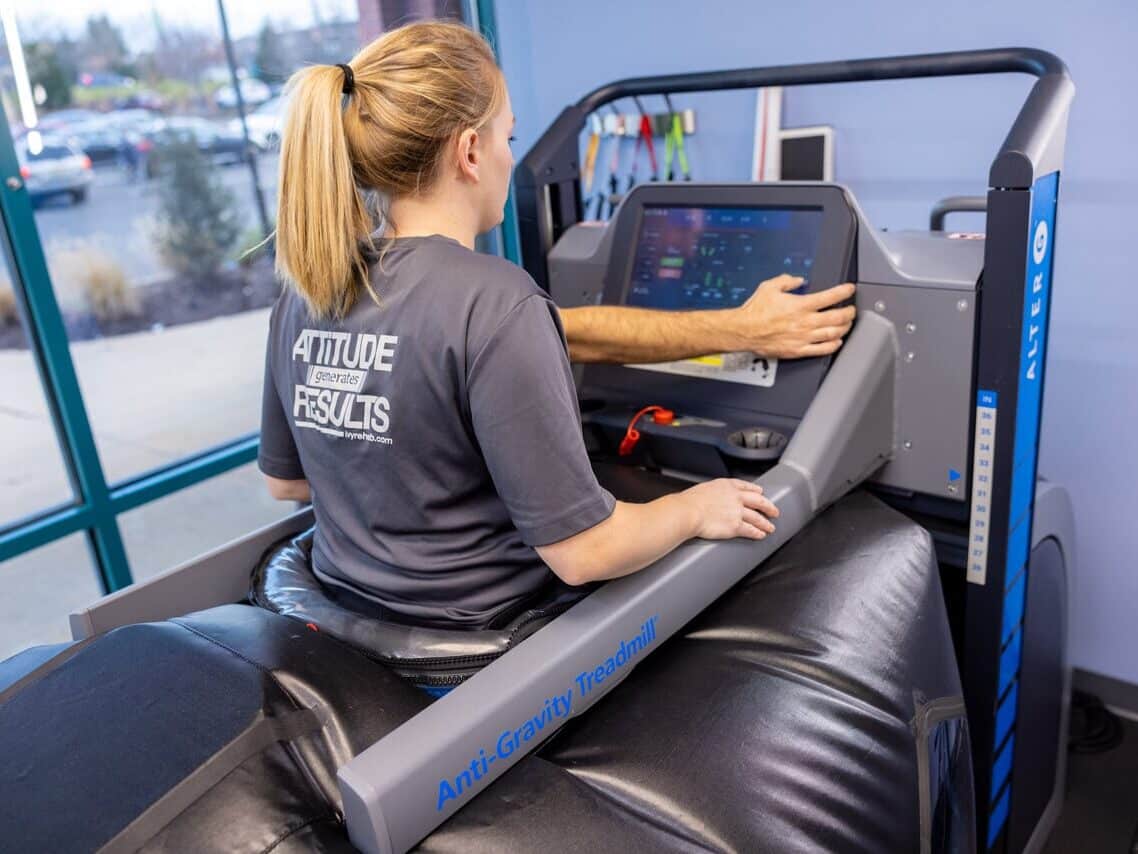
— Reduces body weight by up to 80%, allowing patients with severe knee, hip, or ankle osteoarthritis to walk and exercise with dramatically less joint stress. Clinical studies show 20–30% pain reduction and improved endurance for arthritis patients using anti-gravity treadmill training. Aquatic exercise is also a safe and effective activity for individuals with osteoarthritis, improving joint mobility and reducing stress on the knee. Tai chi is another beneficial, low-impact exercise that can help improve joint mobility and balance in osteoarthritis patients. Our approach integrates sports medicine principles to ensure evidence-based osteoarthritis treatment and rehabilitation.
-
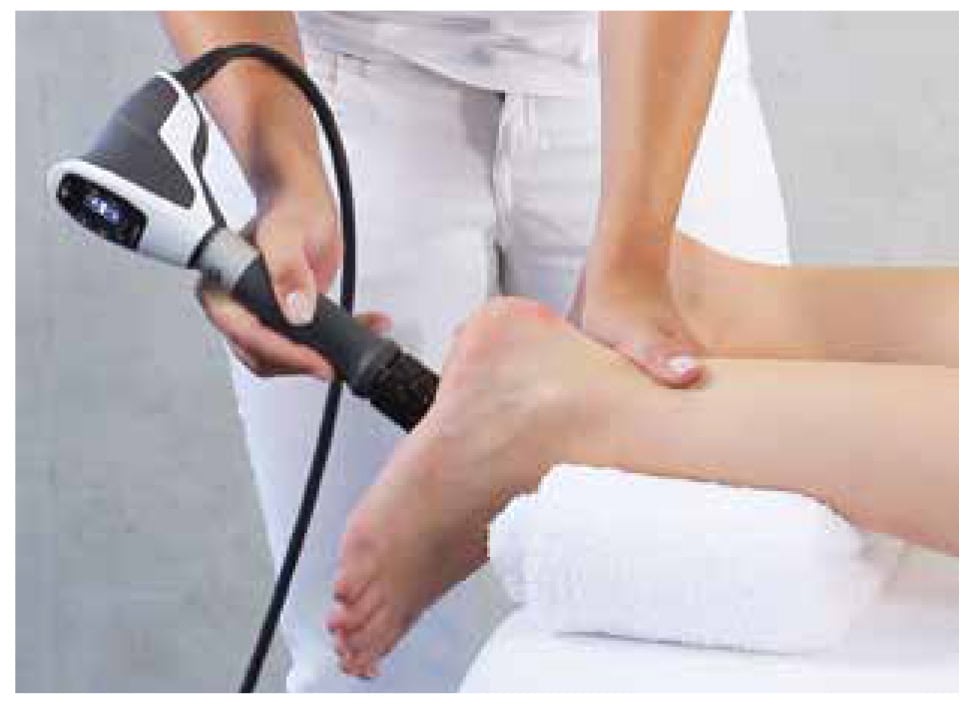
EPAT Shockwave Therapy — Extracorporeal Pulse Activation Technology delivers acoustic pressure waves to damaged tissues around arthritic joints, stimulating collagen production and natural tissue regeneration. Research demonstrates 60–80% pain relief for conditions like Achilles tendinopathy, patellar tendinopathy, and other soft tissue problems commonly associated with osteoarthritis.
-
Dry Needling — Targets myofascial trigger points in muscles that have tightened in response to joint pain, providing relief that manual stretching alone may not achieve.
Activity Modification and Pain Management
Your therapist coaches you on strategies to protect your joints throughout your daily routine:
-
Breaking tasks into manageable segments with built-in rest periods
-
Using improved body mechanics during lifting, bending, and reaching
-
Pacing activities throughout the day to minimize pain flare-ups
-
Non-invasive pain management including heat, ice, ultrasound, and electrical stimulation. Applying hot or cold packs to the joints can help ease pain and relieve symptoms of osteoarthritis.
-
Topical NSAIDs can be applied directly to the skin over the affected joint and may have fewer side effects than oral NSAIDs.
-
Steroid injections may be offered to some people with osteoarthritis when other treatments have not worked.
-
Nutritional supplements like chondroitin and glucosamine are sometimes used to treat osteoarthritis, but evidence of their effectiveness is limited and they are not routinely recommended.
-
Weight management guidance — even a 10% reduction in body weight can decrease knee pain by up to 50%
Patients who complete physical therapy before surgery often recover faster and with better outcomes afterward.
Managing Knee Pain in Osteoarthritis
Knee pain is one of the most common and challenging symptoms for individuals living with osteoarthritis. Because the knee joint bears so much of your body weight during daily activities, even mild degeneration can quickly lead to discomfort and limited mobility. Fortunately, physical therapy offers proven strategies to relieve pain and restore function for those with knee osteoarthritis.
A physical therapist will design a personalized exercise plan tailored to your specific needs, focusing on strengthening the muscles that support the knee joint—especially the quadriceps and hamstrings. Stronger muscles help stabilize the knee, reduce stress on the joint, and ease pain during movement. Manual therapy techniques, such as joint mobilization and soft tissue work, can further improve joint mobility and decrease stiffness, making it easier to walk, climb stairs, and participate in the activities you enjoy.
Weight management is another key factor in managing knee pain. Maintaining a healthy weight through balanced nutrition and regular exercise can significantly reduce the pressure on your knee joint, leading to less pain and improved quality of life. In cases of severe knee osteoarthritis where pain persists despite conservative care, knee replacement surgery may be considered. However, many patients find that a combination of physical therapy, targeted exercise, and lifestyle changes can delay or even prevent the need for knee replacement.
At Trinity Rehab, our physical therapists are experienced in treating knee pain and knee osteoarthritis, helping you regain mobility, relieve pain, and get back to the activities that matter most.
Lifestyle Changes for Osteoarthritis Relief
Adopting healthy lifestyle habits is a powerful way to manage osteoarthritis symptoms and support long-term joint health. Regular physical activity, such as aerobic exercise or gentle practices like tai chi, can help reduce joint pain and stiffness while improving joint mobility and overall health. These activities not only keep your affected joint moving but also help reduce stress and boost your mood.
Maintaining a healthy weight is especially important for easing pain and protecting your joints. Even modest weight loss can decrease the load on weight-bearing joints, leading to noticeable pain relief and improved function. A physical therapist can guide you in developing an exercise program that fits your abilities and goals, ensuring you stay active safely.
It’s also helpful to modify your daily routine to avoid activities that worsen joint pain. Taking regular breaks, stretching throughout the day, and using proper body mechanics can all help reduce pain and stiffness. Your physical therapist can offer personalized tips for adjusting your activities and environment to better support your joints.
By making these lifestyle changes and working closely with your healthcare team, you can take control of your osteoarthritis, reduce pain, and enhance your quality of life.
How to Prevent Osteoarthritis from Getting Worse
Physical therapy is not just about treating current symptoms — it is about equipping you with the tools to manage osteoarthritis for the long term. Prevention and self-management strategies your therapist will help you develop include:
-
Maintaining a healthy weight to reduce mechanical stress on weight-bearing joints. Professional guidance and healthy lifestyle changes can help you lose weight safely and effectively, which is crucial for reducing joint strain and managing osteoarthritis symptoms.
-
Consistent low-impact exercise — walking, swimming, cycling, and the AlterG treadmill keep joints moving without excessive impact. Exercise not only helps with joint mobility and pain relief, but also supports overall health, relieves stress, and improves quality of life.
-
Strengthening muscles around vulnerable joints — a home exercise program 3–4 times per week maintains the gains achieved in therapy
-
Proper footwear and joint protection techniques during work and recreational activities
-
Activity modification rather than activity avoidance — staying active is critical for joint health
-
Monitoring symptoms and returning for periodic check-ups to adjust your program as your condition evolves
An individualized exercise program should be set by a physiotherapist, taking into account your goals and hobbies. It is also important to note that there are currently no proven disease-modifying agents for the treatment of osteoarthritis.
Why Patients Choose Trinity Rehab
One-on-One Personalized Care
Every session at Trinity Rehab is one-on-one with your physical therapist. You are never passed off to an aide or left exercising alone. This means your therapist observes every movement, adjusts your program in real time, and ensures you are progressing safely.
Expertise Across the Full Arthritis Spectrum
Our therapists treat the entire range of osteoarthritis — from early-stage joint stiffness that responds to conservative management all the way through post-operative joint replacement rehabilitation. In cases of severe joint conditions, an orthopedic surgeon may be involved in managing your care and performing joint replacement surgery. Joint replacement surgery, commonly performed for severe osteoarthritis of the hip and knee, involves replacing the damaged joint with an artificial joint. For advanced knee osteoarthritis, knee replacement and knee replacement surgery are common treatment options, while knee osteotomy can help realign the knee joint and relieve symptoms for some patients. It’s important to note that surgery for osteoarthritis is only needed in a small number of cases where other treatments haven’t been effective. Whether you are trying to delay surgery or recovering from a knee, hip, or shoulder replacement, we have the clinical experience to guide your recovery.
Convenient Access and Insurance
Advanced Technology That Sets Us Apart
Not every physical therapy clinic offers the same tools. Trinity Rehab invests in the AlterG Anti-Gravity Treadmill, EPAT Shockwave Therapy, and evidence-based treatment approaches because osteoarthritis patients deserve options that go beyond basic stretching and strengthening.
A Welcoming Environment
Patients of all ages and activity levels — from active adults managing early arthritis to seniors recovering from joint replacement — feel supported at Trinity Rehab. Our clinics are designed to be comfortable, accessible, and equipped for a full range of treatment approaches.
FREQUENTLY ASKED QUESTIONS ABOUT OSTEOARTHRITIS
What is the difference between osteoarthritis and rheumatoid arthritis?
Can physical therapy really help me delay or avoid joint replacement surgery?
Do I need a doctor's referral to start physical therapy for osteoarthritis in New Jersey?
How long does physical therapy take for osteoarthritis?
Is physical therapy painful for arthritis patients?
Find Osteoarthritis Treatment Near You
Trinity Rehab treats osteoarthritis at 27 clinic locations across New Jersey and Pennsylvania. Find the location closest to you for expert, one-on-one physical therapy care.
New Jersey
Pennsylvania
Getting Back to What Matters
Osteoarthritis does not have to mean giving up the things you love — whether that is playing with your grandchildren, walking your neighborhood, staying active on the golf course, or simply moving through your day without constant pain. Physical therapy gives you a proven, non-surgical path to better movement, less pain, and greater independence. Effective osteoarthritis treatment can significantly improve your quality of life by reducing pain and restoring function, allowing you to enjoy daily activities with greater comfort and confidence.
At Trinity Rehab, our physical therapists have helped thousands of patients across New Jersey and Pennsylvania take back their lives from arthritis, back pain, knee pain, and dozens of other conditions. We are ready to help you too.
Your Next Steps
-
Request an appointment online or call the Trinity Rehab clinic nearest you.
-
Complete a brief intake form — our streamlined process means minimal paperwork.
-
Meet your physical therapist for a comprehensive evaluation and start your personalized treatment plan.
Same-week appointments are often available. Thanks to New Jersey Direct Access, you can start immediately — no referral needed.
Sources:
-
Centers for Disease Control and Prevention. Osteoarthritis. https://www.cdc.gov/arthritis/osteoarthritis/
-
Wang W, Niu Y, Jia Q. Physical therapy as a promising treatment for osteoarthritis: A narrative review. Frontiers in Physiology. 2022;13:1011407. https://pmc.ncbi.nlm.nih.gov/articles/PMC9614272/