
Osteoarthritis Treatment in Somerville, NJ
Somerville is the kind of town that keeps its residents moving. As Somerset County’s seat, it hums with courthouse activity, warehouse and logistics employment along Route 22 and Route 206, and a lively downtown that draws people out on foot. On any given weekend, residents are hiking the trails at Washington Valley Park, cycling along Duke Island Park’s paths beside the Raritan River, or teeing off at Neshanic Valley Golf Course’s 27 holes in Branchburg. It is a working, active community — and one where joint pain can quietly steal the activities that define daily life here.
Osteoarthritis is a degenerative joint disease that affects more than 32.5 million Americans, and it does not announce itself all at once. For many Somerville residents, it starts as morning stiffness that takes a while to shake off, or an ache in the knee after a long shift at a local warehouse. Then the golf rounds get shorter. The hikes get skipped. Eventually, what used to be effortless — climbing the steps of the Somerset County Courthouse, walking from the parking lot to downtown’s shops — becomes a calculation about pain.
Physical therapy changes that equation. Supported by the American College of Rheumatology, the Arthritis Foundation, and the National Institute for Health and Care Excellence (NICE), physical therapy is the most evidence-backed first-line treatment for osteoarthritis — ahead of escalating medication and far ahead of joint replacement surgery. At Trinity Rehab, we bring individualized, one-on-one care to Somerville and the broader Raritan Valley, helping patients regain the range of motion, strength, and confidence to stay fully engaged in their lives.
What Is Osteoarthritis and Who Gets It
Osteoarthritis is the gradual breakdown of cartilage — the smooth, shock-absorbing tissue that lines the ends of bones within a joint. As cartilage wears away, the joint loses its cushioning, bone surfaces come into increasing contact with each other, and the body responds with inflammation, swelling, and pain. Over time, bone spurs may form, and joint space narrows to the point where movement becomes significantly restricted.
While the condition is most common after age 45 and more prevalent in women, it affects people across a wide age range — particularly those with a history of joint injuries or those whose work or recreational activities place repetitive mechanical stress on specific joints.
In Somerville, several groups face elevated risk:
Construction and warehouse workers: Somerville and the surrounding Route 22 corridor host significant industrial and logistics employment. Jobs involving repeated heavy lifting, kneeling, squatting, and carrying — all common in warehouse and construction environments — are among the strongest occupational risk factors for knee osteoarthritis and hip osteoarthritis. Cartilage wears faster under repetitive mechanical compression.
Healthcare workers at RWJ Somerset: Healthcare professionals at Robert Wood Johnson University Hospital Somerset spend long shifts on their feet, often on hard floors. The cumulative load on weight-bearing joints accumulates over years, increasing the risk of hip and knee arthritis.
Active adults and recreational athletes: Somerville’s proximity to Washington Valley Park, Duke Island Park, and the Raritan River greenway means residents log meaningful walking and hiking miles. Previous meniscus tears, ACL injuries, or ankle sprains from youth sports — even injuries sustained years ago — significantly raise the lifetime risk of post-traumatic osteoarthritis in those joints.
Adults in their 40s–60s: Somerville’s population skews relatively young (median age ~36), but the community includes a meaningful cohort of adults in the prime risk window for osteoarthritis. This is the age group that most benefits from early intervention — before symptoms become severe.
Recognizing the Symptoms
Osteoarthritis most commonly affects the knees, hips, hands, and spine. The classic presentation includes:
- Morning stiffness that takes up to 30 minutes to ease — one of the defining characteristics of osteoarthritis, as opposed to the prolonged stiffness of inflammatory arthritis
- Deep, aching pain in the affected joint that worsens with activity and improves with rest
- Crepitus — a grinding, grating, or clicking sensation when the joint moves
- Swelling around the joint, particularly after a more active day
- Reduced range of motion, making it harder to fully bend a knee, rotate a hip, or reach overhead
- Instability or giving-way, especially on uneven ground or stairs
- Difficulty with specific functional tasks: rising from a chair, walking more than a few blocks, gripping objects
If you are recognizing these patterns, a physical therapy evaluation is your clearest next step. New Jersey Direct Access allows you to begin treatment without a physician referral — no waiting for a specialist appointment.
How Physical Therapy Treats Osteoarthritis
Manual Therapy: The Foundation of Osteoarthritis Relief
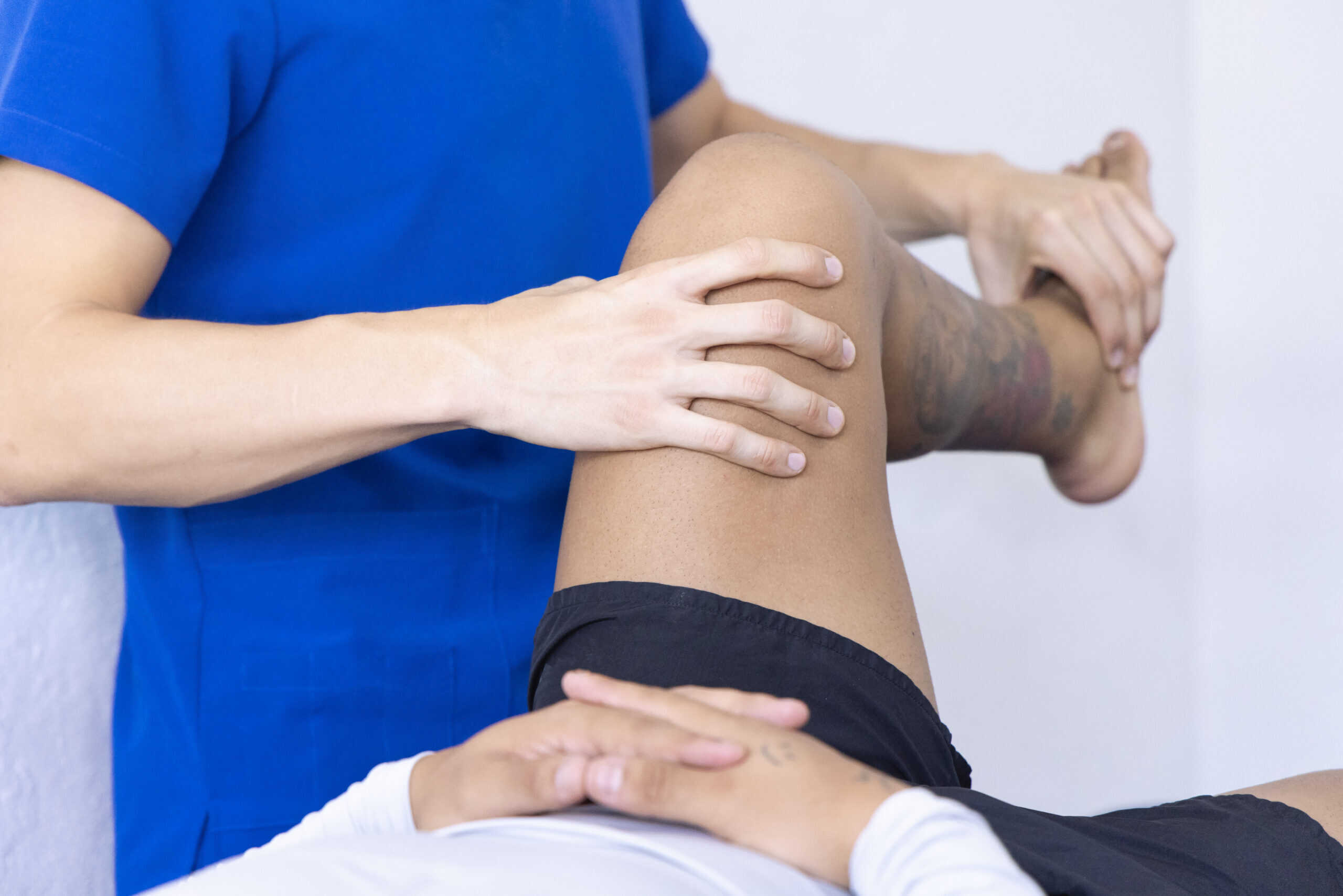
Manual therapy is a core component of effective osteoarthritis physical therapy and one of the techniques that most distinguishes Trinity Rehab’s approach from generic exercise programs. It involves skilled, hands-on techniques applied directly to affected joints and surrounding soft tissues:
Joint mobilization uses graded, rhythmic movements to reduce stiffness within an arthritic joint, improve the quality of joint mechanics, and interrupt the pain-spasm cycle that develops when a joint is chronically guarded. For knee arthritis and hip osteoarthritis patients, regular joint mobilization sessions often produce measurable improvements in range of motion within the first two to three weeks of treatment.
Soft tissue mobilization addresses the layers of tightened muscle, fascia, and scar tissue that build up around chronically painful joints. A Somerville patient who has been compensating for hip pain for six months will almost certainly have developed significant muscle tightness through the hip flexors, iliotibial band, and piriformis — tissues that perpetuate pain even after the joint itself begins to heal.
Neuromuscular re-education retrains the movement patterns that have gone wrong. Compensatory habits — leaning away from a painful hip, shortening stride to protect a knee — are efficient short-term strategies that cause long-term problems. Your physical therapist corrects these patterns before they lead to secondary injuries.
The evidence for manual therapy in osteoarthritis management is robust. Clinical guidelines from the American Physical Therapy Association specifically recommend hands-on joint and soft tissue treatment as part of comprehensive arthritis care.
Strengthening and Exercise Therapy
Strong muscles around an arthritic joint absorb the mechanical loads that cartilage cannot. Building and maintaining that muscle strength is the most durable long-term strategy for managing osteoarthritis — more reliable than medication and far less invasive than surgery.
Your physical therapist at Trinity Rehab designs a progressive, individualized exercise program that targets the muscle groups most critical for your affected joints. Key elements include:
Quadriceps strengthening for knee osteoarthritis: The quadriceps muscle is the single most important protector of the knee joint. Research is consistent: stronger quads mean less knee pain, better stair function, and reduced need for knee replacement surgery. Your program builds quad strength progressively while protecting the joint surface from excessive compression.
Hip abductor and gluteal strengthening for hip osteoarthritis: Strong lateral hip muscles reduce the compensation shifts that transfer load into the lower back and opposite knee. Patients with hip osteoarthritis who develop strong glutes and hip abductors often find that secondary back pain resolves as well.
Aerobic exercise prescription: Low-impact aerobic exercise — walking, cycling, swimming, and anti-gravity treadmill training — is one of the most important interventions for long-term osteoarthritis management. Regular aerobic exercise reduces joint inflammation, supports healthy weight management, and improves the joint fluid dynamics that keep remaining cartilage nourished. Your therapist prescribes aerobic activity at appropriate intensities and durations for your current level.
Hamstring flexibility and PNF stretching: Tight hamstrings increase anterior knee stress and contribute to reduced range of motion in both the knee and hip. PNF (proprioceptive neuromuscular facilitation) stretching techniques are more effective than static stretching for gaining meaningful joint flexibility in patients with osteoarthritis-related stiffness.
Balance and proprioception training: Osteoarthritis degrades the proprioceptive nerve endings within the joint that help with balance and coordination. Single-leg balance work and functional stability exercises restore this sensory function, reducing fall risk — a significant concern for older Somerville adults — and improving confidence during activities like hiking or navigating the uneven brick sidewalks of historic downtown.
Advanced Technology: EPAT, Dry Needling, and the AlterG
Trinity Rehab equips its clinicians with treatment technology that most outpatient physical therapy practices do not offer:
AlterG Anti-Gravity Treadmill: For Somerville patients whose knee or hip osteoarthritis makes full weight-bearing exercise painful, the AlterG is transformative. It uses pressurized air to reduce effective body weight by up to 80%, allowing pain-free walking and aerobic conditioning at whatever load the joint can tolerate. Clinical studies show 20–30% pain reduction and improved endurance for arthritis patients using anti-gravity treadmill training. A Somerville warehouse worker with severe bilateral knee arthritis can use the AlterG to maintain aerobic fitness and knee joint health during recovery — without the flares that normal walking would trigger.
EPAT Shockwave Therapy: EPAT delivers acoustic pressure waves to damaged soft tissues around arthritic joints, stimulating collagen production, promoting natural tissue regeneration, and interrupting chronic pain cycles. Research demonstrates 60–80% pain relief for conditions like patellar tendinopathy and Achilles tendinopathy, which frequently coexist with knee osteoarthritis. Patients who have not responded fully to standard physical therapy are often strong candidates for EPAT.
Dry Needling: Muscles surrounding a chronically arthritic joint develop trigger points — hyperirritable spots within taut muscle bands that generate local and referred pain. Dry needling targets these trigger points with fine monofilament needles, releasing the tension and restoring muscle function that stretching and strengthening exercises alone cannot always achieve.
Transcutaneous electrical nerve stimulation (TENS): TENS uses surface electrodes to deliver low-voltage electrical current that interrupts pain signal transmission. It is a non-invasive pain management tool that can reduce pain during osteoarthritis flares and is often used alongside manual therapy.

Pain Management and Joint Protection Strategies
Your Trinity Rehab physical therapist goes beyond the clinic to help you manage your osteoarthritis throughout your day. Practical guidance includes:
- Using heat and ice strategically — heat before activity to improve joint flexibility, cold after activity to reduce swelling
- Applying topical NSAIDs to the affected joint for localized pain relief with fewer systemic side effects than oral medications
- Pacing activities — distributing demanding tasks across the day and building in rest intervals rather than pushing through pain
- Proper body mechanics during lifting, bending, and carrying that protect joint surfaces at work and at home
- Appropriate dietary supplements guidance — glucosamine and chondroitin are sometimes used, though evidence of effectiveness is limited, and your therapist can help you have an informed discussion with your physician
- Weight management: a 10% reduction in body weight can cut knee pain by up to 50%, and your therapist can provide practical guidance and referral to complementary services
Why Somerville Residents Choose Trinity Rehab
Somerville patients who have tried generic exercise classes or gym-based rehabilitation often notice the difference immediately at Trinity Rehab. Every session is one-on-one with a licensed physical therapist — no aide-supervised exercise, no shared attention, no shortcuts. Your therapist monitors every movement, adjusts your program based on what they observe, and stays with you for the full session.
We treat the full spectrum of arthritis and joint conditions, including geriatric physical therapy for older adults managing multiple joint issues simultaneously, sports medicine-informed programming for active adults, and post-surgical rehabilitation for patients recovering from knee replacement or hip replacement surgery. We accept most major insurance plans and help verify your benefits upfront.
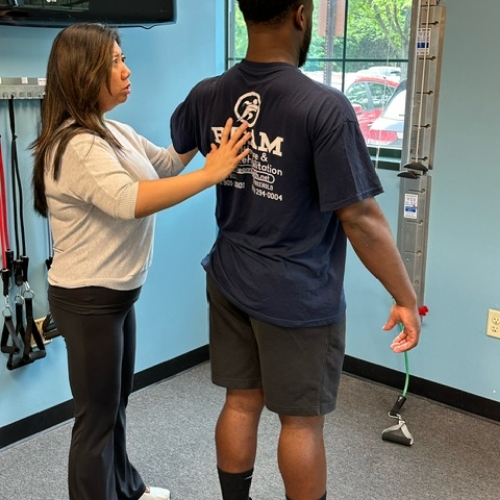
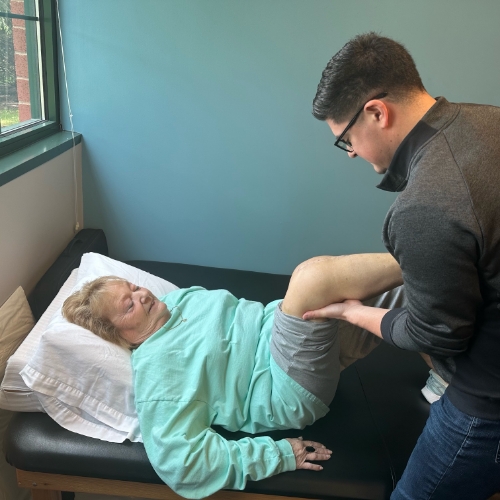
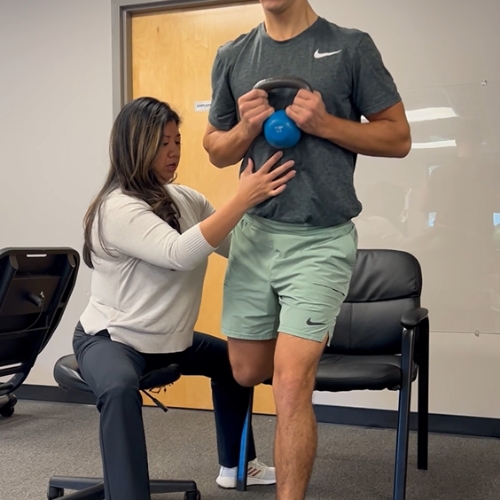
Inside Our Somerville Clinic
Related Conditions & Treatments
Osteoarthritis is just one of the many conditions we treat at Trinity Rehab Somerville. Explore our full range of conditions we treat or learn more about specific treatment approaches:
Frequently Asked Questions
Do I need a referral for osteoarthritis physical therapy in Somerville, NJ?
What is the difference between osteoarthritis and knee arthritis?
How long does it take to see results from osteoarthritis physical therapy?
Can I keep exercising on my own while doing physical therapy?
Is joint replacement surgery inevitable with osteoarthritis?
Getting Back to Somerville
The Wallace House in downtown Somerville stood as George Washington’s headquarters through two Revolutionary War winters. The town has always known something about resilience. Osteoarthritis does not have to sideline your walks through the historic district, your rounds at Neshanic Valley, or your weekend hikes at Washington Valley Park. Physical therapy gives you a proven, non-surgical path to better knee pain management, restored joint flexibility, and the daily independence that keeps you fully connected to this community.
At Trinity Rehab, our physical therapists are ready to build a plan specifically for you. We have helped thousands of patients across New Jersey and Pennsylvania reclaim their movement from osteoarthritis — and we are ready to help you do the same.
Your Next Steps
- Request an appointment online or call your nearest Trinity Rehab location.
- Complete a brief intake form — we keep paperwork minimal.
- Meet your physical therapist for a comprehensive evaluation and begin your personalized plan.
Same-week appointments are frequently available. No referral needed — New Jersey Direct Access means you can start today.
Sources: Centers for Disease Control and Prevention. Osteoarthritis. https://www.cdc.gov/arthritis/osteoarthritis/ | Journal of Orthopaedic & Sports Physical Therapy. https://www.jospt.org/ | Frontiers in Physiology. Physical therapy as a promising treatment for osteoarthritis. https://pmc.ncbi.nlm.nih.gov/articles/PMC9614272/