
Osteoarthritis Treatment in East Brunswick, NJ — Restoring Movement for an Active Community
East Brunswick is a township where families put down roots and people stay for decades. The Giamarese Farm & Orchards draws visitors for apple picking every fall. The trails at Frost Woods and Community Park fill on weekends with walkers, joggers, and families. The co-ed volleyball leagues, pickleball courts, and youth soccer fields at Heavenly Farms are constants in East Brunswick community life. When osteoarthritis begins to limit the activities that define your days here, it is not just physical pain — it is a loss of the life you have built in Middlesex County.
Osteoarthritis is the most common form of arthritis and a leading cause of chronic pain in adults, affecting more than 32.5 million Americans. In a community where the median age is 42 and roughly 17% of residents are over 65, East Brunswick sees a significant number of people managing the gradual joint breakdown that characterizes this degenerative joint disease. Physical therapy at Trinity Rehab offers a proven, non-surgical path to reducing pain, restoring your range of motion, and getting you back to the activities that matter most.
New Jersey Direct Access laws mean you can start physical therapy at Trinity Rehab without a physician referral. Request your appointment today.
What Osteoarthritis Does to Your Joints Over Time
Osteoarthritis develops when the cartilage protecting your joints gradually breaks down. Cartilage is the smooth, gliding tissue that lines joint surfaces, absorbs shock, and prevents bone-on-bone contact. Unlike most tissues in the body, cartilage has minimal blood supply and extremely limited capacity for self-repair. Once cartilage is worn, it does not grow back.
What does progress, without intervention, is the damage:
- Joint space narrows as cartilage thins, bringing bone surfaces increasingly close together
- Bone spurs (osteophytes) develop at joint margins as the body attempts to stabilize the deteriorating joint
- Surrounding muscles weaken — particularly the quadriceps in knee osteoarthritis — because pain discourages the movement that keeps them strong
- Movement patterns change as you unconsciously protect the painful joint, transferring stress to adjacent structures
- Daily function declines — stairs become difficult, sitting for long periods stiffens the hip, and getting up from the floor feels like a negotiation
The sooner physical therapy begins, the more effectively this cycle can be interrupted. Research shows patients who start structured physical therapy early experience significantly better long-term outcomes, less pain, and substantially delayed need for joint replacement surgery.
The East Brunswick Context: Who Is Most at Risk?
East Brunswick’s particular community profile shapes who develops osteoarthritis and what forms it takes.
Warehouse and logistics workers: East Brunswick sits along the heavily trafficked Route 1 corridor, hosting major employers including UPS, FedEx, Walmart, Target, and Home Depot. Workers in these environments perform repeated heavy lifting, prolonged standing on concrete, and frequent kneeling and squatting — among the most documented contributors to knee osteoarthritis. Many carry joint pain for years before seeking treatment, worried about time off work.
Corporate office workers at Tower Center: Wipro and other office employers at Tower Center on Route 1 have a different problem — prolonged seated posture. Long periods of hip flexion tighten the hip flexors and hip capsule, compress spinal discs, and weaken the posterior chain muscles that protect the knees and hips. After a 38-minute average commute and an 8-hour desk day, joints arrive home stiff and compressed.
Active families and youth sports parents: East Brunswick’s strong youth sports culture — the soccer leagues, the football teams at Heavenly Farms — means parents who coach, help on the sidelines, and play in adult leagues accumulate real joint wear. Volleyball and pickleball, popular in the town’s recreation programs, involve repetitive impact and lateral movement that stresses knees and ankles.
Adults with prior joint injuries: Anyone who has undergone meniscus surgery, ACL reconstruction, or sustained a significant joint fracture faces substantially higher lifetime risk of post-traumatic osteoarthritis in the affected joint — often 10–20 years after the injury.
How Osteoarthritis Presents Day to Day
Osteoarthritis most commonly affects the knees, hips, hands, shoulders, and spine. East Brunswick patients typically notice:
- Morning stiffness in the knees or hips lasting 20–30 minutes after waking
- Aching joint pain that builds during physical activity and eases with rest
- A grinding or crackling sensation (crepitus) when bending or rotating the affected joint
- Swelling around the knee after a demanding day at work or an afternoon of yard work
- Reduced range of motion — the knee that does not bend fully to get in and out of a vehicle, or the hip that restricts rotation when walking the trails at Community Park
- Joint instability — an alarming feeling of the knee giving way during weight-bearing
- Difficulty with specific tasks: rising from a chair, climbing the stairs at home, carrying boxes or bags
If you have noticed these symptoms persisting for more than a few weeks, early intervention with physical therapy is warranted. Waiting typically means facing more pain and more functional limitation before treatment begins.
Advanced Treatments: EPAT, Dry Needling, and AlterG
Trinity Rehab East Brunswick offers advanced osteoarthritis treatment technology that goes beyond what standard outpatient clinics provide:
EPAT Shockwave Therapy directs focused acoustic pressure waves to damaged soft tissues surrounding arthritic joints, stimulating collagen production and natural tissue repair. EPAT is particularly effective for the patellar tendinopathy and plantar fasciitis that frequently accompany knee osteoarthritis in active adults. Research demonstrates 60–80% pain relief with this approach. Trinity Rehab also uses transcutaneous electrical nerve stimulation as a non-invasive pain management tool to modulate pain signals during early treatment phases.
Dry Needling targets the myofascial trigger points that form in muscles chronically guarding around arthritic joints. These trigger points — common in the quadriceps, hip flexors, and calf — cause referred pain and restrict range of motion beyond what can be released through stretching alone.
AlterG Anti-Gravity Treadmill reduces effective body weight by up to 80%, allowing patients with severe knee or hip osteoarthritis to exercise, walk, and build endurance without exceeding their joints’ load tolerance. Clinical research shows 20–30% pain reduction for osteoarthritis patients using this technology. For East Brunswick residents who need to maintain fitness but cannot currently tolerate full weight-bearing exercise, this tool is a genuine difference-maker.
Transcutaneous electrical nerve stimulation (TENS) — Modulates pain signals non-invasively, providing relief during the early phases of treatment when activity tolerance is limited.
Strengthening: Your Foundation for Joint Protection
At Trinity Rehab East Brunswick, progressive strengthening is the foundation of every osteoarthritis treatment plan. Muscles are your joints’ primary shock absorbers — strong muscles distribute load effectively, taking mechanical stress off cartilage surfaces.
Knee osteoarthritis strengthening: The quadriceps muscle is the single most important structural protector of the knee joint. Studies have definitively linked quadriceps weakness with greater knee pain, more rapid joint space loss, and higher rates of progression to knee replacement surgery. Your therapist builds a targeted program:
- Progressive quadriceps strengthening (terminal knee extensions, straight leg raises, step progressions)
- Hamstring strengthening and PNF flexibility protocols to reduce knee pain and improve overall joint flexibility
- Hip abductor and gluteal work to stabilize the entire lower extremity during walking, stairs, and sports
- Proprioception and balance training to prevent the “giving way” sensation
Hip osteoarthritis strengthening: Hip stabilizer and core exercises reduce the mechanical forces on the hip joint with every step. Strong gluteals also reduce secondary knee and lower back pain — a meaningful benefit for East Brunswick residents whose jobs require long periods of standing or walking.
Shoulder OA: Rotator cuff and scapular stabilization restore shoulder function and reduce pain during reaching and overhead tasks — relevant for anyone doing manual work or overhead labor.
Hand and wrist OA: Grip strengthening and fine motor exercises preserve independence in daily tasks — cooking, gardening at Giamarese Farm, writing, and recreational activities.
Your home exercise program — 3–4 times per week between clinic visits — is the bridge that turns clinic gains into lasting improvement. Your physical therapist designs this program specifically around your goals: whether that means getting back on the Tamarack Golf Course, staying active in the pickleball leagues, or simply getting through the workday with less pain.
Manual Therapy: Hands-On Joint Relief
Alongside strengthening, manual therapy directly addresses the stiffness and pain of arthritic joints.
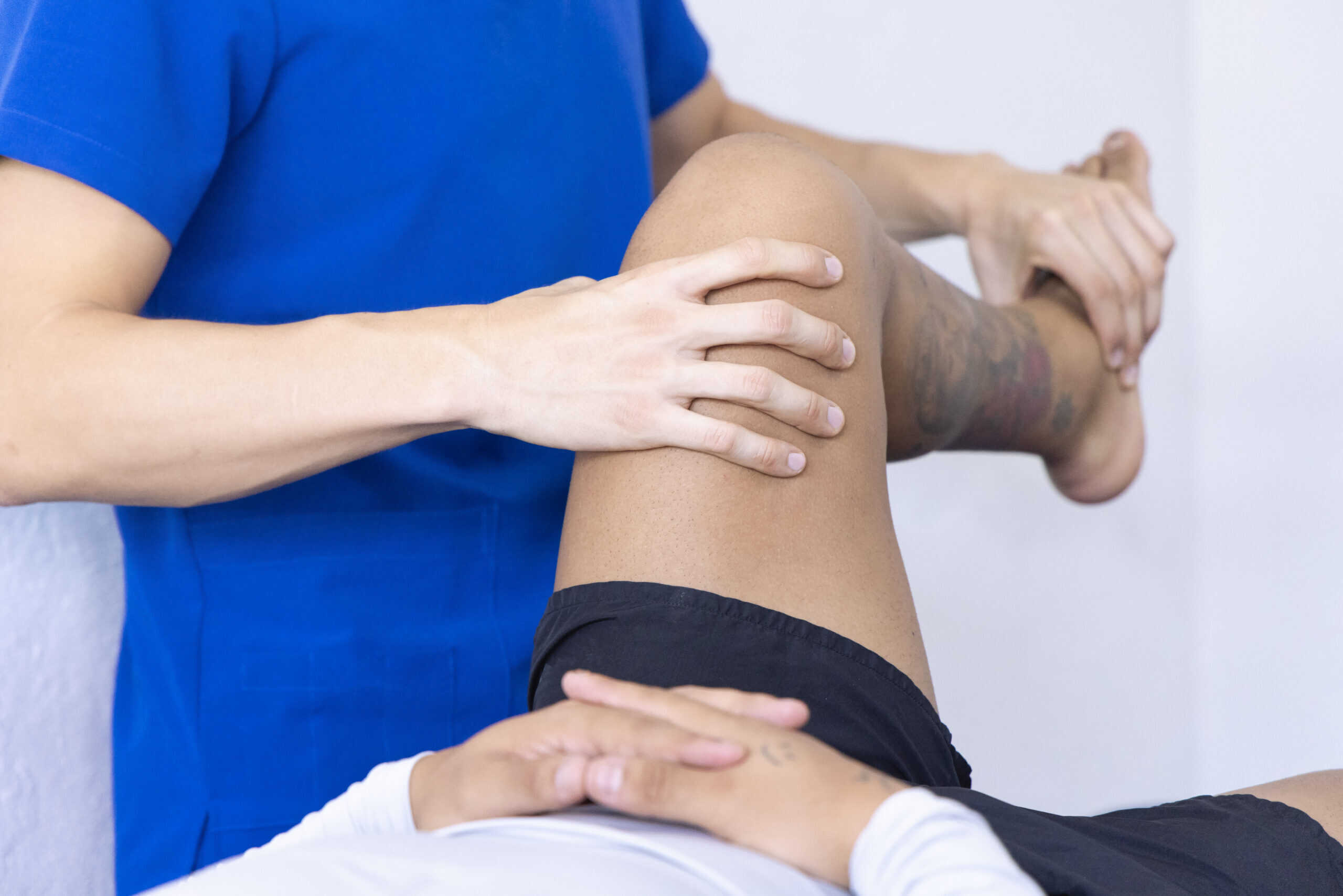
Joint mobilization — a core manual therapy technique — applies gentle, skilled movements to the arthritic joint to reduce capsular stiffness, restore joint flexibility, and break the pain-guarding-restriction cycle. Clinical evidence strongly supports manual joint mobilization for reducing osteoarthritis pain and improving functional movement.
Soft tissue mobilization works on the muscles and fascia surrounding the arthritic joint — releasing the chronic tightness that compresses the joint and amplifies pain. For East Brunswick’s warehouse workers and office commuters alike, soft tissue work targeting the hip flexors, quadriceps, and IT band provides relief that exercise alone often cannot achieve initially.
Neuromuscular re-education corrects the altered movement patterns that develop over months and years of compensating for a painful joint — restoring efficient mechanics and reducing the spread of dysfunction to adjacent areas.
Preventing Osteoarthritis from Getting Worse
Managing osteoarthritis for the long term requires the right habits alongside clinical care. Trinity Rehab East Brunswick equips you with:
- Weight management guidance — directed by your physical therapist: A 10% reduction in body weight reduces knee osteoarthritis pain by up to 50%. Your therapist helps you identify sustainable aerobic exercise options that protect joints while building cardiovascular fitness.
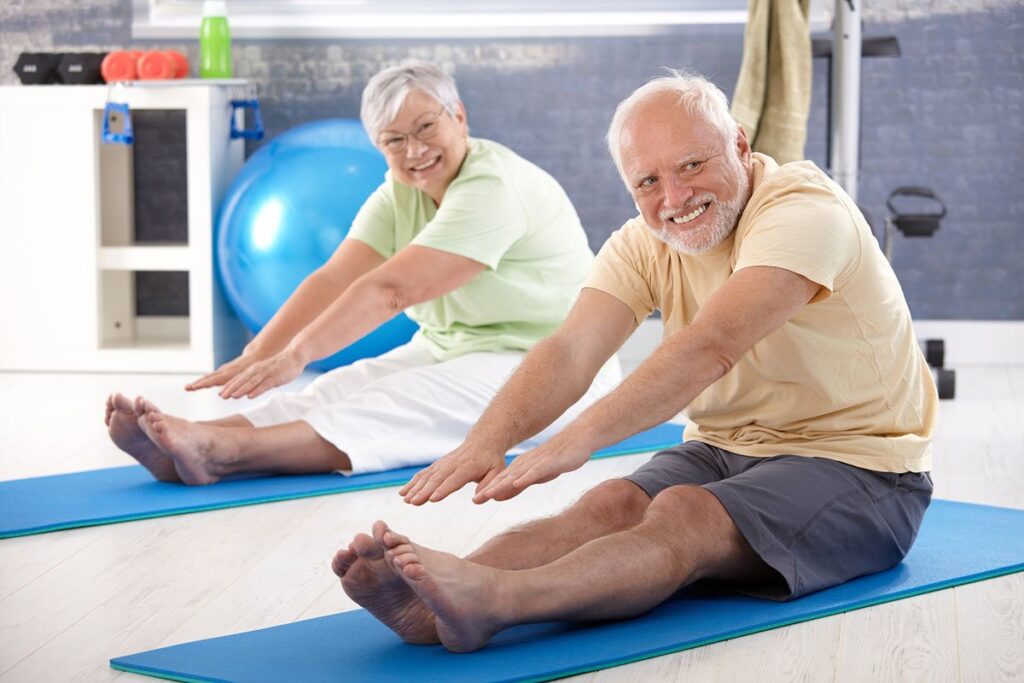
- Low-impact aerobic exercise prescription: Walking, swimming, cycling, tai chi, and AlterG treadmill use maintain joint mobility and overall health without excessive impact.
- Joint protection strategies for specific activities — how to carry groceries, garden, lift at work, and play sports without overloading already compromised joints
- Activity modification rather than activity avoidance — staying active is essential for joint health
- Long-term home strengthening program to maintain the muscle mass that protects cartilage
There are currently no proven disease-modifying agents for osteoarthritis. Dietary supplements like glucosamine and chondroitin are widely used but have limited clinical evidence for effectiveness. Topical NSAIDs applied directly to the skin over the affected joint may reduce pain with fewer systemic side effects than oral medications.
Why East Brunswick Patients Choose Trinity Rehab
One-on-one care at every session. Your physical therapist is present, engaged, and observing every movement throughout every visit. No aides, no generic programs, no being left alone with equipment. This model drives better outcomes.
Treating arthritis across the full spectrum. From early knee arthritis and morning stiffness to severe knee osteoarthritis approaching the threshold for joint replacement surgery — and through post-operative rehabilitation after hip or knee replacement — Trinity Rehab has the expertise. Joint replacement surgery is only considered when conservative options have been thoroughly exhausted; physical therapy helps many patients avoid it entirely.
Geriatric physical therapy for older adults. For East Brunswick’s older residents managing osteoarthritis alongside other health concerns, our geriatric physical therapy approach integrates balance and fall prevention alongside joint pain treatment.
No referral needed. New Jersey Direct Access allows you to start immediately. Same-week appointments are often available.
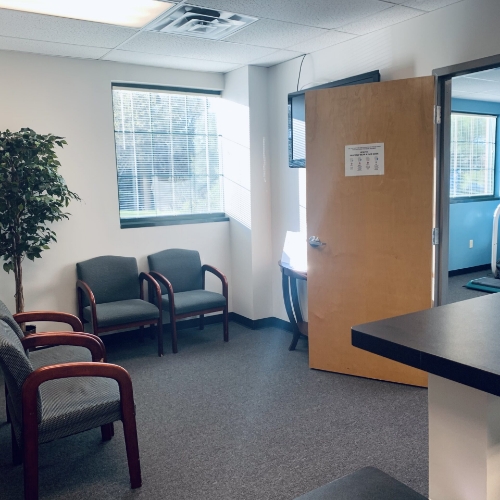
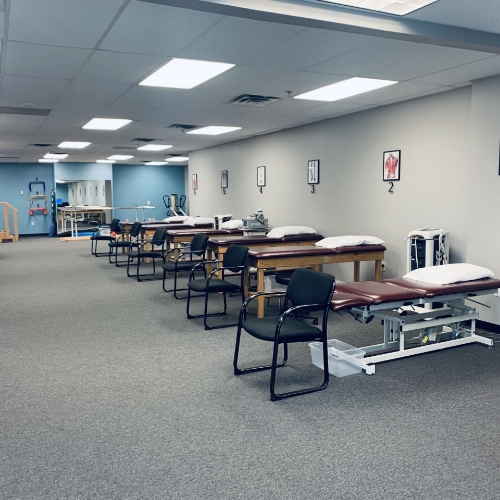
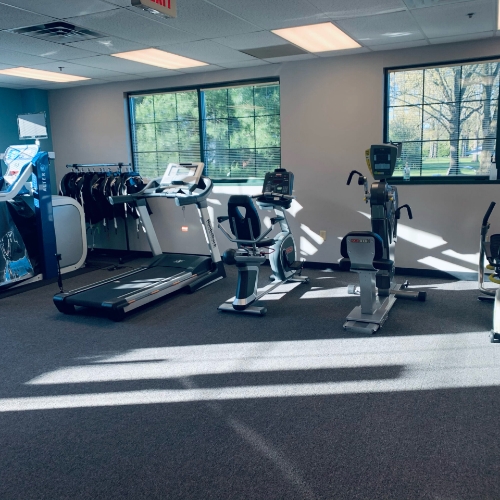
Inside Our East Brunswick Clinic
Related Conditions & Treatments
Osteoarthritis is just one of the many conditions we treat at Trinity Rehab East Brunswick. Explore our full range of conditions we treat or learn more about specific treatment approaches:
Frequently Asked Questions
Do I need a referral to start physical therapy in East Brunswick?
Can physical therapy help with osteoarthritis in both knees?
My job requires me to be on my feet all day. Will I still be able to work during treatment?
How does physical therapy differ from just resting the joint?
How often will I need to come in?
Getting Back to East Brunswick Life
The trails at Frost Woods, the pickleball courts, the fall afternoons at Giamarese Farm, the community that makes East Brunswick home — osteoarthritis does not have to end your relationship with any of it.
Trinity Rehab’s physical therapists have helped thousands of patients across Middlesex County and throughout New Jersey reduce joint pain, manage arthritis, overcome back pain, and return to the full lives they want to live. We are ready to help you too.
Book your appointment at Trinity Rehab East Brunswick, NJ →
No referral required. One-on-one care. Same-week availability.
Sources: Centers for Disease Control and Prevention. Osteoarthritis. Fransen M, et al. Exercise for osteoarthritis of the knee. Cochrane Database of Systematic Reviews. 2015. American College of Rheumatology, 2021 osteoarthritis management guidelines.
What Our Patients Say