
Osteoarthritis Treatment in Middletown, NJ — Keep Moving in Monmouth County
Middletown Township is one of the most beautifully active communities in Monmouth County. Tatum Park’s 366 acres offer miles of woodland trails. Huber Woods Park draws hikers and equestrians through landscapes that feel genuinely removed from suburban life. Poricy Park gives residents the unusual combination of fossil beds and nature walks. Deep Cut Gardens — one of Monmouth County’s horticultural gems — rewards visitors with manicured beauty in every season. And if that isn’t enough, Sandy Hook’s beaches are just a short drive away for summer kayaking, paddleboarding, and long coastal walks.
With a population of roughly 67,000 and a significant share of residents commuting 37 minutes each way to New York City-area jobs, Middletown is a community built around doing — and doing a lot of it. The township’s median age of 44, combined with 17% of residents over 65, means osteoarthritis is a daily reality for a meaningful portion of the population.
Osteoarthritis is the most common degenerative joint disease in the United States, affecting more than 32.5 million adults. As cartilage wears away from joint surfaces, the resulting bone-on-bone friction generates pain, swelling, stiffness, and a gradual loss of range of motion that can make everything from Tatum Park hiking to picking up a grandchild feel difficult or impossible. Physical therapy — delivered by an expert clinician who knows your joints and your goals — is the single most effective non-surgical intervention for osteoarthritis across every major clinical guideline.
Trinity Rehab serves Middletown residents with that kind of focused, personalized care.
Who in Middletown Is Most at Risk
Middletown’s risk profile for osteoarthritis reflects the blend of occupational demands and active recreation that defines life in the township.
Long-distance NYC commuters — many spending over an hour each day in cars or on the train — develop the hip flexor tightness, reduced gluteal engagement, and lumbar joint stiffness that predispose them to hip osteoarthritis and lumbar degenerative joint disease. Teachers, administrators, and support staff in the Middletown Township Public School District — the township’s largest employer — spend long days standing, walking hallways, and managing physically demanding classroom environments.
Workers at Cubeworks, the Unis warehouse operation, and other logistics facilities in the area face the repetitive lifting, carrying, and prolonged standing on hard floors that systematically wear knee and hip cartilage. Construction and trade workers throughout Monmouth County deal with similar cumulative joint loading over years and decades.
On the recreational side, golfers at Hominy Hill Golf Course and Shadow Lake Village Golf Club put significant rotational stress on their lumbar spine and hips with every round. Trail runners through Tatum Park and Huber Woods experience the eccentric loading on descent that is particularly hard on knee cartilage. Pickleball players at Tindall Park’s courts — an increasingly popular activity for the 50-and-older set — combine the lateral movements and sudden stops that accumulate joint stress.
Factors that elevate osteoarthritis risk include:
- Age and hormonal status — the majority of adults over 50 show some cartilage change; post-menopausal women experience accelerated cartilage deterioration
- Prior joint injury — ACL tears, meniscal damage, and fractures dramatically raise risk at the affected joint
- Body weight — each extra pound translates to four pounds of additional compressive force at the knee
- Genetics — family history of early osteoarthritis substantially raises personal risk
- Occupational and recreational loading patterns — sustained, cumulative joint stress over years
Symptoms That Signal Osteoarthritis
Osteoarthritis announces itself gradually. Recognizing the early signs matters because earlier intervention produces better outcomes.
- Morning stiffness — the affected joint feels thick and difficult to move upon waking, but loosens within 20–30 minutes of activity
- Activity-related pain — aching in the knee, hip, or spine during or after walking, climbing stairs, or sustained activity
- Crepitus — audible or palpable grinding as roughened cartilage surfaces move against each other
- Swelling — intermittent fluid accumulation around the joint, especially after more demanding physical activity
- Reduced range of motion — gradual loss of ability to fully bend a knee, extend a hip, or rotate the cervical spine
- Altered gait — unconscious changes in walking pattern to offload a painful joint, which in turn stress other joints
Knee osteoarthritis and hip osteoarthritis are the most common presentations. Knee arthritis typically presents as medial knee aching and difficulty with stairs and kneeling. Hip osteoarthritis often causes groin pain, buttock pain, or even thigh pain that patients frequently misidentify as a hamstring or muscle problem. Both conditions are well within the scope of Trinity Rehab’s physical therapists.
How Trinity Rehab Treats Osteoarthritis in Middletown
Trinity Rehab’s treatment approach is built around the principle that effective osteoarthritis care requires genuine individualization. The same diagnosis doesn’t mean the same treatment — your joint mechanics, your strength deficits, your daily demands, and your personal goals all shape the specific interventions your therapist selects.
Restoring Flexibility and Joint Mobility
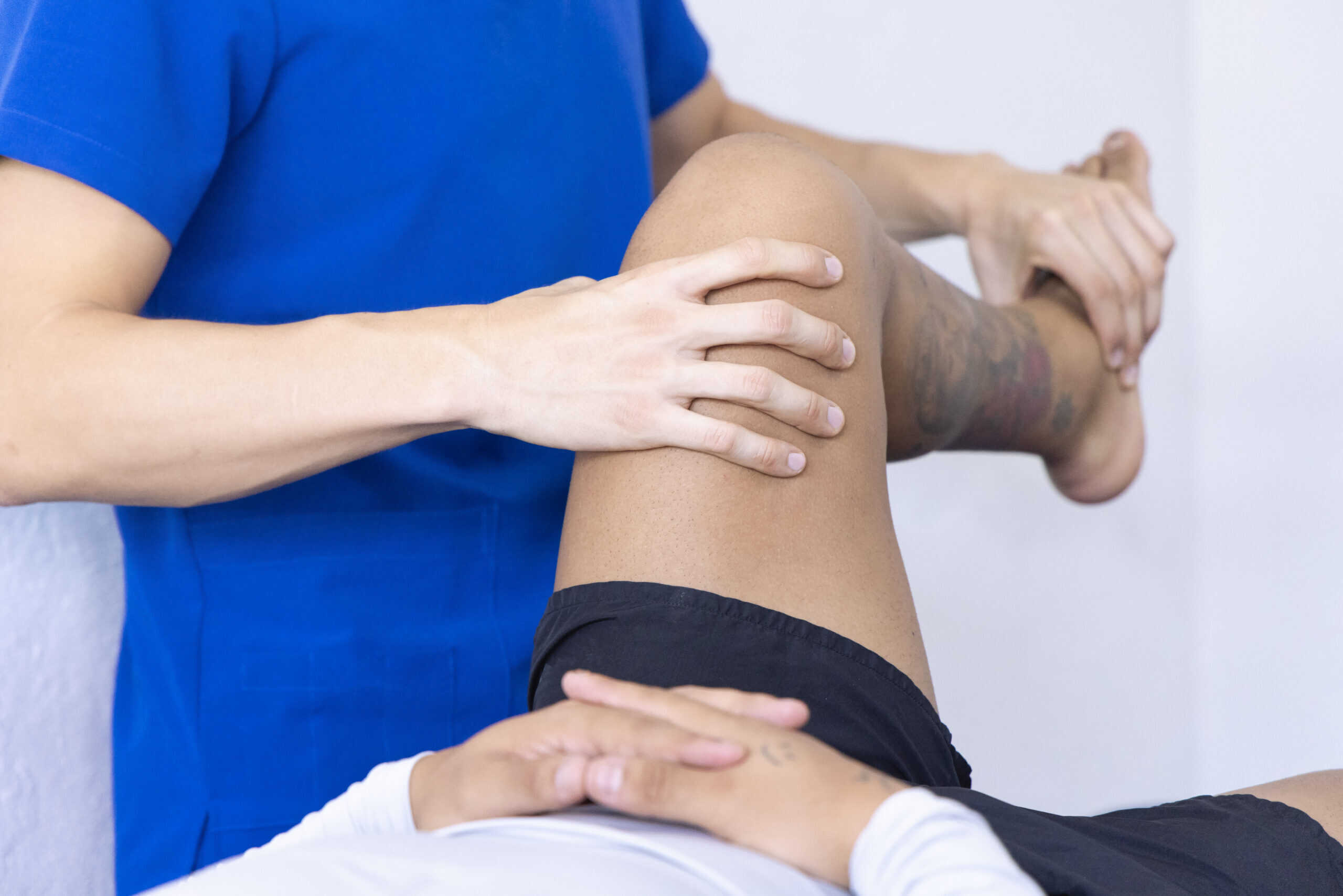
Osteoarthritis progressively restricts joint range of motion as cartilage thins and the capsule surrounding the joint thickens and tightens. Manual therapy — skilled, hands-on treatment by a licensed physical therapist — directly addresses this restriction.
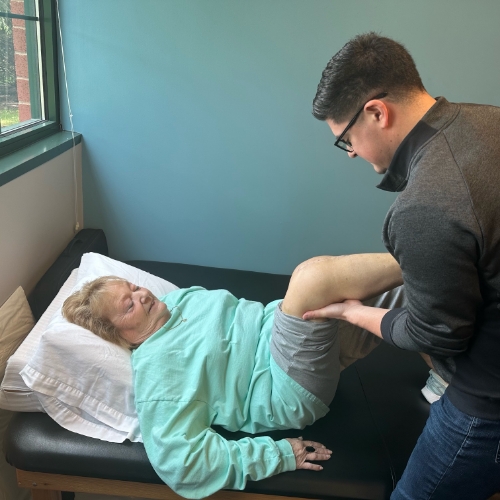
Joint mobilization techniques applied to the knee or hip gradually restore capsular extensibility and joint play, expanding range of motion that would otherwise continue to narrow without intervention. For Middletown patients dealing with lumbar osteoarthritis — especially those whose commuter hours sitting in traffic have compounded spinal joint stiffness — spinal manual therapy is among the most effective interventions available for restoring pain-free motion.
Soft tissue mobilization addresses the muscular compensation patterns that develop alongside joint disease. When the hip hurts, the piriformis, TFL, and gluteals tighten. When the knee hurts, the IT band and medial quadriceps become restricted. These compensatory patterns are independent sources of pain on top of the underlying osteoarthritis, and resolving them through manual therapy meaningfully accelerates overall progress.
Building Your Body’s Best Shock Absorbers
The muscles surrounding any affected joint are the primary load-managing system for that joint. When they are strong, they absorb a large share of every step’s force before it reaches the cartilage. When they are weak — as they inevitably become with pain-mediated activity avoidance — that force lands directly on already-compromised joint surfaces.
Trinity Rehab’s strengthening program for knee osteoarthritis focuses on quadriceps, hamstring, and hip abductor development. For hip osteoarthritis, the gluteal complex — particularly the gluteus medius — is the central target. Core strengthening is integral to managing lumbar osteoarthritis and reducing the compressive loading on the lumbar facet joints.
Every exercise is matched to your current capacity and progressed methodically as part of a carefully sequenced exercise program. Aerobic exercise in low-impact formats — stationary cycling, Greenway or park walking programs, aquatic exercise — is woven throughout to maintain cardiovascular health, manage body weight, and support joint lubrication.
For patients whose pain level significantly limits weight-bearing exercise, the AlterG Anti-Gravity Treadmill — available at select Trinity Rehab locations — allows gait training and cardiovascular exercise at a fraction of body weight, making it possible to exercise meaningfully even during higher-pain periods.
EPAT: Advanced Technology for Lasting Relief
For Middletown patients with persistent or severe osteoarthritis pain, EPAT (Extracorporeal Pulse Activation Treatment) offers a powerful addition to the treatment toolkit. This FDA-cleared technology delivers focused acoustic pressure waves to the target tissue, stimulating blood flow, reducing chronic inflammation, and activating cellular repair mechanisms that conventional exercise therapy cannot replicate.
EPAT is particularly effective for patients who have tried standard physical therapy without achieving adequate pain relief, or for those seeking to delay joint replacement surgery. It requires no anesthesia, carries minimal side effects, and sessions integrate seamlessly into the overall physical therapy program.
Dry Needling: Resolving the Muscular Component of Pain
Dry needling targets the myofascial trigger points that form in muscles chronically defending against joint pain. These trigger points — dense, sensitized bands in muscle tissue — generate pain, inhibit normal muscle activation, and limit the effectiveness of strengthening work.
For a Middletown resident who has been compensating for a painful hip for two years, the surrounding musculature may have become as much of a problem as the joint itself. Dry needling resolves these patterns efficiently, producing pain reduction and muscle extensibility improvements that significantly accelerate the trajectory of rehabilitation.
Transcutaneous electrical nerve stimulation (TENS) is used throughout treatment for pain management — reducing pain signal intensity during sessions and allowing fuller participation in therapeutic exercise.
Preventing Osteoarthritis from Limiting Your Future
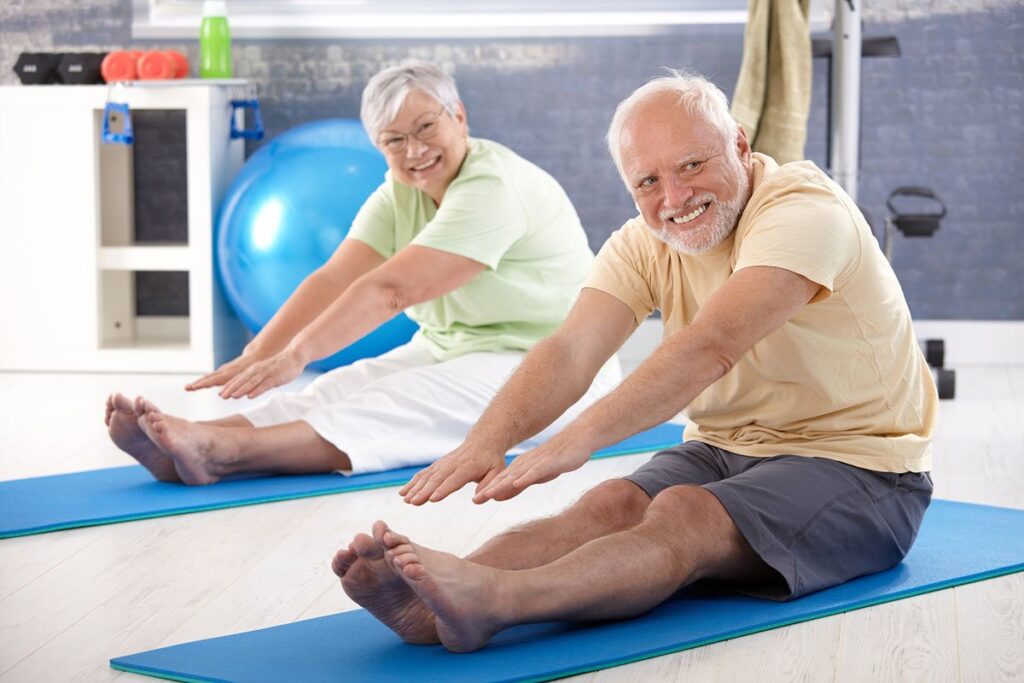
Osteoarthritis is not reversible, but its long-term trajectory is genuinely within your influence. Trinity Rehab’s treatment programs include comprehensive education on:
- Daily exercise habits — maintaining the strengthening program your therapist teaches you
- Activity modification — protecting joints during Deep Cut Gardens gardening, Tatum Park hiking, golf, and pickleball
- Body weight — the most impactful modifiable risk factor for knee and hip osteoarthritis progression
- Dietary supplements — the role of glucosamine, chondroitin sulfate, and omega-3s in joint health
- Footwear selection — supportive shoes appropriate for the specific demands of your daily activities
- Flare management — how to use ice, heat, pacing, and activity modification when symptoms intensify
Why Middletown Residents Choose Trinity Rehab
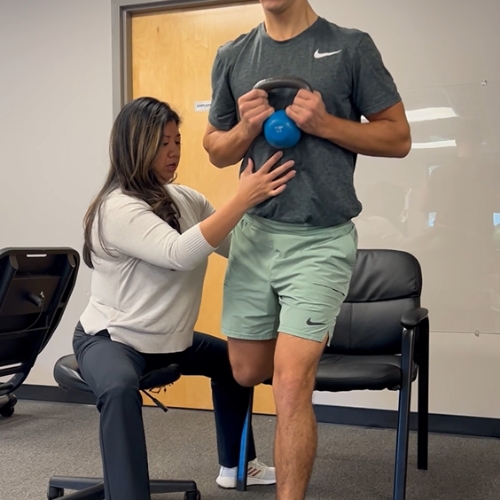
Trinity Rehab brings something that is increasingly rare in outpatient physical therapy: genuine one-on-one care. Every session is delivered by a licensed physical therapist — not divided between multiple patients, not delegated to a technician. You receive focused, expert attention from the same clinician throughout your care.
Our team is experienced in knee arthritis, hip osteoarthritis, spinal degenerative joint disease, and the full scope of arthritis treatment — including geriatric physical therapy for older adults managing age-related joint disease. We also provide effective treatment for knee pain and hip and knee pain from other causes, and for back pain from lumbar osteoarthritis.
New Jersey Direct Access law allows Middletown residents to begin physical therapy at Trinity Rehab without a physician referral. No referral. No waiting. Start when you need to.
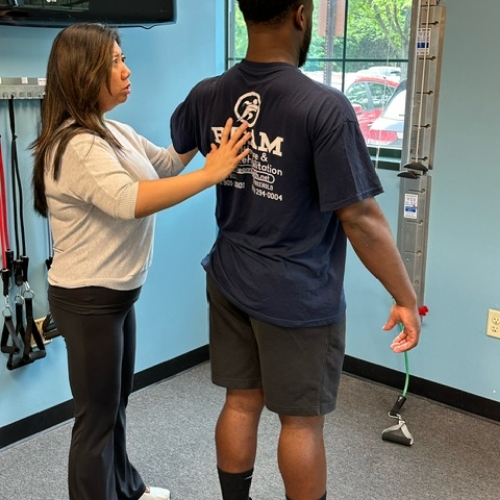
Inside Our Middletown Clinic
Related Conditions & Treatments
Osteoarthritis is just one of the many conditions we treat at Trinity Rehab Middletown. Explore our full range of conditions we treat or learn more about specific treatment approaches:
Frequently Asked Questions
My hip pain is worse after long drives. Is that osteoarthritis?
Can I keep hiking Tatum Park while doing PT for osteoarthritis?
Do I need a referral to see a PT in Middletown, NJ?
Is there a difference between knee arthritis and osteoarthritis of the knee?
How do I know when to consider joint replacement surgery for osteoarthritis?
Keeping Middletown Life Within Reach
Tatum Park’s trails, Poricy Park’s fossil walks, golf at Hominy Hill, gardening at Deep Cut, Saturday mornings on the pickleball courts at Tindall Park — these are the experiences that make Middletown worth staying active for. Osteoarthritis challenges all of them, but it does not have to win.
The osteoarthritis team at Trinity Rehab is ready to help you fight back — with a physical therapy treatment plan built around your joints, your lifestyle, and your specific goals in Middletown.
Your Next Steps
Every week of unmanaged osteoarthritis is muscle strength and function you are giving up unnecessarily. Start reclaiming it today.
Schedule your appointment at Trinity Rehab Middletown.
No referral required. One-on-one care with a licensed physical therapist who will build a personalized plan to keep you moving through everything Middletown has to offer.
What Our Patients Say