
Osteoarthritis Treatment in East Windsor, NJ — Evidence-Based Care at the Crossroads of Central Jersey
East Windsor sits at one of New Jersey’s most active crossroads — NJ Turnpike Exit 8, Route 130, and Route 33 converge here, and with them come thousands of workers who fuel the township’s pharmaceutical manufacturing, electronics distribution, and logistics industries. From the LG Electronics distribution warehouse to Aurobindo Pharma, Shiseido America, and a string of distribution facilities along the Route 130 corridor, East Windsor’s workforce is on their feet and their joints.
Away from work, residents head to Etra Lake Park for trail walks and family events, or onto the fields and courts with the East Windsor PAL soccer, baseball, and basketball leagues. With a diverse population of about 30,000 and a median age of 42.6, this is a community of working adults who take their health seriously.
Osteoarthritis is the most common form of degenerative joint disease worldwide, affecting more than 32.5 million Americans. At Trinity Rehab in East Windsor, our physical therapists provide the individualized, one-on-one arthritis treatment that helps residents reduce joint pain, restore their range of motion, and protect their ability to stay active — both at work and in life. Under New Jersey Direct Access laws, no physician referral is needed to begin. Schedule your appointment today.
Why Osteoarthritis Matters — and Why Early Treatment Changes Everything
Osteoarthritis is a progressive degenerative joint disease in which the protective cartilage cushioning your joints erodes over time. As cartilage thins, the joint space narrows, bone surfaces grind against each other, and the surrounding tissues respond with pain, swelling, and stiffness that increasingly limits what you can do.
Without appropriate treatment, osteoarthritis follows a predictable progression:
- Chronic joint pain that escalates with activity and eventually intrudes on rest
- Narrowing of the affected joint space and increasing bone-on-bone contact
- Muscle weakness around the affected joint as pain discourages movement, further accelerating cartilage loss
- Altered movement mechanics as the body compensates for a painful joint, creating new problems in adjacent areas
- Reduced physical activity, declining cardiovascular fitness, and a worsening quality of life
Physical therapy is the first-line arthritis treatment recommended by the American College of Rheumatology, the Arthritis Foundation, and the American Academy of Orthopaedic Surgeons. Research published in leading orthopaedic and sports physical therapy journals confirms that patients who begin structured physical therapy early experience better long-term outcomes, less need for pain medication, and significantly delayed progression to joint replacement surgery.
There are no proven disease-modifying agents for osteoarthritis. This makes non-surgical management — physical therapy, strengthening, activity modification, and weight management — the most effective tools in the clinical arsenal.
East Windsor Risk Factors: Where Joint Damage Builds Quietly
Understanding your specific risk profile allows your Trinity Rehab physical therapist to design a treatment plan that addresses root causes, not just symptoms.
Manufacturing and warehouse workers: East Windsor is home to a significant cluster of industrial employers — Shiseido America’s cosmetics manufacturing facility, Aurobindo Pharma and Hovione’s pharmaceutical operations, LG Electronics’ distribution warehouse, Elementis specialty chemicals, and QTS Data Centers. Workers in these environments perform repeated heavy lifting, prolonged standing on concrete or hard flooring, and repetitive bending and squatting motions. These are among the most strongly documented risk factors for knee osteoarthritis. Over years of this work, the cartilage in the knee and hip bears cumulative damage that eventually crosses into symptomatic osteoarthritis.
Commuter joint stress: With a mean commute of 28.6 minutes and 68.6% of residents in the labor force, many East Windsor adults spend significant daily time in the seated posture of commuting — shortening hip flexors, compressing lumbar discs, and weakening the posterior chain muscles that protect the knees and hips. Arriving at a physically demanding job after a stiffening commute compounds this risk.
Recreational and sport demands: The East Windsor PAL programs, pickup games at Disbrow Hill Playing Fields, and golf at Peddie Golf Club all involve repetitive joint loading. Soccer, baseball, and basketball — the most popular youth and adult sports in the township — are among the highest-load activities for the knees and hips. Adults who have participated in these sports for decades often accumulate joint changes that present as osteoarthritis in their 40s and 50s.
Prior joint injuries: Meniscus tears, ACL injuries, ankle fractures, and other significant joint injuries accelerate post-traumatic osteoarthritis in the affected joint — often appearing years after the original injury appeared to heal.
Excess body weight: Each extra pound of body weight applies approximately four pounds of force to the knees during walking. With nearly one-third of American adults carrying excess weight, this is a highly relevant and modifiable risk factor for knee and hip osteoarthritis.
Recognizing Osteoarthritis Symptoms
Osteoarthritis most commonly targets the knees, hips, hands, shoulders, and spine. East Windsor patients often describe:
- Morning stiffness — particularly in the knees or hips — that improves after 20–30 minutes of movement, then returns after prolonged sitting during a commute or desk work
- Deep, aching joint pain during weight-bearing activity — walking from the parking lot to the warehouse, climbing stairs, or walking the trails at Etra Lake Park
- A grinding or crackling sensation (crepitus) when bending or rotating the affected joint
- Swelling and tenderness around the knee after physically demanding shifts
- Reduced range of motion — difficulty fully bending or straightening the knee, hip stiffness that limits rotation when exiting a vehicle
- A feeling of the knee giving way unexpectedly on uneven ground
- Pain with specific activities: squatting in the warehouse, rising from a desk chair, kicking a soccer ball with your children at EWPAL
If these symptoms have persisted for more than a few weeks, physical therapy intervention should begin. Waiting allows further muscle weakness and joint deterioration to develop.
Physical Therapy Treatments at Trinity Rehab East Windsor
Manual Therapy: Directly Restoring Joint Function
Manual therapy is among the most effective interventions for osteoarthritis and a core element of Trinity Rehab’s treatment approach.
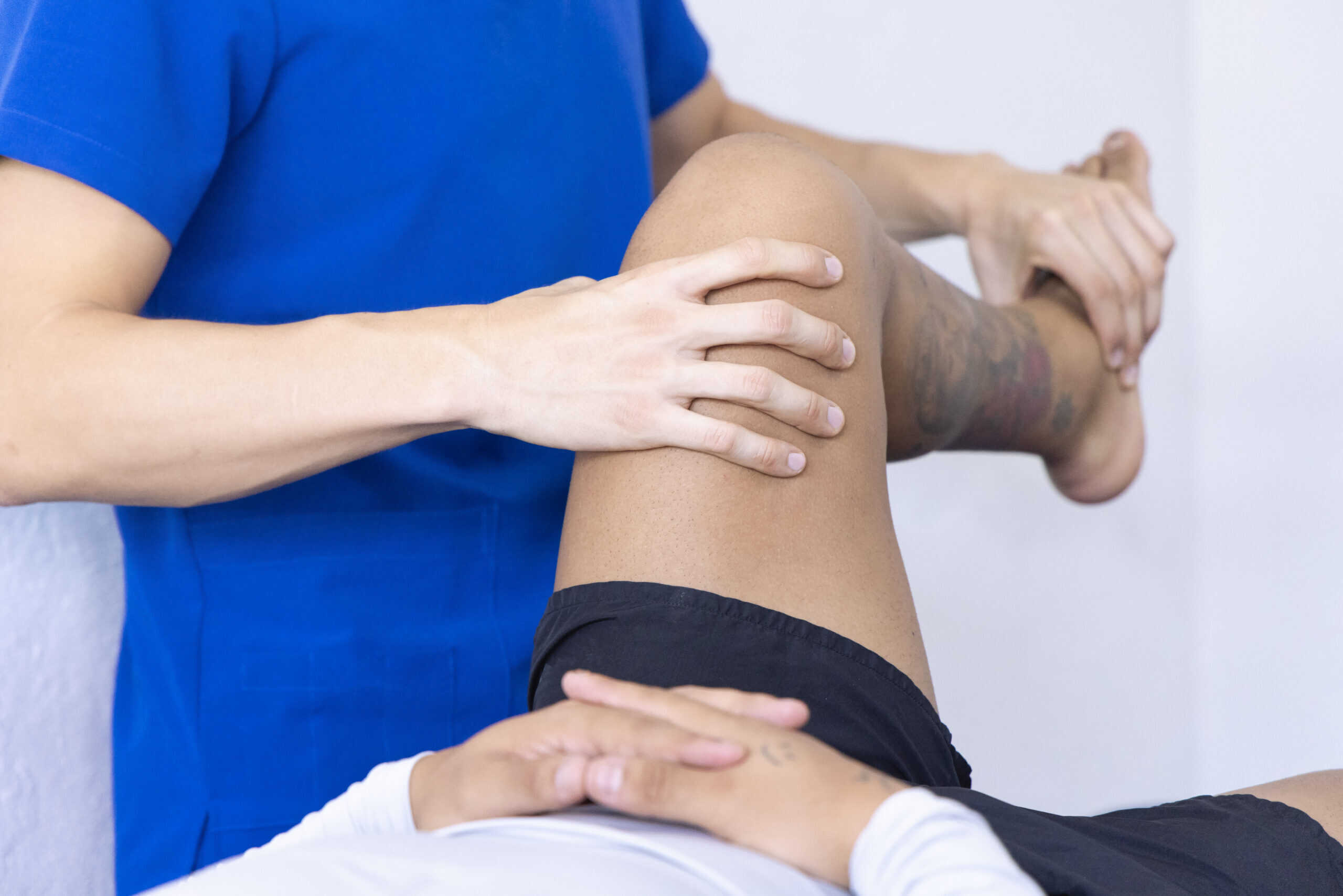
Joint mobilization applies controlled, rhythmic movements directly to the arthritic joint, reducing capsular stiffness, restoring joint flexibility, and interrupting the pain-guarding cycle that perpetuates dysfunction. Clinical evidence robustly supports manual joint mobilization for reducing osteoarthritis pain and improving functional range of motion.
Soft tissue mobilization targets the muscles and fascia surrounding the arthritic joint that tighten in response to chronic pain. For East Windsor’s manufacturing and warehouse workers, tight hip flexors, quadriceps, and IT bands compress the knee joint and amplify pain. Releasing this tension allows more effective strengthening to begin.
Neuromuscular re-education addresses the altered movement patterns that develop after months or years of protecting a painful joint. Correcting these compensatory mechanics protects adjacent joints — particularly relevant for patients who have been managing knee osteoarthritis by shifting weight to the opposite leg.
Progressive Strengthening: Rebuilding Your Joints’ Shock Absorbers
Muscles are your joints’ primary defense against mechanical loading. Strengthening the muscles around arthritic joints reduces the stress that cartilage must absorb with every step.
For knee osteoarthritis, the quadriceps muscle is the single most critical protective factor. Weak quadriceps directly correlate with greater pain, more rapid cartilage loss, and higher rates of eventual joint replacement surgery. Your program includes progressive quadriceps strengthening, hamstring strengthening with PNF stretching protocols, hip abductor and gluteal work, and proprioception training.
For hip osteoarthritis, deep hip stabilizers, gluteals, and core musculature are trained progressively to protect the hip joint during walking, standing, and working.
For hand and wrist OA — relevant for workers whose jobs involve grip-intensive tasks — targeted grip strengthening and fine motor exercises maintain the hand function needed at work and at home.
Your individualized exercise program is built around your specific goals: managing an active shift at the warehouse, playing soccer with your children on East Windsor’s fields, or walking comfortably at Etra Lake Park. A home program maintained 3–4 times per week sustains the gains from clinic visits.
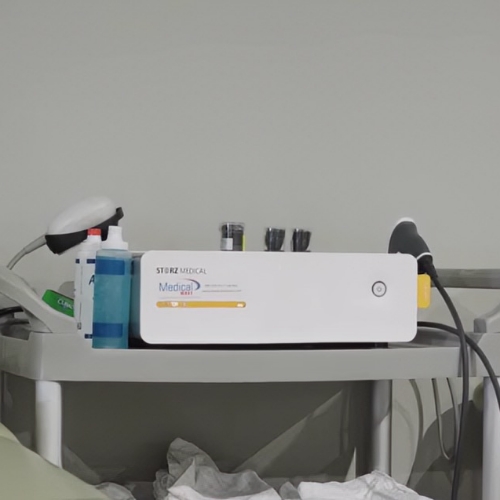
EPAT Shockwave Therapy
EPAT Shockwave Therapy at Trinity Rehab delivers focused acoustic pressure waves to damaged soft tissues surrounding arthritic joints, stimulating collagen production and natural tissue regeneration. Research demonstrates 60–80% pain relief for patellar tendinopathy, Achilles tendinopathy, plantar fasciitis, and other soft tissue conditions that commonly accompany osteoarthritis. For East Windsor patients who have found that standard physical therapy alone has not resolved all of their pain, EPAT offers a meaningful additional option.
Dry Needling for Muscular Pain Relief
Dry needling addresses myofascial trigger points — tight, hypersensitive knots in the quadriceps, hip flexors, calf, and surrounding muscles that develop in response to chronic joint pain. These trigger points cause referred pain and restrict range of motion beyond what stretching or manual therapy alone can resolve. Dry needling releases them directly.
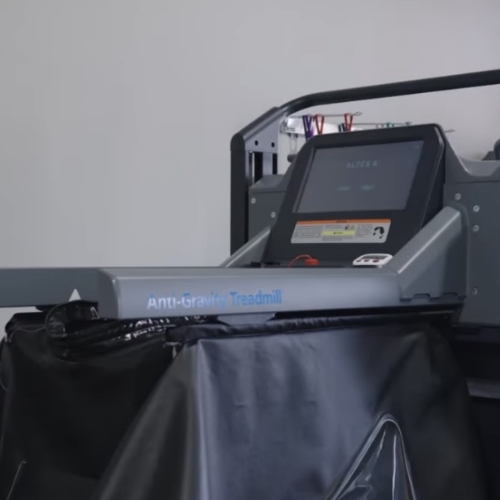
AlterG Anti-Gravity Treadmill
For patients with severe knee or hip osteoarthritis whose joint pain makes weight-bearing exercise difficult, the AlterG Anti-Gravity Treadmill reduces effective body weight by up to 80%, enabling walking and cardiovascular exercise without exceeding joint load tolerance. Clinical research shows 20–30% pain reduction and improved endurance for osteoarthritis patients using this technology. For East Windsor residents who need to stay physically capable for demanding jobs, the AlterG is a practical tool for maintaining fitness during recovery.
Transcutaneous electrical nerve stimulation (TENS) provides non-invasive pain management that modulates the nervous system’s pain response — useful in the early phases of treatment when activity is most limited.
Activity Modification and Pain Management
Your Trinity Rehab physical therapist coaches you on sustainable strategies for protecting joints throughout your daily routine:
- Joint protection techniques during heavy lifting, bending, and repetitive motions at work
- Pacing strategies for physically demanding shifts and recreational activities
- Appropriate footwear and ergonomic guidance for the warehouse and the playing field
- Heat and cold application for managing pain flare-ups at home
- Weight management guidance: a 10% reduction in body weight reduces knee osteoarthritis pain by up to 50%. Your therapist helps you identify safe, joint-friendly aerobic exercise options
- Aerobic exercise recommendations including swimming, cycling, and walking — activities that maintain cardiovascular fitness and joint mobility without excessive impact
Dietary supplements like glucosamine and chondroitin are widely used, though clinical evidence for their effectiveness remains limited. Topical NSAIDs can reduce pain with fewer systemic effects than oral medications and may be worth discussing with your physician.
Why East Windsor Residents Choose Trinity Rehab
One-on-one physical therapist care at every visit. You are never with an aide or left to work through a program unsupervised. Your physical therapist observes, adjusts, and responds to your progress at every session.
Full arthritis treatment spectrum. Trinity Rehab treats patients from initial morning stiffness through advanced knee arthritis requiring hip and knee replacement consideration, and through post-surgical rehabilitation. Joint replacement surgery is only appropriate when conservative treatment has been exhausted — the right physical therapy program helps most patients delay or avoid surgery entirely.
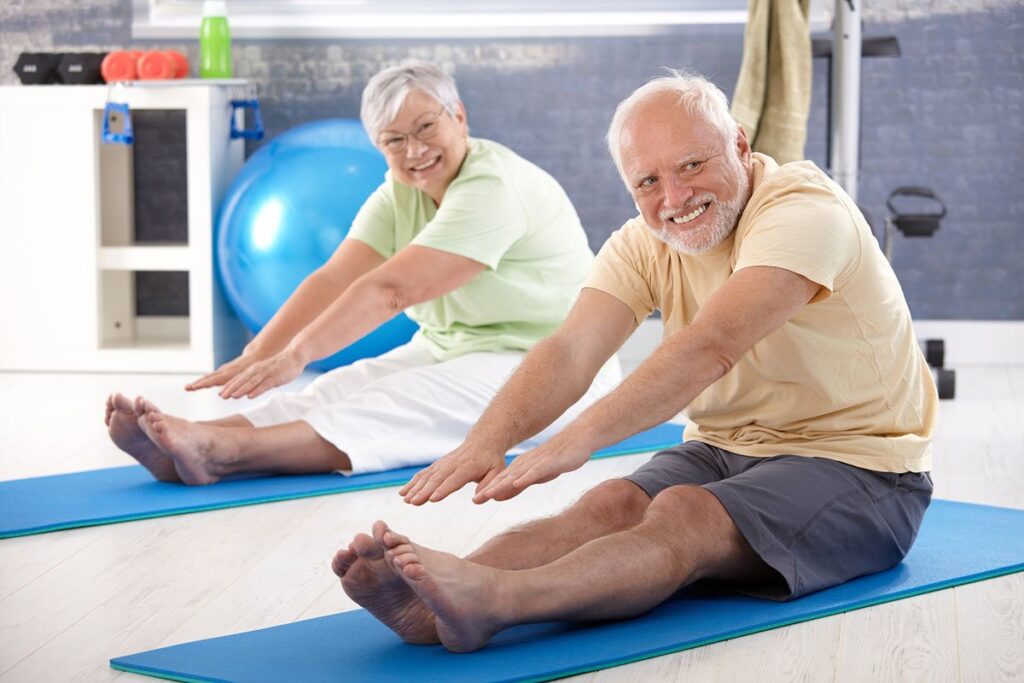
Geriatric physical therapy expertise. For East Windsor’s older adults, care integrates balance training, fall prevention, and functional independence with osteoarthritis management.
No referral, minimal wait. New Jersey Direct Access allows you to begin immediately. Same-week appointments are frequently available.
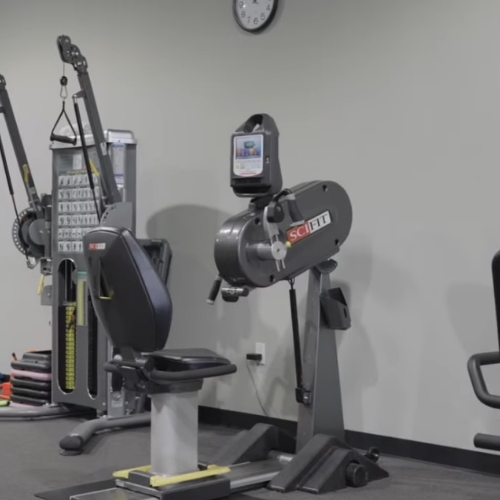
Inside Our East Windsor Clinic
Related Conditions & Treatments
Osteoarthritis is just one of the many conditions we treat at Trinity Rehab East Windsor. Explore our full range of conditions we treat or learn more about specific treatment approaches:
Frequently Asked Questions
Can I start physical therapy in East Windsor without a referral?
I work a physically demanding job. Will physical therapy help me stay at work?
How quickly will I see results?
What is the difference between osteoarthritis and knee arthritis?
Can physical therapy help if I have osteoarthritis in multiple joints?
Taking Back Your Active Life in East Windsor
The walking trails at Etra Lake Park, the sports fields at Disbrow Hill, the rounds at Peddie Golf Club, the games with your kids at EWPAL — these are the activities that make East Windsor life meaningful. Osteoarthritis does not have to permanently take them from you.
Physical therapy at Trinity Rehab provides a structured, evidence-based approach to reducing joint pain, restoring range of motion, and building the strength that protects your joints for the long term. Our physical therapists have helped thousands of patients throughout Mercer County and New Jersey manage arthritis, back pain, and hip and knee pain.
Book your appointment at Trinity Rehab East Windsor, NJ →
No referral needed. Same-week availability. One-on-one care.
Sources: Centers for Disease Control and Prevention. Osteoarthritis. American College of Rheumatology, 2021 guidelines for the management of osteoarthritis. Fransen M, et al. Exercise for osteoarthritis of the knee. Cochrane Database of Systematic Reviews. 2015.
What Our Patients Say