

SCIATICA TREATMENT IN CHERRY HILL, NJ: EXPERT CARE IN THE HEART OF CAMDEN COUNTY
Cherry Hill is a community that stays in motion. On weekend mornings, residents are logging laps on the 3.8-mile bike path around Cooper River Park or joining one of the adult soccer leagues at Cherry Hill Health & Racquet Club. During the week, many residents make the 25-minute drive along I-295 into Philadelphia for work — sitting in traffic or at a desk through long office hours. And when fall rolls around, there are farm visits, weekend road trips down to Ocean City, and everything else that defines life in this corner of South Jersey.
All of that movement — and all of that sitting — can eventually take a toll on the lumbar spine. If you have started to notice a burning or shooting pain traveling from your lower back, through your buttock, and down one leg, you are likely experiencing sciatica. The good news: it is very treatable, and Trinity Rehab in Cherry Hill is here to help.
Understanding Sciatica
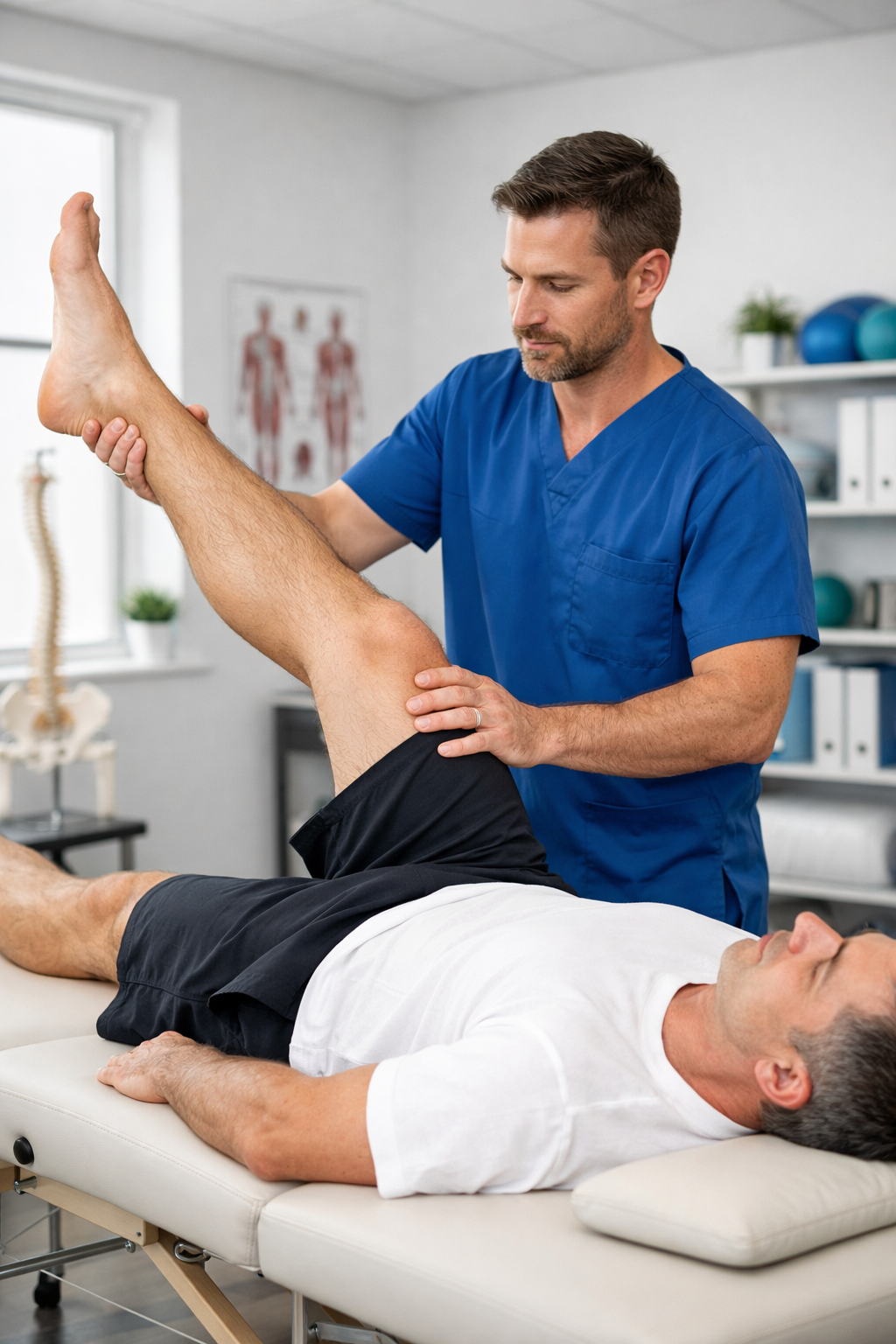
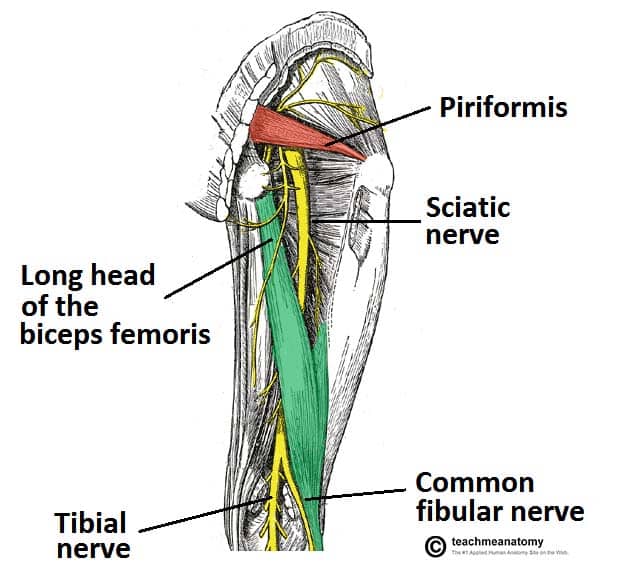
Sciatica is the common name for lumbar radiculopathy — the condition that occurs when one or more of the nerve roots feeding the sciatic nerve becomes compressed or irritated in the lower back. The sciatic nerve is the longest in the body, and when it is under pressure, it broadcasts pain along its entire pathway: from the lower back, through the buttock, and down the back of the leg to the calf and sometimes the foot.
The most frequent culprit is a herniated or bulging lumbar disc, which accounts for roughly 90% of sciatica cases. Other contributors include lumbar spinal stenosis (a narrowing of the spinal canal common in adults over 60), piriformis syndrome (when the deep buttock muscle compresses the nerve), degenerative disc changes, and spondylolisthesis — a condition in which one vertebra slips forward on another.
Understanding the cause is essential because treatment is not one-size-fits-all. That is why a thorough evaluation by a licensed physical therapist is the most important first step — and the foundation of everything Trinity Rehab does for Cherry Hill patients.
For more context on how the back and nerve root pain are connected, visit our back pain treatment resource.
What Triggers Sciatica in Cherry Hill Residents
Cherry Hill’s specific mix of suburban lifestyle, employment, and recreation creates a recognizable set of sciatica risk factors. Our therapists hear these stories regularly:
Philadelphia commuters. A large portion of Cherry Hill’s population commutes to Philadelphia via I-295, NJ Transit rail, or PATCO. Sitting in a car or on a train for 25 to 30 minutes each way — multiplied across years — compresses lumbar discs and shortens the hip flexors, creating mechanical conditions that favor nerve root irritation. Desk workers who extend their seated posture through eight-hour workdays compound that pressure significantly.
Logistics and warehouse workers. Cherry Hill and the surrounding Camden County area have a significant logistics and distribution workforce, with major employers like NFI Industries operating nearby. Repetitive bending, lifting, and awkward body positions in warehouse settings are among the most reliable occupational triggers for lumbar disc herniation and the sciatica that follows.
Healthcare workers. Jefferson Cherry Hill Hospital and Virtua Health employ a substantial portion of the local workforce. Healthcare professionals — particularly nurses, aides, and technicians — routinely lift, bend, and assist patients in ways that place asymmetric loads on the lumbar spine.
Active adult sports participation. Cherry Hill residents are active well into their adult years. Tennis leagues at Cherry Hill Health & Racquet Club, golf at The Legacy Club, and adult soccer through PlayMore NJ leagues all involve the rotational forces and repetitive loading patterns that can irritate lumbar structures over time.
Winter shoveling. With approximately 15 inches of average annual snowfall, Cherry Hill residents face the same shoveling-related risk as much of New Jersey. The combination of cold muscles, heavy wet snow, and repetitive asymmetric loading during snow removal is a classic trigger for acute disc herniation.
Carrying young children. Cherry Hill is a family-oriented community, and parents who frequently carry toddlers on one hip, lift heavy car seats, or hold awkward positions during childcare are loading their lumbar spines repeatedly throughout the day.
Recognizing Sciatica Symptoms
Sciatica follows a path that distinguishes it from ordinary back or hip pain. Common presentations our Cherry Hill patients describe include:
- A sharp, shooting, or burning sensation traveling from the lower back or buttock down one leg
- Persistent aching deep in the buttock on one side
- Numbness, tingling, or a “pins and needles” sensation in the thigh, calf, or foot
- Weakness in one leg — a sensation of the leg giving way, or difficulty lifting the foot when walking
- Pain that worsens after prolonged sitting (the I-295 commute is a frequent pain amplifier)
- Discomfort that eases briefly when standing or walking, then builds again when sitting resumes
One Cherry Hill patient — a healthcare worker at Jefferson Hospital — described waking up to pain that made it nearly impossible to stand upright, after months of a demanding patient-care schedule that involved repeated lifting and bending. This type of gradual accumulation is just as common as the sudden-onset sciatica triggered by a single lift or twist.
How Trinity Rehab Treats Sciatica in Cherry Hill
Our approach to sciatica in Cherry Hill is topic-driven and highly individualized — meaning each element of your program addresses a specific component of your nerve compression and recovery. Rather than running through a standard exercise routine, your treatment is built around what is causing your sciatica and what it is keeping you from doing.
Manual Therapy: Restoring Spinal Mobility
Manual therapy is a cornerstone of sciatica care at Trinity Rehab. Your physical therapist uses hands-on joint mobilization techniques to reduce stiffness in the lumbar and pelvic joints, improve segmental spinal motion, and decrease direct mechanical pressure on compressed nerve roots. Soft tissue techniques address tight muscles in the paraspinal region, hip, and piriformis that contribute to nerve irritation.
Manual therapy is not passive — it is targeted, clinical, and designed to complement your active exercises by restoring the range of motion and joint function your strengthening work requires.
Core Strengthening: Protecting the Lumbar Spine
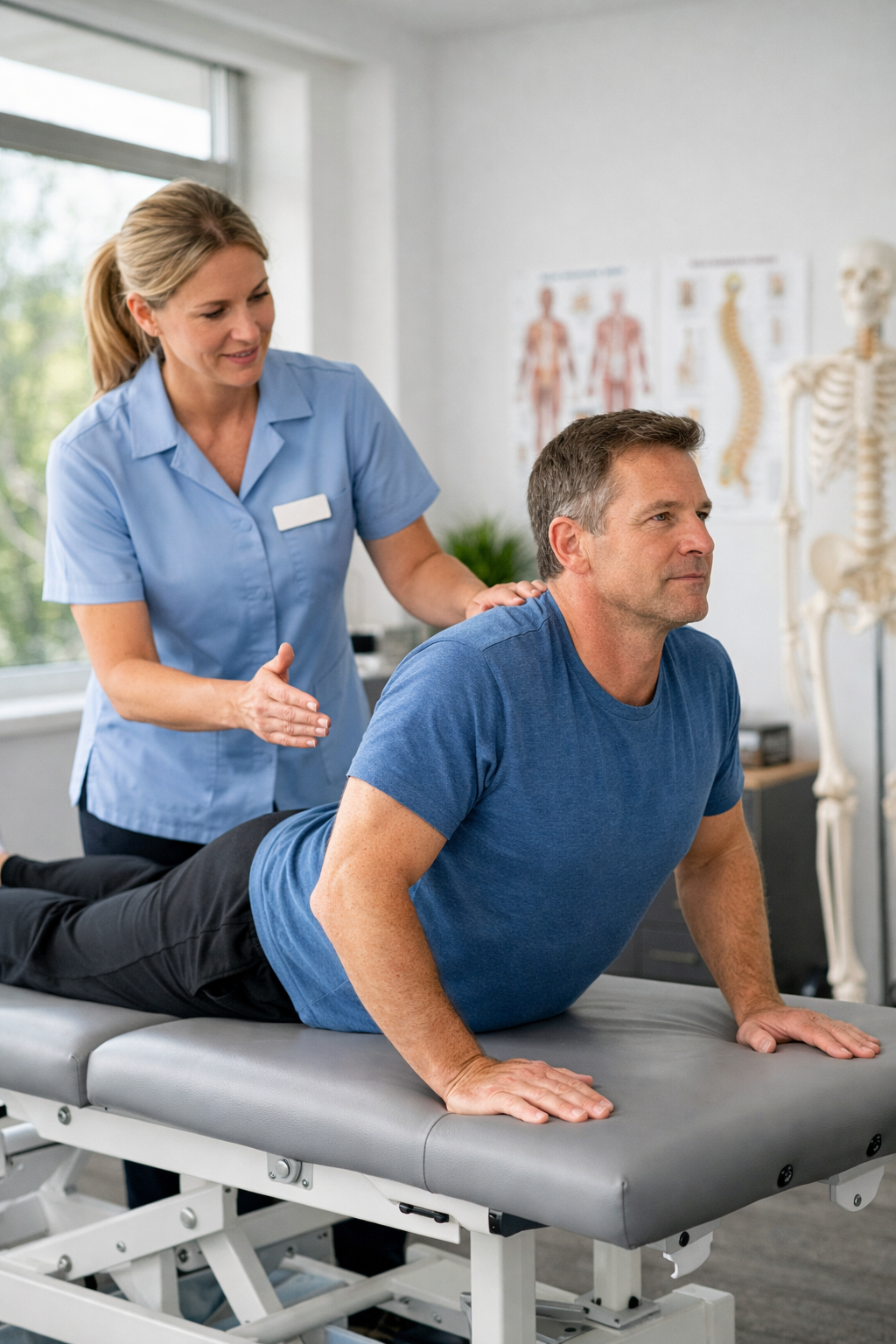
The deep stabilizing muscles of the lumbar spine — the transversus abdominis, multifidus, and pelvic floor — form the body’s natural protection system for the nerve roots that sciatica targets. In most patients with recurrent or persistent sciatica, these muscles have become underactive or poorly coordinated, leaving the lumbar spine vulnerable to repeated stress.
Your Trinity Rehab therapist will guide you through a progressive program starting with isolated activation and building toward dynamic stabilization exercises that challenge these muscles in real movement patterns. For Cherry Hill commuters, this will include specific work on sitting posture and transitions — the moments when disc pressure spikes most predictably.
Neural Mobilization: Freeing the Sciatic Nerve
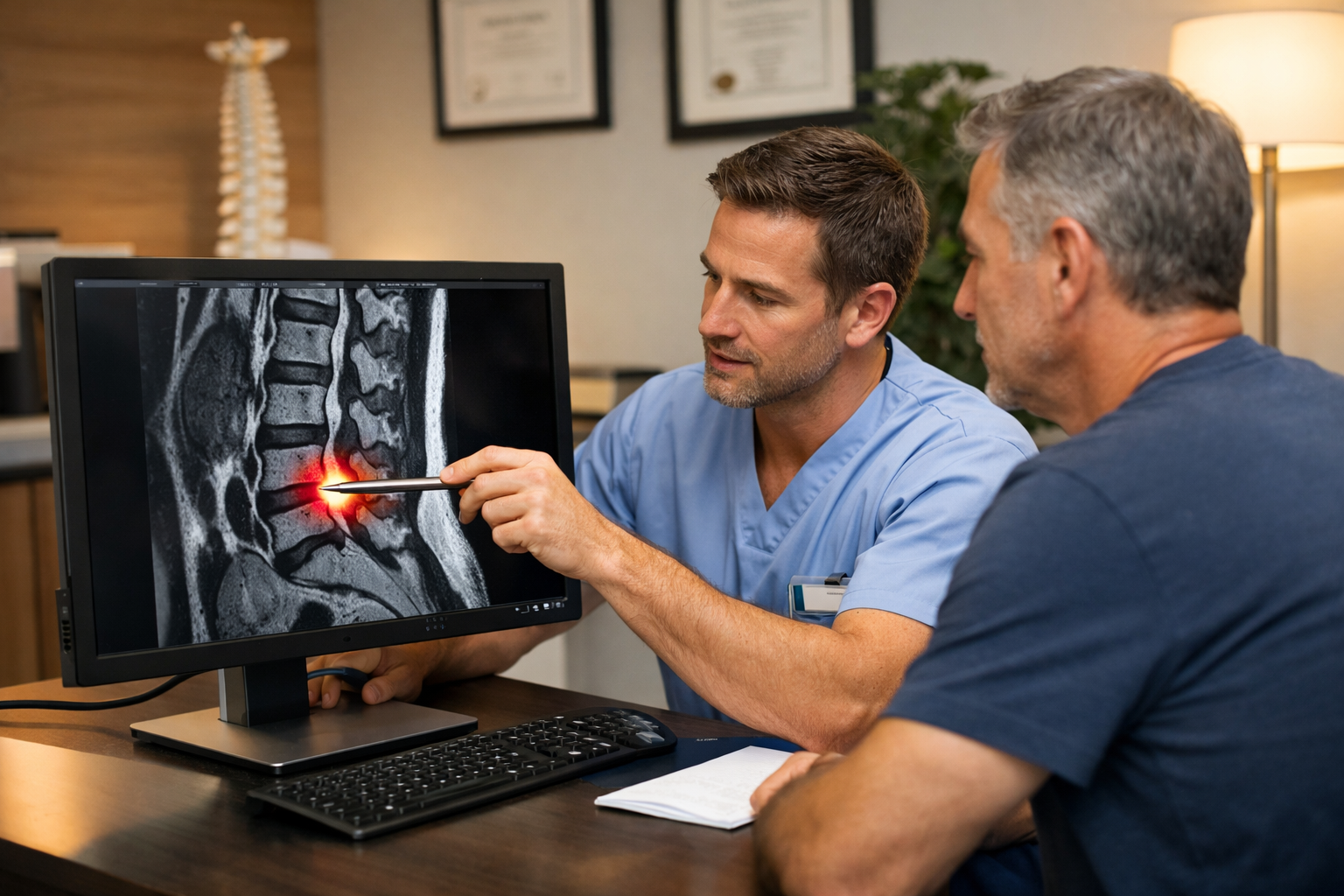
Neural mobilization — sometimes called nerve gliding — is one of the most effective and underutilized tools in sciatica treatment. The sciatic nerve needs to slide freely through the surrounding tissues as you move. After injury or inflammation, it can become tethered or hypersensitive, sustaining pain even after the original compression has resolved.
Your therapist will guide you through carefully graded nerve mobilization techniques that reduce neural tension, desensitize the irritated nerve, and restore its natural movement. Patients often experience notable relief in radiating leg pain relatively quickly with consistent neural mobilization work.
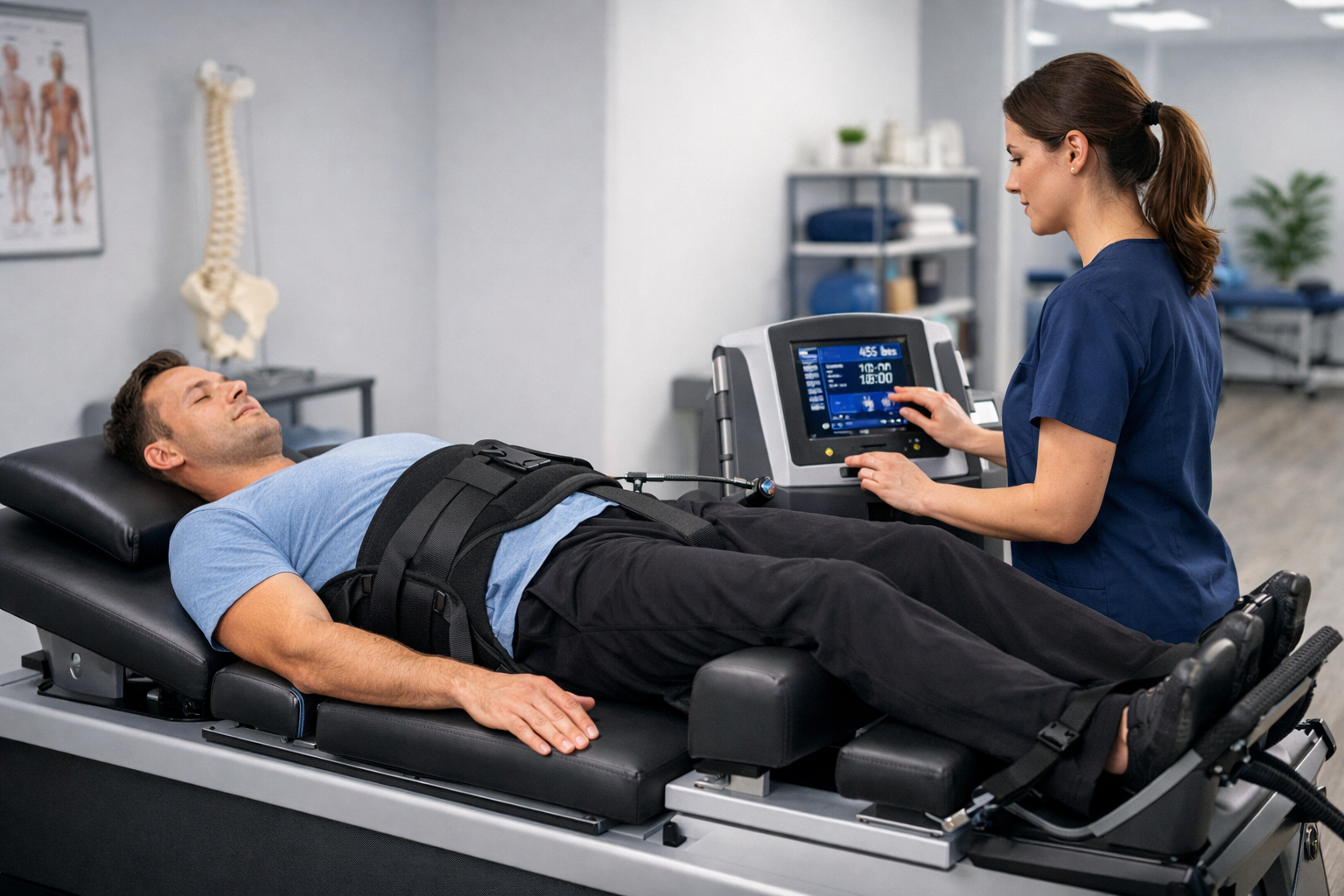
Dry Needling: Releasing Deep Muscle Tension
For patients whose sciatica is complicated by stubborn muscular trigger points — particularly in the piriformis, gluteal, or paraspinal muscles — dry needling can accelerate progress. This technique uses thin filiform needles to target and release myofascial tension that direct stretching and manual therapy cannot always fully resolve. It is not acupuncture — it is a targeted neuromuscular technique with a strong evidence base for reducing referred pain and muscle guarding.
Home Exercise Program: Sustaining Your Recovery
Recovery does not happen only in the clinic. Your Trinity Rehab physical therapist will build you a clear, practical home exercise program — exercises you can complete in 15 to 20 minutes — that maintains and extends the progress from your in-clinic sessions. You will leave treatment not only feeling better but equipped to manage your lumbar health independently going forward.
Why Choose Trinity Rehab in Cherry Hill
Cherry Hill residents deserve a physical therapy experience that matches the high quality of care this community expects. At Trinity Rehab, that means:
- One licensed physical therapist, one patient, every session — no handoffs to assistants, no unsupervised exercise time
- No physician referral required — New Jersey’s Direct Access Law allows you to start physical therapy immediately, without a doctor’s order
- Insurance-friendly — Trinity Rehab works with most major insurance plans used by Cherry Hill residents and employees of Jefferson Cherry Hill Hospital and Virtua Health
- Flexible hours — early morning and evening appointment times to accommodate commuter schedules and demanding healthcare shifts
- Personalized treatment — your sciatica evaluation is comprehensive, and your plan is built specifically around your anatomy, occupation, and goals
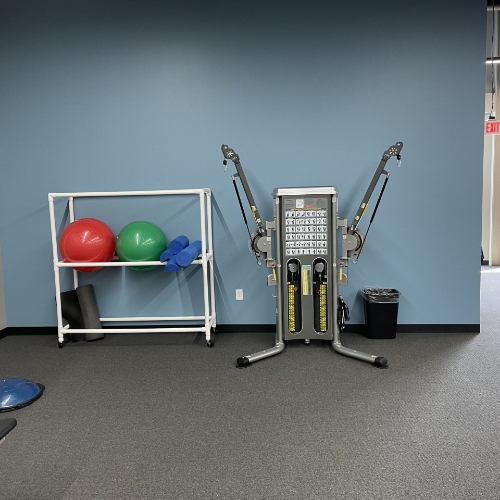
Inside Our Cherry Hill Clinic
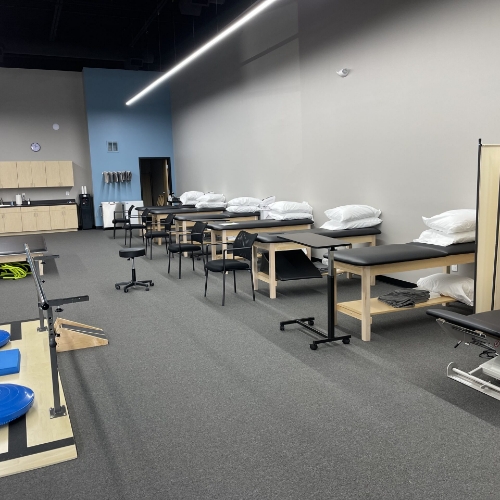
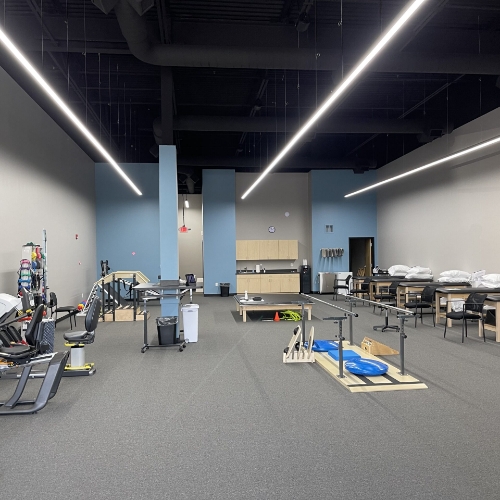
Related Conditions & Treatments
Sciatica is just one of the many conditions we treat at Trinity Rehab Cherry Hill. Explore our full range of conditions we treat or learn more about specific treatment approaches:
- Sciatica Treatment Overview
- Back Pain Treatment
- Hip & Knee Pain Relief
- Manual Therapy
- Dry Needling
- EPAT / Shockwave Therapy
Cherry Hill Sciatica Rehab For Leg Pain, Sitting Pain, And Walking Tolerance
Sciatica-like symptoms can make sitting, driving, bending, sleeping, and walking difficult. Cherry Hill patients need a plan that separates nerve-related leg pain from back, hip, or muscle-driven symptoms.
Your therapist may assess symptom behavior, lumbar mobility, nerve tension, hip strength, walking tolerance, and positions that calm or worsen symptoms. Progressive weakness, numbness, or bowel/bladder changes should be medically reviewed urgently.
Related spine options include back pain physical therapy, lumbar disc herniation rehab, and the Cherry Hill physical therapy clinic page.
Frequently Asked Questions
Cherry Hill Sciatica Rehab For Leg Pain, Sitting Pain, And Walking Tolerance
Sciatica-like symptoms can make sitting, driving, bending, sleeping, and walking difficult. Cherry Hill patients need a plan that separates nerve-related leg pain from back, hip, or muscle-driven symptoms.
Your therapist may assess symptom behavior, lumbar mobility, nerve tension, hip strength, walking tolerance, and positions that calm or worsen symptoms. Progressive weakness, numbness, or bowel/bladder changes should be medically reviewed urgently.
Related spine options include back pain physical therapy, lumbar disc herniation rehab, and the Cherry Hill physical therapy clinic page.
Where can I get sciatica treatment in Cherry Hill, NJ?
Does Trinity Rehab Cherry Hill accept my insurance?
How soon will I feel better after starting PT for sciatica?
Is sciatica the same as a herniated disc?
Can sitting at a desk cause sciatica?
Whether sciatica is limiting your morning walks around Cooper River Park, affecting your performance at work, or simply making every commute miserable, you do not have to accept that as the new normal.
Schedule your appointment at Trinity Rehab in Cherry Hill — no referral, no waiting. Our physical therapists will evaluate your condition thoroughly, identify the root cause of your sciatic pain, and build a plan to get you back to the life you want to live.