

Shoulder Impingement Treatment in Piscataway, NJ
Shoulder impingement can make normal Piscataway routines feel sharp, blocked, or unpredictable. Reaching overhead, lifting at work, sleeping on one side, driving, exercising, carrying groceries, or returning to sport can all become frustrating when the shoulder starts to pinch.
At Trinity Rehab Piscataway, your physical therapist looks at the shoulder, rotator cuff, shoulder blade, neck, upper back, posture, and the real activities that reproduce your symptoms. The goal is to help the shoulder tolerate your life again, not just calm pain for a few days.
Local Shoulder Impingement Care in Piscataway
Trinity Rehab Piscataway is located at 1354 Centennial Ave Unit A3-B, Piscataway, NJ 08854. Patients commonly visit from Piscataway, Edison, South Plainfield, Highland Park, New Brunswick, Dunellen, and nearby communities for shoulder impingement, rotator cuff irritation, bursitis-type shoulder pain, frozen shoulder stiffness, and post-surgical shoulder rehab.
In Piscataway, shoulder impingement often connects to middlesex county patients near rutgers-area activity, campus-style walking, recreation, workday standing, and return to running/gym. Patients may notice pinching with shoulder pain with campus/work walking and carrying, gym workouts, recreational sports, desk posture, rotator cuff irritation, or with local routines such as rutgers-area activity and campus-style walking/carrying.
A useful plan should connect the diagnosis to those real demands. If the shoulder feels better in the clinic but still pinches when you reach, lift, drive, work, exercise, or sleep, the plan has not gone far enough.
What Shoulder Impingement Can Feel Like in Piscataway
Shoulder impingement is often described as a sharp pinch or catch when the arm lifts overhead, moves out to the side, or reaches behind the body. Some patients feel pain in the front of the shoulder. Others feel it along the outside of the upper arm or deep inside the joint.
- Pain reaching overhead or into a cabinet.
- Pain reaching behind the back, into a jacket, or into the back seat.
- Discomfort lying on the sore shoulder.
- Weakness with lifting, carrying, pushing, pulling, or pressing.
- Pinching during sport, gym activity, work tasks, or repeated daily reaching.
- Neck, upper-back, or shoulder blade stiffness that seems to feed the shoulder pain.
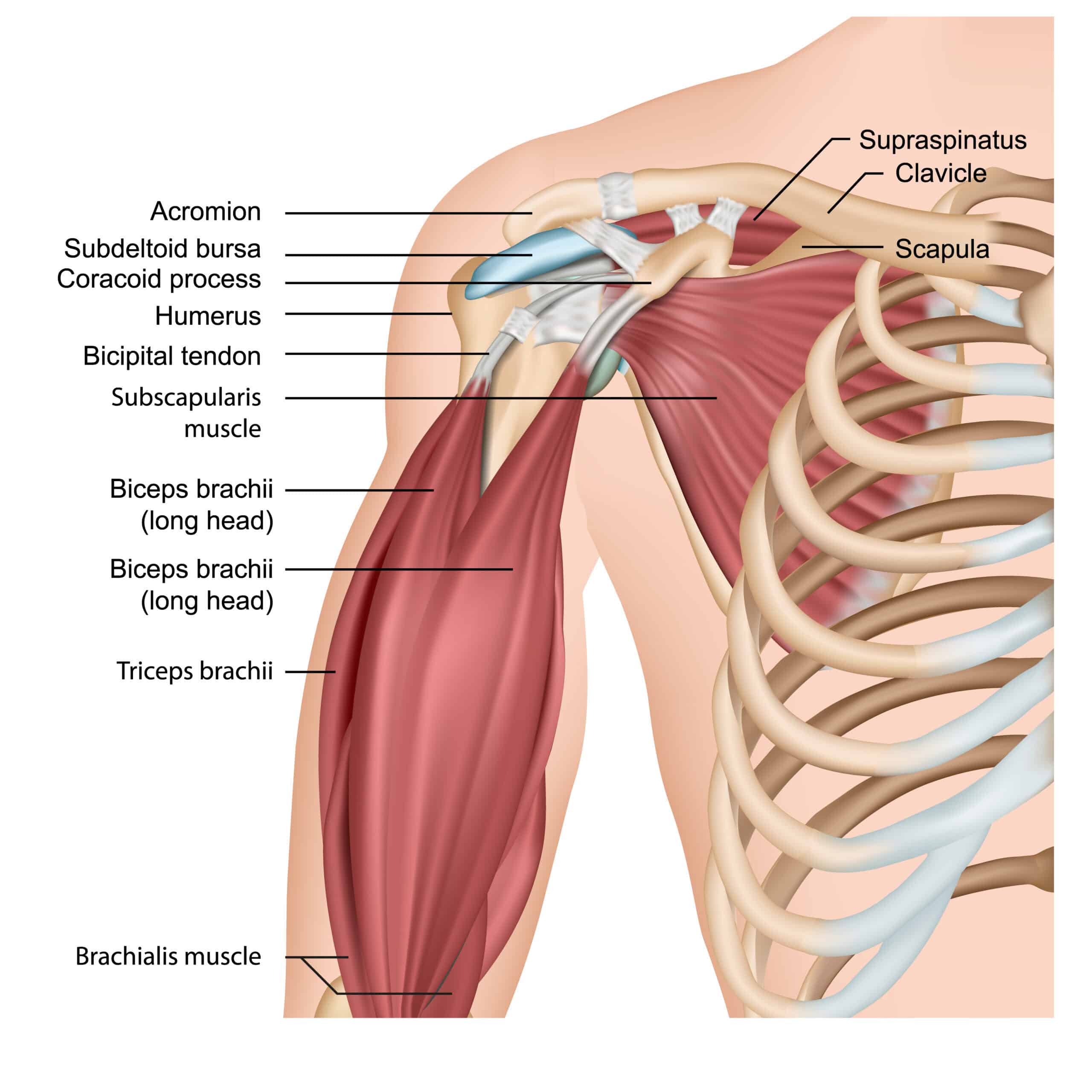
The same symptoms can come from several contributors, including rotator cuff tendinopathy, subacromial bursitis, shoulder blade control problems, posture and thoracic mobility limits, frozen shoulder stiffness, or AC joint and biceps tendon irritation.
Piscataway Activities That Shape The Treatment Plan
Shoulder impingement care works best when it reflects the routine you actually need to return to. In Piscataway, the plan may need to account for shoulder pain with campus/work walking and carrying, gym workouts, recreational sports, desk posture, rotator cuff irritation, and the daily patterns that made the shoulder sensitive in the first place.
Rutgers Area Activity
Rutgers-area activity can change how symptoms behave. Your therapist may look at shoulder motion, posterior shoulder mobility, thoracic rotation, rotator cuff endurance, and how the shoulder responds when the painful movement is repeated or loaded.
Campus Style Walking Carrying
campus-style walking/carrying often require more than one clean clinic rep. Treatment should build tolerance for reaching, lifting, carrying, pushing, pulling, driving posture, errands, and the tasks that show up during a real week in Piscataway.
Workday Standing
workday standing may need a staged return. Instead of stopping everything indefinitely, the plan can modify volume, reduce the most irritating positions for a short period, and rebuild strength so the shoulder earns its next level of activity.

How Your First Visit Works in Piscataway
Your first visit at Trinity Rehab Piscataway is designed to answer practical questions: what is likely driving the pinching, what is safe to keep doing, what should be modified for now, and what needs to improve before the shoulder returns to full activity.
- Review of your symptoms, sleep limits, work demands, sport demands, commute, and goals.
- Screening for red flags that may need physician follow-up.
- Shoulder range-of-motion testing for overhead reaching, behind-the-back motion, cross-body reach, and rotation.
- Rotator cuff, shoulder blade, neck, thoracic spine, and posture assessment.
- Functional testing for lifting, carrying, sport, gym activity, or job-specific tasks when appropriate.
- A starting home plan matched to your irritability level.
Many NJ patients can begin physical therapy through direct access when appropriate. If your presentation suggests a medical concern or imaging need, your therapist can help coordinate the next step with a physician.
Treatment For Shoulder Impingement at Trinity Rehab Piscataway
Shoulder impingement rehab should be staged. Early care often focuses on calming irritated tissue, restoring comfortable motion, and helping you avoid the specific positions or workloads that keep the shoulder angry. As symptoms improve, the plan shifts toward progressive strength and real activity tolerance.
Pain Control and Mobility
Manual therapy, soft-tissue work, joint mobility, range-of-motion exercise, thoracic mobility, and practical activity changes can help the shoulder move with less pain. The goal is not to force painful overhead motion, but to restore usable movement while symptoms calm down.
Rotator Cuff and Shoulder Blade Strength
The shoulder needs a strong rotator cuff and a stable shoulder blade. Treatment may include external rotation, rows, serratus and lower-trap strengthening, closed-chain stability, progressive loading, and controlled overhead mechanics.
Return To Work, Sport, and Daily Life
The later phase should look like your life in Piscataway. That may mean overhead reach, push, pull, carry, throwing, swimming, golf, racquet sports, gym progressions, desk posture, driving tolerance, work simulation, or home-task practice based on what actually flares the shoulder.

When Piscataway Shoulder Impingement Needs More Than Rest
Rest may quiet symptoms, but many patients flare again when they return to the same reaching, lifting, throwing, swimming, computer posture, or work task that irritated the shoulder. Physical therapy helps identify the driver and rebuild capacity step by step.
Seek medical evaluation first for major trauma, visible deformity, suspected dislocation, sudden inability to lift the arm, severe unexplained weakness, fever, chest pain, or numbness and tingling that is worsening.
Advanced options such as dry needling or EPAT may be considered when clinically appropriate, but they should support a movement and strengthening plan rather than replace it.
Piscataway Clinic Details and Local Proof
Trinity Rehab Piscataway
1354 Centennial Ave Unit A3-B, Piscataway, NJ 08854
Phone: (732) 712-2170
Clinic page: https://trinity-rehab.com/physical-therapy-clinic/piscataway-nj/
Map and directions: https://maps.app.goo.gl/WDLjBCkmni5TjZFBA
Nearby communities commonly include Edison, South Plainfield, Highland Park, New Brunswick, Dunellen. This local proof helps the page serve real patients searching for shoulder impingement care near Piscataway, not just a generic condition article.
Piscataway Shoulder Impingement Activity Map
Shoulder impingement is often most noticeable during a painful arc, overhead reach, reaching behind the back, lifting away from the body, or lying on the sore side. In Piscataway, the exam should connect those symptoms to real local demands such as campus-style carrying, Rutgers-area recreation, workday standing, and gym workouts. That keeps treatment practical instead of generic.
Patients from Piscataway, Edison, South Plainfield, Highland Park, and nearby communities may also need a plan for desk posture, parking-lot distance, backpack or tote carrying, or recreational throwing. Trinity Rehab can check shoulder mobility, swelling or irritability, rotator cuff strength, shoulder blade timing, neck and upper-back contribution, hip and trunk control during lifting, and the amount of activity the shoulder can tolerate before symptoms flare.
What the Piscataway Plan Should Sort Out
- campus-style carrying: decide whether the first step is mobility, cuff loading, posture changes, or a short-term activity modification.
- parking-lot walking distance: compare shoulder blade control, painful arc height, cross-body reach, and how symptoms behave after repeated use.
- gym workout sequencing: build a return step for overhead work, racquet play, throwing, lifting, carrying, or gym exercise without rushing the irritated tissue.
- desk posture: review sleep, driving, workstation, and home-task positions that can keep the shoulder sensitive between visits.
- parking-lot distance: set a weekly function target so progress is measured by reach, carry, sleep, stairs, work tasks, or sport readiness, not only by a single pain score.
This page is not meant to replace a medical diagnosis, imaging decision, orthopedic opinion, or urgent care. If shoulder pain follows trauma, comes with deformity, fever, chest pain, numbness, sudden weakness, severe night pain, or rapidly worsening symptoms, medical evaluation is the right next step. For appropriate conservative or post-surgical rehab cases, the goal is to reduce irritation, restore useful range of motion, improve cuff and scapular strength, and return gradually to the activities that matter in Piscataway.
Patient Reviews For Piscataway
Local review proof matters for shoulder impingement patients who are deciding where to start care. The Piscataway review widget should stay location-specific so the page connects to the actual clinic experience.
Related Shoulder and PT Care Near Piscataway
Shoulder impingement often overlaps with broader shoulder pain and rotator cuff problems. These links connect the Piscataway spoke to the larger Trinity shoulder care tree.
Shoulder Impingement FAQs for Piscataway
Do you treat shoulder impingement at Trinity Rehab Piscataway?
What makes Piscataway shoulder impingement care different from a generic shoulder page?
Can I keep doing rutgers area activity while in PT?
When should shoulder impingement be checked by a doctor first?
Do patients from nearby communities come to Piscataway?
Start Shoulder Impingement Physical Therapy in Piscataway
If shoulder pinching, overhead pain, rotator cuff irritation, or stiffness is limiting your sleep, work, sport, workouts, or daily routine in Piscataway, start with a clear evaluation.