
Shoulder Impingement Treatment in Sparta, NJ
Why Shoulder Impingement Requires Professional Treatment
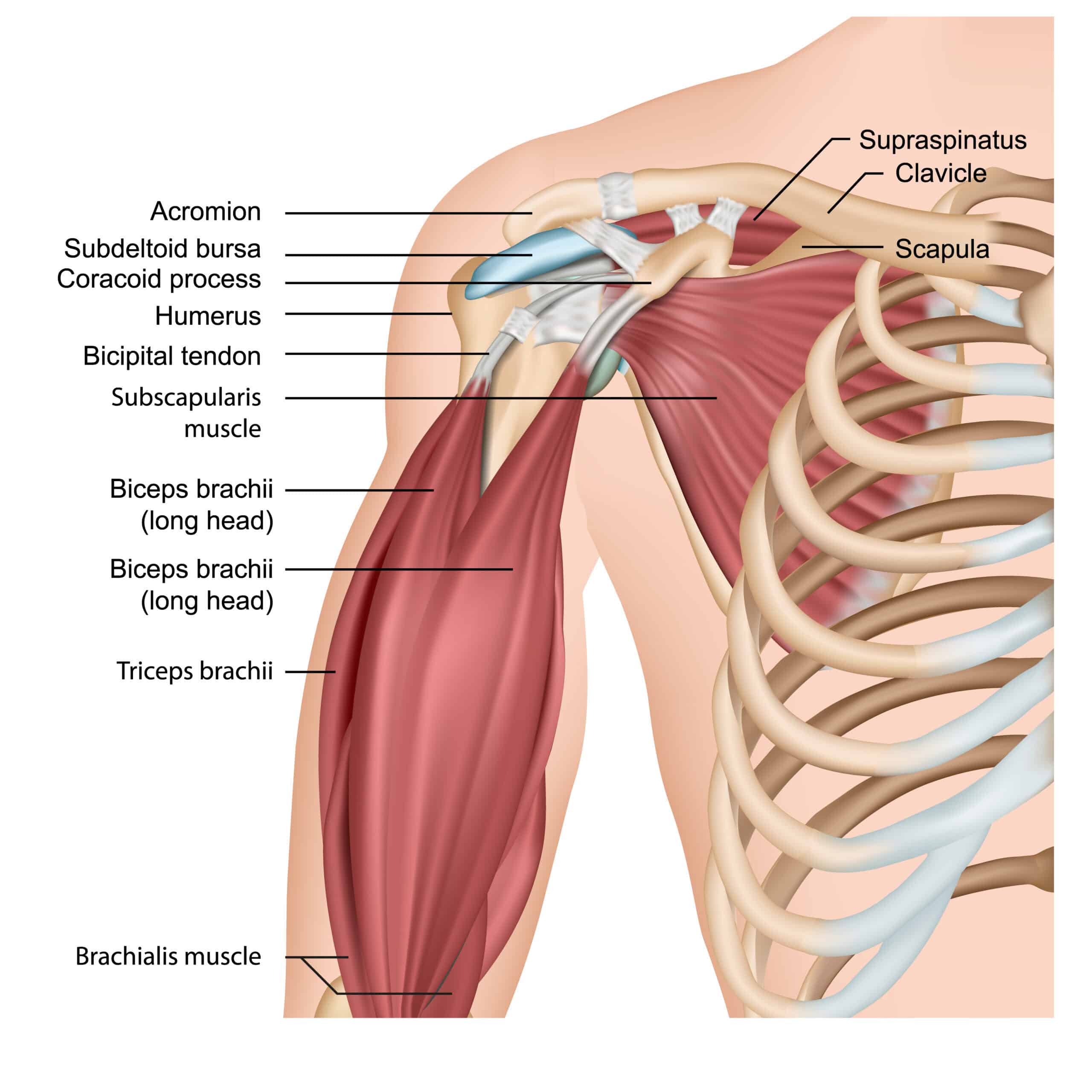
Shoulder impingement syndrome is one of the most common causes of shoulder pain, accounting for 44% to 65% of all shoulder complaints reported in clinical settings. For residents of Sparta and the surrounding Lake Mohawk community, left untreated impingement can progress from initial discomfort during overhead activities to chronic pain, significant weakness, and even rotator cuff tears that may require surgery. Shoulder impingement is almost always an overuse injury that develops over time due to repetitive stress on the shoulder. Whether your impingement stems from repetitive work activities or from the demands placed on your shoulder by the recreational sports and outdoor activities you love, the underlying mechanism is the same. The shoulder joint relies on a delicate balance of muscles, tendons, and bones working together within a very tight space. When the tendons of the rotator cuff or the subacromial bursa become irritated and inflamed, they swell. This swelling further narrows the already limited space beneath the acromion bone. Diagnosis of shoulder impingement syndrome is primarily clinical and relies on a detailed patient history and physical examination. Symptoms of shoulder impingement syndrome often include pain that is dull and aching, localized to the anterolateral shoulder. This creates a painful inflammatory cycle: inflammation leads to impingement, and impingement causes more inflammation. Physical therapy for shoulder impingement breaks this cycle by reducing inflammation, restoring proper movement mechanics, and strengthening the muscles that keep your shoulder joint stable. Research consistently shows that conservative treatment with physical therapy is effective for the majority of patients, often eliminating the need for cortisone injections or surgical intervention. Early detection and early diagnosis are critical for preventing progressive tendon degeneration and chronic dysfunction that can sideline you for months.

What Causes Shoulder Impingement
Understanding what’s behind your shoulder impingement helps guide the most effective treatment approach. For Sparta residents, the outdoor lifestyle brings unique shoulder challenges: Winter sports and recreational activities — Sparta’s proximity to mountain resorts and Lake Mohawk creates a culture where skiing, snowboarding, and winter sports dominate the season. These activities demand exceptional shoulder stabilization. Skiing requires your rotator cuff to stabilize your arm during rapid edge transitions and terrain navigation. Snowboarding places unique demands on shoulder positioning during tricks and falls. Without adequate rotator cuff strength and coordination, these high-intensity winter pursuits create rapid-onset impingement. Similarly, fishing activities—casting into Lake Mohawk, kayaking for hours, and repetitive paddle strokes during boating season—place sustained overhead and forward-reaching stress on the rotator cuff tendons and subacromial bursa. Mismatch between activity volume and shoulder capacity — Sparta’s outdoor recreation culture means many residents ramp activity quickly when seasons change. When winter sports season arrives, enthusiasm for skiing can exceed your shoulder’s conditioning level. The transition from sedentary indoor work to intense winter sports creates a mismatch: your shoulder hasn’t been trained to handle the demands you’re suddenly placing on it. The same pattern happens with summer water sports—residents jump from spring inactivity into kayaking, paddle boarding, and fishing season. Your rotator cuff accumulates microtrauma faster than it adapts to new demands. Work-related overhead demands combined with recreational stress — Trade workers, construction professionals, and healthcare workers in Sussex County perform repetitive overhead tasks during work hours. Then, after work, the same individuals participate in overhead sports and outdoor activities. Your shoulder experiences double exposure: eight hours of occupational stress plus evening or weekend recreational demands. Manufacturing, assembly work, and landscaping positions demand continuous rotator cuff activation. Inadequate recovery between work and recreation leads to chronic inflammation and impingement development. Postural dysfunction and seasonal activity contrast — Sparta’s rural setting still involves periods of indoor sedentary work, especially during winter months when desk jobs and indoor work dominate. Forward head posture, rounded shoulders, and prolonged sitting narrow the subacromial space. When outdoor season arrives and you suddenly engage in high-intensity overhead activities, your shoulder hasn’t maintained its postural alignment or stabilizer endurance. The contrast between sedentary periods and intense outdoor activity creates mechanical vulnerability. Muscular insufficiency relative to adventure demands — When shoulder blade stabilizers and rotator cuff muscles are weak, the humeral head migrates upward during arm elevation, pinching soft tissues against the acromion. Young athletes in Sparta who focus intensely on sport-specific overhead training—skiing tricks, competitive baseball, swimming—without adequate rotator cuff conditioning are particularly vulnerable. The specialized movements required for these sports overload the rotator cuff while other stabilizing muscles lag in development, creating muscular imbalance. Related rotator cuff injuries frequently accompany impingement in athletes who accumulate high volume without proper conditioning variation. Age-related narrowing and cumulative sport participation — After age 40, bone spurs develop on the acromion’s underside, reducing the already-constrained subacromial space. Many Sparta residents over 40 notice shoulder symptoms appearing or worsening despite maintaining active outdoor lifestyles. The gap between what your body can do and what your shoulder architecture can tolerate narrows with age and cumulative participation in high-demand sports. Acute trauma during recreational pursuit — A fall on an outstretched hand while skiing or snowboarding, a wipeout during water sports, a collision during recreational baseball, or even a misstep while hiking can trigger the inflammation that initiates the impingement cascade. In a community that values outdoor adventure, acute shoulder injuries happen regularly. Once inflammation begins, the enlarged subacromial bursa consumes the limited available space, causing further irritation with each movement. Structural predisposition — Some individuals have a naturally hooked or curved acromion shape that predisposes them to impingement. For Sparta residents who love winter sports and water recreation, this anatomical variation means symptoms develop more readily with activity. However, proper rehabilitation addressing muscle function and movement patterns can resolve your symptoms and allow safe return to the adventures you love.
Symptoms
Shoulder impingement syndrome tends to develop gradually, with symptoms worsening over weeks or months. Common signs that bring Sparta residents to Trinity Rehab include: Pain on the front or side of the shoulder, especially when reaching overhead or behind the back—like when reaching for a ski boot or casting during a fishing trip. A dull ache that intensifies with activity and may persist at rest, affecting your sleep quality. Weakness when lifting or rotating the arm, making paddling activities or swinging a baseball bat feel challenging. Difficulty sleeping on the affected side due to pressure-related pain. A catching or clicking sensation during certain shoulder movements—that pop or click that indicates something isn’t moving quite right. Loss of range of motion, particularly when reaching across the body or behind your back. Pain that radiates down the upper arm, though not past the elbow. Pain below the elbow may indicate neck pain or nerve involvement. If these symptoms sound familiar, early intervention is key. The longer impingement goes untreated, the more likely it is to cause tendon damage that becomes harder to reverse. At Trinity Rehab in Sparta, we’ve successfully treated hundreds of patients with these exact symptoms, helping them return to outdoor activities and sports they love.
Who Gets Shoulder Impingement
Shoulder impingement affects people across all demographics in Sparta and Sussex County. However, certain groups are at higher risk: Athletes and sports enthusiasts — The Sparta High School Spartans athletic programs and local recreational sports leagues provide opportunities for baseball, softball, soccer, basketball, and swimming. Young athletes in these sports, as well as older adults who remain active through recreational pursuits, are prone to impingement from repetitive overhead motions and impact forces. Outdoor recreation enthusiasts — Lake Mohawk residents and those who regularly enjoy skiing, snowboarding, fishing, kayaking, and hiking are at risk. The shoulder performs critical stabilization and movement functions during these activities. Without proper conditioning and recovery, these pursuits can trigger impingement. Trade workers and skilled professionals — Electricians, carpenters, HVAC technicians, painters, and other skilled trades in the Sussex County area regularly perform overhead work. Agricultural workers also face shoulder demands. Aging adults — Adults over 40 in Sparta frequently develop impingement due to age-related bone spurs and declining muscle mass. Many seniors wish to remain active—hiking, golfing, gardening—but impingement limits these cherished activities. Workers in physically demanding jobs — Manufacturing, assembly, landscaping, and agricultural workers face occupational shoulder stress. Fitness enthusiasts — Sparta residents who regularly perform strength training, CrossFit, gymnastics, or other high-intensity activities place significant demands on the rotator cuff and scapular stabilizers.
How Trinity Rehab Treats Shoulder Impingement
At Trinity Rehab in Sparta, shoulder impingement treatment follows a focused, progressive, and evidence-based approach tailored to each patient’s specific presentation. Our physical therapists and physiotherapy team emphasize the benefits of restoring your ability to perform daily and functional activities, helping you return to the movements and routines that matter most. We use a combination of hands-on techniques and targeted exercises to reduce your pain, rebuild strength, and get you back to the outdoor activities and sports you love. Structured exercise programs consistently outperform placebo or minimal interventions in patients with subacute and chronic subacromial pain, making them a key part of our patient-specific care. Nonoperative management is recommended as the initial approach for patients with shoulder impingement syndrome who do not have a large or acute traumatic rotator cuff tear. Our coordinated, team-based care is designed to enhance patient outcomes by integrating expertise and communication across disciplines for optimal recovery.
Phase 1: Pain Reduction and Inflammation Control
During the early phase of rehabilitation for shoulder impingement syndrome, treatment focuses on pain control and the restoration of a comfortable passive and active range of motion. The first priority is calming the irritated tissues and reducing the inflammation that’s driving your symptoms. During this phase, your Trinity Rehab physical therapist may use: Manual therapy — Joint mobilizations, soft tissue techniques, and massage are used to improve blood flow, reduce muscle guarding, relieve pain, and restore mobility to the shoulder capsule and surrounding structures. These hands-on techniques provide immediate pain relief and improve your ability to participate in later phases of treatment. Modality-based treatments — Therapeutic ultrasound, electrical stimulation, and ice/heat therapy help manage acute pain and swelling. Applying an ice pack to the shoulder can help reduce pain and inflammation, especially after activities that aggravate your symptoms. Pain management strategies — Over-the-counter painkillers like paracetamol or ibuprofen can help manage pain from shoulder impingement syndrome while you’re working through the early stages of rehabilitation. Injection therapy — For patients whose pain significantly limits participation in rehabilitation, injection therapy may be considered and should always be integrated into a broader treatment plan. Corticosteroid injections can provide short-term pain relief and facilitate engagement in physical therapy. Postural correction — Addressing rounded shoulders and forward head posture opens up the subacromial space immediately, reducing mechanical irritation of the rotator cuff tendons. Activity modification guidance — Your therapist will identify which movements and positions aggravate your symptoms and teach you strategies to avoid flare-ups while your shoulder heals. You’ll be advised to avoid aggravating activities, particularly repetitive overhead motions and heavy lifting.

Phase 2: Restoring Mobility and Building Strength
Once pain is under control, the focus shifts to rebuilding the shoulder’s range of motion and strengthening the muscles that provide dynamic stability. Maintaining some movement in the shoulder is important to prevent stiffness and promote recovery from shoulder impingement syndrome. Engaging in prescribed exercises from your Trinity Rehab healthcare provider can help improve range of motion and reduce pain. This is the phase where lasting improvement happens, and where we begin preparing you for return to your outdoor activities. Scapular stabilization exercises — Strengthening the muscles that anchor your shoulder blade—the serratus anterior, lower trapezius, and rhomboids—ensures proper scapulohumeral rhythm during arm movement. Poor scapular mechanics are one of the most common contributing factors to impingement. Strengthening exercises for the rotator cuff and scapular stabilizers are important for rehabilitation in shoulder impingement syndrome. Rotator cuff strengthening — Progressive resistance exercises target the supraspinatus, infraspinatus, teres minor, and subscapularis—the four muscles that form the rotator cuff. Strengthening these muscles pulls the humeral head downward during elevation, increasing the space available for tendons and bursa. Flexibility and stretching — Stretching exercises, especially those targeting the posterior shoulder, can improve mobility and function in individuals with shoulder impingement syndrome. Posterior capsule stretches, pectoral stretches, and thoracic spine mobility exercises address the tightness patterns that contribute to impingement. Neuromuscular re-education — Your therapist guides you through movement patterns that retrain your shoulder to move correctly, preventing the compensations that caused impingement in the first place.

Phase 3: Return to Full
The final phase prepares you for a complete return to work, sport, outdoor recreation, and daily life without pain or limitations. Sport-specific and activity-specific training — For Sparta residents, this means training for skiing, snowboarding, fishing, kayaking, or whatever outdoor activity you’re passionate about. Overhead athletes receive throwing progressions, swimmers practice stroke mechanics. We customize this phase based on your specific goals and the activities you want to resume. Dry needling — For persistent trigger points in the rotator cuff or periscapular muscles that resist conventional treatment, dry needling can provide rapid relief and improved muscle activation. EPAT/Shockwave therapy — Extracorporeal pulse activation technology stimulates healing in chronic tendon injuries, accelerating recovery in cases where the rotator cuff tendons have undergone degenerative changes. Home exercise program — A customized maintenance program ensures you retain your gains and prevent recurrence after discharge from Trinity Rehab.
The Role of Occupational Therapy
Occupational therapy is an essential part of a comprehensive approach to shoulder impingement recovery at Trinity Rehab, working hand-in-hand with physical therapy to help you regain your independence and comfort in daily life. While physical therapy focuses on restoring strength, flexibility, and movement in the shoulder, occupational therapy zeroes in on how those improvements translate to real-world activities—whether that’s work, household tasks, or your beloved outdoor pursuits. Occupational therapists are skilled at analyzing the specific tasks and routines that may be aggravating your shoulder impingement symptoms. By observing how you move and identifying potential triggers for pain or limited mobility, they can recommend practical modifications to your environment or technique. This might include teaching you new ways to perform daily activities, suggesting adaptive equipment, or developing strategies to manage pain during essential tasks. Through personalized therapy sessions at Trinity Rehab in Sparta, occupational therapists help you manage your symptoms, reduce pain, and prevent further injury. Their goal is to ensure that improvements made in the clinic carry over into your home, workplace, and outdoor lifestyle—so you can confidently return to the activities that matter most in Sparta.

How to Prevent Shoulder Impingement From Returning
Recovery from shoulder impingement syndrome doesn’t end when your physical therapy sessions do. These strategies will help you stay pain-free for the long term: Maintain rotator cuff and scapular strength — Continue performing your home exercise program 3-4 times per week. The exercises take just 10-15 minutes and provide ongoing protection against recurrence. Practice good posture — Balance outdoor activity with attention to posture during work and sedentary periods. Be mindful of your shoulder position during daily activities and recreational pursuits. Warm up before outdoor activities — Whether you’re heading out for a day of skiing, a fishing trip on Lake Mohawk, a hiking adventure, or an afternoon of kayaking, 5-10 minutes of dynamic stretching prepares the rotator cuff for the demands ahead. Progress activity intensity gradually — Sudden increases in overhead activity volume or new sport participation are common triggers for recurrence. Follow the 10% rule: increase training load by no more than 10% per week. Listen to your body — Mild soreness after activity is normal, but sharp pain during movement is a warning sign. If impingement symptoms return, early treatment with Trinity Rehab prevents a prolonged setback. Maintaining musculoskeletal health and overall health through lifestyle modifications—such as regular exercise, balanced nutrition, and patient education—can help prevent recurrence of shoulder impingement syndrome and support long-term recovery. The prognosis for shoulder impingement syndrome is generally favorable with appropriate conservative treatment, especially when diagnosed early.
Why
Choosing the right physical therapy provider makes a real difference in your recovery. Here’s what sets Trinity Rehab apart: Comprehensive care team — Your care is supported by an interprofessional team that includes licensed physical therapists, allied health professionals, and physical therapist assistants. These team members play a vital role in patient education, rehabilitation, monitoring, and communication, ensuring collaborative care and improved outcomes. Specialized shoulder expertise — Our therapists hold specialist certification, are active members of the American Physical Therapy Association, and regularly participate in continuing education courses to maintain the highest standards of care. They are committed to professional responsibility, staying current with the latest evidence-based techniques for impingement treatment. Integrated approach — We address multiple body systems—including musculoskeletal, neuromuscular, and others—to provide holistic rehabilitation. Our approach incorporates shared decision making, involving you in every step of your treatment plan for optimal results. Convenient Sparta location — Trinity Rehab serves Sparta and the surrounding Sussex County communities. Consistent attendance is one of the strongest predictors of successful outcomes, and convenience matters when you’re managing an active lifestyle. Advanced treatment technology — From EPAT shockwave therapy and dry needling to manual therapy techniques, we offer the full spectrum of conservative shoulder impingement treatments under one roof. Specialized care for athletes — Trinity Rehab provides tailored rehabilitation for athletes, including sports injury management and specialized protocols for returning to sport-specific movements. Insurance-friendly — We work with most major health insurance plans and handle verification and authorization so you can focus on getting better. Proven results — According to meta analysis and systematic reviews, approximately 60% of patients report satisfactory outcomes with physical therapy, NSAIDs, injections, and activity modification within 2 years.
Your Next Steps
Getting started with shoulder impingement treatment at Trinity Rehab Sparta is simple: Schedule your evaluation — Request an appointment online or call our Sparta clinic. Most patients are seen within 24-48 hours. Get a personalized treatment plan — Your physical therapist will perform a comprehensive evaluation, identify the factors contributing to your impingement, and design a treatment plan specific to your needs and goals. Start feeling better — Many patients notice improvement in their pain levels and shoulder function within the first few sessions. You don’t need a physician referral to start physical therapy in New Jersey. Direct access laws allow you to begin treatment right away.
Frequently Asked Questions About Shoulder Impingement
How long does physical therapy take for shoulder impingement?
Can shoulder impingement heal on its own without treatment?
What is the difference between shoulder impingement and a rotator cuff tear?
Is shoulder impingement the same as bursitis or tendinitis?
Do I need an MRI before starting physical therapy for shoulder impingement?
Will I need surgery for shoulder impingement?
Our Sparta, NJ Clinic


Sources