

ACL TREATMENT PHYSICAL THERAPY IN EAST WINDSOR, NJ
East Windsor sits at one of the busiest crossroads in central New Jersey. Thousands of residents wake up each morning and merge onto the Turnpike corridor, heading to distribution floors at LG Electronics, packaging lines at Shiseido America, or pharmaceutical operations at Aurobindo Pharma. Others lace up cleats for the Hightstown Rams, whose soccer program has collected multiple state championships. Whether the anterior cruciate ligament gives out during a slide tackle at Disbrow Hill Playing Fields or a sudden pivot on a warehouse floor along US-130, the injury changes everything in an instant. ACL treatment physical therapy at Trinity Rehab East Windsor is built for this community — for the athletes, the warehouse workers, and the families who depend on their knees to keep moving.
UNDERSTANDING ACL INJURIES
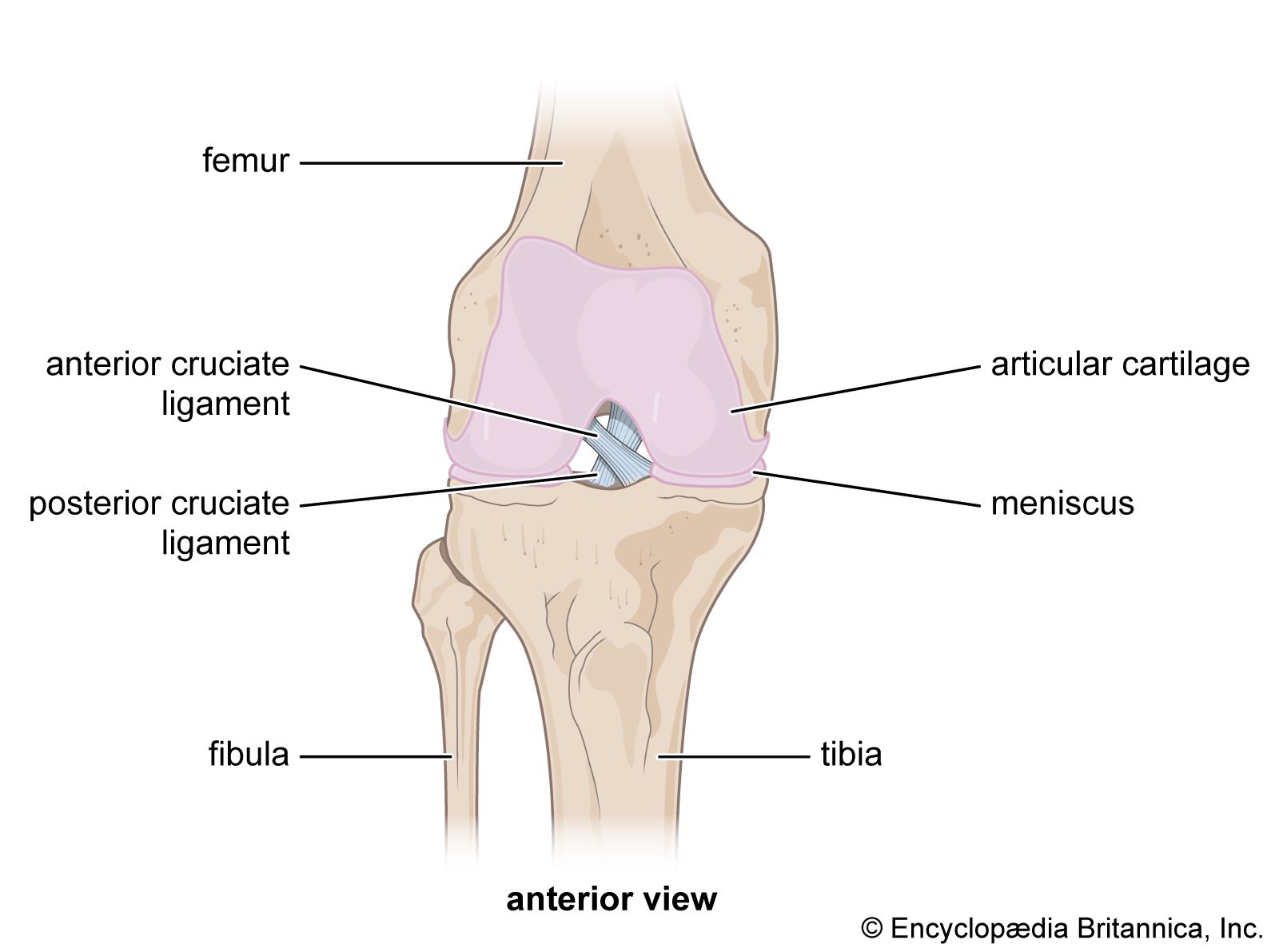
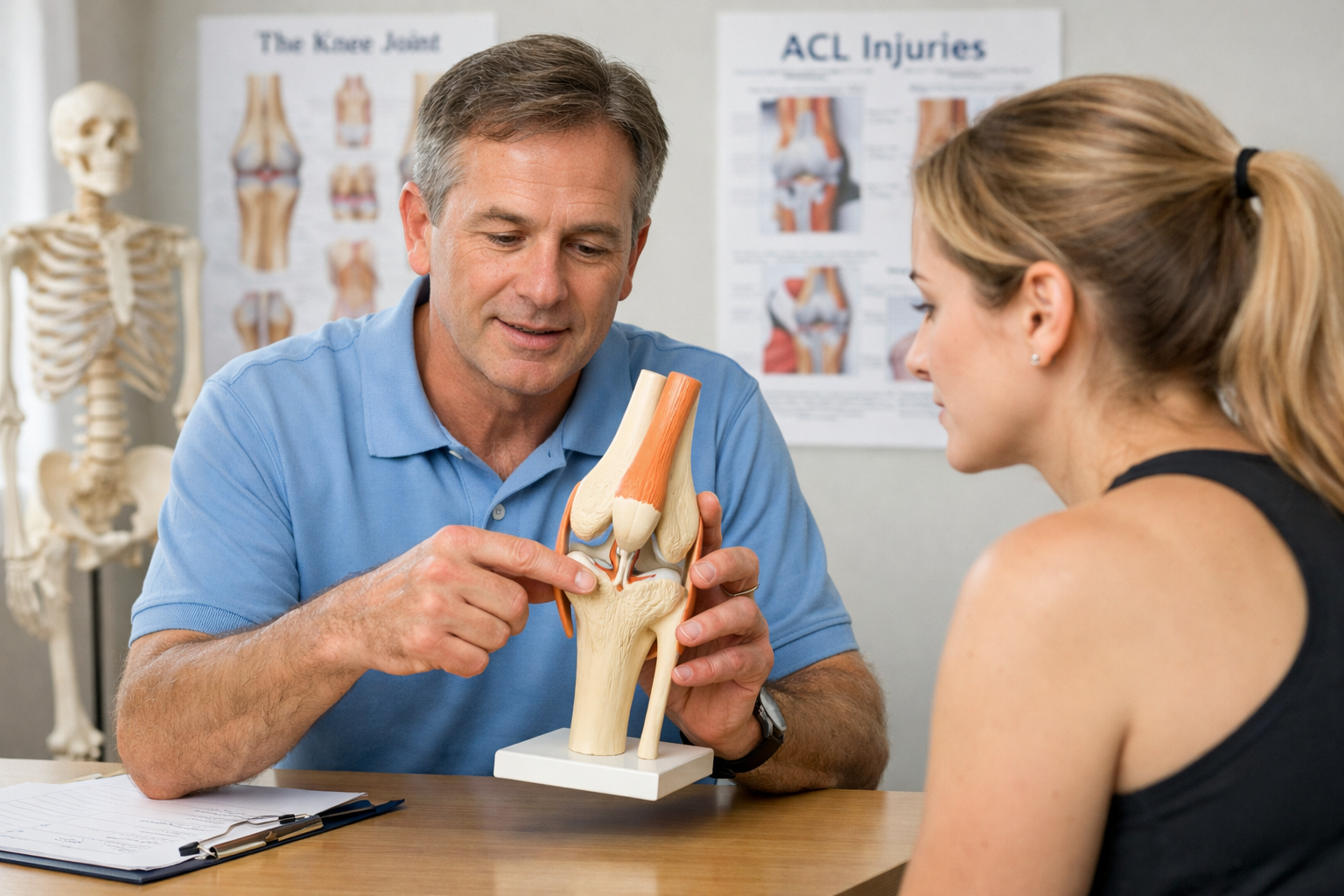
The anterior cruciate ligament is a dense band of connective tissue running diagonally through the center of the knee joint. It prevents the shinbone from sliding forward under the thighbone and plays a critical role in rotational knee stability. When the ACL tears, the knee loses its ability to control twisting and cutting movements reliably.
An anterior cruciate ligament injury can range from a mild sprain to a complete rupture. Partial tears sometimes heal with structured rehabilitation, while complete tears often require anterior cruciate ligament reconstruction — a surgical procedure that replaces the damaged ligament with a graft. Regardless of severity, every ACL tear demands a disciplined course of physical therapy to restore knee function, rebuild muscle strength, and protect the joint from further damage.
WHY RECOVERY MATTERS
Skipping or shortcutting rehabilitation after an ACL injury leads to measurable consequences. Without targeted intervention, the quadriceps weaken rapidly, the hamstrings lose their protective co-contraction ability, and the knee joint develops compensatory movement patterns that stress the meniscus, cartilage, and surrounding ligaments. Over time, this cascade raises the risk of early-onset arthritis and chronic hip and knee pain.
A structured rehabilitation program guided by a licensed physical therapist reverses these trends. It restores full range of motion, rebuilds proprioception — the body’s awareness of where the knee is in space — and systematically returns the leg to pre-injury strength. For East Windsor residents whose livelihoods depend on physical work or whose kids dream of playing at the next level, thorough recovery is not optional.
COMMON CAUSES OF ACL INJURIES IN EAST WINDSOR
ACL tears do not only happen on playing fields. In a community shaped by distribution logistics, manufacturing, and competitive youth sports, the causes are varied.
Workplace Demands Along the Turnpike Corridor
East Windsor’s economy runs on movement. Workers at the LG Electronics distribution center spend shifts lifting, carrying, and navigating concrete floors where a single misstep — a foot catching on shrink wrap, a sudden change of direction around a forklift — can rupture an ACL. Employees at Aurobindo Pharma and Hovione face similar risks on production floors. Shiseido America and Elementis Specialties operations involve repetitive bending, twisting, and standing that fatigue the muscles protecting the knee. These work injuries account for a meaningful share of the ACL cases we treat.
Hightstown Rams Athletics
Hightstown High School fields some of the most competitive programs in Mercer County. The Rams soccer teams — with their tradition of state championships — play an aggressive, fast-paced style that puts enormous rotational stress on the knee joint. Basketball players who earned the program a Group IV girls state title in 1987 and softball players who claimed the 2019 Group IV crown face the same cutting and landing forces. Football, lacrosse, and track and field athletes round out a student population where sports injuries are a consistent concern.
Recreation and Community Sports
Families in East Windsor stay active. Parents coach EWPAL soccer and basketball. Kids play Hightstown/East Windsor Youth Baseball League games at Anker Park. Runners and walkers log miles on the Bear Brook Pathway and Rocky Brook Pathway. Weekend athletes use the fields at Etra Lake Park, Wiltshire Park, and Woods Road Community Park. Uneven trail surfaces, fatigue from irregular training schedules, and the sudden bursts of recreational sports all create conditions for an ACL tear.
RECOGNIZING THE SYMPTOMS
An ACL injury typically announces itself clearly:
- A loud pop or snapping sensation at the moment of injury
- Immediate swelling that develops within the first few hours
- A feeling that the knee has “given out” or buckled
- Sharp pain that makes it difficult to bear weight
- Restricted knee motion, especially when trying to fully straighten or bend the leg
- Persistent instability when walking, pivoting, or descending stairs
Some people attempt to walk it off, especially mid-shift at a distribution center or during a Rams playoff game. This almost always worsens the damage. If you experience these symptoms, stop the activity and seek evaluation. Early assessment by a physical therapist allows treatment to begin before swelling and muscle inhibition set in.
HOW PHYSICAL THERAPY HELPS: TREATMENT AT TRINITY REHAB EAST WINDSOR
Physical therapy is the foundation of ACL recovery, whether you are managing the injury conservatively or preparing for — and recovering from — ACL surgery. At Trinity Rehab East Windsor, your physical therapist designs a progressive program using evidence-based techniques tailored to your specific injury, activity level, and goals.
Manual Therapy
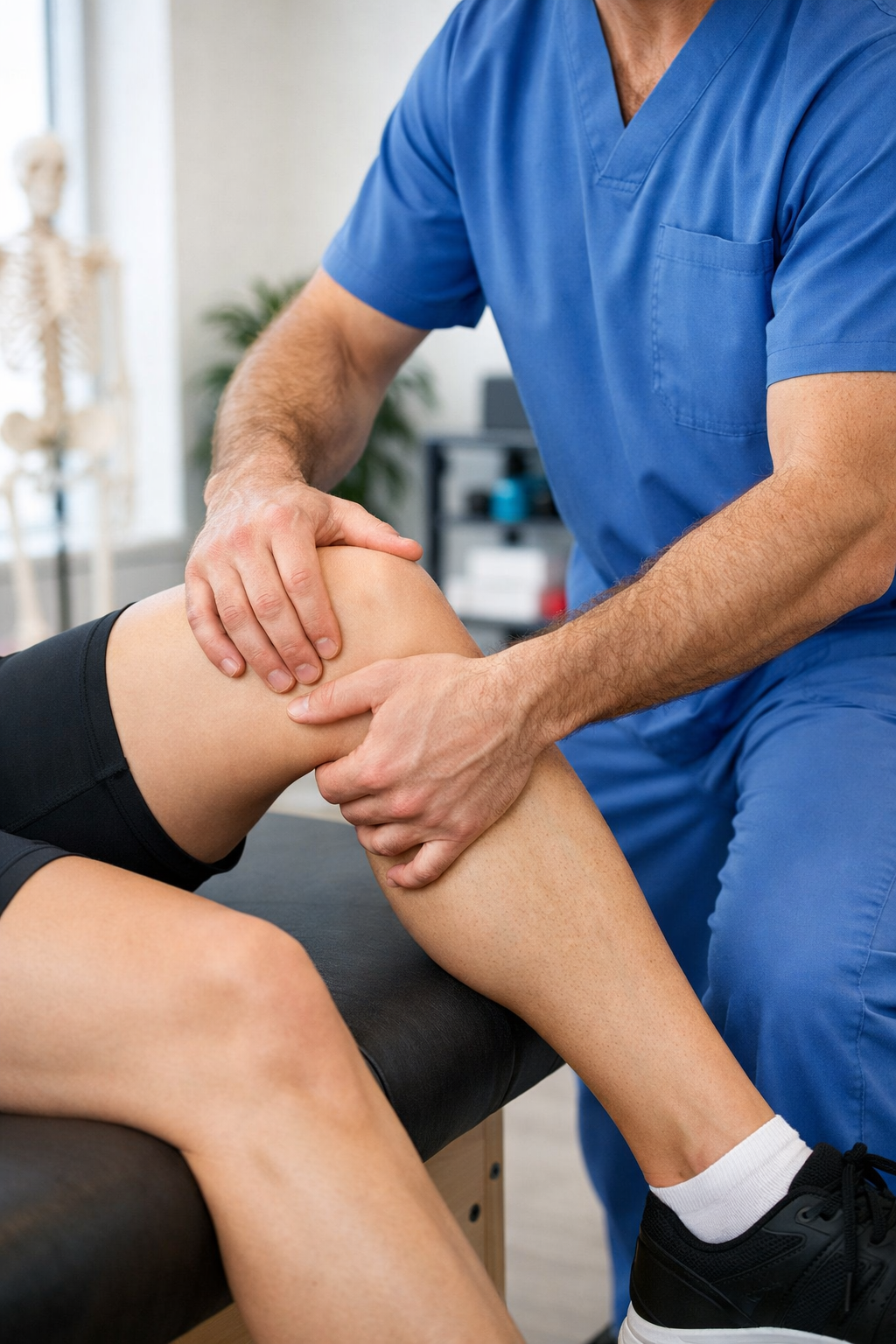
Manual therapy is often the starting point. Your therapist uses hands-on techniques — joint mobilizations, soft tissue massage, and targeted stretching — to reduce swelling, restore early range of motion, and decrease pain in the knee joint. For an LG Electronics warehouse worker whose knee has been immobilized in a brace for days, manual therapy breaks the cycle of stiffness and guarding that delays progress.
Progressive Strengthening
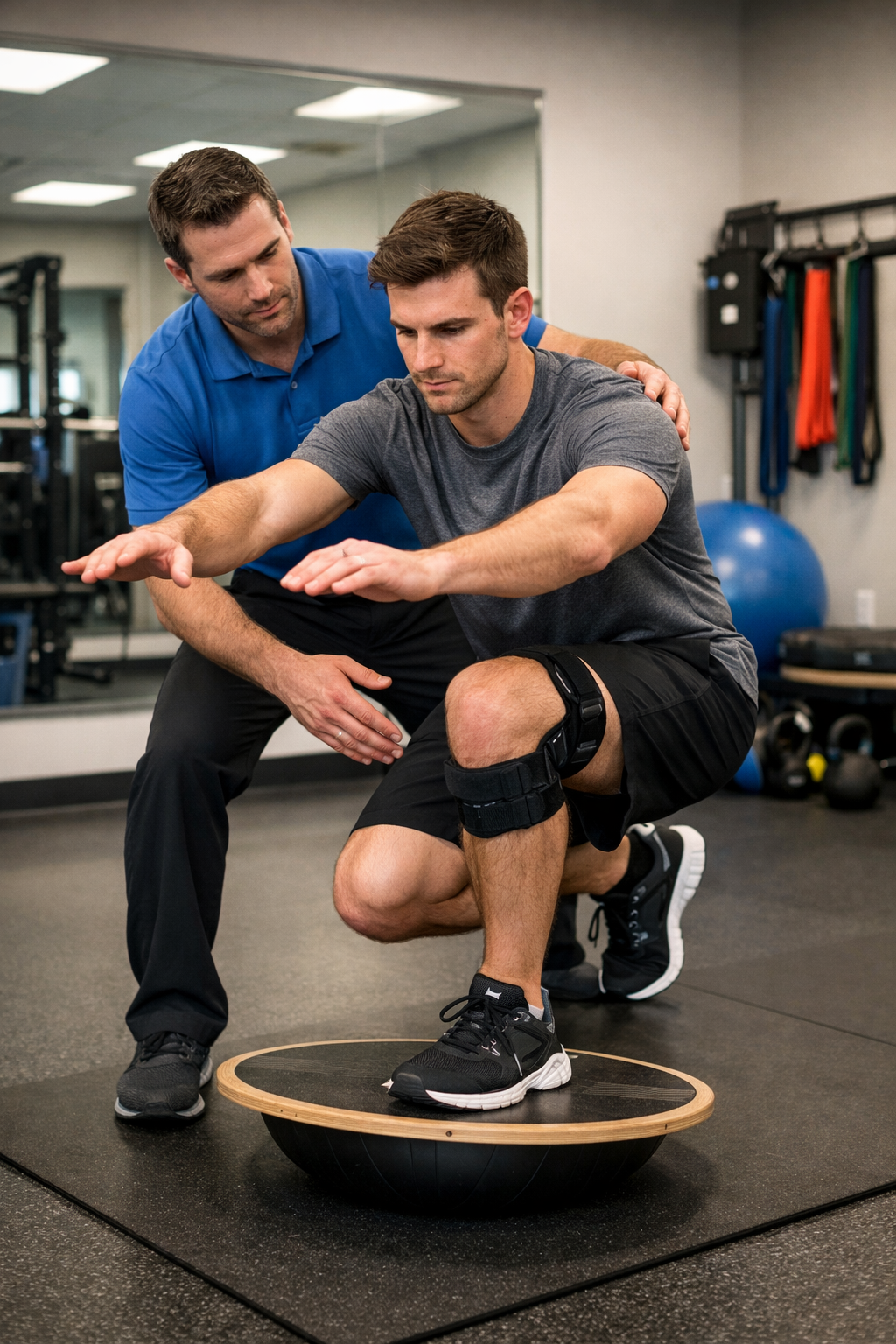
Rebuilding muscle strength is the central pillar of ACL rehabilitation. The program begins with isometric quadriceps contractions and gentle hamstring curls, then advances to closed-chain strengthening exercises like squats, lunges, and step-ups. As hamstring strength and quadriceps control improve, your therapist introduces single-leg exercises and balance exercises on unstable surfaces to challenge knee stability. This graduated approach ensures each phase of healing supports the next.
EPAT / Shockwave Therapy
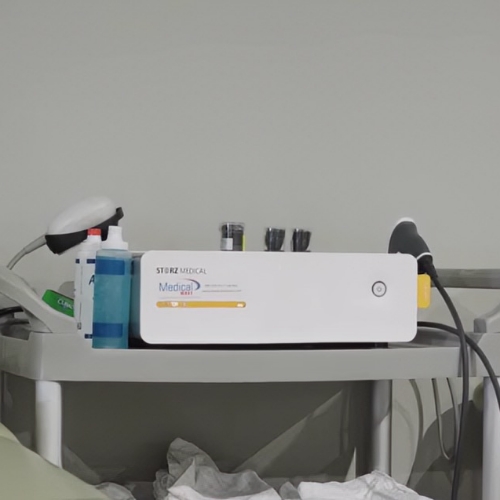
EPAT (Extracorporeal Pulse Activation Technology), also known as shockwave therapy, delivers acoustic pressure waves to the injured tissue. This stimulates blood flow, accelerates cellular repair, and reduces chronic inflammation around the knee. For patients dealing with persistent tendon irritation or scar tissue months after an ACL reconstruction, EPAT can break through recovery plateaus that strengthening alone cannot resolve.
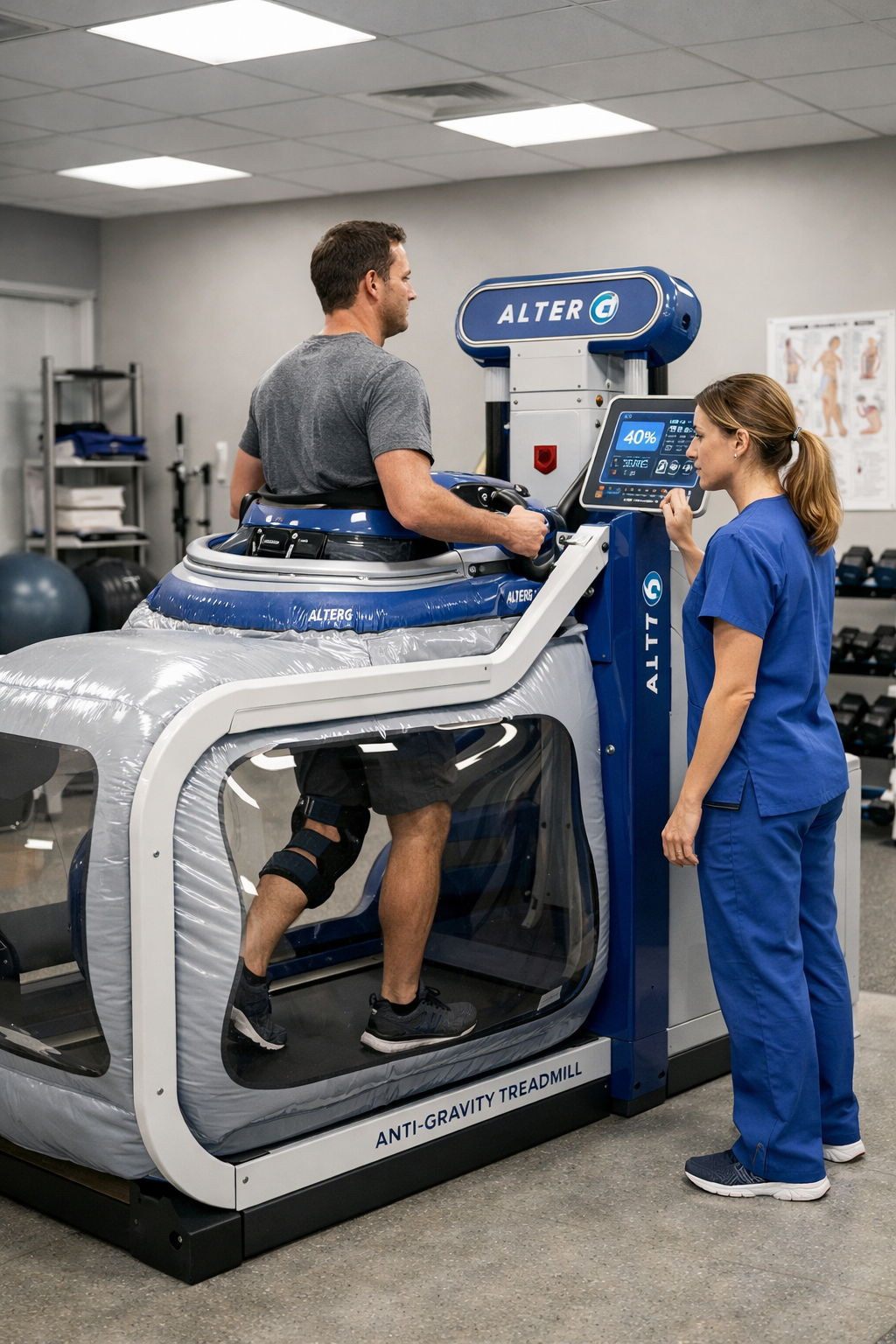
Dry Needling
Dry needling targets myofascial trigger points — tight, painful knots that form in the quadriceps, hamstrings, calf, and hip muscles after an ACL injury. By inserting thin filament needles into these trigger points, your therapist releases tension, restores normal muscle activation patterns, and alleviates referred pain. Athletes returning from ACL surgery often carry significant trigger point activity in the IT band and vastus medialis that responds well to this technique.
Blood Flow Restriction (BFR) Training
Blood flow restriction training uses a specialized tourniquet cuff to partially occlude venous blood flow during low-load strengthening exercises, creating a metabolic environment that stimulates muscle growth at intensities far below what traditional training requires. For an East Windsor resident early in ACL recovery — when the knee cannot tolerate heavy loads — BFR allows meaningful quadriceps and hamstring hypertrophy without stressing the healing graft.
Neuromuscular Electrical Stimulation (NMES)
Neuromuscular electrical stimulation sends controlled electrical impulses to the quadriceps through surface electrodes, producing involuntary contractions. After ACL surgery, the brain often struggles to activate the quadriceps fully — a phenomenon called arthrogenic muscle inhibition. NMES bypasses this neural shutdown, maintaining fiber recruitment and preventing the atrophy that can delay return to work or sport by weeks.
Sport-Specific Rehabilitation
For Hightstown Rams athletes or EWPAL competitors, generic strengthening is not enough. Sport-specific rehab introduces agility drills, cutting patterns, plyometric training, and deceleration mechanics that mirror the demands of soccer, basketball, lacrosse, or softball. Your physical therapist progressively loads these movements, using objective testing — hop tests, strength ratios, movement quality assessments — to confirm readiness before clearing a return to sport.
NON-SURGICAL VS. SURGICAL PATHWAYS
Not every ACL tear requires surgery. The decision depends on the degree of the tear, the patient’s age and activity level, associated injuries (meniscus tears, cartilage damage), and functional goals.
Non-surgical (conservative) management centers on intensive physical therapy to restore knee stability through muscle strength, proprioception, and movement retraining. This pathway can be effective for patients with partial tears, lower activity demands, or those who respond well to prehabilitation and demonstrate functional stability in clinical testing. A parent in East Windsor who walks the Bear Brook Pathway and wants to return to recreational activity may thrive with this approach.
Surgical management involves anterior cruciate ligament reconstruction followed by a structured rehabilitation program lasting six to nine months or longer. This is typically recommended for complete tears in active individuals, competitive athletes, and workers whose jobs involve pivoting, climbing, or heavy lifting. A Hightstown Rams varsity soccer player with college aspirations, or an Aurobindo Pharma floor worker who needs full confidence in their knee on a production line, will likely benefit from reconstruction paired with disciplined post-operative physical therapy.
In both pathways, prehabilitation — physical therapy performed before surgery — has been shown to improve post-operative outcomes. Patients who enter the operating room with better range of motion, reduced swelling, and stronger quadriceps recover faster and more completely.
RETURN TO SPORT
Returning to competitive athletics after an ACL tear is a process that must be earned, not assumed. At Trinity Rehab East Windsor, we use criteria-based return to sport testing rather than arbitrary timelines. Your physical therapist evaluates:
- Strength symmetry: Quadriceps and hamstring strength in the injured leg must reach at least 90% of the uninjured leg
- Functional performance: Single-leg hop tests, crossover hops, and timed agility drills must meet established benchmarks
- Movement quality: Landing mechanics, cutting patterns, and deceleration control must demonstrate safe neuromuscular patterns
- Psychological readiness: Confidence in the knee during sport-specific scenarios matters as much as physical metrics
For a Hightstown Rams athlete, this means progressively returning to practice drills, then controlled scrimmages, then full competition — with each stage confirmed by objective data, not wishful thinking.
INJURY PREVENTION
Preventing a first ACL injury — or a devastating second one — requires deliberate training. Evidence-based prevention programs include:
- Neuromuscular warm-ups that emphasize proper landing mechanics, single-leg balance exercises, and deceleration control
- Hamstring and hip strengthening to improve the muscular support system around the knee joint
- Plyometric training with a focus on soft, controlled landings rather than maximum height
- Proprioception drills on unstable surfaces to improve the body’s reflexive knee stability
- Workload management for student-athletes juggling Rams varsity schedules, EWPAL leagues, and YMCA programs simultaneously
For East Windsor’s warehouse and distribution workers, injury prevention also means addressing workplace ergonomics — proper footwear, adequate rest breaks, and body mechanics training for lifting and pivoting tasks.
WHY CHOOSE TRINITY REHAB EAST WINDSOR
Trinity Rehab East Windsor is located at 440 US-130 in the Windsor Heights Shopping Center, East Windsor, NJ 08520 — directly accessible from the Turnpike corridor that defines this community’s daily rhythm. We treat the full spectrum of conditions that affect East Windsor residents, from sports injuries sustained at Disbrow Hill Playing Fields to work injuries that happen on distribution center floors.
What sets our approach to ACL treatment apart:
- One-on-one care: Every session is spent with a licensed physical therapist — not handed off to an aide
- Advanced modalities under one roof: Manual therapy, dry needling, EPAT/shockwave therapy, blood flow restriction training, and neuromuscular electrical stimulation are all available without referrals to outside facilities
- Return-to-sport expertise: We understand the demands of Hightstown Rams athletics, EWPAL youth leagues, and the recreational sports culture across East Windsor’s parks
- Worker-focused scheduling: Early morning and evening appointments accommodate the shift schedules common at East Windsor’s distribution and manufacturing employers
- Objective, data-driven progression: We measure strength, range of motion, and functional performance at every stage — you always know exactly where you stand in your recovery
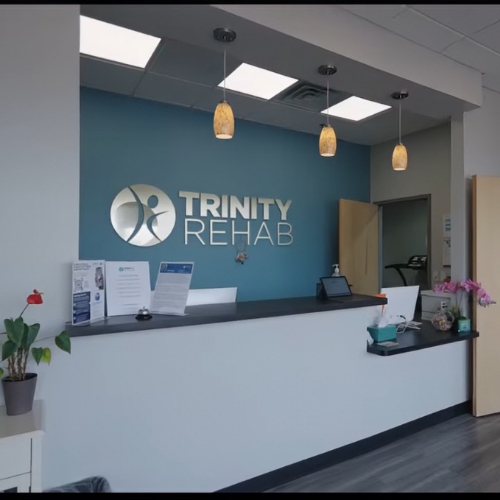
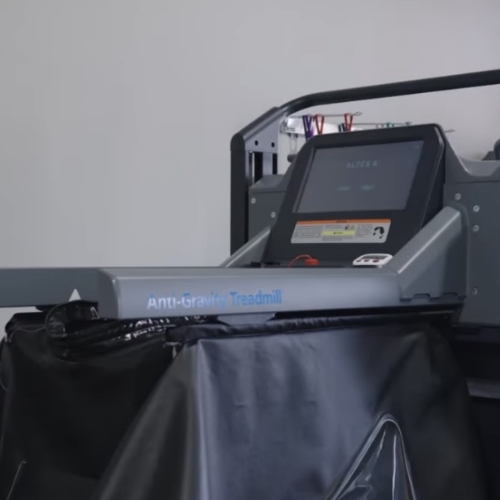
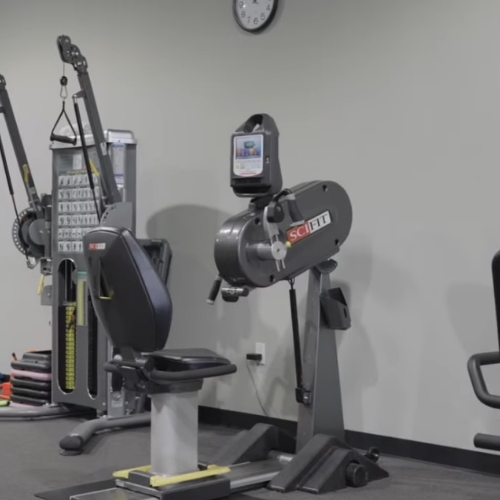
Inside Our East Windsor Clinic
RELATED CONDITIONS & TREATMENTS
ACL injuries are just one of the many conditions we treat at Trinity Rehab East Windsor. Explore our full range of conditions we treat or learn more about specific treatment approaches:
FREQUENTLY ASKED QUESTIONS
How long does ACL rehabilitation take?
Can I still work at my distribution or warehouse job during ACL recovery?
Is ACL surgery always necessary for a complete tear?
My child plays soccer for the Hightstown Rams. When can they return to sport after an ACL tear?
Do I need a referral to start ACL treatment physical therapy at Trinity Rehab East Windsor?
An ACL injury does not have to sideline your career, your season, or your daily life in East Windsor. Whether you are recovering from an anterior cruciate ligament injury sustained on a Rams playing field, a warehouse floor along the Turnpike corridor, or a weekend run through Etra Lake Park, structured physical therapy is the proven path back to full function.
Trinity Rehab East Windsor is ready to help. Visit us at 440 US-130, Windsor Heights Shopping Center, East Windsor, NJ 08520, or schedule your appointment online today. Your recovery starts with a single step — take it now.
What Our Patients Say