
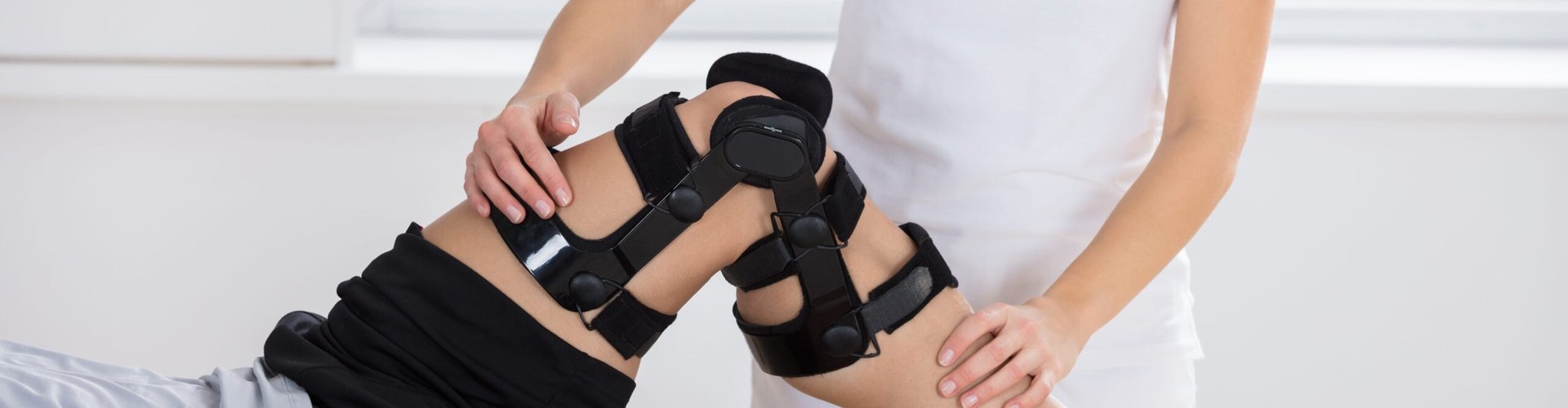
ACL TREATMENT PHYSICAL THERAPY IN WARREN, NJ
Where the Watchung ridgeline trails wind through preserved woodlands and corporate campuses sit quietly among horse farms, Warren Township offers a lifestyle that blends professional ambition with genuine love of the outdoors. From Watchung Hills Regional High School Warriors competing across a dozen varsity sports to executives unwinding on the fairways at Warren Brook Golf Course, this community prizes active living as much as career achievement. That same drive, however, means ACL injuries are a familiar reality — whether it’s a Warriors lacrosse midfielder planting hard on the turf, a weekend trail runner navigating Glenhurst Meadows, or a tennis player pivoting at the Warren Health & Racquet Club. At Trinity Rehab in Warren, we provide specialized acl treatment physical therapy designed to return you to the activities that define life in this unique community.
UNDERSTANDING ACL INJURIES
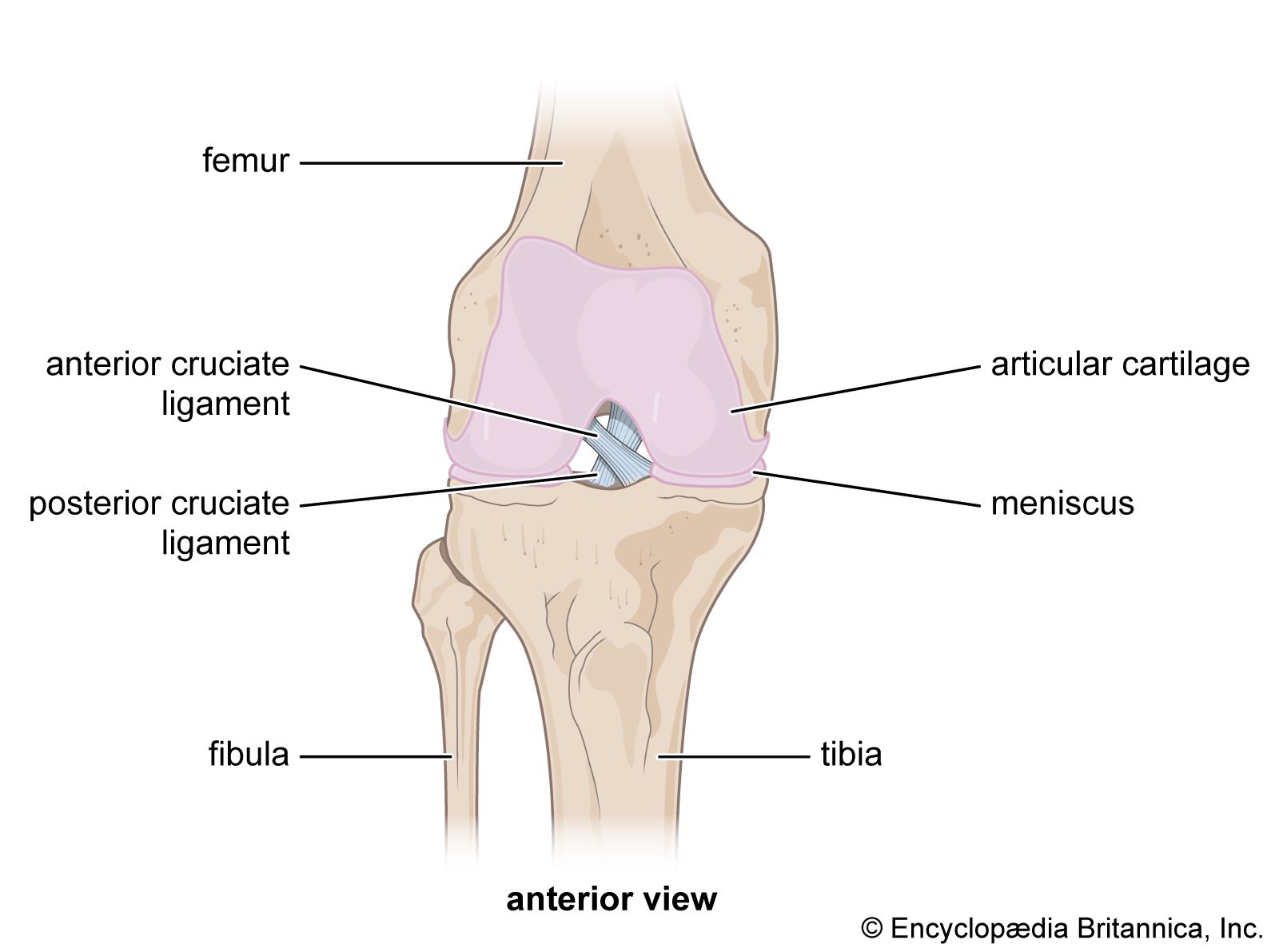
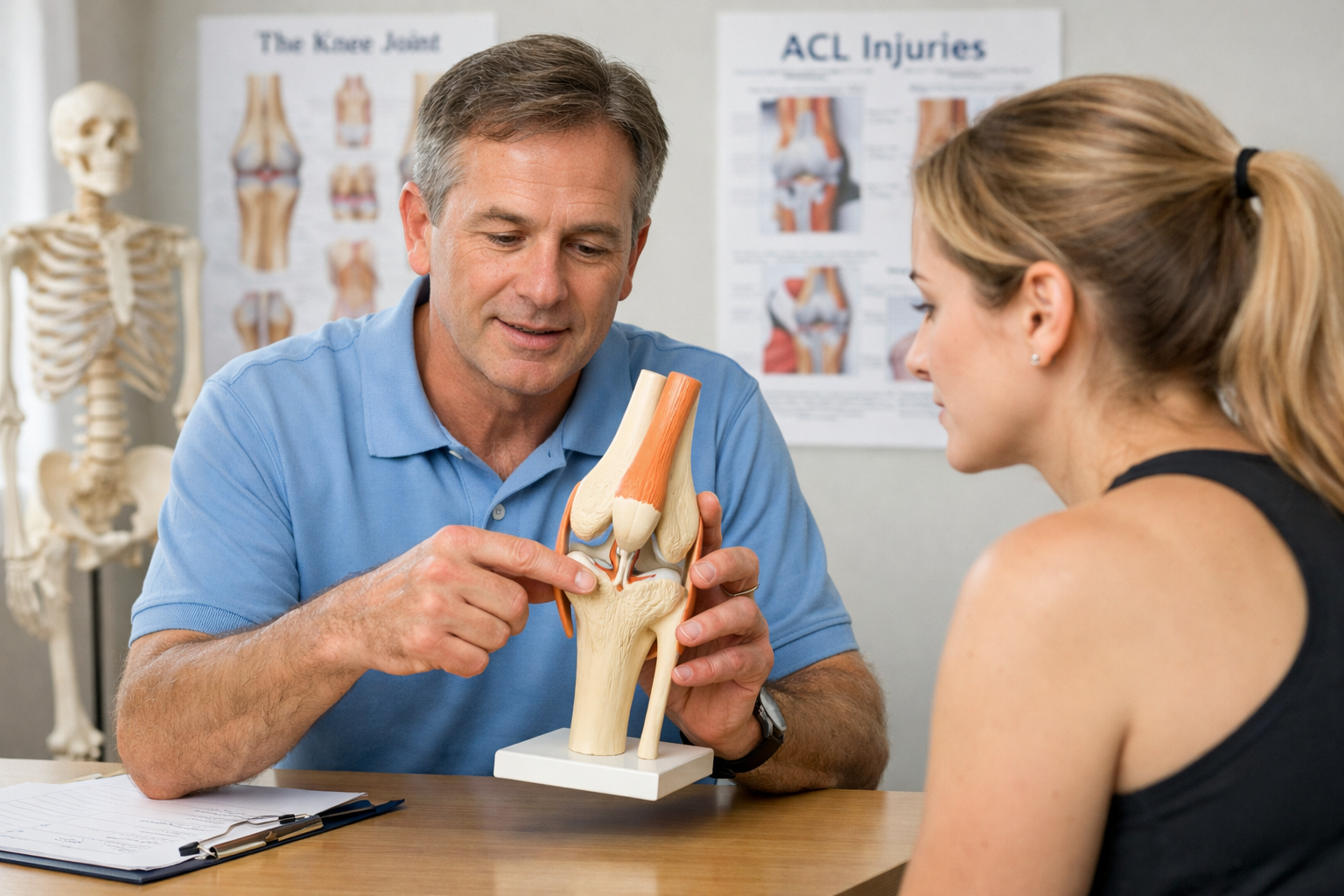
The anterior cruciate ligament is one of four major ligaments that stabilize the knee joint. Running diagonally through the center of the knee, it prevents the tibia from sliding forward beneath the femur and provides critical rotational stability during cutting, pivoting, and landing movements. When an anterior cruciate ligament injury occurs — whether a partial tear or a complete rupture — the knee loses the structural support it needs for dynamic activity. An acl tear disrupts the communication between your knee and the surrounding muscles, compromising both knee stability and confidence in movement. Understanding the mechanics of this injury is the first step toward a full recovery, and a skilled physical therapist can guide you through every phase.
WHY RECOVERY MATTERS
An untreated acl injury does more than sideline you for a season. Without proper rehabilitation, the knee joint develops compensatory movement patterns that place abnormal stress on the meniscus, cartilage, and surrounding ligaments. Over time, this can lead to chronic instability, early-onset arthritis, and persistent hip and knee pain. For Warren residents who depend on healthy knees — hiking Dealaman Nature Trail, keeping up with children on the soccer fields, or simply walking the Wagner Farm Arboretum — comprehensive physical therapy after an ACL injury is not optional. It is the foundation for long-term knee function and quality of life.
COMMON CAUSES OF ACL INJURIES IN WARREN
Warren’s active population encounters ACL risk in settings that are distinctly local. The Warriors’ athletic programs — football, soccer, basketball, lacrosse, field hockey, wrestling, gymnastics, and track & field — place hundreds of student-athletes in high-risk cutting and pivoting scenarios every season. Picture a Warriors lacrosse player in a spring match, planting hard to dodge a defender on the Watchung Hills turf. The cleat grips, the knee rotates inward, and the anterior cruciate ligament gives way.
Adults face their own risks. The corporate professionals at PTC Therapeutics, Bohler Engineering, and Lightspeed who sit at desks all day and then compete aggressively in Warren Rec pickleball or basketball leagues are particularly vulnerable — deconditioned muscles cannot protect a knee under sudden load. A PTC Therapeutics office worker playing in the Warren Health & Racquet Club tennis league might pivot hard for a wide return shot and feel the knee buckle. Trail runners exploring Glenhurst Meadows can step into a hidden rut near the Passaic River overlook and twist the knee at an unforgiving angle. Even a regular at Warren Brook Golf Course can sustain an acl tear simply stepping out of a cart on a rain-softened fairway. These are not freak accidents — they reflect the reality of an active community where sports injuries and even work injuries involving the knee are part of everyday life.
RECOGNIZING SYMPTOMS
An ACL injury typically announces itself immediately. You may hear or feel a pop at the moment of injury, followed by rapid swelling within hours. The knee feels unstable — as though it could give out at any moment — and bearing weight becomes difficult. Reduced range of motion, tenderness along the joint line, and pain with pivoting or direction changes are hallmarks. Some patients report a sensation of looseness when walking on uneven ground, something Warren residents might notice on the natural terrain at Dealaman Nature Trail or the undulating paths through Wagner Farm Arboretum. If these symptoms sound familiar, early evaluation by a physical therapist is critical. Delaying treatment allows muscle atrophy and compensatory habits to take root, making rehabilitation longer and more complex.
HOW PHYSICAL THERAPY HELPS
Effective physical therapy for ACL recovery is not a single protocol — it is a coordinated system of techniques tailored to each patient’s injury severity, surgical status, and functional goals. At Trinity Rehab Warren, we draw on the following evidence-based approaches.
Manual Therapy
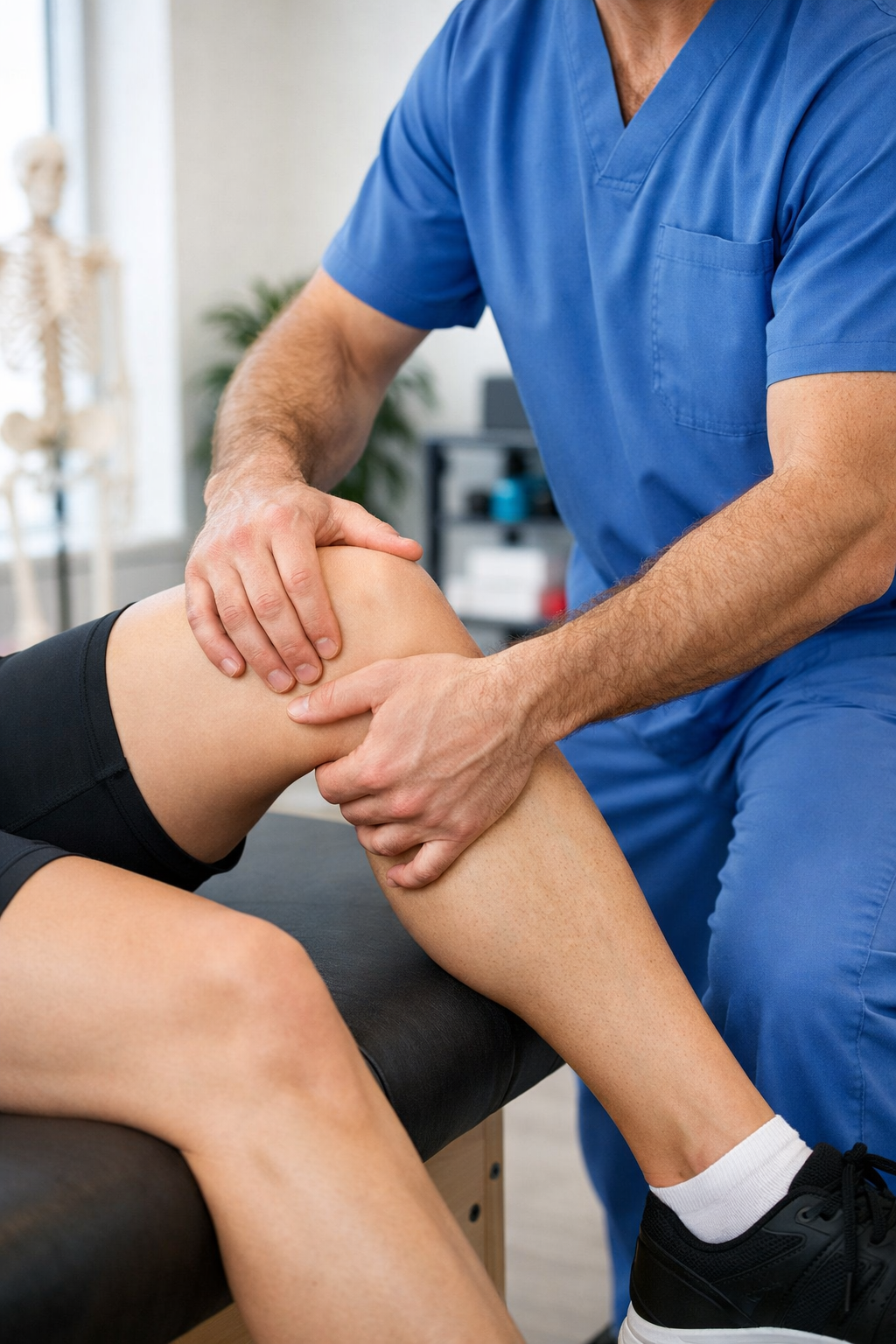
In the early stages of recovery, hands-on manual therapy is essential for restoring knee motion and reducing pain. Joint mobilizations gently coax the knee through its available range, breaking up adhesions and encouraging synovial fluid circulation. Soft tissue mobilization addresses the quadriceps, hamstrings, and calf muscles that tighten protectively around an injured knee. For our Warren patients — whether a Watchung Hills swimmer dealing with post-surgical stiffness or a golfer struggling to bend the knee comfortably — manual therapy creates the foundation for all progressive work that follows.
Progressive Strengthening
Muscle strength is the single greatest protector of a healing ACL. Our strengthening exercises progress systematically: early isometric holds for the quadriceps evolve into open- and closed-chain exercises, then into loaded functional movements. Hamstring strength receives particular emphasis because the hamstrings act as a dynamic stabilizer of the knee, working in concert with the ACL. Hamstring curls, Nordic hamstring exercises, and eccentric loading protocols rebuild the posterior chain. For a Warriors football player preparing for fall camp or a Round Top Swim & Tennis Club member getting back to competitive doubles, progressive strengthening is the engine of recovery.
EPAT / Shockwave Therapy
EPAT — also known as shockwave therapy — uses acoustic pressure waves to accelerate tissue healing and reduce chronic inflammation around the knee. This non-invasive modality is especially valuable for patients dealing with patellar tendinopathy, scar tissue restriction, or lingering pain after acl reconstruction. For Warren professionals who need to minimize downtime between treatment sessions and their commute to Manhattan or work at nearby corporate campuses, EPAT offers meaningful progress in compact treatment windows.
Dry Needling
Dry needling is available at our Warren location and is a highly effective technique for releasing myofascial trigger points in the muscles surrounding the knee. After an ACL injury, the quadriceps, hamstrings, IT band, and calf muscles often develop painful knots that restrict knee motion and inhibit muscle activation. By inserting thin filament needles directly into these trigger points, dry needling produces a local twitch response that releases tension, improves blood flow, and restores normal muscle function. Our Warren therapists use dry needling frequently alongside strengthening exercises to help patients like Glenhurst Meadows trail runners regain fluid, pain-free movement more quickly.
Blood Flow Restriction Training
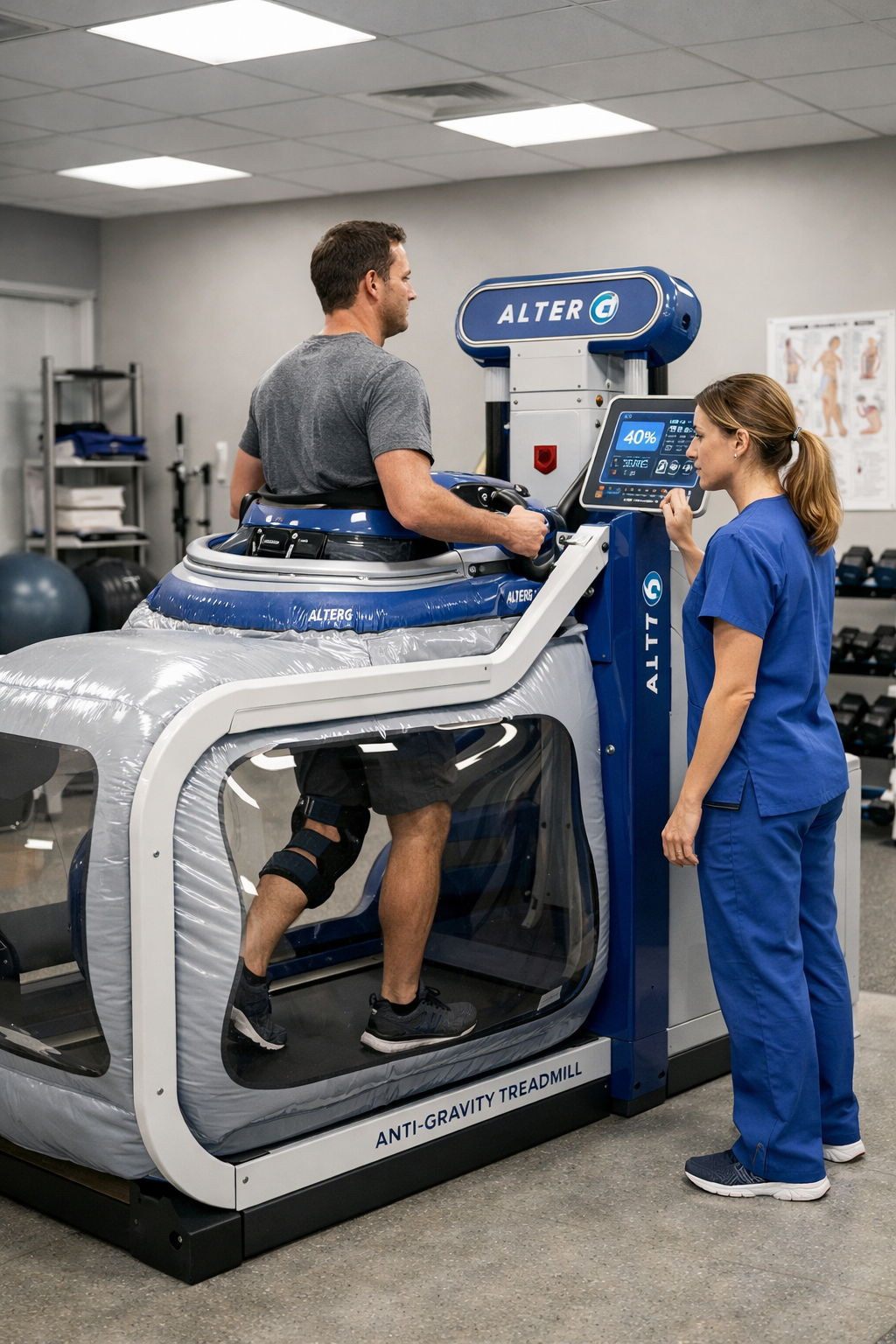
Blood flow restriction (BFR) training is a game-changer for early-stage ACL rehabilitation. By applying a specialized tourniquet to the upper thigh, BFR allows patients to achieve significant muscle strength gains using loads as light as 20-30% of their one-rep max. This is critical in the weeks following acl surgery or anterior cruciate ligament reconstruction, when heavy loading is contraindicated but muscle atrophy is accelerating. For a Warriors basketball player who cannot yet squat heavy or a Somerset Hills YMCA member eager to rebuild quad size, blood flow restriction training bridges the gap between protection and progression.
Neuromuscular Electrical Stimulation
Neuromuscular electrical stimulation (NMES) delivers controlled electrical impulses to the quadriceps, producing involuntary muscle contractions that combat the neurological inhibition common after ACL injury. Research consistently shows that patients who receive NMES alongside volitional exercise recover quadriceps activation faster than those who rely on exercise alone. This modality is particularly important in the first six weeks post-surgery, when the brain’s ability to fully recruit the quad is significantly diminished.
Sport-Specific Rehabilitation
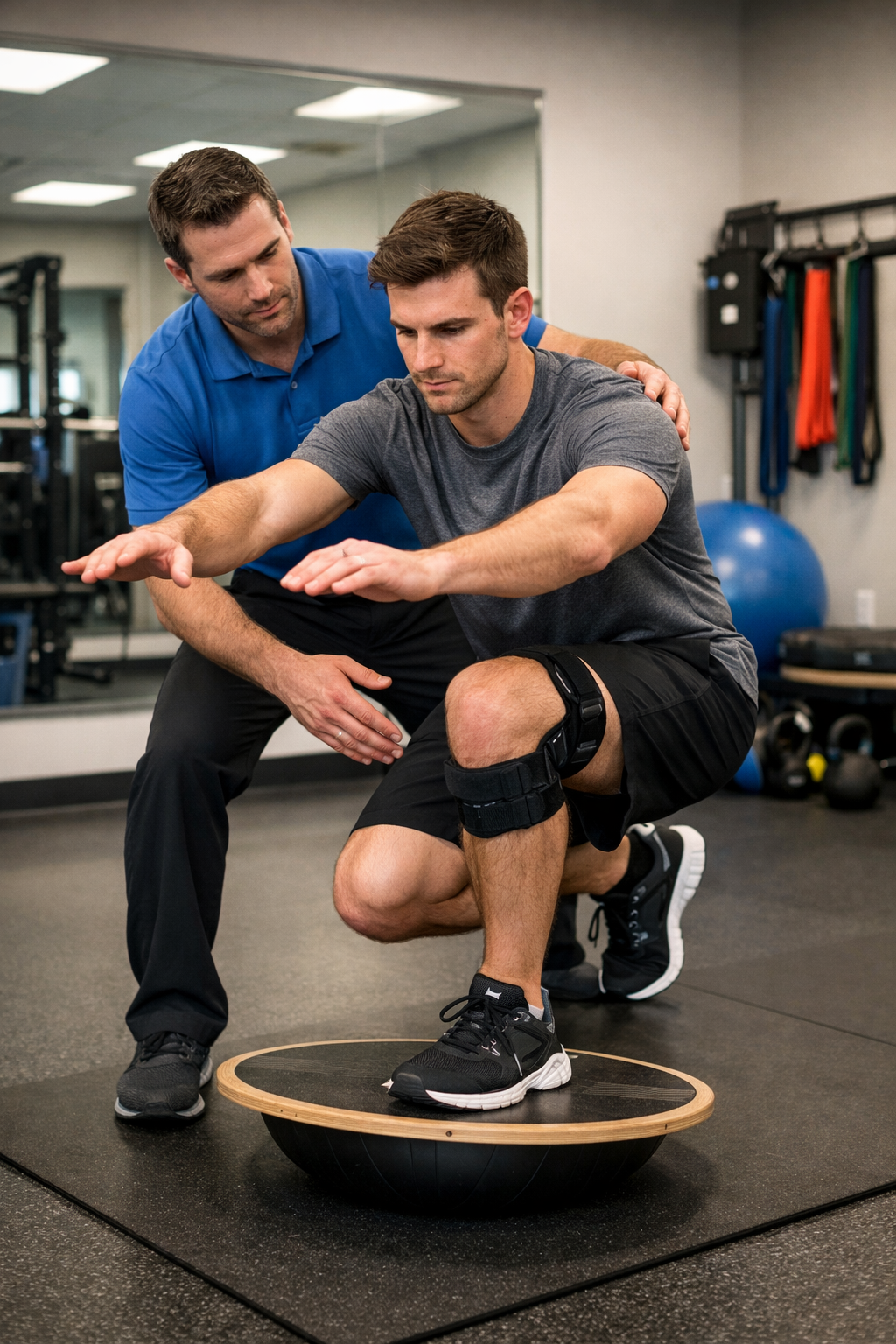
The final phase of ACL rehabilitation must mirror the demands of the patient’s actual sport or activity. For a Warriors lacrosse player, that means lateral cutting drills, ground-ball pickup simulations, and change-of-direction agility work. For the Warren Health & Racquet Club tennis player, it means split-step reactions, lateral shuffles, and overhead movement patterns. Plyometric training — box jumps, depth jumps, and single-leg hops — rebuilds explosive power and retrains proprioception, the body’s ability to sense joint position in space. Balance exercises on unstable surfaces further sharpen the neuromuscular control that protects the reconstructed ligament. Sport-specific rehab is where rehabilitation becomes preparation for return to sport.
NON-SURGICAL VS. SURGICAL PATHWAYS
Not every ACL injury requires surgery. Partial tears in lower-demand patients, or complete tears in individuals willing to modify their activity level, may respond well to structured rehabilitation alone. This conservative pathway focuses on restoring range of motion, rebuilding muscle strength around the knee, and retraining proprioception and balance to compensate for ligament laxity. Prehabilitation — targeted strengthening before any potential surgery — is also valuable for patients who are surgical candidates, as stronger pre-operative knees consistently produce better post-operative outcomes.
When acl surgery and anterior cruciate ligament reconstruction are indicated — typically for competitive athletes, active adults who require full knee stability, or patients with concurrent meniscal damage — physical therapy is equally essential. Post-operative rehabilitation follows a phased protocol spanning six to nine months, progressing from protected motion through full return to sport. Whether your path is surgical or non-surgical, the rehabilitation principles remain the same: restore motion, rebuild strength, retrain control.
RETURN TO SPORT
Returning to sport after an ACL injury is not governed by a calendar — it is governed by objective criteria. At Trinity Rehab Warren, we use validated return to sport testing that includes single-leg hop tests, quadriceps and hamstring strength symmetry measurements, and functional movement screens. A Warriors wrestler will not be cleared until they demonstrate the lateral stability and reactive power their sport demands. A Warren Rec volleyball player must show adequate jump-landing mechanics and balance before returning to the court. This criteria-based approach reduces re-injury rates and gives patients genuine confidence — not just medical clearance.
PREVENTION
Injury prevention should begin long before an ACL tear ever occurs. For Warren’s youth athletes at Watchung Hills Regional High School, neuromuscular training programs that emphasize proper landing mechanics, deceleration control, and hip-knee-ankle alignment have been shown to reduce ACL injury rates by up to 50%. These programs incorporate balance exercises, plyometric training, and targeted hamstring and quadriceps strengthening. Adult athletes in the Warren Rec leagues and at Round Top Swim & Tennis Club benefit from similar protocols, particularly during the transition from sedentary winter months to aggressive spring sports seasons. Prehabilitation programs at Trinity Rehab Warren can identify movement deficiencies before they become injuries.
WHY CHOOSE TRINITY REHAB WARREN
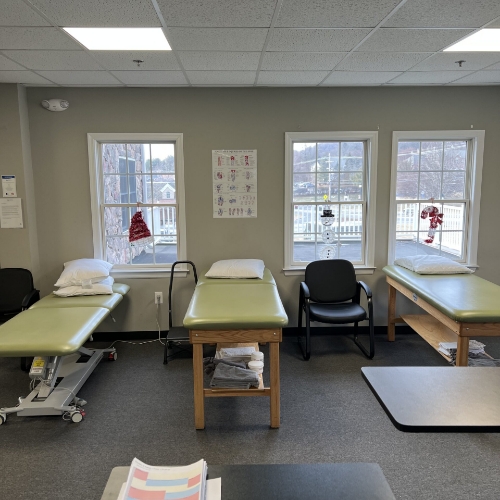
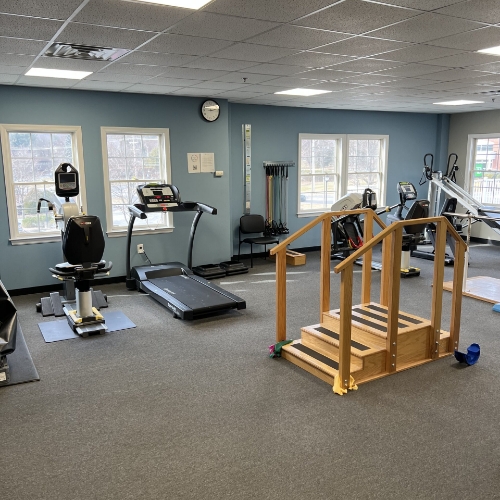
Trinity Rehab’s Warren clinic, located at 9 Mt Bethel Rd, Warren, NJ 07059, provides one-on-one care from licensed physical therapists who understand the demands of this community. Our Warren location specifically offers dry needling — a treatment that not every clinic provides — alongside advanced modalities including EPAT, blood flow restriction training, and neuromuscular electrical stimulation. We treat Warriors varsity athletes, weekend golfers from Warren Brook Golf Course, trail enthusiasts exploring Glenhurst Meadows and Dealaman Nature Trail, and professionals from the nearby corporate campuses who need efficient, results-driven care. Every treatment plan is individualized, evidence-based, and designed to return you to full knee function as quickly and safely as possible. Schedule your appointment today.
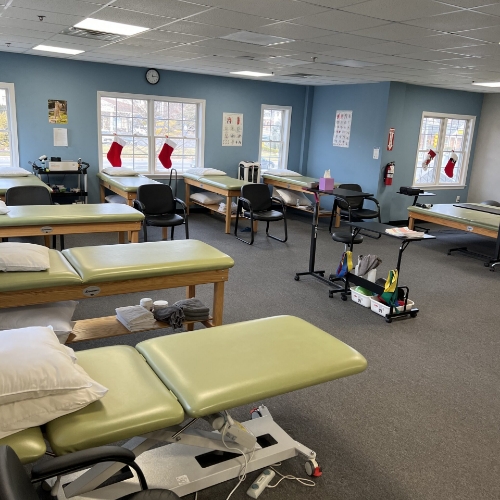
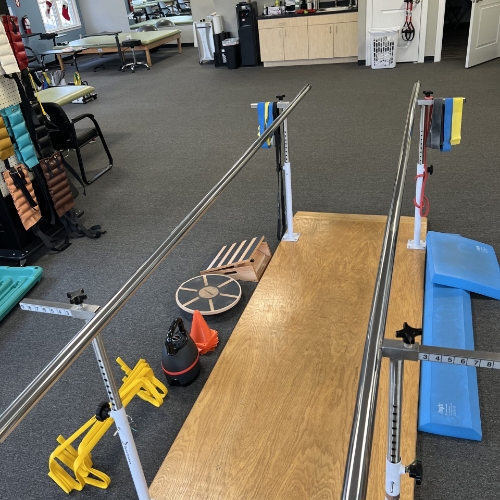
Inside Our Warren Clinic
RELATED CONDITIONS & TREATMENTS
ACL injuries are just one of the many conditions we treat at Trinity Rehab Warren. Explore our full range of conditions we treat or learn more about specific treatment approaches:
Warren ACL Rehab For Strength, Stability, And Return To Activity
ACL rehab in Warren should connect the healing stage to real movement goals: walking normally, using stairs, rebuilding quad strength, returning to running, and feeling ready for sport or exercise again.
Your therapist may assess swelling, range of motion, quad activation, hip strength, balance, gait, and return-to-sport readiness. The plan should match your surgical or non-surgical timeline and avoid skipping phases.
Related options include knee pain physical therapy, meniscus tear rehab, and the Warren physical therapy clinic page.
FREQUENTLY ASKED QUESTIONS
Warren ACL Rehab For Strength, Stability, And Return To Activity
ACL rehab in Warren should connect the healing stage to real movement goals: walking normally, using stairs, rebuilding quad strength, returning to running, and feeling ready for sport or exercise again.
Your therapist may assess swelling, range of motion, quad activation, hip strength, balance, gait, and return-to-sport readiness. The plan should match your surgical or non-surgical timeline and avoid skipping phases.
Related options include knee pain physical therapy, meniscus tear rehab, and the Warren physical therapy clinic page.
How long does ACL rehabilitation take at Trinity Rehab Warren?
Can I avoid ACL surgery and still return to sports like tennis or lacrosse?
What makes dry needling effective for ACL recovery?
How soon after an ACL injury should I start physical therapy?
Does Trinity Rehab Warren treat ACL injuries in older adults, not just athletes?
If you are dealing with an ACL injury — or suspect one — do not wait for the problem to resolve on its own. Early, expert-guided rehabilitation is the most reliable path back to the active life Warren offers. Contact Trinity Rehab Warren at 9 Mt Bethel Rd, Warren, NJ 07059 to schedule your evaluation and take the first step toward full recovery. Whether you are a Watchung Hills Warrior preparing for next season, a Glenhurst Meadows trail runner eager to get back on the path, or a professional looking to return to your weekend league, our team is ready to help you move forward.