
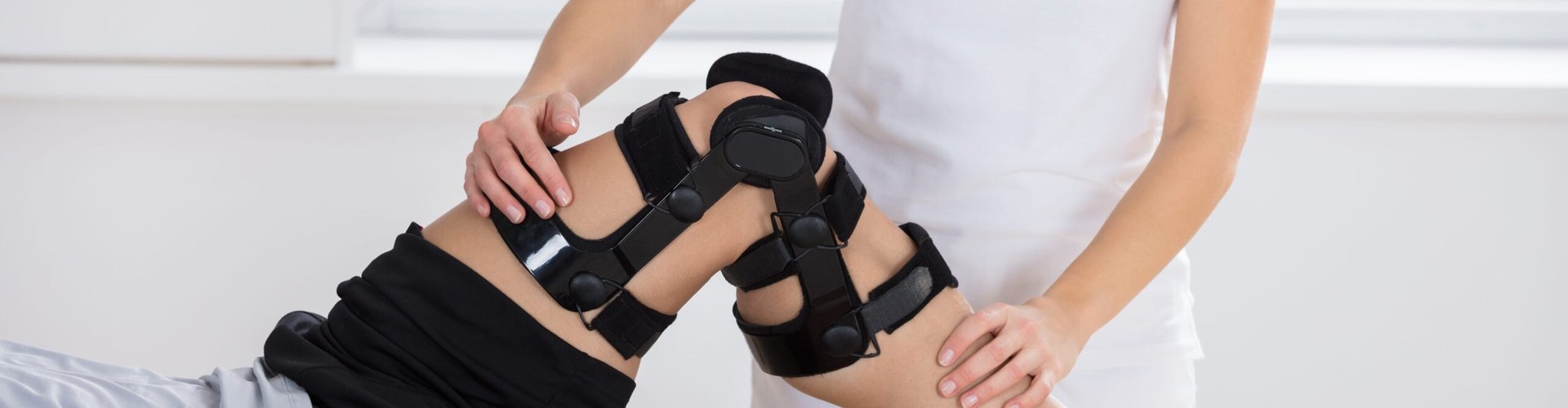
ACL TREATMENT PHYSICAL THERAPY IN CLIFTON, NJ
Few communities in North Jersey carry the weight of a soccer dynasty quite like Clifton. Since 1967, when the Clifton High School Mustangs claimed their first state soccer championship, through repeat titles in 1994, 2007, and 2019, this city has bred generations of athletes who understand what it takes to compete at the highest level. But that competitive culture comes with a cost. Across Clifton’s packed youth soccer fields, inside Clifton Stadium under Friday night lights, and on the courts and mats where Mustangs wrestlers, softball players, and bowlers chase their own state titles, anterior cruciate ligament injuries remain one of the most common and most feared setbacks an athlete can face. For nearly 90,000 residents — a diverse, family-driven community of commuters, tradespeople, and young professionals — an ACL tear doesn’t just interrupt a season. It disrupts daily life, livelihood, and identity.
At Trinity Rehab in Clifton, our team of licensed physical therapists delivers specialized ACL treatment physical therapy designed to meet the demands of this community. Whether you’re a Mustangs varsity athlete chasing a sectional title, a warehouse worker recovering from a shift injury, or a parent who twisted a knee chasing your kids at Main Memorial Park, we provide a clear, evidence-based path from injury back to full function.
UNDERSTANDING ACL INJURIES
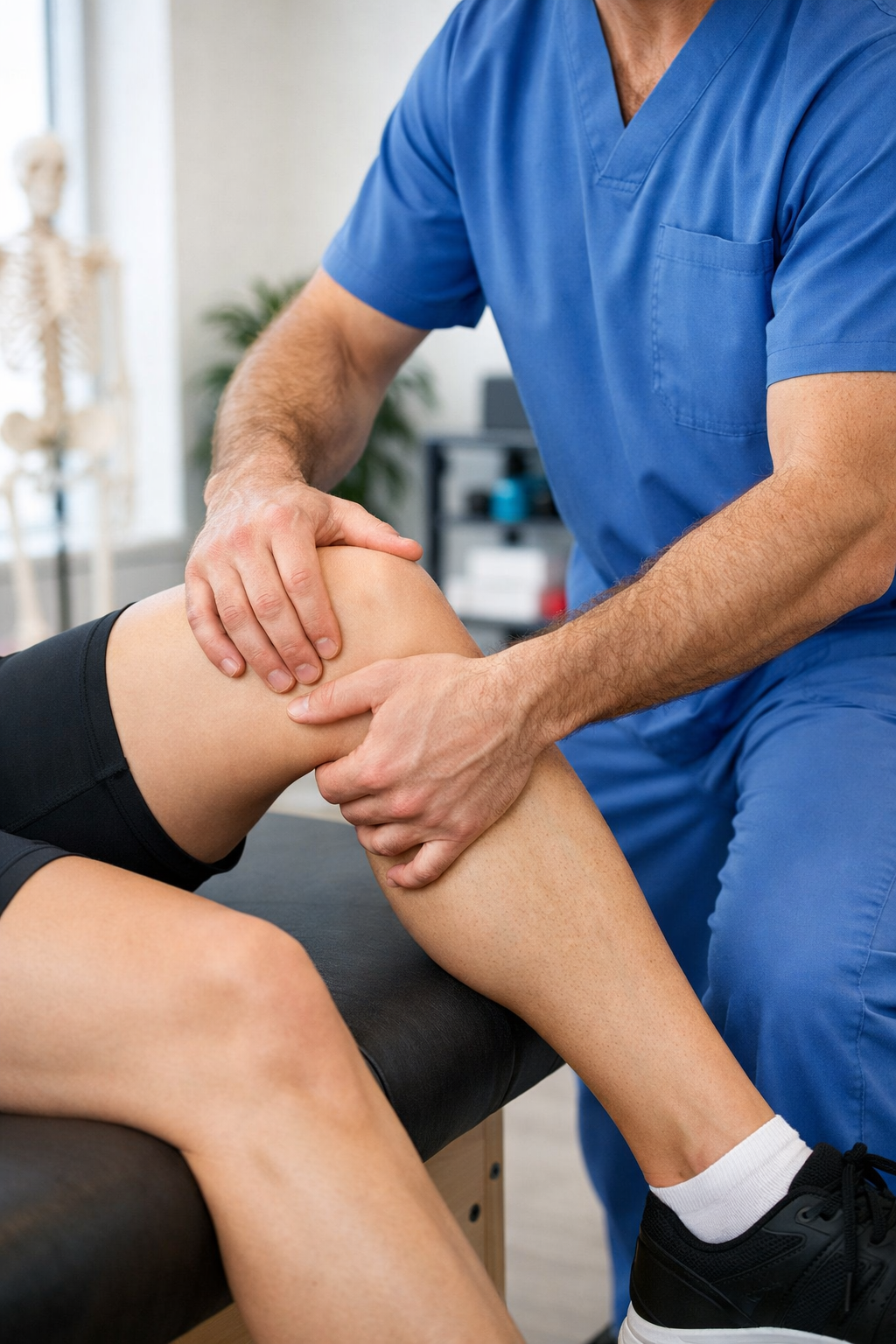
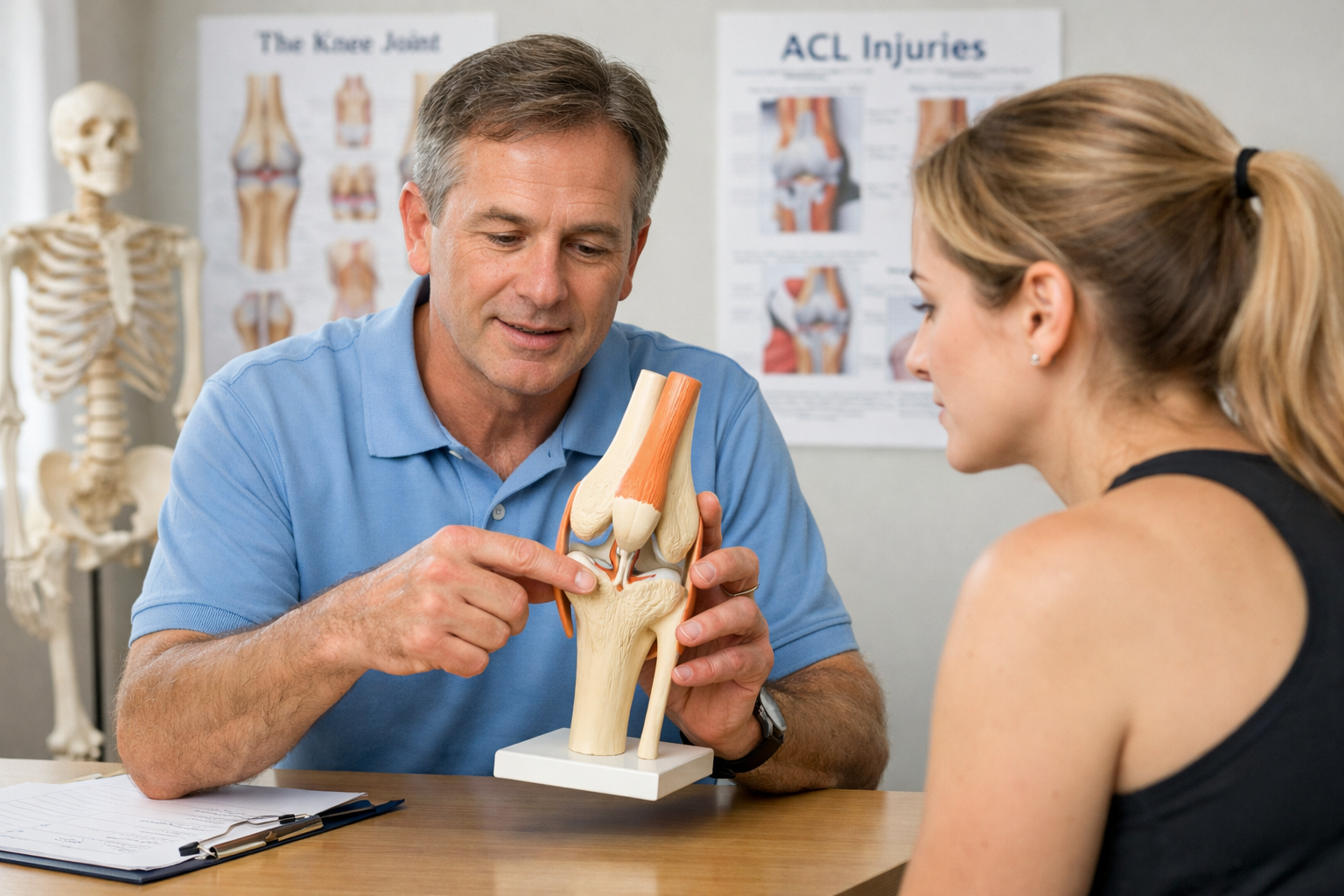
The anterior cruciate ligament is a dense band of connective tissue that runs diagonally through the center of the knee joint, connecting the femur to the tibia. Its primary role is to prevent the tibia from sliding forward and to provide rotational stability during cutting, pivoting, and deceleration movements. When this ligament is damaged — whether through a partial tear, complete rupture, or avulsion — the result is an anterior cruciate ligament injury that compromises knee stability, knee function, and confidence in movement.
ACL injuries are graded by severity:
- Grade I (Sprain): The ligament is stretched but intact. The knee joint remains stable, though swelling and tenderness are present.
- Grade II (Partial Tear): The ligament fibers are partially torn. Knee motion may feel loose, and weight-bearing becomes difficult.
- Grade III (Complete Tear): The ligament is fully ruptured. The knee gives way during activity, and significant swelling occurs immediately.
A complete ACL tear is the most common presentation we treat, and it often occurs alongside damage to the meniscus or medial collateral ligament.
WHY RECOVERY MATTERS
An untreated or poorly rehabilitated ACL injury does not simply “heal on its own.” Without proper intervention, the knee joint loses its primary rotational stabilizer, leading to chronic instability, compensatory movement patterns, accelerated cartilage wear, and a significantly higher risk of early-onset arthritis. For active individuals, an unstable knee means recurring episodes of giving way — during a run at Nash Park, a shift at the warehouse, or a simple flight of stairs.
Structured physical therapy is not optional after an ACL injury. It is the single most important factor in determining whether you return to full activity or live with long-term limitation. This holds true regardless of whether you pursue surgical or non-surgical treatment.
COMMON CAUSES OF ACL INJURIES IN CLIFTON
Clifton’s unique blend of competitive athletics, physically demanding workplaces, and active recreation creates a wide range of ACL injury scenarios.
Athletic Injuries
Soccer is in Clifton’s DNA, and it is also one of the highest-risk sports for ACL tears. The rapid direction changes, sudden decelerations, and contested tackles that define the sport place enormous stress on the anterior cruciate ligament. Each season, Mustangs soccer players — along with athletes in football, wrestling, softball, and the city’s thriving youth recreation leagues in basketball, lacrosse, and cheer — sustain ACL injuries that require expert rehabilitation. The risk is especially elevated for young female athletes, who experience ACL tears at rates two to eight times higher than their male counterparts in the same sports.
Workplace Injuries
Clifton’s economy includes major employers in manufacturing, printing, and logistics. Workers at Sandy Alexander Inc. and The Challenge Printing Co. spend hours on their feet, lifting heavy materials, pivoting between stations, and navigating warehouse floors. A single awkward step off a loading dock, a slip on a wet production floor, or a twist while carrying stock can produce an acute ACL tear. These work injuries often go underreported, leading to delays that complicate recovery.
Recreational and Everyday Injuries
Not every ACL injury happens on a field or factory floor. Parents playing tag at Main Memorial Park, weekend athletes shooting hoops at the Athenia Steel Recreation Complex, skaters at Clifton Skatezone, and runners on the trails at Mount Prospect Park all face ACL risk. A misstep on uneven terrain, a poorly landed jump, or a sudden pivot can be enough to tear the ligament.
RECOGNIZING THE SYMPTOMS OF AN ACL TEAR
Many people who tear their ACL describe hearing or feeling a distinct “pop” in the knee at the moment of injury. Other hallmark symptoms include:
- Immediate swelling within the first few hours
- Sharp pain that makes weight-bearing difficult or impossible
- A feeling of instability, as though the knee is “giving out”
- Reduced range of motion, particularly difficulty fully straightening or bending the knee
- Tenderness along the joint line
If you experience these symptoms, seek evaluation promptly. Early assessment allows for faster initiation of rehabilitation, which directly impacts long-term outcomes.
HOW PHYSICAL THERAPY HELPS AFTER AN ACL INJURY
At Trinity Rehab in Clifton, your physical therapist builds a personalized treatment plan that evolves through each phase of recovery. Our approach combines proven manual techniques with advanced therapeutic technologies to restore knee stability, rebuild muscle strength, and return you to the activities that matter most.
Manual Therapy
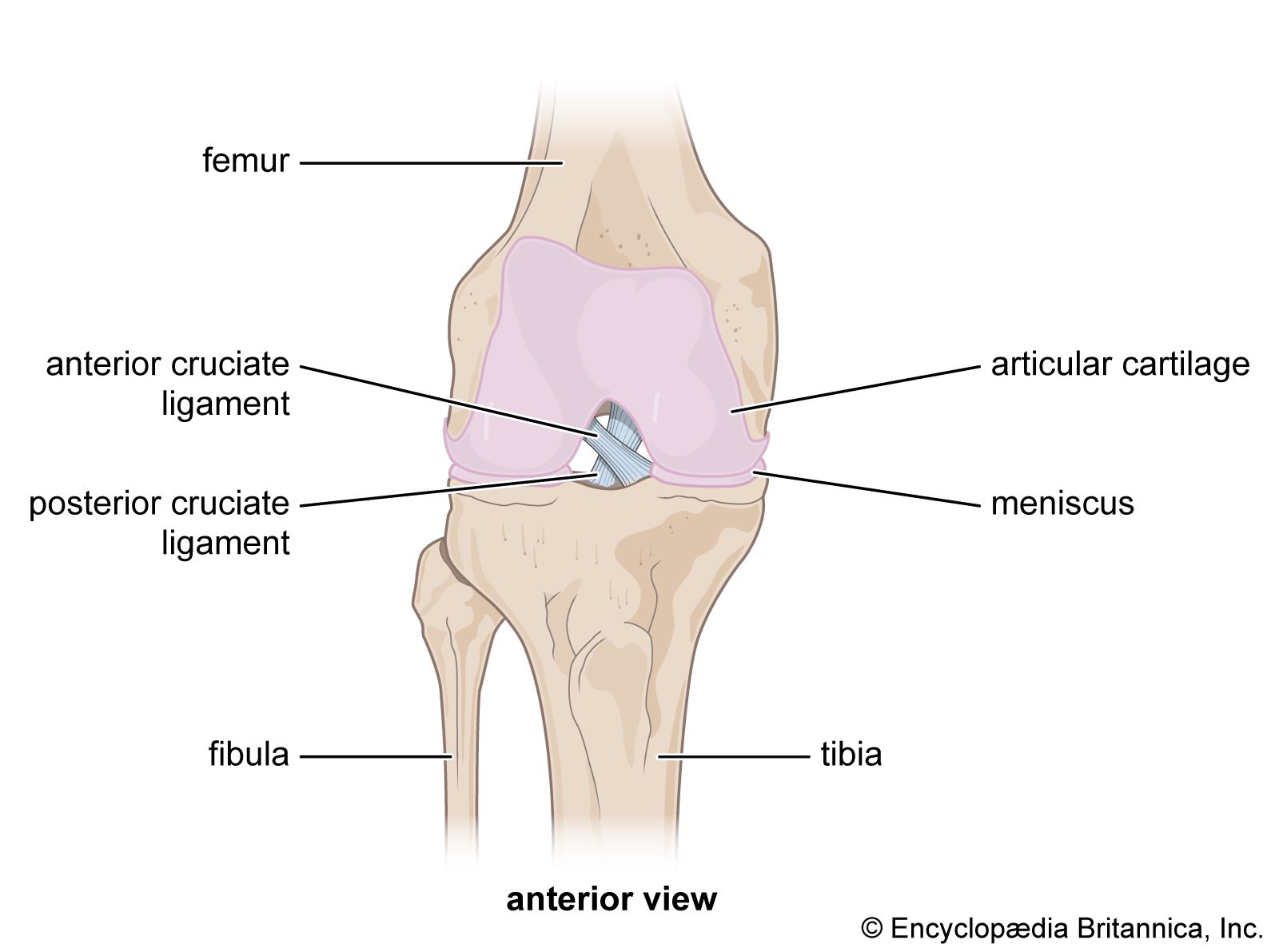
Manual therapy is the foundation of early ACL rehabilitation. Your physical therapist uses hands-on techniques — including joint mobilizations, soft tissue mobilization, and patella mobilization — to reduce swelling, restore knee motion, and address stiffness that develops after injury or surgery. These techniques are particularly important in the first weeks of recovery, when restoring full extension and controlled flexion sets the stage for everything that follows.
Progressive Strengthening
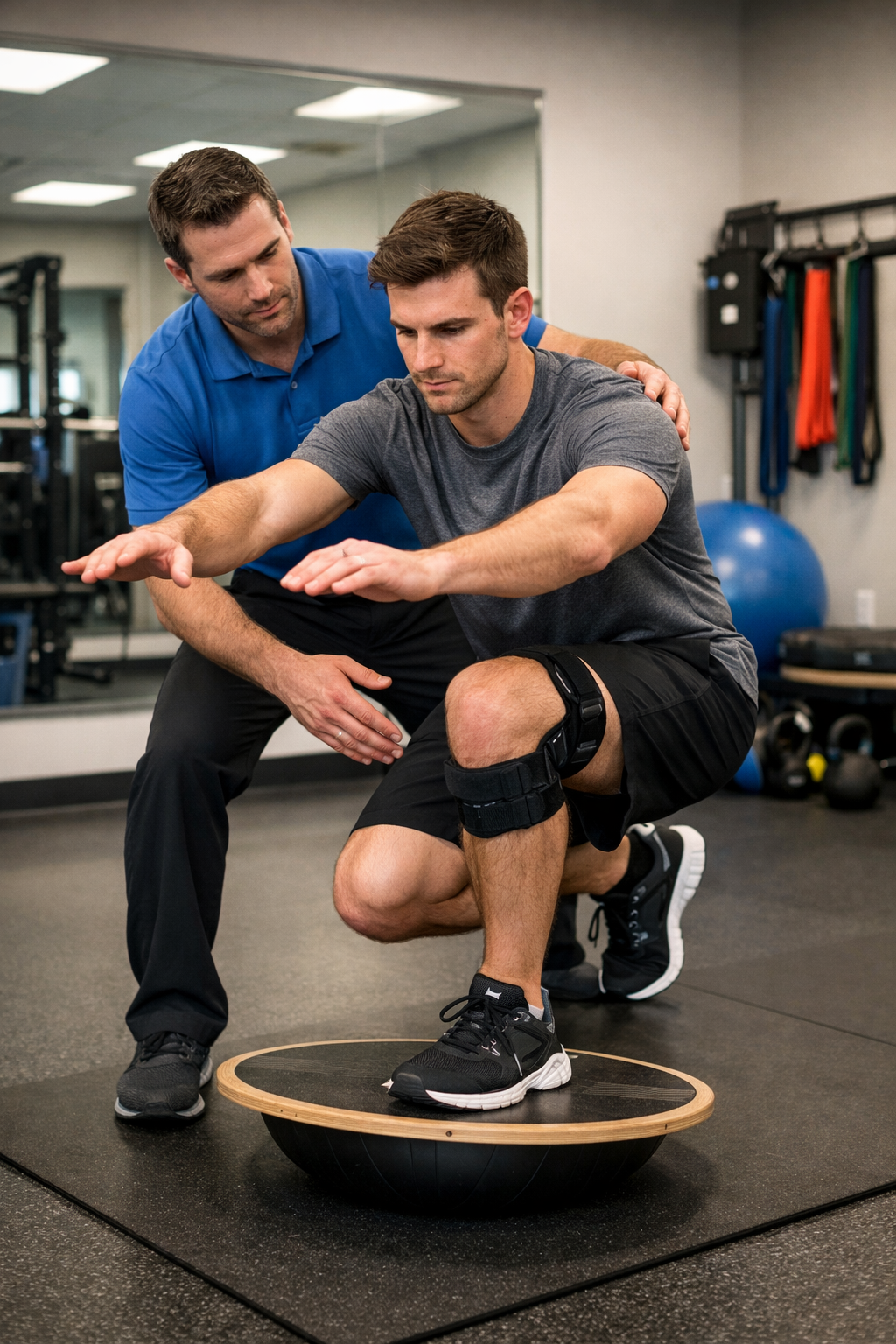
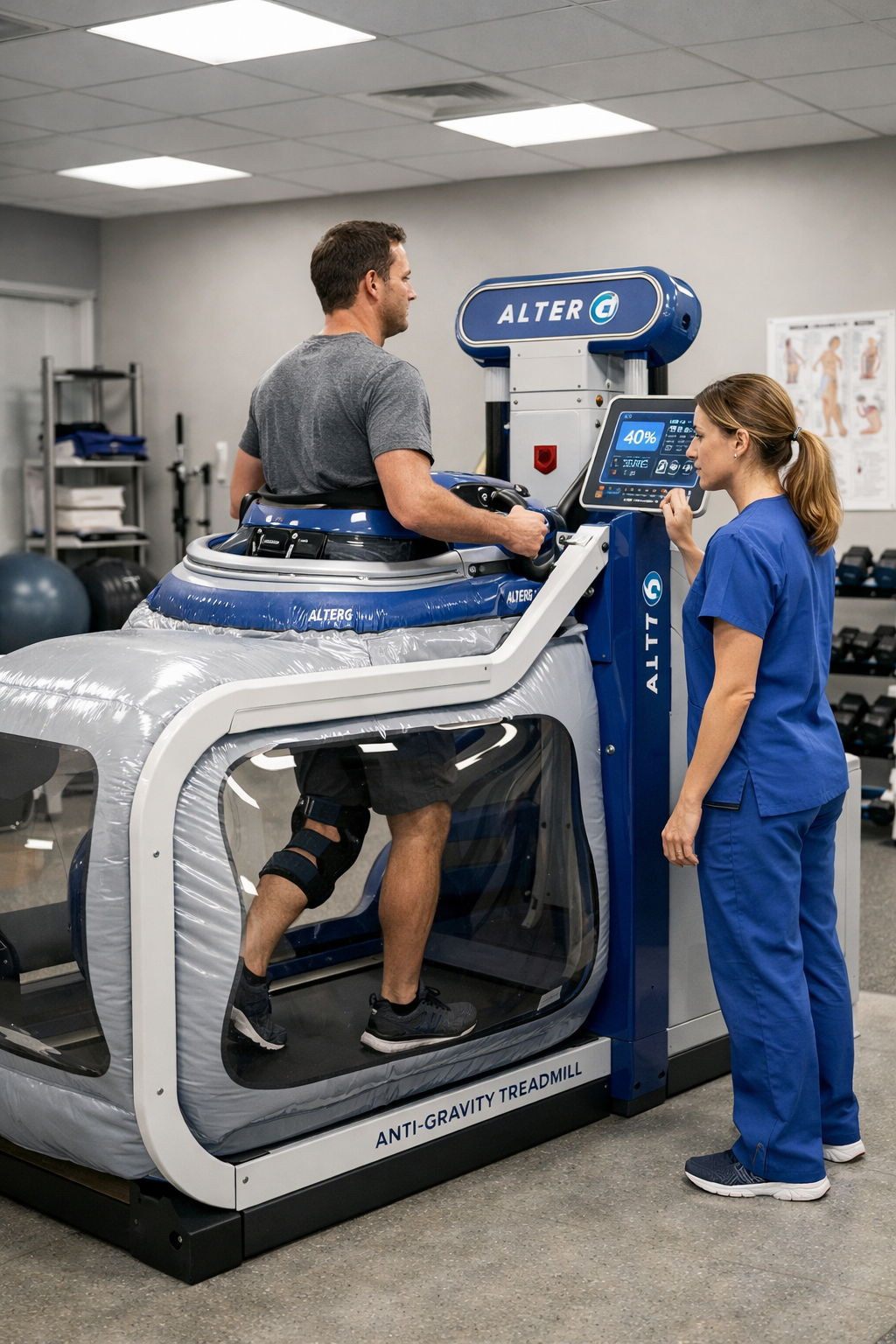
Restoring muscle strength around the knee is the central goal of ACL rehabilitation. Your program begins with targeted activation of the quadriceps, which often “shut down” after injury, and progresses through increasingly challenging strengthening exercises. Hamstring curls, leg presses, step-ups, and single-leg squats are introduced systematically to rebuild hamstring strength and quadriceps power while protecting the healing ligament. Balance exercises and proprioception drills are layered in to retrain the knee’s ability to sense its position in space — a critical capacity that is disrupted by ACL injury.
EPAT / Shockwave Therapy
EPAT (Extracorporeal Pulse Activation Technology), also known as shockwave therapy, delivers focused acoustic pressure waves to damaged tissue. This accelerates cellular repair, increases local blood flow, and reduces pain in the structures surrounding the knee. EPAT is particularly effective for addressing patellar tendinopathy and persistent soft tissue inflammation that can stall ACL recovery.
Dry Needling
Dry needling uses thin, sterile filament needles inserted into myofascial trigger points in the quadriceps, hamstrings, calf, and hip musculature. By releasing these taut bands of muscle, dry needling reduces referred pain, improves local circulation, and restores normal muscle activation patterns. For ACL patients who develop compensatory tightness — especially in the IT band, hip flexors, and gastrocnemius — dry needling can be the intervention that unlocks the next phase of progress.
Blood Flow Restriction (BFR) Training
Blood flow restriction training uses a specialized tourniquet system to partially occlude venous blood flow during low-load exercise, stimulating significant muscle growth at loads far below what traditional strengthening requires. For ACL patients — especially in the early post-operative weeks when the knee cannot tolerate heavy resistance — BFR training allows meaningful quadriceps and hamstring development without compromising the graft or irritating the joint.
Neuromuscular Electrical Stimulation (NMES)
Neuromuscular electrical stimulation delivers controlled electrical impulses to the quadriceps through surface electrodes, producing involuntary contractions that combat post-injury muscle inhibition. NMES is critical in early ACL rehab, when patients struggle to activate the quadriceps voluntarily. Research consistently shows that NMES combined with volitional exercise produces superior strength outcomes compared to exercise alone.
Sport-Specific Rehabilitation
For Clifton’s athletes — whether they compete for the Mustangs, play in recreation youth leagues, or train independently — the final phase of ACL recovery must mirror the demands of their sport. This means progressive running programs, agility ladder work, lateral cutting drills, plyometric training, and sport-specific movement patterns performed under fatigue. Our physical therapists design return-to-sport protocols that address the exact movements that placed the knee at risk.
NON-SURGICAL VS. SURGICAL PATHWAYS
Not every ACL tear requires anterior cruciate ligament reconstruction surgery. The decision between operative and non-operative management depends on the patient’s age, activity level, degree of instability, and the presence of associated injuries.
Non-surgical management may be appropriate for:
- Older or less active individuals
- Patients with partial tears and preserved knee stability
- Those who can modify activities to avoid high-risk pivoting movements
ACL surgery (anterior cruciate ligament reconstruction) is typically recommended for:
- Competitive athletes who need to return to cutting and pivoting sports
- Individuals with combined ligament or meniscus injuries
- Patients who experience persistent giving way despite rehabilitation
Regardless of the pathway, physical therapy is essential. Non-surgical patients require structured rehabilitation to maximize knee stability through muscular support. Surgical patients need both prehabilitation before ACL reconstruction and a comprehensive post-operative program that typically spans nine to twelve months.
Prehabilitation — targeted strengthening and range of motion work performed before surgery — produces faster post-operative recovery and higher rates of return to sport. At Trinity Rehab, we begin prehab immediately after diagnosis to ensure you enter the operating room in the strongest possible condition.
RETURN TO SPORT
Returning to sport after an ACL tear is not a calendar-based decision. Our physical therapists use objective, criterion-based testing to determine when you are safe to return:
- Strength testing: Quadriceps and hamstring strength must reach at least 90% of the uninjured limb
- Hop testing: Single-leg hop distance, crossover hop, and timed hop must achieve symmetry with the opposite leg
- Movement quality assessment: Landing mechanics, cutting form, and deceleration patterns are evaluated under fatigue
- Psychological readiness: Confidence in the knee and willingness to perform at full intensity without hesitation
For Clifton athletes preparing for a Mustangs soccer tryout, a return to the wrestling mat, or a spot on a recreation league roster, these benchmarks ensure that the knee is truly ready — not just healed, but resilient.
INJURY PREVENTION
An ACL injury is one of the most preventable catastrophic sports injuries when proper neuromuscular training is implemented. Injury prevention programs that include the following components have been shown to reduce ACL injury rates by 50% or more:
- Hamstring and hip strengthening to improve the posterior chain’s ability to control knee position
- Plyometric training with an emphasis on proper landing mechanics — knees tracking over toes, soft landings, controlled deceleration
- Balance exercises and single-leg stability drills to improve proprioception
- Core stability work to maintain trunk control during dynamic movements
- Education on high-risk movement patterns, particularly for young female soccer and basketball players
Trinity Rehab offers injury prevention screening and programming for Clifton athletes at every level. If your child plays in the city’s youth soccer or lacrosse leagues, or competes for the Mustangs, a prevention-focused assessment can identify risk factors before they become injuries.
WHY CHOOSE TRINITY REHAB IN CLIFTON
Trinity Rehab’s Clifton location serves the full breadth of this community — from the high school athlete recovering from ACL reconstruction to the Comodo employee managing hip and knee pain from long desk-bound hours, to the Passaic Valley Water Commission worker rehabbing a job site injury.
What sets our Clifton clinic apart:
- One-on-one care with a licensed physical therapist at every visit — no technician hand-offs
- Advanced treatment technologies including EPAT/shockwave therapy, dry needling, blood flow restriction training, and neuromuscular electrical stimulation
- Sport-specific ACL protocols designed for the demands of soccer, wrestling, football, softball, and recreational athletics
- Flexible scheduling that respects the commuter rhythms of a community where many residents travel daily to New York City
- A welcoming, diverse environment that reflects Clifton’s multicultural character — we serve patients and families from every background in this city of nearly 90,000
We treat the full spectrum of conditions that affect Clifton, and our ACL rehabilitation program is among the most comprehensive in Passaic County.
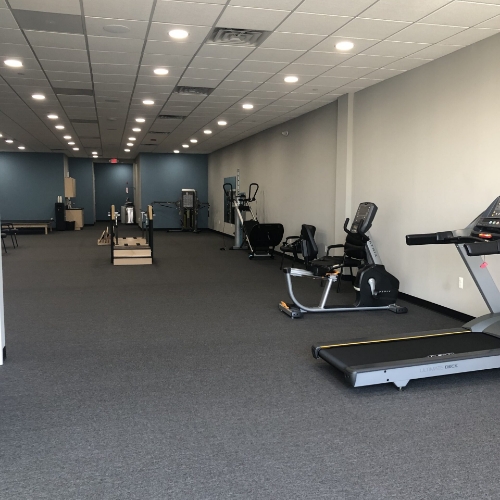
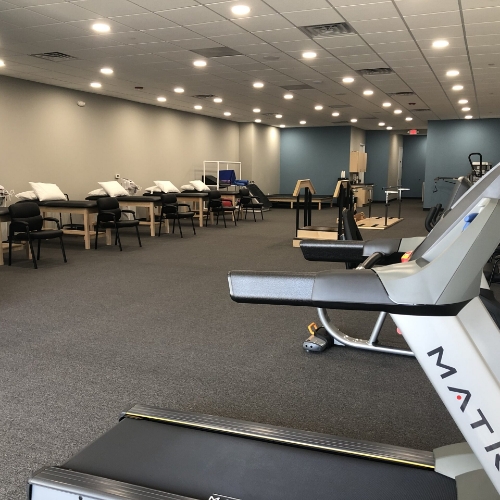
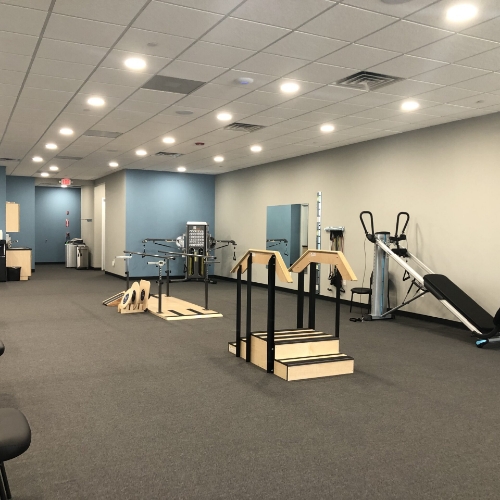
Inside Our Clifton Clinic
RELATED CONDITIONS & TREATMENTS
ACL injuries are just one of the many conditions we treat at Trinity Rehab Clifton. Explore our full range of conditions we treat or learn more about specific treatment approaches:
FREQUENTLY ASKED QUESTIONS
How long does ACL treatment physical therapy take after surgery?
Can I avoid ACL surgery and recover with physical therapy alone?
I'm a Clifton Mustangs athlete — when can I return to my sport after an ACL tear?
Does Trinity Rehab in Clifton treat work-related ACL injuries?
What should I do immediately after injuring my ACL?
An ACL injury does not have to define your future on the field, at work, or at home. The sooner you begin structured rehabilitation with a qualified physical therapist, the stronger your recovery will be.
Trinity Rehab — Clifton 852 Route 3, Suite 246, Clifton, NJ 07012
Schedule your appointment today and take the first step toward getting back to the life you lead in Clifton — whether that means returning to Clifton Stadium, clocking back in at work, or simply keeping up with your family at Dundee Island Park.