

ACL TREATMENT PHYSICAL THERAPY IN MANALAPAN, NJ
THE SPIRIT OF MANALAPAN: FROM BATTLEFIELD TO RECOVERY
On June 28, 1778, the fields surrounding what is now Monmouth Battlefield State Park witnessed one of the longest single-day battles of the Revolutionary War. Soldiers fought through brutal heat and exhaustion — refusing to quit. That same fighting spirit defines Manalapan today. Whether it’s a Manalapan High School Braves ice hockey player battling through a playoff game, a parent running MSK flag football drills, or a warehouse worker pushing through a demanding shift at SomerTile, this community doesn’t back down.
That resolve matters most when your knee gives out and an anterior cruciate ligament injury changes everything overnight. ACL treatment physical therapy is the proven path back to the life you had before — and at Trinity Rehab in Manalapan, we help you fight for every degree of motion, every pound of strength, and every step toward full recovery.
—
UNDERSTANDING ACL INJURIES
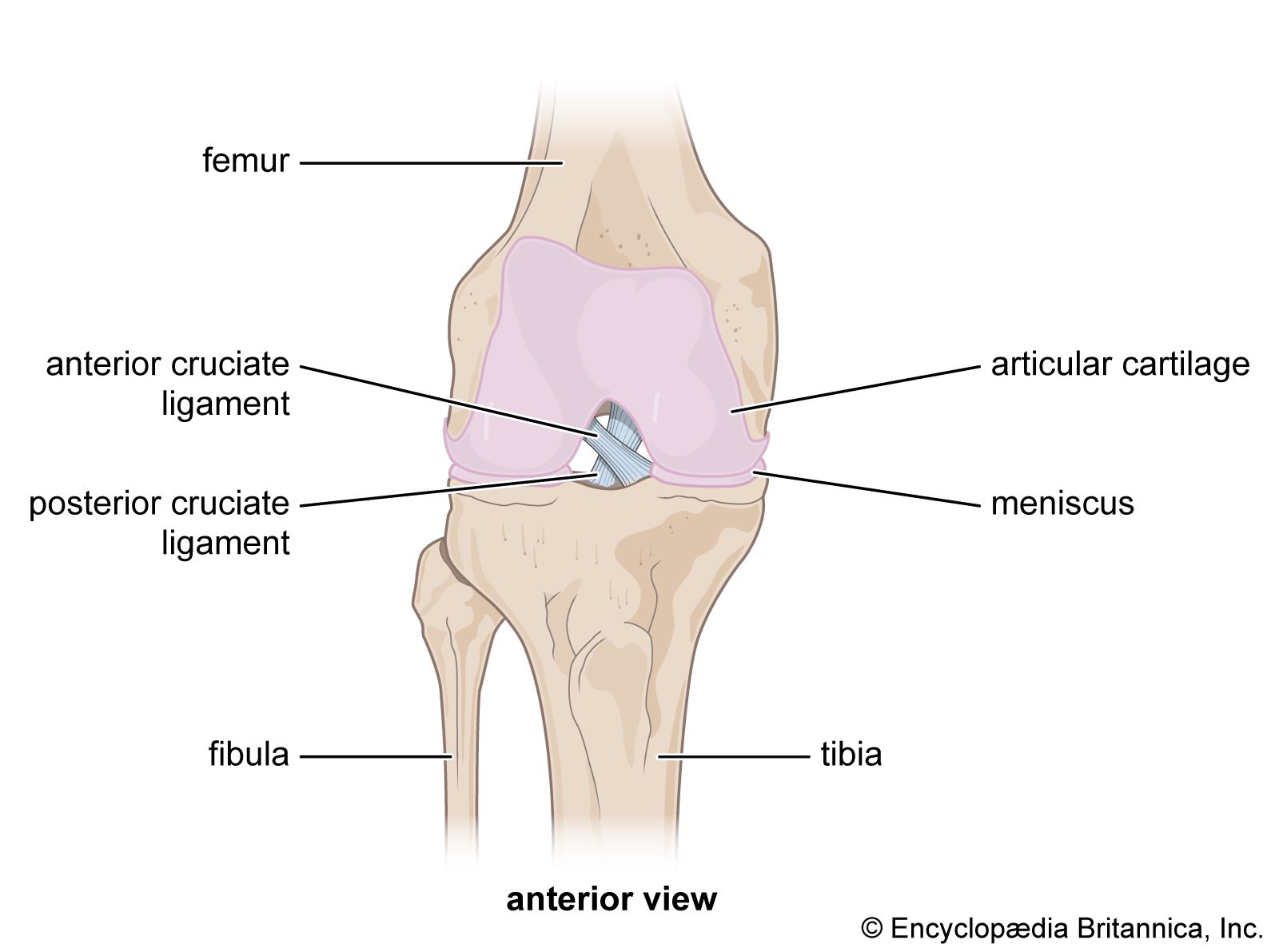
The anterior cruciate ligament is one of four major ligaments that stabilize the knee joint. Running diagonally through the center of the knee, it connects the thighbone to the shinbone and prevents the tibia from sliding forward while controlling rotational forces. When this ligament tears — partially or completely — the result is an ACL tear that compromises knee stability and threatens your ability to walk, work, and play without pain or buckling.
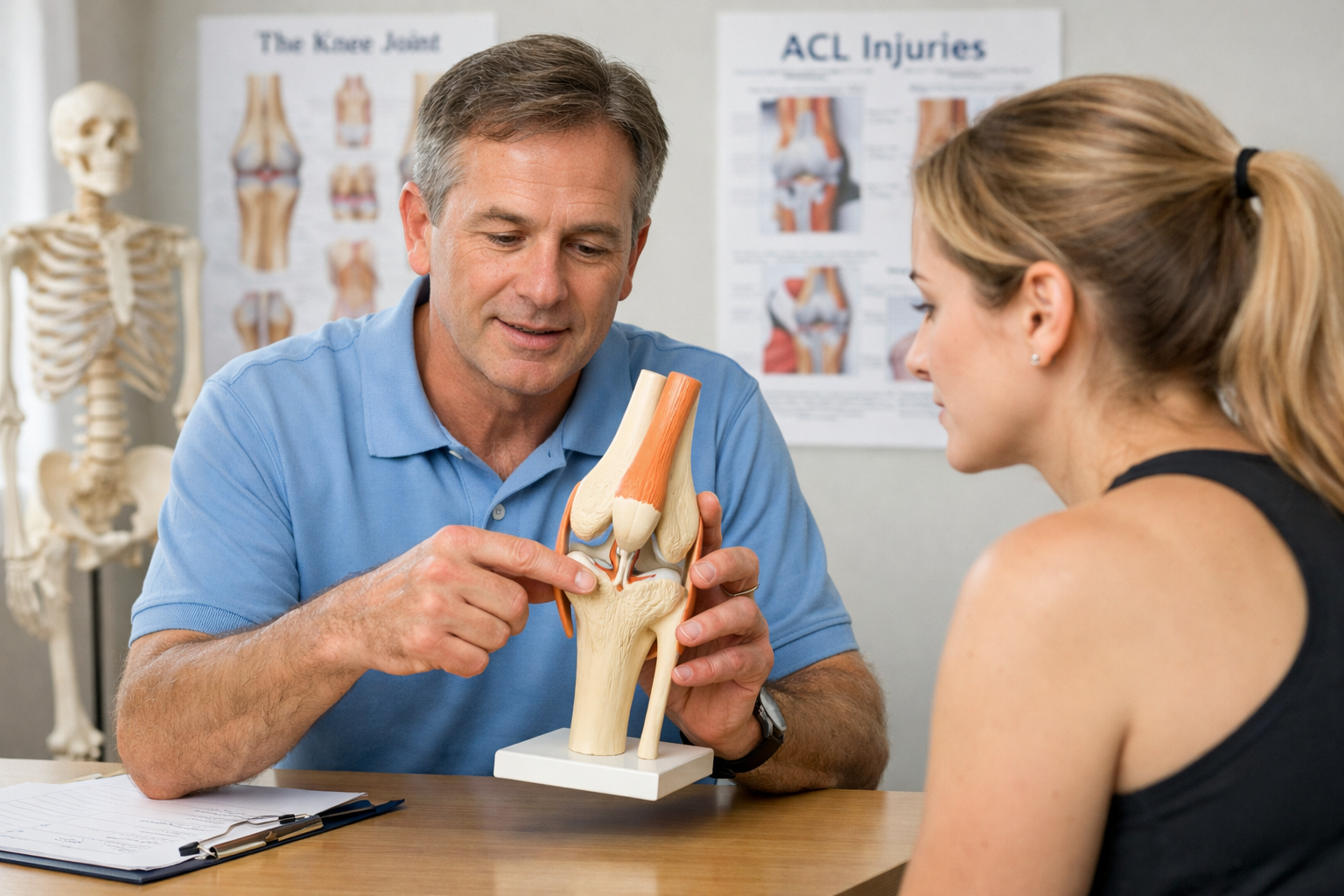
An ACL injury can range from a mild sprain to a complete rupture. Some patients require anterior cruciate ligament reconstruction surgery, while others recover fully through structured physical therapy alone. Either way, rehabilitation guided by a skilled physical therapist is essential for restoring knee function and preventing long-term complications like arthritis or chronic instability.
—
WHY ACL RECOVERY MATTERS
An untreated or poorly rehabilitated ACL injury doesn’t just sideline you from sports — it changes how you move through daily life. Compensatory movement patterns stress your opposite knee, hip, and lower back. Muscle strength deteriorates rapidly; the quadriceps can lose up to 20% of their mass within weeks. Over time, the affected knee joint degrades, accelerating cartilage wear and increasing the risk of early-onset osteoarthritis.
For Manalapan residents, the stakes are personal. This is a community built around movement — weekend soccer at Manalapan Recreation Center, morning trail walks at Thompson Grove Park, rounds at Knob Hill Golf Club, and physically demanding careers at local employers. Getting ACL recovery right is what stands between you and the active life this town is designed for.
—
COMMON CAUSES OF ACL INJURIES IN MANALAPAN
ACL tears happen in predictable patterns, and Manalapan’s active lifestyle creates several common scenarios.
Athletic competition and training. The Braves sports programs — football, basketball, soccer, lacrosse, ice hockey, wrestling, and track & field — produce athletes who push their bodies hard. Consider a Braves ice hockey player who takes a hit along the boards, plants a skate awkwardly during the collision, and feels a sickening pop in the knee. Non-contact injuries are even more common: a sudden deceleration during a lacrosse dodge or an awkward landing after a basketball rebound. Sports injuries involving the ACL disproportionately affect athletes in cutting and pivoting sports.
Recreational and youth league sports. Manalapan’s Multi Sports Kingdom (MSK) leagues keep kids and adults active year-round in basketball, soccer, flag football, and lacrosse. Picture a parent coaching their child’s MSK flag football team who plants a foot to demonstrate a play and feels the knee twist beyond its limit. Recreational athletes often lack the conditioning of varsity competitors, making their ligaments more vulnerable to sudden forces.
Outdoor activity on uneven terrain. Thompson Grove Park, Holiday Park, and Locust Grove offer walking trails, lake paths, and open fields that attract residents daily. A regular Thompson Grove Park trail walker who steps into an obscured hole or stumbles on a tree root can hyperextend the knee and damage the anterior cruciate ligament. These non-sport injuries are more common than most people realize, particularly among adults over 40.
Workplace injuries. Manalapan’s economy includes warehouse and distribution roles at employers like SomerTile (Merola Tile). A warehouse worker carrying heavy tile inventory who slips on a wet floor can twist the knee under load, resulting in a significant ACL tear. Work injuries involving the knee require specialized rehabilitation that accounts for the physical demands of the job.
—
SIGNS AND SYMPTOMS OF AN ACL INJURY
Recognizing an ACL injury early leads to faster, more effective treatment. Common signs include:
- An audible pop or snap at the moment of injury
- Immediate swelling that develops within hours of the incident
- Instability or a feeling that the knee “gives way” during standing or walking
- Significant pain, particularly when bearing weight
- Reduced range of motion — difficulty fully straightening or bending the knee
- Tenderness along the joint line and a sense of looseness in the knee
If you experience any of these symptoms after a sports collision, awkward landing, workplace accident, or trail misstep, seek evaluation promptly. Early assessment by a physical therapist or orthopedic specialist determines the severity of the injury and the best course of treatment.
—
HOW PHYSICAL THERAPY HELPS: THE ACL RECOVERY PHASES
Whether you are preparing for ACL surgery or pursuing a non-surgical route, structured physical therapy is the backbone of recovery. At Trinity Rehab Manalapan, we follow a phase-driven approach that restores knee motion, rebuilds muscle strength, and retrains movement patterns for return to sport, work, and daily life.
Prehabilitation (Before Surgery)
For patients scheduled for anterior cruciate ligament reconstruction, prehabilitation begins immediately. Research shows that patients who enter surgery with better range of motion, stronger quadriceps and hamstrings, and reduced swelling recover faster and achieve better outcomes.
Prehab focuses on gentle strengthening exercises, swelling management, and restoring as much knee motion as possible before the procedure. Your physical therapist designs a targeted program so your knee is ready for post-surgical rehabilitation.
Phase 1: Protection and Early Mobility (Weeks 0-2)
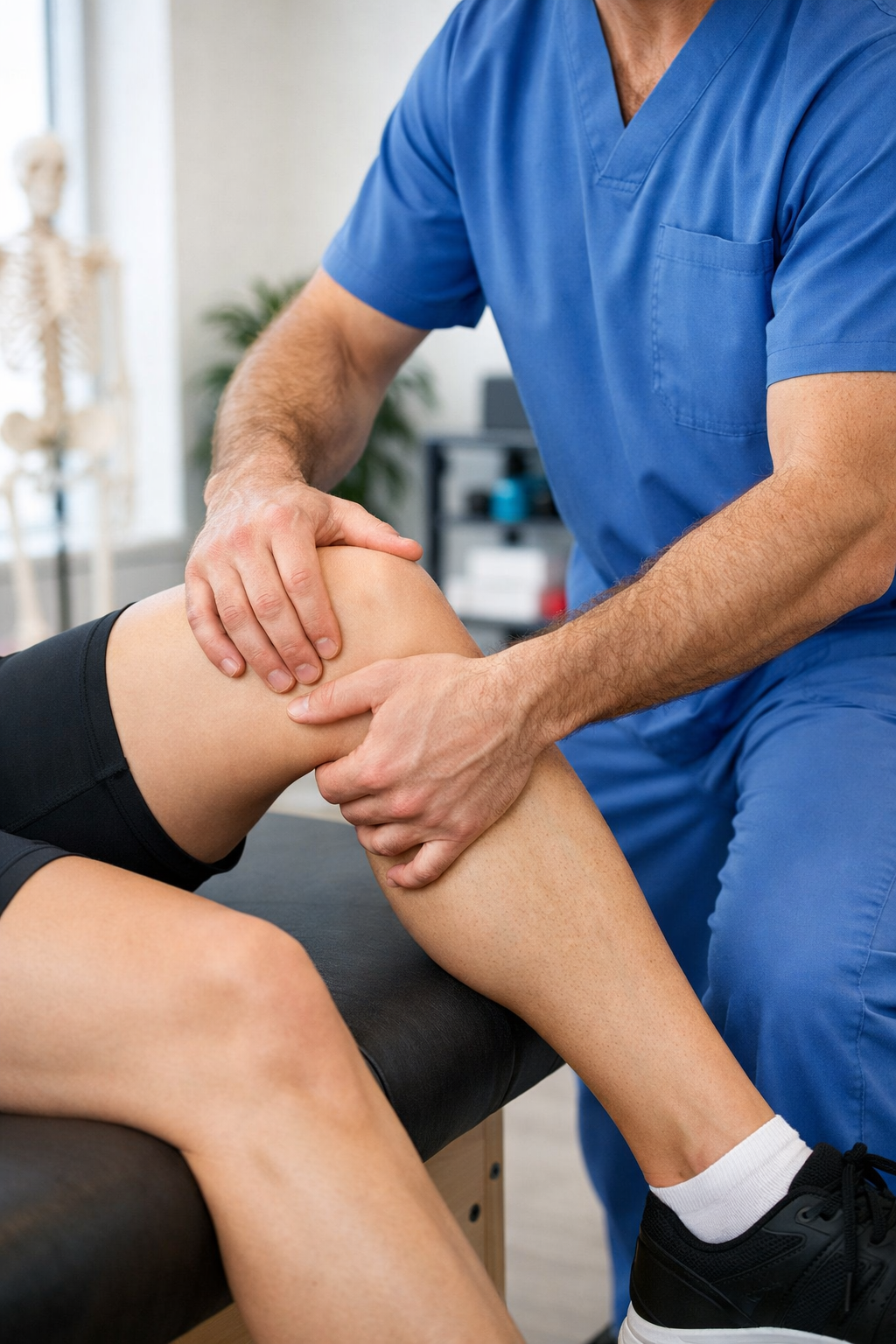
The priority is protecting healing tissue while preventing the joint from stiffening. Treatment includes controlled range of motion exercises, quadriceps activation drills, patellar mobilization, and careful weight-bearing progression. Manual therapy techniques manage swelling, reduce scar tissue, and restore normal joint mechanics early.
Phase 2: Building a Foundation (Weeks 2-6)
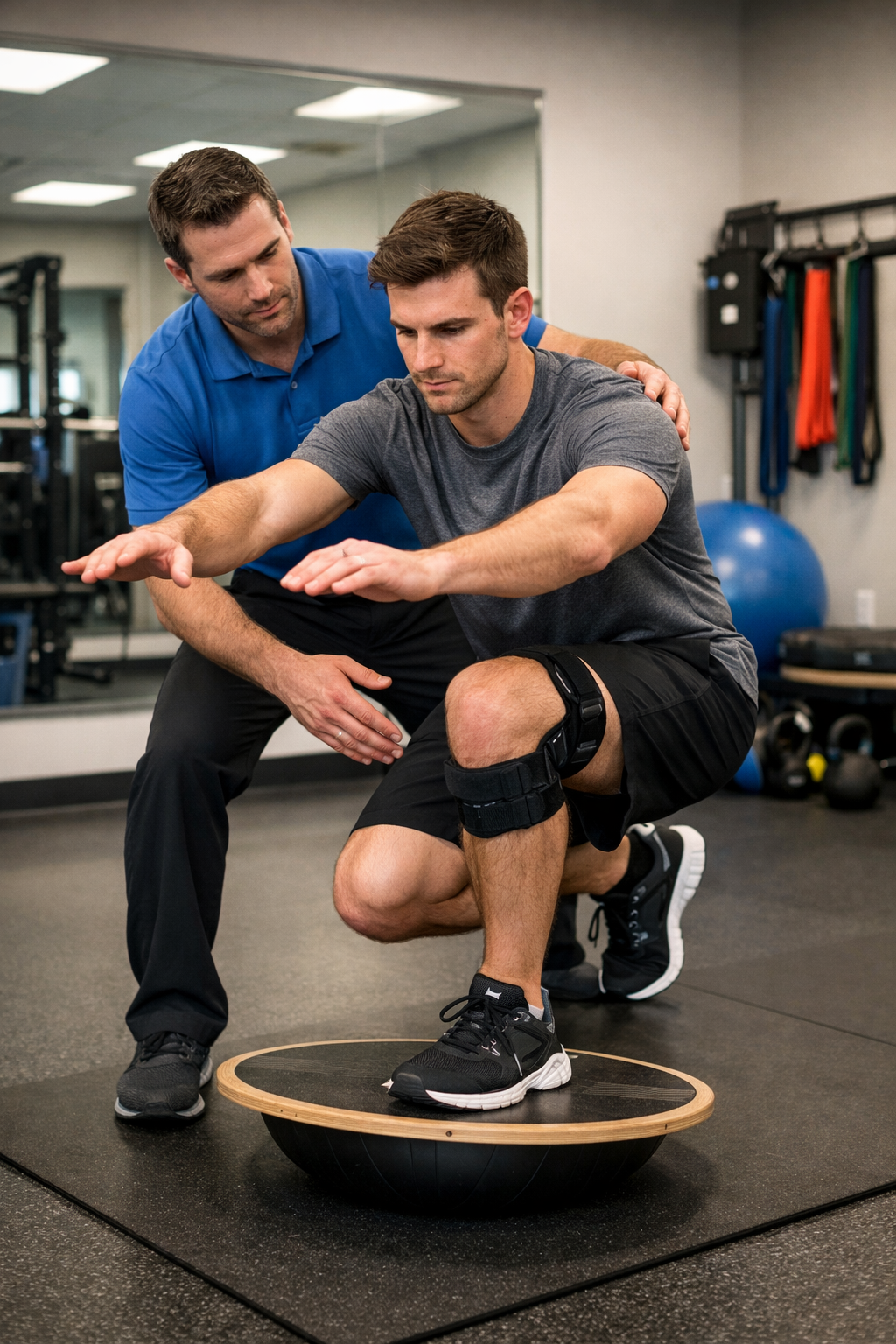
As healing progresses, the focus shifts to rebuilding foundational strength and improving knee function. Strengthening exercises target the quadriceps, hamstrings, glutes, and calf muscles. Hamstring curls, leg presses, and step-ups form the core of this phase. Balance exercises and proprioception drills — training the knee’s ability to sense its position in space — begin in earnest. Restoring proprioception is critical for preventing re-injury and regaining confidence in the knee.
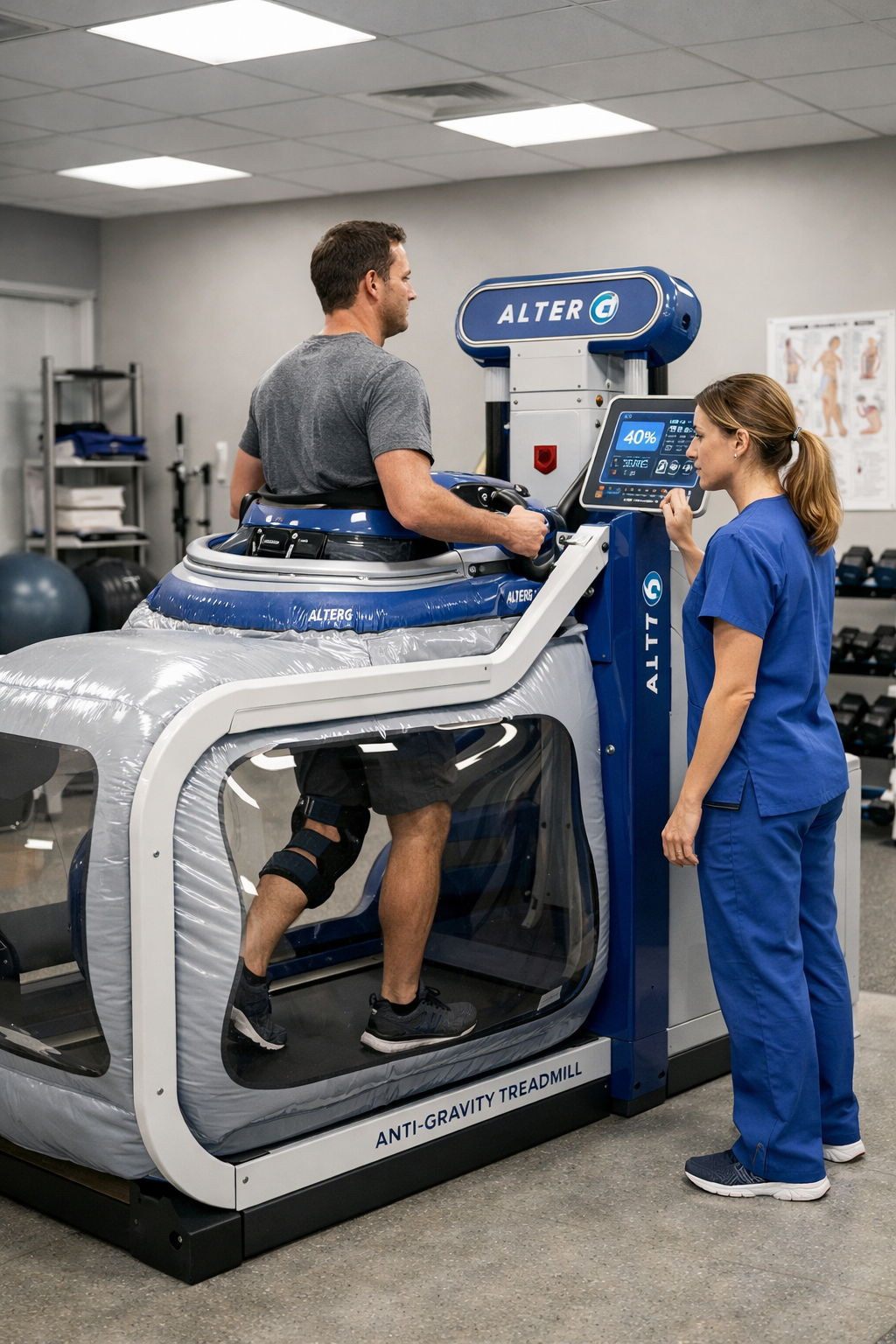
Phase 3: Strength and Neuromuscular Control (Weeks 6-12)
This phase introduces more demanding exercises that challenge the knee through greater range of motion and increased resistance. Single-leg strengthening, lateral movements, and dynamic balance drills build the neuromuscular control required for complex activities. Hamstring strength receives particular attention, as the hamstrings serve as a critical co-stabilizer of the knee joint alongside the reconstructed ligament.
Phase 4: Running, Agility, and Sport-Specific Training (Weeks 12-20)
This is where recovery begins to feel real. A progressive running program starts on flat surfaces and gradually incorporates direction changes, acceleration, and deceleration. Agility drills, cone work, and sport-specific movement patterns prepare the knee for competition demands. For the Braves hockey player, this means skating-specific lateral movements. For the MSK flag football coach, it means cutting and planting drills that replicate game conditions.
Phase 5: Return to Sport and Performance (Weeks 20-36+)
The final phase focuses on return to sport readiness through plyometric training, high-intensity agility work, and sport-specific conditioning. Return-to-sport testing — including hop tests, strength ratio assessments, and movement quality screens — ensures the knee is objectively ready for full competition. We do not clear athletes based on time alone. Objective criteria, combined with your confidence in the knee, determine when you are truly ready.
—
THE NON-SURGICAL PATHWAY
Not every ACL injury requires ACL surgery. For patients with partial tears, lower activity demands, or specific medical considerations, a structured non-surgical rehabilitation program can restore knee stability and function. Non-surgical ACL treatment relies on aggressive strengthening of the muscles surrounding the knee — particularly the quadriceps and hamstrings — combined with proprioception training and activity modification.
At Trinity Rehab, your physical therapist evaluates your injury, activity goals, and lifestyle to determine whether a non-surgical approach is appropriate for you. Many Manalapan residents — from Manalapan-Englishtown Regional School District employees who need to be on their feet all day to weekend golfers at Battleground Country Club — recover fully without surgery when the rehabilitation program is executed with precision.
—
ADVANCED TECHNIQUES AT TRINITY REHAB
Beyond traditional strengthening exercises and balance exercises, our Manalapan clinic offers advanced treatment modalities that accelerate healing and improve outcomes.
Blood Flow Restriction (BFR) Training. Blood flow restriction training uses specialized cuffs to partially restrict venous blood flow during low-load exercises, creating a metabolic environment that stimulates muscle growth at intensities safe for healing tissues. BFR is particularly valuable in early ACL rehabilitation when heavy loading is contraindicated but muscle strength preservation is critical.
Neuromuscular Electrical Stimulation (NMES). Neuromuscular electrical stimulation delivers controlled electrical impulses to the quadriceps, activating muscle fibers that the brain struggles to recruit after surgery or injury. NMES combats the rapid muscle atrophy that follows an ACL tear and helps patients regain voluntary muscle control faster.
Dry Needling. Trigger points and myofascial restrictions in the quadriceps, hamstrings, IT band, and calf frequently develop during ACL recovery. Dry needling targets these restrictions, reducing pain and restoring normal muscle function so that strengthening exercises are more effective.
EPAT / Shockwave Therapy. Extracorporeal Pulse Activation Technology (EPAT), also known as shockwave therapy, delivers acoustic pressure waves to injured tissue to promote blood flow, accelerate cellular repair, and reduce pain — particularly in tendons and soft tissues surrounding the knee after ACL reconstruction.
—
INJURY PREVENTION: PROTECTING THE ACL BEFORE IT TEARS
The best ACL injury is the one that never happens. Injury prevention programs are especially important in Manalapan, where young athletes compete in high-risk sports year-round and active adults maintain demanding recreational schedules.
Evidence-based ACL prevention programs include:
- Neuromuscular warm-up protocols that teach proper landing, cutting, and deceleration mechanics
- Hamstring and glute strengthening to improve the muscle balance around the knee
- Plyometric training progressions that build explosive power while reinforcing safe movement patterns
- Proprioception and balance drills that improve the knee’s reflexive stability during unexpected movements
- Sport-specific conditioning tailored to the demands of ice hockey, soccer, lacrosse, basketball, and other Braves sports
Trinity Rehab offers injury prevention screening and programming for Manalapan athletes, weekend warriors, and workers in physically demanding roles.
—
WHY CHOOSE TRINITY REHAB MANALAPAN
Manalapan families have options for hip and knee pain relief and ACL rehabilitation. Here is why our neighbors choose Trinity Rehab.
Location and accessibility. Our clinic at 335 US-9 (Route 9 South), Summerton Plaza, Manalapan, NJ 07726 is centrally positioned for residents throughout Manalapan, Englishtown, Marlboro, and surrounding communities. Easy Route 9 access means less time commuting and more time recovering.
One-on-one care. Every session is spent with a licensed physical therapist — not handed off to an aide or technician. Your therapist knows your injury, your goals, and your progress.
Community understanding. We treat the athletes, workers, and families of this town. We understand the physical demands of Braves sports seasons, the recreational culture around Manalapan Recreation Center and Thompson Grove Park, and the occupational requirements of local employers like SomerTile and CentraState Medical Center. That local knowledge shapes every treatment plan.
Advanced technology. Blood flow restriction training, neuromuscular electrical stimulation, dry needling, EPAT, manual therapy — our Manalapan clinic provides the full spectrum of evidence-based tools for ACL recovery.
Proven results. We measure outcomes — range of motion milestones, strength ratios, functional test scores — and hold ourselves accountable to objective benchmarks at every phase.
—
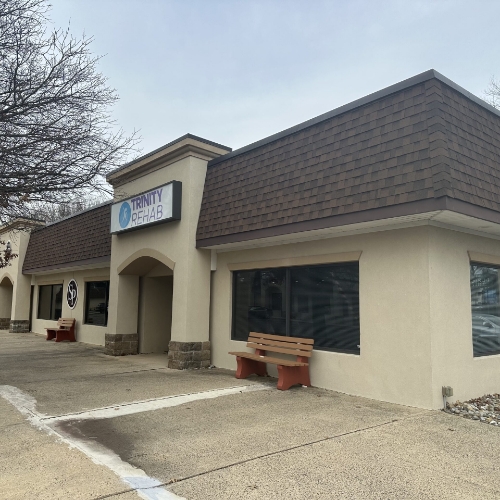
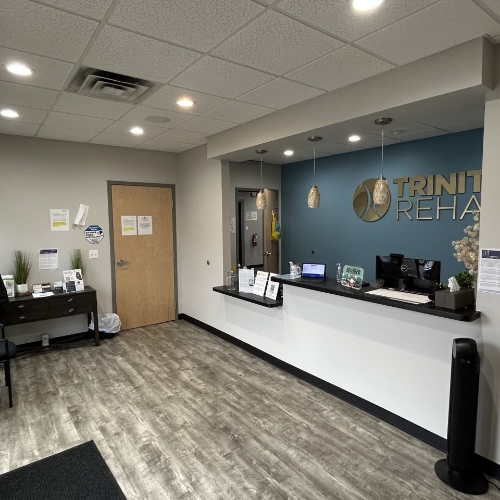
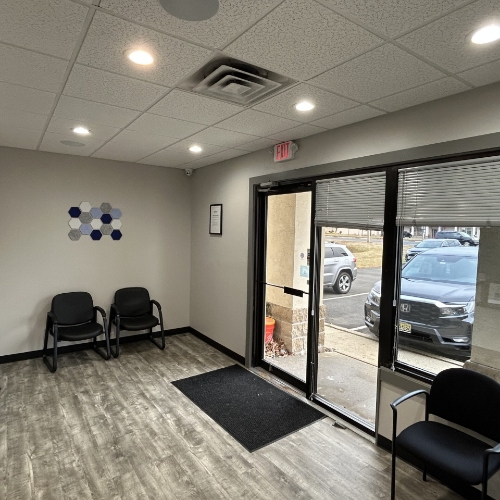
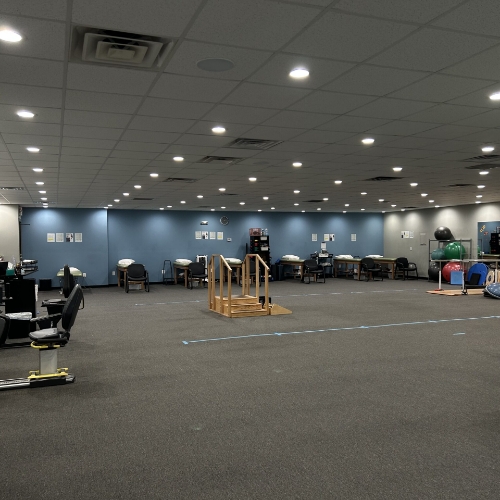
Inside Our Manalapan Clinic
RELATED CONDITIONS & TREATMENTS
ACL injuries are just one of the many conditions we treat at Trinity Rehab Manalapan. Explore our full range of conditions we treat or learn more about specific treatment approaches:
Manalapan ACL Rehab For Strength, Stability, And Return To Activity
ACL rehab in Manalapan should connect the healing stage to real movement goals: walking normally, using stairs, rebuilding quad strength, returning to running, and feeling ready for sport or exercise again.
Your therapist may assess swelling, range of motion, quad activation, hip strength, balance, gait, and return-to-sport readiness. The plan should match your surgical or non-surgical timeline and avoid skipping phases.
Related options include knee pain physical therapy, meniscus tear rehab, and the Manalapan physical therapy clinic page.
FREQUENTLY ASKED QUESTIONS
Manalapan ACL Rehab For Strength, Stability, And Return To Activity
ACL rehab in Manalapan should connect the healing stage to real movement goals: walking normally, using stairs, rebuilding quad strength, returning to running, and feeling ready for sport or exercise again.
Your therapist may assess swelling, range of motion, quad activation, hip strength, balance, gait, and return-to-sport readiness. The plan should match your surgical or non-surgical timeline and avoid skipping phases.
Related options include knee pain physical therapy, meniscus tear rehab, and the Manalapan physical therapy clinic page.
How long does ACL rehabilitation take at Trinity Rehab in Manalapan?
Can I avoid ACL surgery and recover with physical therapy alone?
When can my teenager return to sports after an ACL tear?
What should I do immediately after an ACL injury?
Does Trinity Rehab Manalapan treat work-related ACL injuries?
Every day you wait is a day your quadriceps weaken, your knee stiffens, and your recovery timeline extends. The same fighting spirit that has defined Manalapan since the Battle of Monmouth carries patients through ACL rehabilitation — but you need the right team in your corner.
At Trinity Rehab, 335 US-9 (Route 9 South), Summerton Plaza, Manalapan, NJ 07726, our physical therapists are ready to build your personalized ACL recovery plan. Whether you face ACL reconstruction, non-surgical treatment, or need prehabilitation before surgery, we guide every phase.
Schedule your appointment today and take the first step back to the activities, sports, and life you love.