

ACL TREATMENT PHYSICAL THERAPY IN PISCATAWAY, NJ
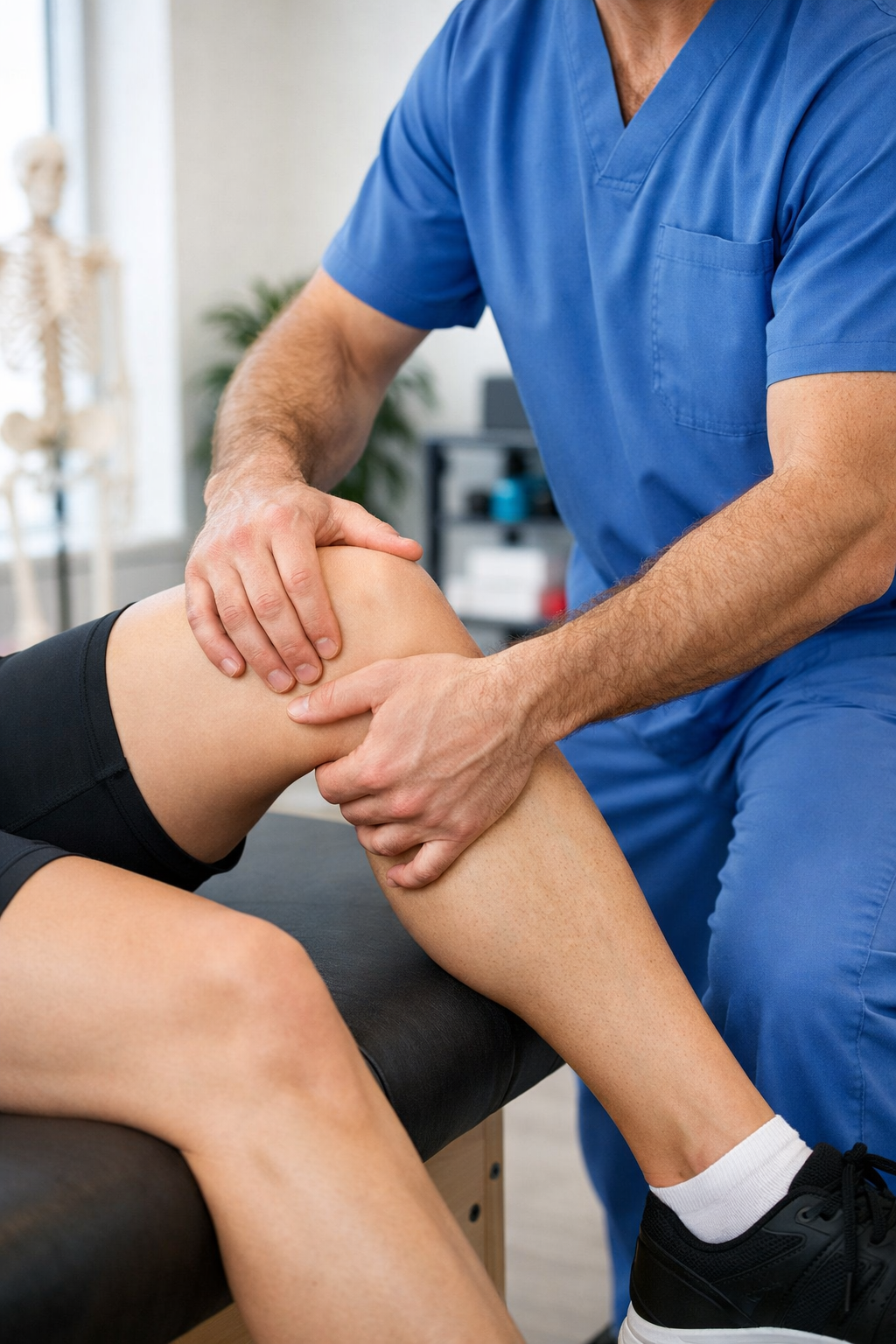
WHERE NFL DREAMS START — AND WHERE ACL RECOVERY DOES TOO
Piscataway Township High School has earned the nickname “NFL High School” for a reason. Decade after decade, the Chiefs have sent athletes to the highest levels of football, building a legacy of state titles in football, basketball, wrestling, and track and field that few New Jersey programs can match. In a township where elite athleticism is part of the culture, the stakes of a torn ACL hit differently.
But Piscataway is far more than its football legacy. This is a community of 61,000 where Evonik’s North America headquarters sits minutes from bustling logistics warehouses along the I-287 corridor, where GenScript and Legend Biotech researchers push boundaries by day and coach Piscataway Soccer Club teams by evening, and where a morning jog along the Raritan River Greenway through Johnson Park is a weekend ritual. One of the most diverse townships in the state, Piscataway is a place where ACL injuries don’t discriminate — they happen to Chiefs athletes chasing playoff glory, biotech lab workers navigating wet facility floors, soccer players cutting on rain-soaked fields, and trail runners stepping wrong along the river.
No matter how your anterior cruciate ligament injury happened, recovery follows the same principle: structured, progressive, expert-guided physical therapy is the path back to full function. Here at Trinity Rehab Piscataway, that is exactly what we deliver.
UNDERSTANDING ACL INJURIES
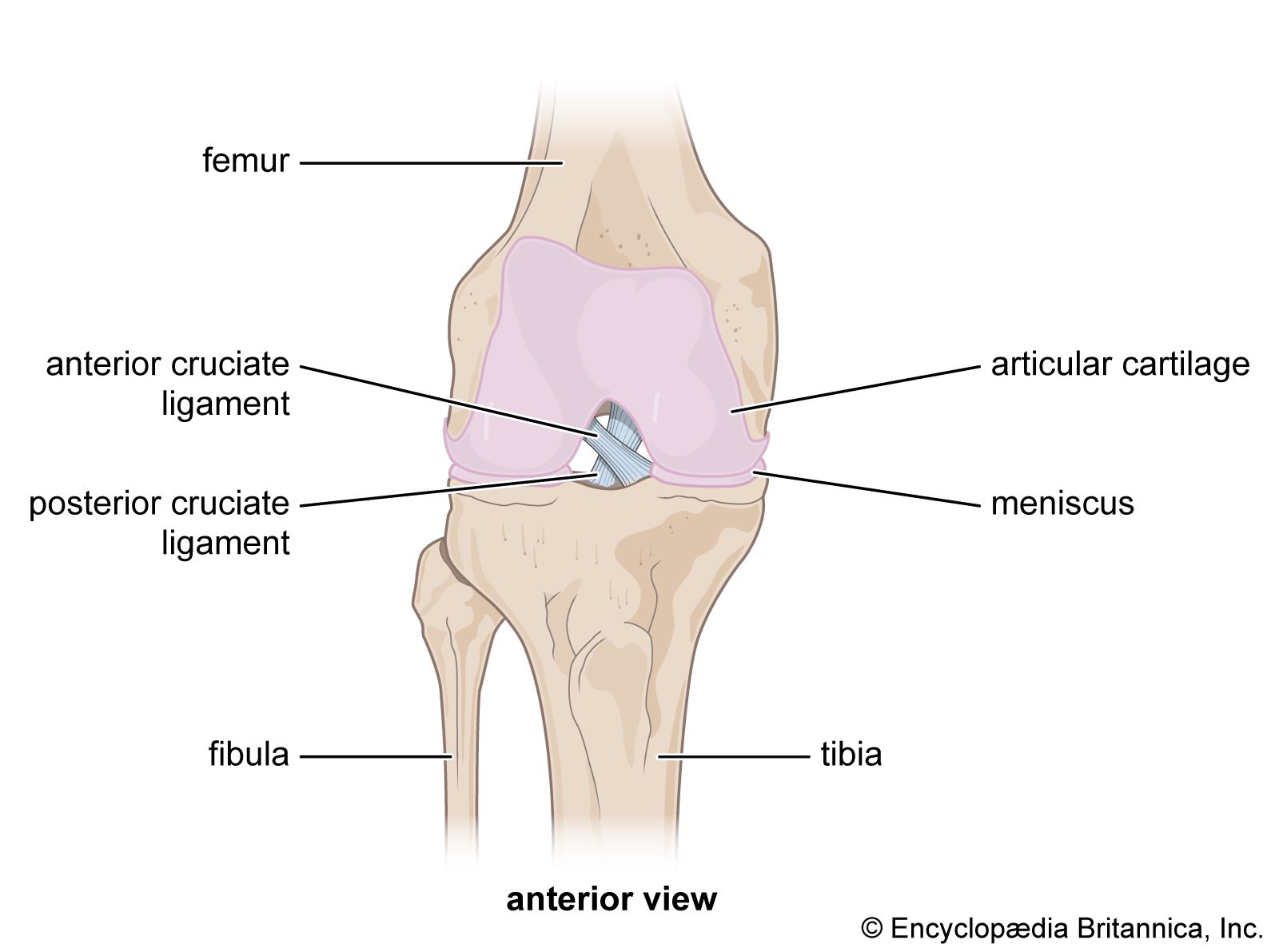
The anterior cruciate ligament is one of four primary ligaments stabilizing the knee joint. Running diagonally through the center of the knee, it prevents the tibia from sliding forward and controls rotational forces during movement. When this ligament tears — partially or completely — the result is an ACL tear that compromises knee stability and can sideline you from work, sports, and daily life.
An ACL injury typically occurs during sudden deceleration, pivoting, or landing from a jump — almost always non-contact. The knee buckles, there is often an audible pop, and swelling develops rapidly. Severity ranges from Grade I sprains to complete Grade III ruptures, and treatment depends on grade, activity level, and goals — but in every scenario, rehabilitation through physical therapy is the cornerstone of recovery.
WHY ACL RECOVERY MATTERS
A poorly managed ACL injury does not simply “get better with time.” Chronic knee instability leads to compensatory patterns that stress the hip, ankle, and opposite knee. Muscle atrophy — particularly in the quadriceps and hamstrings — accelerates, and the risk of meniscal tears and early-onset arthritis climbs significantly. Whether your goal is returning to competitive sports, getting back to work, or walking through Quibbletown Park without your knee giving way, the quality of your rehabilitation determines your outcome.
COMMON CAUSES OF ACL INJURIES IN PISCATAWAY
Piscataway’s unique blend of athletics, industry, and outdoor recreation creates distinct ACL injury patterns across the community.
High School and Competitive Athletics The Chiefs’ tradition of excellence means hundreds of young athletes train at high intensity year-round. Football players are especially vulnerable during cutting, pivoting, and tackling — the same explosive movements that have propelled Piscataway alumni to NFL careers. A Chiefs senior tearing his ACL during a state playoff game is not just losing a season; he may be jeopardizing the college scholarship that his predecessors earned through the same program.
Workplace Incidents Piscataway’s corporate and industrial corridor — Evonik, GenScript Biotech, American Standard Brands, Hapag-Lloyd, Ingersoll Rand/Trane, and logistics warehouses — employs thousands across sterile biotech labs and active warehouse floors. An Evonik engineer slipping on a wet lab floor or a warehouse worker stepping off a loading dock can sustain an ACL injury classified as a work injury requiring immediate rehab.
Recreational and Community Sports The Piscataway Soccer Club, Stelton Sports leagues (pickleball, baseball, cricket), Middlesex County adult softball, and YMCA programs at the Piscataway Community Center keep thousands active. Soccer and pickleball are common sources of ACL tears due to rapid lateral movements and sudden direction changes. A Piscataway Soccer Club midfielder planting to cross the ball during a competitive match can tear her ACL in an instant.
Trail and Outdoor Activity Johnson Park’s trails along the Raritan River, the Rutgers Ecological Preserve, Irishtown Park, and the Raritan River Greenway draw joggers, hikers, and cyclists daily. A weekend jogger who catches a foot on an exposed root or missteps on a rain-slickened stretch of the Greenway can experience the same sudden ACL rupture as any athlete on a playing field.
SIGNS AND SYMPTOMS OF AN ACL INJURY
Recognizing the signs early leads to faster diagnosis and better outcomes:
- An audible pop or snapping sensation at the moment of injury
- Immediate swelling that develops within the first two to four hours
- Severe pain, particularly when attempting to bear weight
- A feeling of instability — the knee “gives out” or feels loose during standing or walking
- Restricted range of motion, especially difficulty fully extending or flexing the knee
- Tenderness along the joint line when the knee is pressed or palpated
If you experience these symptoms after a sports injury or any incident involving a twist, pivot, or awkward landing, seek evaluation promptly. Delaying treatment allows swelling and muscle inhibition to worsen, making rehabilitation harder and longer.
HOW PHYSICAL THERAPY HELPS: THE PHASE-BASED ACL RECOVERY PROTOCOL
At Trinity Rehab Piscataway, your physical therapist designs a progressive, individualized program that respects the biology of healing while pushing you toward full recovery. Whether you are preparing for anterior cruciate ligament reconstruction or pursuing a non-surgical pathway, the structure follows evidence-based phases.
Prehabilitation (Pre-Surgery Phase)
For patients scheduled for ACL surgery, prehabilitation is the critical head start. Research consistently shows that patients who enter surgery with better range of motion, stronger quadriceps, and reduced swelling recover faster after anterior cruciate ligament reconstruction.
Your prehab program focuses on restoring full knee motion, rebuilding baseline muscle strength in the quadriceps and hamstrings, and reducing inflammation. We use manual therapy techniques to manage swelling and restore joint mobility, combined with targeted strengthening exercises. The Chiefs don’t show up to a state championship without months of preparation — your knee shouldn’t show up to surgery without it either.
Phase 1: Protection and Early Mobility (Weeks 1-2 Post-Op)
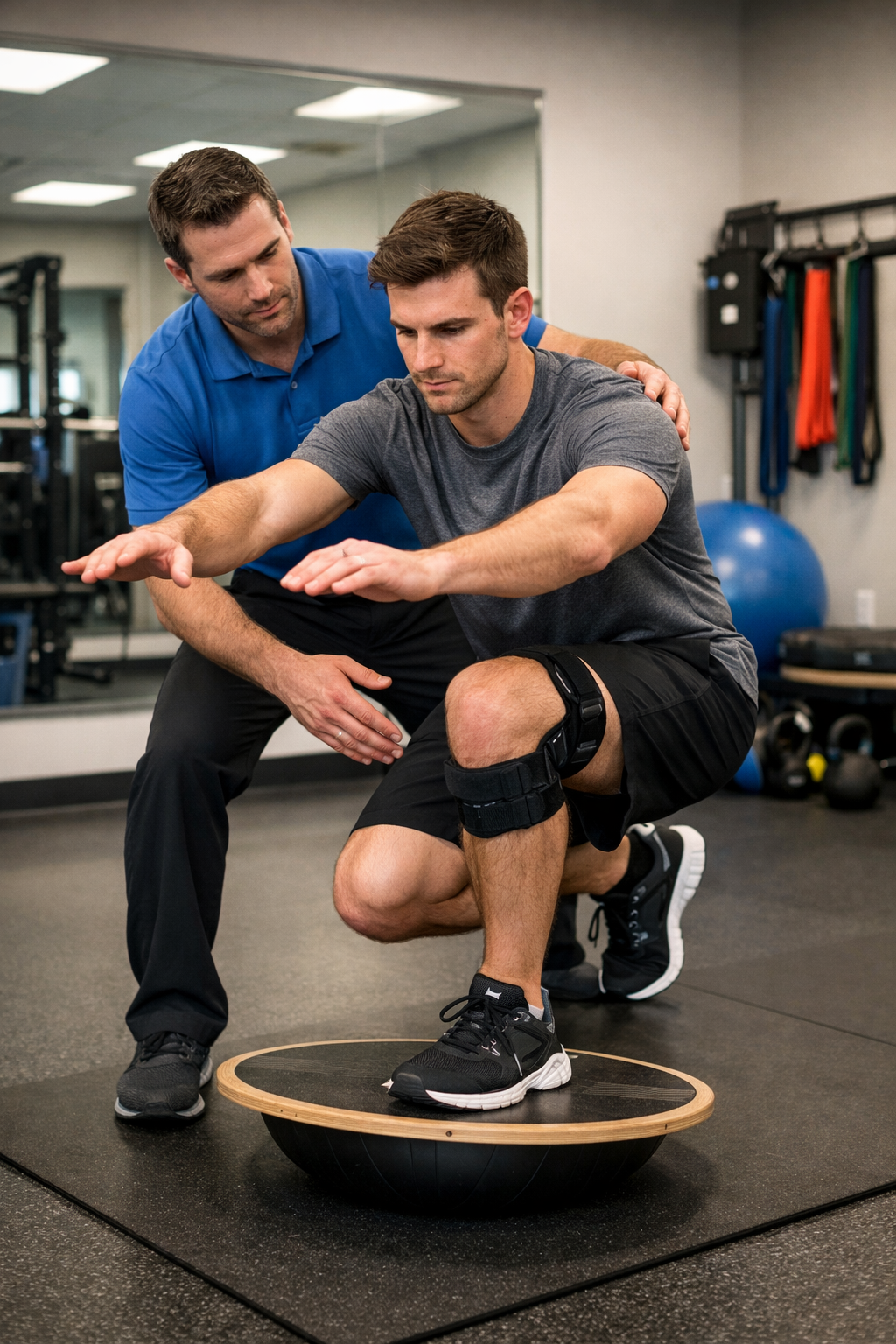
The immediate post-surgical period focuses on protecting the graft, controlling swelling, and restoring fundamental knee motion. Goals include achieving full knee extension and gradually increasing flexion. Your physical therapist guides gentle range of motion exercises, quad activation drills, and gait training.
Phase 2: Progressive Strengthening (Weeks 3-8)
As the graft integrates, the focus shifts to rebuilding muscle strength around the knee joint. Hamstring curls, quad sets, leg presses, and closed-chain exercises form the foundation. We progressively load the knee to restore hamstring strength and quadriceps power while improving range of motion and reducing swelling through manual therapy.
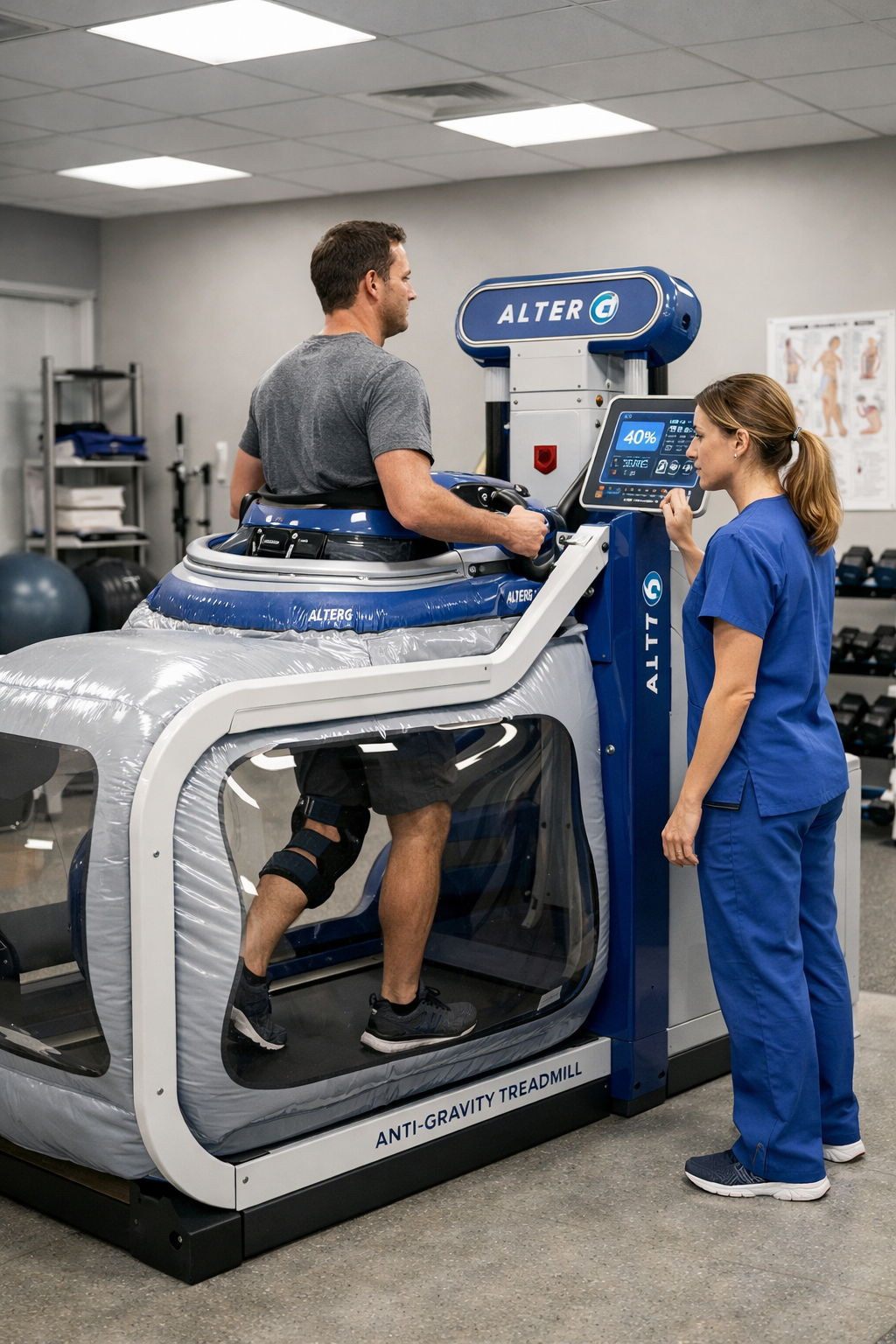
Phase 3: Neuromuscular Control and Functional Training (Weeks 9-16)
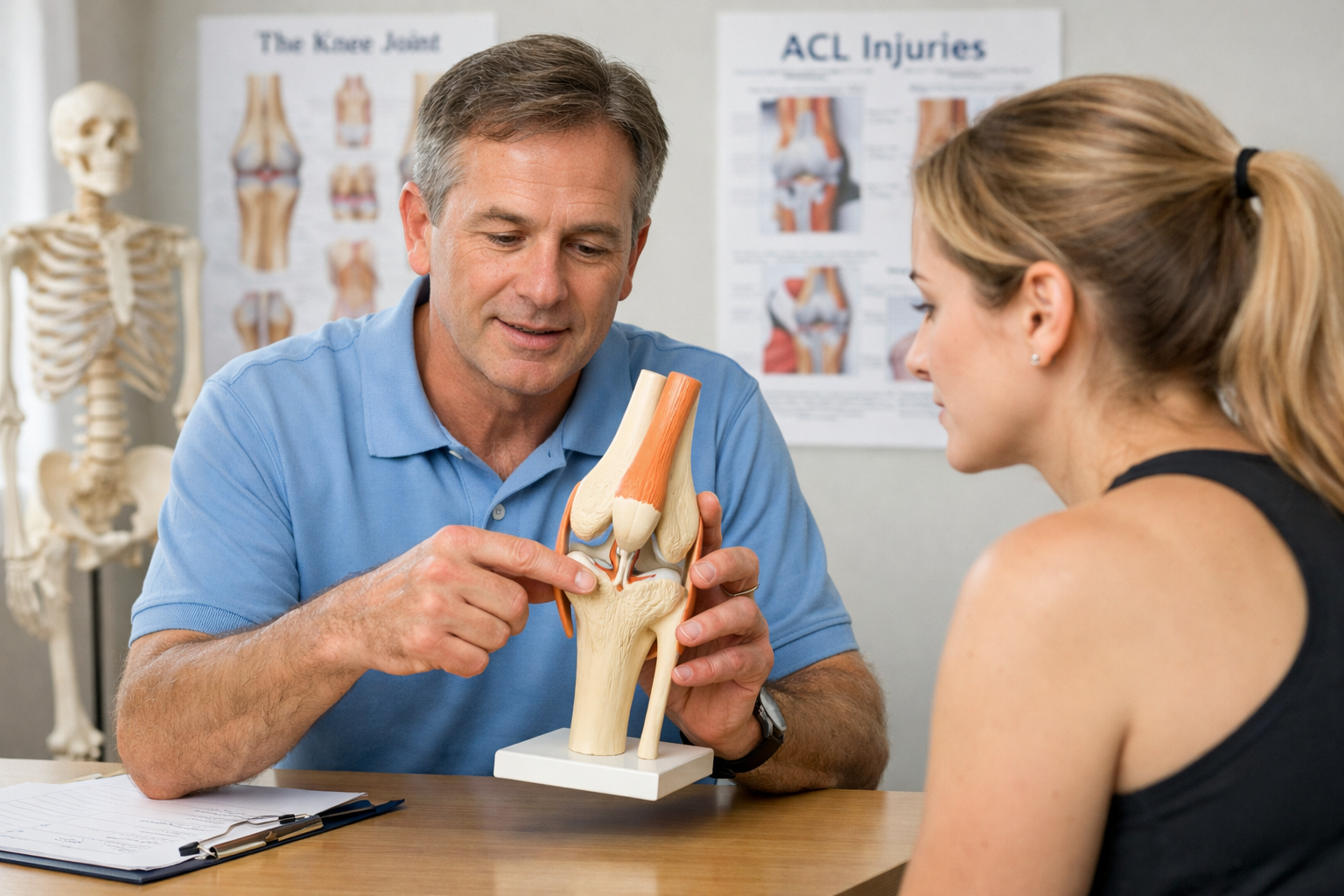
This phase targets proprioception — your knee’s ability to sense its position in space — and neuromuscular control. Balance exercises on unstable surfaces, single-leg stability drills, and controlled agility movements retrain the neural pathways disrupted by injury. For the biotech worker navigating a lab, this is where confidence returns. For the soccer player, this is where the body trusts the knee again.
Phase 4: Sport-Specific and Activity-Specific Training (Weeks 17-24)
For athletes pursuing return to sport, Phase 4 introduces sport-specific drills: cutting, pivoting, jumping, and landing mechanics. A Chiefs football player works on change-of-direction speed. A Piscataway Soccer Club player practices ball-handling drills under defensive pressure. Plyometric training — box jumps, depth jumps, lateral bounds — builds explosive power the ACL must withstand.
For non-athletes, this phase replicates the physical demands of your occupation — lifting, carrying, climbing stairs, navigating terrain like the trails at Johnson Park.
Phase 5: Return to Sport / Return to Full Activity (Months 6-12)
Clearance for unrestricted activity is earned, not assumed. We use objective testing — single-leg hop tests, strength symmetry measurements, functional movement screens — to verify that your knee function meets evidence-based benchmarks. Return to sport decisions are data-driven, not calendar-driven.
THE NON-SURGICAL PATHWAY
Not every ACL tear requires surgery. For patients with partial tears or lower activity demands, a non-surgical approach built around intensive physical therapy can restore knee stability effectively. This pathway relies on aggressive strengthening — particularly the hamstrings, which serve as dynamic stabilizers that compensate for a deficient ACL — combined with proprioception training, bracing, and activity modification.
Your physical therapist evaluates your injury grade, lifestyle, and goals to recommend the best pathway. For the Raritan River Greenway jogger who wants to stay active without returning to cutting sports, a non-surgical approach may deliver excellent results. For the young Chiefs athlete with a complete tear and college aspirations, ACL reconstruction followed by comprehensive rehab is typically the stronger option.
ADVANCED TECHNIQUES AT TRINITY REHAB PISCATAWAY
We go beyond conventional physical therapy treatments by integrating advanced, evidence-based modalities into your ACL rehabilitation program.
Blood Flow Restriction (BFR) Training Blood flow restriction training allows you to build significant muscle strength using lighter loads — critical in early post-surgical weeks when the graft cannot tolerate heavy resistance. By partially restricting venous blood flow with a specialized tourniquet, BFR triggers muscle growth at 20-30% of your one-rep max instead of 70%+, meaning faster quadriceps and hamstring recovery without stressing the reconstructed ligament.
Neuromuscular Electrical Stimulation (NMES) After ACL surgery, the quadriceps often “shut down” due to arthrogenic muscle inhibition. Neuromuscular electrical stimulation delivers targeted electrical impulses that activate the quadriceps when your brain cannot, jumpstarting muscle recruitment and preventing the severe atrophy that delays recovery.
Dry Needling Trigger points and myofascial restrictions in the quadriceps, hamstrings, IT band, and calf muscles are common after ACL injury and surgery. Dry needling addresses these directly, reducing pain, improving tissue mobility, and restoring normal movement patterns that compensate for guarded movement.
EPAT / Shockwave Therapy EPAT, also known as shockwave therapy, accelerates tissue healing by stimulating blood flow and cellular repair. For ACL patients dealing with persistent patellar tendon pain, scar tissue restrictions, or slow-healing graft donor sites, EPAT offers a non-invasive complement to the broader rehab program.
ACL INJURY PREVENTION
In a community as active as Piscataway, injury prevention matters as much as treatment. Whether you coach a Stelton Sports youth team, train for Middlesex County adult softball, or log miles along the Raritan River Greenway, these strategies reduce ACL injury risk significantly:
- Neuromuscular training programs — FIFA 11+ and similar protocols reduce ACL injury rates by 50%+ in soccer players
- Hamstring and hip strengthening — strong posterior chain muscles protect the ACL during deceleration
- Plyometric training with proper landing mechanics — landing with soft knees and aligned hips reduces peak ACL loading forces
- Balance and proprioception drills — single-leg stability work trains the neuromuscular system to protect the knee
- Sport-specific movement screening — identifying faulty patterns before they cause injury
Trinity Rehab Piscataway offers injury prevention screenings for teams, schools, and individual athletes. Coaches at Piscataway Township High School and league organizers at Piscataway Soccer Club can contact us to discuss group prevention programming.
WHY CHOOSE TRINITY REHAB PISCATAWAY FOR ACL RECOVERY
Located at 1354 Centennial Ave, Unit A3-B, Piscataway, NJ, Trinity Rehab Piscataway is built for this community. Whether you are a Chiefs wrestler, an Evonik engineer, a GenScript lab technician, a Piscataway Soccer Club goalkeeper, or a retiree exploring East Jersey Old Town Village — you deserve a recovery plan designed for your specific life.
What sets us apart:
- One-on-one treatment sessions with a licensed physical therapist
- Advanced modalities including blood flow restriction, neuromuscular electrical stimulation, dry needling, manual therapy, and EPAT/shockwave therapy
- Evidence-based, phase-driven protocols tailored to your injury and goals
- Sports rehabilitation expertise shaped by serving one of New Jersey’s most athletic communities
- Work injury rehabilitation designed around return-to-work requirements
- Convenient Centennial Avenue location with easy access from Route 287
- Coordination with orthopedic surgeons for seamless post-operative care
We treat hip and knee pain across the full spectrum, and ACL treatment physical therapy is one of our core specialties.
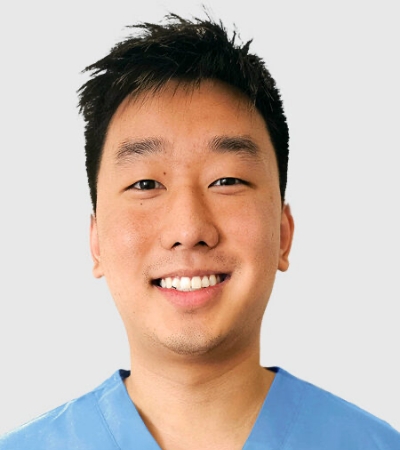
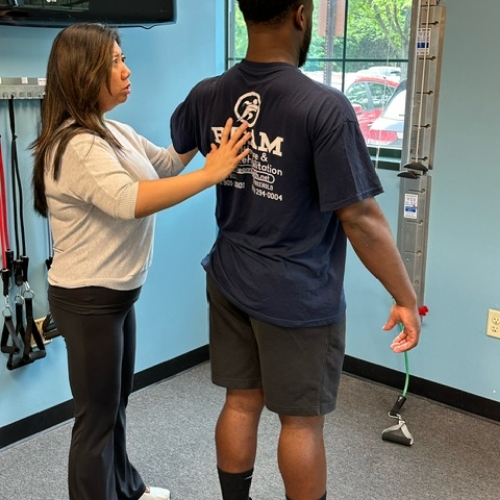
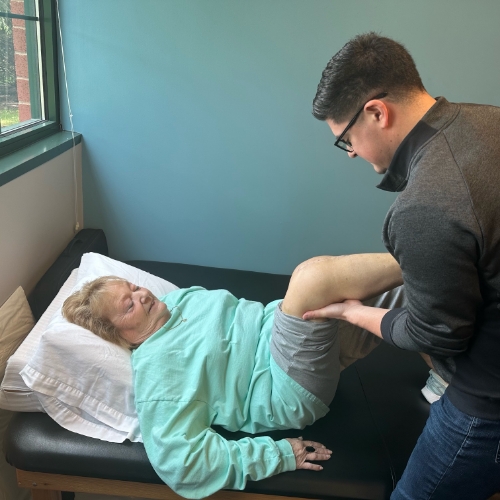
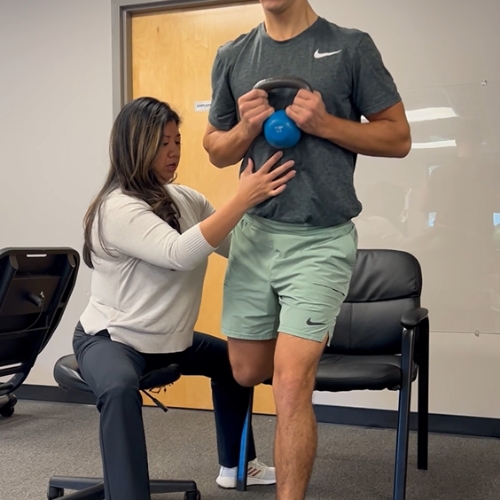
Inside Our Piscataway Clinic
RELATED CONDITIONS & TREATMENTS
ACL injuries are just one of the many conditions we treat at Trinity Rehab Piscataway. Explore our full range of conditions we treat or learn more about specific treatment approaches:
Piscataway ACL Rehab For Strength, Stability, And Return To Activity
ACL rehab in Piscataway should connect the healing stage to real movement goals: walking normally, using stairs, rebuilding quad strength, returning to running, and feeling ready for sport or exercise again.
Your therapist may assess swelling, range of motion, quad activation, hip strength, balance, gait, and return-to-sport readiness. The plan should match your surgical or non-surgical timeline and avoid skipping phases.
Related options include knee pain physical therapy, meniscus tear rehab, and the Piscataway physical therapy clinic page.
FREQUENTLY ASKED QUESTIONS
Piscataway ACL Rehab For Strength, Stability, And Return To Activity
ACL rehab in Piscataway should connect the healing stage to real movement goals: walking normally, using stairs, rebuilding quad strength, returning to running, and feeling ready for sport or exercise again.
Your therapist may assess swelling, range of motion, quad activation, hip strength, balance, gait, and return-to-sport readiness. The plan should match your surgical or non-surgical timeline and avoid skipping phases.
Related options include knee pain physical therapy, meniscus tear rehab, and the Piscataway physical therapy clinic page.
How long does ACL recovery take with physical therapy in Piscataway?
Can a Piscataway high school athlete return to sports after an ACL tear?
Does Trinity Rehab Piscataway treat ACL injuries without surgery?
What should I do immediately after an ACL injury before starting physical therapy?
I was injured at work at one of Piscataway's biotech or warehouse facilities. Does Trinity Rehab handle workers' compensation ACL cases?
Every day you wait is a day your quadriceps weaken and your recovery timeline extends. Whether you are a Chiefs athlete earning your spot back, a soccer player returning to competition, a biotech professional headed back to the lab, or a Greenway jogger who wants to run pain-free along the Raritan River — recovery starts with one appointment.
Schedule your ACL evaluation at Trinity Rehab Piscataway today.
Trinity Rehab — 1354 Centennial Ave, Unit A3-B, Piscataway, NJ. Serving the athletes, workers, and families of Piscataway Township and the greater Middlesex County community.
Explore our full range of physical therapy conditions and treatments to learn how we can help.