

ACL TREATMENT PHYSICAL THERAPY IN HOWELL, NJ
On any given Saturday morning, the five-mile perimeter trail at Manasquan Reservoir is packed with Howell residents logging miles before the rest of the day kicks in. Kayakers push off from the boat launch while families spread out across the shoreline. A few miles south, the turf at Howell High School is already occupied by Rebels lacrosse players running cutting drills and soccer athletes sharpening their footwork. This is a community where parents coach little league games at Deerwood Park, then head to GoodSportsUSA to play in their own adult volleyball league that same evening.
That active lifestyle is what makes Howell such a great place to live. It also means anterior cruciate ligament injuries happen here with real frequency, to athletes, working adults, and weekend warriors alike. If you or someone in your family is dealing with an ACL injury, understanding your treatment options is the first step back to the activities that define life in this community.
UNDERSTANDING ACL INJURIES
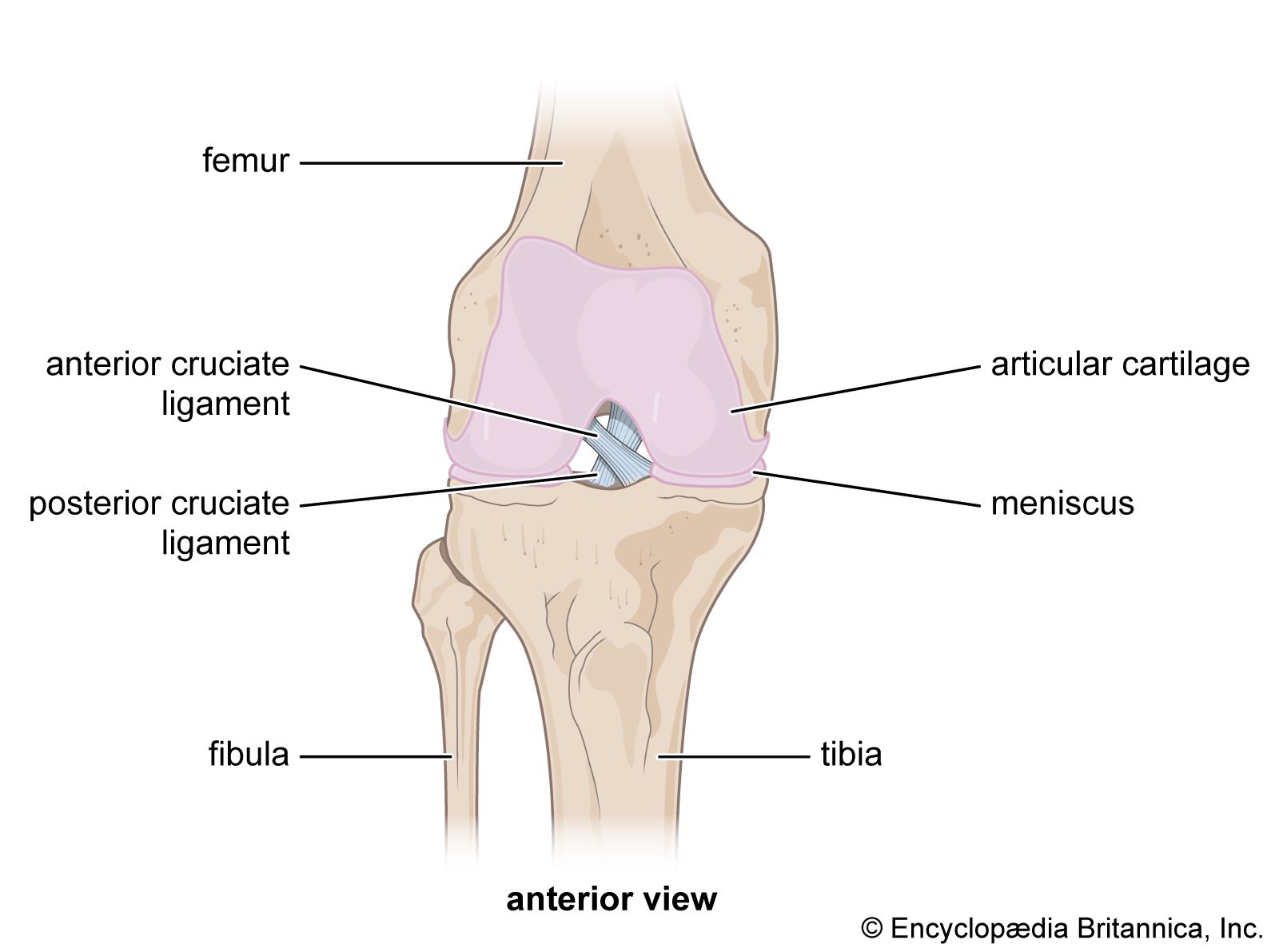
The anterior cruciate ligament is one of four major ligaments that stabilize the knee joint. It runs diagonally through the center of the knee, connecting the femur to the tibia, and its primary job is preventing the tibia from sliding forward and controlling rotational forces during movement. When the ACL is damaged, whether through a partial tear or a complete rupture, the knee loses a critical source of stability.
An ACL tear is classified by grade, from a Grade I stretch to a Grade III complete rupture, which is the most common presentation since the ligament tends to fail all at once. The mechanism is almost always non-contact: a sudden deceleration, a pivot, a bad landing. The knee buckles, there is often an audible pop, and swelling develops rapidly.
WHY RECOVERY MATTERS
An untreated or poorly rehabilitated anterior cruciate ligament injury does not simply “heal on its own.” Without proper intervention, the knee remains unstable. Compensatory movement patterns develop. The muscles surrounding the knee, particularly the quadriceps and hamstrings, weaken through disuse. Over time, the cartilage and meniscus bear loads they were never designed to handle alone, accelerating joint degeneration and increasing the risk of early-onset arthritis.
Comprehensive physical therapy is the foundation of ACL recovery, regardless of whether you pursue surgical or non-surgical treatment. The goal is not just to reduce pain but to restore full knee function, rebuild muscle strength, retrain proprioception, and return you to your life without limitation.
COMMON CAUSES OF ACL INJURIES IN HOWELL
Howell’s demographics and lifestyle create a specific profile of ACL injury risk that our physical therapists see regularly.
Youth and high school sports are the leading source. Howell High School fields competitive programs in football, soccer, basketball, lacrosse, field hockey, wrestling, volleyball, and more. Sports that involve cutting, pivoting, and rapid deceleration carry the highest ACL risk. A Rebels lacrosse player planting hard during a dodge drill, a soccer midfielder changing direction to beat a defender, a basketball player landing awkwardly after a rebound: these are the scenarios that produce the telltale pop and immediate swelling of an ACL tear.
Workplace injuries along the Route 9 corridor are another common cause. Howell’s industrial warehouses and distribution centers employ thousands of workers who spend shifts on concrete floors, loading docks, and around heavy equipment. A slip on a wet loading dock or a knee twist while maneuvering freight can result in an anterior cruciate ligament injury. These work injuries require the same rigorous rehabilitation as any sports-related tear.
Recreational and adult athletics round out the picture. Howell Township Recreation runs youth and adult leagues in basketball, volleyball, and pickleball, while GoodSportsUSA hosts adult league play year-round. Parents who stay active alongside their kids are exactly the population most vulnerable to ACL injuries: motivated and competitive, but often without the consistent conditioning that protects against ligament failure.
Outdoor activity injuries happen more often than people expect. The trails at Manasquan Reservoir include uneven terrain, root systems, and elevation changes that challenge ankle and knee stability. A trail runner who catches a toe on an exposed root and twists the knee under load faces the same biomechanical forces that tear ACLs on the playing field.
RECOGNIZING THE SYMPTOMS
An ACL tear typically presents with a specific cluster of symptoms:
- A popping sensation or audible pop at the moment of injury
- Rapid swelling within the first few hours
- Significant pain, especially when attempting to bear weight
- A feeling of instability or the knee “giving way”
- Reduced range of motion, particularly difficulty fully extending the knee
- Tenderness along the joint line
Not every ACL injury is dramatic. Some people walk off the field or finish their shift before realizing the severity. If you experience these symptoms after a knee injury, prompt evaluation is critical. The sooner a physical therapist identifies the problem, the sooner treatment can begin.
HOW PHYSICAL THERAPY HELPS ACL RECOVERY
ACL treatment physical therapy at Trinity Rehab follows an evidence-based, progressive approach. Every patient receives an individualized plan, but the core framework draws on proven modalities and principles.
Manual Therapy
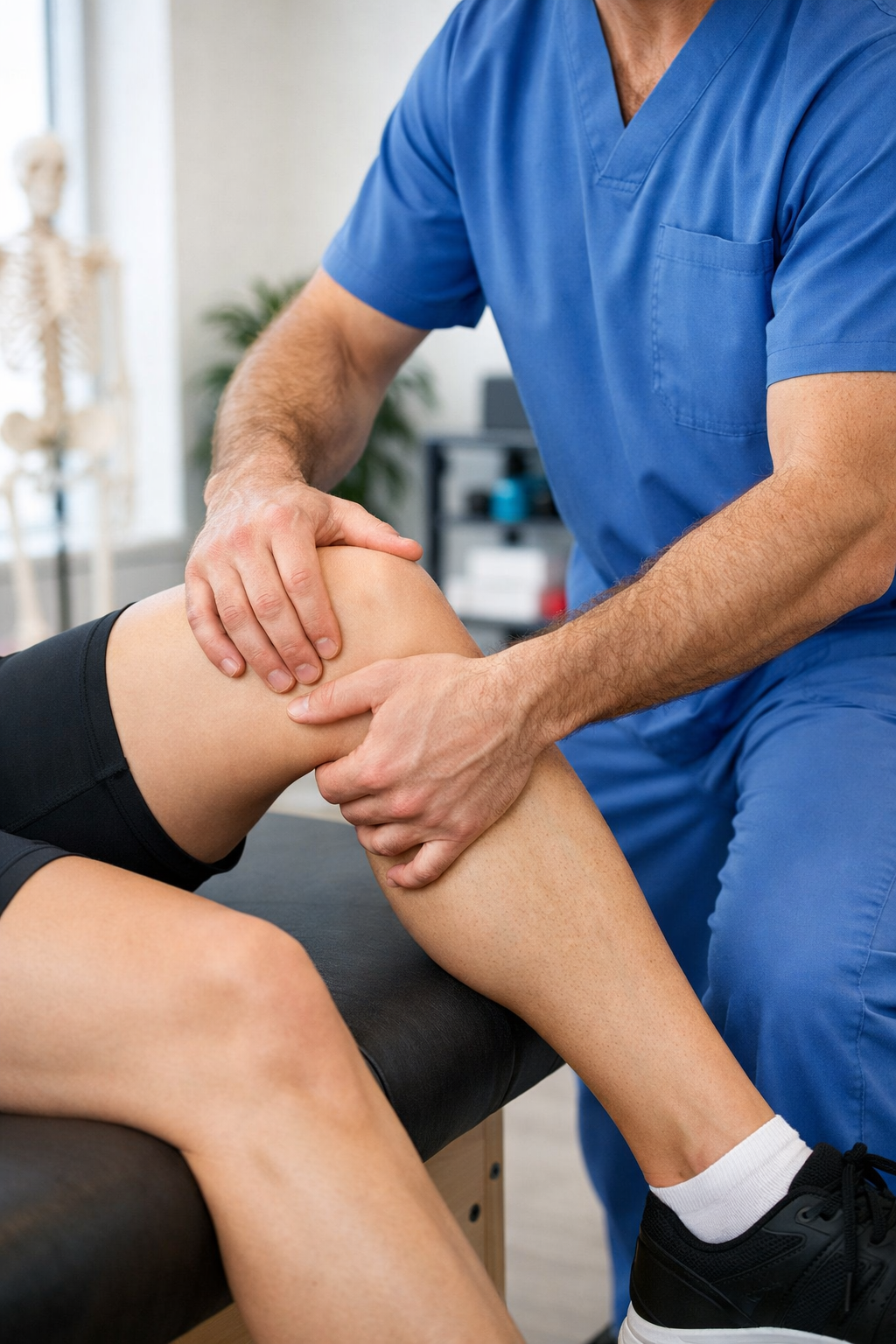
In the early stages of recovery, manual therapy is essential for restoring knee motion and managing pain. Your physical therapist uses hands-on techniques including joint mobilization, soft tissue mobilization, and patella mobilization to reduce stiffness, improve circulation, and restore the gliding mechanics of the knee joint. For someone like a warehouse worker recovering from a loading dock injury, manual therapy helps break through the guarded movement patterns that develop when people are afraid to bend their knee.
Progressive Strengthening
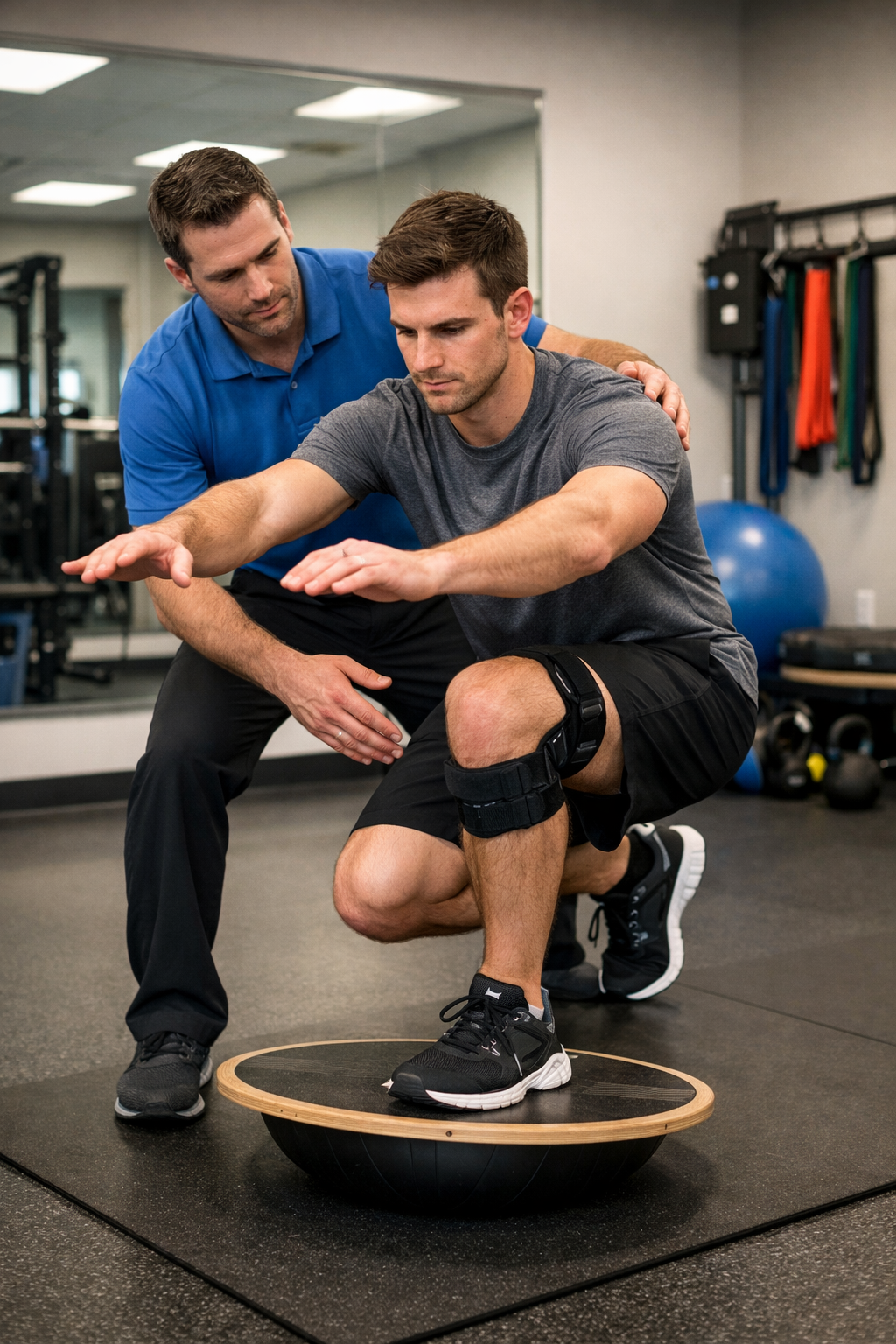
Rebuilding muscle strength is the backbone of ACL rehabilitation. The program begins with isometric quadriceps contractions and gentle hamstring curls, then advances through closed-chain exercises like squats and lunges, and eventually progresses to dynamic, functional movements. Hamstring strength is particularly critical because the hamstrings act as a dynamic stabilizer of the knee, directly assisting the role the ACL plays. Strengthening exercises are progressed based on objective benchmarks, not arbitrary timelines.
EPAT/Shockwave Therapy
EPAT (Extracorporeal Pulse Activation Technology), also known as shockwave therapy, uses acoustic pressure waves to stimulate cellular repair and improve blood flow to damaged tissue. For ACL patients, EPAT is effective at addressing patellar tendon irritation, bone bruising, and soft tissue adhesions that accompany the primary ligament injury. It accelerates healing at the tissue level and can reduce recovery timelines.
Dry Needling
Dry needling targets myofascial trigger points in the muscles surrounding the knee. After an ACL injury, the quadriceps, hamstrings, calf, and IT band frequently develop painful knots that restrict movement and inhibit muscle activation. By inserting thin filament needles into these trigger points, dry needling releases tension, improves local blood flow, and restores normal muscle firing patterns. For a trail runner from the Reservoir who has been compensating with a shortened stride for weeks, dry needling can be a turning point in recovery.
Blood Flow Restriction (BFR) Training
Blood flow restriction training uses specialized tourniquets to partially occlude venous blood flow during low-load exercise, creating a metabolic environment that stimulates muscle growth at loads far below what traditional strengthening requires. BFR is particularly valuable in early ACL rehab because it allows meaningful quadriceps and hamstring development when the knee cannot yet tolerate heavy resistance.
Neuromuscular Electrical Stimulation (NMES)
Neuromuscular electrical stimulation delivers controlled electrical impulses to the quadriceps to combat the muscle inhibition that occurs after ACL injury or anterior cruciate ligament reconstruction. The quadriceps commonly “shut down” after knee trauma, and voluntary activation alone is often insufficient to reverse this. NMES retrains the neural pathways between brain and muscle, restoring full quadriceps activation and protecting knee stability during functional activities.
Sport-Specific Rehabilitation
For athletes returning to competition, the final phase of rehab incorporates sport-specific movement patterns. A Rebels lacrosse player needs to sprint, cut, and absorb contact. A GoodSportsUSA basketball league player needs to jump, land, and change direction under fatigue. Sport-specific rehab includes plyometric training, agility work, and progressive return-to-play protocols that replicate the demands of the patient’s sport. Balance exercises and proprioception drills are woven throughout, retraining the knee’s ability to sense and respond to positional changes in real time.
NON-SURGICAL VS. SURGICAL PATHWAYS
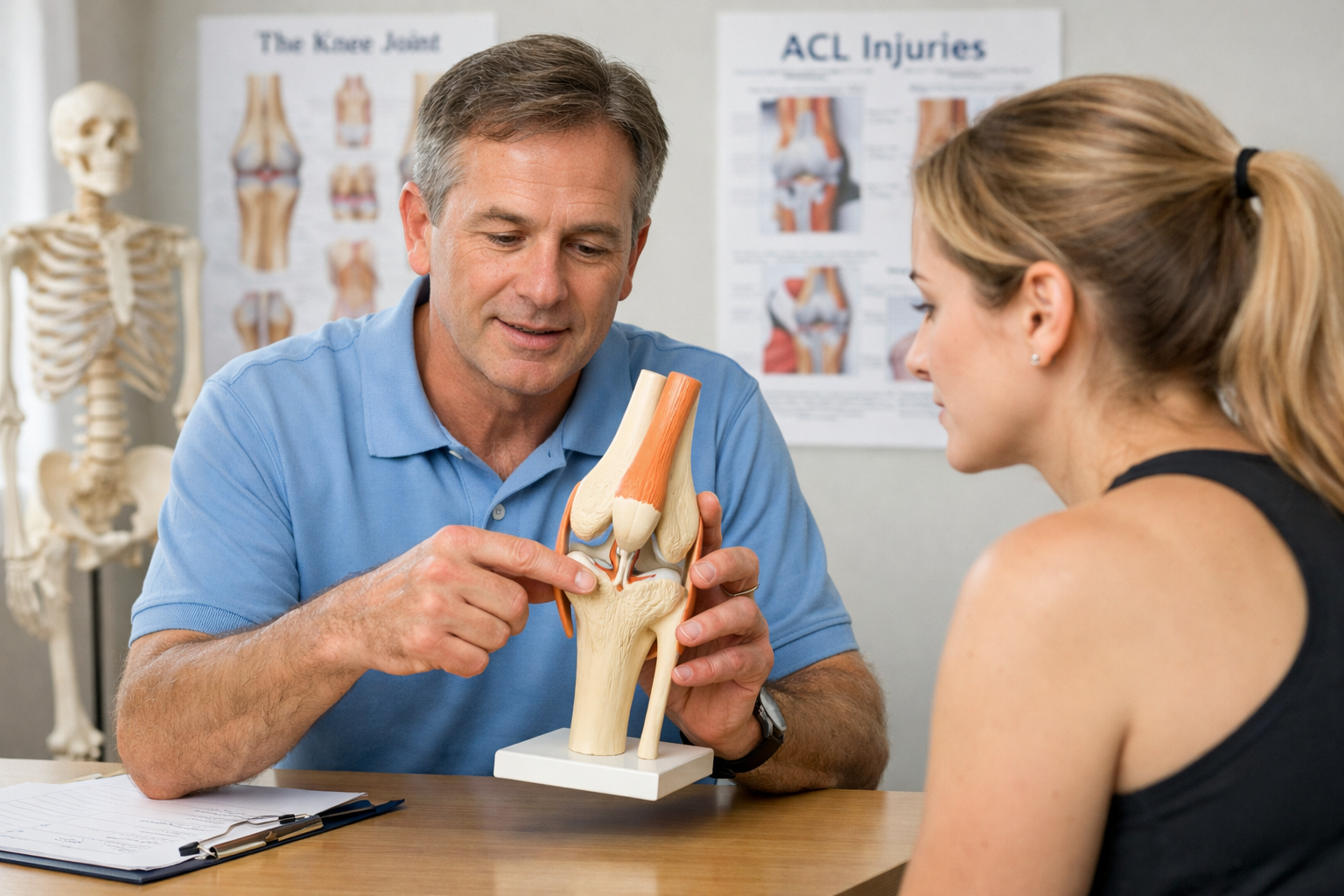
Not every ACL tear requires surgery. The decision depends on the severity of the tear, the patient’s age and activity level, the presence of associated injuries, and the patient’s goals.
Non-surgical management may be appropriate for patients with partial tears, lower activity demands, or those willing to modify high-risk activities. A structured rehabilitation program focused on strengthening, proprioception, and functional training can restore excellent knee function without ACL reconstruction. Prehabilitation principles apply here: building the muscular and neuromuscular foundation that compensates for the compromised ligament.
Surgical management through ACL reconstruction is typically recommended for active individuals who want to return to cutting and pivoting sports, for complete tears with associated meniscus damage, and for patients whose knees remain unstable despite rehab. ACL surgery involves replacing the torn ligament with a graft from the patellar tendon or hamstring tendons. Rehabilitation after anterior cruciate ligament reconstruction follows the same progressive framework but on a longer timeline, typically nine to twelve months before full return to sport clearance.
In both pathways, physical therapy is not optional. It is the treatment. Surgery repairs anatomy; rehabilitation restores function.
RETURN TO SPORT
Returning to sport after an ACL injury is a process, not a date on the calendar. We use objective, criteria-based return-to-sport testing that measures:
- Quadriceps and hamstring strength symmetry (limb symmetry index greater than 90%)
- Single-leg hop test performance compared to the uninvolved limb
- Dynamic balance and proprioception under sport-relevant conditions
- Psychological readiness, including confidence in the knee during high-demand tasks
- Movement quality during cutting, landing, and deceleration
A Rebels athlete does not return to the field because six months have passed. They return because their body demonstrates it is ready. This approach significantly reduces re-injury risk, which is critical given that ACL re-tear rates in young athletes can exceed 20% when return to sport is premature.
INJURY PREVENTION
Prevention programs have been shown to reduce ACL injury rates by 50% or more, particularly in female athletes. Effective injury prevention includes:
- Neuromuscular training that teaches proper landing mechanics and deceleration patterns
- Hamstring and hip strengthening to improve dynamic knee stability
- Plyometric training with emphasis on controlled landing
- Balance and proprioception work that challenges the knee in multiple planes
- Sport-specific movement education tailored to the demands of the athlete’s activity
For Howell families with kids in Rebels sports programs or Howell Township Recreation leagues, incorporating a prevention program before the season starts is one of the best investments in your child’s athletic career. Trinity Rehab offers prehabilitation and prevention screening to identify risk factors before they become injuries.
WHY CHOOSE TRINITY REHAB IN HOWELL
Trinity Rehab’s Howell clinic is located at 3600 US-9, Howell Township, NJ 07731, on the Route 9 corridor that serves as the township’s commercial spine. Whether you are coming from neighborhoods off Adelphia Road, the warehouse district, or anywhere along the GSP or I-195 corridors, access is straightforward.
What sets Trinity Rehab Howell apart for ACL treatment:
- One-on-one care with a licensed physical therapist at every visit, not aides or techs
- Advanced modalities including EPAT/shockwave therapy, dry needling, blood flow restriction training, and neuromuscular electrical stimulation, all under one roof
- Experience with the full spectrum of ACL patients, from Howell High School athletes to Route 9 warehouse workers to active parents managing hip and knee pain from years of staying in the game
- Objective, criteria-based return-to-sport testing that protects athletes from returning too early
- Flexible scheduling that accommodates school schedules, shift work, and commuter lifestyles
We understand life in Howell: the early morning runs at the Reservoir, the packed sidelines at Rebels games, the weekend tournaments at GoodSportsUSA, the physical demands of warehouse work. Our treatment plans are built around getting you back to your version of active life.
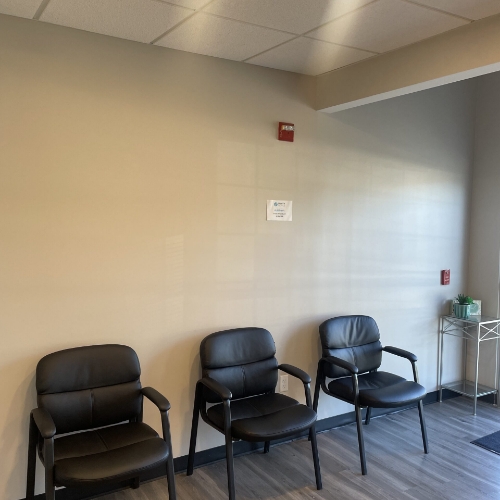
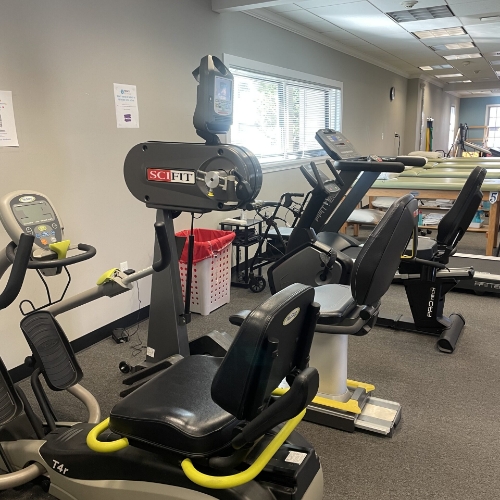
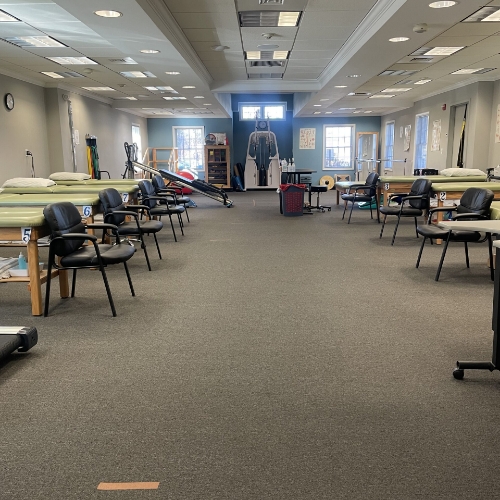
Inside Our Howell Clinic
RELATED CONDITIONS & TREATMENTS
ACL injuries are just one of the many conditions we treat at Trinity Rehab Howell. Explore our full range of conditions we treat or learn more about specific treatment approaches:
FREQUENTLY ASKED QUESTIONS
How long does ACL recovery take with physical therapy in Howell?
Can a Howell High School athlete avoid ACL surgery and still return to sports?
Does Trinity Rehab Howell treat work-related ACL injuries from Route 9 warehouses?
What should I do immediately after an ACL injury?
How do I know when it is safe to return to running or sports after ACL treatment?
If you are dealing with an ACL tear, recovering from ACL surgery, or want to get ahead of a knee problem with prevention screening, Trinity Rehab Howell is ready to help. Our team specializes in ACL treatment physical therapy built around your goals, whether that means getting back on the Rebels roster, returning to full duty at work, or keeping up with your kids at Deerwood Park without worrying about your knee.
Schedule your appointment at our Howell clinic at 3600 US-9, Howell Township, NJ 07731. Walk-in consultations are welcome, or call to set up your first evaluation. The sooner rehabilitation begins, the stronger your recovery will be.