

ACL TREATMENT PHYSICAL THERAPY IN UPPER DUBLIN, PA
In the autumn of 1777, Continental soldiers made their stand at the Battle of Fort Washington, enduring hardship and pressing forward against overwhelming odds on the very ground that is now Fort Washington State Park. That same spirit of perseverance lives in Upper Dublin today — in the Cardinals athletes who battle through Suburban One League championships, on the Wissahickon Valley Park trails that test every runner’s footing, and across a community whose motto, “Stronger Together,” captures how neighbors rally around one another. Recovering from an anterior cruciate ligament injury demands exactly that kind of resolve: a willingness to show up every day, trust the process, and fight for every degree of progress. At Trinity Rehab in Upper Dublin, we bring the clinical expertise and local commitment to make sure no one faces that fight alone.
UNDERSTANDING ACL INJURIES
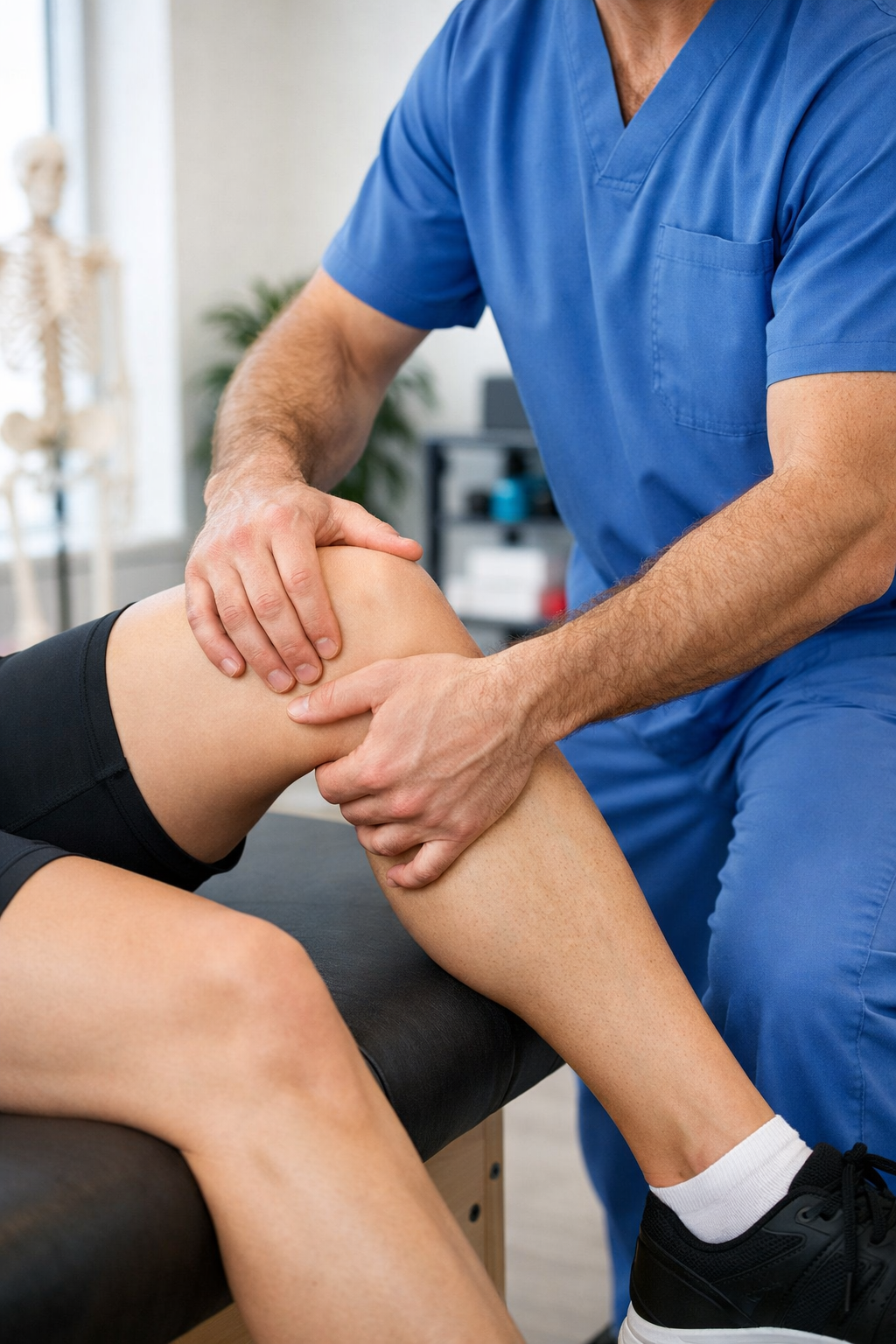
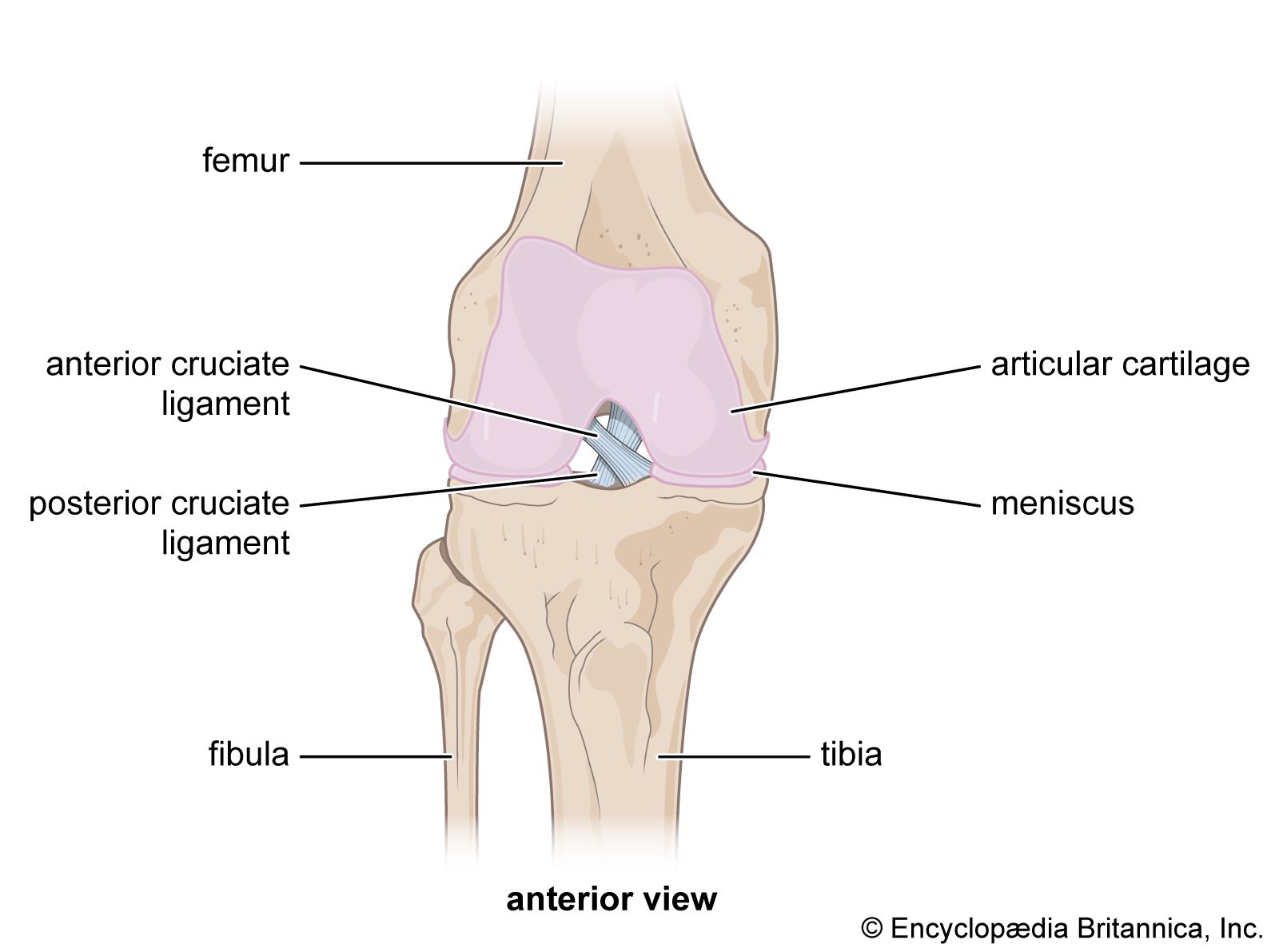
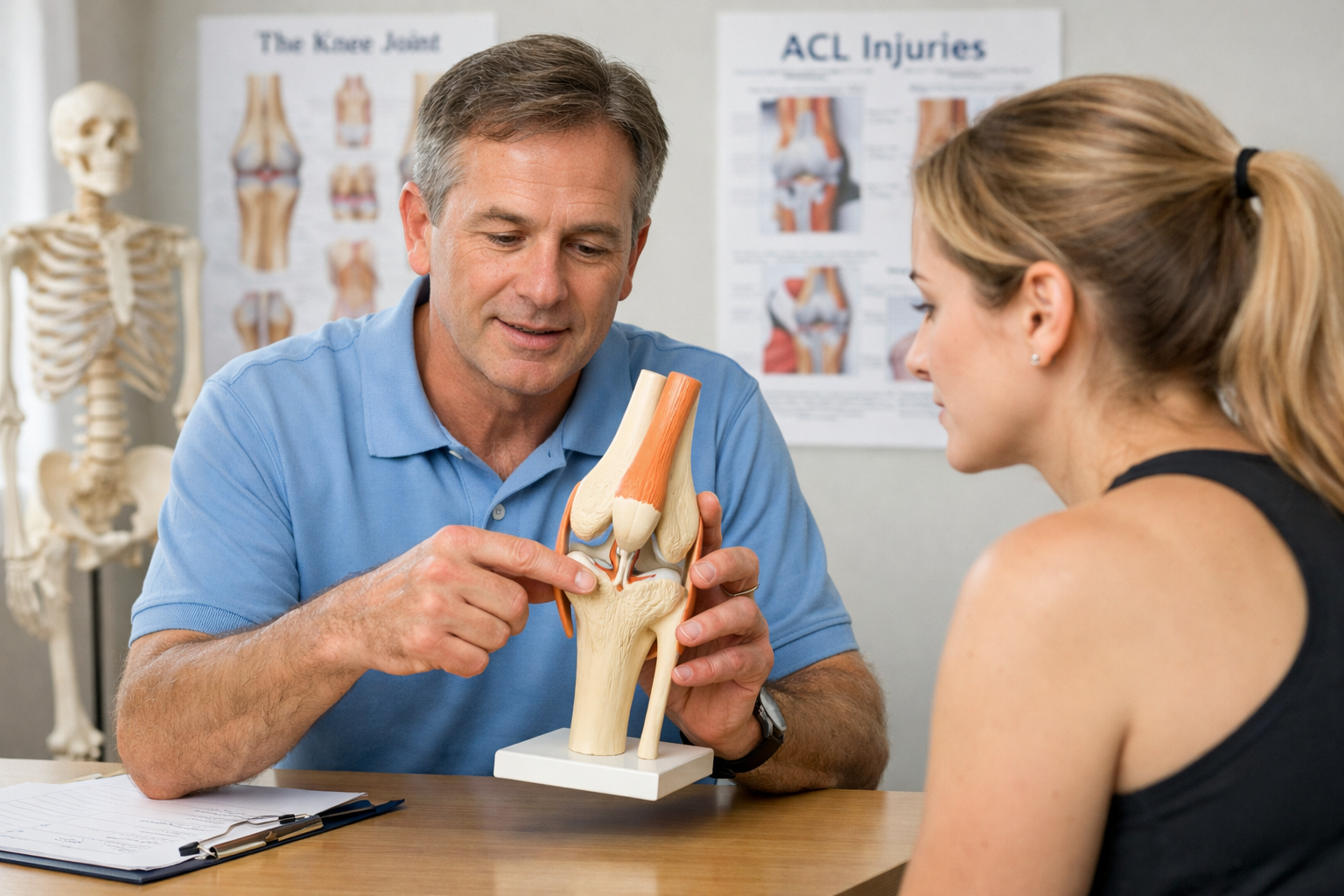
The anterior cruciate ligament is a dense band of tissue that runs diagonally through the center of the knee joint, connecting the femur to the tibia. Its primary role is to prevent the tibia from sliding forward and to provide rotational knee stability during cutting, pivoting, and sudden deceleration. When the ACL tears — whether partially or completely — the knee loses its primary restraint against these forces, compromising knee function and leaving the joint vulnerable to further damage to the meniscus and cartilage.
An acl tear can occur through contact or non-contact mechanisms. Non-contact injuries account for roughly 70 percent of all ACL injuries and typically happen when an athlete decelerates sharply, lands from a jump with the knee extended, or pivots on a planted foot. Contact injuries, meanwhile, result from direct blows to the outside of the knee — the kind of hit a Cardinals soccer player might absorb during a contested tackle near the sideline in a Suburban One League playoff match.
WHY ACL RECOVERY MATTERS
An untreated or poorly rehabilitated acl injury can set off a cascade of long-term consequences: chronic instability, recurring giving-way episodes, accelerated cartilage wear, and early-onset arthritis. For the UDJAA youth basketball player who lands wrong after a layup during a Saturday morning game at the Camphill & Highland Athletic Complex, the stakes extend decades into the future. Proper rehabilitation — whether following acl surgery or through a non-surgical pathway — restores knee motion, rebuilds muscle strength, and retrains the neuromuscular patterns that protect the joint for life.
Research consistently shows that structured physical therapy is the single most important factor in long-term outcomes after an anterior cruciate ligament injury, regardless of whether the patient undergoes anterior cruciate ligament reconstruction or opts for conservative management.
COMMON CAUSES OF ACL INJURIES IN UPPER DUBLIN
Upper Dublin’s culture of competitive athletics and outdoor recreation creates specific scenarios where ACL injuries tend to occur:
- Suburban One League competition. Upper Dublin High School’s soccer, basketball, football, and lacrosse programs regularly advance deep into the postseason — including state semifinal runs — and the intensity of league play increases injury risk. Quick directional changes on turf and hardwood put tremendous stress on the ACL.
- Adult recreational leagues. The Fort Washington Office Park professional who plays in the Heyday Athletic adult soccer league is a classic profile: competitive drive meets a body that no longer warms up as thoroughly as it did at twenty. Planting to shoot and feeling the pop in the knee is a scenario we see regularly at the clinic.
- Trail running and hiking. Wissahickon Valley Park’s Green Ribbon Trail winds along creek crossings and uneven terrain. A trail runner stepping on a wet rock and losing footing can hyperextend or twist the knee with enough force to rupture the ACL.
- Youth sports participation. With UDJAA basketball and volleyball leagues, Upper Dublin Soccer Club, and Parks & Rec programs keeping thousands of kids active, adolescent ACL injuries are a growing concern — particularly among young female athletes, who face two to eight times the risk of their male peers.
SIGNS AND SYMPTOMS
An acl tear typically announces itself immediately. Most patients report a loud pop at the moment of injury, followed by rapid swelling within the first few hours. Weight-bearing becomes difficult, and the knee may feel unstable or as though it could buckle. Reduced range of motion, tenderness along the joint line, and pain with pivoting or twisting are hallmark signs. If you experience any of these symptoms after a sports injury or trail mishap, early evaluation by a physical therapist accelerates the path to recovery.
HOW PHYSICAL THERAPY HELPS: FROM PREHAB THROUGH RETURN TO SPORT
Acl treatment physical therapy follows a progressive, phase-based approach that respects the biology of healing while systematically restoring strength, stability, and confidence. At Trinity Rehab in Upper Dublin, every program is built around objective benchmarks — not arbitrary timelines.
Prehabilitation
For patients awaiting acl reconstruction, prehabilitation begins before surgery. The goal is to reduce swelling, restore full knee motion, and build quadriceps and hamstrings strength so the knee enters the operating room in the best possible condition. Research shows that patients who complete a structured prehab program recover faster and achieve better long-term outcomes. We focus on gentle strengthening exercises, range of motion work, and gait normalization so you arrive at surgery day walking without a limp.
Phase 1: Protection and Early Motion (Weeks 0–2)
Immediately after surgery — or after the decision to pursue non-surgical management — the priority is controlling pain and swelling while restoring passive knee motion. Your physical therapist will guide you through protected weight-bearing, quadriceps activation drills, and gentle range of motion exercises. Manual therapy techniques, including patellar mobilization and soft-tissue work, help manage scar tissue and maintain joint mobility.
Phase 2: Progressive Loading (Weeks 2–6)
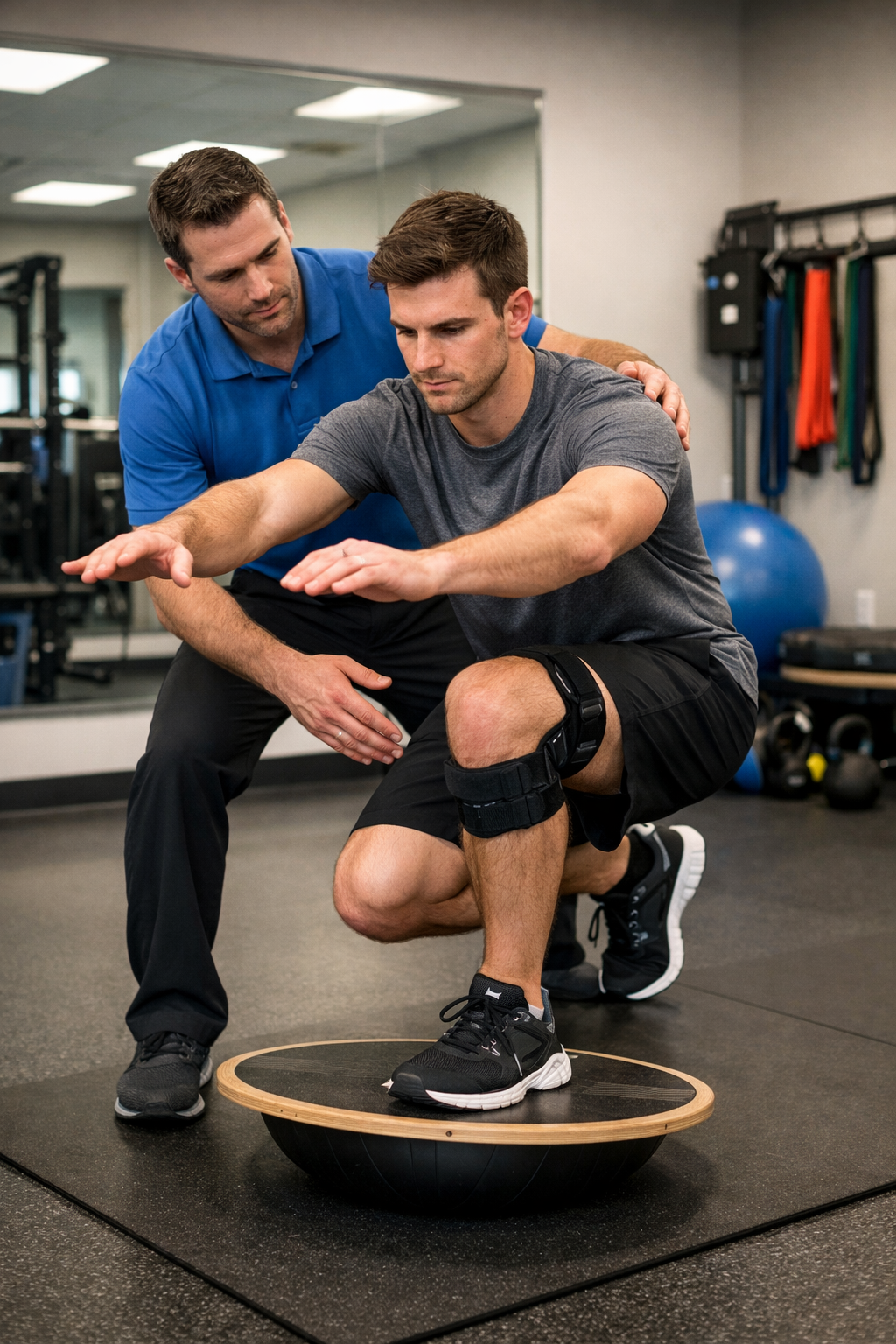
As swelling subsides and motion improves, rehabilitation shifts toward rebuilding foundational muscle strength. Hamstring curls, leg presses, and step-ups begin to load the healing graft or ligament progressively. Neuromuscular electrical stimulation (NMES) is introduced to reactivate the quadriceps, which often shut down after surgery — a phenomenon called arthrogenic muscle inhibition. Balance exercises on stable and unstable surfaces begin training proprioception, the body’s awareness of joint position that is critical to knee stability.
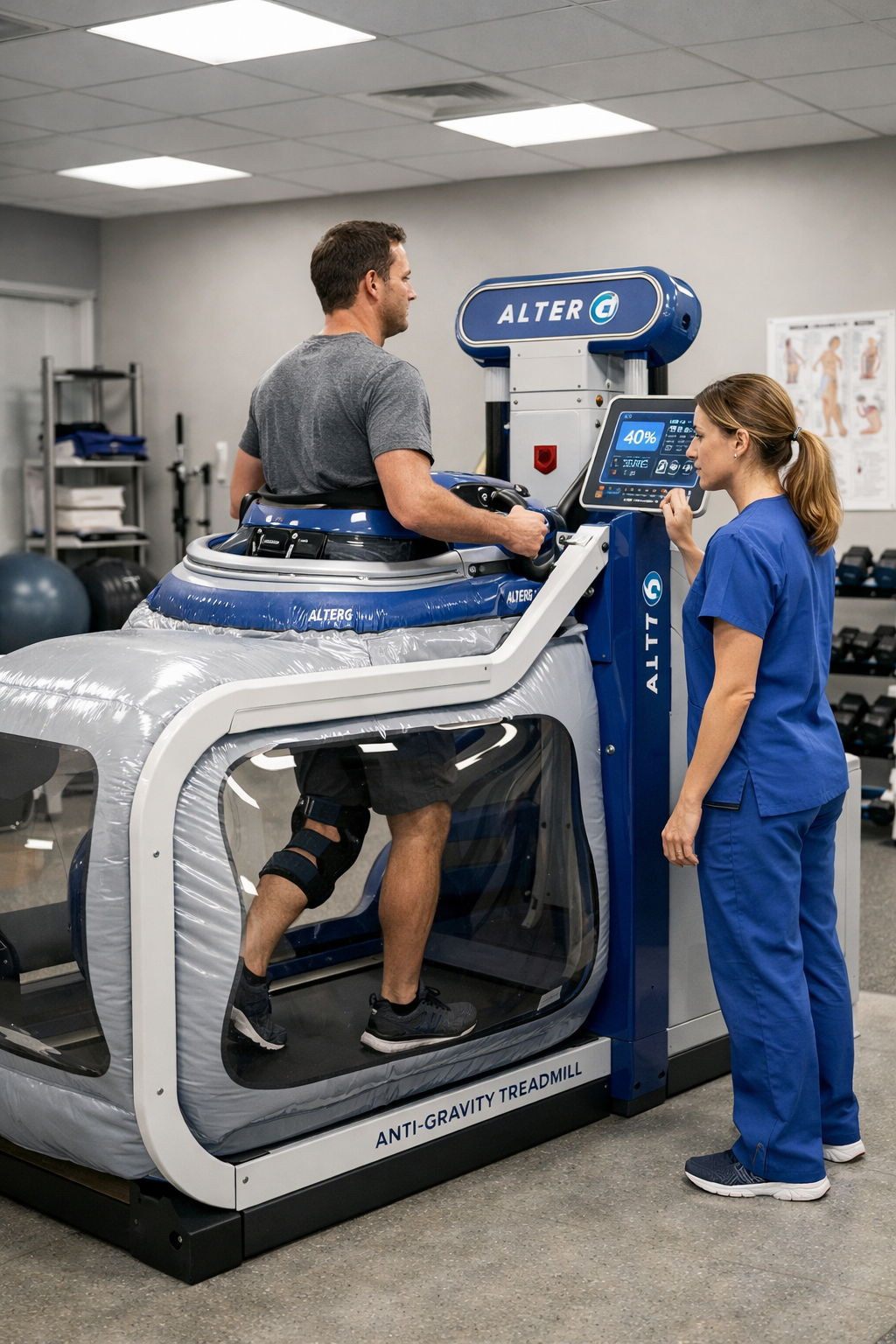
Phase 3: Strengthening and Neuromuscular Control (Weeks 6–12)
This phase intensifies. Single-leg strengthening exercises, lateral band walks, and eccentric hamstring work build the muscular framework that protects the knee joint during dynamic activity. Blood flow restriction (BFR) training allows patients to achieve significant strength gains using lighter loads — particularly valuable in the early-to-mid rehabilitation window when heavy loading is not yet appropriate. Proprioception drills advance to eyes-closed and perturbation-based challenges.
Phase 4: Sport-Specific Training (Months 3–6)
For the Cardinals lacrosse player or the Heyday Athletic league midfielder, this is where rehabilitation begins to look and feel like sport. Agility ladders, cone drills, deceleration training, and progressive jogging programs restore the movement patterns specific to each patient’s activity. Plyometric training — box jumps, depth jumps, and lateral bounds — rebuilds the explosive power and reactive strength required for cutting, jumping, and sprinting.
Phase 5: Return to Sport (Months 6–9+)
Return to sport decisions are driven by data, not dates. We use objective criteria — limb symmetry indices for strength and hop testing, quality-of-movement scoring, and psychological readiness screening — to determine when an athlete can safely resume full competition. A premature return is one of the leading risk factors for re-injury, so we hold the standard high. When a UDJAA soccer player steps back onto the field at Mondauk Common, we want every metric to confirm they are ready.
THE NON-SURGICAL PATHWAY
Not every acl injury requires acl surgery. For patients with partial tears, lower activity demands, or certain anatomical considerations, a structured rehabilitation program can restore functional knee stability without anterior cruciate ligament reconstruction. This pathway — sometimes called “conservative management” — follows the same progressive phases outlined above, with particular emphasis on hamstring strength, proprioception, and dynamic stability training. Your physical therapist at Trinity Rehab will help you and your physician determine the best approach based on your specific injury, goals, and lifestyle — whether you spend your days at a desk in the Fort Washington Office Park or coaching your child’s UDJAA volleyball team.
ADVANCED TECHNIQUES AT TRINITY REHAB
Trinity Rehab’s Upper Dublin clinic offers several advanced treatment modalities that accelerate ACL rehabilitation:
- Blood flow restriction (BFR) training. By applying a specialized tourniquet to the upper thigh during low-load exercises, BFR creates a metabolic environment that stimulates muscle growth comparable to heavy lifting — without stressing the healing graft.
- Neuromuscular electrical stimulation (NMES). Targeted electrical impulses reactivate the quadriceps and improve voluntary muscle recruitment, addressing the inhibition that commonly follows knee surgery.
- Dry needling. Fine filament needles release myofascial trigger points in the quadriceps, hamstrings, and calf muscles, reducing pain and restoring tissue extensibility.
- EPAT / shockwave therapy. Extracorporeal pulse activation technology delivers acoustic pressure waves to promote tissue healing, reduce chronic inflammation, and address patellar tendinopathy — a common secondary issue during ACL rehab.
- Manual therapy. Joint mobilizations, soft-tissue techniques, and instrument-assisted methods restore mobility and reduce compensatory patterns throughout the kinetic chain.
INJURY PREVENTION
The best ACL injury is the one that never happens. Trinity Rehab offers injury prevention programs designed for Upper Dublin’s athletic community — from Cardinals varsity teams to adult recreational leagues. Evidence-based neuromuscular training protocols, including the FIFA 11+ and similar programs, have been shown to reduce ACL injury rates by 50 percent or more. These programs emphasize:
- Dynamic warm-up progressions
- Hamstring and hip strengthening exercises
- Landing mechanics and deceleration training
- Plyometric training with proper technique cues
- Balance exercises and proprioception drills
- Single-leg stability work targeting neuromuscular control
Whether you are a high school athlete preparing for the fall Suburban One League season, an adult returning to the Upper Dublin Sports Center for pickleball, or a weekend warrior heading to Aidenn Lair Park for a pickup game, a targeted prevention program can dramatically reduce your risk.
WHY CHOOSE TRINITY REHAB IN UPPER DUBLIN
Trinity Rehab’s Upper Dublin clinic is embedded in the community it serves. Located at The Promenade at Upper Dublin, 2011 Welsh Road, Upper Dublin, PA 19025, we are minutes from Upper Dublin High School, Fort Washington State Park, the Camphill & Highland Athletic Complex, and the Fort Washington Office Park — making it easy to fit rehabilitation into your schedule whether you are coming from school, practice, the trail, or the office.
Our physical therapists specialize in sports injuries and work injuries, and understand the demands that Upper Dublin’s active residents place on their knees. We treat every condition with individualized care, one-on-one attention, and a commitment to objective, measurable progress. From the first evaluation through the final return-to-sport test, your recovery plan is built specifically for you.
We also understand the connection between knee injuries and broader musculoskeletal health, offering specialized programs for hip and knee pain relief that address the full kinetic chain.
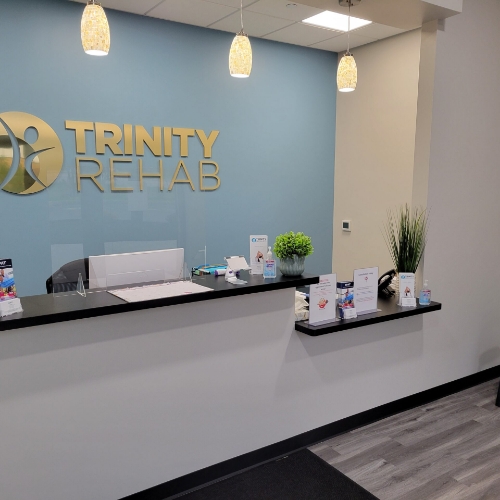
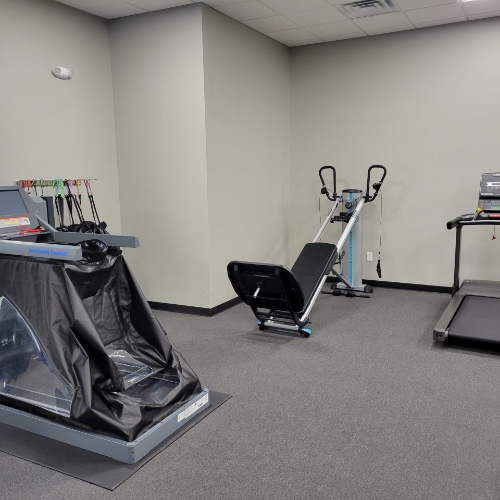
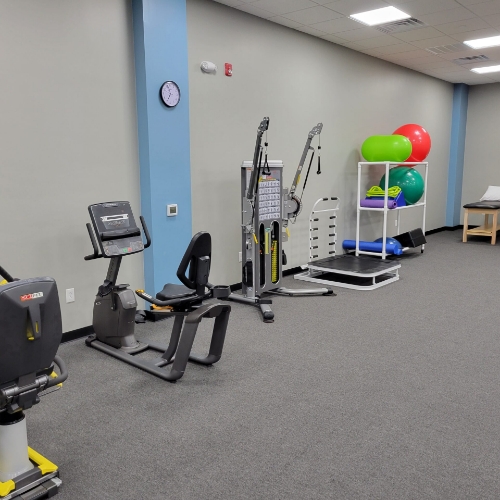
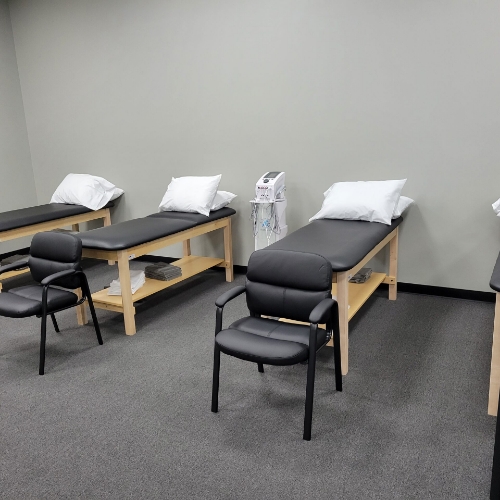
Inside Our Upper Dublin Clinic
RELATED CONDITIONS & TREATMENTS
ACL injuries are just one of the many conditions we treat at Trinity Rehab Upper Dublin. Explore our full range of conditions we treat or learn more about specific treatment approaches:
FREQUENTLY ASKED QUESTIONS
How long does ACL recovery take for a high school athlete playing in the Suburban One League?
Can I still hike the Wissahickon Valley Park trails while recovering from an ACL tear?
What is the difference between surgical and non-surgical ACL treatment?
Does Trinity Rehab's Upper Dublin location offer evening or early morning appointments for Fort Washington Office Park professionals?
How can I prevent an ACL injury if I play in the UDJAA or Heyday Athletic leagues?
An ACL injury does not have to sideline your life. Whether you are a Cardinals athlete chasing a Suburban One League title, a professional staying active through the Heyday Athletic leagues, or a trail runner working your way back to Wissahickon Valley Park, Trinity Rehab in Upper Dublin is ready to guide your recovery from day one through return to sport and beyond.
Schedule your appointment today at The Promenade at Upper Dublin, 2011 Welsh Road, Upper Dublin, PA 19025 and take the first step toward getting back to what you love — stronger, more resilient, and ready for whatever Upper Dublin’s fields, trails, and courts throw your way.
What Our Patients Say