

ACL TREATMENT PHYSICAL THERAPY IN EMERSON, NJ
In a borough where Friday nights still revolve around high school athletics and neighbors greet each other by name at Washington Park, a torn ACL does more than sideline an athlete — it ripples through the entire community. Emerson has earned its reputation as “The Family Town” not just through quiet, tree-lined streets and high homeownership, but through the fierce pride residents take in their young athletes. Few programs capture that pride like Emerson Junior-Senior High School wrestling, a dynasty that has produced multiple state championships under the winningest coach in New Jersey history. When a Cavos wrestler or a Little League infielder suffers an anterior cruciate ligament injury, the whole town feels it. And when recovery begins, it matters that expert care is available right here on Kinderkamack Road — not a long drive away, but in the heart of the Pascack Valley community you already call home.
At Trinity Rehab Emerson, we provide comprehensive acl treatment physical therapy designed to return Emerson’s athletes and active residents to the activities they love, safely and confidently.
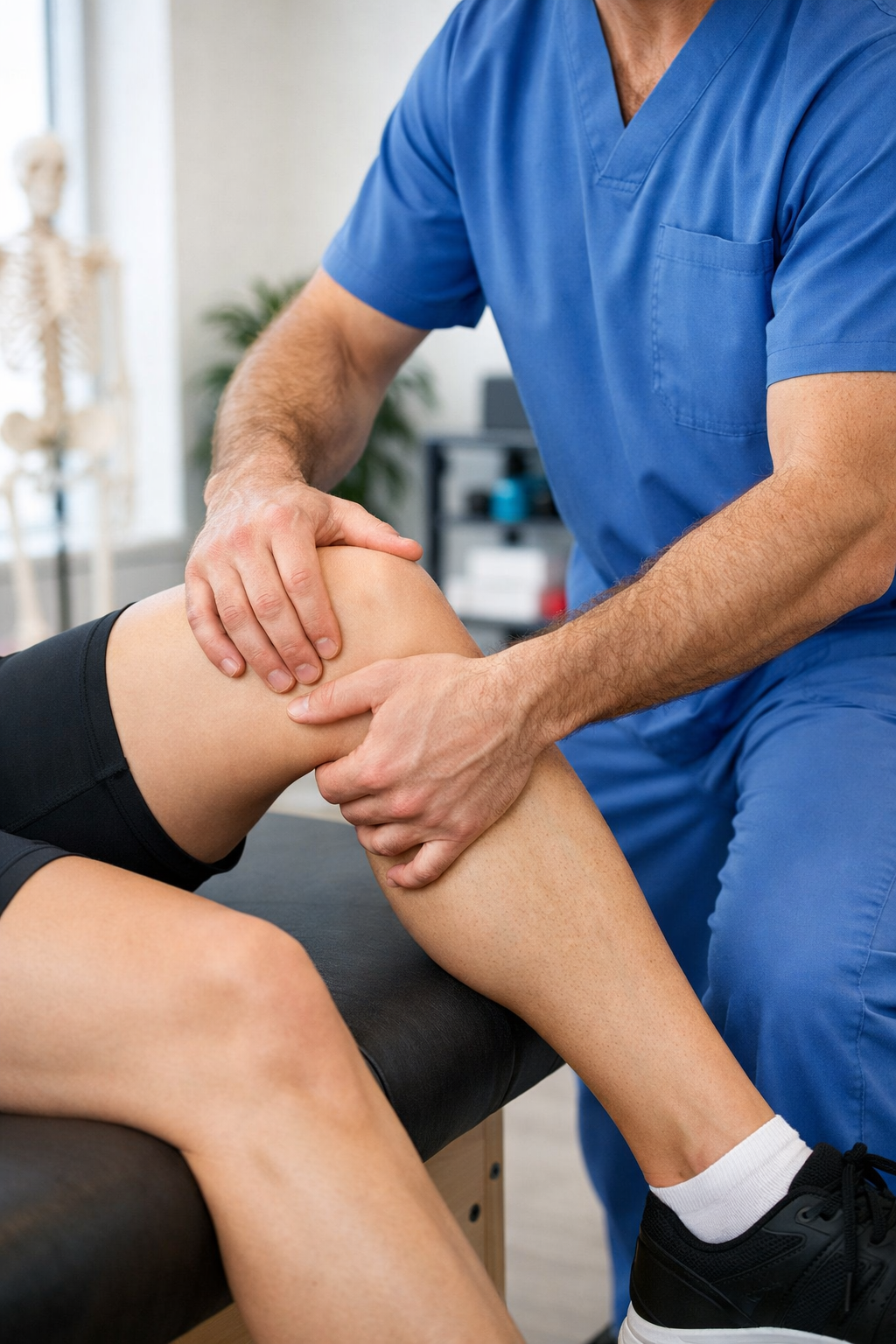
UNDERSTANDING ACL INJURIES
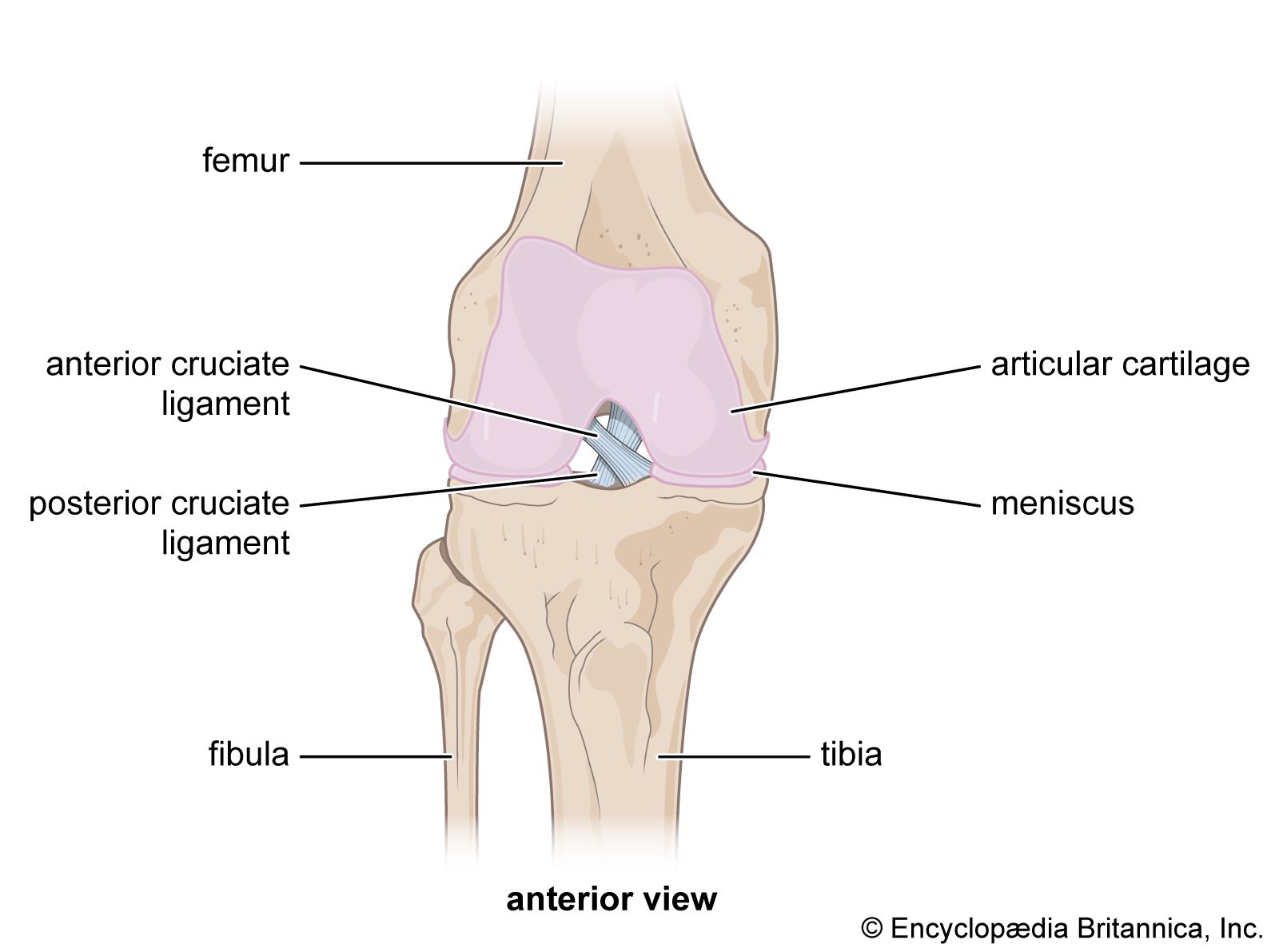
The anterior cruciate ligament is one of four primary ligaments stabilizing the knee joint. Running diagonally through the center of the knee, it prevents the shinbone from sliding forward while providing rotational knee stability. An ACL tear — whether partial or complete — disrupts this stability and can significantly compromise knee function.
An anterior cruciate ligament injury typically occurs during sudden deceleration, pivoting, or awkward landings. The mechanism is often non-contact: the athlete plants a foot, changes direction, and feels something give. The result can range from a mild sprain to a complete rupture requiring anterior cruciate ligament reconstruction.
WHY ACL RECOVERY MATTERS
Without proper rehabilitation, the knee joint remains unstable, increasing the risk of meniscus tears, cartilage damage, and early-onset arthritis. For Emerson’s active population — from teenage athletes to weekend golfers at Soldier Hill Golf Course — compromised knee stability means giving up the activities that define daily life in this close-knit borough.
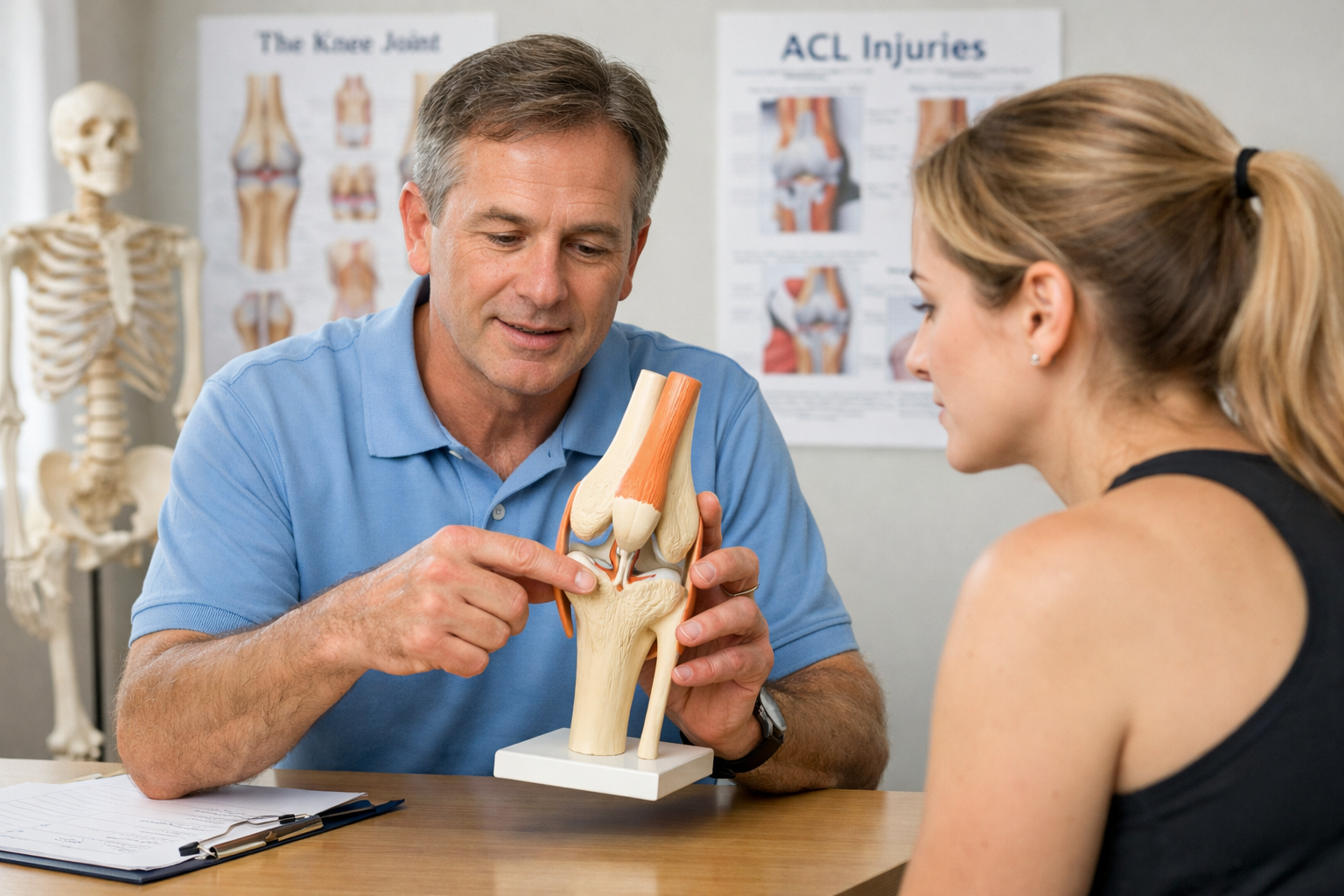
Proper physical therapy restores not only structural integrity but also the neuromuscular control and confidence needed to move without hesitation. Whether the goal is returning to competitive wrestling or keeping up with your kids at Centennial Park, structured ACL rehabilitation is the path forward.
COMMON CAUSES OF ACL INJURIES IN EMERSON
Emerson’s character as a small, sports-passionate community creates specific contexts where ACL injuries occur.
High School and Youth Athletics
The Cavos athletic program is the heartbeat of Emerson. Wrestling, the borough’s signature sport, demands explosive movements, rapid directional changes, and single-leg balance — all of which place tremendous stress on the anterior cruciate ligament. Baseball players, particularly those competing in Emerson’s storied program with its six Group I state titles, face ACL risk during aggressive base running, sudden stops, and awkward slides. Football, soccer, basketball, and lacrosse round out a robust athletic calendar where ACL tears are an ever-present concern.
Youth Recreation and Little League
Beyond the high school level, the Emerson Recreation Commission runs football, cheerleading, wrestling, and summer sports camps that keep younger athletes active year-round. Emerson Little League puts hundreds of kids on the diamond each spring. Growing bodies combined with competitive intensity make youth sports injuries — including ACL tears — a reality that Emerson families need to be prepared for.
Weekend Recreation and Commuter Lifestyle
Emerson is a commuter town. Many residents spend their weekdays on NJ Transit heading to New York City, then compress their physical activity into evenings and weekends. A sedentary commuter who hits the trails at Emerson Woods Preserve on Saturday or joins a pickup basketball game without adequate preparation is at elevated risk for an ACL injury. Deconditioned muscles, tight hamstrings, and reduced proprioception from long hours of sitting create the perfect conditions for a non-contact knee injury.
Golf and Adult Recreation
Soldier Hill Golf Course draws residents and visitors alike, and while golf may seem low-risk, the rotational forces of a full swing — especially on uneven lies — can stress the knee joint. For older adults with prior knee issues, a single awkward pivot can escalate into a significant ligament injury. Work injuries among Emerson’s small-business workforce, particularly those involving lifting or slipping, are another common pathway to ACL damage.
SIGNS AND SYMPTOMS OF AN ACL TEAR
Recognizing an ACL injury early leads to faster, more effective treatment. Common signs include:
- An audible “pop” at the moment of injury
- Rapid swelling within the first few hours
- Significant pain, especially when bearing weight
- A feeling of instability — the knee “giving way” during standing or walking
- Loss of range of motion, particularly difficulty fully extending or bending the knee
- Tenderness along the joint line
If you or your child experiences these symptoms during a Cavos wrestling match, a Little League game, or a weekend run through Emerson Woods Preserve, seek evaluation promptly. Early assessment by a physical therapist allows treatment to begin before complications develop.
HOW PHYSICAL THERAPY HELPS: THE PHASE-BASED APPROACH
Prehabilitation: Preparing for Success
For patients scheduled for ACL surgery, prehabilitation is the critical first step. Patients who enter surgery with stronger quadriceps, better range of motion, and reduced swelling achieve faster, more complete recoveries.
At Trinity Rehab Emerson, our prehab program focuses on:
- Restoring full knee motion before surgery
- Quadriceps activation and strengthening to combat post-surgical atrophy
- Hamstring strength development to support the knee joint
- Gait training to normalize walking patterns
- Patient education on post-surgical expectations and home exercise compliance
A Cavos wrestler preparing for anterior cruciate ligament reconstruction, for example, would begin prehab immediately after diagnosis — maintaining as much muscle strength and joint mobility as possible in the weeks before surgery.
Phase 1: Protection and Early Mobilization (Weeks 0–2)
The first phase focuses on protecting the healing graft while preventing stiffness and muscle wasting. Your physical therapist will guide you through:
- Gentle range of motion exercises to restore knee motion
- Quadriceps setting and straight-leg raises to activate weakened muscles
- Patellar mobilization to prevent scar tissue adhesion
- Swelling management through elevation, compression, and cryotherapy
- Protected weight-bearing progression
Phase 2: Restoring Motion and Building Foundational Strength (Weeks 2–6)
As healing progresses, the focus shifts to regaining full range of motion and rebuilding foundational muscle strength. This phase introduces:
- Progressive strengthening exercises for the quadriceps, hamstrings, and hip stabilizers
- Hamstring curls and closed-chain exercises
- Stationary cycling for low-impact cardiovascular conditioning
- Balance exercises on stable surfaces to begin restoring proprioception
- Manual therapy techniques to address soft tissue restrictions and improve joint mobility
Consider a scenario familiar in Emerson: a high school baseball player who tore his ACL sliding into second base during a playoff game. By Phase 2, he is rebuilding the hamstring strength and quadriceps power needed to eventually sprint, cut, and slide again — all under the careful guidance of his physical therapist.
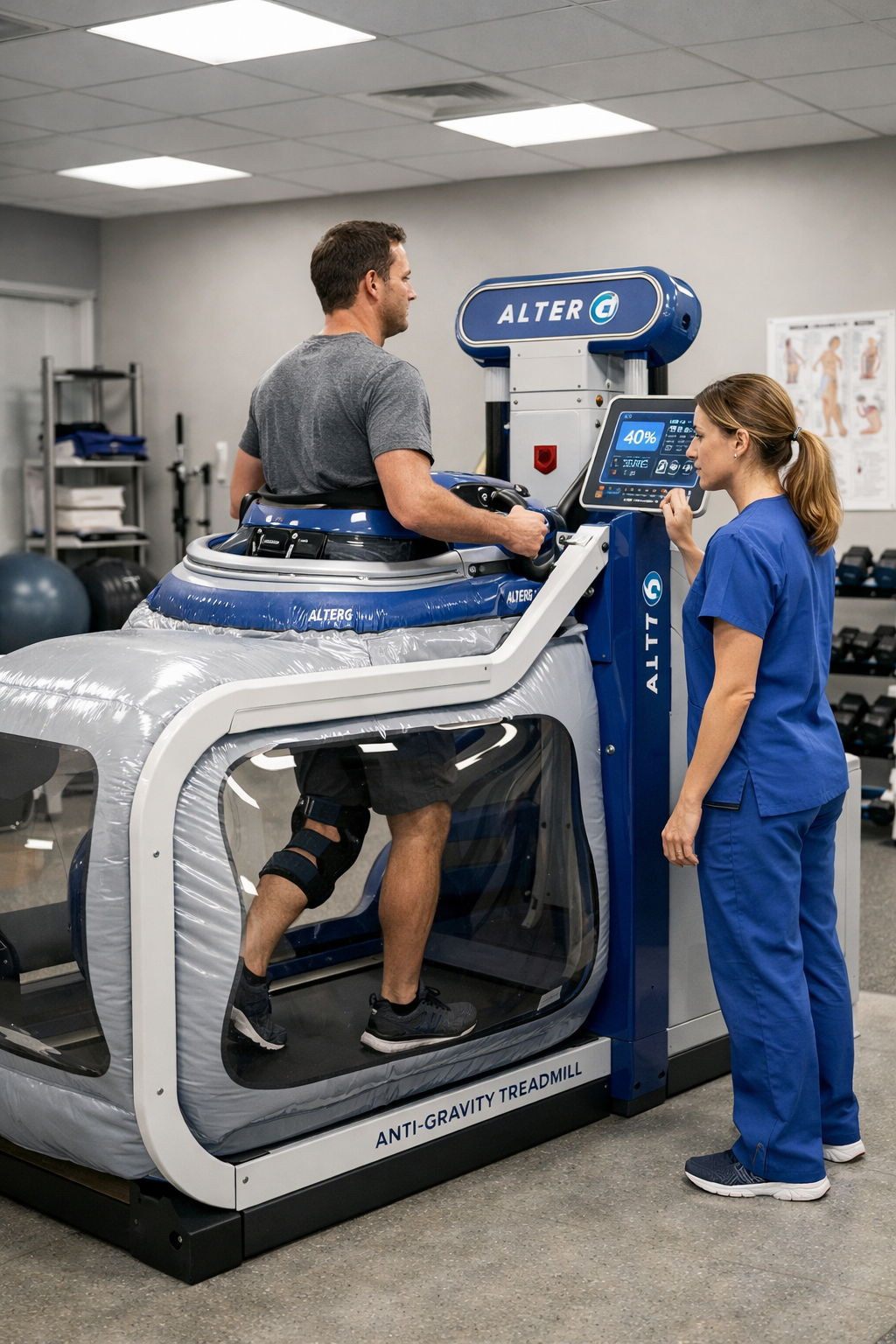
Phase 3: Progressive Strengthening (Weeks 6–12)
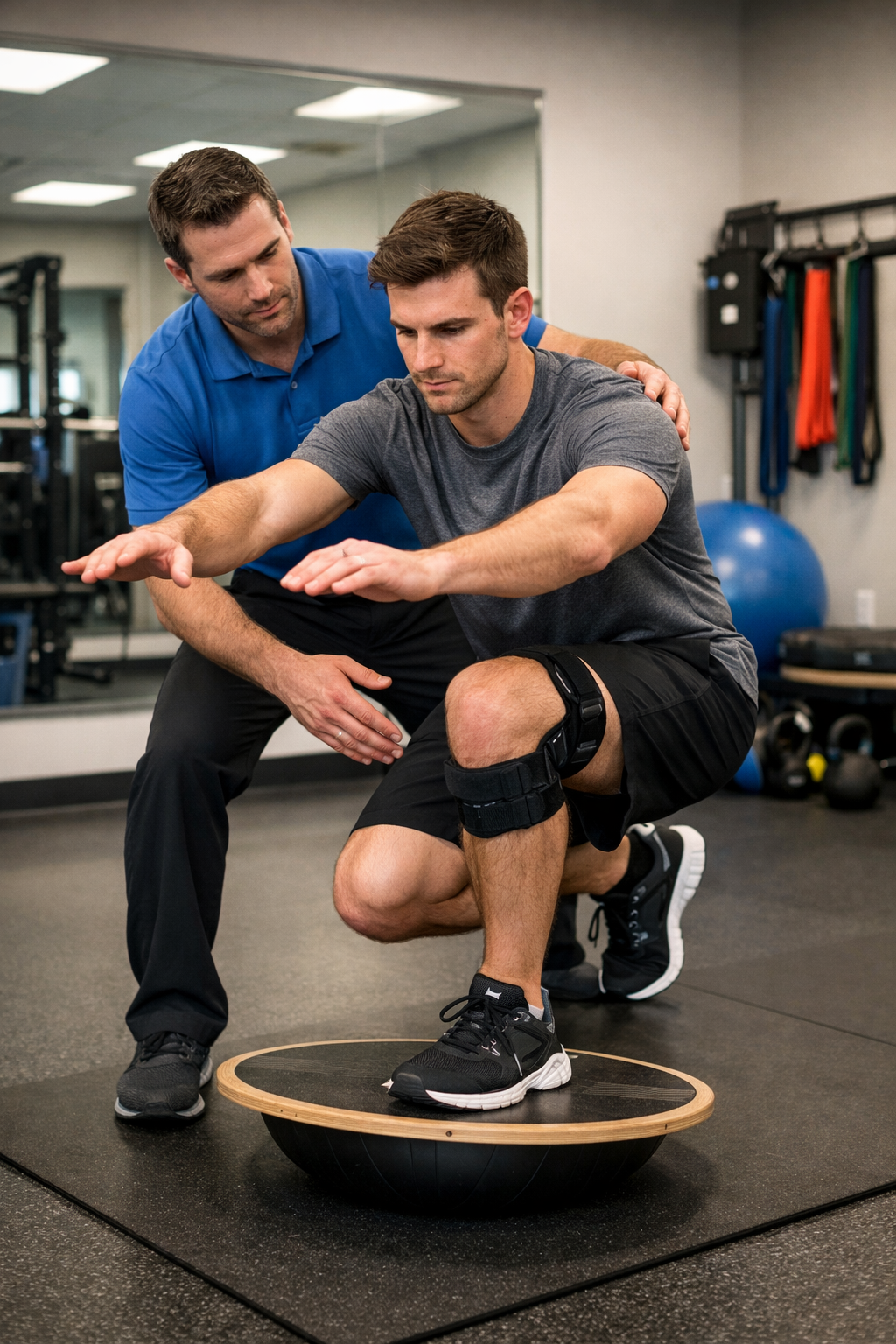
With the graft healing well and range of motion restored, the emphasis shifts to higher-resistance strengthening exercises, single-leg work to address bilateral asymmetries, advanced balance exercises on unstable surfaces to sharpen proprioception, and introduction of sport-specific movement patterns.
Phase 4: Advanced Strengthening and Sport-Specific Training (Weeks 12–20)
This phase bridges clinical rehabilitation and athletic performance — running progressions, agility drills, early plyometric training, and sport-specific drills tailored to individual goals. For an Emerson wrestler, Phase 4 would incorporate shot-level change drills, sprawl mechanics, and the lateral movement patterns critical to success on the mat. For a golfer returning to Soldier Hill, it would include rotational stability work and single-leg balance under load.
Phase 5: Return to Sport (Weeks 20–36+)
The final phase is about earning clearance through objective criteria — not arbitrary timelines. Return to sport testing includes hop testing, isokinetic strength testing to verify quadriceps and hamstring symmetry, functional movement assessments, sport-specific drills at full intensity, and psychological readiness evaluation. No Emerson athlete returns to competition until they have met every benchmark.
THE NON-SURGICAL PATHWAY
Not every ACL tear requires surgery. For patients with partial tears or lower activity demands, a structured non-surgical rehabilitation program can restore functional knee stability. This pathway follows a similar phase-based progression, with emphasis on:
- Building exceptional hamstring strength to compensate for the deficient ACL
- Proprioceptive training to restore the body’s ability to sense and control knee position
- Strengthening exercises for the entire kinetic chain
- Activity modification guidance to protect the knee during daily life
A weekend recreational athlete in Emerson — perhaps a parent who hikes the Emerson Woods Preserve trails — may be an excellent candidate for non-surgical management, provided they commit to the full program.
ADVANCED TREATMENT TECHNIQUES
Trinity Rehab Emerson integrates advanced techniques into our ACL rehabilitation programs to accelerate healing and improve outcomes.
Blood Flow Restriction (BFR) Training
Blood flow restriction training uses specialized cuffs to partially restrict venous blood flow during low-load exercises, stimulating muscle strength and hypertrophy gains comparable to heavy lifting — without placing excessive stress on the healing ACL graft. BFR is particularly valuable in early post-surgical phases when heavy loading is contraindicated but muscle atrophy is a critical concern.
Neuromuscular Electrical Stimulation (NMES)
Neuromuscular electrical stimulation delivers controlled electrical impulses to the quadriceps, combating the severe inhibition and atrophy that follow ACL surgery. NMES is applied during strengthening exercises to amplify muscle activation and accelerate recovery of quadriceps function.
Dry Needling
Dry needling targets trigger points and myofascial restrictions in the muscles surrounding the knee. Following ACL injury or reconstruction, compensatory movement patterns often create painful knots in the quadriceps, hamstrings, calves, and hip musculature. Dry needling releases these restrictions, reduces pain, and restores normal muscle function.
EPAT / Shockwave Therapy
EPAT (Extracorporeal Pulse Activation Technology) delivers acoustic pressure waves to tissues surrounding the knee, promoting blood flow, reducing inflammation, and accelerating tissue healing. Shockwave therapy is particularly effective for addressing patellar tendinopathy and other secondary conditions that frequently accompany ACL rehabilitation.
INJURY PREVENTION: PROTECTING EMERSON'S ATHLETES
The best ACL injury is the one that never happens. Trinity Rehab Emerson offers injury prevention programs grounded in current research, tailored for the sports and activities common in this community.
Key components of effective ACL injury prevention include:
- Neuromuscular training focused on proper landing mechanics and cutting technique
- Hamstring and hip strengthening to improve the muscular support around the knee joint
- Plyometric training progressions that teach athletes to absorb and redirect force safely
- Balance and proprioception drills that sharpen the body’s ability to control knee position during dynamic movement
- Pre-season screening to identify athletes at elevated risk before the season begins
For Emerson’s youth athletes — whether they are competing on the wrestling mat, the baseball diamond, the soccer pitch, or the football field — a structured prevention program can reduce ACL injury rates by up to 50%. We encourage coaches, parents, and the Emerson Recreation Commission to make prevention a community priority.
WHY CHOOSE TRINITY REHAB EMERSON
In Emerson, your physical therapist might also be your neighbor at the Washington Park playground or the parent beside you at a Cavos wrestling dual meet. That is the kind of care we believe in — expert, evidence-based rehabilitation delivered with the personal connection that defines life in a true family town.
What sets our Emerson clinic apart:
- One-on-one care with a licensed physical therapist at every visit
- Individualized treatment plans based on your specific injury, goals, and lifestyle
- Advanced techniques including blood flow restriction training, neuromuscular electrical stimulation, manual therapy, dry needling, and EPAT
- Sport-specific rehabilitation designed for the activities Emerson athletes actually play — from wrestling and baseball to golf and recreational running
- Convenient location in the heart of Emerson, easily accessible from anywhere in the Pascack Valley
- Flexible scheduling that works around NYC commuter timetables and busy family calendars
- A team that knows this community and is invested in its health
We treat the full spectrum of musculoskeletal conditions, including hip and knee pain, sports injuries, work injuries, and post-surgical rehabilitation.
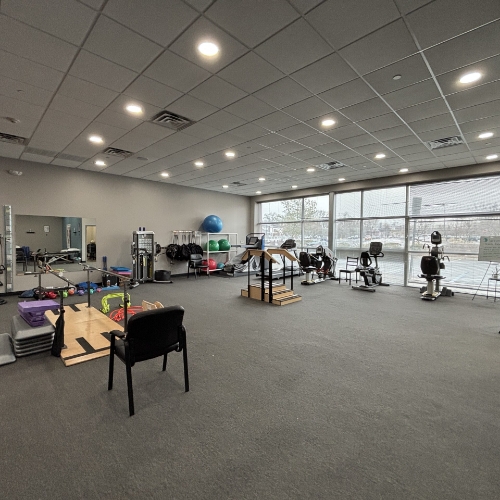
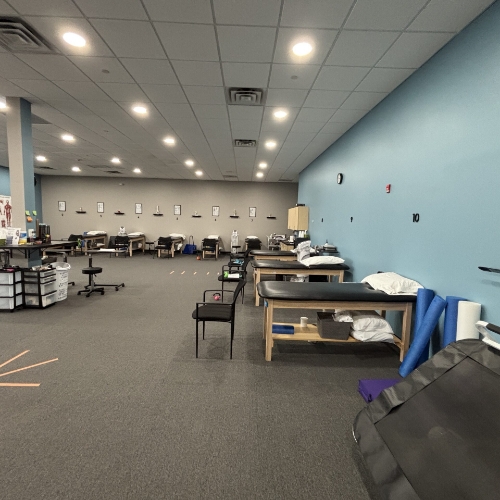
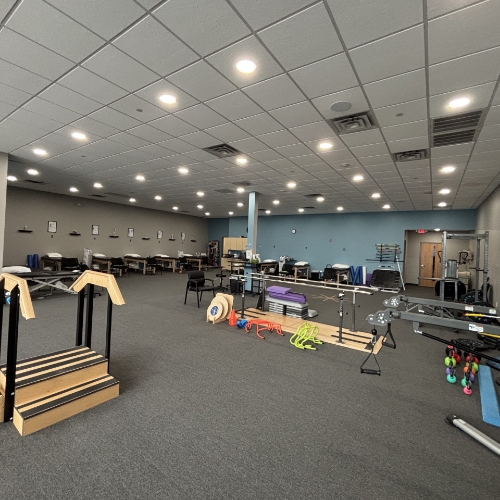
Inside Our Emerson Clinic
RELATED CONDITIONS & TREATMENTS
ACL injuries are just one of the many conditions we treat at Trinity Rehab Emerson. Explore our full range of conditions we treat or learn more about specific treatment approaches:
FREQUENTLY ASKED QUESTIONS
How soon after an ACL tear should I start physical therapy in Emerson?
My child tore their ACL during a Cavos wrestling match. What should we expect from the recovery timeline?
Can physical therapy help me avoid ACL surgery?
I commute to NYC daily and sit for long hours. Does that affect my ACL recovery?
Does Trinity Rehab Emerson accept my insurance for ACL rehabilitation?
An ACL injury does not have to define your season or your future on the field. Whether you are a Cavos athlete preparing for anterior cruciate ligament reconstruction, a weekend warrior who felt something give on the trails at Emerson Woods Preserve, or a parent who wants to stay active for Little League coaching — expert ACL treatment physical therapy is available right here in your hometown.
Trinity Rehab Emerson 444 Kinderkamack Road, Emerson, NJ 07630
Schedule your appointment today and take the first step toward a full, confident recovery. In a town where everyone looks out for each other, let us look out for your knee.