
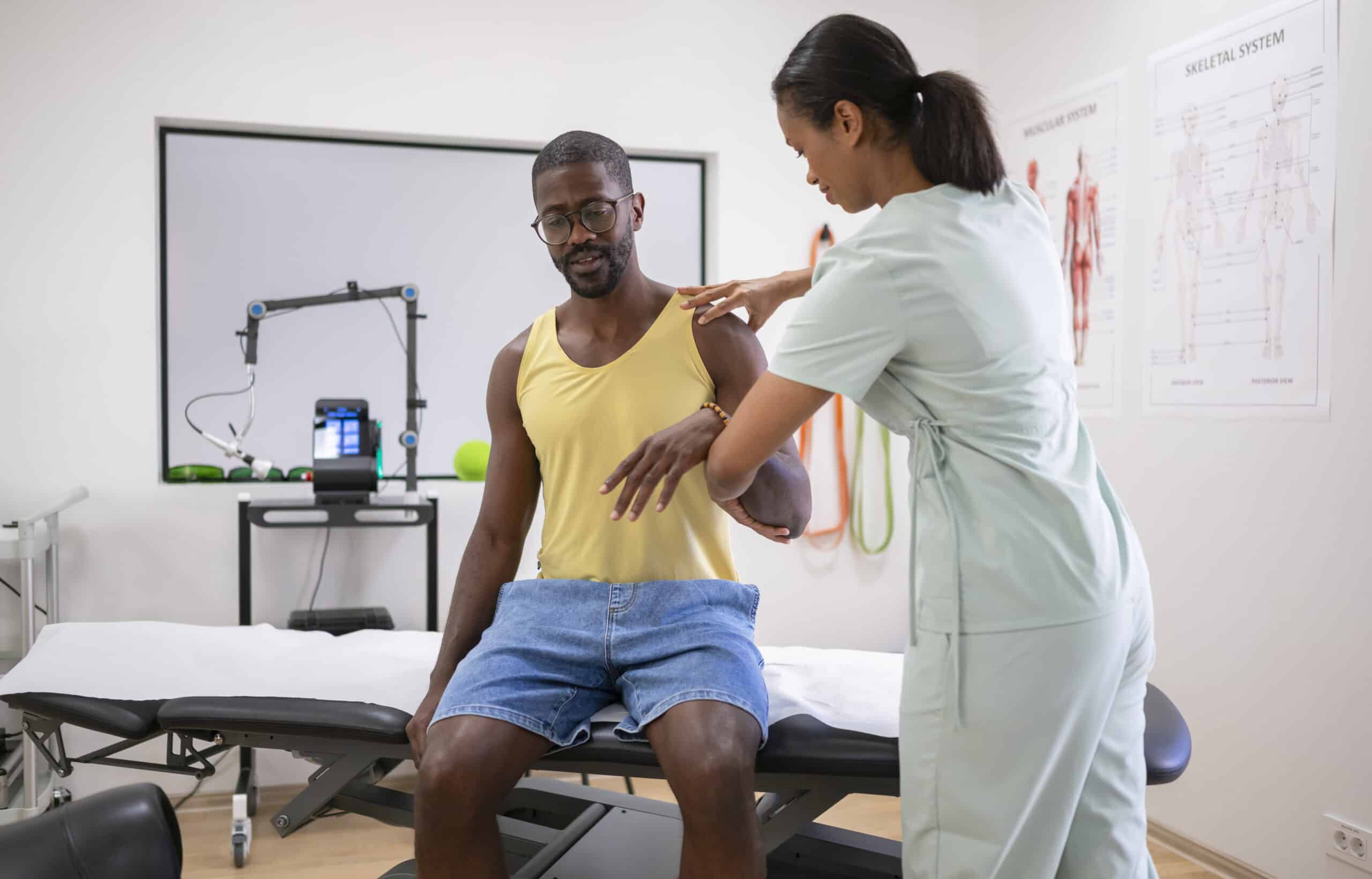
ROTATOR CUFF SURGERY RECOVERY
If you’re facing rotator cuff repair surgery in New Jersey or eastern Pennsylvania, understanding what comes next is essential. Most patients can expect 4–6 months of structured recovery after rotator cuff repair, with full healing often extending to 6–12 months for larger tears. At Trinity Rehab, our licensed physical therapists guide you through every phase of recovery with one-on-one care across 27 clinics.
TYPICAL ROTATOR CUFF SURGERY RECOVERY TIMELINE
The recovery process follows predictable phases, though your orthopedic surgeon and physical therapist will customize your plan based on tear size, surgical technique, and overall health.
Key milestones at a glance:
- Sling use: 3–6 weeks
- Start of physical therapy: within 1–2 weeks
- Driving: 2–6 weeks (once off pain medications and cleared)
- Desk job return: 4–8 weeks
- Heavier work: 3–4+ months
- Return to sports: 4–9+ months
These are general ranges. Your exact plan depends on several factors including tear severity and tissue quality. Trinity Rehab builds phase-specific rehab programs for each stage and coordinates closely with your surgical team.
UNDERSTANDING ROTATOR CUFF SURGERY
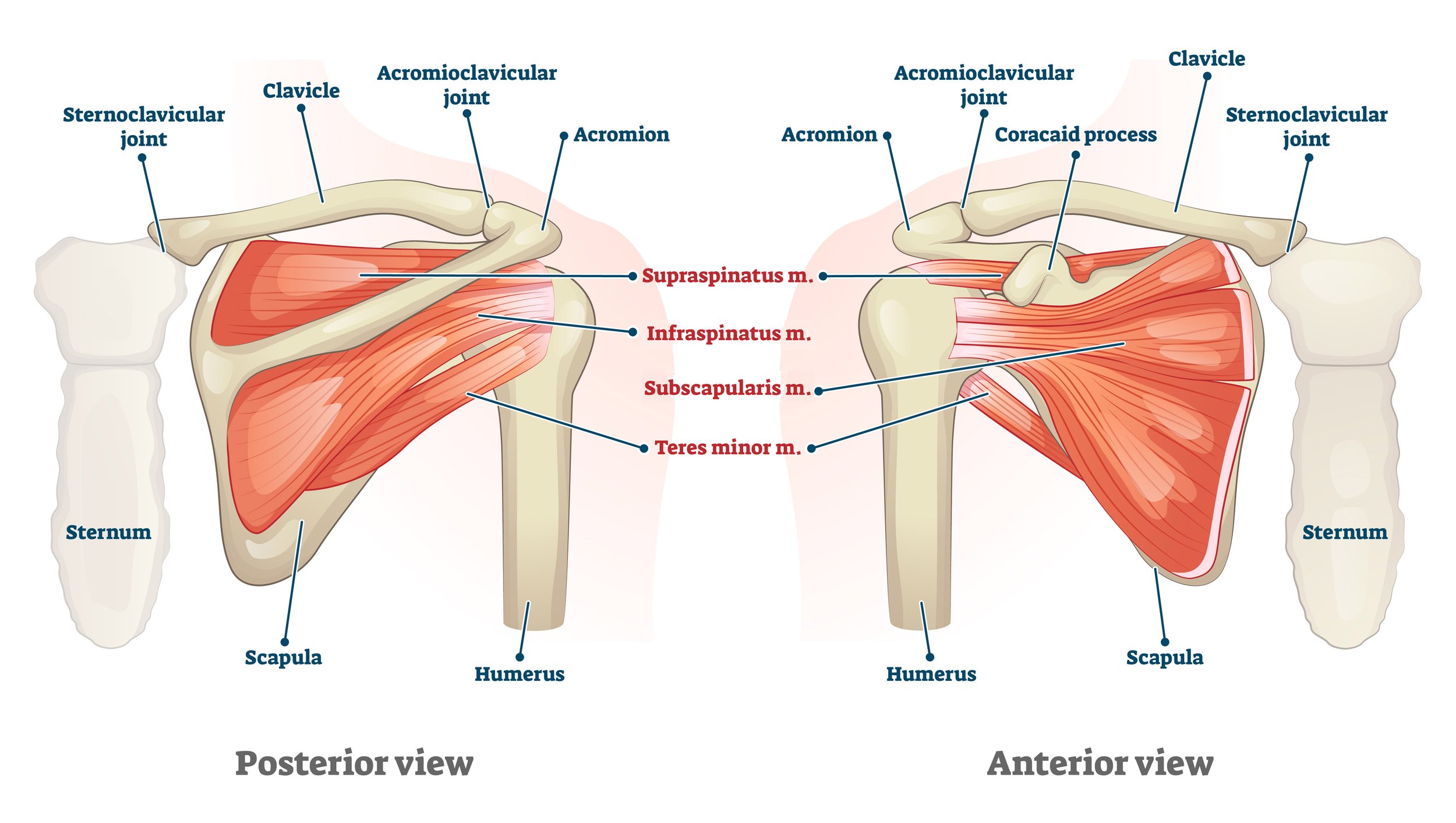
Your rotator cuff consists of four muscles and rotator cuff tendons that keep your shoulder stable and allow you to lift and rotate your arm. When rotator cuff tears occur due to injury or degeneration, they can cause significant shoulder pain, weakness, and loss of function. If non-surgical treatments fail, surgical intervention may be necessary.
Common surgical approaches include:
- Arthroscopic surgery — Most frequent, using small incisions and a camera
- Mini-open repair — Combines arthroscopic and traditional techniques
- Open surgery — Used for complex or massive tears
- Shoulder replacement — Required for some severe cases in older adults
During the surgical procedure, your surgeon removes inflamed tendon tissue or bone spurs if present, prepares the upper arm bone, and reattaches the torn tendon using suture anchors. The surgery itself is only the first step. Your expected outcomes depend heavily on a well-planned rehabilitation program.
WHEN IS ROTATOR CUFF SURGERY RECOMMENDED
Surgery is typically recommended for full-thickness rotator cuff tears, larger partial tears that haven’t improved after 6–12 weeks of physical therapy, or injuries causing significant weakness.
- Acute sports injuries causing a torn rotator cuff
- Falls on the shoulder in middle-aged adults
- Chronic tears with night pain and inability to lift the arm overhead
Your surgeon may recommend trying physical therapy, activity modification, and possibly injections first, especially for smaller or degenerative tears. These decisions are individualized and made with both your surgeon and rehab team.
ROTATOR CUFF SURGERY RECOVERY PHASES: WEEK-BY-WEEK
Recovery is a gradual process typically broken into five phases: immediate post-op, early (weeks 1–6), intermediate (weeks 6–12), late (months 3–6), and long-term (up to 12 months). The biological foundation for these timelines is that rotator cuff tendons must reattach to the upper arm bone through scar tissue formation, which requires 8–12 weeks to become mechanically strong.
PHASE 1: IMMEDIATE POST-OPERATIVE PERIOD (DAYS 1–7)
Most rotator cuff surgeries are outpatient — you’ll go home the same day with your arm in a sling or abduction pillow. Primary goals include protecting the surgical repair, controlling pain and swelling, and preventing stiffness.
- Prescription pain medications for the first few days
- Cold therapy with ice packs wrapped in a thin cloth several times daily
- Sleeping in a recliner or propped up for comfort
- Keep dressings dry for proper incision care
- No driving or arm movement beyond light hand tasks
PHASE 2: EARLY RECOVERY (WEEKS 1–6)
During weeks 1–6, the repaired tendon is fragile and still attaching to bone. Your sling is typically worn most of the day for at least six weeks, removed only for hygiene and supervised physical therapy sessions.
Physical therapy begins between post-op days 7–14, starting with passive exercises where the therapist moves your arm while your surrounding muscles remain relaxed. At Trinity Rehab, patients typically work on:
- Pendulum exercises and passive movements
- Passive forward elevation within surgeon-approved limits
- Scapular setting and posture drills
- Gentle movements to prevent stiffness
PHASE 3: INTERMEDIATE RECOVERY (WEEKS 6–12)
Around weeks 6–8, most patients transition out of the sling. The emphasis shifts from protection to active motion restoration. You’ll progress from passive to active-assisted exercises, then to active exercises using your own muscles.
Trinity Rehab therapists introduce light isometric strengthening, scapular stabilization, and gentle closed-chain exercises. Realistic functional gains include easier dressing and grooming, light reaching below shoulder height, improved sleep quality, and driving (once off narcotics and cleared).
PHASE 4: STRENGTHENING AND RETURN TO FUNCTION (MONTHS 3–6)
By 12 weeks, tendon-to-bone healing is stronger, and therapy focuses on rebuilding strength and shoulder blade mechanics. Trinity Rehab interventions typically include:
- Progressive resistance exercises with bands and light weights
- Rotator cuff and scapular strengthening
- Core stability work
- Functional tasks like reaching and lifting light objects
- Prescribed exercises for home practice

PHASE 5: LONG-TERM RECOVERY AND RETURN TO SPORT (6–12 MONTHS)
Although many people feel substantially better by 4–6 months, your rotator cuff injury site continues to remodel for up to a year post surgery. Advanced strengthening, power development, and sport-specific drills are introduced when you meet strength benchmarks.
Trinity Rehab may incorporate technologies like the AlterG Anti-Gravity Treadmill® for cardiovascular conditioning and Dartfish video analysis for evaluating throwing mechanics in athletes.
PAIN, SLEEP, AND DAILY LIFE AFTER ROTATOR CUFF SURGERY
Pain, disrupted sleep, and dependence on others are some of the hardest parts of recovery. Understanding what to expect makes the process more manageable.
Sleep strategies:
- Semi-reclined in a recliner or propped with pillows
- Sling on unless your surgeon says otherwise
- Small pillow under the elbow for comfort
DRIVING, WORK, AND HOUSEHOLD CHORES
Many patients can consider driving between 2–6 weeks if they’re off narcotics, have adequate arm control, and have surgeon clearance.
| Job Type | Expected Timeline |
|---|---|
| Remote/sedentary | 2–4 weeks |
| Standard desk job | 6–8 weeks |
| Heavy manual labor | 3–6+ months |
Trinity Rehab can help coordinate with employers on light-duty modifications. Avoid household chores that involve lifting or overhead reaching until cleared by your physical therapist.
THE ROLE OF PHYSICAL THERAPY IN ROTATOR CUFF SURGERY RECOVERY
High-quality physical therapy is one of the strongest predictors of successful recovery after rotator cuff repair surgery. Therapy typically begins within 1–2 weeks and continues for 3–6 months.
General progression:
- Passive motion (therapist moves your arm)
- Active-assisted motion (you help with the opposite arm)
- Active motion (moving independently)
- Progressive strengthening and functional training
Trinity Rehab delivers one-on-one sessions across over 27 clinics in New Jersey and eastern Pennsylvania. Your physical therapist monitors for warning signs like frozen shoulder and communicates concerns back to your surgeon.
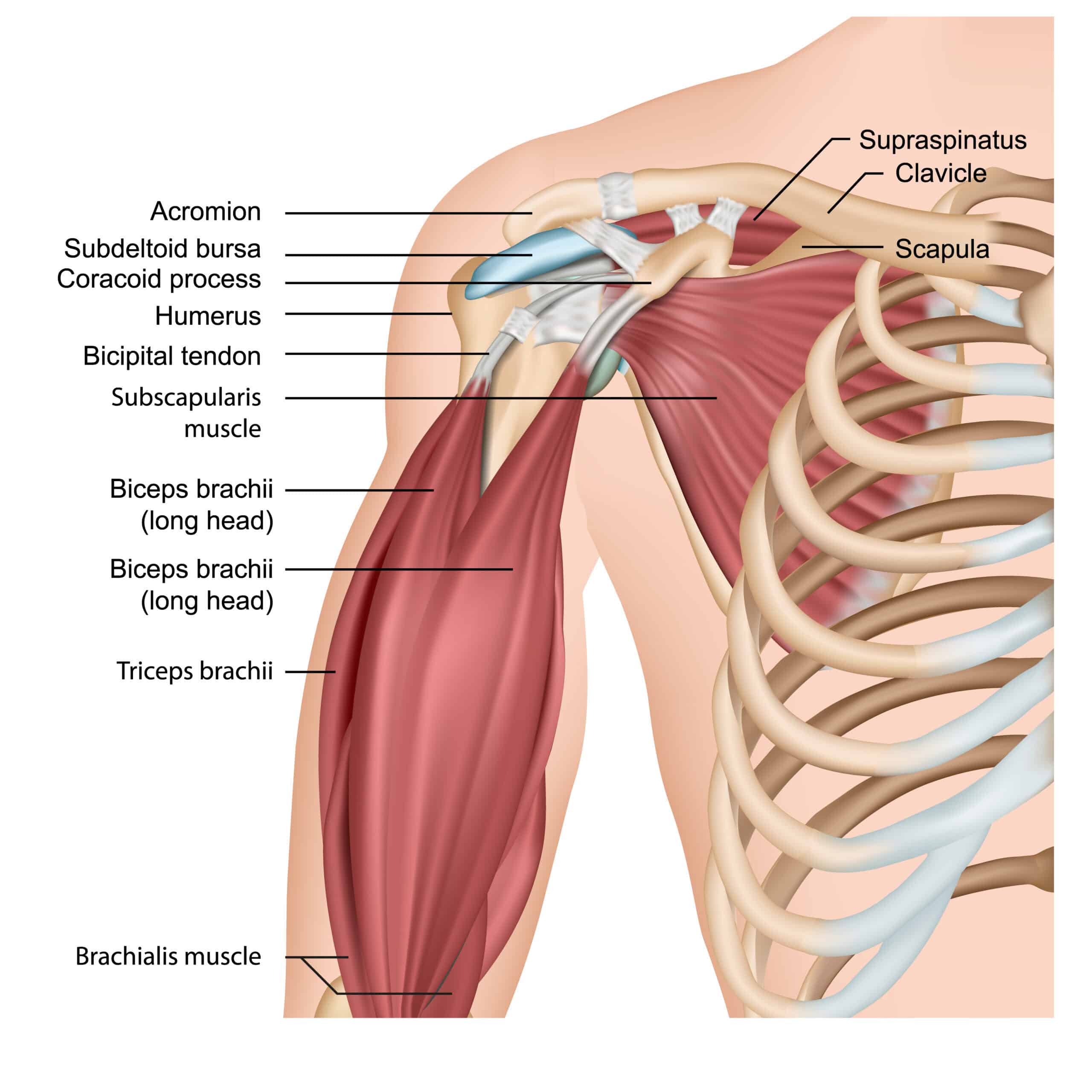
ADVANCED REHAB TOOLS TRINITY REHAB MAY USE
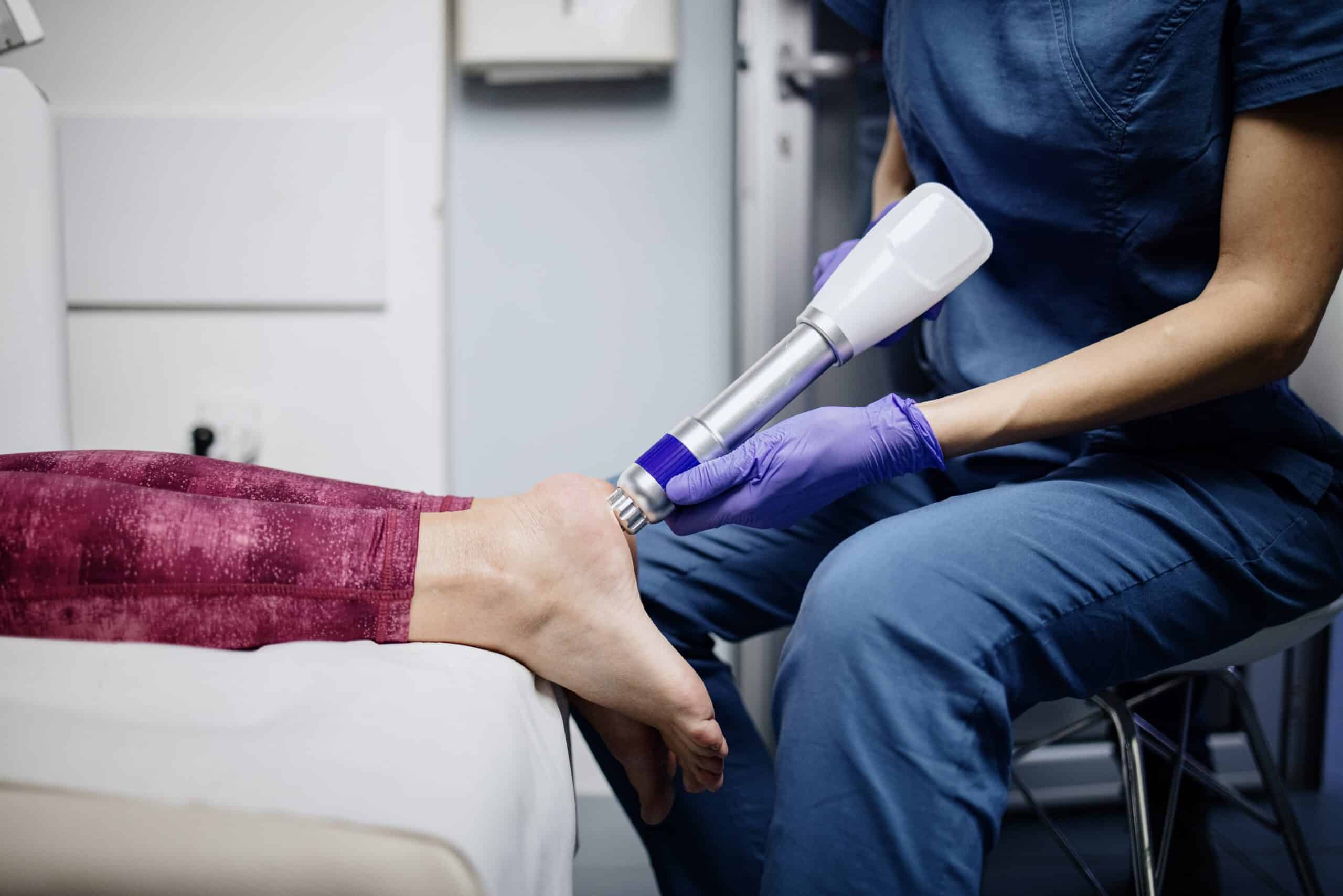
- EPAT (Extracorporeal Pulse Activation Technology) for stubborn soft-tissue pain
- AlterG Anti-Gravity Treadmill® for low-impact cardiovascular training
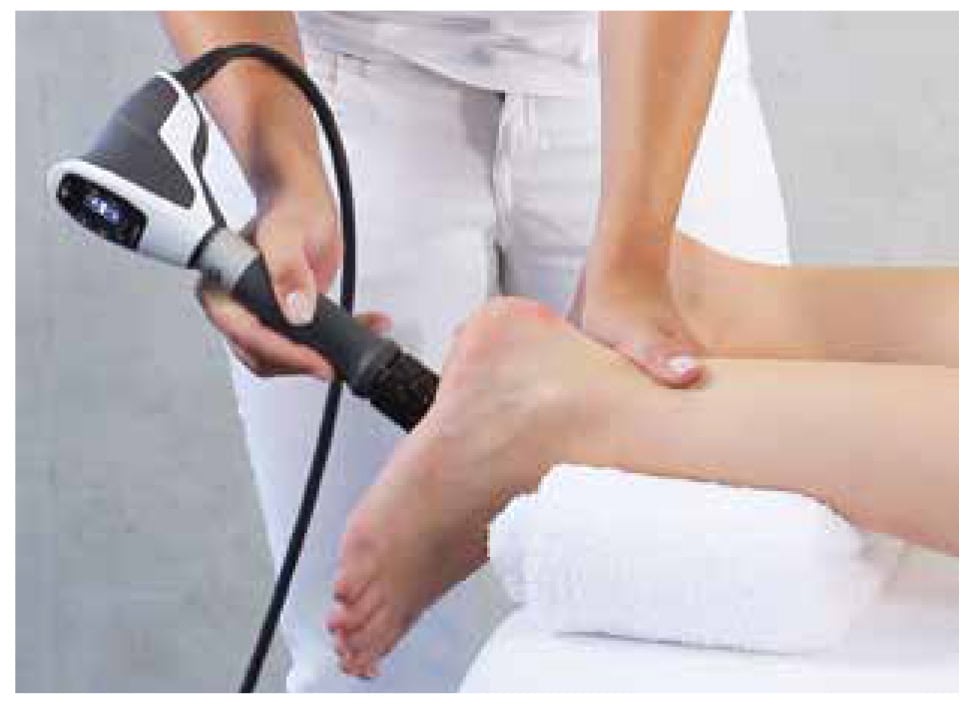
- TRX suspension training for controlled bodyweight strengthening
- Dartfish motion analysis for evaluating shoulder mechanics
FACTORS THAT AFFECT HOW FAST YOU RECOVER
- Tear characteristics: Small tears typically heal in ~4 months; massive tears may take 6–12 months
- Tissue quality: Age, smoking, and diabetes affect how tendons heal properly
- Revision surgery: Previous failed repairs require more conservative timelines
- Job demands: Overhead athletes and tradespeople need slower, targeted progression
The strongest modifiable predictors? Adherence to your home exercise program, attending all physical therapy sessions, and following activity restrictions. Trinity Rehab adjusts pace based on these factors rather than using a one-size-fits-all template.
WARNING SIGNS: WHEN TO CALL YOUR SURGEON OR THERAPIST
- Sudden sharp increase in pain after a movement
- New significant weakness
- Fever or chills
- Redness or drainage from the incision site
- Loss of previously gained motion
A feeling of stretch or mild soreness with new exercises is normal. Intense tearing pain is not. Early reporting allows small issues to be corrected before threatening the repair.
HOW TRINITY REHAB SUPPORTS YOUR ROTATOR CUFF SURGERY RECOVERY
Trinity Rehab serves as your outpatient physical therapy partner throughout the 6–12 month recovery journey. With over 27 clinics across New Jersey and eastern Pennsylvania, we provide:
- One-on-one care with a dedicated physical therapist
- Customized protocols aligned with your surgeon’s guidelines
- Advanced tools including EPAT and the AlterG Anti-Gravity Treadmill®
- Flexible scheduling to fit work and family demands
We commonly treat active adults returning to tennis or golf, workers needing overhead strength, and older adults seeking pain-free daily activities and improved shoulder joint function.
Find Rotator Cuff Treatment Near You
New Jersey Locations
Pennsylvania Locations
FIND ROTATOR CUFF SURGERY RECOVERY NEAR YOU
Trinity Rehab provides specialized post-surgical shoulder rehabilitation at 27 clinics across New Jersey and Pennsylvania. Select your location below for local recovery resources and to schedule your first appointment.
NEW JERSEY LOCATIONS
PENNSYLVANIA LOCATIONS
FREQUENTLY ASKED QUESTIONS
How long does physical therapy take after rotator cuff surgery?
When can I start physical therapy after rotator cuff surgery?
What is the most important factor for a successful rotator cuff surgery recovery?
Can EPAT shockwave therapy help with rotator cuff recovery?
When can I return to sports after rotator cuff surgery?
OTHER CONDITIONS WE TREAT
Trinity Rehab treats a wide range of musculoskeletal conditions. Explore our other condition-specific resources: