
ROTATOR CUFF INJURY TREATMENT IN METUCHEN, NJ
Metuchen is a borough built for staying active. Whether you are walking the 3.5-mile Middlesex Greenway, playing in an indoor league at the Sportsplex, or strolling through the award-winning shops along Main Street, your shoulders are part of nearly every movement you make. When a rotator cuff injury turns something as simple as reaching for a coffee mug into a painful ordeal, daily life in this close-knit community suddenly feels a lot harder.
If shoulder pain has slowed you down, you are not alone. At Trinity Rehab in Metuchen, we provide [individualized physical therapy](https://trinity-rehab.com/physical-therapy-treatments/physical-therapy/) designed to relieve rotator cuff pain, rebuild strength, and get you back to the activities that make living in Metuchen so enjoyable.
[Request an Appointment](https://trinity-rehab.com/physical-therapy-appointment/)
What Is a Rotator Cuff Injury and Why Does Treatment Matter?
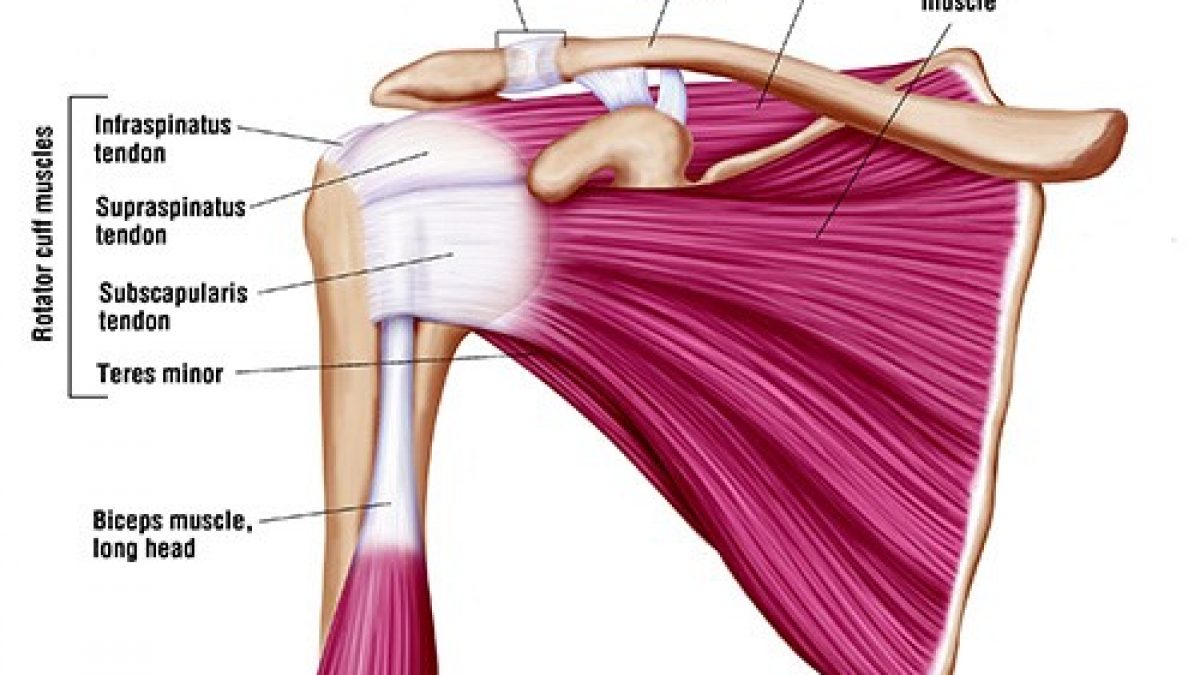
Your rotator cuff is a group of four muscles — the supraspinatus, infraspinatus, teres minor, and subscapularis — along with their tendons. Together, they form a stabilizing sleeve around the glenohumeral joint, keeping the head of your upper arm bone centered in the shallow socket of your shoulder blade. Every time you reach, lift, throw, or rotate your arm, these four muscles work together to make that movement smooth and pain-free.
When one or more of these tendons becomes irritated, partially torn, or fully ruptured, the result is a rotator cuff injury. Diagnoses range from rotator cuff tendinopathy — an overuse-driven degeneration of the tendon — to partial-thickness and full-thickness tears.
Without treatment, rotator cuff injuries tend to worsen. A partial tear can progress into a larger one, chronic pain leads to compensatory patterns that strain your neck and upper back, and range of motion gradually shrinks. Research published in the World Journal of Orthopedics confirms that early, structured physical therapy produces significantly better outcomes than a wait-and-see approach, often eliminating the need for surgery.
Common Causes of Rotator Cuff Injuries in Metuchen
Rotator cuff injuries can happen to anyone, but certain aspects of life in Metuchen make some causes especially common.
- Construction and physical labor — Metuchen is home to employers like DCR Companies and ongoing development projects across the borough. Workers who regularly lift or reach overhead place sustained stress on the supraspinatus tendon. Work-related shoulder injuries are among the most frequent cases we treat.
- Recreational and competitive sports — From tennis programs at USA Sport Group to indoor leagues at the Sportsplex at Metuchen and swimming at the Metuchen Municipal Pool, overhead sports subject the rotator cuff to repetitive microtrauma. Sports injuries involving the shoulder often start with mild discomfort that athletes push through until it becomes a larger problem.
- High school athletics — Student athletes at Metuchen High School competing in baseball, swimming, tennis, and volleyball in the Greater Middlesex Conference are susceptible to rotator cuff strain during growth spurts and intense training seasons.
- Commuter desk posture — Many Metuchen residents commute to Manhattan or surrounding Middlesex County offices, spending hours in positions that promote rounded shoulders. This narrows the subacromial space and increases impingement of the rotator cuff tendons against the acromion bone.
- Age-related tendon changes — With a median age in the low 40s, many Metuchen residents are entering the stage of life when blood supply to the rotator cuff tendons naturally decreases, making the tissue more vulnerable to degeneration.
- Weekend activities — A round of golf at the Metuchen Golf and Country Club, trail walking through Woodwild Park, or an afternoon of yard work can trigger an acute rotator cuff injury — especially without a proper warm-up.
- comprehensive rotator cuff treatment
Recognizing the Symptoms of a Rotator Cuff Injury
The symptoms of a rotator cuff injury often overlap with other forms of shoulder pain, so knowing what to look for helps you seek treatment early.
- A deep, aching pain in the shoulder that worsens at night, especially when lying on the affected side
- Difficulty reaching behind your back — fastening a clasp, tucking in a shirt, or pulling a wallet from a back pocket
- Pain or weakness when lifting your arm overhead or away from your body
- A catching, clicking, or grinding sensation during shoulder movement
- Progressive loss of range of motion that limits everyday tasks like washing your hair or reaching a shelf
- Weakness when gripping, carrying, or lifting objects at arm’s length
- Pain that radiates from the outer shoulder down the upper arm
If these symptoms are familiar, do not wait for the pain to resolve on its own. An early evaluation can prevent further damage and shorten your recovery timeline.
How Physical Therapy Treats Rotator Cuff Injuries
At Trinity Rehab in Metuchen, rotator cuff treatment is never one-size-fits-all. Your therapist begins with a thorough evaluation, then builds a treatment plan around your specific diagnosis and goals. Here are the core approaches we use.
Hands-On Manual Therapy
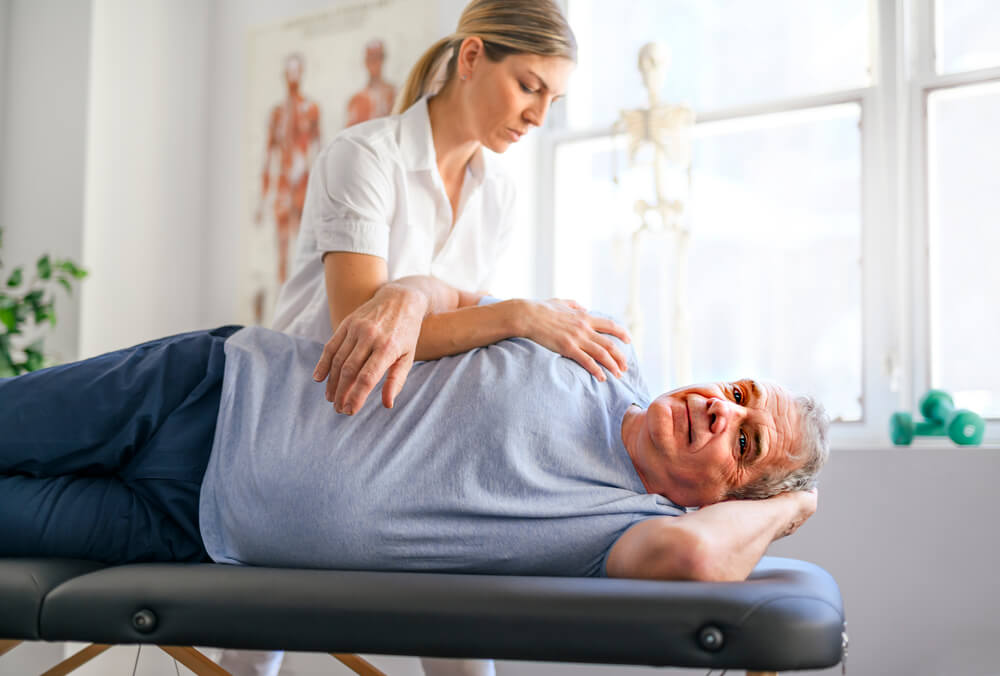
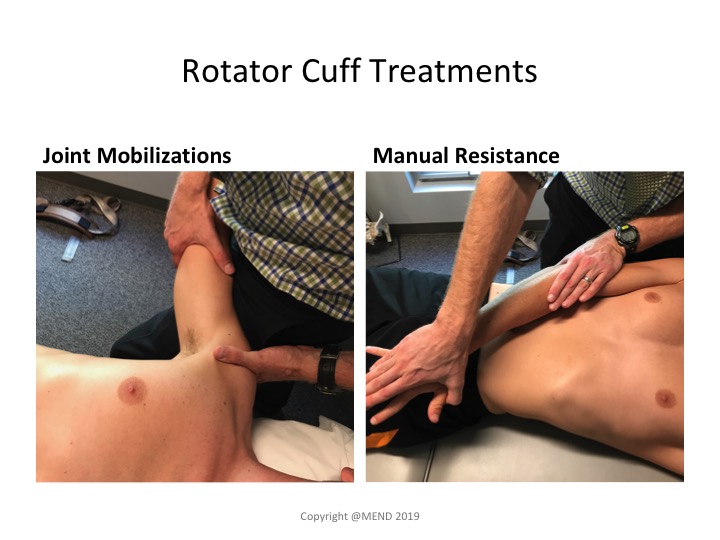
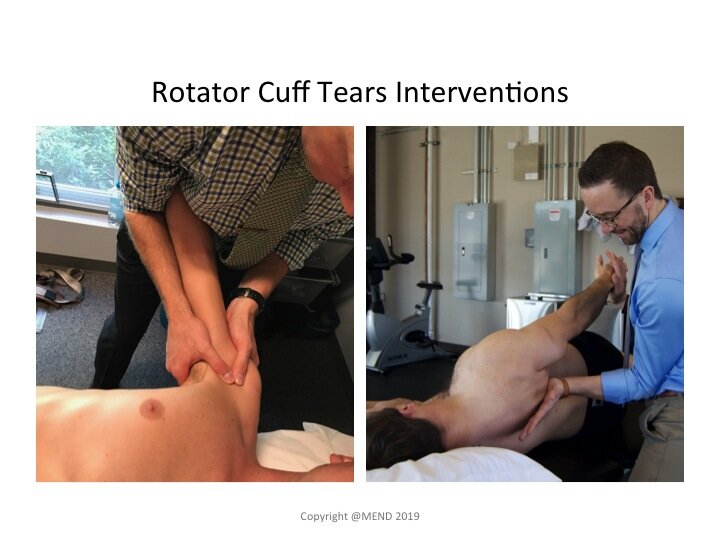
Manual therapy is often the starting point. Your physical therapist uses skilled hands-on techniques — including soft tissue mobilization, myofascial release, and joint mobilization of the glenohumeral and acromioclavicular joints — to reduce muscle guarding, restore joint mechanics, and improve tissue extensibility. For patients with significant stiffness, manual therapy provides noticeable relief early and creates the mobility needed for strengthening work.
When needed, we also address the cervical and thoracic spine, because restrictions in the upper back and neck often contribute to shoulder dysfunction.
Building Shoulder Strength
Restoring strength to the rotator cuff and surrounding muscles is the most critical component of long-term recovery. Your therapist progresses you through a structured program tailored to your tissue’s healing capacity.
- Isometric strengthening loads the rotator cuff with static holds, building tendon tolerance without movement through painful arcs.
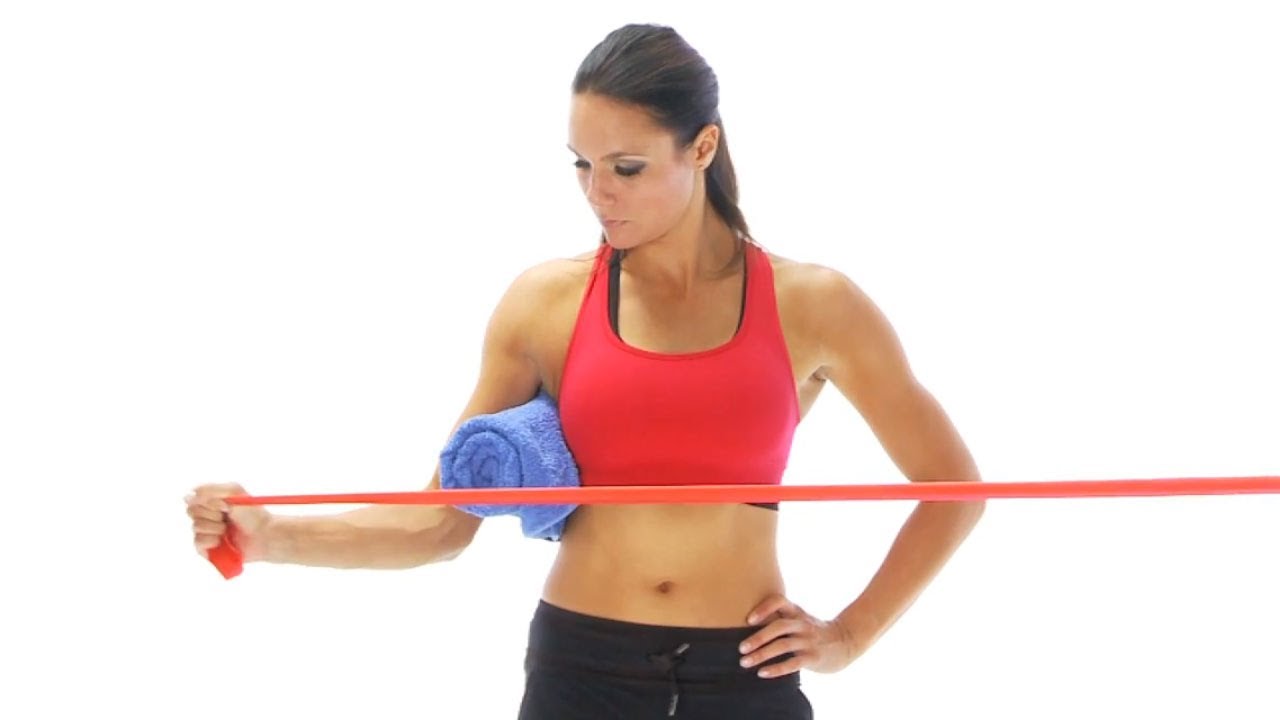
- Resistance band exercises target internal rotation, external rotation, and scapular retraction to rebuild the infraspinatus, teres minor, and subscapularis.
- Eccentric loading protocols use controlled lowering movements specifically effective for tendon healing — strong evidence supports eccentric exercise as a cornerstone treatment for rotator cuff tendinopathy and partial tears.
- Scapular stabilization drills activate the lower trapezius, serratus anterior, and rhomboids. Without a stable scapula, the rotator cuff cannot function efficiently.
- Proprioceptive training — including rhythmic stabilization and perturbation drills — retrains the shoulder’s dynamic stability, which is especially important for Metuchen athletes returning to sports at the Sportsplex or on the tennis court.
Advanced Pain Relief with EPAT
For patients with chronic rotator cuff tendinopathy or calcific tendinitis that has not responded to exercise alone, Extracorporeal Pulse Activation Technology (EPAT) offers a non-invasive option. EPAT delivers focused acoustic pressure waves into the injured tendon, stimulating blood flow, accelerating collagen production, and triggering the body’s natural tissue repair.
This technology is particularly valuable for Metuchen patients whose shoulder pain has lingered — perhaps from a long season of overhead tennis serves or years of repetitive motion at work. EPAT requires no downtime and is often combined with strengthening exercises for the best results.
Trigger Point Dry Needling
Chronic rotator cuff injuries often involve myofascial trigger points — tight, painful knots that refer pain and limit normal muscle activation. Dry needling uses thin, sterile filament needles to target these trigger points in the rotator cuff muscles, upper trapezius, and periscapular muscles. By releasing them, dry needling restores normal muscle length, reduces referred pain, and allows proper activation during strengthening exercises.
Getting Back to Your Active Life
The final stage of rehabilitation bridges the gap between clinical strength and the real-world demands of your life in Metuchen.
- If you are a tennis player, that means progressive serving and overhead stroke drills.
- If you work in construction, it means simulating the lifting and overhead reaching your job requires.
- If your goal is to walk the Middlesex Greenway without shoulder aching or swim laps at the Metuchen Municipal Pool, your program is shaped around those activities.
You will also receive a home exercise program to preserve your range of motion, rotator cuff strength, and scapular stability long after formal treatment concludes.
Tips to Prevent Rotator Cuff Injuries
Whether you are recovering or want to protect your shoulders before a problem starts, these habits matter.
- Maintain rotator cuff and scapular strength — Resistance band external rotation and scapular retraction exercises two to three times per week keep the shoulder’s stabilizers strong.
- Stretch the posterior shoulder — Cross-body and sleeper stretches maintain posterior capsule flexibility and help prevent impingement.
- Prioritize good posture — Whether sitting at a desk, driving into Manhattan, or standing on a job site, keeping your shoulders back preserves healthy subacromial space.
- Warm up before activity — Before a match at the Metuchen Golf and Country Club, a workout at the Sportsplex, or a weekend project, spend five minutes on pendulum movements and light band exercises.
- Modify repetitive overhead tasks — Build in rest breaks, switch hands when possible, and adjust workstation heights to minimize prolonged reaching.
- Listen to your body early — A mild shoulder ache today could become a significant tear if ignored. Scheduling an evaluation at the first sign of persistent discomfort protects your long-term shoulder health.
Why Metuchen Residents Choose Trinity Rehab
Here is what sets Trinity Rehab in Metuchen apart.
- One-on-one care at every visit — You work directly with a licensed physical therapist for the entire session. No handoffs to aides, no split attention.
- Evidence-based treatment — Our rotator cuff protocols are grounded in current research on tendon healing, eccentric loading, and neuromuscular control.
- Advanced modalities under one roof — Manual therapy, dry needling, and EPAT/shockwave therapy are all available at our clinic.
- Direct access in New Jersey — State law allows you to begin physical therapy without a physician referral, so you can start treatment sooner.
- Convenient for Metuchen’s commuting families — Our clinic serves the Metuchen community and surrounding Edison and Middlesex County areas, fitting into the busy schedules of working professionals and active families.
- Insurance coordination — We work with most major insurance plans and handle verification so you can focus on recovery.
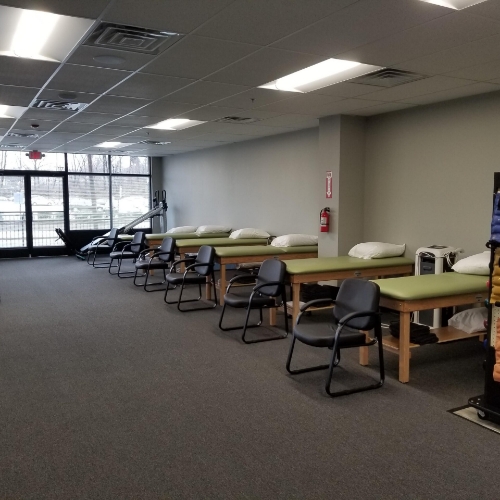
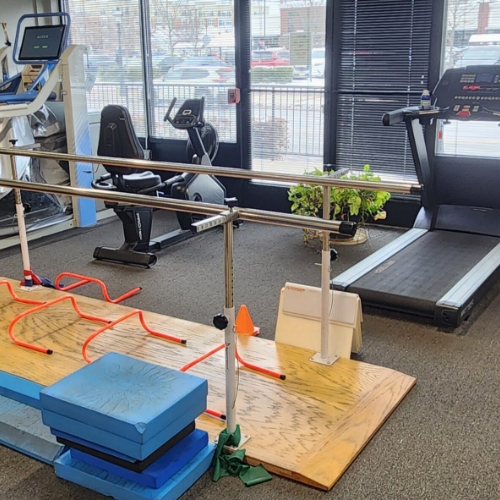
Inside Our Metuchen Clinic
Frequently Asked Questions
Where can I get rotator cuff treatment in Metuchen, NJ?
Can physical therapy heal a rotator cuff tear without surgery?
How long does rotator cuff physical therapy take?
Do I need an MRI before starting physical therapy for my shoulder?
What is the difference between rotator cuff tendinopathy and a rotator cuff tear?
Take the First Step Toward Shoulder Recovery
A rotator cuff injury does not have to keep you from the life you enjoy in Metuchen — whether that means exploring Centennial Park, competing at the Sportsplex, keeping up with your kids, or simply going through your day without shoulder pain. At Trinity Rehab in Metuchen, we have helped patients throughout Middlesex County recover and return to full, active lives.
- Request an appointment online or call Trinity Rehab in Metuchen.
- Complete your initial evaluation — a thorough assessment of your shoulder’s range of motion, strength, and functional limitations.
- Begin your personalized treatment plan — built around your specific injury, your goals, and your schedule.
You do not need a physician referral to start physical therapy in New Jersey. Schedule your evaluation today and take the first step toward a shoulder that moves the way it should.
Start Your Recovery in Metuchen Today
Don’t let shoulder pain hold you back. Schedule your evaluation at Trinity Rehab in Metuchen and take the first step toward a stronger, pain-free shoulder.
Related Conditions & Treatments
Rotator cuff injuries are just one of the many conditions we treat at Trinity Rehab Metuchen. Explore our full range of conditions we treat or learn more about specific treatment approaches:
What Our Patients Say



Sign up for free health tips and tricks