
ROTATOR CUFF INJURY TREATMENT IN HAMILTON, NJ
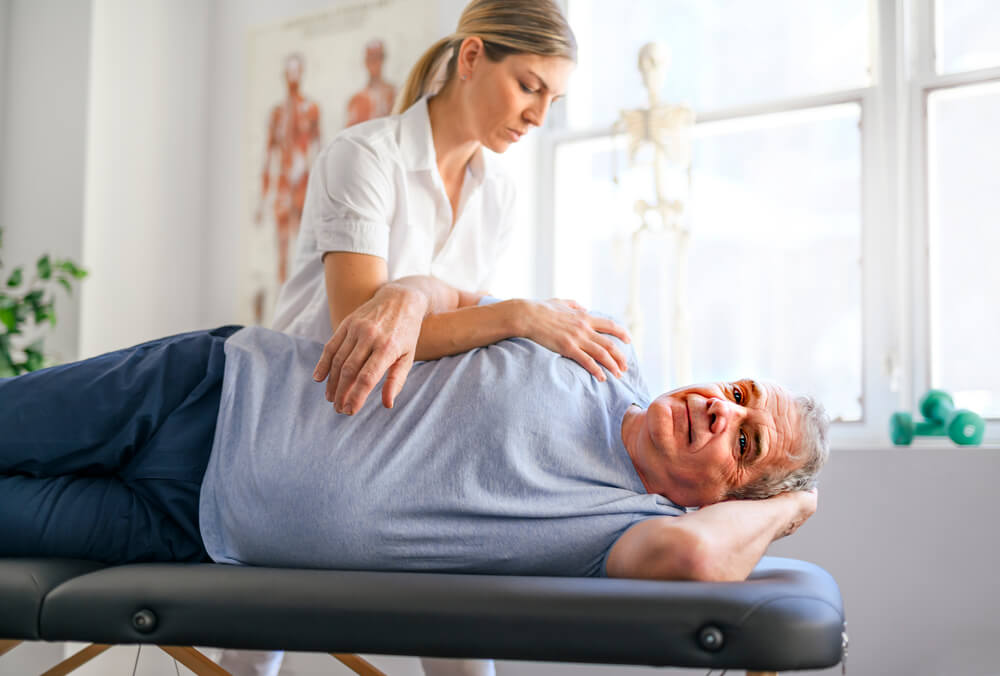
Your Shoulder Kept Up With Hamilton's Pace — Until It Couldn't
You felt it for the first time at the Tennis and Pickleball Complex — that overhead serve you’ve hit a thousand times suddenly sent a jolt through your shoulder. Or maybe it was weeks of dull soreness after long shifts at Robert Wood Johnson University Hospital Hamilton, where lifting patients is just part of the job. Perhaps you noticed it while planting azaleas inspired by Sayen Botanical Gardens — a twinge that didn’t go away.
Hamilton is a community in motion. Spanning 40 square miles between Trenton and Princeton, this township is home to families in Hamilton PAL youth leagues, warehouse workers along Route 130, hospital staff caring for patients around the clock, and retirees enjoying Veterans Park’s 33 acres of trails. When your rotator cuff fails, everything gets harder.
The question isn’t whether you can recover — it’s whether you’ll get the right treatment from a team that understands your life. At Trinity Rehab in Hamilton, we answer that question every day.
The Anatomy Behind Your Pain
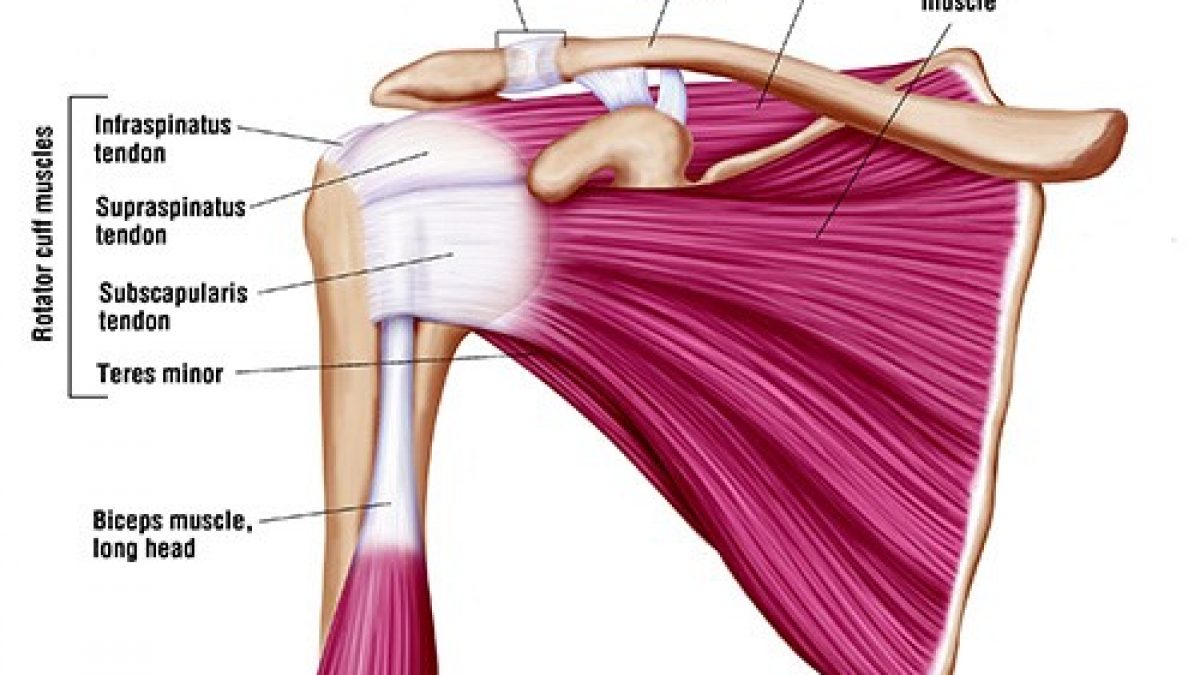
The glenohumeral joint — where your upper arm bone meets the shallow socket of your shoulder blade — is the most mobile joint in your body. That mobility comes at a cost: the joint relies almost entirely on soft tissue for stability.
That soft tissue is your rotator cuff — four muscles forming a dynamic sleeve around the joint. The supraspinatus initiates arm lifting and is the most frequently injured because it passes through a narrow corridor vulnerable to compression with every overhead reach. The infraspinatus controls external rotation — reaching to the side or cocking your arm for a serve. The teres minor assists in external rotation, and the subscapularis powers internal rotation.
When one or more is injured — through rotator cuff tendinopathy, a partial tear, or a complete rupture — coordination collapses. Your body compensates with the upper trapezius and deltoid, creating secondary pain in your neck and upper back. This is why “resting” a rotator cuff injury usually makes things worse. Without targeted rehabilitation, compensations become entrenched and the window for conservative recovery narrows.
How Rotator Cuff Injuries Happen in Hamilton
The causes we see most often at our Hamilton clinic reflect the diverse, physically active character of this township.
Overhead Sports and Recreation
Hamilton’s 18-court Tennis and Pickleball Complex, Hamilton Trails Golf Club, and extensive PAL youth programs mean a large portion of our patients are active in overhead sports. The repetitive serving motion generates tremendous force, particularly during deceleration when the supraspinatus and infraspinatus must eccentrically brake the arm. Athletes at Hamilton High School West and Steinert High School face similar demands in baseball, swimming, and volleyball, where eccentric loading accumulates throughout a season.
Hospital and Healthcare Work
With Robert Wood Johnson University Hospital Hamilton (287 beds) and Capital Health Hamilton as major employers, many of our patients work in clinical settings. Nursing and patient transport require frequent lifting and supporting weight at arm’s length. A sudden grab to prevent a patient fall can instantly overload a tendon accumulating microtrauma for months. If you’ve sustained a work injury, early treatment is essential.
Warehouse and Distribution Labor
Hamilton’s position along major transportation routes supports a substantial warehouse sector. Workers perform repetitive overhead reaching, lifting, and stacking on tight timelines. The combination of high volume, overhead positioning, and fatigue creates ideal conditions for rotator cuff tendinopathy — injuries that develop gradually until function is significantly compromised.
Home and Garden Maintenance
Hamilton’s 72% homeownership rate means most residents handle their own yard work and repairs. Painting ceilings, cleaning gutters, and garden projects inspired by Sayen’s botanical displays all demand sustained overhead work. For residents over 45, these activities push aging tendons past their threshold.
The Commuter Factor
Hamilton residents commute toward New York, Philadelphia, and surrounding centers — averaging 25 minutes each way. Hours with shoulders rounded forward weakens the posterior rotator cuff and tightens anterior structures, creating the imbalance underlying impingement and tendinopathy.
Recognizing When Your Shoulder Needs Help
Not every shoulder ache is a rotator cuff injury, but these specific patterns should prompt you to seek professional evaluation:
- Night pain — a hallmark of rotator cuff involvement, particularly an ache that intensifies when you lie on the affected side
- The painful arc — pain that occurs specifically when raising your arm between 60 and 120 degrees, then diminishes above and below that range
- Weakness with external rotation — difficulty turning a doorknob, reaching to your side, or holding weight away from your body
- Progressive loss of range of motion — your shoulder gradually loses the ability to reach overhead, behind your back, or across your body
- Crepitus — a grinding or crunching sensation within the joint during movement
- Pain with specific activities — serving in tennis, reaching overhead at work, fastening a seatbelt, or reaching into the backseat of your car
- Referred pain into the lateral arm that may mimic a nerve problem
- learn more about rotator cuff recovery
If any of these descriptions match your experience, request an appointment with Trinity Rehab. New Jersey’s direct access law means you can begin physical therapy without waiting for a physician referral.
Calming the Pain: Your First Weeks of Treatment
When you first arrive at Trinity Rehab in Hamilton, your therapist performs a comprehensive evaluation — assessing range of motion, strength, and functional limitations — then explains exactly what’s happening and what comes next.
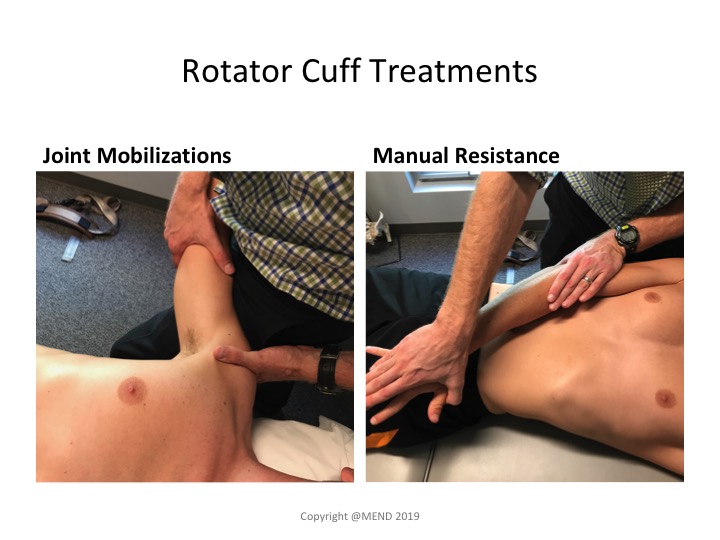
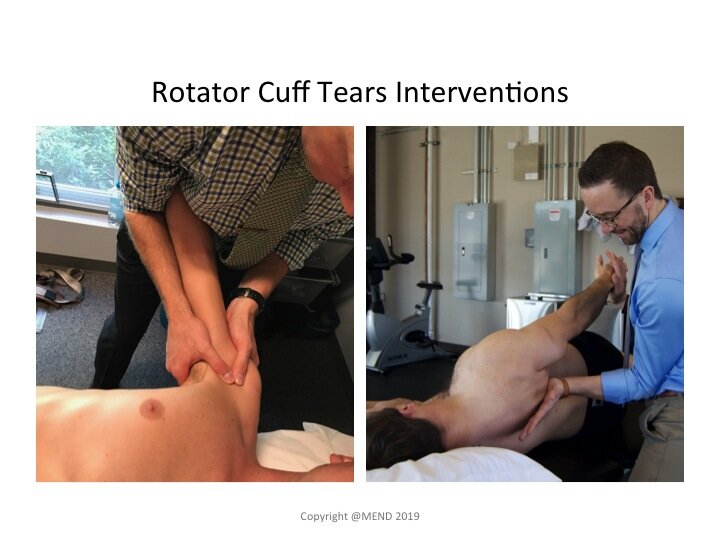
Hands-on manual therapy forms the foundation. Joint mobilizations restore the normal accessory movements within your glenohumeral joint that must occur for your arm to move freely. Skilled mobilization breaks the cycle of pain, guarding, and dysfunction.
Soft tissue release and dry needling address muscular tension and trigger points around the shoulder. Dry needling reaches deep tissue that manual techniques alone may not fully resolve, promoting blood flow and accelerating recovery.
Guided range of motion exercises — pendulums, wall walks, and assisted stretches — maintain mobility without stressing injured tissue, preventing the frozen shoulder that can complicate rotator cuff injuries.
EPAT therapy may be introduced for chronic rotator cuff tendinopathy that hasn’t responded to rest. EPAT uses acoustic pressure waves to trigger tendon repair, promoting new blood vessel formation and collagen reorganization.
Pain relief is the starting line — not the finish.
Rebuilding Your Foundation: Progressive Strengthening
With pain under control, the work of genuine restoration begins. This is the phase that determines your long-term outcome — and it’s where Trinity Rehab’s expertise makes the greatest difference.
Eccentric strengthening is the centerpiece. Eccentric loading — controlled lowering of resistance — has the strongest evidence base for rebuilding tendon resilience. Your therapist designs protocols for the supraspinatus and infraspinatus, progressing methodically as tissue adapts. This is precisely calibrated stress that stimulates tendon remodeling at the cellular level.
Scapular stabilization receives equal attention. The serratus anterior and lower trapezius are the foundation your rotator cuff depends on. Scapular stabilization exercises restore the coordinated scapulohumeral rhythm essential for overhead movement — critical for Hamilton residents who commute, sit at desks, or work in forward-reaching positions.
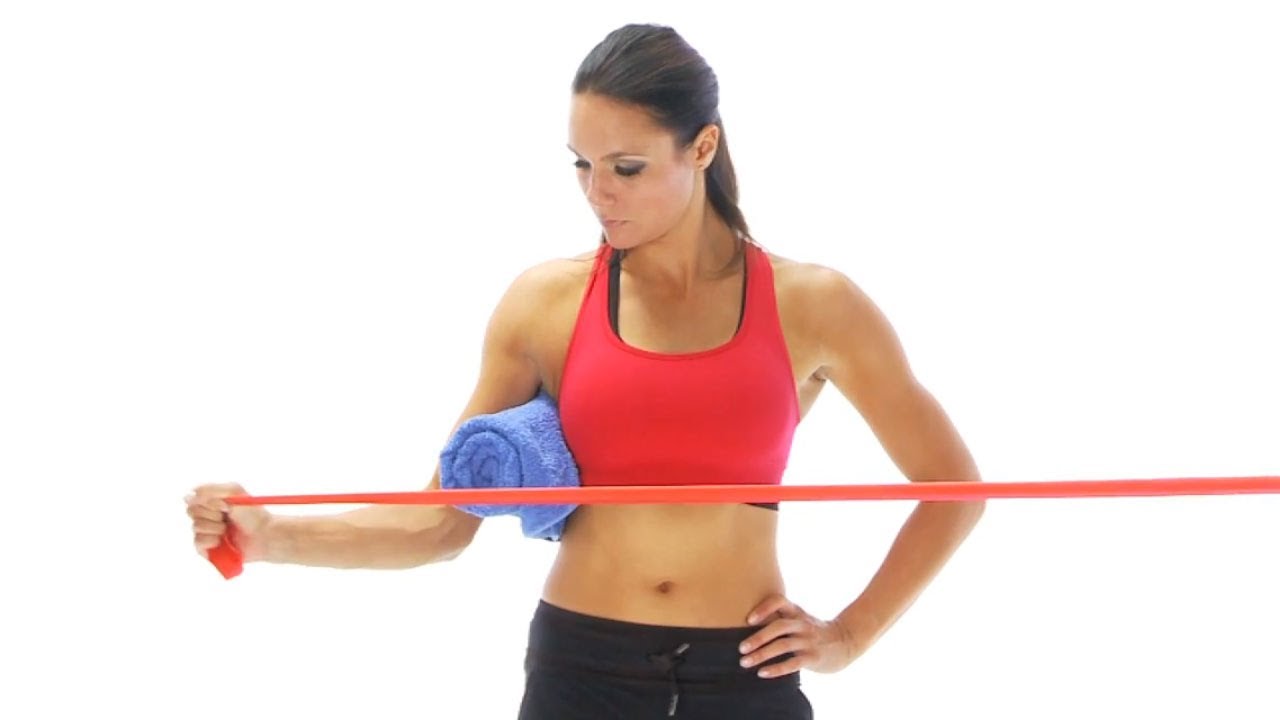
Rotational strength training rebuilds the infraspinatus and subscapularis through resisted rotation exercises, advancing from supported positions to standing functional patterns.
Proprioceptive drills retrain the reflexive stabilization that injury disrupts — catching yourself on the trails at Veterans Park, bracing during a pickleball direction change, or absorbing the impact of a heavy box at work.
Returning to Work and Play: Functional Rehabilitation
This final stage is built around the activities that define your Hamilton life.
For athletes, we build graduated return-to-sport protocols. Tennis and pickleball players at the Complex systematically rebuild their serving motion. Swimmers at RWJ Fitness and Wellness Center address freestyle and butterfly demands. Parents throwing batting practice for the Hornets or Spartans get their shoulders prepared for exactly that. Our sports injury rehabilitation programs are activity-specific because generic strength doesn’t equal sport-ready function.
For hospital and warehouse workers, work hardening protocols replicate your job’s physical demands. You return to work with confidence because your shoulder has already proven it can handle the load.
For homeowners, we build the overhead endurance and tool-handling capacity that property maintenance demands — preparing your shoulder before you test it at home.
Every physical therapy plan ends with a home exercise program you own — a 15-to-20-minute maintenance routine for years to come.
Keeping Your Shoulder Healthy After Recovery
Prevention is ongoing, not a one-time event. These strategies are specifically relevant to life in Hamilton:
- Warm up before overhead activity. Whether you’re heading to the courts, starting a shift, or tackling a weekend project, five minutes of band pull-aparts, wall slides, and arm circles activate your rotator cuff and prepare it for load.
- Strengthen the muscles you can’t see. The posterior rotator cuff and scapular stabilizers are invisible in the mirror but critical for shoulder health. Maintain the exercises your therapist prescribes even after you feel fully recovered.
- Manage your workload. If your job involves repetitive overhead tasks, advocate for task rotation and scheduled rest breaks. Fatigue-related injuries are preventable with workplace planning.
- Address thoracic stiffness. A rigid upper back forces your shoulder to compensate with excess motion, increasing impingement risk. Foam rolling your thoracic spine and performing seated rotation stretches daily can make a significant difference, particularly if you commute.
- Don’t wait on symptoms. The earlier a rotator cuff problem is addressed, the simpler and shorter the recovery. If you notice persistent shoulder pain after activity, schedule a preventive evaluation before it escalates.
Why Hamilton Residents Choose Trinity Rehab
Your shoulder injury deserves more than a generic exercise sheet and a timer. At Trinity Rehab in Hamilton, you receive:
- Dedicated one-on-one care from a licensed physical therapist for the duration of every session — your therapist knows your injury, your progress, and your goals
- A comprehensive treatment approach that integrates manual therapy, progressive exercise science, and advanced modalities like dry needling and EPAT
- Functional rehabilitation tailored to the specific demands of your work, sport, and daily life — not a one-size-fits-all program
- Convenient scheduling that accommodates the multi-directional commuting patterns and busy family schedules of Hamilton residents
- Direct access physical therapy — start treatment immediately without waiting for a referral, because early intervention produces better outcomes
We specialize in shoulder pain relief and have helped countless Hamilton Township residents return to full function after rotator cuff injuries. Our reputation is built on results, transparency, and genuine investment in every patient’s recovery.
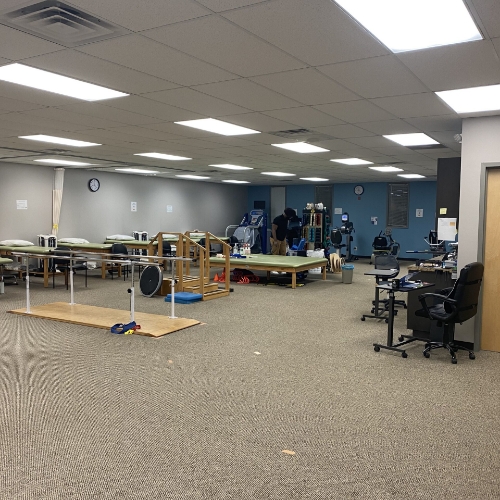
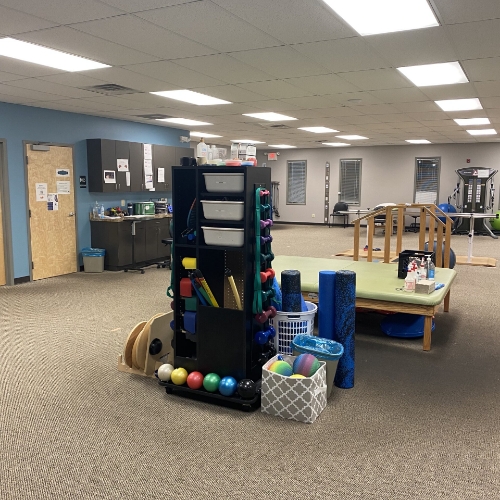
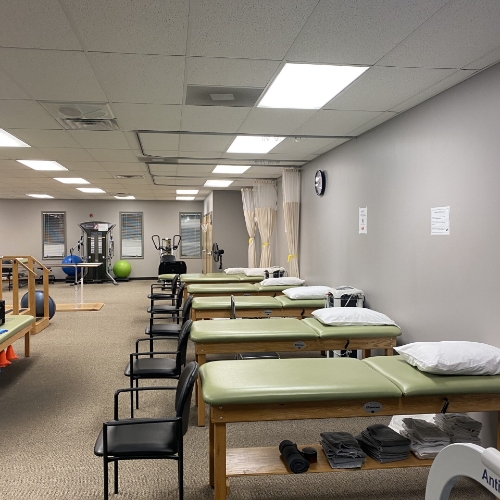
Inside Our Hamilton Clinic
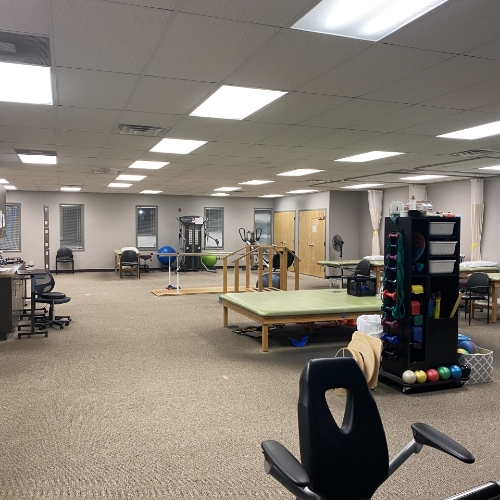
Frequently Asked Questions
How do I know if my rotator cuff injury needs surgery or if physical therapy is enough?
Can I still play tennis or pickleball while rehabbing my rotator cuff?
Will my insurance cover rotator cuff physical therapy?
How is Trinity Rehab's approach different from exercises I can find online?
Your Recovery Starts With One Decision
You’ve been living with shoulder pain long enough. Whether it started on the pickleball court, during a shift at the hospital, in a warehouse along Route 130, or while tending the garden beds in your backyard, the path back to full function runs through expert rehabilitation.
Trinity Rehab in Hamilton is ready to help you recover — not just from the pain, but from the limitations, the worry, and the frustration that come with a shoulder that won’t cooperate. Schedule your appointment today and take the first step toward a shoulder that’s ready for everything Hamilton life demands.
Start Your Recovery in Hamilton Today
Don’t let shoulder pain hold you back. Schedule your evaluation at Trinity Rehab in Hamilton and take the first step toward a stronger, pain-free shoulder.
Related Conditions & Treatments
Rotator cuff injuries are just one of the many conditions we treat at Trinity Rehab Hamilton. Explore our full range of conditions we treat or learn more about specific treatment approaches:
What Our Patients Say



Sign up for free health tips and tricks