
ROTATOR CUFF INJURY TREATMENT IN MATAWAN, NJ
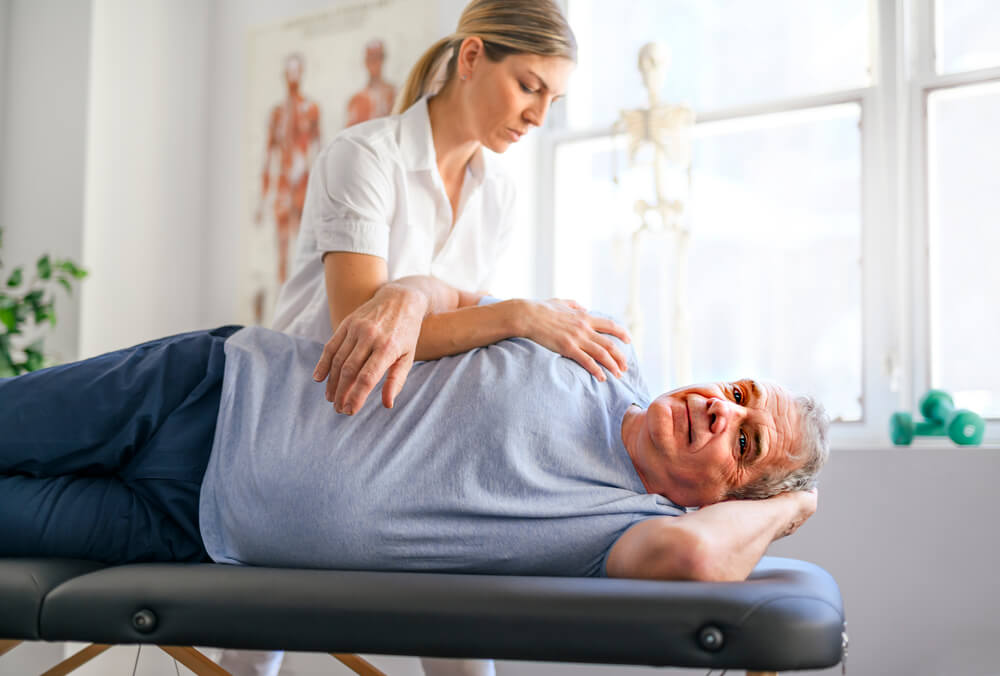
When Shoulder Pain Disrupts Your Matawan Lifestyle
You moved to Matawan for the quality of life — weekend rides along the Henry Hudson Trail, morning hikes through the salt marshes of Cheesequake State Park, or a round at Mattawang Golf Club before the afternoon heat. Maybe you spend Saturdays cheering on the Huskies at Matawan Regional High School or rallying with your doubles partner at Jersey 34 Tennis Club. Whatever brings you joy in this tight-knit Raritan Bayshore community, a rotator cuff injury can bring it all to a halt.
If you have been waking up with a deep ache in your shoulder, struggling to reach overhead, or wincing every time you swing a racket or pull a suitcase from the luggage rack on your NJ Transit commute, you are not alone. Rotator cuff injuries are among the most common shoulder problems we treat at Trinity Rehab, and residents across Matawan and Aberdeen trust us to help them recover and get back to the activities that matter most.
This guide covers what causes rotator cuff injuries, how to recognize the warning signs, and the proven, phase-based physical therapy approach we use right here in Matawan to restore your shoulder strength and function.
What Is a Rotator Cuff Injury and Why Does Treatment Matter?
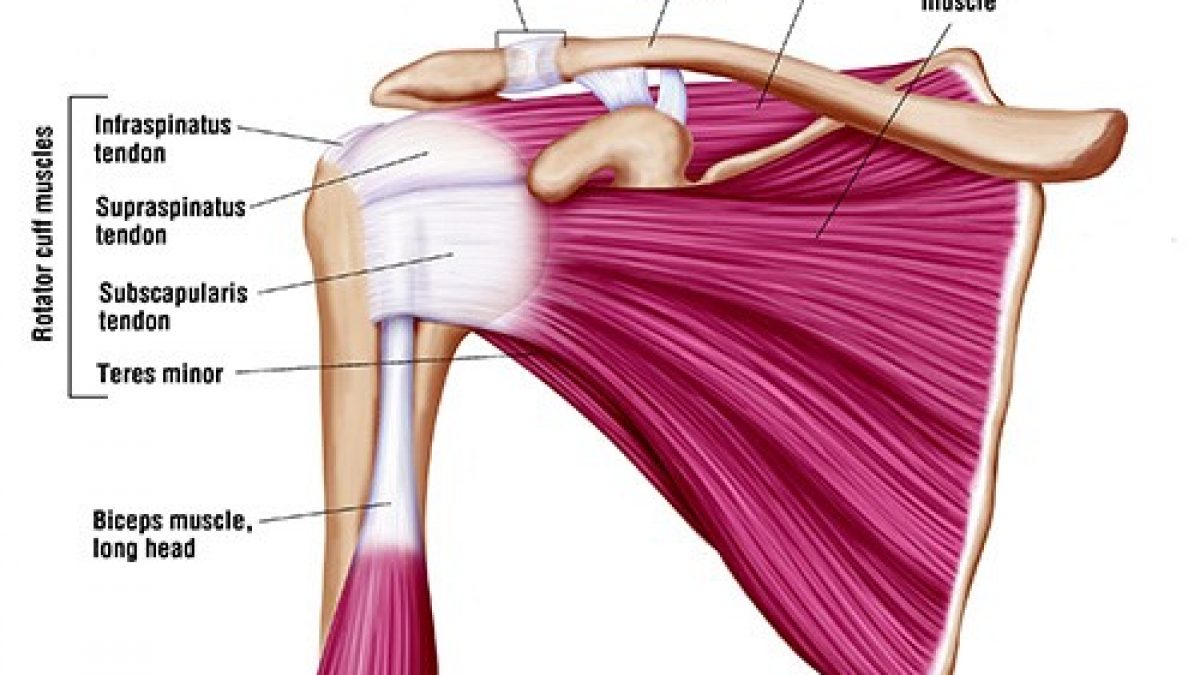
Your rotator cuff is a group of four muscles and their tendons — the supraspinatus, infraspinatus, teres minor, and subscapularis — that hold your upper arm bone securely within the glenohumeral joint. These muscles stabilize your shoulder during every push, pull, lift, and reach you perform throughout the day.
The supraspinatus initiates arm lifting and is the most frequently injured. The infraspinatus and teres minor control outward rotation — the motion you rely on when throwing a baseball or following through on a backhand. The subscapularis manages inward rotation and front-side stability.
When any of these structures are strained, partially torn, or chronically inflamed — a condition known as rotator cuff tendinopathy — you lose the shoulder stability and range of motion your daily life depends on. Physical therapy is the first-line treatment for partial tears, degenerative tears, and chronic tendinopathy, with research consistently showing outcomes comparable to surgery for many patients when treatment starts early.
Common Causes of Rotator Cuff Injuries in Matawan
Workplace Demands
Matawan is home to employers like Ecolab and Broadcom, along with healthcare facilities such as Meadowbrook Respiratory and Nursing Center. Whether you perform repetitive handling tasks on a manufacturing line, spend eight-plus hours at a desk, or lift patients in a clinical setting, your shoulders absorb tremendous cumulative stress. If your pain seems tied to your job, our team has extensive experience treating work-related injuries and can coordinate with your employer or workers’ compensation carrier.
Sports and Recreation
The baseball program at Matawan Regional High School carries a tradition stretching back to Central Jersey championships in the 1920s and late 1950s, and today’s young Huskies pitchers throw thousands of pitches each season. Adults serving at Jersey 34 Tennis Club or swinging through 18 holes at Mattawang or Old Bridge Golf Club face the same high-force rotational demands. Youth soccer players in the Aberdeen-Matawan Soccer league, football players, and swimmers at Cheesequake State Park all rely on healthy shoulders. Any of these sports-related activities can lead to acute tears or chronic overuse when training volume outpaces tissue tolerance.
Age-Related Degeneration
Matawan’s median age falls between 41 and 44 — right when degenerative rotator cuff changes become more common. After 40, tendons lose blood supply and elasticity, making them susceptible to fraying. Bone spurs can develop along the acromion, narrowing the space where the supraspinatus tendon passes and creating impingement with every overhead reach.
Commuter Posture
Thousands of Matawan residents commute daily by NJ Transit into New York City. Hours hunched over a laptop or gripping a steering wheel on the Garden State Parkway encourage rounded-shoulder posture that weakens the rotator cuff and the scapular stabilizers supporting it. Over time, this shifts the mechanics of your glenohumeral joint, compresses the tendons, and sets the stage for tendinopathy.
Recognizing the Signs
Seek evaluation if you experience:
- Aching pain at rest or at night, especially when lying on the affected side
- Difficulty reaching behind your back — clasping a bra, tucking in a shirt, or reaching for your wallet
- Weakness with overhead activities — lifting above shoulder height or throwing feels harder
- Catching, clicking, or grinding during shoulder movement
- Progressive loss of range of motion — you can no longer raise your arm as high as the other side
- Pain radiating from the shoulder toward the elbow during reaching or lifting
- rotator cuff treatment overview
If these symptoms sound familiar, schedule an appointment at Trinity Rehab. New Jersey’s direct access law lets you begin physical therapy without a physician referral.
How Physical Therapy Treats Rotator Cuff Injuries: A Three-Phase Approach
At Trinity Rehab, we follow an evidence-based rehabilitation protocol adapted to your injury, pain levels, and goals. Whether you aim to pitch pain-free at Huskies spring tryouts, return to competitive singles at Jersey 34, or simply carry groceries without discomfort, your plan of care is built around you.
Phase 1: Pain Reduction and Tissue Protection
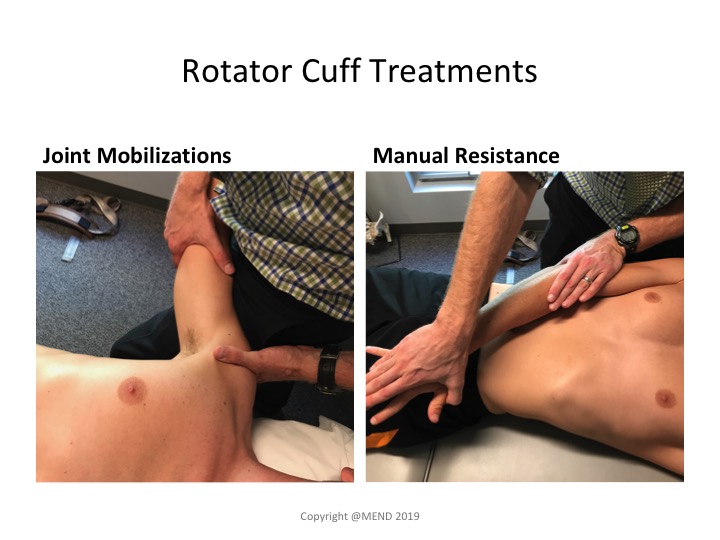
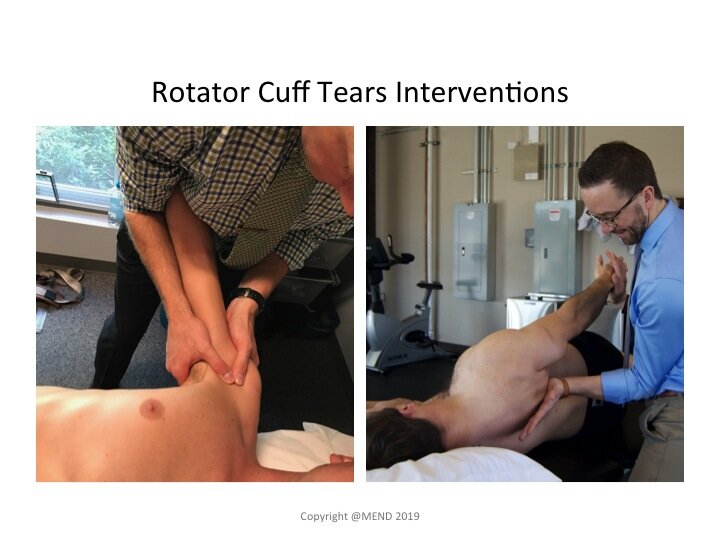
- Manual therapy — Hands-on techniques including joint mobilizations of the glenohumeral joint and thoracic spine, soft tissue work, and myofascial release to reduce guarding and restore pain-free movement.
- Passive and active-assisted range of motion — Gentle movements using pulleys, wands, or wall slides to maintain joint mobility without overloading the healing tendon.
- Pain modulation — Ice, electrical stimulation, or ultrasound to manage inflammation between sessions.
- Postural education — Particularly important for Matawan’s desk workers and commuters, we teach you how to position your shoulders and upper back throughout the day to reduce impingement.
- Early scapular stabilization — Low-level exercises to reactivate the muscles that anchor your shoulder blade, ensuring it moves correctly as your arm moves.
Most patients notice meaningful improvement in pain and sleep quality within two to three weeks.
Phase 2: Progressive Strengthening
- Isometric strengthening — Contracting the rotator cuff without moving the joint builds tendon capacity safely and is especially effective for rotator cuff tendinopathy.
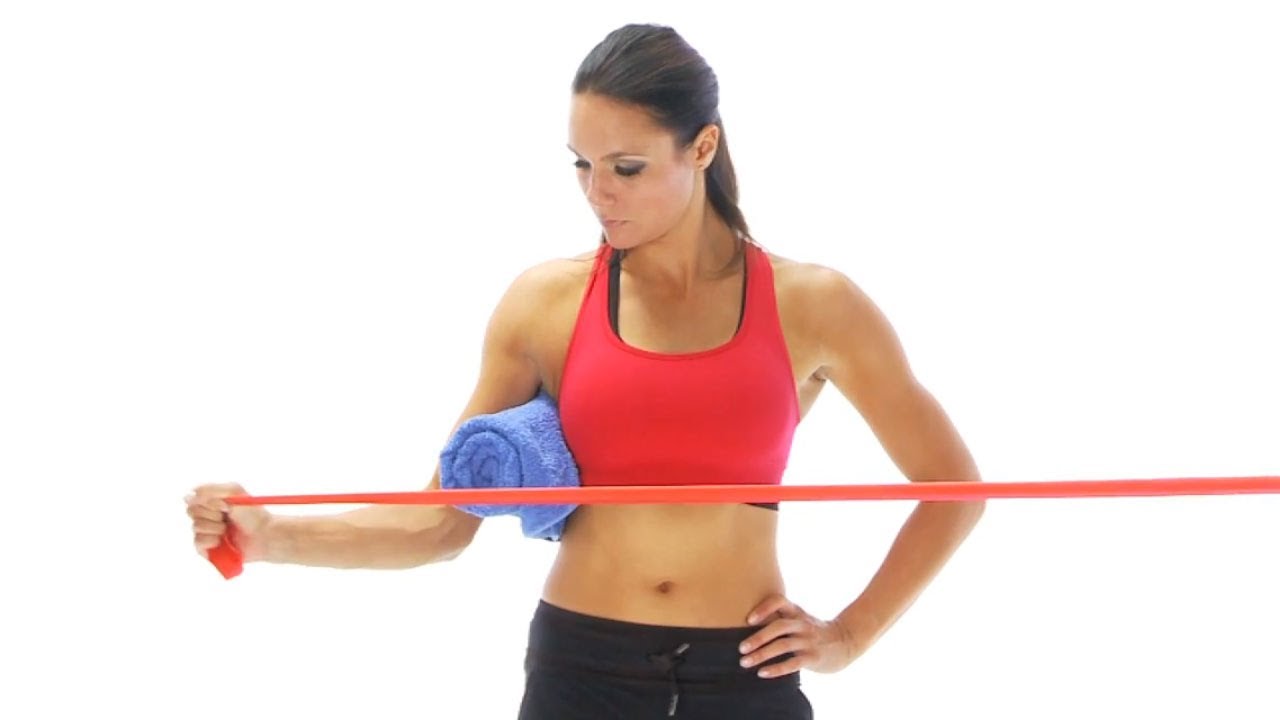
- Resistance band exercises — Progressive external rotation, internal rotation, and scaption exercises with bands allow precise resistance scaling as your strength improves.
- Eccentric loading — Slowly lowering a weight through a controlled range stimulates tendon remodeling in the supraspinatus and infraspinatus, increasing tensile strength. This is one of the most researched interventions for tendon rehabilitation.
- Proprioceptive training — Exercises on unstable surfaces retrain the neuromuscular control needed for dynamic shoulder stability.
- Posterior capsule stretching — Cross-body and sleeper stretches address the posterior tightness common in overhead athletes and rotator cuff patients.
Phase 2 typically spans four to six weeks, adjusted based on your tissue response.
Phase 3: Return to Activity
This is where rehabilitation becomes personal to the way you live in Matawan.
- Task-specific training — For work injuries, we simulate tasks you perform at Ecolab, Broadcom, or Meadowbrook. For recreation, we mirror the demands of your sport.
- Sport-specific rehab — Serving mechanics for the tennis player, rotational control for the golfer, structured throwing progressions for the baseball player. Our approach to sports injury rehabilitation ensures your shoulder handles competitive demands.
- Dry needling — Thin filament needles release persistent trigger points in the rotator cuff and surrounding muscles to improve blood flow and reduce tension.
- EPAT / Shockwave therapy — Acoustic pressure waves promote cellular repair and collagen synthesis, particularly effective for chronic rotator cuff tendinopathy slow to respond to exercise alone.
- Home exercise program — A clear, manageable routine you perform independently to maintain gains and prevent reinjury.
Preventing Rotator Cuff Injuries: Tips for Matawan Residents
- Maintain rotator cuff and scapular strength year-round. Band external rotations, prone Y-T-W raises, and push-up plus exercises three times per week provide significant protection — especially for Matawan athletes who transition between seasonal sports.
- Stretch the posterior shoulder regularly. Cross-body and sleeper stretches keep the posterior capsule flexible. Add these to your warm-up if you play tennis, golf, or baseball.
- Address posture proactively. If you commute daily or work at a desk, retract your shoulder blades every 30 minutes. A standing desk or lumbar support on your train seat makes a measurable difference.
- Use proper body mechanics at work. Keep heavy objects close to your body and use step stools above shoulder height.
- Warm up before activity. Before stepping on the court at Jersey 34 or heading out on the Henry Hudson Trail, spend five to ten minutes on dynamic shoulder circles and light rotator cuff activation drills.
Why Matawan Residents Choose Trinity Rehab
When you are dealing with shoulder pain, you want a team that listens and delivers results.
- One-on-one care, every visit. You work directly with a licensed physical therapist — not aides or assistants.
- Evidence-based treatment. From eccentric loading progressions to scapular stabilization programs, your plan reflects current research.
- Advanced options. Manual therapy, dry needling, and EPAT shockwave therapy — tools many local clinics do not offer.
- Direct access. No referral needed under New Jersey law. Start treatment this week.
- Flexible scheduling. We accommodate the demanding commutes and family commitments Matawan residents balance daily.
Inside Our Matawan Clinic
Frequently Asked Questions
Where can I get rotator cuff treatment in Matawan, NJ?
Do I need surgery for a rotator cuff tear?
How long does recovery take with physical therapy?
Can I still exercise during recovery?
What if my shoulder pain has been worsening for months?
Take the First Step Toward Recovery
Living with rotator cuff pain means missing out on what makes life in Matawan enjoyable — the weekend hikes through Cheesequake, the Tuesday night tennis league, the simple freedom of reaching without bracing for pain. You do not have to accept that as your new normal.
At Trinity Rehab, we build a treatment plan around your specific injury, your goals, and your daily routine — whether that means getting back on the mound, back on the job, or back to sleeping through the night.
Schedule your appointment today and take the first step toward a stronger, pain-free shoulder.
Start Your Recovery in Matawan Today
Don’t let shoulder pain hold you back. Schedule your evaluation at Trinity Rehab in Matawan and take the first step toward a stronger, pain-free shoulder.
Related Conditions & Treatments
Rotator cuff injuries are just one of the many conditions we treat at Trinity Rehab Matawan. Explore our full range of conditions we treat or learn more about specific treatment approaches:
What Our Patients Say



Sign up for free health tips and tricks