
ROTATOR CUFF INJURY TREATMENT IN PISCATAWAY, NJ
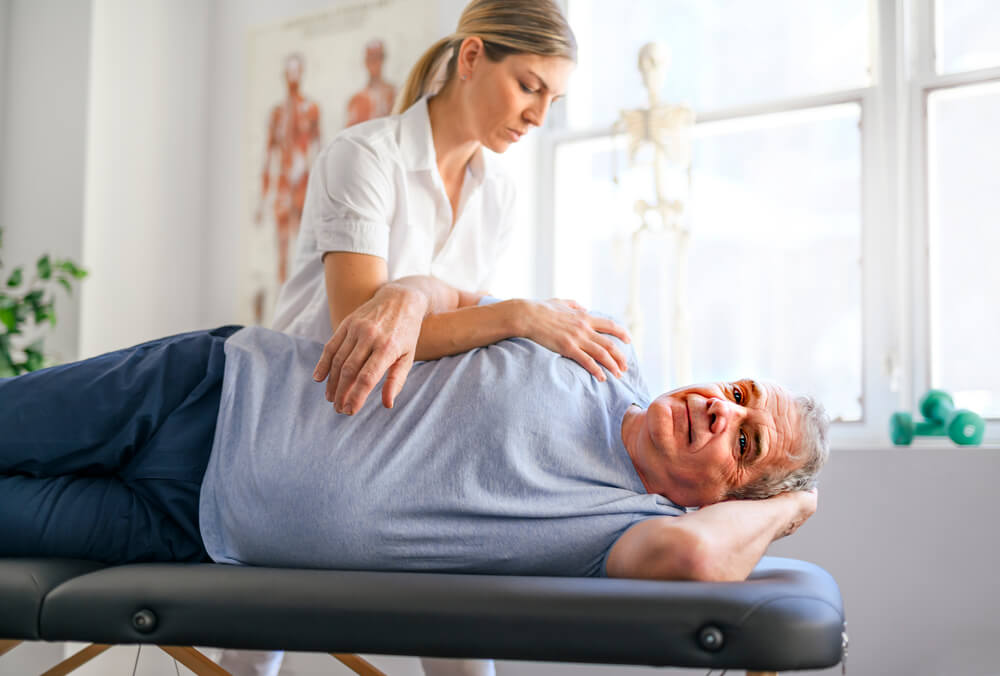
When Shoulder Pain Disrupts Your Piscataway Lifestyle
You feel it first thing in the morning — a deep ache in your shoulder that sharpens when you reach overhead. Maybe it started during a weekend jog along the Raritan River trails at Johnson Park, or after an intense session at the Piscataway Community Center YMCA. Perhaps you noticed it creeping in after long hours at your desk at one of the tech campuses along Centennial Avenue. Whatever sparked it, that shoulder pain is now following you everywhere — making it harder to throw a ball with your kids at Quibbletown Park, disrupting your golf swing at Raritan Landing, or turning your daily commute into an exercise in discomfort.
If this sounds familiar, you may be dealing with a rotator cuff injury. It is one of the most common shoulder conditions we treat at Trinity Rehab, and with the right approach to physical therapy, most people recover fully without surgery. Here in Piscataway, you have access to advanced, evidence-based treatment designed to get you back to the activities you care about most.
Understanding Your Rotator Cuff
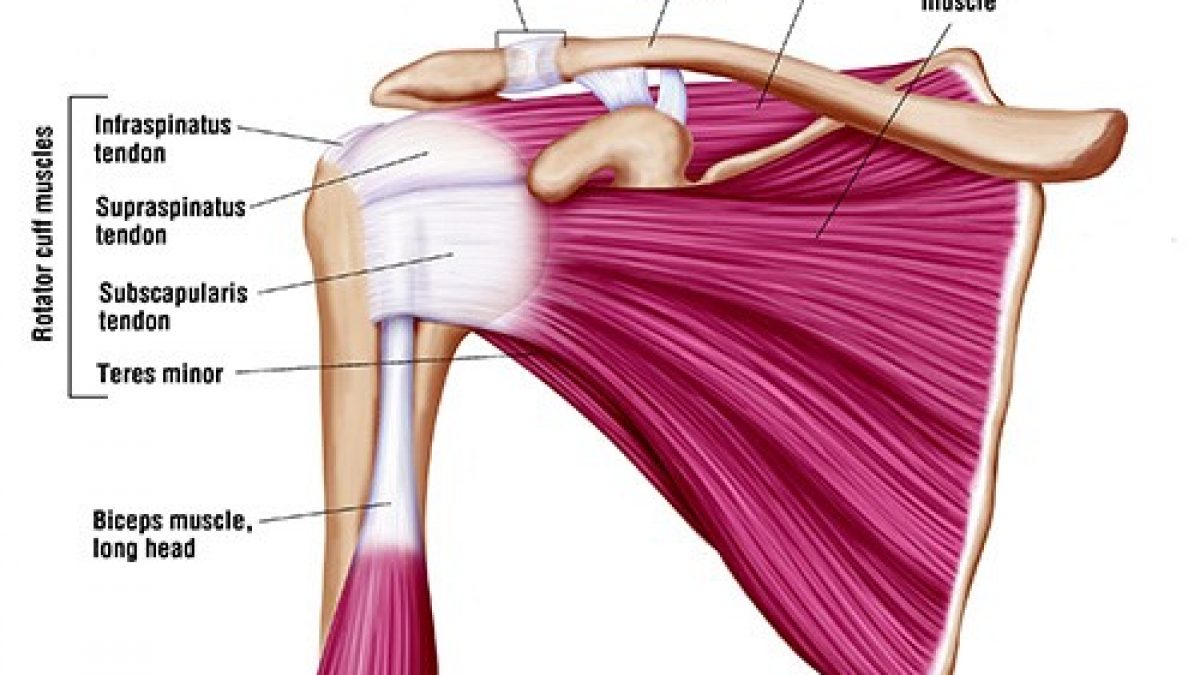
Your rotator cuff is a group of four muscles and their tendons — the supraspinatus, infraspinatus, teres minor, and subscapularis — that work together to stabilize your glenohumeral joint. These muscles hold the head of your upper arm bone firmly within the shallow socket of the shoulder blade, allowing you to lift, rotate, and reach with control.
When one or more of these structures becomes damaged through a sudden tear, gradual wear, or chronic inflammation, the result is a rotator cuff injury. This can range from mild tendinopathy to partial or complete tears. Rotator cuff tendinopathy is particularly common because the supraspinatus tendon passes through a narrow space beneath the bony arch of the shoulder, making it vulnerable to compression with repetitive use.
Without proper treatment, a rotator cuff injury rarely resolves on its own. Compensating for the pain by changing how you move leads to stiffness, further weakness, and problems in the neck and upper back. Early, targeted treatment protects your long-term range of motion and prevents a manageable issue from becoming a chronic limitation.
Common Causes of Rotator Cuff Injuries in Piscataway
Piscataway is a community that stays active, and that means rotator cuff injuries show up across a wide cross-section of residents.
Desk Workers and Tech Professionals With employers like QTS Data Centers operating a 38-acre campus and IT firms like Virtusa headquartered nearby, thousands of local professionals spend their days at computer stations. Hours of forward-leaning posture and repetitive mouse use create chronic tightness in the chest and weakness in the posterior shoulder. Over time, this compresses the supraspinatus tendon and sets the stage for rotator cuff tendinopathy. If your work has contributed to your shoulder pain, physical therapy can address both the injury and the workplace habits behind it.
Student Athletes and Rutgers Campus Life With Rutgers University’s Busch Campus right here in Piscataway, the area is home to students and young adults in club sports, intramural leagues, and recreational fitness. Overhead sports like volleyball, swimming, and weightlifting place significant demand on the rotator cuff. A single awkward lift or repeated serves on the court can strain the infraspinatus or supraspinatus.
High School and Youth Athletes Piscataway High School has a proud athletic tradition — the Chiefs football program has earned multiple state titles, and the school fields strong baseball, swimming, and volleyball teams. Young athletes are susceptible to rotator cuff injuries because their bodies are still developing. Addressing these sports injuries early protects long-term shoulder health.
Gym-Goers and Recreational Athletes The YMCA at the Piscataway Community Center draws residents of all ages with its indoor pool, gym, and running track. The Piscataway Soccer Club keeps players active year-round. Repetitive overhead movements can overload the rotator cuff tendons when stabilizing muscles are not keeping pace with activity level.
Weekend Warriors and Park Enthusiasts Johnson Park offers miles of trails along the Raritan River, open sports fields, and space for everything from frisbee to kayaking. Irishtown Park and Quibbletown Park are popular for pickup games and playground time. A sudden throw or awkward fall can cause an acute rotator cuff strain — especially if the shoulder was already compromised from daily wear.
Recognizing the Signs
You should consider seeking an evaluation for shoulder pain if you experience:
- A dull ache in the shoulder that worsens at night, especially lying on the affected side
- Pain or weakness when lifting your arm overhead or reaching behind your back
- Difficulty with everyday tasks like brushing your hair or fastening a seatbelt
- A catching or crackling sensation when moving your shoulder
- Progressive loss of range of motion that does not improve with rest
- Weakness that makes it hard to hold or carry objects
- rotator cuff treatment overview
In New Jersey, you have direct access to physical therapy — you can schedule an appointment without needing a physician referral.
How Physical Therapy Treats Rotator Cuff Injuries
At Trinity Rehab in Piscataway, treatment begins with a thorough evaluation of your shoulder mechanics, posture, and strength. From there, your therapist builds a targeted plan.
Restoring Movement with Manual Therapy
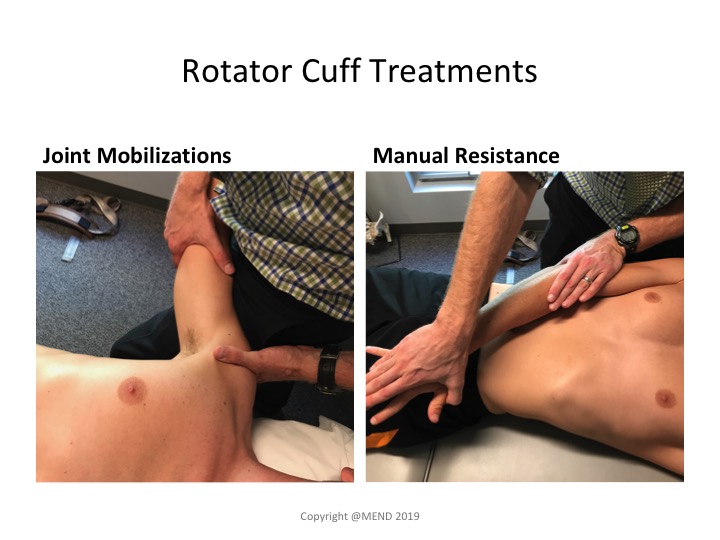
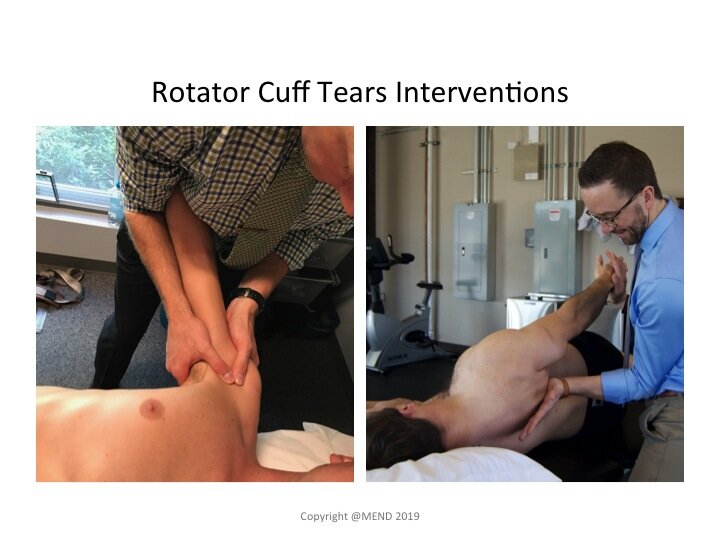
Before strengthening can begin, you need healthy movement in the joint. Manual therapy is the hands-on foundation of early treatment. Your therapist uses soft tissue mobilization to release tightness in the muscles surrounding the shoulder and joint mobilization of the glenohumeral joint to restore normal gliding mechanics.
For Piscataway patients who sit for long hours at tech campuses or commute to offices in New Brunswick or New York City, manual therapy also addresses thoracic spine stiffness and scapular restrictions. When the shoulder blade cannot move freely, the rotator cuff compensates and bears extra load. Restoring balanced movement from the spine outward creates the foundation for everything that follows.
Rebuilding Rotator Cuff Strength
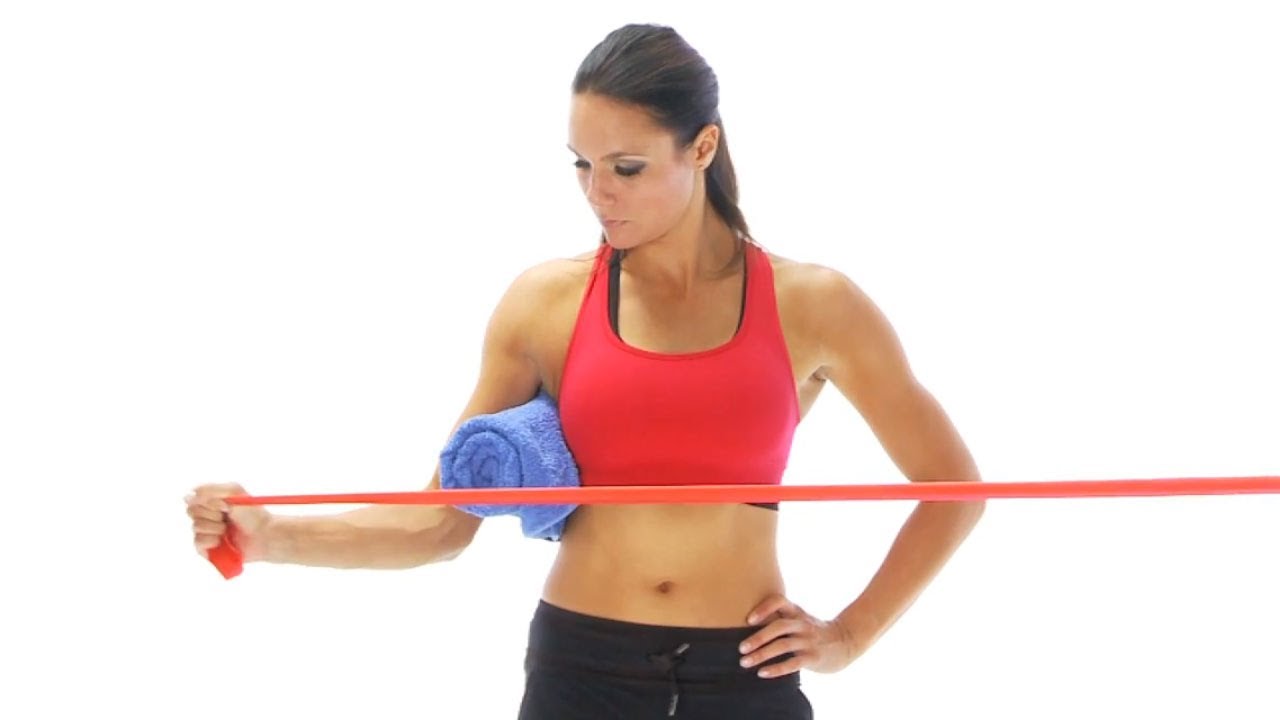
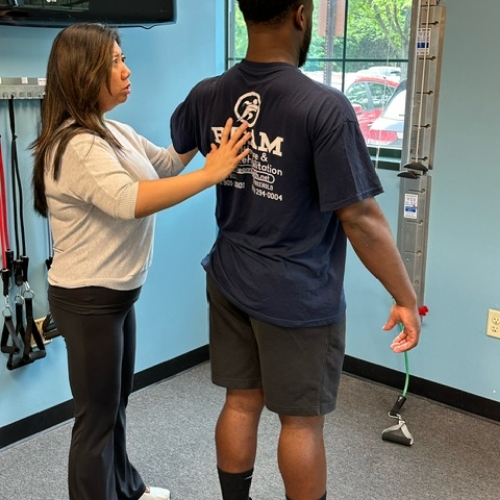
Strengthening follows a deliberate, progressive sequence. Early on, your therapist introduces isometric exercises to build tendon tolerance while protecting healing tissue. As pain decreases, you progress to resistance band exercises targeting the supraspinatus, infraspinatus, and subscapularis.
A key component is eccentric loading — controlled lengthening of the muscle under tension. Research shows that eccentric exercises promote tendon remodeling and are among the most effective interventions for rotator cuff tendinopathy. Your therapist also incorporates scapular stabilization drills targeting the lower trapezius and serratus anterior. Without strong scapular control, even a healed rotator cuff remains vulnerable to re-injury.
For athletes — whether you are a Rutgers club swimmer, a Piscataway Chiefs pitcher, or a YMCA regular — we introduce sport-specific loading to prepare your shoulder for the demands you will return to.
Accelerating Healing with EPAT Shockwave Therapy
For injuries that have lingered for weeks or months, EPAT (Extracorporeal Pulse Activation Technology) can be a turning point. EPAT delivers focused acoustic pressure waves to damaged tendon tissue, increasing blood flow, stimulating collagen production, and activating the body’s natural repair processes.
This is particularly valuable for chronic rotator cuff tendinopathy — the slow-burning shoulder pain that many Piscataway professionals develop after years of repetitive strain. EPAT is non-invasive, requires no downtime, and is performed during your regular session.
Releasing Tension with Dry Needling
Rotator cuff injuries frequently involve trigger points — tight knots within the muscle that refer pain and restrict movement. Dry needling uses thin, sterile needles to release these contracted tissues and restore blood flow.
Your therapist may apply dry needling to the rotator cuff muscles as well as the upper trapezius and other periscapular muscles that develop trigger points alongside a shoulder injury. For patients who carry stress in their shoulders — a familiar pattern for commuters navigating Route 287 or professionals at Piscataway’s corporate campuses — dry needling provides rapid relief that enhances the overall program.
Returning to Work and Sport
The final phase bridges clinical improvement and real-world performance. If your goal is returning to the field — pitching for the Chiefs, competing with the Piscataway Soccer Club, or training for a Rutgers club sport — your program includes sport-specific drills simulating the movement patterns your shoulder will face.
If your priority is returning to work pain-free, we address the ergonomic factors behind your injury. For employees at QTS Data Centers, Virtusa, or businesses along the Route 287 corridor, this includes workstation guidance, postural retraining, and desk-friendly exercises. The goal is not just healing the injury but changing the conditions that caused it.
Preventing Future Rotator Cuff Problems
Protecting your shoulder after recovery comes down to consistent habits:
- Maintain rotator cuff and scapular strength. Continue your rehabilitation exercises two to three times per week, focusing on external rotators and scapular stabilizers.
- Prioritize posture. Keep your shoulders back and chest open, especially during long hours at a desk or behind the wheel.
- Warm up before activity. Before hitting the YMCA gym, stepping onto a field, or running the trails along the Raritan River, spend five to ten minutes warming up your shoulders with band exercises and dynamic stretches.
- Stretch regularly. Gentle stretching of the chest, posterior shoulder, and thoracic spine counteracts stiffness from sedentary work.
- Listen to your body. Sharp pain, night pain, or developing weakness are signals to seek evaluation before the problem worsens.
Why Piscataway Residents Choose Trinity Rehab
Every session at our Piscataway clinic is conducted one-on-one — you work directly with a licensed physical therapist for the full duration of your visit, not a rotating cast of aides or assistants. Our approach combines proven manual therapy techniques with advanced modalities like EPAT shockwave therapy and dry needling, giving you access to the full spectrum of modern shoulder rehabilitation.
Piscataway is a community where people work hard and stay active, from tech professionals and Rutgers researchers to student athletes and dedicated gym-goers. We understand that a rotator cuff injury affects your livelihood, your fitness, and your quality of life. Our job is to help you get all of it back.
New Jersey’s direct access law means you can start without waiting for a referral. Schedule your appointment today and take the first step toward recovery.
Inside Our Piscataway Clinic
Frequently Asked Questions
Where can I get rotator cuff treatment in Piscataway, NJ?
How long does it take to recover from a rotator cuff injury with physical therapy?
Can I avoid surgery for a rotator cuff tear?
What should I avoid doing with a rotator cuff injury?
Do I need an MRI before starting physical therapy?
Start Your Recovery Today
Living with a rotator cuff injury means living with compromise — modifying workouts, avoiding overhead movements, losing sleep to shoulder pain. You do not have to accept that as your new normal. At Trinity Rehab in Piscataway, we provide the expert, one-on-one care you need to heal properly, regain your strength, and get back to everything that makes life in this community worth living — from morning runs along the Raritan River to cheering on the Chiefs on a Friday night.
Request your appointment today and let us help you move forward, pain-free.
Start Your Recovery in Piscataway Today
Don’t let shoulder pain hold you back. Schedule your evaluation at Trinity Rehab in Piscataway and take the first step toward a stronger, pain-free shoulder.
Related Conditions & Treatments
Rotator cuff injuries are just one of the many conditions we treat at Trinity Rehab Piscataway. Explore our full range of conditions we treat or learn more about specific treatment approaches:
What Our Patients Say



Sign up for free health tips and tricks