
ROTATOR CUFF INJURY TREATMENT IN CLIFTON, NJ
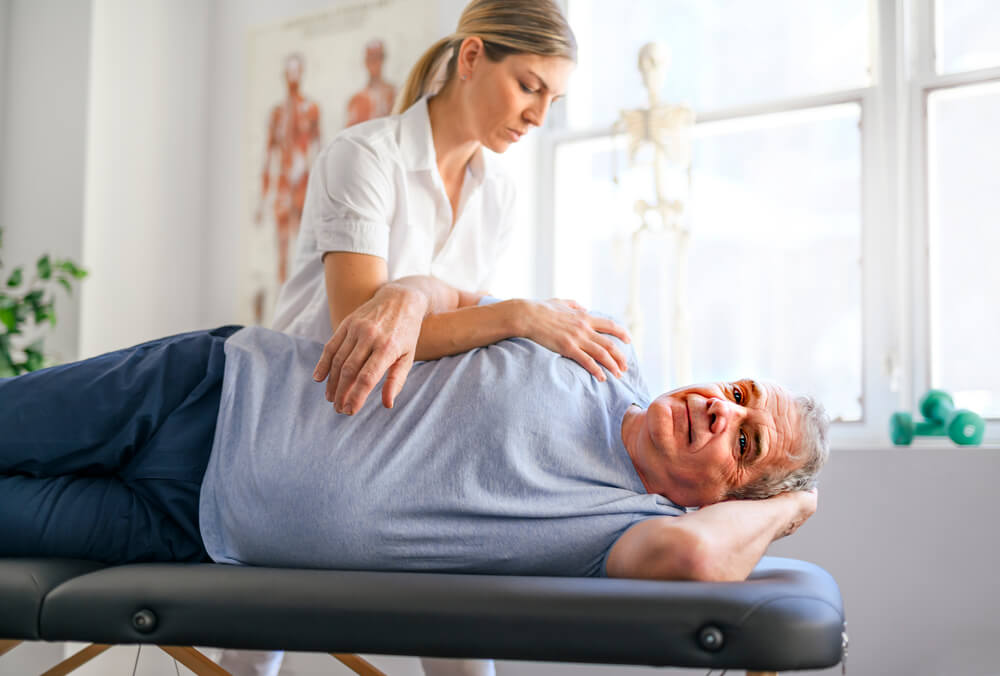
When Your Shoulder Stops Keeping Up With Your Clifton Lifestyle
You spent Saturday coaching your kid’s volleyball game at the Athenia Steel Recreation Complex, then came home to paint the upstairs bedroom of the Cape Cod you’ve owned for fifteen years. By Sunday, you can barely lift your coffee mug without a sharp catch in your shoulder. Or maybe you work one of the warehouse shifts along Route 3 — loading, stacking, reaching overhead hundreds of times a day — and the dull ache that started months ago has turned into something you can’t ignore.
In a city like Clifton, shoulder injuries don’t just happen to athletes. They happen to the UPS driver pulling packages at the distribution hub, to the Clifton Mustangs swimmer training for sectionals, to the retired teacher tending her garden near Weasel Brook Park. Rotator cuff injuries are one of the most common reasons Clifton residents walk through our doors at Trinity Rehab — and the right treatment can get you back to everything you love about living here.
Understanding Your Rotator Cuff
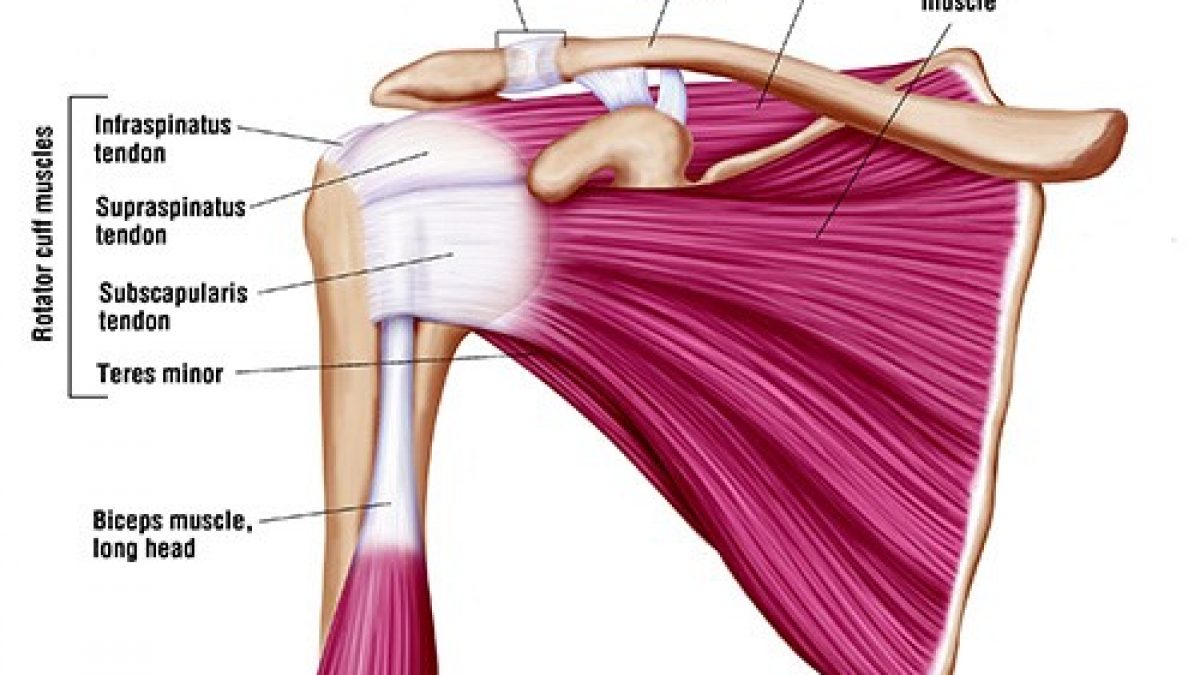
Your rotator cuff is a team of four muscles and tendons that hold your upper arm bone in the shallow socket of the glenohumeral joint. The supraspinatus helps lift your arm to the side and is the most frequently injured. The infraspinatus controls external rotation. Together with the teres minor and subscapularis, they work every time you lift, reach, throw, or rotate your shoulder.
Rotator cuff tendinopathy — chronic tendon irritation and degeneration — is especially common in adults over 40. With Clifton’s median age of 41.6 and 18.3% of residents over 65, a large portion of our community faces elevated risk.
Ignoring rotator cuff pain leads to compensatory movement patterns that create problems in your neck and upper back. Partial tears can progress to full tears, and stiffness sets in that becomes much harder to reverse. The sooner you begin targeted physical therapy, the better your outcomes.
Common Causes in Clifton
Workplace repetition: With employers like UPS, Costco, and industrial operations along Routes 3 and 46, many residents perform repetitive overhead reaching and heavy lifting for hours. These motions are a leading cause of rotator cuff tendinopathy. If your pain is job-related, you may qualify for work injury treatment.
Sports and recreation: Clifton’s 39 parks across 210 acres offer great opportunities to stay active — and plenty of chances to stress your shoulders. Volleyball and tennis players at Sperling Park, baseball players for the Mustangs, and swimmers at Nash Park Pool all generate significant rotator cuff demands.
Home maintenance: With 58.7% homeownership, Clifton is a city of people who maintain their properties. Painting ceilings, trimming trees, and cleaning gutters are among the most common triggers for acute rotator cuff injuries we treat.
Age-related changes: Rotator cuff tendons lose blood supply and elasticity with age. A fall at Main Memorial Park or an awkward reach for a high shelf can cause a tear that wouldn’t have happened twenty years earlier.
Recognizing the Symptoms
You should seek an evaluation if you experience:
- A deep, aching pain that worsens when reaching overhead or behind your back
- Night pain that disrupts sleep, especially lying on the affected side
- Weakness when lifting your arm or holding objects away from your body
- A painful arc of discomfort between 60 and 120 degrees of elevation
- Difficulty with daily tasks like getting dressed or reaching for a seatbelt
- Progressive loss of range of motion that makes your shoulder feel stuck
- learn more about rotator cuff recovery
If these sound familiar, a thorough evaluation at Trinity Rehab can identify exactly what’s going on. Request your appointment here.
How Trinity Rehab Treats Rotator Cuff Injuries: A Three-Phase Approach
Phase 1: Calm the Pain, Protect the Tissue
The first priority is reducing pain and creating an environment for healing. Your therapist may use:
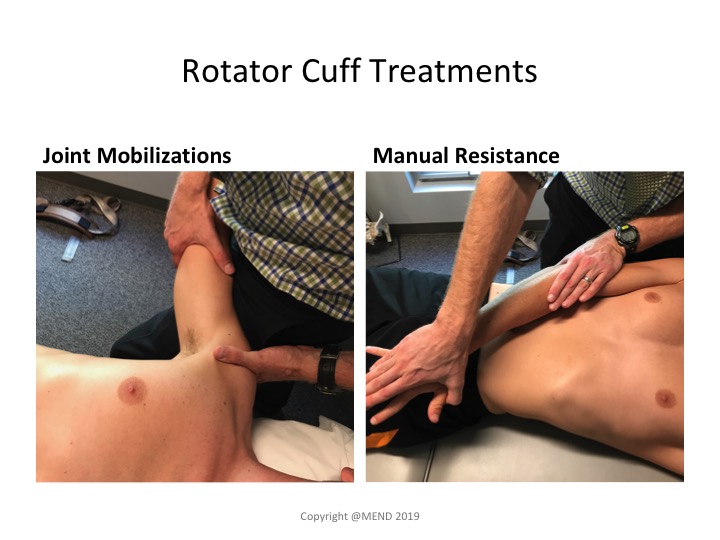
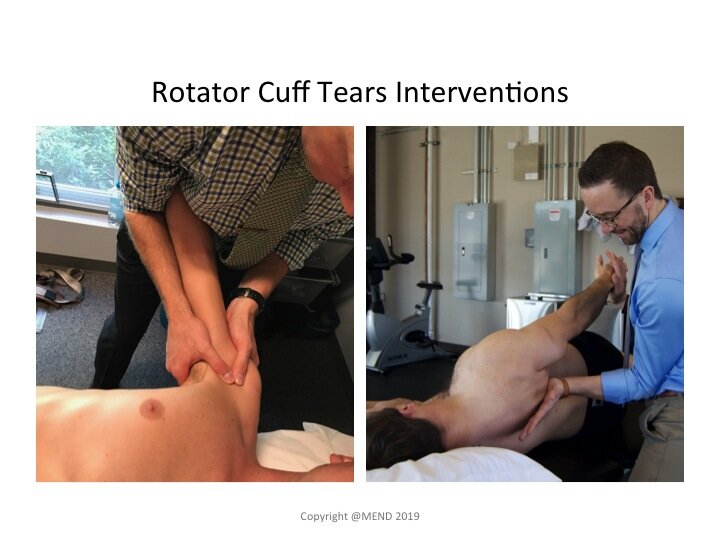
- Manual therapy — hands-on soft tissue mobilization and gentle joint mobilizations of the glenohumeral joint to reduce muscle guarding, improve blood flow, and restore initial mobility.
- Dry needling — thin, sterile needles inserted into trigger points in the upper trapezius, infraspinatus, and supraspinatus to release tension and improve tissue healing. Many Clifton patients are surprised at how quickly dry needling changes their pain levels.
- Gentle range of motion exercises — passive and active-assisted movements to prevent stiffness while protecting injured tissue.
Phase 1 typically lasts two to four weeks.
Phase 2: Rebuild Strength and Stability
Once pain is controlled and mobility is improving, we shift to strengthening.
- Scapular stabilization exercises — your shoulder blade is the foundation for rotator cuff function. We train the serratus anterior, lower trapezius, and rhomboids to create a stable platform for your shoulder.
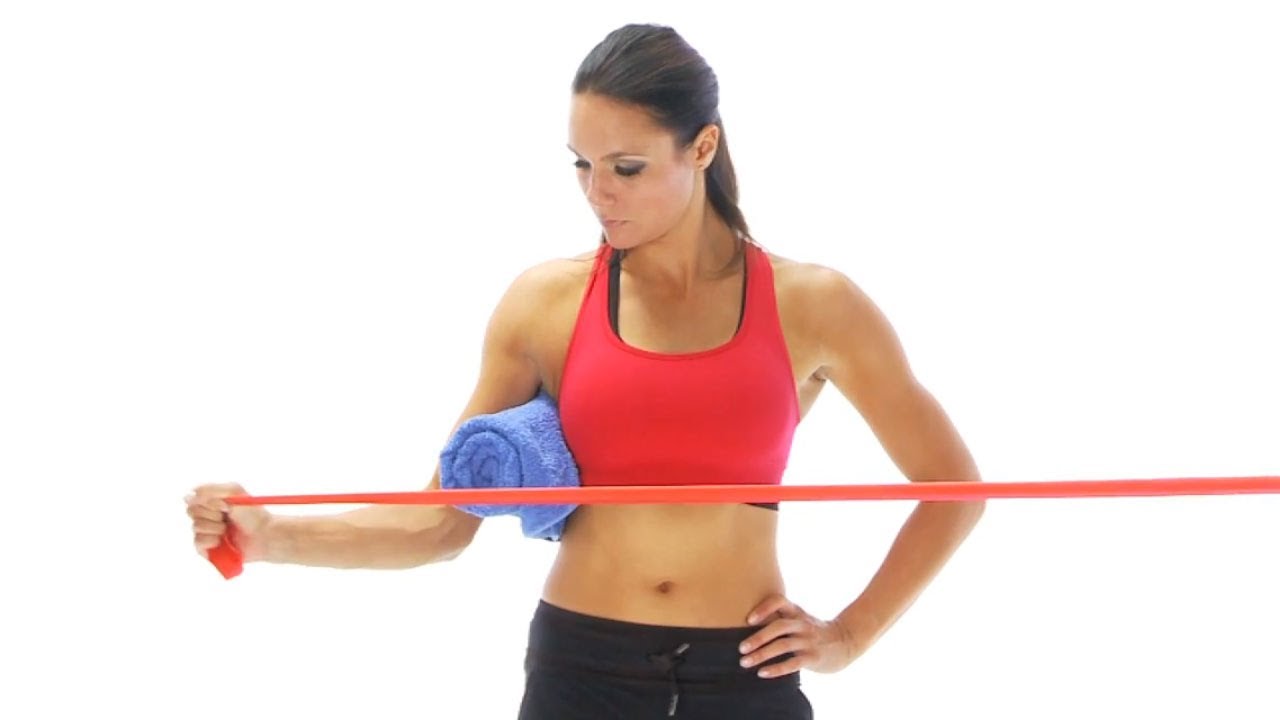
- Progressive rotator cuff strengthening — beginning with isometric holds and progressing to resistance bands, light dumbbells, and functional movements targeting the supraspinatus and infraspinatus.
- Eccentric loading protocols — eccentric loading (slowly controlling a weight as you lower it) stimulates tendon remodeling and is one of the most effective strategies for treating rotator cuff tendinopathy.
- EPAT shockwave therapy — for chronic tendinopathy that hasn’t responded to traditional therapy, EPAT sends acoustic pressure waves into the damaged tendon to stimulate cellular repair.
Phase 2 typically lasts four to eight weeks.
Phase 3: Return to Life, Work, and Sport
The final phase bridges the gap between the clinic and real-world demands. For a Clifton warehouse worker, that means simulating overhead lifting tasks. For a Mustangs volleyball player, it means progressive spiking drills. For a homeowner preparing for spring yard work, it means overhead reaching endurance.
Your therapist will design sport-specific or job-specific exercises, test your functional capacity against objective benchmarks, and develop a home exercise program to maintain your gains and prevent re-injury.
Preventing Rotator Cuff Injuries
- Warm up before activities. Before hitting the tennis courts at Sperling Park, spend five minutes with arm circles and band pull-aparts.
- Use proper lifting mechanics at work. Keep loads close to your body and use step stools for overhead reaching in Clifton’s warehouse facilities.
- Strengthen proactively. External rotation exercises with a resistance band, three times per week, significantly reduce injury risk.
- Don’t ignore early symptoms. That mild ache after a tough practice is your body sending a signal.
- Break up overhead tasks. Take five-minute breaks every thirty minutes during home projects.
- Stay generally fit. Take advantage of Clifton’s parks and walking paths along the Passaic River.
Why Clifton Residents Choose Trinity Rehab
- Specialized shoulder expertise with advanced training in rotator cuff tendinopathy, tears, and post-surgical recovery
- One-on-one care directly with your licensed physical therapist every visit
- Comprehensive treatment options including manual therapy, dry needling, EPAT, and progressive exercise programs
- Convenient access from Routes 3, 46, and 21 for Clifton commuters and families
- Proven results with shoulder pain and sports injuries
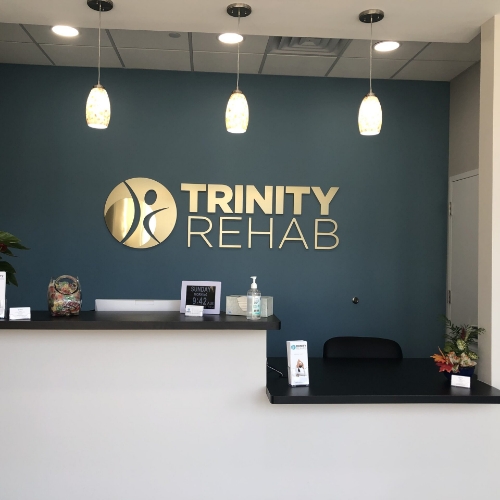
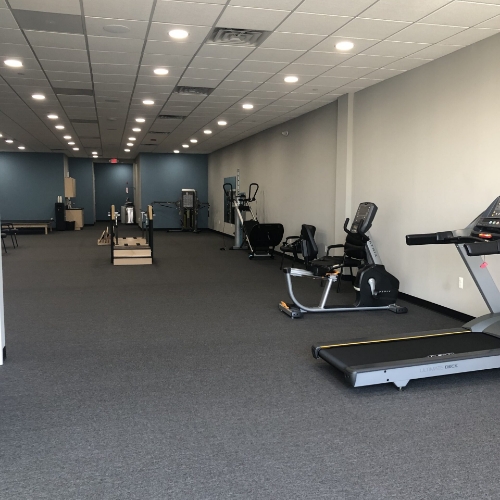
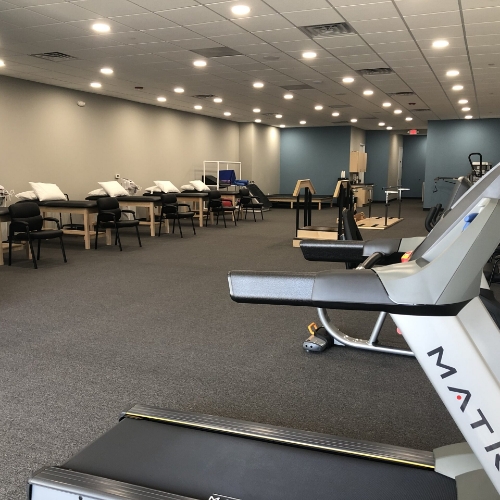
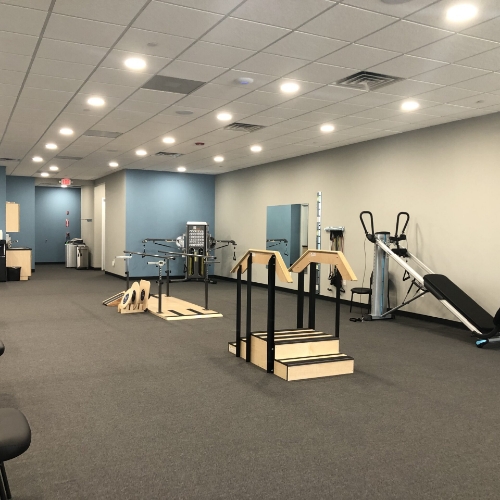
Inside Our Clifton Clinic
Frequently Asked Questions
Do I need surgery for a rotator cuff injury?
How long does recovery take with physical therapy?
Can I keep working while in physical therapy?
What should I bring to my first appointment?
Your Next Step
Living with rotator cuff pain is not something you have to accept — whether you’re a Clifton warehouse worker, a Mustangs athlete, or a grandparent trying to pick up your grandchild. The right physical therapy program can reduce your pain, rebuild your strength, and get you back to the active life that Clifton’s parks, recreation programs, and community make possible.
Request your appointment at Trinity Rehab today and take the first step toward lasting shoulder pain relief.
Start Your Recovery in Clifton Today
Don’t let shoulder pain hold you back. Schedule your evaluation at Trinity Rehab in Clifton and take the first step toward a stronger, pain-free shoulder.
Related Conditions & Treatments
Rotator cuff injuries are just one of the many conditions we treat at Trinity Rehab Clifton. Explore our full range of conditions we treat or learn more about specific treatment approaches:
What Our Patients Say



Sign up for free health tips and tricks