
ROTATOR CUFF INJURY TREATMENT IN EAST WINDSOR, NJ
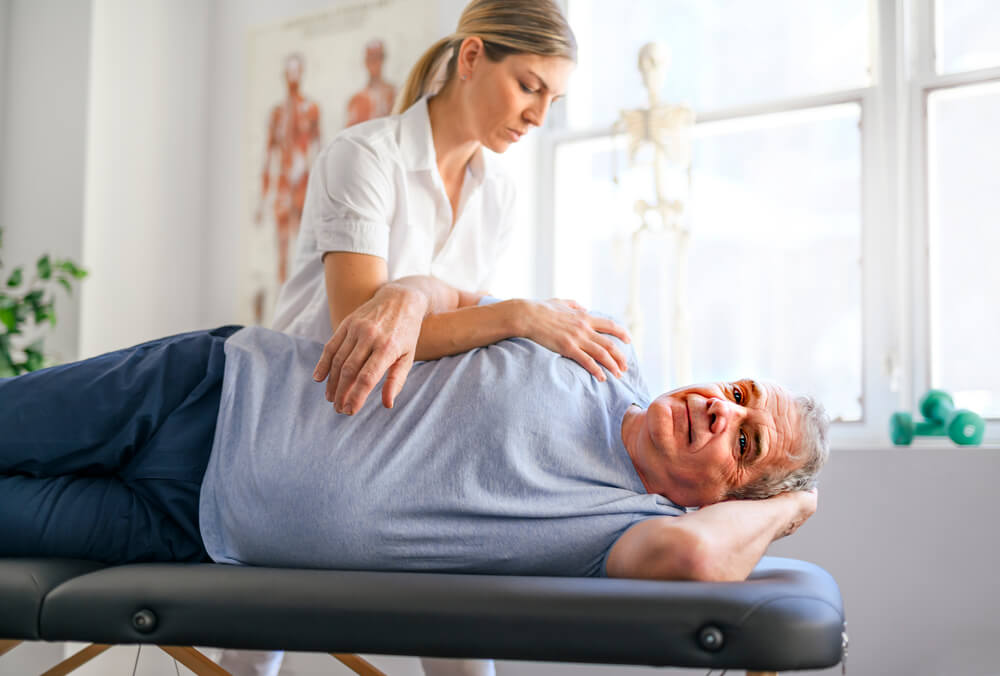
Your Shoulder Shouldn't Be the Reason You Stop
The alarm goes off at 5:45 a.m. You have a 28-minute commute ahead, a full shift to work, and your kid’s PAL baseball game to catch by 6 p.m. Somewhere between the production floor at Aurobindo Pharma and the bleachers at Etra Lake Park, your shoulder started telling you something was wrong. Maybe it was repetitive reaching on the pharmaceutical packaging line. Maybe it was overhead stacking at the LG Electronics distribution center. Maybe it was nothing dramatic — just one morning when brushing your hair sent a jolt of pain through your shoulder that took your breath away.
That’s how rotator cuff injuries work in East Windsor. In a community of hard-working families at Central New Jersey’s crossroads between New York and Philadelphia, shoulder problems build quietly — one repetitive motion at a time — until they can’t be ignored. If that describes where you are, Trinity Rehab is here to help you recover, step by step, with a treatment plan built around your life.
The Rotator Cuff: Small Muscles, Enormous Responsibility
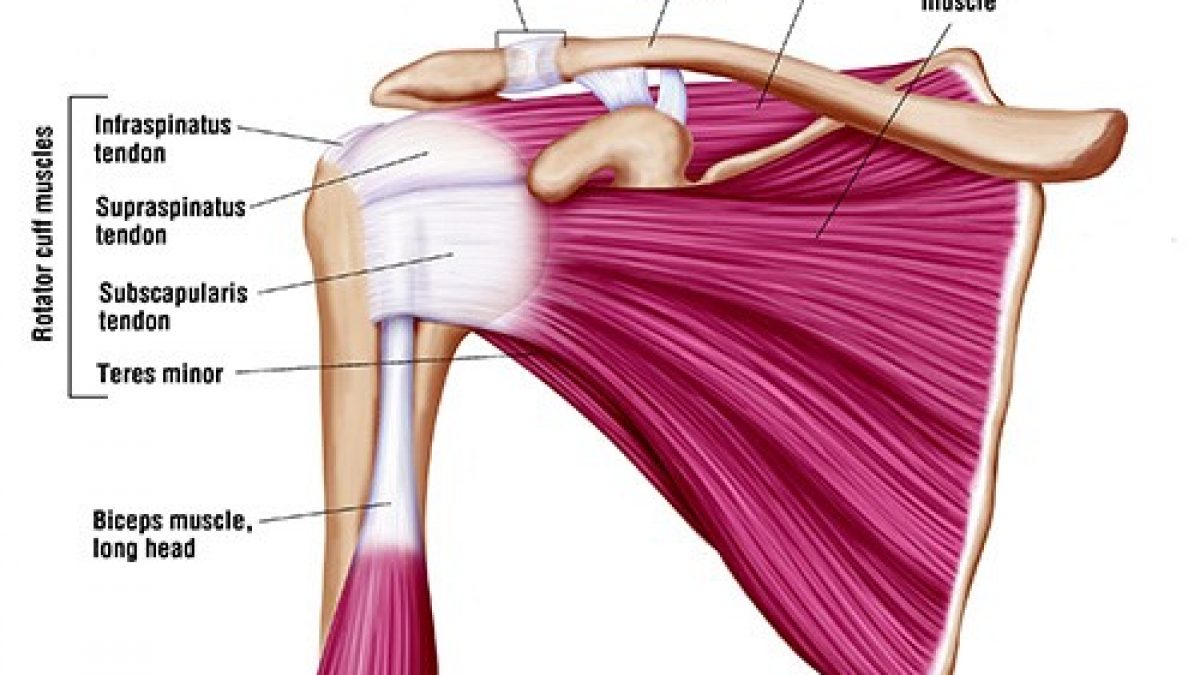
Your shoulder is the most mobile joint in your body, and that freedom comes with a tradeoff: it depends on soft tissue for stability. The glenohumeral joint — where the ball of your arm meets the shallow socket of your shoulder blade — is inherently unstable by design. Your rotator cuff holds everything together.
Four muscles make up the rotator cuff. The supraspinatus initiates arm elevation and is the most vulnerable to injury because it passes through a narrow space beneath the bony roof of your shoulder. The infraspinatus controls external rotation — pulling your arm back to throw or reaching for a seatbelt. The teres minor assists with external rotation, and the subscapularis handles internal rotation.
When any of these muscles or tendons is damaged through acute trauma, repetitive strain, or age-related degeneration, the result is a rotator cuff injury — ranging from mild inflammation (rotator cuff tendinopathy) to partial or complete tears. Getting the right diagnosis early makes a significant difference in outcomes.
How East Windsor's Lifestyle Creates Rotator Cuff Risk
The manufacturing and distribution workforce. East Windsor is home to Aurobindo Pharma’s pharmaceutical manufacturing facility, Shiseido America’s cosmetics production plant, and LG Electronics’ distribution center. Workers perform repetitive overhead reaching, heavy lifting, and sustained arm-forward postures through their shifts — precisely the patterns that cause supraspinatus tendon compression and irritation. If your pain connects to your job, Trinity Rehab provides work injury rehabilitation.
Youth and adult athletics. The Hightstown Rams compete across the Colonial Valley Conference in baseball, tennis, volleyball, and swimming — sports that load the rotator cuff with every pitch, serve, and spike. Adults face their own risks through East Windsor PAL softball, rounds at Peddie Golf Club, and gym sessions at Crunch Fitness. Our team has deep experience with sports injury treatment.
The commuter’s posture. With a mean commute of 28.6 minutes, East Windsor residents spend significant time seated with rounded shoulders. Over months and years, this narrows the subacromial space and slowly degrades rotator cuff tendons.
Age and everyday wear. With 17% of residents over 65, age-related tendon changes affect a meaningful segment of the community. Activities that were harmless a decade earlier — reaching for a high cabinet, gardening along Disbrow Hill’s trails — can now cause a tear.
Symptoms That Point to a Rotator Cuff Problem
You should seek evaluation if you experience:
- Pain on the outside of your shoulder radiating down your upper arm
- Increased pain with overhead reaching — grabbing a plate from a high shelf, washing your hair
- Night pain that prevents sleeping on your affected side
- Weakness lifting your arm away from your body
- A painful arc — discomfort between 60 and 120 degrees of arm elevation, with relief above and below
- Progressive loss of range of motion, especially rotation
- Grinding or crackling sensation during shoulder movement
- comprehensive rotator cuff treatment
If you recognize two or more of these, a professional evaluation is your smartest next step. Request your appointment with Trinity Rehab.
Your Recovery Roadmap: Treatment Organized by Goal
At Trinity Rehab in East Windsor, we organize your treatment around four clear goals. Each builds on the last, and your therapist adjusts the plan continuously based on how you respond.
Pain Relief: Quieting the Shoulder So Healing Can Begin
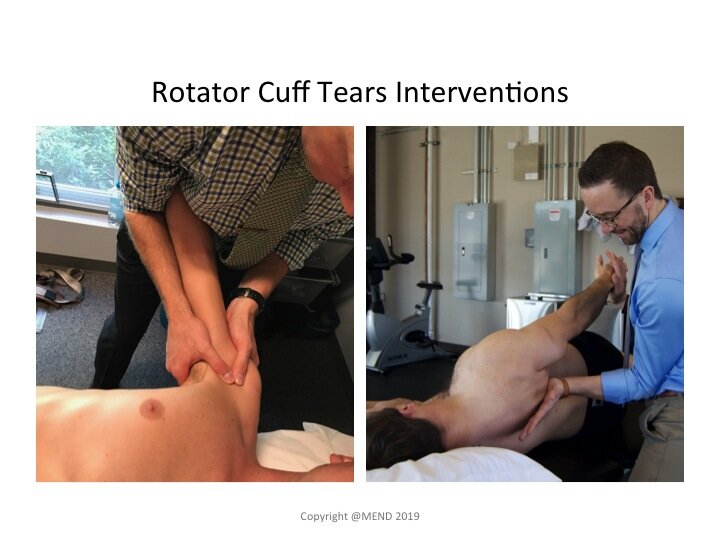
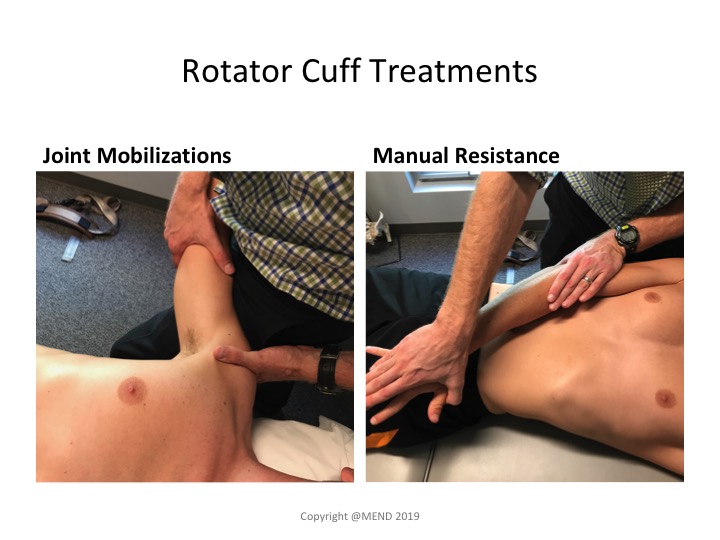
Manual therapy forms the foundation. Through glenohumeral joint mobilizations — gentle, rhythmic movements applied to your shoulder — we restore normal gliding mechanics disrupted by inflammation. Soft tissue mobilization targets the upper trapezius, pectorals, and rotator cuff muscles to release protective spasm and improve blood flow.
Dry needling complements manual therapy powerfully. By inserting thin, sterile needles into trigger points in the infraspinatus, supraspinatus, and surrounding musculature, your therapist elicits a twitch response that releases knots, reduces pain signaling, and improves local circulation. For East Windsor patients who’ve been compensating for months, dry needling can feel like flipping a switch.
Education and activity modification complete this phase. We’ll identify which activities to temporarily adjust, how to manage pain at home, and what you can still do safely. The goal is never to shut down your life — it’s to remove specific irritants preventing healing.
Rebuilding Mobility: Reclaiming Your Range of Motion
As pain decreases, stiffness often remains. Restoring full range of motion requires:
- Progressive stretching targeting the posterior shoulder capsule, pectorals, and latissimus dorsi
- Active-assisted range of motion exercises guided by your therapist or tools like pulleys
- Thoracic spine mobility work — your mid-back stiffness directly limits shoulder blade movement, which limits shoulder range. This upstream connection is frequently overlooked.
- Continued manual therapy to address joint restrictions as they surface at new ranges
Restoring Strength: Building a Resilient Shoulder
This is the most critical and most commonly shortchanged phase. Pain relief without strength restoration is a recipe for re-injury.
Scapular stabilization comes first. Your scapula anchors every rotator cuff muscle. When the serratus anterior, lower trapezius, and rhomboids are weak, your rotator cuff operates on an unstable platform. We train these stabilizers through wall slides, scapular squeezes, and progressive exercises.
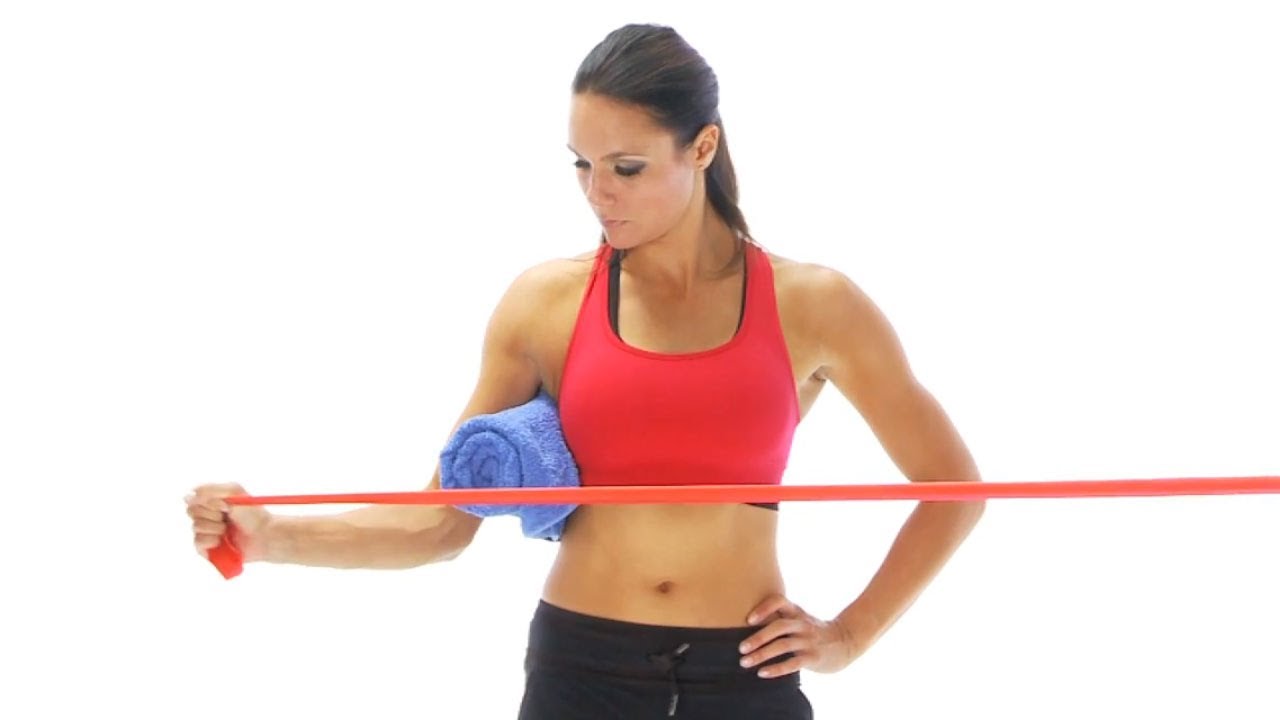
Rotator cuff strengthening follows a deliberate sequence: isometric activation, then resistance bands and weights through controlled arcs, then eccentric loading protocols. Eccentric loading — the controlled lowering phase of a lift — is the single most effective exercise strategy for stimulating tendon remodeling in rotator cuff tendinopathy. It triggers new, organized collagen fiber formation within the damaged tendon, addressing the root cause rather than masking symptoms.
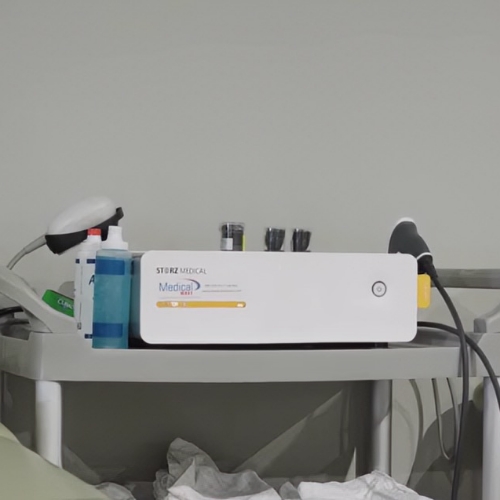
EPAT shockwave therapy may be recommended for chronic tendinopathy. EPAT delivers focused acoustic pressure waves to stimulate cellular repair, increase blood flow, and break down calcific deposits — working synergistically with eccentric loading to restart stalled healing.
Returning to Life: From Clinic to Your World
The final phase translates clinical gains to real demands:
- For warehouse and production workers: We simulate your job’s lifting heights, weights, and repetition patterns. We teach ergonomic strategies for your workstation.
- For Hightstown Rams athletes: Sport-specific progressions — return-to-throw for baseball, serve progressions for tennis — with objective criteria at each stage.
- For active parents: We replicate the unpredictable demands of family life — lifting from awkward positions, carrying while walking.
- For weekend athletes: Tailored return protocols for golf at Peddie, PAL softball, or sessions at Crunch Fitness.
Every patient leaves with a comprehensive home exercise program and guidelines for maintaining shoulder health through ongoing physical therapy principles.
Protecting Your Shoulders: Prevention for East Windsor
At work: Rotate between duties when possible. Use proper body mechanics — loads close to your body, knees bent, step stools for overhead reaching. Request an ergonomic workstation assessment.
In sports: Always warm up with dynamic shoulder movements. Don’t increase training volume more than 10% per week. Strengthen your rotator cuff year-round with a simple band routine — three sets, three times weekly, ten minutes total.
In daily life: Break up prolonged commute and desk sitting with shoulder blade squeezes every 30 to 45 minutes. Alternate arms during overhead home tasks. And listen to your body — persistent shoulder pain that doesn’t resolve with a few days of rest is worth professional attention.
Why East Windsor Families Trust Trinity Rehab
- Deep shoulder expertise. Rotator cuff injuries are among our most frequently treated conditions, and our therapists stay current with the latest research on tendinopathy management and eccentric loading protocols.
- One-on-one care. You work directly with your licensed physical therapist for every session — no rotating providers, no supervision from across the room.
- An integrated approach. Manual therapy, dry needling, EPAT, and progressive exercise in one cohesive plan.
- Convenient Central NJ location accessible for commuters throughout Mercer County.
- Real results with shoulder pain relief and full return to work and sport.
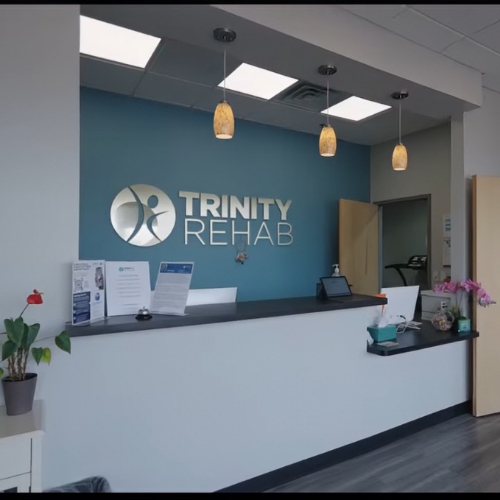
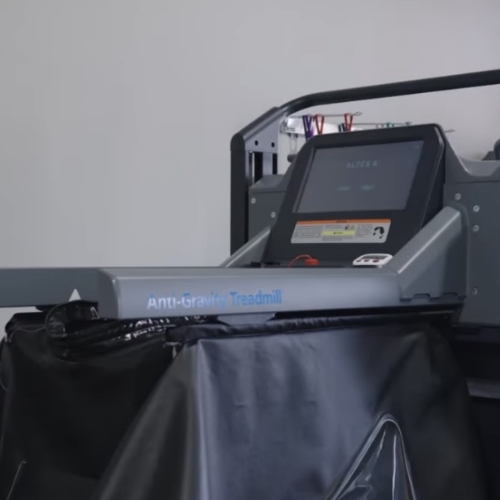
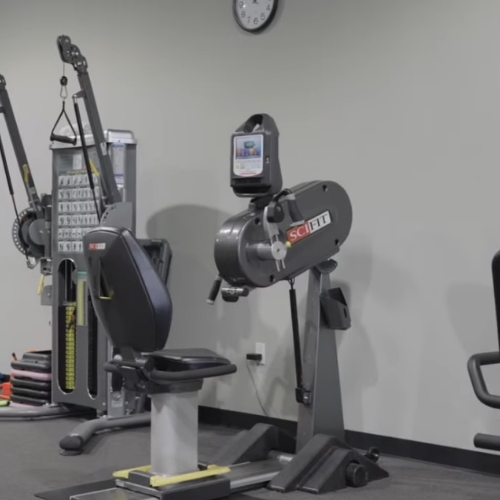
Inside Our East Windsor Clinic
Frequently Asked Questions
How do I know if my pain is a rotator cuff injury or something else?
Is physical therapy effective for tears, or do I need surgery?
Will my insurance cover treatment?
How many sessions will I need?
What can I do at home to speed recovery?
Your Shoulder Doesn't Have to Hold You Back
East Windsor is a town of doers — people who work hard, stay active, and show up for their families. A rotator cuff injury can threaten all of that, but it doesn’t have to define your future. With the right diagnosis, the right plan, and the right therapist, you can move past the pain and return to every part of the life you’ve built here.
Request your appointment at Trinity Rehab today. Whether you’re recovering from years of warehouse work, getting your teen back on the field for the Rams, or just wanting to walk the trails at Etra Lake Park without wincing — your recovery starts here.
Start Your Recovery in East Windsor Today
Don’t let shoulder pain hold you back. Schedule your evaluation at Trinity Rehab in East Windsor and take the first step toward a stronger, pain-free shoulder.
Local Rotator Cuff Care in East Windsor, NJ
For patients in East Windsor and nearby communities such as Hightstown, Cranbury, Robbinsville, Monroe, rotator cuff rehab has to fit real routines: Mercer County commutes, warehouse work, fitness classes, and active older-adult goals. Your therapist will connect shoulder symptoms to the daily demands that matter most, including reaching overhead, carrying bags, lifting at work, and rebuilding shoulder strength for daily use.
Your first visit at Trinity Rehab East Windsor includes a review of your symptoms, shoulder and neck mobility, rotator cuff strength, scapular control, posture, lifting mechanics, and the activities you need to return to. The clinic is located at Windsor Heights Shopping Center, 440 US-130, East Windsor, NJ, 08520.
Call (609) 336-8633 for the East Windsor clinic, or use the clinic page for current hours and appointment details.
For directions, parking context, and the best route to the clinic, use Google Maps for Trinity Rehab East Windsor.
Rotator cuff injuries can overlap with shoulder pain, shoulder impingement, neck pain, and upper back mobility limitations. Your plan may include manual therapy, progressive rotator cuff loading, scapular strengthening, posture work, dry needling when appropriate, and careful return-to-work or return-to-sport progression.
Related Conditions & Treatments
Rotator cuff injuries are just one of the many conditions we treat at Trinity Rehab East Windsor. Explore our full range of conditions we treat or learn more about specific treatment approaches:
What Our Patients Say



Sign up for free health tips and tricks