

ROTATOR CUFF INJURY TREATMENT: PHYSICAL THERAPY APPROACH
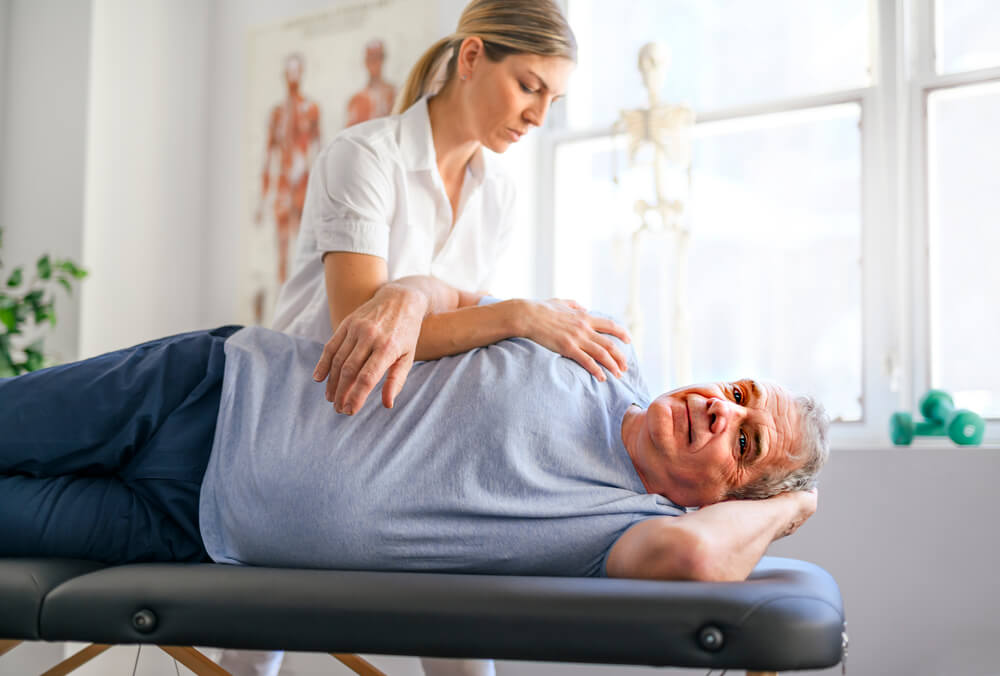
Why Rotator Cuff Injury Relief Matters
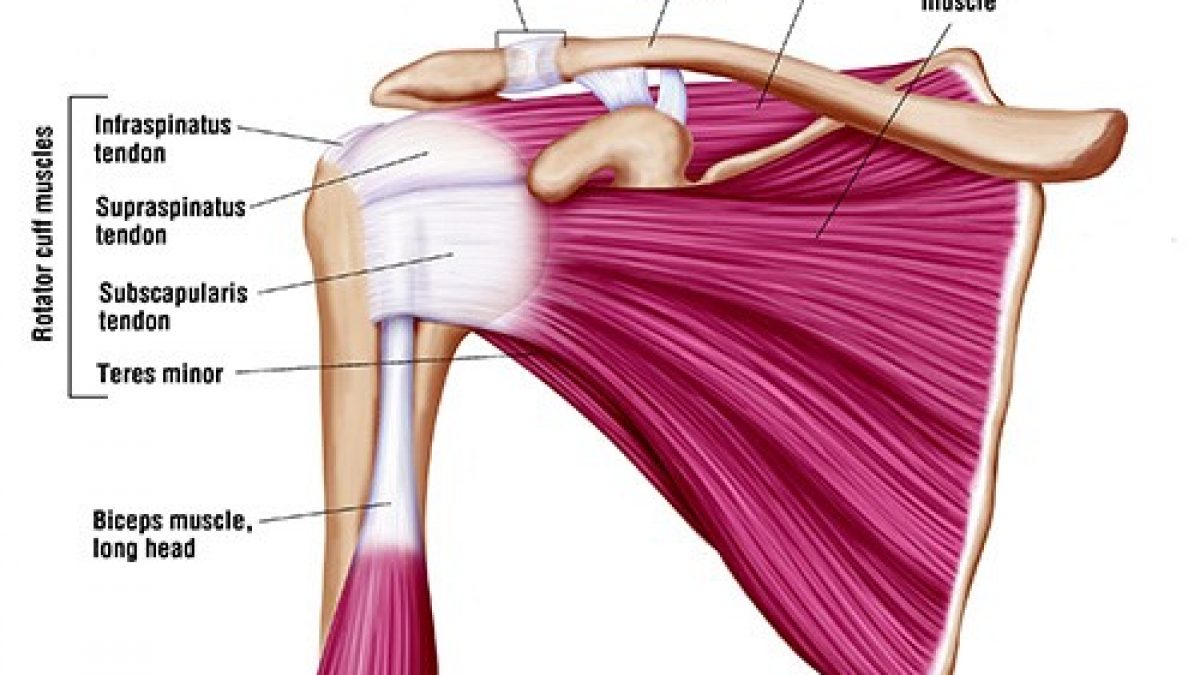
The rotator cuff is a group of four muscles and their tendons — the supraspinatus, infraspinatus, teres minor, and subscapularis — that work together to stabilize the glenohumeral joint and control virtually every shoulder movement. When any of these structures becomes inflamed, partially torn, or fully torn, the entire shoulder complex loses its ability to function normally.
The natural history of rotator cuff tears shows that, if left untreated, these injuries can progress over time, with partial-thickness tears often developing into full-thickness tears and leading to worsening pain and dysfunction. Factors such as tear size and patient activity level influence how the condition evolves, and larger tears are associated with more complex rehabilitation needs and potentially different outcomes.
Left untreated, rotator cuff injuries tend to worsen. A partial-thickness tear can progress to a full-thickness tear, and full-thickness tears are present in up to 50% of people over age 60, many of whom have no symptoms.
Research published in the World Journal of Orthopedics confirms that early intervention with physical therapy produces significantly better outcomes than delayed treatment, including reduced pain, improved strength, and restored function — often without surgery.
Anatomy and Function of the Rotator Cuff
The rotator cuff is a remarkable structure made up of four muscles—the supraspinatus, infraspinatus, teres minor, and subscapularis—each attaching the upper arm bone (humerus) to the shoulder blade (scapula) via their tendons. Together, they form a cuff of muscle around the glenohumeral joint.
Each muscle in the rotator cuff has a unique role. The supraspinatus helps lift the arm away from the body (abduction), while the infraspinatus and teres minor are responsible for external rotation—turning the arm outward. The subscapularis, on the other hand, controls internal rotation, allowing you to turn your arm inward. This coordinated action is essential for everyday movements, from reaching overhead to rotating your arm behind your back.
Beyond movement, the rotator cuff’s primary job is to keep the head of the upper arm bone centered in the shallow socket of the shoulder blade (the glenoid fossa). This stability is crucial for preventing excessive movement that could lead to injury, especially during activities that require strength and precision. The rotator cuff also helps guide the movement of the scapula, ensuring it works in sync with the arm for optimal shoulder function.
Rotator cuff injuries, such as rotator cuff tears or rotator cuff tendinopathy, occur when one or more of these tendons become damaged. Tears can range from small, partial-thickness injuries to full-thickness or even massive tears, often resulting in pain, weakness, and limited range of motion in the affected shoulder. Acute rotator cuff tears may result from a sudden traumatic injury, while chronic degeneration can lead to gradual wear and tear over time.
Diagnosing rotator cuff injuries typically involves a thorough physical exam, a review of your medical history, and imaging studies such as an MRI or ultrasound. These tools help identify the location, size, and severity of the injury to guide the most appropriate treatment plan.
Postoperative rehabilitation is a critical part of recovery after surgical repair, focusing on gentle range of motion exercises, progressive strengthening, and patient education to restore shoulder function and prevent future injuries. Even for those who avoid surgery, maintaining strong rotator cuff muscles through regular strengthening exercises and avoiding heavy lifting or repetitive overhead activities can significantly reduce the risk of reinjury.
Understanding the anatomy and function of the rotator cuff empowers you to take an active role in your shoulder health. Whether you’re recovering from a specific injury or looking to prevent future problems, a combination of proper exercise, patient education, and expert guidance from a physical therapist can help keep your shoulder joint strong, stable, and pain-free.
Common Causes of Rotator Cuff Injuries
Rotator cuff injuries develop through two primary mechanisms — acute trauma and chronic degeneration — though many injuries involve elements of both.
- Repetitive overhead motions — Painters, electricians, carpenters, warehouse workers, and anyone who regularly lifts or reaches overhead is at elevated risk. The repetitive mechanical stress gradually weakens the tendon fibers.
- Age-related degeneration — Blood supply to the rotator cuff tendons decreases naturally after age 40, making the tissue more vulnerable to micro-tears and degeneration. Partial-thickness and full-thickness tears are present in up to 50% of people over age 60, many of whom have no symptoms.
- Acute trauma — Falls onto an outstretched hand, sudden lifting of a heavy object, or direct impact to the shoulder can cause immediate partial or full-thickness tears.
- Sports injuries — Swimming, tennis, baseball, volleyball, and any overhead sport subjects the rotator cuff to repetitive microtrauma. Sports injuries involving the shoulder are a frequent reason patients seek treatment.
- Poor posture and workplace ergonomics — Rounded shoulders and forward head posture narrow the subacromial space, increasing impingement of the rotator cuff tendons against the acromion bone. Desk workers and those in sedentary work environments are particularly susceptible.
- Bone spurs (osteophytes) — Bony growths on the underside of the acromion can develop over time and mechanically irritate or fray the rotator cuff tendons during overhead movement.
- Previous shoulder injury — A prior dislocation, labral tear, or shoulder surgery alters joint mechanics and increases the risk of subsequent rotator cuff injury.
Symptoms Patients Often Notice
Rotator cuff injuries present differently depending on whether the onset is acute or degenerative, but common symptoms include:
- A dull, aching pain deep in the shoulder that often worsens at night, especially when lying on the affected side
- Difficulty reaching behind the back — fastening a bra, tucking in a shirt, or reaching a back pocket
- Pain or weakness when lifting the arm overhead or away from the body
- A catching or clicking sensation during shoulder movement
- Progressive loss of range of motion that limits daily tasks like washing hair, reaching shelves, or getting dressed
- Weakness when gripping, carrying, or lifting objects at arm’s length
- Pain that radiates from the outer shoulder down the upper arm, often confused with neck pain or nerve involvement
- Visible muscle wasting (atrophy) on the back of the shoulder blade in chronic or severe cases
If you recognize these symptoms, prompt evaluation by a physical therapist can prevent further damage and set you on a faster path to recovery.
How Physical Therapy Restores Shoulder Function
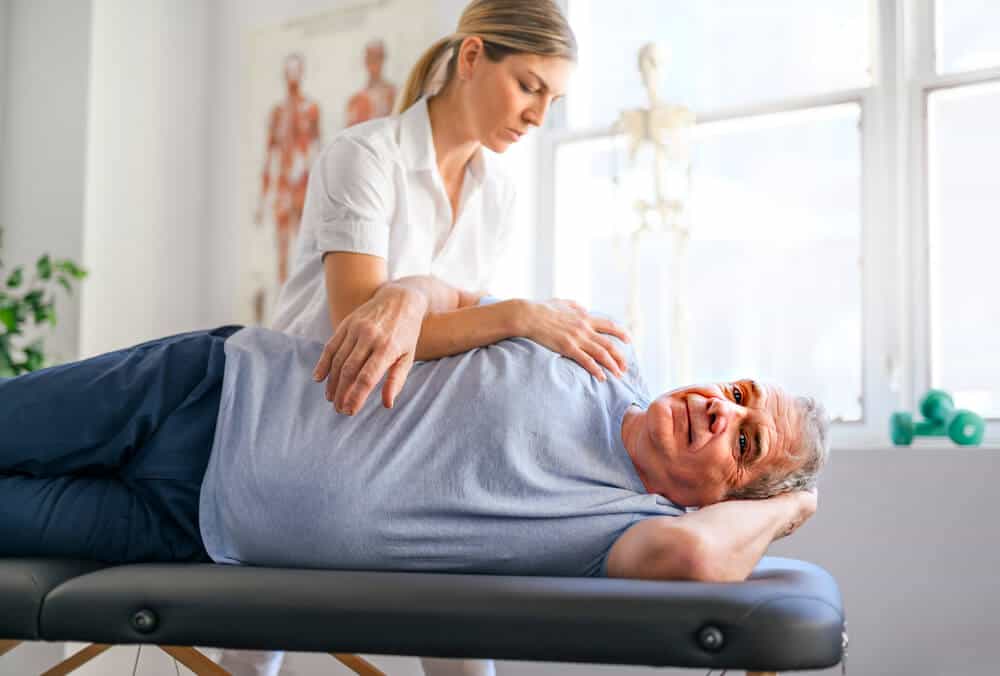
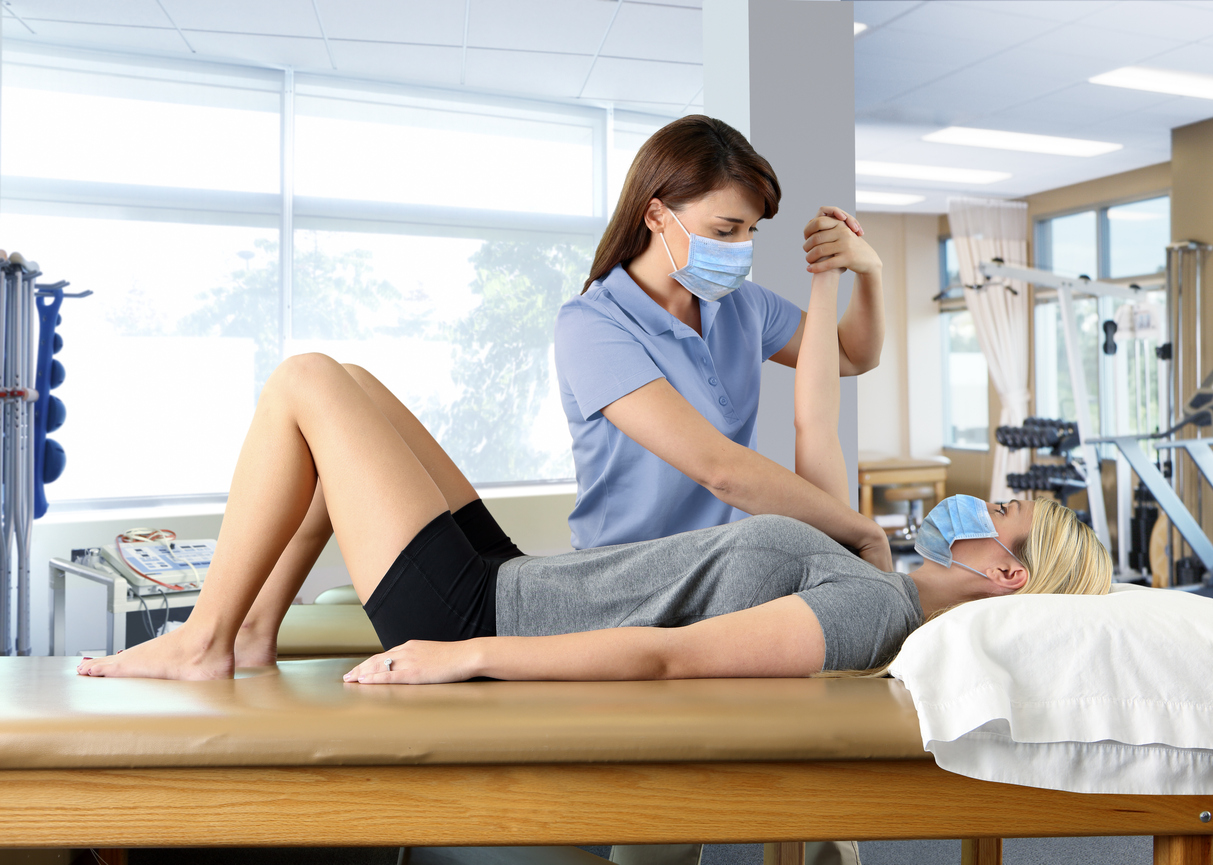
Physical therapy is the first-line treatment for the majority of rotator cuff injuries — including partial tears, full-thickness tears in older or less active patients, and rotator cuff tendinopathy. A structured rehabilitation program can restore pain-free function and return you to the activities you love, often without surgery. Physical therapists are movement experts who improve quality of life through hands-on care, patient education, and prescribed movement. At Trinity Rehab, every patient receives a comprehensive shoulder evaluation followed by a treatment plan customized to their specific injury, functional goals, and daily demands. For athletes or active individuals, our approach includes sports physical therapy to address the unique demands of returning to sports or physical activities safely and effectively. One of the primary goals in the initial phase of physical therapy is to reduce pain through targeted exercises and modalities. Manual therapy techniques, such as joint mobilization and massage, are also used to increase blood flow, break up scar tissue, and improve tissue elasticity. Structured, stage-specific post surgery rehabilitation programs are essential to ensure safe recovery, prevent reinjury, and restore optimal function under professional guidance.
Phase 1: Pain Reduction and Protected Mobility
The initial phase focuses on calming inflammation, reducing pain, and restoring gentle movement to prevent stiffness.
- Manual therapy — Skilled hands-on techniques including soft tissue mobilization, joint mobilization of the glenohumeral and acromioclavicular joints, and cervical/thoracic spine treatment to restore normal movement patterns and reduce pain.
- Passive and active-assisted range of motion — Pendulum exercises, table slides, and pulley-assisted movements restore shoulder mobility without placing stress on the injured tissue.
- Pain modulation — Ice, heat, electrical stimulation, and therapeutic ultrasound complement manual techniques to manage pain and reduce inflammation.
- Postural education — Correcting forward head and rounded shoulder posture to open the subacromial space and reduce impingement of the rotator cuff tendons.
- Scapular stabilization — Gentle activation of the lower trapezius, serratus anterior, and rhomboids to restore the foundation of healthy shoulder mechanics.
You should not feel pain during an exercise, and you should talk to your doctor or physical therapist if you do.
Phase 2: Progressive Strengthening and Neuromuscular Control
As pain decreases and range of motion improves, treatment shifts toward rebuilding the strength and coordination of the rotator cuff and surrounding muscles.
- Isometric strengthening — Static holds in multiple shoulder positions to begin loading the rotator cuff muscles without risking further injury.
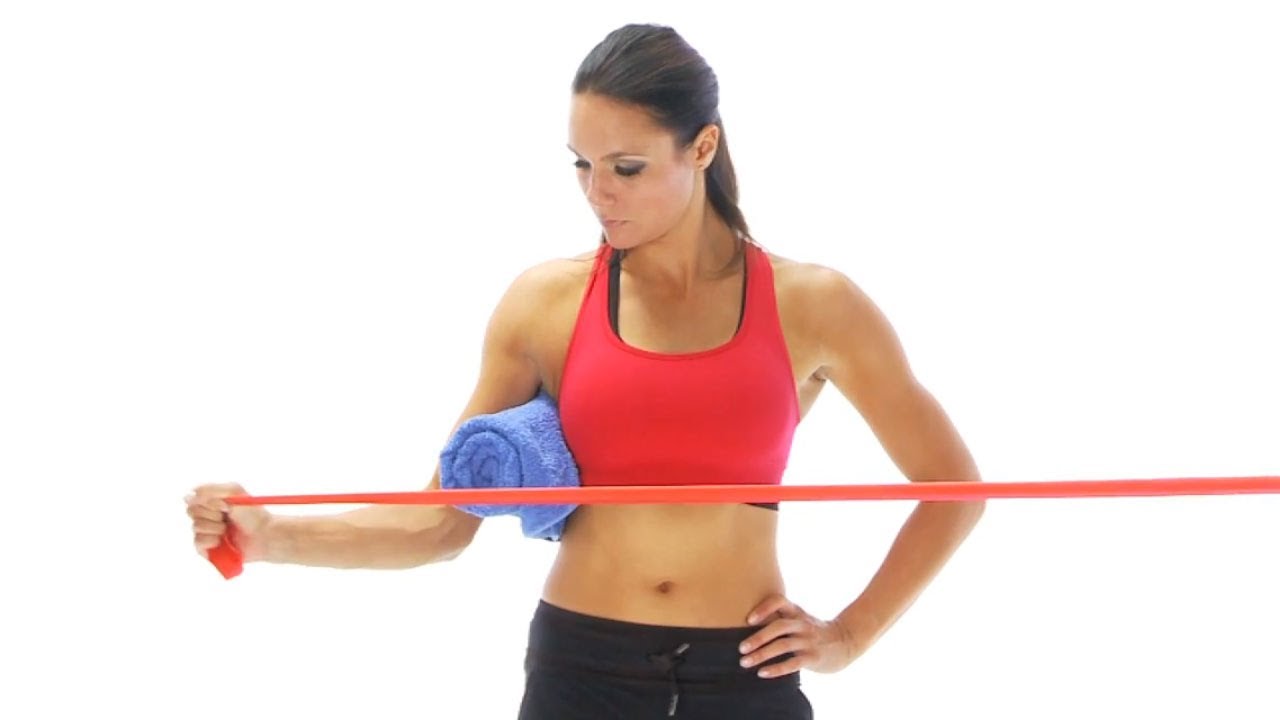
- Resistance band exercises — Internal rotation, external rotation, and scapular retraction exercises with progressive resistance to strengthen the infraspinatus, teres minor, and subscapularis. Proper elbow positioning is essential during these exercises to ensure effective strengthening and to prevent compensatory movements or further injury.
- Eccentric loading protocols — Controlled lowering movements that specifically target tendon healing and have strong evidence supporting their use in rotator cuff tendinopathy and partial tears.
- Proprioceptive training — Closed-chain exercises, rhythmic stabilization, and perturbation drills to retrain the shoulder’s position sense and dynamic stability.
Phase III of rotator cuff rehabilitation involves progressive resistance training using bands and light weights to rebuild functional strength.
- Posterior capsule stretching — Cross-body and sleeper stretches to address posterior shoulder tightness, which is a common contributor to impingement and rotator cuff strain.
Recent evidence supports that motor control exercise programs demonstrate superior outcomes compared to non-specific exercises for rotator cuff tendinopathy, paying close attention to the factors that contributed to the injury in the first place.
Phase 3: Functional Recovery and Return to Activity
The final phase bridges the gap between clinical strength and the real-world demands of work, sport, and daily activity.
- Task-specific training — Simulating the overhead reaching, lifting, carrying, and rotational movements required by each patient’s specific job or recreational activities.
- Sport-specific rehabilitation — For athletes and active individuals, sports physical therapy provides specialized, progressive training to restore power, endurance, and sport-specific movement patterns.
- Dry needling — Targeted treatment of myofascial trigger points in the rotator cuff, upper trapezius, and periscapular muscles to release chronic tension and restore normal muscle activation patterns.
- EPAT / Shockwave Therapy — Extracorporeal pulse activation technology delivers acoustic pressure waves to the rotator cuff tendons to stimulate healing, reduce chronic pain, and improve tissue quality.
- Home exercise program — A structured set of maintenance exercises designed to preserve range of motion, rotator cuff strength, and scapular stability between clinic visits and after discharge.
Phase IV focuses on advanced strengthening and sport-specific or work-specific drills for high-demand patients, ensuring a safe and confident return to full activity.
How to Prevent Rotator Cuff Injuries from Returning
Recovery from a rotator cuff injury is only half the equation. Preventing recurrence requires ongoing attention to shoulder health — including strength, flexibility, posture, and movement habits.
- Maintain rotator cuff and scapular strength — Perform resistance band external rotation, prone shoulder extension, and scapular retraction exercises 2-3 times per week as a maintenance routine.
- Stretch the posterior shoulder regularly — The cross-body stretch and sleeper stretch keep the posterior capsule flexible and reduce impingement risk.
- Practice good posture — Whether at a desk, in a vehicle, or on a job site, keeping the shoulders back and the thoracic spine extended preserves healthy subacromial space.
- Use proper body mechanics — Avoid lifting heavy objects overhead with a straight arm. Keep loads close to the body and engage the legs and core to reduce shoulder strain.
- Warm up before overhead activities — Whether it’s a round of golf, a painting project, or a gym workout, a five-minute shoulder warm-up with pendulum movements and light resistance band work prepares the rotator cuff for demand.
- Modify repetitive tasks — If your job or sport requires sustained overhead activity, build in rest breaks, alternate hands when possible, and vary task angles to reduce cumulative stress.
- Address shoulder pain early — A mild ache that resolves with rest one week may become a tear that requires months of rehabilitation the next. Early evaluation protects long-term shoulder health.
Why Patients Choose Trinity Rehab for Rotator Cuff Treatment
Not all physical therapy is the same. At Trinity Rehab, our approach to rotator cuff treatment is built around your individual goals and recovery timeline.
- One-on-one care, every visit — You work directly with a licensed physical therapist for the entirety of every session. No handoffs to aides or assistants.
- Evidence-based treatment protocols — Our rotator cuff rehabilitation programs are grounded in current research on tendon healing, progressive loading, and neuromuscular control.
- Advanced treatment options — Beyond traditional exercises, we offer manual therapy, dry needling, and EPAT/shockwave therapy, as well as specialized post-operative rehabilitation for patients recovering from bone joint surgery.
- Convenient locations across New Jersey and Pennsylvania — With 27 clinics, there’s a Trinity Rehab location close to your home or workplace, making it easy to attend appointments consistently.
- Direct access — New Jersey law allows you to begin physical therapy without a physician referral, so you can start treatment faster.
- Insurance coordination — We work with most major insurance plans and handle verification and authorization so you can focus on getting better.
Our team includes not only experienced physical therapists but also collaborates with orthopedic specialists and elbow surgeons for complex shoulder and elbow cases, ensuring comprehensive care for every patient.
Can physical therapy heal a torn rotator cuff without surgery?
How long does physical therapy for a rotator cuff injury take?
Can physical therapy make a rotator cuff tear worse?
What is the best treatment for a rotator cuff injury?
Do I need an MRI before starting physical therapy?
Getting Back to What Matters
A rotator cuff injury can sideline you from the activities that define your daily life — from simple tasks like reaching and lifting to the sports and hobbies that keep you active. But it doesn’t have to be permanent. With the right treatment, guided by a physical therapist who understands shoulder biomechanics and the science of tendon healing, most patients regain full function and return to everything they enjoy.
At Trinity Rehab, we’ve helped thousands of patients across New Jersey and Pennsylvania recover from rotator cuff injuries and return to work, sport, and daily life with confidence. Our clinicians are committed to providing individualized, evidence-based care that gets results.
Your Next Steps
- Request an appointment online or call your nearest Trinity Rehab clinic.
- Complete your initial evaluation — a comprehensive assessment of your shoulder’s range of motion, strength, and functional limitations.
- Begin your personalized treatment plan — designed around your specific injury, goals, and schedule.
You don’t need a physician referral to start physical therapy in New Jersey. Schedule your evaluation today and take the first step toward a shoulder that moves the way it should.
Sources:
- Rotator Cuff Tears: An Evidence-Based Approach — World Journal of Orthopedics (2015)
- Conservative Management of Rotator Cuff Tears — Muscles, Ligaments and Tendons Journal (2013)
- Rotator Cuff and Shoulder Conditioning Program — AAOS OrthoInfo
Start Your Recovery Today
Don’t let shoulder pain hold you back. Schedule your evaluation at your nearest Trinity Rehab location and take the first step toward a stronger, pain-free shoulder.
Related Shoulder and Spine Resources
Rotator cuff symptoms can overlap with other shoulder and neck conditions. These related Trinity Rehab resources can help patients understand nearby problems and treatment options:
Rotator Cuff Injury FAQs
Can physical therapy help a rotator cuff tear without surgery?
How do I know if shoulder pain is from the rotator cuff?
What happens at the first physical therapy visit?
How long does rotator cuff rehab usually take?
When should I seek medical evaluation quickly?
Find Rotator Cuff Injury Treatment Near You
Trinity Rehab offers personalized rotator cuff treatment at 27 convenient locations across New Jersey and Pennsylvania. Find the clinic closest to you: