
Knee Pain Physical Therapy: A Treatment Approach
Knee Pain Treatment: Personalized Physical Therapy That Gets You Moving Again
Knee pain – whether from arthritis, overuse, a ligament or meniscus issue, or after surgery – usually improves when the muscles that support and offload the joint are strengthened. Physical therapy reduces pain and improves walking, stairs, and stability through targeted exercise and hands-on care. Most plans run 6-12 weeks, and you can begin without a physician’s referral in New Jersey.
Knee pain doesn’t just hurt — it changes how you live. It’s the hesitation before you stand up from a chair, the way you grip the handrail going downstairs or climbing stairs, the activity you’ve quietly stopped doing because it hurts too much to try. Whether your pain came on gradually or followed an injury, it’s real, it’s limiting, and you deserve real answers. Consulting a healthcare professional is essential for a proper diagnosis and to develop a safe, effective treatment plan tailored to your needs.
Most knee pain responds remarkably well to targeted physical therapy. At Trinity Rehab, we’ve helped thousands of patients in New Jersey and Pennsylvania reduce their pain, rebuild strength, and return to the activities they love — often without surgery.
Why Knee Pain Relief Matters More Than You Think
Many people delay knee pain treatment hoping discomfort will resolve on its own. Sometimes it does — but when it doesn’t, the window for conservative care can narrow quickly.
The knee carries the full weight of your body through every step, squat, and climb. When pain disrupts normal movement, surrounding muscles compensate in ways that place uneven stress on the joint — over time accelerating cartilage wear, weakening supporting structures, and reducing mobility. Targeted physical therapy can help reduce stress on the knee joint by improving muscle balance and joint stability.
Knee osteoarthritis, one of the most common sources of knee pain in adults over 50, involves the gradual breakdown of joint cartilage. Left unaddressed, cartilage doesn’t regenerate on its own, and continued mechanical stress worsens structural damage. Research published in Frontiers in Medicine (NCBI) confirms that physical therapy interventions including neuromuscular exercise and shockwave therapy produce meaningful pain relief and functional improvements in patients with knee osteoarthritis.
Chronic knee pain also compounds beyond the joint itself. Sleep suffers, exercise becomes harder, weight management grows more difficult, and mood declines. Early, consistent treatment isn’t just about the knee — it’s about protecting your ability to stay active and independent. Early intervention is key for achieving long term relief from knee pain, rather than just temporary improvement.
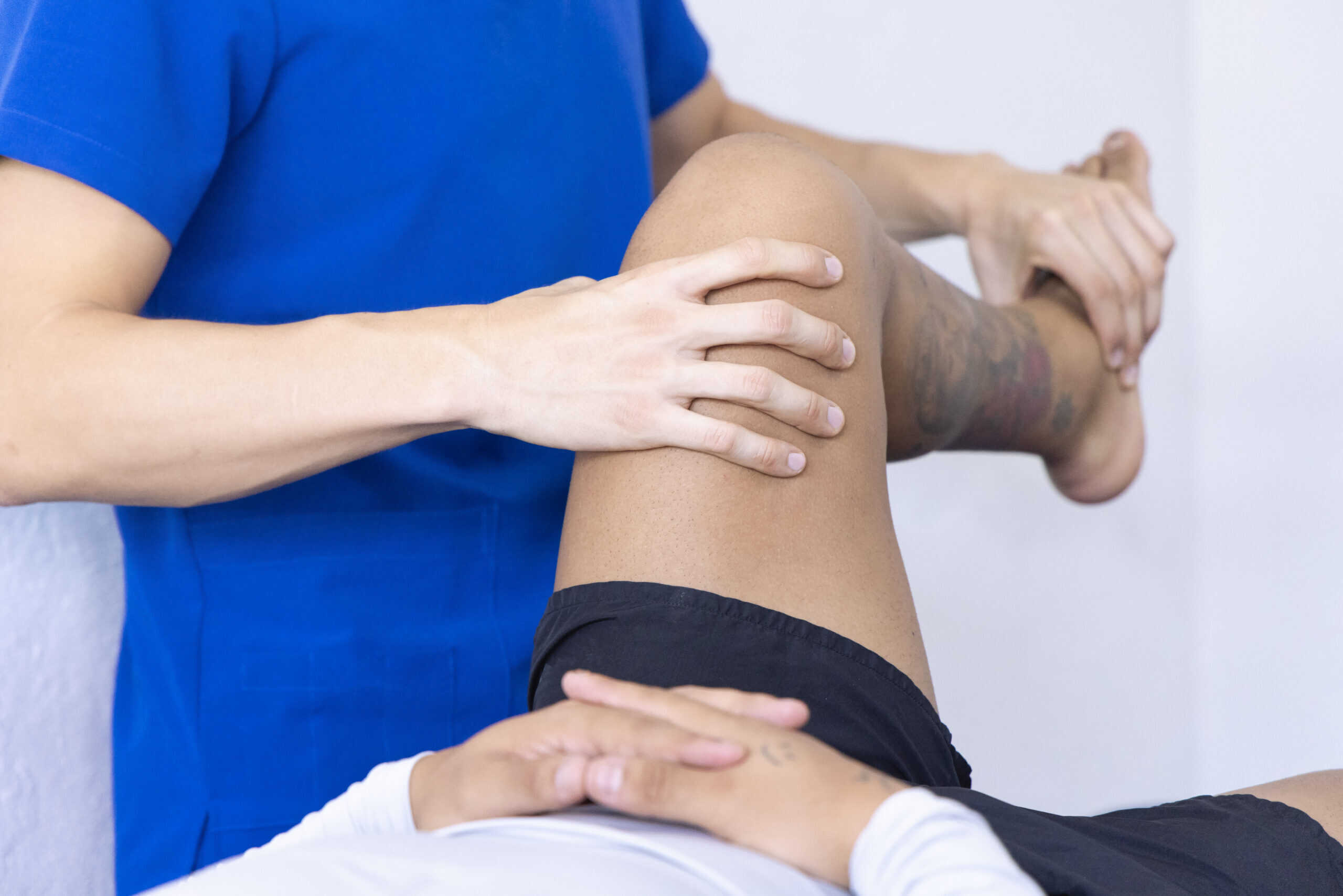
Common Causes of Knee Pain
Knee pain is a symptom, not a diagnosis. Understanding what’s driving your discomfort is the foundation of effective treatment. The most common conditions we treat at Trinity Rehab include:
-
Osteoarthritis — Wear-and-tear breakdown of the cartilage lining the joint. Most common in adults 50 and older. See our arthritis treatment page) for more detail.
-
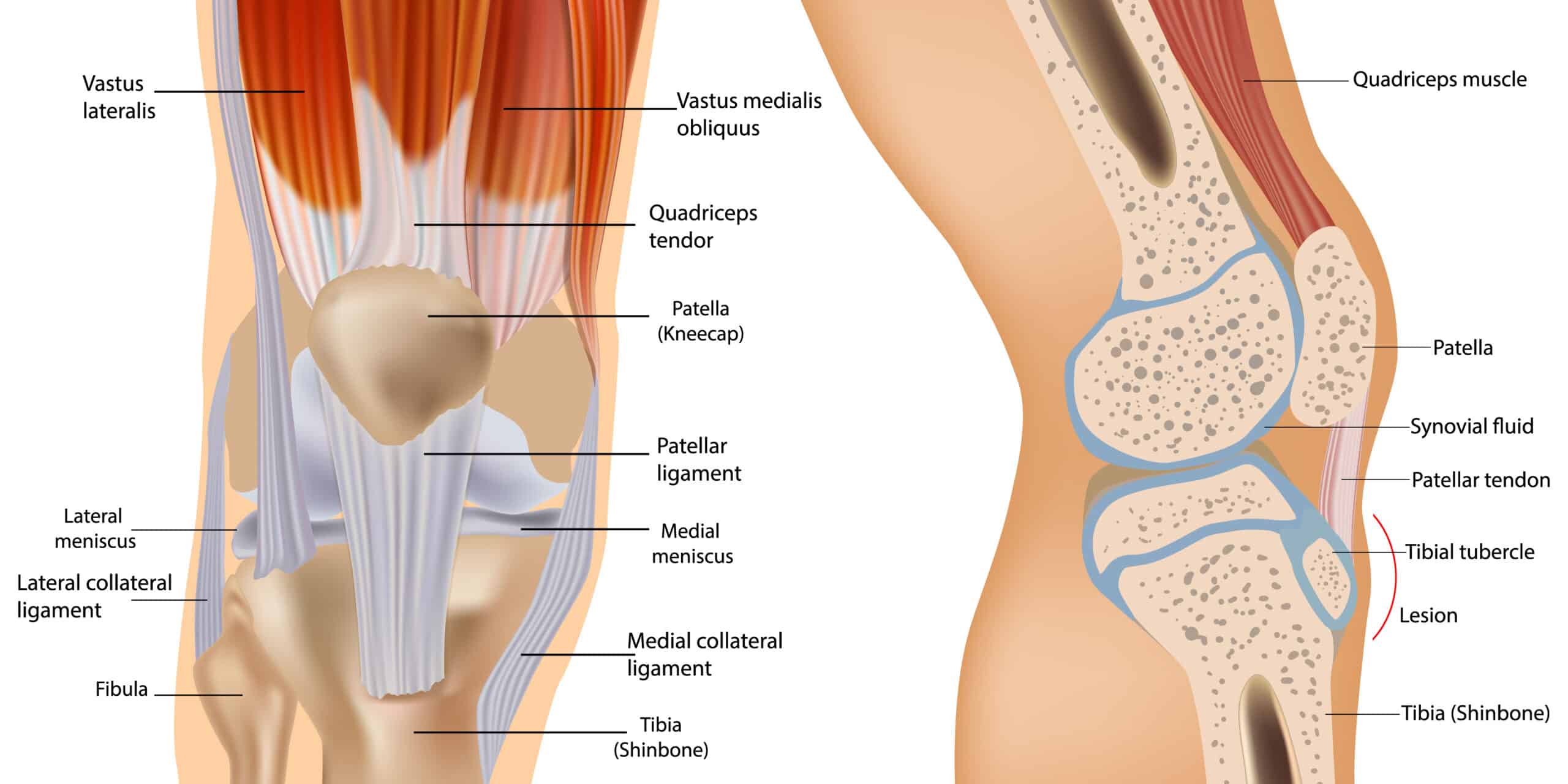
Meniscus tears — The meniscus is a C-shaped pad of cartilage that cushions the knee. Tears can result from a sudden twist or from gradual degeneration, and many respond well to physical therapy without surgery.
-
ACL and MCL ligament injuries — Sprains or tears of the anterior cruciate ligament (ACL) or medial collateral ligament (MCL) are common in athletes and active individuals. Physical therapy is central to recovery — both before and after any surgical intervention. See our sports injuries page) for more information.
-
Runner’s knee (patellofemoral syndrome) — Pain at the front of the knee, around or behind the kneecap, caused by abnormal tracking of the patella. Common in runners and cyclists. See more on runner’s knee treatment below.
-
Patellar tendonitis — Inflammation of the tendon connecting the kneecap to the shinbone, often from repetitive jumping or running. Also called “jumper’s knee.”
-
Bursitis — Inflammation of the small fluid-filled sacs (bursae) that cushion the knee joint. Causes localized tenderness and swelling, typically on the front or inner side of the knee.
-
Medial knee pain — Pain on the inner side of the knee, often caused by ligament sprains, bursitis, or osteoarthritis. Targeted physical therapy and strengthening exercises can help address the underlying issues and relieve discomfort.
-
Post-surgical stiffness — After knee replacement or ACL reconstruction, regaining range of motion and strength requires structured rehabilitation. See our hip and knee pain page) for recovery support information.
-
IT band syndrome — Tightness and inflammation of the iliotibial band, causing pain on the outer side of the knee during or after activity.
-
Work-related knee injuries — Repetitive kneeling, heavy lifting, and prolonged standing can all contribute to knee pain. Learn more on our work injuries page).
Not sure what’s causing your pain? Our therapists perform a thorough evaluation to pinpoint the source before building your treatment plan.
Symptoms Patients Often Notice
Knee pain presents differently depending on the underlying cause, but these are the symptoms our patients most commonly describe when they first come in:
-
Aching or throbbing pain — at rest, during activity, or both
-
Stiffness in the morning — or after sitting for an extended period
-
Swelling or puffiness — around the joint
-
Clicking, popping, or grinding sensations — when bending or straightening the knee
-
Locking or catching — a feeling that the knee won’t bend or straighten fully
-
Giving way — a sudden sense that the knee will buckle under your weight
-
Pain going up or down stairs or climbing stairs — , squatting, or rising from a chair
-
Tenderness when pressing on specific areas — of the knee
-
Reduced range of motion — difficulty fully bending or straightening the leg
-
Weakness in the surrounding leg muscles — , making activities feel less stable
During daily activities or exercises, it’s important to listen to your body and note when you feel pain. Adjust or stop the activity if pain occurs to prevent further discomfort or injury. If you experience severe pain during exercise or daily movement, stop immediately and consult a healthcare professional.
If you experience persistent pain despite rest and home care, it’s important to seek evaluation from a professional, as this may indicate an underlying mechanical issue that requires targeted treatment.
If you recognize several of these symptoms, a physical therapy evaluation can clarify what’s happening and get you started on an effective path forward.
How Physical Therapy Restores Knee Function
Physical therapy for knee pain goes far beyond generic exercises. At Trinity Rehab, every patient receives a one-on-one evaluation with a licensed therapist who identifies the root cause of your knee pain and designs a treatment plan specifically for you — not a template, not a group class, but individualized care that evolves as you improve. The primary goals of physical therapy are to restore function and restore mobility after injury or chronic pain, helping you return to your normal activities with less discomfort. During your evaluation, your therapist will review all available treatment options with you to ensure your plan is tailored to your unique needs.
Our therapists draw on a full range of evidence-based techniques and advanced technology:
Manual Therapy
Manual therapy is hands-on treatment performed directly by your therapist. Techniques include joint mobilization to restore normal mechanics, soft tissue mobilization to release tight muscles, and patellar mobilization to improve kneecap tracking. Manual therapy reduces pain, improves joint mobility, and prepares tissue for rehabilitative exercise.
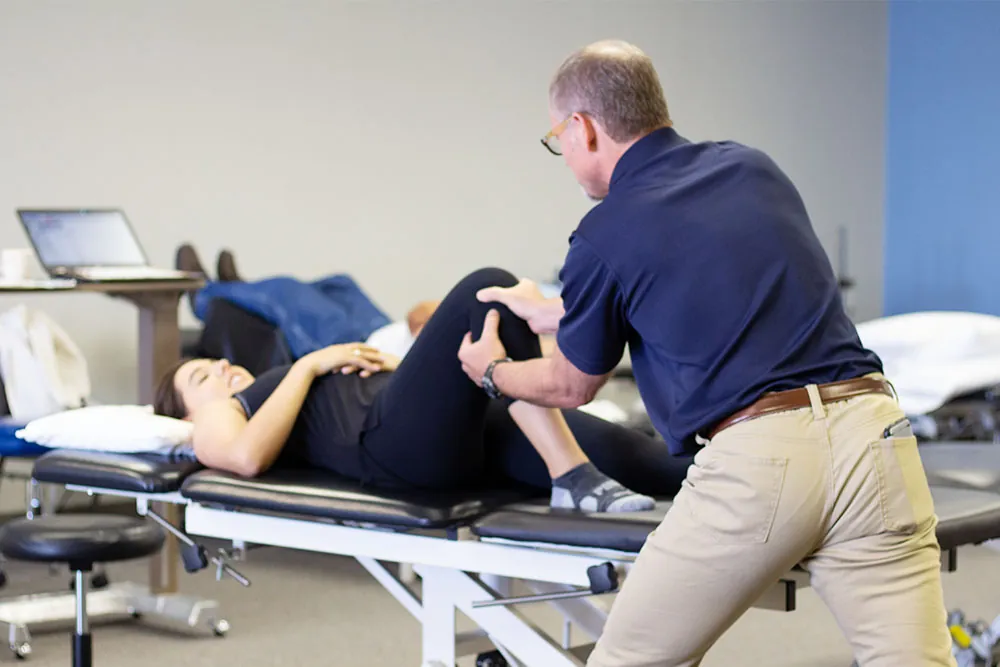
Targeted Strengthening and Physical Therapy Exercises for Knee Pain
Weakness in the quadriceps, hamstring muscles, glutes, and hip stabilizers drives nearly every knee condition. Research in the NIH’s Current Reviews in Musculoskeletal Medicine confirms that combined hip and knee strengthening reduces pain and improves functional capacity short and long term. Strengthening exercises targeting the muscles that support the knee and the entire lower extremity—such as the thigh muscles, hamstring muscles, calf muscles, and hip muscles—are essential for improving knee stability and function. Your therapist will guide you through progressive resistance exercises calibrated to your current strength and pain tolerance, advancing the program as you improve. Proper body positioning and alignment, including awareness of your pelvic bones and keeping your feet shoulder width apart, is emphasized to ensure correct technique and stability during all exercises.
Quad sets are often introduced as an initial exercise option, as they activate and strengthen the quadriceps without joint strain, making them a perfect starting point for knee rehabilitation.
Targeted hip strengthening exercises, including clamshells and mini-squats, help stabilize the pelvis and prevent inward knee collapse by activating the gluteus medius, which plays a crucial role in hip stabilization and injury prevention. A comprehensive knee pain physical therapy program often includes knee pain exercises like leg extensions, half squats, straight leg raises (which can be performed with one leg bent or affected leg straight to target different muscle groups), and various leg raises. The straight leg raise strengthens the quadriceps and hip flexors, which are key to proper knee alignment and function. When performing leg lifts, it is important to keep your foot flat on the floor to maintain stability and proper positioning. Bridge exercises should be performed with the knees bent to maximize glute engagement. These exercises are selected to address the entire lower extremity, not just the knee, ensuring optimal recovery and long-term knee health.
Before stretching, low-impact activities like cycling on a stationary bike, walking, or using an elliptical machine are good warmup options to prepare the muscles and joints.
Performing stretching and strengthening exercises two to three days a week will maintain strength and range of motion in your knees after recovery. Exercises should be done with proper form, including a slight bend in the affected knee and heels flat on the floor. Movements like slowly lifting and slowly lowering the leg, as well as slowly bending the knee during stretches, help prevent injury and promote gradual improvement. Your physical therapist may also advise you to gently pull or hold stretches to improve flexibility safely.
Aquatic therapy can also be incorporated, as it minimizes weight-bearing pressure while strengthening the knee. This approach is especially beneficial for those with significant pain or limited mobility, allowing for effective exercise with reduced discomfort.
Neuromuscular Training
Neuromuscular training retrains communication between your nervous system and the muscles that stabilize the knee. After injury or prolonged pain, protective reflexes can become disrupted — leaving the knee vulnerable to re-injury. Balance training, proprioception drills, and functional movement retraining address these deficits directly and make your knee more resilient in real-world activities. Core strength and upper body stability are also emphasized during these exercises to support proper knee mechanics and maintain stability throughout movement retraining.
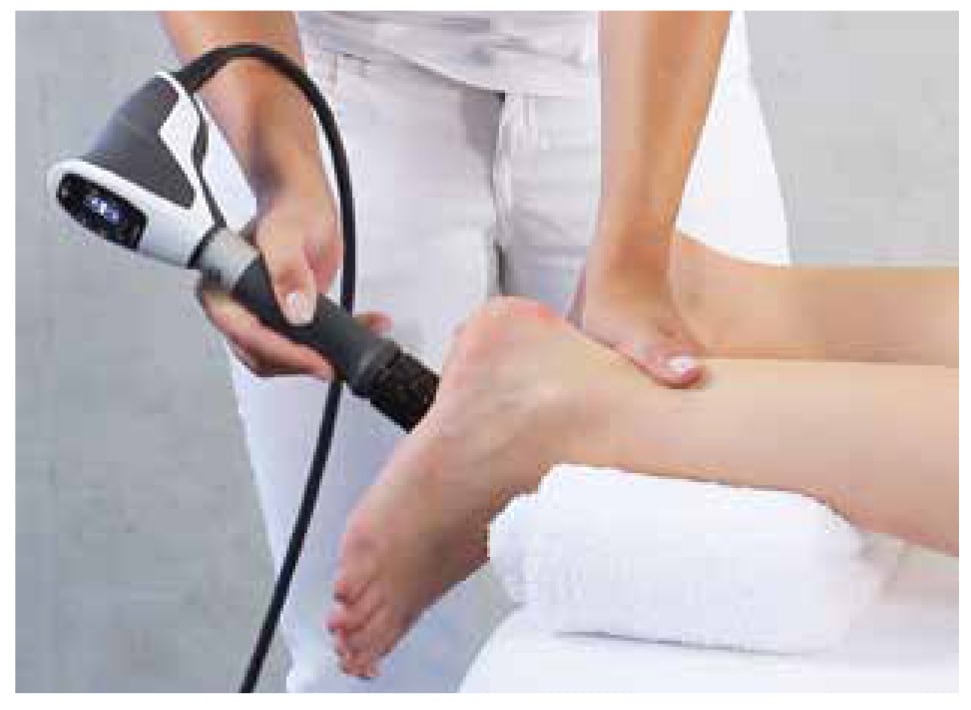
EPAT / Shockwave Therapy
EPAT (Extracorporeal Pulse Activation Technology), also known as shockwave therapy, delivers focused acoustic pulses to painful or damaged tissue. It stimulates blood flow, accelerates the body’s natural healing response, and reduces chronic pain resistant to other treatments — particularly effective for patellar tendonitis, runner’s knee, and chronic soft tissue conditions around the knee.
In addition to advanced therapies like EPAT, strengthening the quadriceps is important because these muscles act as shock absorbers for the knee joint, helping to reduce pain and protect the joint during activity.
Dry Needling
Dry needling uses thin, sterile needles inserted into trigger points — tight, irritable muscle bands — to release tension, reduce pain, and restore normal function. For patients with persistent tightness in the quadriceps, IT band, or posterior chain contributing to knee pain, dry needling provides meaningful relief and improves response to exercise therapy.
AlterG Anti-Gravity Treadmill
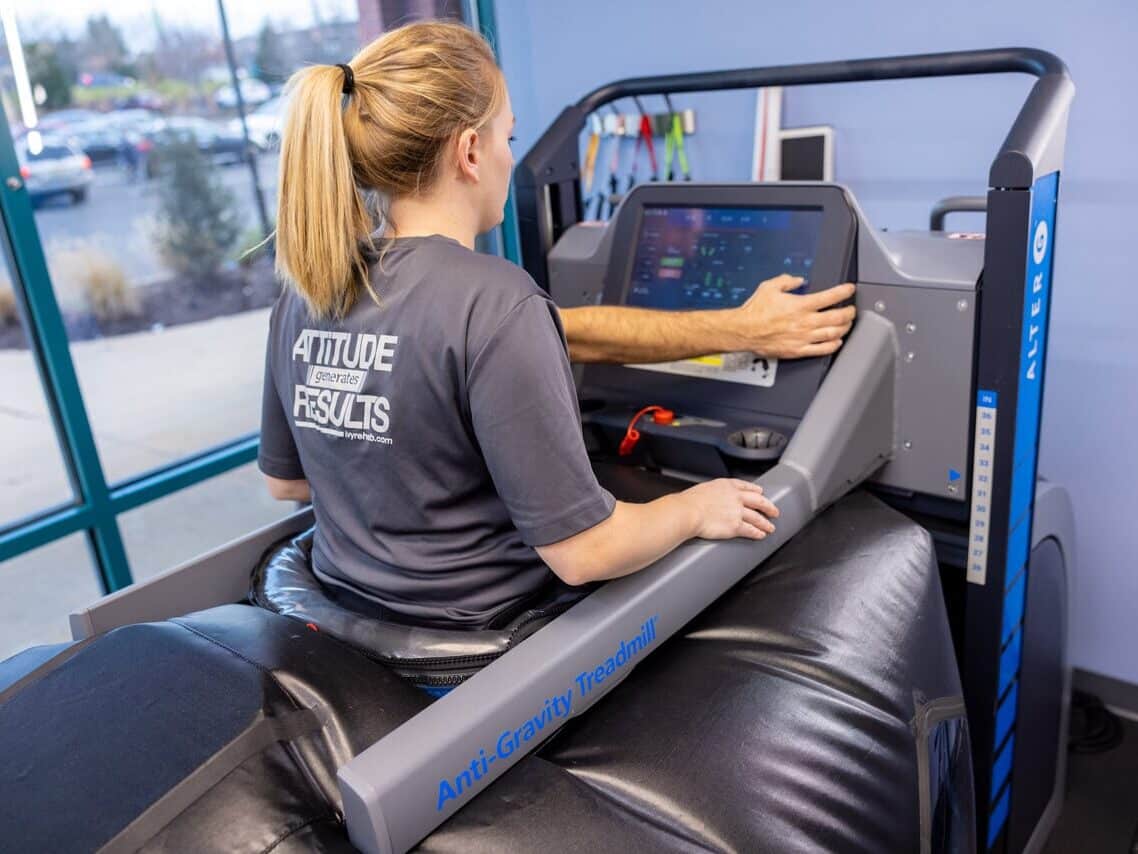
The AlterG treadmill uses air pressure to partially offset your body weight, letting you walk or run with significantly less load on the knee joint. This technology is especially valuable for post-surgical recovery, knee replacement rehabilitation, and patients whose pain limits weight-bearing exercise — allowing you to rebuild cardiovascular fitness and movement quality while protecting the healing joint.
Ice and Heat Therapy
In managing knee pain, ice therapy is commonly used to reduce inflammation and swelling after activity or injury, while heat therapy helps decrease stiffness and improve blood flow to the affected knee. Your physical therapist will guide you on the appropriate use of these therapies as part of your treatment plan.
Patient Education and Home Programs
Your therapist will explain what’s driving your knee pain, teach you correct movement mechanics, and provide a home exercise program to reinforce progress between sessions. This program will include stretching exercises to help maintain flexibility, improve range of motion, and prevent stiffness in your knee and leg muscles. Empowering you with knowledge is central to our care model — because the best outcomes happen when patients understand what they’re doing and why. Additionally, we encourage adopting a healthy lifestyle, including regular physical activity and proper nutrition, to support long-term knee health and overall well-being.
Patellofemoral Pain Syndrome and Runner’s Knee Treatment
Patellofemoral pain syndrome treatment is one of the most common reasons patients come to us. Also called runner’s knee, this condition causes pain at the front of the knee during running, cycling, stair climbing, or prolonged sitting with bent knees — the result of the kneecap (patella) not tracking correctly along its groove. Proper alignment with a bent knee during sitting or exercise is important to avoid aggravating symptoms.
Runner’s knee treatment at Trinity Rehab focuses on correcting the mechanics behind poor patellar tracking: strengthening the hip abductors and external rotators, improving quadriceps activation, addressing foot mechanics, and applying manual therapy to the patella, IT band, and surrounding soft tissue when needed. When performing step-up or squat exercises, we emphasize ensuring the affected knee tracks directly over the second toe to promote correct form and reduce injury risk. Some patients experience pain at the top leg area, so exercises are selected and modified accordingly in consultation with your physical therapist. Most patients respond well within 6–10 weeks.
Meniscus Tear Treatment Without Surgery
A meniscus tear diagnosis doesn’t automatically mean surgery. Research increasingly supports non-operative management for many types of meniscus tears, particularly degenerative tears in middle-aged and older adults. Physical therapy reduces swelling, restores range of motion, and strengthens the muscles that take load off the damaged meniscus. Your Trinity Rehab therapist will coordinate care with your orthopedic provider when needed — and many patients who commit to a full course of physical therapy avoid surgery entirely.
Knee Replacement Recovery Physical Therapy
Whether you’re preparing for or recovering from a knee replacement, physical therapy is essential to your outcome. Patients who begin rehabilitation promptly regain range of motion faster, experience less pain, and return to function sooner. Prehabilitation before surgery reduces recovery time and improves post-operative results.
Our therapists guide you through each phase of knee replacement recovery physical therapy: early mobility and swelling management in the first weeks, progressive strengthening as healing advances, and functional training to return to daily activities and recreational pursuits. The AlterG treadmill often plays a key role in rebuilding walking mechanics before patients are ready for full weight-bearing.
Knee Osteoarthritis Treatment: Slowing the Progression
Knee osteoarthritis (KOA) is the gradual breakdown of the cartilage that cushions the joint. While cartilage loss cannot be reversed, physical therapy meaningfully reduces pain, improves function, and slows progression. A systematic review in the European Journal of Medical Research found that exercise therapy and physical therapist-guided interventions consistently improve pain and functional outcomes in KOA patients.
Knee osteoarthritis treatment at Trinity Rehab combines targeted strengthening to reduce joint load, manual therapy to maintain mobility, and advanced modalities including shockwave therapy and dry needling. We also address contributing factors like hip weakness, movement patterns, and footwear to reduce mechanical stress on the knee over time.
How to Prevent Knee Pain from Returning
Once you’ve made progress in physical therapy, protecting that progress is the goal. Here are the most effective strategies for keeping your knees healthy long term:
-
Maintain a healthy weight. — Every extra pound of body weight adds roughly three to four pounds of stress on the knee joint during walking — making weight management one of the highest-impact steps you can take for long-term knee health.
-
Wear supportive footwear. — Proper arch support, cushioning, and heel stability reduce the forces transmitted up through the knee. Replace athletic shoes regularly and ask your therapist about orthotics if needed.
-
Practice proper body mechanics. — How you squat, lift, climb stairs, and land from jumps all affects your knees. Your therapist will teach you movement patterns that protect the joint during everyday activities. For example, when performing step-up exercises, use one foot to step onto the platform and focus on maintaining proper form and muscle engagement throughout the movement.
-
Continue your home exercise program. — The strengthening work you do in physical therapy isn’t just for recovery — it’s long-term maintenance. Consistent quad, hamstring, glute, and hip training keeps the joint stable and reduces wear.
-
Stretch regularly. — Tight hip flexors, hamstrings, and calves increase knee stress. A brief daily stretching routine — especially after activity — keeps surrounding tissue flexible. For certain stretches, make sure your foot is flat on the floor to maintain stability and maximize effectiveness.
-
Modify activities thoughtfully. — High-impact surfaces, prolonged kneeling, and repetitive jumping all load the knee. Build up activity gradually with guidance from your therapist rather than stopping what you love.
-
Address pain early. — If knee discomfort appears after new activity or increased training, act quickly. Catching flare-ups early prevents minor irritation from becoming a significant setback.
Why Patients Choose Trinity Rehab for Knee Pain Treatment
Patients across New Jersey and Pennsylvania come to Trinity Rehab because we do things differently — and they feel the difference.
One-on-one care, every session. At Trinity Rehab, you work directly with your licensed physical therapist for every minute of every session — never handed off to an aide or left to exercise unsupervised. This model produces better outcomes, faster recovery, and real accountability.
27 convenient locations across NJ and PA. With clinics throughout New Jersey and Pennsylvania, there’s likely a Trinity Rehab close to home or work. See all conditions we treat or schedule an appointment near you.
Advanced technology. Our clinics are equipped with the AlterG anti-gravity treadmill, EPAT/shockwave therapy, and dry needling — tools most practices don’t offer, integrated into treatment plans when clinically appropriate.
Direct access — no referral required in New Jersey. New Jersey law allows you to begin physical therapy without a physician’s referral. Call Trinity Rehab today and start treatment without waiting for a doctor’s appointment — getting to care faster means getting better faster.
Insurance accepted. Trinity Rehab works with most major insurance plans. Our team handles the verification process and will clarify your coverage before your first appointment so there are no surprises.
Personalized treatment plans. No two knee problems are alike. Every plan at Trinity Rehab is built around your specific condition, goals, lifestyle, and timeline — then adjusted as you respond to treatment.
OTHER CONDITIONS WE TREAT
Trinity Rehab treats a wide range of musculoskeletal conditions. Explore our other condition-specific resources:
- Osteoarthritis Treatment
- Sciatica Treatment
- Tennis Elbow Treatment
- Plantar Fasciitis Treatment
- Rotator Cuff Surgery Recovery Treatment
FREQUENTLY ASKED QUESTIONS ABOUT KNEE PAIN PHYSICAL THERAPY
Can physical therapy help with knee pain?
Does physical therapy help bone on bone knee pain?
How long does physical therapy for knee pain take?
Do I need a referral for knee pain physical therapy in New Jersey?
Can physical therapy help me avoid knee surgery?
Getting Back to What Matters
Knee pain has a way of quietly shrinking your world — the walks you skip, the activities you’ve put off, the moments you miss because you’re managing discomfort. It doesn’t have to stay that way. At Trinity Rehab, we’ve helped patients of every kind — from weekend warriors with runner’s knee to retirees managing severe arthritis — find lasting relief and reclaim what matters most. You don’t need to push through the pain alone, and you don’t need a referral. Relief is closer than you think.
Find Knee Pain Treatment Near You
Trinity Rehab offers expert knee pain treatment at 27 locations across New Jersey and Pennsylvania. Find a clinic near you:
New Jersey
Pennsylvania
Your Next Steps
Getting started is straightforward:
-
Call us directly. Reach your nearest Trinity Rehab location to ask questions and schedule your evaluation.
-
Request an appointment online. Use our online appointment request form to select a location and time. No referral needed in New Jersey.
-
Walk in. Many of our 27 NJ and PA locations welcome walk-in evaluations. Call ahead to confirm availability.
Your first visit includes a thorough one-on-one evaluation: your therapist will assess your knee, identify the root cause of your pain, and lay out a clear plan for recovery.