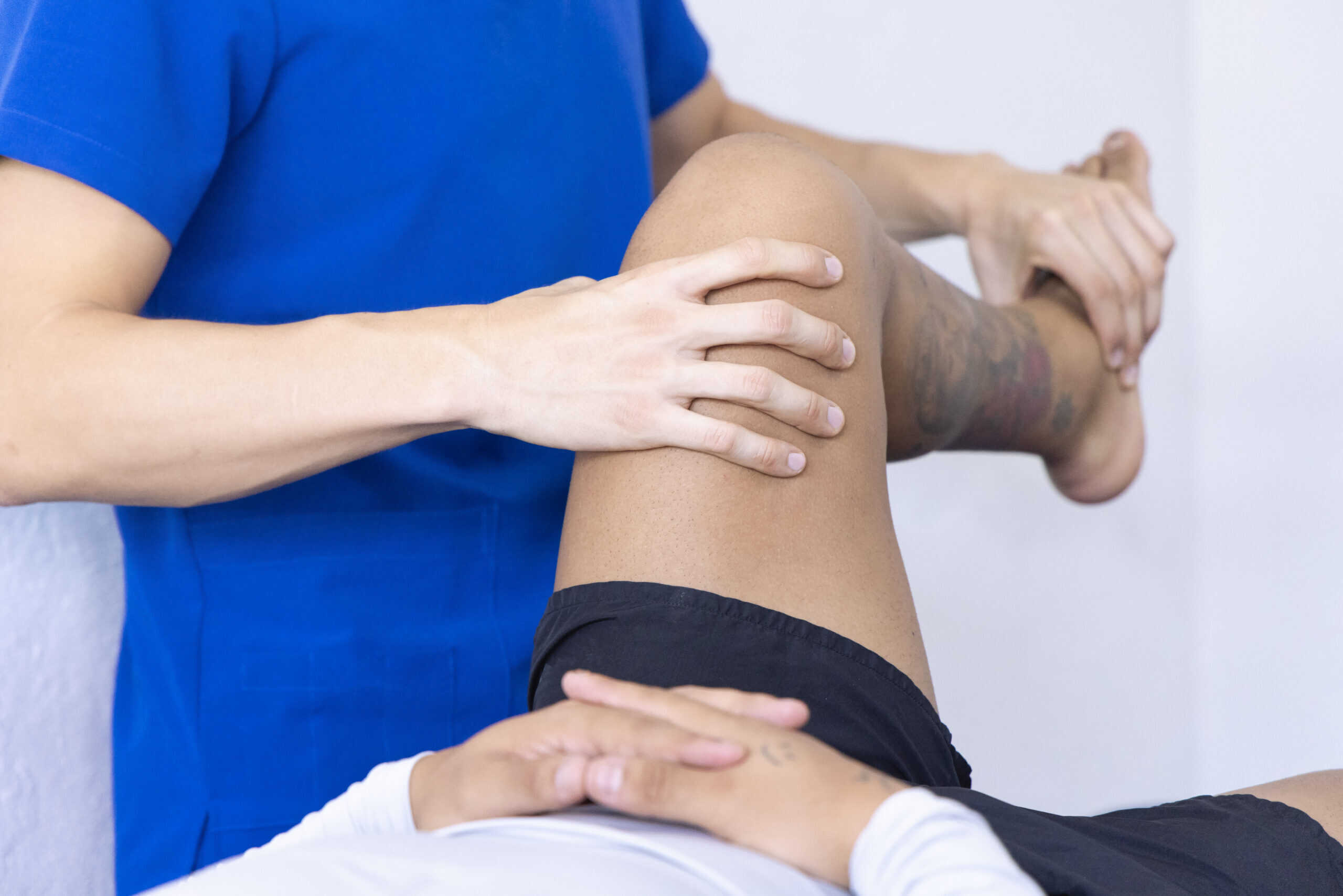
Knee Pain Treatment in Howell, NJ: Physical Therapy That Gets You Moving Again
Howell Township residents live actively. On any given weekend you’ll find runners circling the 5-mile perimeter trail at Manasquan Reservoir, youth wrestlers grinding through conditioning at Howell High School, and warehouse workers pulling long shifts along Route 9’s industrial corridor. All of that activity — the trail runs, the sport seasons, the physical labor — places constant demand on one of the body’s most vulnerable joints: the knee.
When knee pain appears, many Howell residents try to push through it. That’s the culture here. But the knee isn’t built for indefinite punishment, and the longer you delay care, the more compensation patterns develop in the surrounding muscles and joints. At Trinity Rehab, we help Howell patients identify exactly what’s driving their knee pain and build a targeted plan to resolve it — so you can get back to the reservoir trail, the wrestling mat, or whatever keeps you moving.
Who Gets Knee Pain in Howell?
Knee injuries in Howell tend to follow predictable patterns tied to the township’s lifestyle and workforce:
Trail runners and outdoor enthusiasts. The Manasquan Reservoir’s 5-mile perimeter trail is one of Monmouth County’s most popular recreation destinations. Runners logging miles on that loop, hikers navigating the uneven surfaces of the Manasquan River Greenway, and cyclists on nearby paths put repetitive stress on knee cartilage and tendons. IT band syndrome, runner’s knee (patellofemoral syndrome), and patellar tendonitis are all common in this group.
Youth and high school athletes. Howell High School’s Rebels compete in one of New Jersey’s most competitive athletic districts, with wrestling, soccer, football, baseball, and track all drawing large rosters. The Howell Township PAL adds thousands more young athletes to the mix across youth soccer, basketball, baseball, and wrestling. The rapid direction changes in soccer, the impact landings in wrestling, the cutting movements in basketball — all create ACL, meniscus, and ligament injury risk.
Warehouse and logistics workers. The industrial parks along Route 9, including large-scale logistics facilities exceeding 400,000 square feet, employ a significant share of Howell’s working population. Repetitive kneeling, heavy lifting, prolonged standing on concrete floors, and awkward bending movements add up over a career. Work-related knee injuries — bursitis, tendonitis, meniscus irritation — are common in this population.
Commuters and desk workers. Howell serves as a bedroom community for NYC commuters, with bus routes along Route 9 making the 1.5–2 hour ride feasible. Long daily sits followed by rushed movement loads the knee in specific patterns that can aggravate patellofemoral syndrome and stiffness-related pain.
Adults 50 and older. With 17% of Howell’s population over 65 and a median age of 40.7, the township has a significant and growing cohort dealing with knee osteoarthritis — the gradual cartilage breakdown that is the most common source of knee pain in this age group.
Phase 1: Reduce Pain and Restore Basic Movement
When a Howell patient first comes to Trinity Rehab, the priority is identifying the source of your knee pain and getting discomfort under control. Your therapist performs a thorough one-on-one evaluation — assessing joint mobility, muscle strength, movement patterns, and pain provocation — then explains what’s driving your symptoms and what the recovery path looks like.
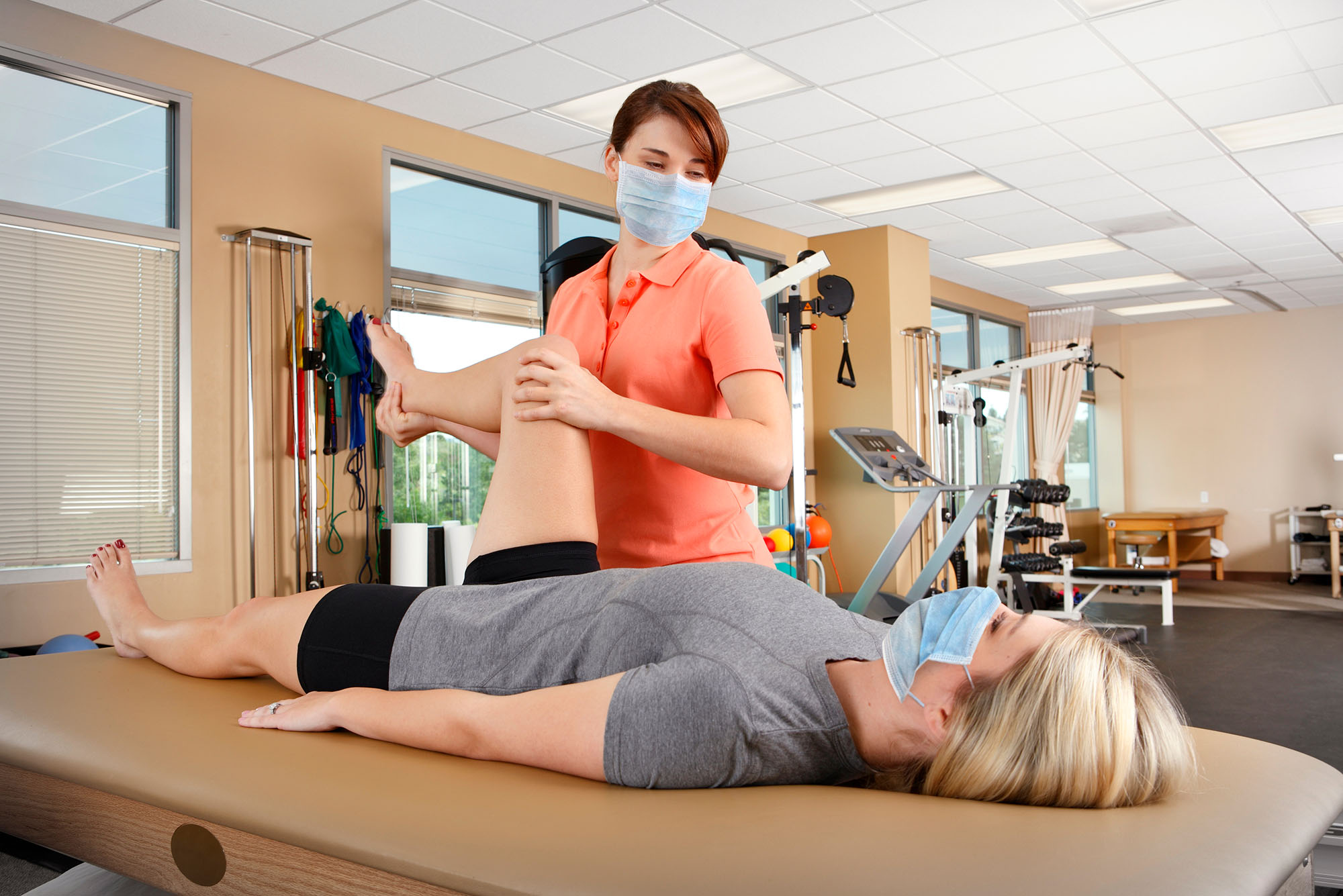
Manual therapy is central to Phase 1. Through joint mobilization, soft tissue release, and patellar mobilization, your therapist reduces pain and improves the mechanical environment for healing. Many patients experience noticeable relief within the first few sessions.
EPAT (Extracorporeal Pulse Activation Technology), also known as shockwave therapy, may be introduced early for conditions involving chronic tendon irritation or soft tissue damage. EPAT delivers acoustic pulses that stimulate blood flow and accelerate the body’s healing response — particularly effective for patellar tendonitis common in Howell’s trail running and youth athletic communities.
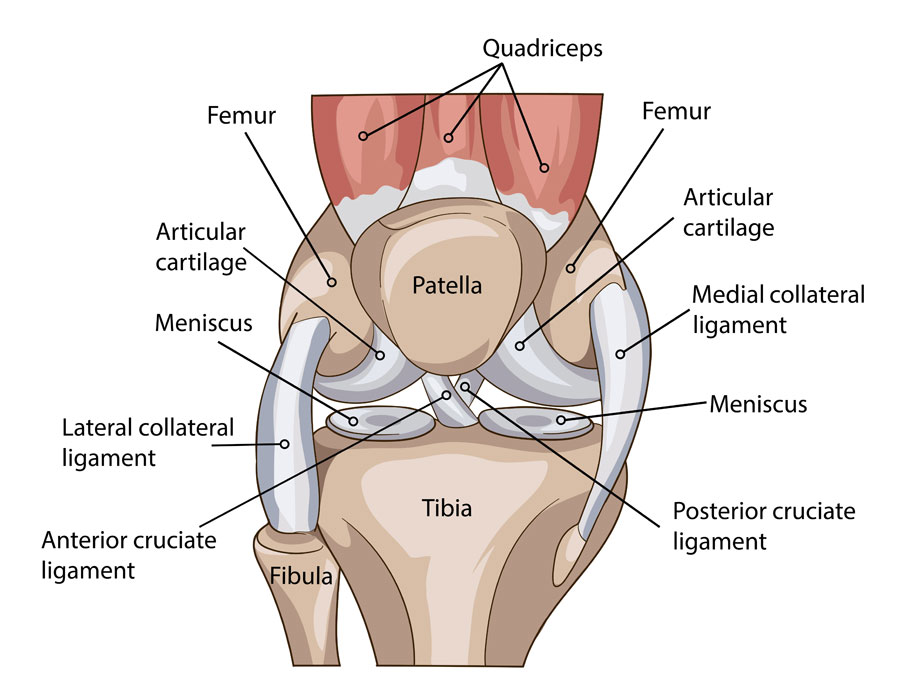
Dry needling targets trigger points — taut, irritable bands in the quadriceps, IT band, and posterior chain — that contribute to knee pain and restrict normal movement. Dry needling releases this tension and prepares tissue to respond to strengthening work.
Phase 2: Rebuild Strength and Stability
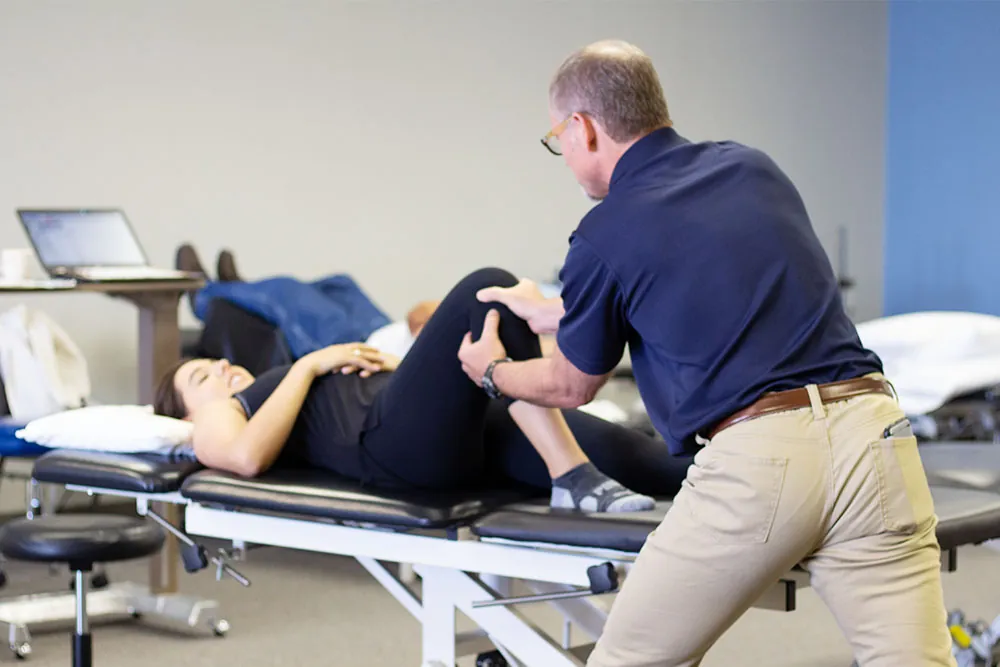
Most knee problems — whether from trail running wear, a sports injury, or degenerative arthritis — share a common driver: weakness in the muscles that support and protect the joint. In Phase 2, your Trinity Rehab therapist guides you through a progressive strengthening program targeting the quadriceps, hamstrings, glutes, and hip stabilizers.
Research published in NIH’s Current Reviews in Musculoskeletal Medicine confirms that combined hip and knee strengthening produces meaningful, lasting pain reduction. For Howell’s wrestlers and soccer players, this phase also incorporates neuromuscular training — balance drills, proprioception exercises, and sport-specific movement retraining — to restore the reactive stability the knee needs during competition.
For warehouse workers recovering from knee injuries, Phase 2 includes functional movement retraining: proper mechanics for lifting, kneeling, and standing that protect the joint through a full workday.
Phase 3: Return to Full Activity
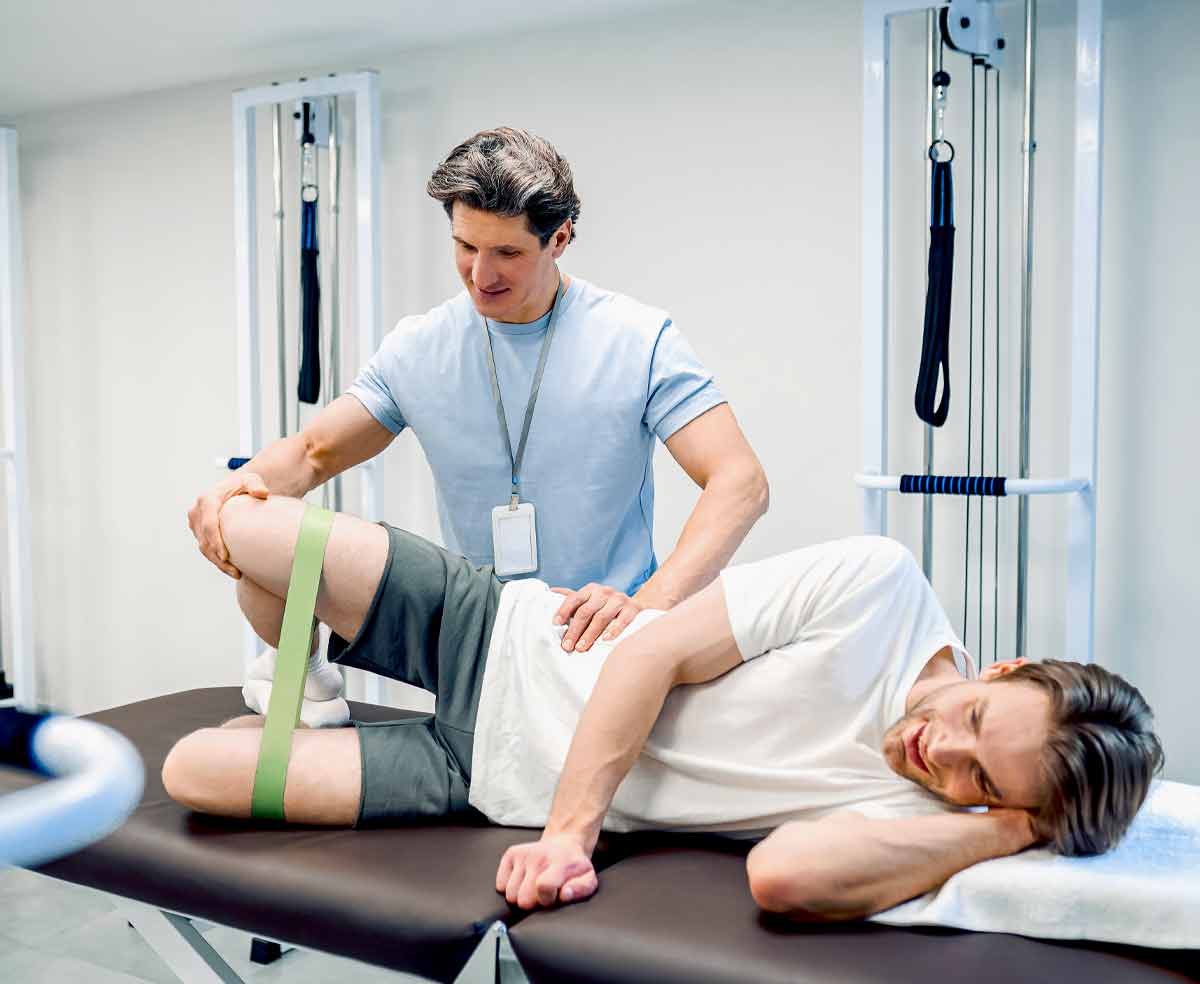
Phase 3 transitions you back to the activities that matter. For a Howell High School wrestler, that means the lateral movements and bridging mechanics of competition. For a Manasquan Reservoir trail runner, it means reintroducing mileage safely with proper form. For a Route 9 warehouse worker, it means returning to full-duty physical demands without fear of re-injury.
The AlterG Anti-Gravity Treadmill plays a key role for patients whose knee pain has limited their ability to walk or run normally. By reducing effective body weight up to 80%, the AlterG allows runners to rebuild mechanics and cardiovascular fitness before they’re ready for full ground contact — a crucial bridge for trail runners returning from knee replacement or significant injury.
Your therapist will also equip you with a long-term home program to maintain the gains you’ve built, so your knees stay strong through every Howell season.
Conditions We Treat at Trinity Rehab in Howell
- Knee osteoarthritis — the most common condition in Howell’s 50+ population; physical therapy reduces pain and slows progression even in advanced cases
- Meniscus tears — many respond to conservative care without surgery
- ACL and MCL sprains and tears — central to recovery before and after surgical intervention for Howell’s high school athletes
- Runner’s knee (patellofemoral syndrome) — extremely common in Manasquan Reservoir trail runners and cyclists
- Patellar tendonitis — frequent in PAL basketball and track athletes
- IT band syndrome — outer knee pain common in distance runners and cyclists
- Bursitis — often tied to prolonged kneeling and heavy lifting in warehouse settings
- Post-surgical rehabilitation — knee replacement and ACL reconstruction recovery
- Work-related knee injuries — linked to Howell’s warehouse and logistics workforce
Learn more about our full range of knee pain treatments or explore related sports injury care.
Why Choose Trinity Rehab in Howell?
Howell residents who choose Trinity Rehab get something most practices don’t offer: one-on-one care for every minute of every session. You work directly with your licensed physical therapist — not an aide, not a group exercise class — during the full session. For a township this active, that level of individualized attention makes a real difference in outcomes.
No referral needed. New Jersey is a direct access state. You can call Trinity Rehab’s Howell location and schedule your evaluation today — no physician’s appointment required first.
Insurance accepted. We work with most major insurance plans and verify your coverage before the first visit so there are no surprises.
Located close to home. With Trinity Rehab’s convenient Howell location, you don’t need to travel into Freehold or elsewhere for high-quality physical therapy. We’re accessible from the Route 9 corridor and the neighborhoods that make up this sprawling 61-square-mile township.
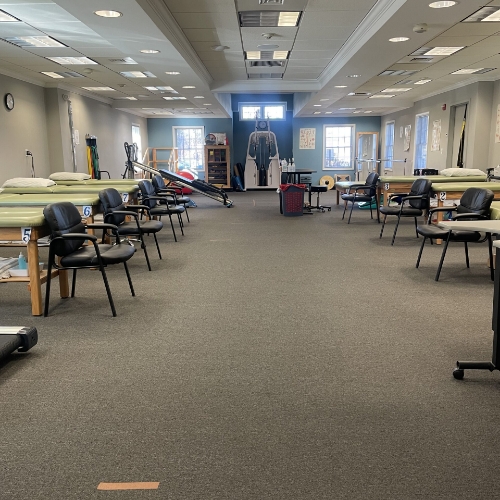
Inside Our Howell Clinic
Related Conditions & Treatments
Knee pain is just one of the many conditions we treat at Trinity Rehab. Explore our full range of conditions we treat or learn more about specific treatment approaches:
Howell Knee Rehab For Stairs, Walking, And Daily Confidence
Knee pain can make stairs, walking, exercise, work, and getting in and out of a car more difficult. Howell rehab should identify whether strength, mobility, balance, swelling, or movement mechanics are driving the issue.
Your therapist may assess knee motion, quad and hip strength, walking mechanics, balance, and activity tolerance. The plan can progress from symptom control to stronger, more confident movement.
Related care includes ACL rehab, meniscus tear rehab, and the Howell physical therapy clinic page.
Frequently Asked Questions About Knee Pain Treatment in Howell
Howell Knee Rehab For Stairs, Walking, And Daily Confidence
Knee pain can make stairs, walking, exercise, work, and getting in and out of a car more difficult. Howell rehab should identify whether strength, mobility, balance, swelling, or movement mechanics are driving the issue.
Your therapist may assess knee motion, quad and hip strength, walking mechanics, balance, and activity tolerance. The plan can progress from symptom control to stronger, more confident movement.
Related care includes ACL rehab, meniscus tear rehab, and the Howell physical therapy clinic page.
Can physical therapy help my knee pain without surgery?
I run the Manasquan Reservoir trail regularly. What's causing my knee pain?
How long does knee pain recovery take?
Do I need a referral to start physical therapy in New Jersey?
Can physical therapy help ?bone on bone? knee arthritis?
Take the First Step
Knee pain doesn’t have to define your routine. Whether you’re a Howell High School wrestler recovering from an injury, a Manasquan Reservoir regular whose runs have gotten shorter, or a Route 9 warehouse worker managing a knee that’s been hurting for months — we’ve seen it before and we know what helps.
No referral required. Insurance accepted. One-on-one care every session.
Related resources: Knee Pain Treatment Hub | Hip & Knee Pain Relief | Sciatica Treatment | EPAT Therapy | Sports Injuries



Sign up for free health tips and tricks