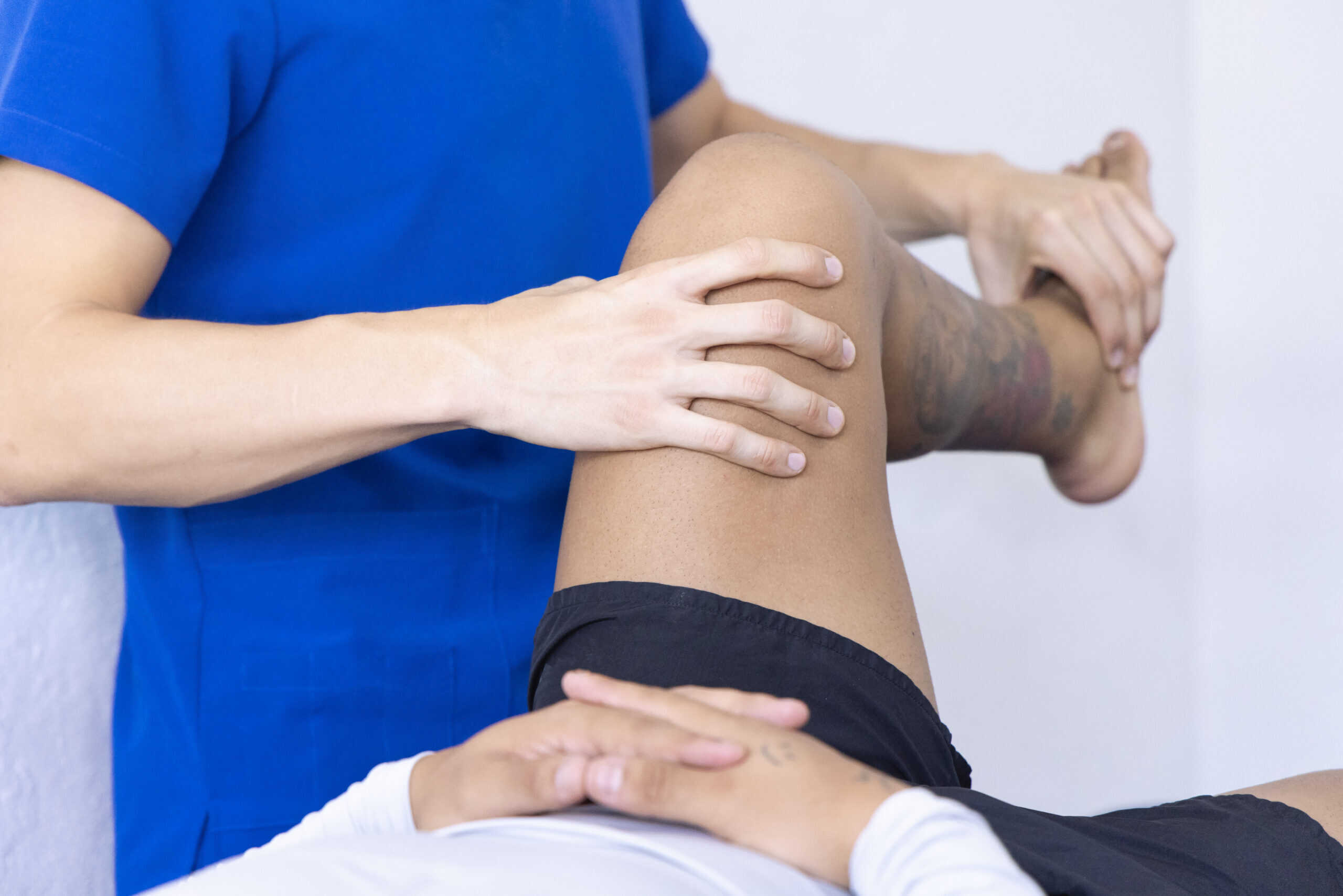
Knee Pain Treatment in Hamilton, NJ: Physical Therapy for Mercer County’s Largest Township
Hamilton Township is Mercer County’s largest municipality — 39 square miles, 93,000 residents, and a community infrastructure that reflects the full range of New Jersey suburban life. Three high schools — Nottingham, Hamilton West, and Steinert — field teams across football, basketball, soccer, lacrosse, wrestling, and field hockey in the Colonial Valley Conference. Veterans Park, one of the largest community parks in New Jersey at 350 acres, hosts organized sports and informal recreation year-round. John A. Roebling Memorial Park’s Abbott Marshlands draws hikers and kayakers to the Delaware River tidal marsh. The Hamilton NJ Transit station connects residents to Philadelphia and New York City for their commutes.
When knee pain interrupts life in Hamilton, the disruption is tangible. It’s the wrestling match missed, the trail at Roebling Park that’s become too painful to finish, the double shift at Robert Wood Johnson University Hospital Hamilton that ends with aching joints, and the morning stiffness that doesn’t clear until 10 a.m. At Trinity Rehab, we treat knee pain as the complex, life-interrupting condition it is — with individualized physical therapy built around the actual lives Hamilton residents lead.
Understanding Knee Pain in Hamilton Township
Three High Schools, Three Rosters of At-Risk Athletes
Hamilton’s three high schools produce a volume of knee injuries that reflects both their size and the sports they compete in. The Nottingham Lancers, Hamilton West Hornets, and Steinert Spartans collectively field hundreds of athletes in cutting and contact sports. Soccer, football, and lacrosse are the highest-risk programs for ACL and meniscus injuries — conditions that result from the plant-and-twist mechanisms these sports demand at full competitive speed.
Wrestling, which has a strong tradition across Hamilton’s high school programs, creates its own knee injury pattern: lateral stress and hyperextension in tie-up and takedown positions that challenges the MCL and the medial meniscus specifically. Basketball players contend with patellar tendonitis from the repeated jumping and landing demands of the sport.
These are injuries with a clear medical pathway — physical therapy for most cases, with surgical consultation when indicated — and the outcome quality is strongly tied to how quickly treatment begins.
Veterans Park and the Recreational Athlete
Veterans Park’s 350 acres make it one of the most-used public recreation spaces in Mercer County. The park’s fields, trails, tennis courts, and playground infrastructure support everything from organized youth leagues to casual evening walks and weekend road cycling. Hamilton’s adult recreational athletes — who play in township softball leagues, run organized 5Ks, and walk the park’s loop trails — experience the overuse knee injuries predictable in a community of active, aging adults: runner’s knee, IT band syndrome, and osteoarthritis flares tied to activity spikes.
The Abbott Marshlands at Roebling Memorial Park adds hiking and kayaking to the recreational profile. Uneven trail terrain, repeated log-stepping and incline transitions, and the upper-body rotation of kayaking all translate varying loads to the knees.
The Healthcare and Industrial Workforce
Robert Wood Johnson University Hospital Hamilton and Capital Health Hamilton are the township’s largest healthcare employers. Nurses, medical technicians, physical and occupational therapy aides, patient transporters, and environmental services staff work long shifts on hard hospital floors — standing, kneeling, walking significant daily distances, and assisting with patient transfers. This is an occupationally demanding environment for the knee.
Hamilton’s industrial parks along East State Street and the Studio Park warehouse and distribution corridor add a second occupational layer — logistics and manufacturing workers whose job demands closely resemble those of the East Windsor manufacturing corridor but at even larger scale.
Commuter Demographics and the Sedentary Wedge
Hamilton’s NJ Transit station connects residents directly to New York City and Philadelphia, and the mean commute time of 25 minutes by car supplements significant rail commuting. The sedentary component of this lifestyle — seat-compressed hip flexors, underused glutes, desk-bound work hours — creates a mechanical vulnerability that recreational activity then loads. This is the profile of the “weekend warrior knee” that’s one of the most common presentations in Hamilton-area physical therapy practices.
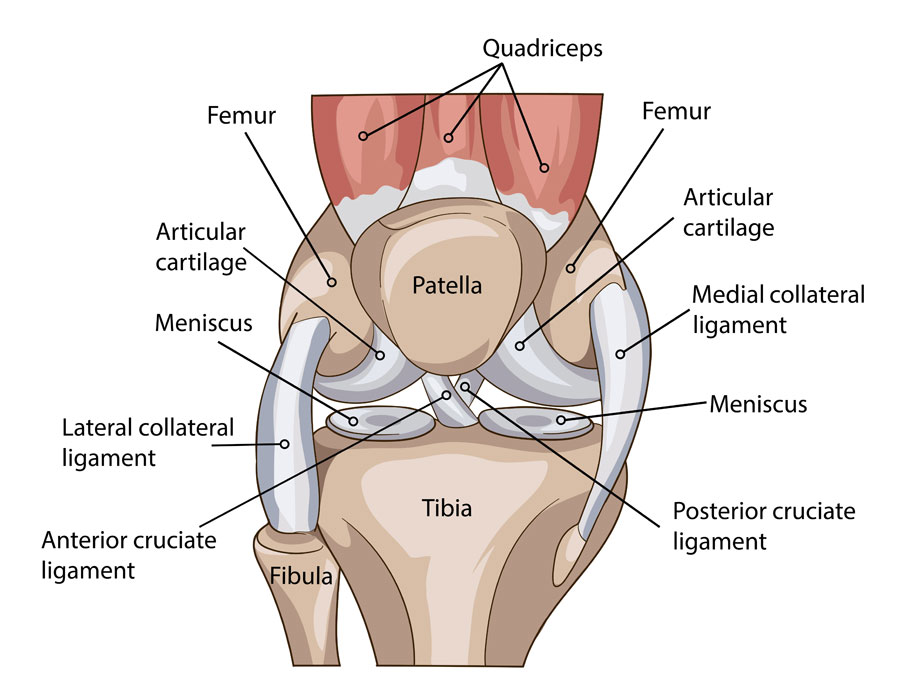
Knee Conditions We Treat for Hamilton Patients
- Knee osteoarthritis — Very common in Hamilton’s 42-plus median age population, especially in residents with active work or sports history
- ACL and MCL injuries — In Nottingham, Hamilton West, and Steinert athletes in soccer, football, lacrosse, and wrestling
- Meniscus tears — Acute in high school athletes; degenerative in adults over 45 with recreational activity history
- Runner’s knee (patellofemoral syndrome) — In Hamilton’s trail walkers, park joggers, and recreational athletes
- IT band syndrome — From running, cycling, and hiking at Veterans Park and Roebling Memorial
- Patellar tendonitis — In basketball players, youth athletes, and gym-goers in the township’s fitness centers
- Post-surgical rehabilitation — After knee replacement or ACL surgery at RWJ Hamilton, Capital Health, or other regional centers
- Occupational knee injuries — In Hamilton’s healthcare workforce and industrial and distribution employees
How Trinity Rehab Treats Knee Pain in Hamilton
Phase 1 — Pain Reduction and Early Mobility
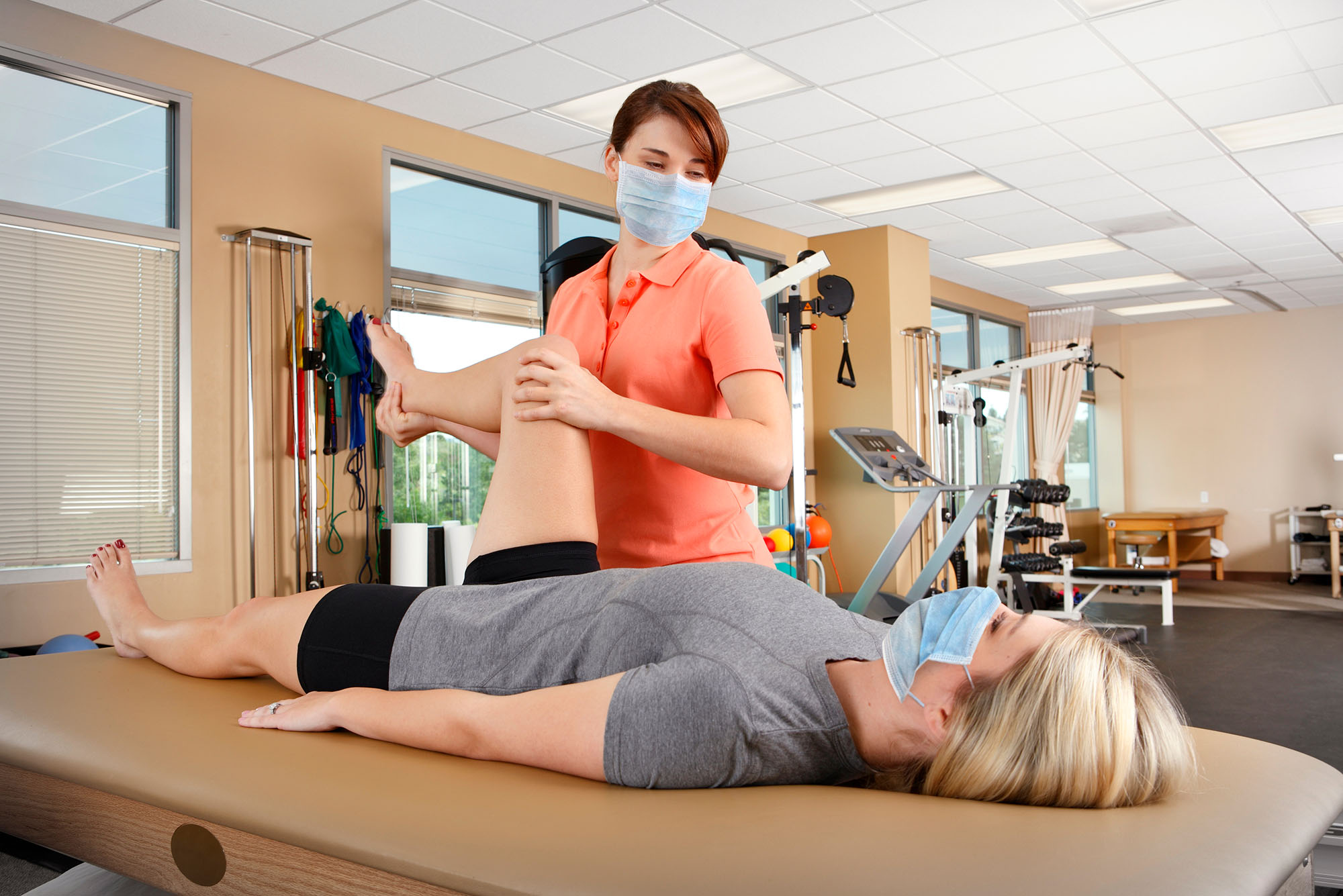
The first goal is clear: reduce pain, protect healing tissue, and restore safe range of motion. Your licensed therapist begins with a one-on-one evaluation that covers your knee’s current state, your physical history, and your goals — then builds a treatment plan designed to address your condition’s actual root cause.
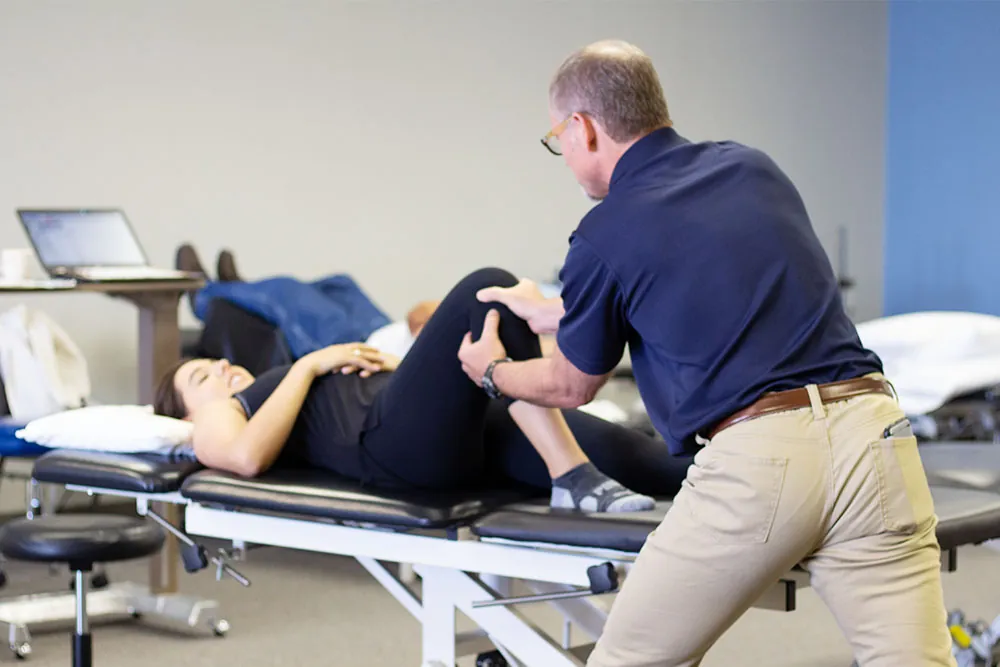
Manual therapy is central to Phase 1. Joint mobilization addresses the restricted mechanics that make every step a negotiation. Soft tissue work releases tight quadriceps, IT band, and posterior chain structures. Patellar mobilization corrects tracking problems before they drive further wear. For Hamilton athletes with acute injuries and for adults managing significant arthritis flares, manual therapy makes the experience of early recovery different — and better.
Dry needling addresses trigger points in the muscle tissue surrounding the knee. These tight, irritable bands generate pain that doesn’t respond to stretching alone and limits the quality of exercise therapy. For Hamilton healthcare workers with accumulated tension from demanding shifts and for athletes with persistent post-injury muscle guarding, dry needling provides targeted, efficient relief in Phase 1.
EPAT shockwave therapy is introduced early for patients with chronic tendon conditions — patellar tendonitis in Hamilton West basketball players, IT band syndrome in Veterans Park joggers, pes anserine bursitis in healthcare workers. EPAT’s focused acoustic pulses stimulate blood flow and reactivate the body’s healing response in damaged tissue. Research published in Frontiers in Medicine confirms meaningful pain relief and functional improvement from shockwave therapy in knee conditions. Most patients complete 3–5 EPAT sessions with sustained benefit.
Phase 2 — Rebuilding Strength and Neuromuscular Control
Once pain is manageable and movement mechanics are improving, the work of building structural support begins. This phase determines whether your recovery lasts.
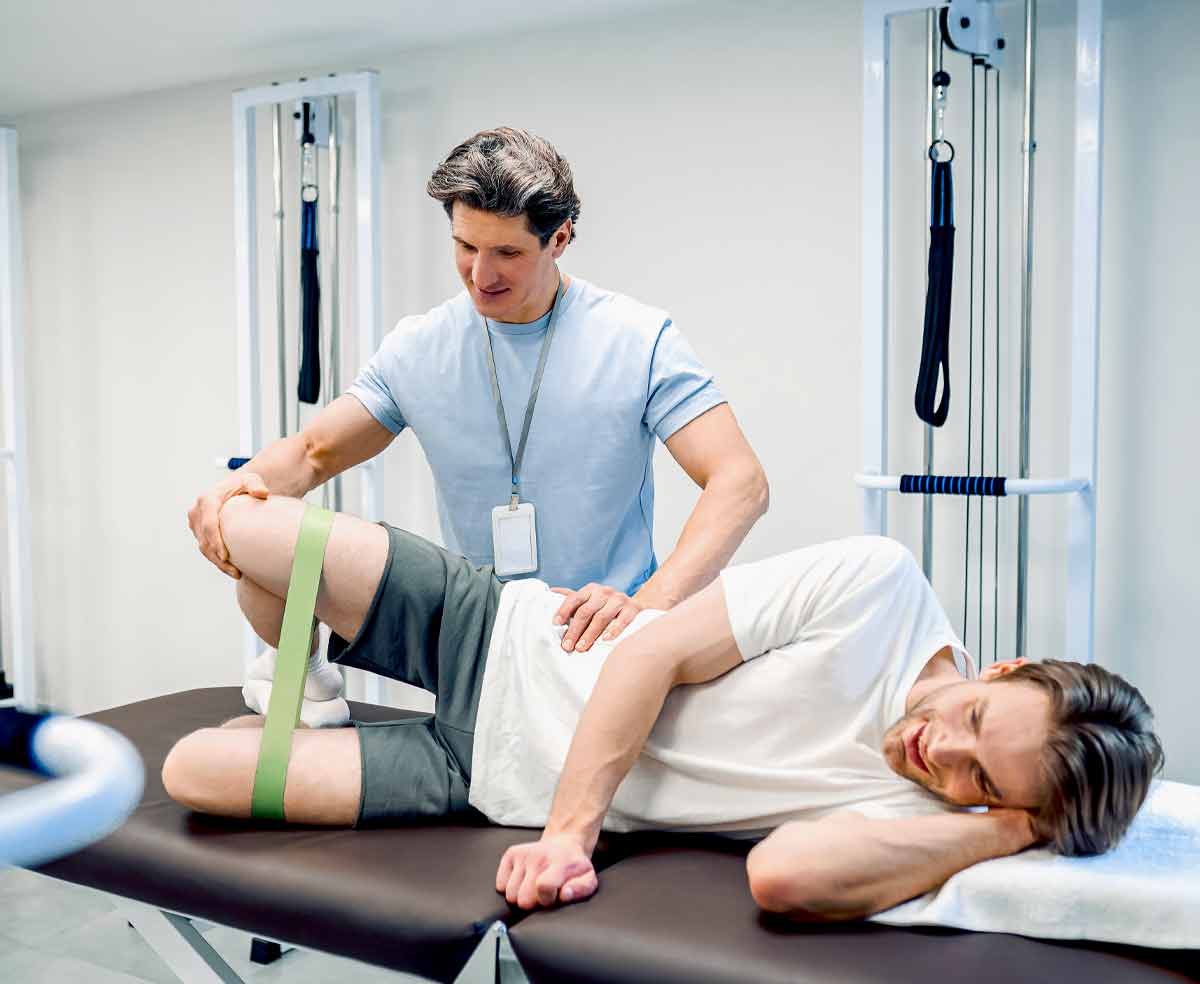
Progressive strengthening of the quadriceps, hamstrings, glutes, and hip stabilizers is the core of Phase 2. These muscles are the primary shock absorbers and stabilizers of the knee — and in virtually every knee condition, they’re weaker than they need to be. Research in Current Reviews in Musculoskeletal Medicine confirms that combined hip and knee strengthening reduces pain and improves functional capacity significantly and durably.
Your therapist calibrates the program to your current strength and tolerance, advancing it methodically as you improve. For Hamilton high school athletes, the program is explicitly designed to rebuild sport-specific capacity. For workers returning to physically demanding roles at RWJ Hamilton or the East State Street industrial park, the program targets the specific demands of their occupational environment.
The AlterG Anti-Gravity Treadmill plays a key role for patients whose pain or post-surgical restrictions limit normal weight-bearing during Phase 2. By offsetting body weight through air pressure, the AlterG allows walking and movement with significantly reduced joint load — enabling earlier return to ambulatory mechanics and preventing the deconditioning that complicates recovery.
Neuromuscular training rebuilds the automatic reflexes that protect the knee during unpredictable movements. After a Steinert soccer player’s ACL reconstruction or a prolonged osteoarthritis flare in a Hamilton resident in their 60s, these reflexes are demonstrably impaired. Balance training, proprioception drills, and progressively complex functional movement retraining restore the nervous system’s ability to stabilize the knee in real-world conditions — at Veterans Park, on the hospital floor, or on the playing field.
Phase 3 — Return to Full Activity
The final phase is return — to sport, to work, to the recreational activities that define your quality of life. For Hamilton athletes, this means sport-specific testing against objective criteria before clearance for full participation. For adults managing arthritis, it means building confidence in the activities that pain had previously interrupted. For workers, it means demonstrating that the occupational demands of their job can be met safely.
You’ll leave Trinity Rehab with a home exercise program designed for long-term maintenance — the work that keeps the knee stable after discharge — and a clear understanding of the movement habits and activity modifications that protect the joint over time.
Why Hamilton Township Residents Choose Trinity Rehab
One-on-one licensed therapist for every session. At Trinity Rehab, you work directly with your PT for every minute of every visit — not an aide, not a tech, not an unsupervised exercise period. For a community as large and active as Hamilton, having a therapist who knows your case and adjusts your program session to session makes a real difference.
No referral required. New Jersey direct access law allows Hamilton residents to schedule an appointment and begin treatment without a physician’s referral. Faster access to care means faster recovery.
Advanced clinical technology. EPAT shockwave therapy, dry needling, and the AlterG anti-gravity treadmill — all integrated when they provide genuine clinical value, all in one practice. Most physical therapy providers in Mercer County don’t offer all three.
Insurance accepted. Most major plans verified before your first appointment.
Explore all conditions we treat or read the full knee pain guide.
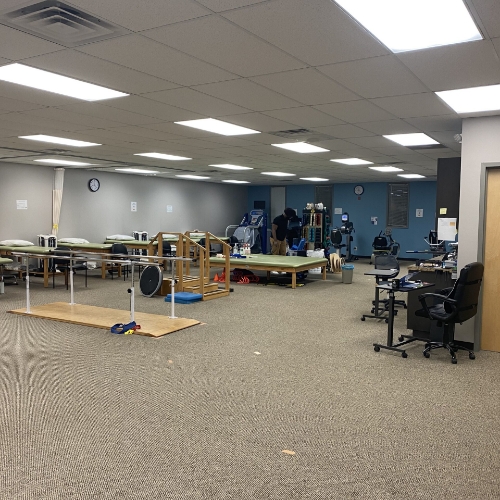
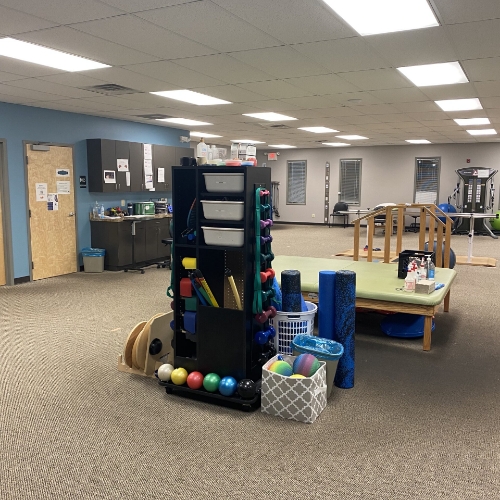
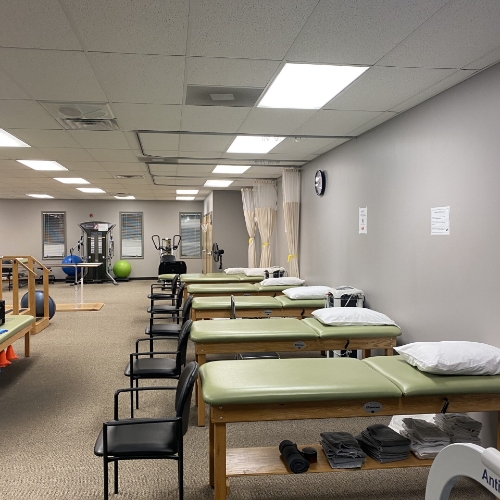
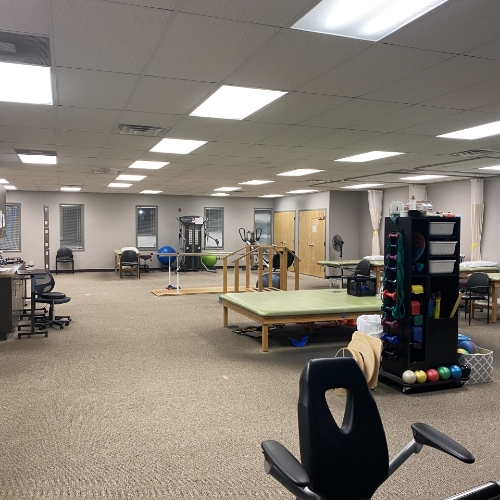
Inside Our Hamilton Clinic
Related Conditions & Treatments
Knee pain is just one of the many conditions we treat at Trinity Rehab. Explore our full range of conditions we treat or learn more about specific treatment approaches:
Hamilton Knee Rehab For Stairs, Walking, And Daily Confidence
Knee pain can make stairs, walking, exercise, work, and getting in and out of a car more difficult. Hamilton rehab should identify whether strength, mobility, balance, swelling, or movement mechanics are driving the issue.
Your therapist may assess knee motion, quad and hip strength, walking mechanics, balance, and activity tolerance. The plan can progress from symptom control to stronger, more confident movement.
Related care includes ACL rehab, meniscus tear rehab, and the Hamilton physical therapy clinic page.
Frequently Asked Questions — Knee Pain Treatment in Hamilton, NJ
Hamilton Knee Rehab For Stairs, Walking, And Daily Confidence
Knee pain can make stairs, walking, exercise, work, and getting in and out of a car more difficult. Hamilton rehab should identify whether strength, mobility, balance, swelling, or movement mechanics are driving the issue.
Your therapist may assess knee motion, quad and hip strength, walking mechanics, balance, and activity tolerance. The plan can progress from symptom control to stronger, more confident movement.
Related care includes ACL rehab, meniscus tear rehab, and the Hamilton physical therapy clinic page.
I work long shifts at RWJ Hamilton and my knees ache by the end of every day. What can PT do for that?
My teenager plays for Steinert and had a knee injury during soccer season. How soon should they start PT?
Can physical therapy help knee pain from hiking at John A. Roebling Memorial Park?
Do I need a referral to start physical therapy in Hamilton?
I have knee osteoarthritis and was told I might need a knee replacement eventually. Is it worth trying PT first?
Start Your Knee Pain Recovery Today
Don’t let knee pain hold you back. Our physical therapists will create a personalized treatment plan to get you moving again.
Related resources: Knee Pain Treatment Hub | Hip & Knee Pain Relief | Sciatica Treatment | EPAT Therapy | Sports Injuries
What Our Patients Say



Sign up for free health tips and tricks