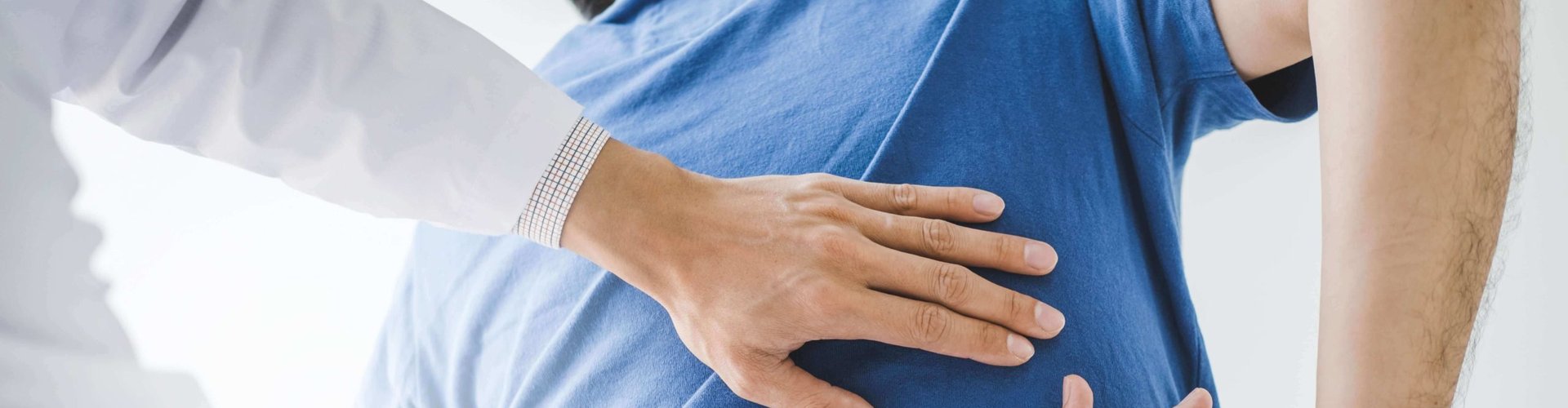
LUMBAR DISC HERNIATION TREATMENT IN SHREWSBURY, NJ
Shrewsbury is a borough that wears its history proudly. Christ Church has stood since 1702, the Allen House has watched centuries of change from Broad Street, and generations of families have called this quiet Jersey Shore community home. But Shrewsbury’s small size — just over 4,200 residents — belies the outsized physical demands its residents face. Between commutes averaging 31 minutes, weekend tennis matches at the New Shrewsbury Racquet Club, youth sports coaching at Manson Park, and the endless cycle of yard maintenance that comes with tree-lined suburban living, the lumbar spine takes a daily beating. When that beating produces a herniated disc — and the shooting leg pain, numbness, and limited mobility that come with it — Trinity Rehab provides the expert, one-on-one physical therapy Shrewsbury residents need to get back to the life they love.
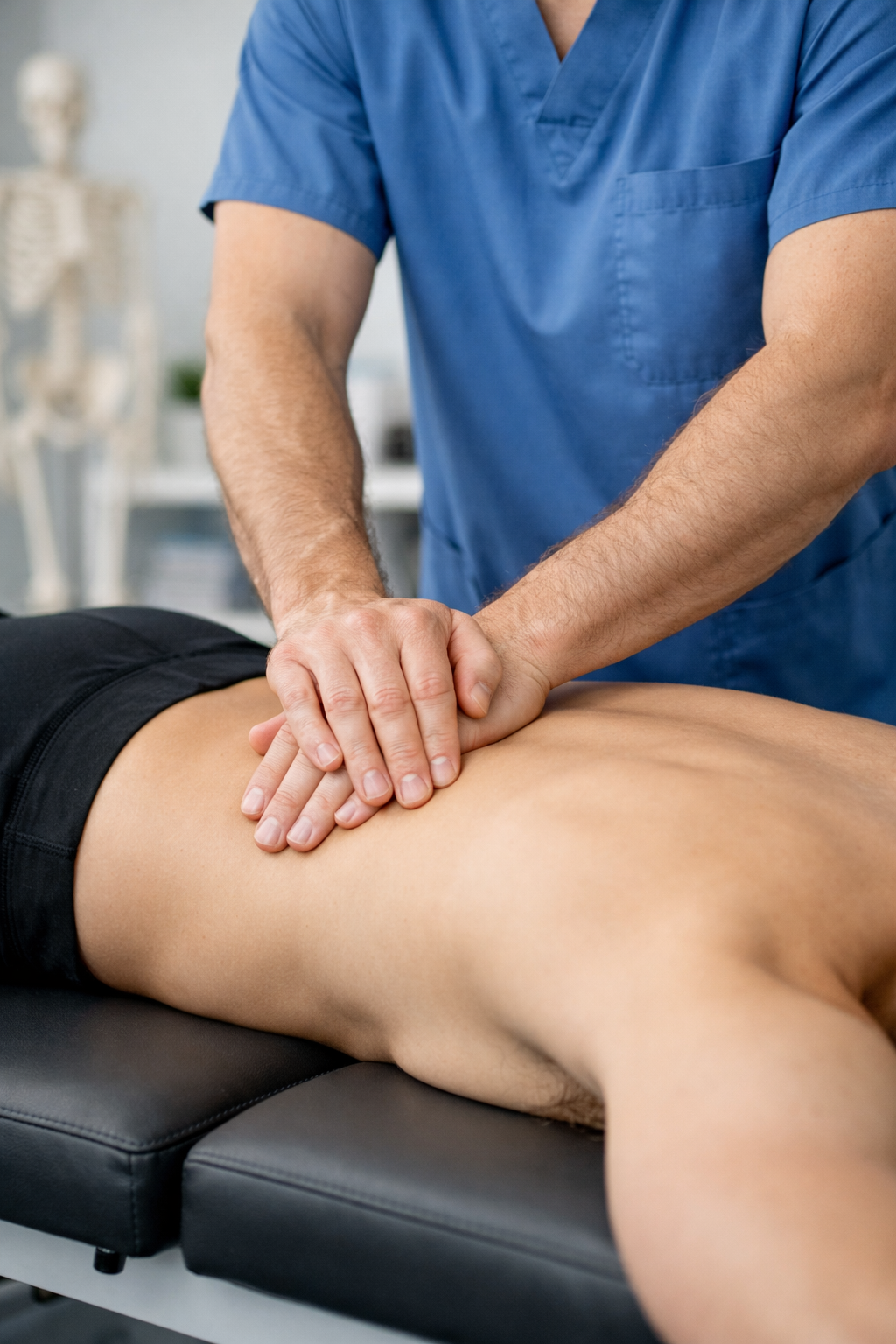
UNDERSTANDING YOUR DIAGNOSIS
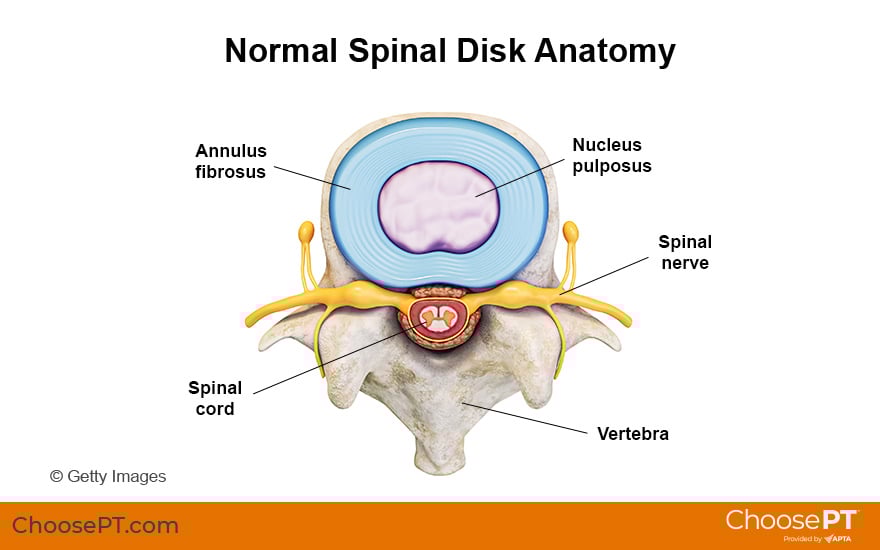
A lumbar disc herniation occurs when the soft gel center (nucleus pulposus) of an intervertebral disc pushes through a tear in the tough outer wall (annulus fibrosus) and contacts a spinal nerve root. The L4-L5 and L5-S1 discs are the most commonly affected, producing sciatica — a characteristic pattern of radiating pain, numbness, or weakness that travels from the lower back down through the buttock and into one leg.
StatPearls reports that lumbar disc herniation is most prevalent between ages 30 and 50, though it can occur at any age, and that conservative treatment produces excellent outcomes in the large majority of cases (StatPearls, 2024). For Shrewsbury’s demographic mix of young families and active retirees, this means that quality physical therapy is nearly always the right first step.
WHAT MAKES SHREWSBURY RESIDENTS VULNERABLE
YARD WORK IN A WOODED BOROUGH
Shrewsbury’s mature tree canopy is beautiful — and a significant source of back injuries. Raking leaves, hauling branches, shoveling snow, and maintaining gardens involves exactly the kind of sustained forward bending and repetitive lifting that places maximum stress on the posterior lumbar disc. When you combine a cool morning, tight muscles, and the determination to clear your entire property in one session, the risk of an acute herniation event is substantial.
YOUTH SPORTS COACHING AND PARTICIPATION
With youth recreation programs in soccer, baseball, and basketball at Manson Park and surrounding facilities, Shrewsbury parents spend considerable time both watching and participating. Coaches demonstrate drills, chase errant balls, and sometimes jump into scrimmages — often without proper warm-up. Meanwhile, competitive young athletes face their own disc risks, particularly in sports involving contact, jumping, and rapid direction changes.
COMMUTING AND PROLONGED SITTING
Shrewsbury’s average commute of 31 minutes places residents squarely in the zone where daily seated compression accumulates enough to damage lumbar discs over time. Whether you drive to an office, take the train from nearby Red Bank, or sit at a desk all day once you arrive, your discs are absorbing sustained pressure that they were not designed for.
TENNIS, GOLF, AND PICKUP BASKETBALL
The New Shrewsbury Racquet Club, nearby Suneagles golf course, and local basketball courts draw adults into rotational and impact sports that specifically challenge the lumbar spine. Tennis serves and backhands create rapid spinal extension and rotation; golf generates compressive forces exceeding eight times body weight; and basketball combines jumping, cutting, and contact — all documented risk factors for disc injury. Research in Deutsches Ärzteblatt International confirms the relationship between these sporting activities and lumbar disc herniation (Deutsches Ärzteblatt, 2024).
WAREHOUSE AND RETAIL WORK
The Grove shopping center and nearby warehouse facilities like Cubeworks employ residents in roles that involve lifting, stocking, and prolonged standing or bending. Even moderate physical labor, performed repeatedly over months and years, creates cumulative stress that weakens the annulus fibrosus.
WHEN TO SEEK HELP: SYMPTOM GUIDE
Not every backache is a herniated disc, but certain symptoms warrant professional evaluation:
- Radiating leg pain (radiculopathy): Pain that travels from the low back through the buttock and down the thigh, calf, or into the foot — often described as sharp, burning, or electric
- Numbness or tingling in the leg or foot, typically in a specific pattern that corresponds to the affected nerve root
- Weakness in the leg or foot, such as difficulty lifting the toes, pushing off the ground, or maintaining balance on one leg
- Back pain that worsens with sitting, bending forward, or bearing down and may improve when standing or walking
- Stiffness and guarding that restricts your ability to bend, twist, or move normally
If you recognize these symptoms, contact Trinity Rehab for an evaluation — early intervention consistently produces better outcomes.
HOW TRINITY REHAB TREATS LUMBAR DISC HERNIATION
MANUAL THERAPY AND JOINT MOBILIZATION
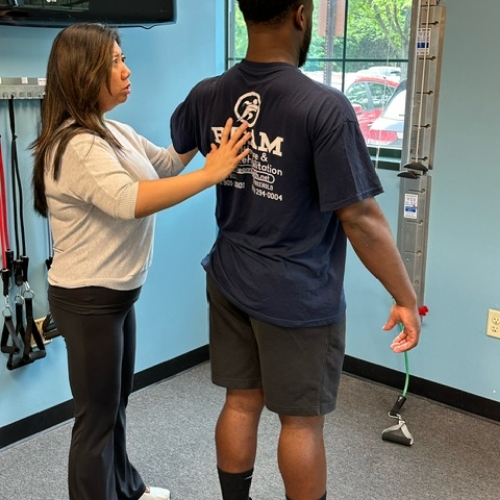
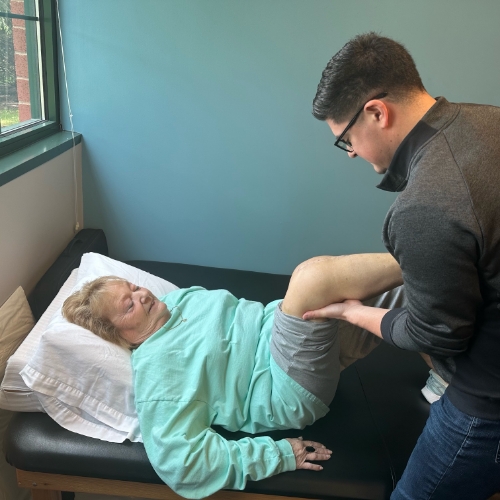
Manual therapy is where treatment begins for most of our Shrewsbury disc herniation patients. Your therapist uses skilled, hands-on techniques to:
- Restore segmental mobility: Graded joint mobilizations at the affected lumbar level reduce stiffness, improve motion, and decrease pain. We carefully calibrate the direction and force of each mobilization based on your specific presentation.
- Release muscle spasm: The paraspinal muscles, quadratus lumborum, piriformis, and hip rotators often go into protective overdrive after a disc injury. Soft tissue mobilization and myofascial release reduce this guarding, allowing you to move more freely.
- Address compensatory patterns: When pain alters the way you walk, sit, and move, other areas of the spine and pelvis develop dysfunction. Manual therapy addresses these secondary issues before they become problems of their own.

MCKENZIE METHOD AND DIRECTIONAL PREFERENCE
The McKenzie method is one of the most effective approaches for treating disc herniation, and it plays a central role in our treatment plans. Your therapist performs a mechanical assessment to identify your directional preference — the movement direction that centralizes your symptoms (moves pain out of the leg and toward the spine).
Most lumbar herniations respond to extension-based exercises — repeated prone press-ups or standing back bends — that encourage the displaced disc material to migrate away from the nerve root. This approach gives you a self-management strategy that works at home, at work, on the sidelines at Manson Park, or anywhere your symptoms flare. The power of the McKenzie method is that it puts you in control.
CORE STABILIZATION AND FUNCTIONAL STRENGTHENING
Long-term recovery from disc herniation requires rebuilding the muscular system that stabilizes your spine:
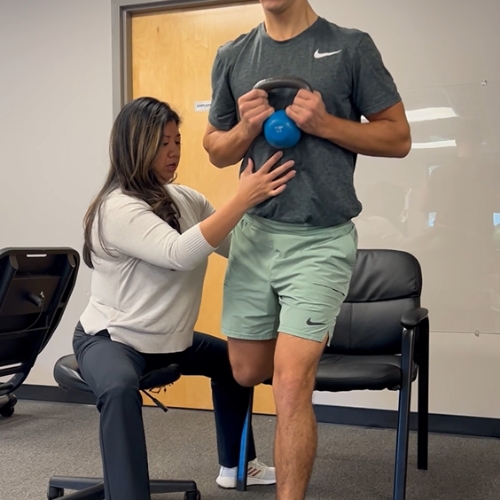
- Deep core activation: Your transversus abdominis and lumbar multifidus provide the innermost layer of spinal stability. We retrain these muscles using precise, progressive exercises — starting with isolated activation and advancing through functional movements that demand automatic stabilization.
- Glute and hip strengthening: Strong glutes reduce the load on your lumbar spine during every activity — from walking through Sickles Park to serving on the tennis court. Progressive bridge variations, hip hinge patterns, and lateral band exercises rebuild this essential support.
- Functional movement integration: We practice the movements that define your daily life — bending to pick up a child, rotating to hit a backhand, raking an armful of leaves — with proper stabilization engaged, so your core protection becomes automatic.
- Sport-specific preparation: For tennis players, golfers, and basketball players, we design progressive drills that reintroduce the rotational, impact, and endurance demands of your sport while maintaining spinal integrity.
NEURAL MOBILIZATION
When sciatica persists despite improvements in the disc itself, the nerve root may have developed sensitivity or adhesions from the period of compression. Neural mobilization uses specific body positions and gentle oscillatory movements to:
- Restore normal sciatic nerve gliding through the posterior thigh, piriformis tunnel, and neural foramen
- Reduce nerve sensitivity and the exaggerated pain response that characterizes chronic sciatica
- Allow full, pain-free leg movement during activities like running, kicking, and lunging
This technique is gentle, precise, and remarkably effective for patients whose leg symptoms have not fully resolved with other interventions.
ADVANCED MODALITIES: DRY NEEDLING AND EPAT
- Dry needling: We use thin filament needles to deactivate trigger points in the deep paraspinal muscles, piriformis, and gluteals. The resulting local twitch response releases chronic tension, reduces pain, and restores proper muscle activation. Many Shrewsbury patients find that dry needling provides a breakthrough when stubborn muscle spasm has been limiting their progress.
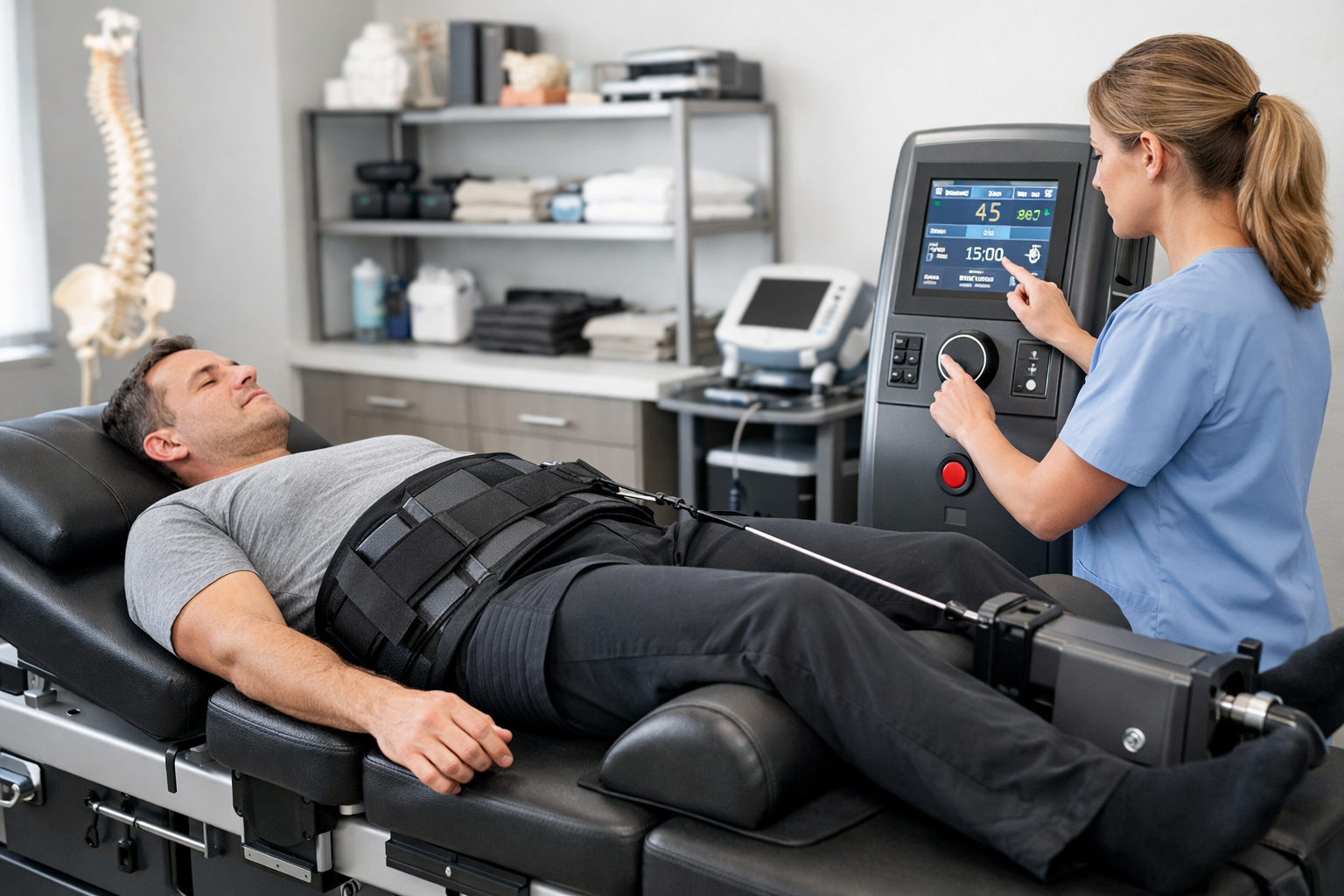
- EPAT: Extracorporeal Pulse Activation Technology uses focused acoustic waves to stimulate tissue repair, reduce inflammation, and promote healing at the cellular level. For chronic disc herniations with persistent inflammatory components, EPAT can accelerate the transition from pain to recovery.
PREVENTING DISC PROBLEMS: SHREWSBURY EDITION
- Pace your yard work: Divide the job across multiple sessions. Alternate between bending and upright tasks every 10-15 minutes. Stretch your hip flexors and extend your back between rounds.
- Warm up before sports: Five minutes of glute activation, hip mobility, and trunk rotation before hitting the tennis court, golf course, or basketball court dramatically reduces your risk.
- Set up your car seat: A small lumbar roll, a seat angle of 100-110 degrees, and periodic stops to stand and extend make your commute much safer for your discs.
- Stay active year-round: Walk through Tuxedo Park, stroll the Shrewsbury Historic District, or take a lap around Manson Park. Consistent moderate activity is the best long-term protection for your lumbar spine.
- Keep up your core routine: The home exercises your therapist designs are not optional extras — they are the foundation of lifelong spine health. Ten to fifteen minutes, most days. That is all it takes.
WHY SHREWSBURY RESIDENTS CHOOSE TRINITY REHAB
In a small borough where everyone knows their neighbor, quality care is non-negotiable. Trinity Rehab’s one-on-one model means you work with the same licensed physical therapist at every visit — someone who understands not just your diagnosis, but your commute, your sport, your yard, and your goals. We never use aides, never double-book, and never compromise on the individualized attention that drives real results. For Shrewsbury residents who value quality and personal service, Trinity Rehab is the clear choice for disc herniation recovery.
INSIDE OUR SHREWSBURY CLINIC
RELATED CONDITIONS & TREATMENTS
Lumbar disc herniation is just one of the many conditions we treat at Trinity Rehab Shrewsbury. Explore our full range of conditions we treat or learn more about specific treatment approaches:
Shrewsbury Disc Rehab For Back Pain, Leg Symptoms, And Daily Movement
Lumbar disc symptoms can interrupt sitting, driving, lifting, sleep, work, and exercise. Shrewsbury rehab should connect the diagnosis to the positions and movements that actually trigger your symptoms.
Your therapist may assess lumbar mobility, nerve-related symptoms, hip strength, gait, lifting mechanics, sitting tolerance, and warning signs that require medical care before therapy continues.
Patients with related symptoms may also need sciatica treatment, back pain physical therapy, or the Shrewsbury physical therapy clinic page.
FREQUENTLY ASKED QUESTIONS
Shrewsbury Disc Rehab For Back Pain, Leg Symptoms, And Daily Movement
Lumbar disc symptoms can interrupt sitting, driving, lifting, sleep, work, and exercise. Shrewsbury rehab should connect the diagnosis to the positions and movements that actually trigger your symptoms.
Your therapist may assess lumbar mobility, nerve-related symptoms, hip strength, gait, lifting mechanics, sitting tolerance, and warning signs that require medical care before therapy continues.
Patients with related symptoms may also need sciatica treatment, back pain physical therapy, or the Shrewsbury physical therapy clinic page.
I coach youth sports at Manson Park — how do I protect my own back while demonstrating drills?
How is your treatment different from what I would get at a larger clinic?
Can a herniated disc heal on its own?
Is dry needling painful?
How do I schedule my first visit?
TAKE BACK YOUR ACTIVE LIFE
A lumbar disc herniation may have slowed you down, but it does not have to stop you. Trinity Rehab’s Shrewsbury-area clinic delivers the one-on-one, expert physical therapy that gets results. From your first evaluation to your last session and beyond, we are with you every step of the way. Schedule your appointment now and start your journey back to full health.
SOURCES
- StatPearls — Lumbar Disc Herniation: https://www.ncbi.nlm.nih.gov/books/NBK560878/
- Deutsches Ärzteblatt International — Lumbar Disc Herniation: https://pmc.ncbi.nlm.nih.gov/articles/PMC11465477/
What Our Patients Say



Sign up for free health tips and tricks