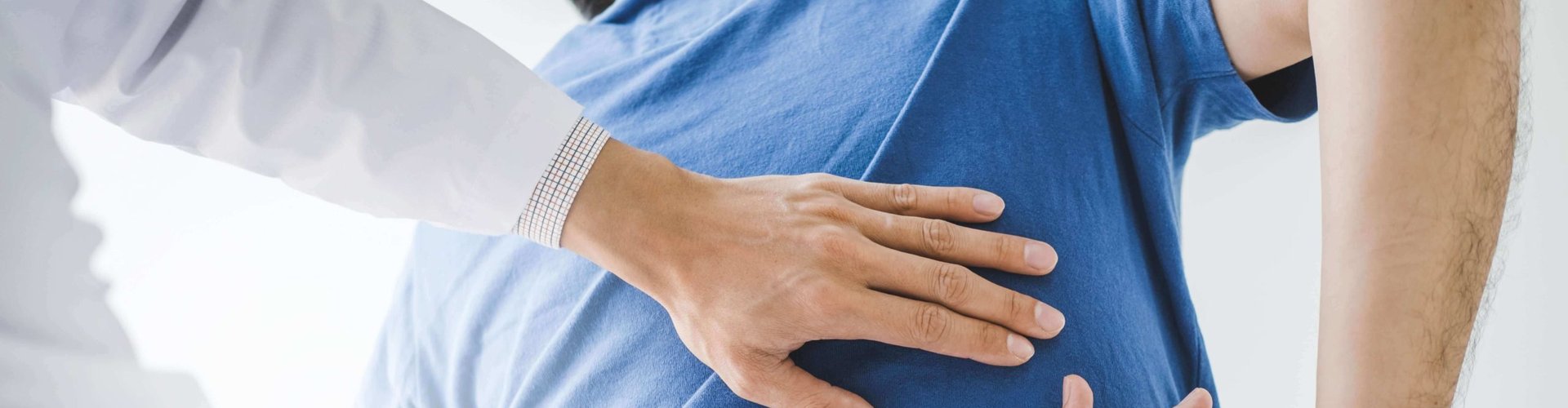
LUMBAR DISC HERNIATION TREATMENT IN MATAWAN, NJ
Matawan may be just 2.4 square miles, but the borough punches far above its weight when it comes to community spirit — and community back pain. Between the daily crush of commuters catching the NJ Transit train at Aberdeen-Matawan station, Huskies athletes battling for sectional titles on the football field, and weekend warriors paddling kayaks across Lake Lefferts, Matawan residents put enormous demands on their lumbar spines. When those demands finally catch up — and a dull ache becomes a sharp, radiating pain that changes the way you walk, sit, and sleep — Trinity Rehab is ready to help you recover through personalized, one-on-one physical therapy.
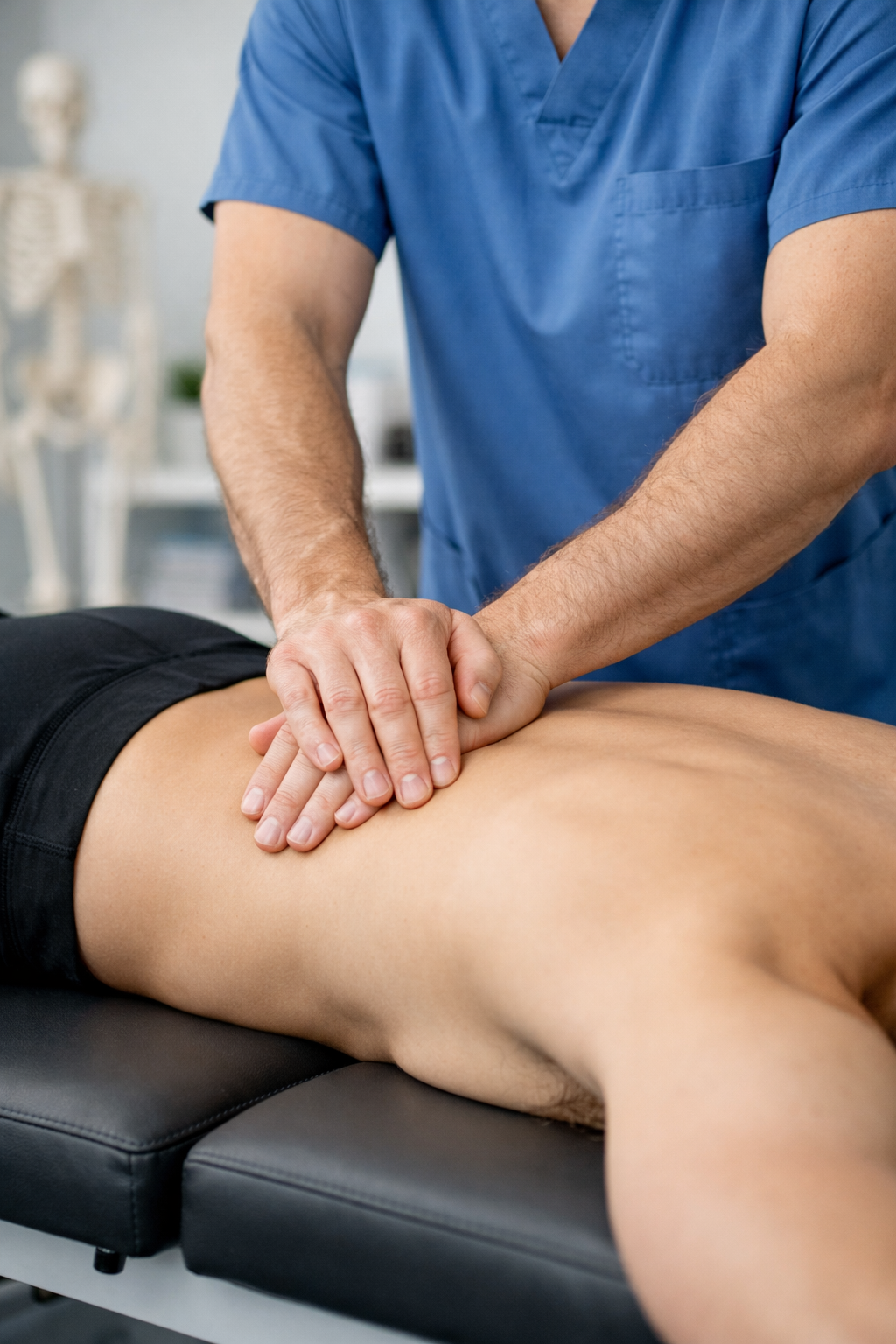
WHAT HAPPENS INSIDE A HERNIATED DISC
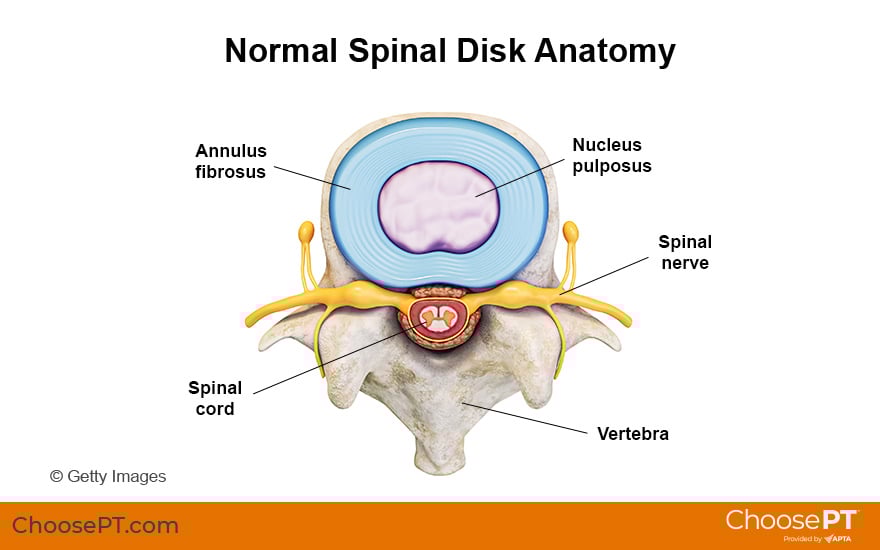
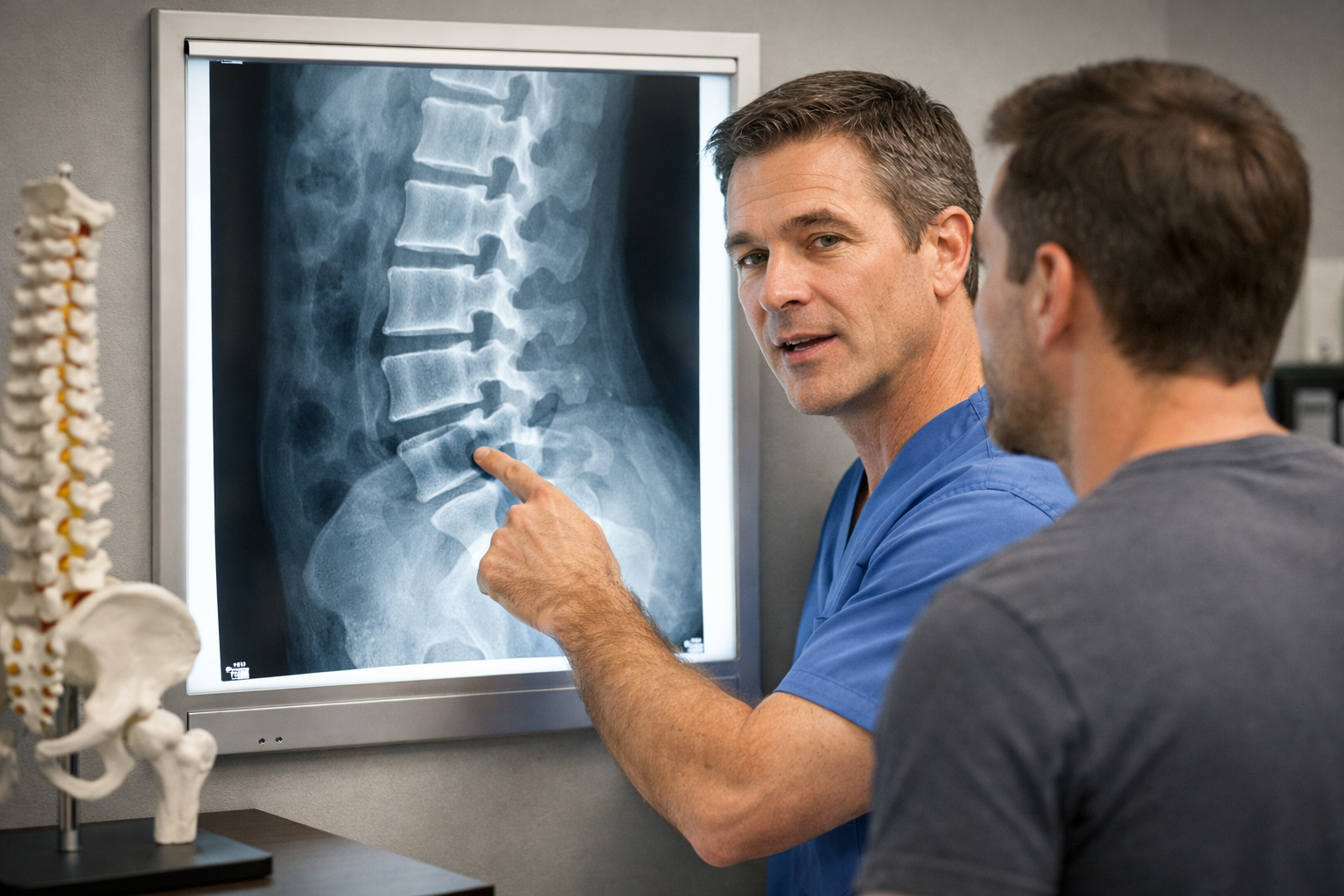
Your lower back contains five lumbar vertebrae, each cushioned by an intervertebral disc. These discs act as shock absorbers, and each one has two parts: a resilient outer wall called the annulus fibrosus and a soft, gel-like interior called the nucleus pulposus. A lumbar disc herniation occurs when the nucleus pulposus breaks through a weakened section of the annulus and bulges outward, often compressing a spinal nerve root. The L4-L5 and L5-S1 segments are the most commonly affected levels, producing the hallmark symptoms of sciatica — pain, numbness, or weakness radiating from the low back into one leg.
Research published in StatPearls indicates that the majority of lumbar disc herniations can be successfully managed with conservative treatment, including structured physical therapy, with only a small percentage ultimately requiring surgery (StatPearls, 2024).
WHAT PUTS MATAWAN RESIDENTS AT RISK
THE NJ TRANSIT COMMUTE
Matawan’s identity as a commuter borough is well established. The Aberdeen-Matawan station connects residents to Penn Station in 59-70 minutes, which means a round trip of two hours or more spent sitting on a train — often in cramped seats with poor lumbar support. Sitting increases intradiscal pressure dramatically, and when you add a car ride to the station on top of the train trip, your discs absorb sustained compressive load for a large portion of every workday. Over time, that repetitive stress degrades the annulus fibrosus and creates the conditions for herniation.
CONTACT SPORTS AND ATHLETIC COMPETITION
Matawan Regional High School’s Huskies have earned multiple sectional titles in football, and the community supports active programs in soccer, basketball, wrestling, tennis, and ice hockey. Each of these sports imposes unique stresses on the lumbar spine. Football produces direct axial compression on tackles; soccer demands explosive rotational kicks; wrestling involves forceful spinal loading during takedowns; and ice hockey requires sustained lumbar extension while skating. A 2024 analysis in Deutsches Ärzteblatt International identifies contact and rotational sports as important contributors to disc herniation, particularly in adolescents and young adults (Deutsches Ärzteblatt, 2024).
WATER ACTIVITIES AND BOATING
Lake Lefferts offers boating, fishing, and kayaking, while Matawan Creek and nearby Cheesequake State Park draw hikers and paddlers alike. Kayaking involves sustained seated flexion combined with repetitive rotational paddling — a combination that loads the posterior disc wall repeatedly. Even fishing from a boat involves prolonged awkward positioning and sudden forceful motions when reeling in a catch.
WAREHOUSE AND CONSTRUCTION LABOR
Distribution centers along Route 35 and construction projects by firms like K. Hovnanian and Denholtz Properties employ workers in physically demanding roles. Repeated heavy lifting, bending, and twisting are well-documented occupational risk factors for lumbar disc injury.
HOW TO RECOGNIZE A LUMBAR DISC HERNIATION
The symptoms of a herniated disc vary depending on which nerve root is compressed, but common warning signs include:
- Shooting or burning leg pain (radiculopathy) that follows a path from the buttock down the thigh and into the calf or foot
- Numbness or tingling in the affected leg, often in a specific band-like pattern
- Weakness in the foot or ankle, such as difficulty lifting the front of your foot (foot drop) or pushing off on your toes
- Back pain that worsens with sitting, bending forward, or straining
- Relief when walking or lying down — positions that reduce intradiscal pressure
If you recognize these patterns in your own symptoms, do not wait for them to resolve on their own. Early intervention with physical therapy leads to faster recovery and better long-term outcomes.
TRINITY REHAB’S THREE-PHASE TREATMENT PROGRAM
Our Matawan clinic uses a structured, progressive treatment model that aligns with current evidence on disc healing biology. Every session is conducted one-on-one with a licensed physical therapist — never an aide, never a group setting.
PHASE 1: PAIN REDUCTION AND NERVE CALMING
Your first goal is simple: feel better. We accomplish this through a combination of targeted techniques:
- Directional preference assessment (McKenzie method): Your therapist evaluates your response to specific repeated movements to identify the direction that centralizes your symptoms — moving pain out of the leg and back toward the spine. This diagnostic and treatment approach is backed by decades of research and gives you a self-management tool you can use immediately.
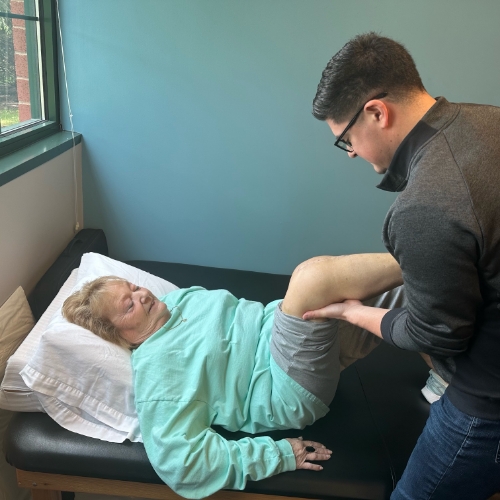
- Manual therapy: Joint mobilizations and soft tissue techniques address the protective muscle spasm, joint stiffness, and segmental hypomobility that accompany disc herniation. Hands-on treatment reduces pain and creates a window for exercise-based recovery.
- Neural mobilization: Gentle nerve gliding techniques reduce sensitivity and adhesions around the compressed nerve root, helping to resolve sciatica symptoms without placing additional stress on the disc.
- Pain education: Understanding what is happening in your spine — and what is not — reduces fear and anxiety, which are proven amplifiers of chronic pain. We explain your condition in plain language so you feel confident and in control.
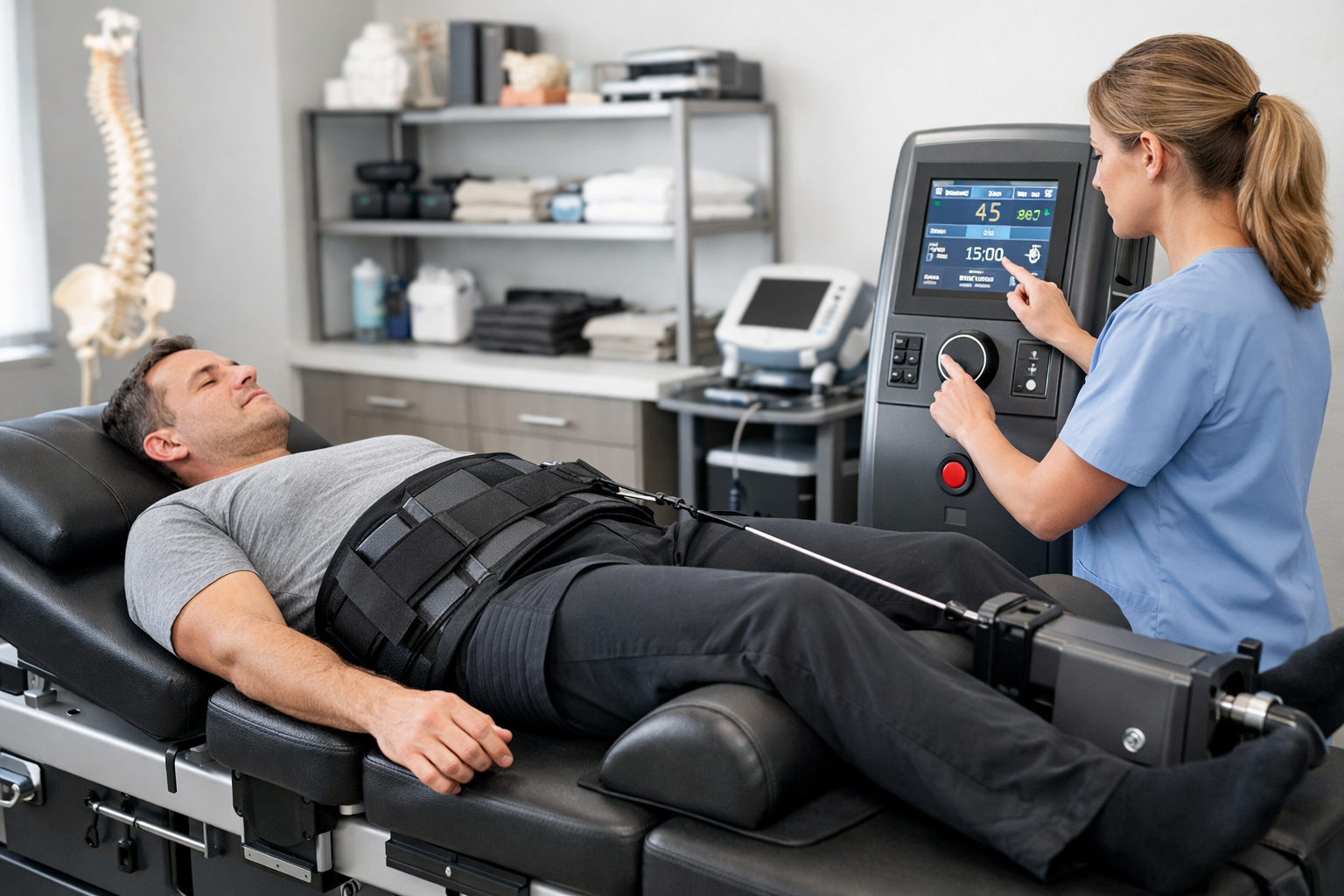
- Modality support: Dry needling targets deep trigger points in the lumbar paraspinals and gluteal muscles, while EPAT uses acoustic pressure waves to stimulate healing and reduce inflammation.
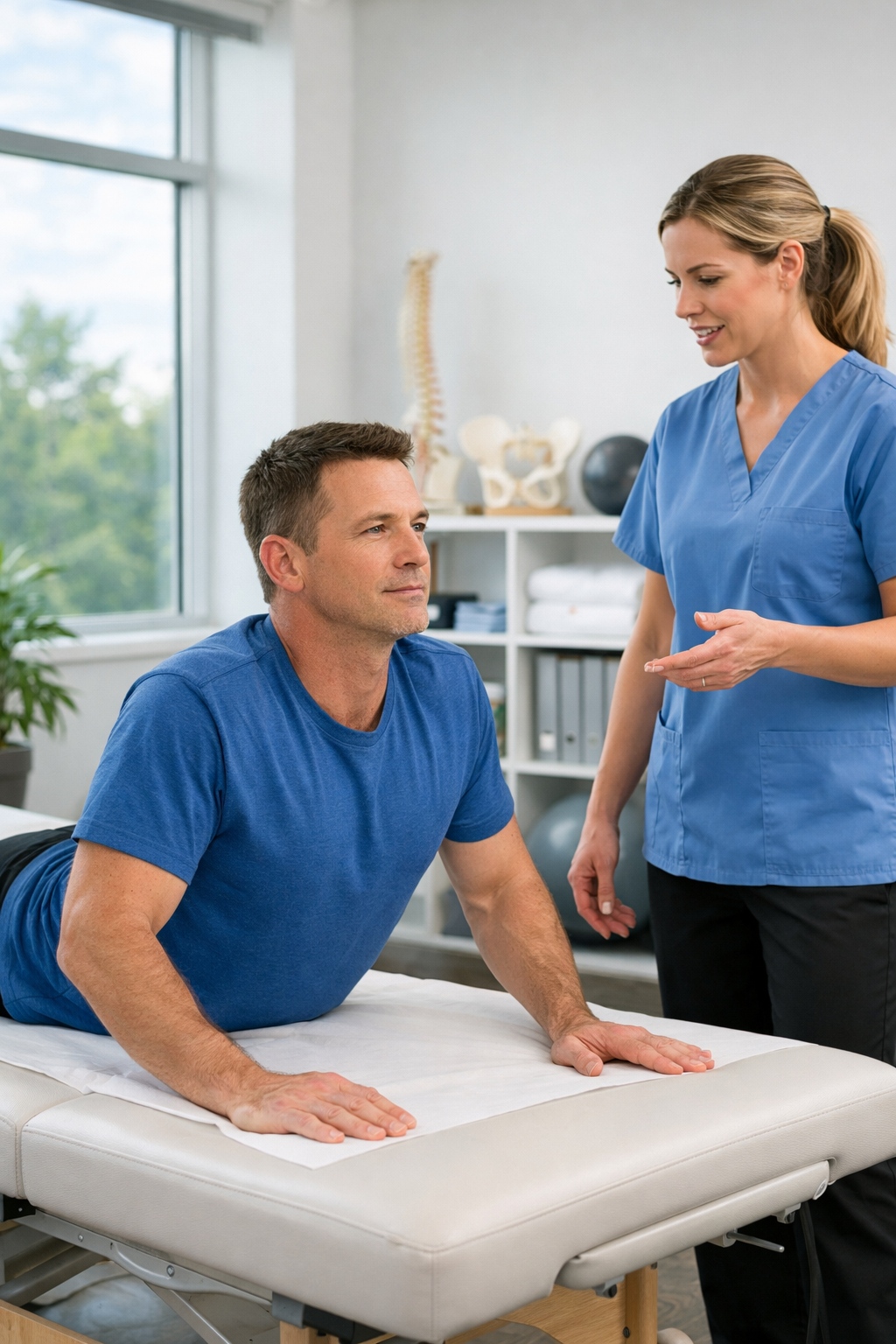
PHASE 2: CORE STABILIZATION AND PROGRESSIVE STRENGTHENING
As your pain decreases, we build the muscular infrastructure that will protect your spine going forward:
- Deep core activation: Exercises targeting the transversus abdominis, multifidus, pelvic floor, and diaphragm restore the “inner corset” that provides segmental stability to each lumbar vertebra.
- Glute and hip strengthening: Strong glutes absorb forces that would otherwise transfer to the lumbar discs. We use bridges, side-lying hip exercises, and single-leg progressions to rebuild this critical support system.
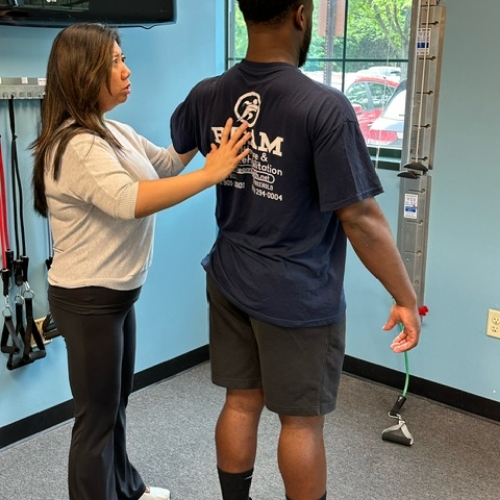
- Thoracic mobility work: A stiff mid-back forces the lumbar spine to compensate with excessive motion. Thoracic rotation and extension drills redistribute movement more evenly through the spine.
- Progressive loading: We gradually increase the challenge of your exercises — adding resistance, instability, and complexity — to prepare your spine for the real-world demands it will face outside the clinic.
PHASE 3: RETURN TO ACTIVITY AND LONG-TERM PREVENTION
The final phase bridges clinical recovery and daily life in Matawan:
- Commute preparation: We practice the seated postures and micro-movement strategies you need for a two-hour-plus daily train commute, including specific seat positioning and nerve gliding exercises you can perform discreetly on the train.
- Sport-specific reconditioning: Whether you are getting back to the MAYB basketball court, the Jersey34 Tennis Club, or the Huskies alumni flag football game, we design drills that test your spine under sport-specific loads while maintaining the stabilization patterns you have developed.
- Recreational return: Heading back to kayak on Lake Lefferts or hike the Henry Hudson Trail? We make sure your core holds up during the sustained seated rotation of paddling and the variable terrain of trail walking.
- Home program and body mechanics education: You leave with a tailored exercise program and a clear understanding of how to bend, lift, sit, and move in ways that protect your lumbar discs for the long term.
STAYING HEALTHY IN MATAWAN
Prevention is the best treatment. Here are practical tips for protecting your lumbar spine in everyday Matawan life:
- Optimize your train seat: Bring a small lumbar roll for the NJ Transit ride. Sit with your hips pushed to the back of the seat and avoid crossing your legs.
- Warm up before the game: Five minutes of hip circles, glute bridges, and trunk rotations before any sport reduces your injury risk significantly.
- Pace your paddling: On Lake Lefferts or Matawan Creek, take breaks every 15-20 minutes to stretch your hip flexors and reverse the sustained flexion of kayaking.
- Walk the Henry Hudson Trail: This paved rail-trail is one of the best low-impact exercise options in the area. Consistent walking keeps your discs nourished and your stabilizers engaged.
- Maintain your core program: Your home exercise routine is not optional — it is the foundation of your long-term spinal health. Ten to fifteen minutes a day is all it takes.
WHY MATAWAN RESIDENTS CHOOSE TRINITY REHAB
In a tight-knit borough like Matawan, word travels fast. Our patients choose Trinity Rehab because we deliver results through genuine one-on-one care. You will work with the same therapist every visit, someone who understands your commute, your sport, and your specific injury. We do not double-book, we do not use aides, and we do not settle for anything less than a complete recovery. That commitment to quality conservative treatment is why so many Matawan families trust us with their spine health.
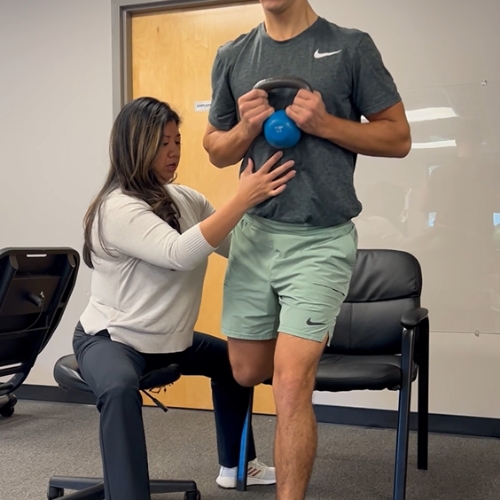
INSIDE OUR MATAWAN CLINIC
RELATED CONDITIONS & TREATMENTS
Lumbar disc herniation is just one of the many conditions we treat at Trinity Rehab Matawan. Explore our full range of conditions we treat or learn more about specific treatment approaches:
Matawan Disc Rehab For Back Pain, Leg Symptoms, And Daily Movement
Lumbar disc symptoms can interrupt sitting, driving, lifting, sleep, work, and exercise. Matawan rehab should connect the diagnosis to the positions and movements that actually trigger your symptoms.
Your therapist may assess lumbar mobility, nerve-related symptoms, hip strength, gait, lifting mechanics, sitting tolerance, and warning signs that require medical care before therapy continues.
Patients with related symptoms may also need sciatica treatment, back pain physical therapy, or the Matawan physical therapy clinic page.
FREQUENTLY ASKED QUESTIONS
Matawan Disc Rehab For Back Pain, Leg Symptoms, And Daily Movement
Lumbar disc symptoms can interrupt sitting, driving, lifting, sleep, work, and exercise. Matawan rehab should connect the diagnosis to the positions and movements that actually trigger your symptoms.
Your therapist may assess lumbar mobility, nerve-related symptoms, hip strength, gait, lifting mechanics, sitting tolerance, and warning signs that require medical care before therapy continues.
Patients with related symptoms may also need sciatica treatment, back pain physical therapy, or the Matawan physical therapy clinic page.
How soon after my symptoms start should I see a physical therapist?
Can physical therapy help if I have had symptoms for a long time?
Will the train commute keep making my disc worse?
My teenager plays football — should I be worried about disc herniation?
How do I get started?
TAKE CONTROL OF YOUR RECOVERY
A lumbar disc herniation does not have to derail your life. Whether the pain started on the train, on the field, or in your own backyard, Trinity Rehab’s Matawan clinic has the expertise and the commitment to help you recover fully. Book your appointment today and start your path back to pain-free living.
SOURCES
- StatPearls — Lumbar Disc Herniation: https://www.ncbi.nlm.nih.gov/books/NBK560878/
- Deutsches Ärzteblatt International — Lumbar Disc Herniation: https://pmc.ncbi.nlm.nih.gov/articles/PMC11465477/
What Our Patients Say



Sign up for free health tips and tricks