Back Pain Treatment in Matawan, NJ
Matawan is a borough that rewards being on your feet. The Henry Hudson Trail runs right through town — a multi-use rail-trail that winds past Lake Matawan and through the historic streetscape of Main Street. The farmers’ market sets up every Friday in summer near the municipal building. Walkers, cyclists, and families with strollers are a fixture on the streets between Memorial Park and Broad Street. For a community with the small-town energy and walkability of a historic Monmouth County borough, back pain hits especially hard — because the things that make Matawan worth living in are exactly the things it takes away.
Matawan’s approximately 9,700 residents represent a notably young and diverse community, with a median age in the mid-30s and a large share of young professionals who commute via the Aberdeen-Matawan train station — one of the North Jersey Coast Line’s busiest stops in northern Monmouth County. Many residents ride the train north to Metropark, Newark, or Manhattan and then spend their workday at a desk. Others work locally in healthcare, education, or the retail and service sectors clustered along Route 34. The combination of long commutes, sedentary work, and active personal lives creates exactly the conditions where lower back pain develops and lingers.
Trinity Rehab specializes in physical therapy for lower back pain that addresses the whole picture — your diagnosis, your lifestyle, and your goals.
Why Matawan’s Lifestyle Makes Back Pain Common
The Aberdeen-Matawan train station is one of the defining geographic facts of daily life for many residents. A round-trip commute — car to station, train to Penn Station, subway to the office, and reverse — means several hours of seated, compressed spinal posture each day, five days a week. The lumbar discs are under significantly more pressure when seated than when standing, and that pressure accumulates. Add a workday of sitting and a ride home, and you begin to understand why lower back pain is so prevalent among commuting professionals.
Matawan also has a strong youth sports culture, with Matawan Regional High School (and its predecessor athletic programs at Matawan Aberdeen Middle School) drawing student-athletes in soccer, basketball, baseball, and lacrosse. Young athletes who push through back pain without proper evaluation often develop compensatory movement patterns that follow them into adulthood.
For residents over 50, the combination of decades of physical activity, prior injuries, and age-related disc changes can produce the chronic, recurring lower back pain that seems to never fully resolve — until it’s properly treated.
Chronic back conditions often change your gait, which can contribute to knee pain over time.
What Is Causing Your Back Pain?
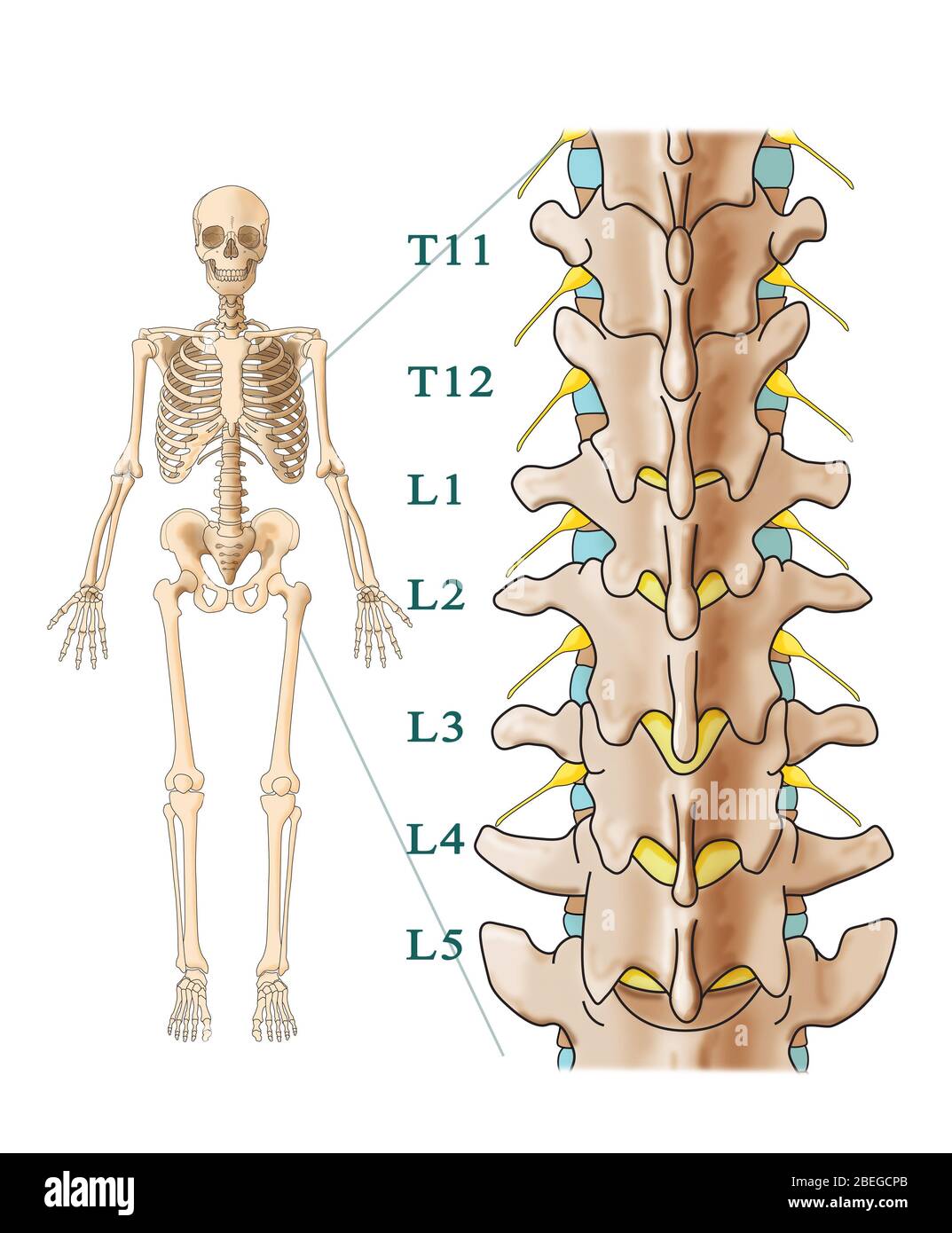
The most common root causes we identify in Matawan patients include:
- Commuter posture syndrome — sustained hip flexion and lumbar compression from daily train and car travel loads the lumbar discs and shortens the hip flexors, creating a predictable cycle of lower back pain
- Lumbar disc herniations and bulging discs — a frequent finding in young and middle-aged adults, particularly those who commute and sit for work (learn about disc herniation treatment)
- Sciatica — nerve irritation that sends pain, tingling, or numbness down one or both legs (explore sciatica care)
- Sacroiliac (SI) joint dysfunction — pain in the lower back and buttock region, often worse when rising from a seated position or climbing stairs
- Athletic and recreational injuries — muscle strains, stress fractures, and disc injuries related to sports at Matawan Regional High School or weekend recreation on the Henry Hudson Trail (see sports injury treatment)
- Work-related back injuries — from repetitive tasks, awkward postures, or single-incident lifting in Matawan’s working population (learn about work injury care)
- Degenerative disc disease — progressive thinning of spinal discs that can cause stiffness and pain, especially in residents in their 50s and beyond
What Back Pain Feels Like Day-to-Day
Matawan patients describe their back pain in many different ways, but the patterns are recognizable:
- Aching tightness in the lower back that begins during the morning commute and doesn’t fully ease until evening
- Pain that radiates from the lower back into the buttock and down the leg
- A sharp catch or spasm when bending to get off the train platform stairs or picking something up from the floor
- Tingling or numbness in the feet while seated on the train
- Stiffness so pronounced in the morning that getting ready for work feels like a chore
- The need to shift positions constantly because no posture is comfortable for long
- Pain that wakes you at night when you roll over
Any of these experiences deserves proper evaluation — and physical therapy is one of the most effective tools available.
Trinity Rehab’s Treatment Approach
Comprehensive Initial Evaluation
Every patient at Trinity Rehab begins with a thorough one-on-one evaluation. Your physical therapist reviews your history, identifies movement limitations, assesses posture and muscle function, and — critically — listens to how back pain is affecting your specific daily life. The treatment plan that follows is built around your findings, not a template.
Hands-On Manual Therapy
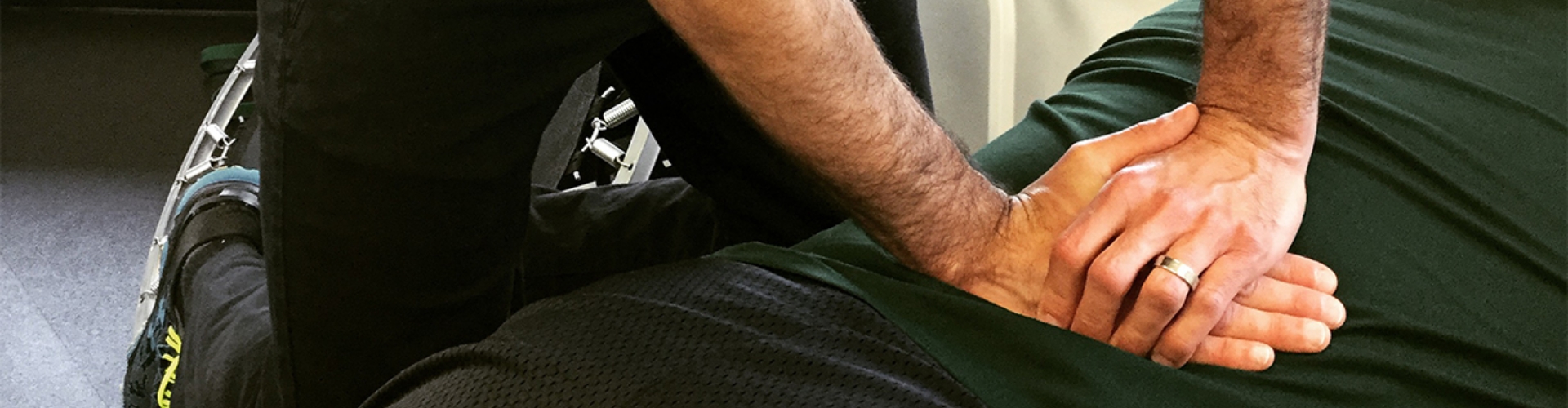
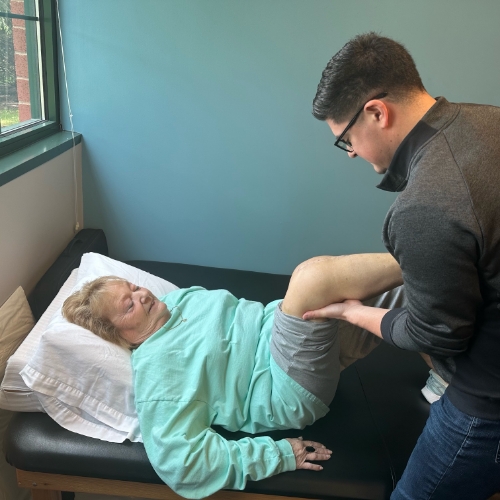
Manual therapy is often the fastest path to initial pain relief. Joint mobilization techniques applied to the lumbar spine, sacroiliac joint, and surrounding tissues restore normal mechanics and immediately reduce the muscle guarding that limits your movement. Soft tissue mobilization and myofascial release address the chronically tight muscles — paraspinals, glutes, and hip flexors — that are often the primary source of your pain.

Targeted Core and Hip Strengthening
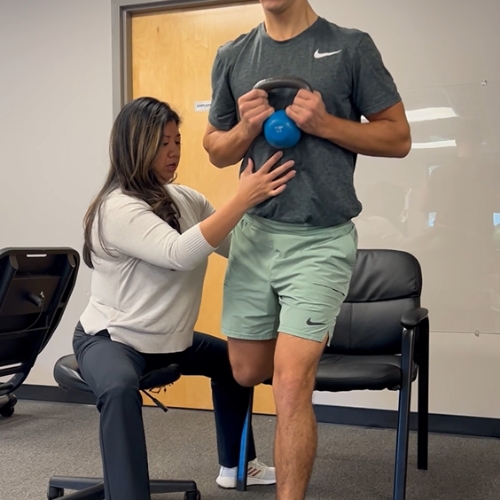
A stable core is the most reliable long-term protection against lower back pain. Your therapist builds a progressive program that strengthens the transverse abdominis, multifidus, glutes, and hip stabilizers — the muscle groups that take load off your spinal structures. For commuters whose hip flexors are chronically shortened and whose glutes are underactivated from prolonged sitting, this is often transformative.

Nerve Mobilization for Disc and Sciatica Cases
When disc herniations or nerve compression are involved, specific nerve mobilization techniques — sometimes called nerve flossing or neural glides — gently reduce adhesions along the nerve’s path, restore normal gliding, and decrease the radiating pain, tingling, and numbness that travel into the legs.
Dry Needling
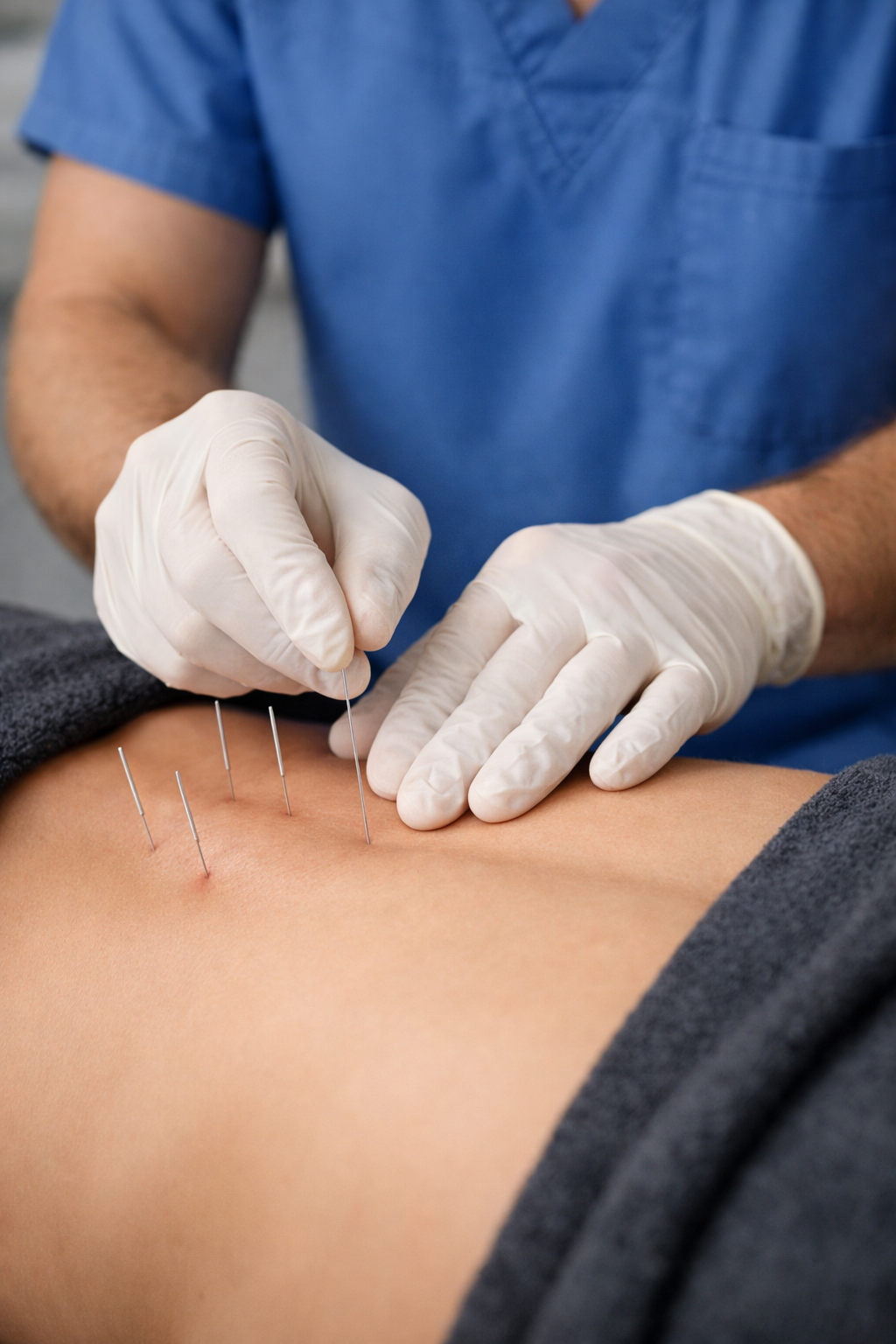
Dry needling is particularly effective for the tight, knotted muscles in the lower back and hips that accompany both acute and chronic back pain. By targeting myofascial trigger points directly, dry needling produces rapid reductions in pain and muscle tension that make subsequent exercise and manual therapy more effective.
Advanced Technology: EPAT
For patients with chronic lower back pain that hasn’t responded well to other approaches, EPAT (Extracorporeal Pulse Activation Technology) provides a non-invasive boost to tissue healing. Acoustic pulses penetrate deeply into affected tissues, increasing circulation and cellular repair while disrupting the neurological feedback loop that sustains chronic pain.
Long-Term Back Health in a Commuter Community
Staying pain-free in a community built around daily commuting takes conscious effort. The habits that matter most:
- Movement at every opportunity — standing or walking on the train platform, using stairs rather than elevators, walking to lunch instead of eating at your desk
- Lumbar support during your commute — a small lumbar roll in your car seat or a folded jacket behind your lower back on the train can meaningfully reduce disc loading
- Active recovery on the weekends — the Henry Hudson Trail’s gentle surface makes it ideal for the kind of low-impact aerobic activity that maintains spinal conditioning
- Consistency with your home exercise program — your therapist designs this specifically for your schedule and your body; using it is the single most important thing you can do to prevent recurrence
Why Trinity Rehab for Matawan Residents
Trinity Rehab provides the kind of physical therapy that Matawan’s busy, commuter-oriented residents actually need: efficient, personalized, and built for lasting results. You see the same licensed physical therapist at every visit — not whoever is available — which means your care is genuinely continuous and coherent.
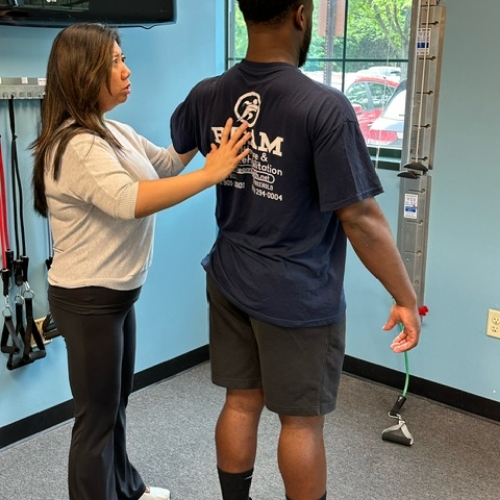
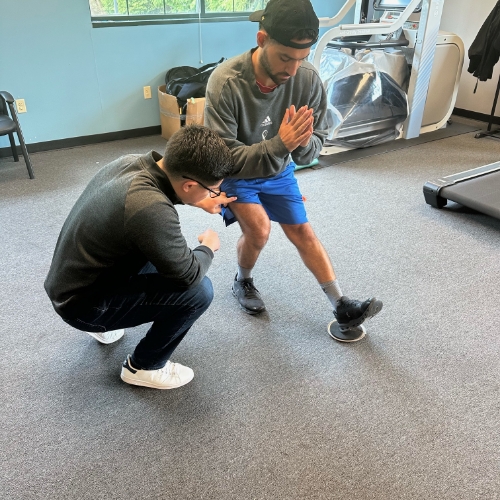
Inside Our Matawan Clinic
Related Conditions & Treatments
Back pain is just one of the many conditions we treat at Trinity Rehab Matawan. Explore our full range of conditions we treat or learn more about specific treatment approaches:
Matawan Back Pain Rehab For Work, Errands, And Everyday Movement
Back pain can interrupt lifting, sitting, driving, sleep, work, and exercise. Matawan physical therapy should connect your symptoms to the specific movement patterns and daily demands that keep flaring them up.
Your therapist may assess mobility, strength, hip contribution, nerve symptoms, posture, gait, and lifting mechanics. Treatment can include manual therapy, exercise progression, movement coaching, and a home plan you can actually follow.
Related care includes sciatica treatment, hip pain physical therapy, and the main Matawan physical therapy clinic page.
Frequently Asked Questions
Matawan Back Pain Rehab For Work, Errands, And Everyday Movement
Back pain can interrupt lifting, sitting, driving, sleep, work, and exercise. Matawan physical therapy should connect your symptoms to the specific movement patterns and daily demands that keep flaring them up.
Your therapist may assess mobility, strength, hip contribution, nerve symptoms, posture, gait, and lifting mechanics. Treatment can include manual therapy, exercise progression, movement coaching, and a home plan you can actually follow.
Related care includes sciatica treatment, hip pain physical therapy, and the main Matawan physical therapy clinic page.
Do I need a referral for physical therapy in New Jersey?
How long will my back pain take to resolve with physical therapy?
Can physical therapy help my sciatica, or just the back pain itself?
What if my back pain comes back after I finish therapy?
Is physical therapy covered by insurance for back pain?
Start Your Recovery
Matawan is a town worth being fully present in — the trail, the farmers’ market, the platform conversations on the morning commute. Back pain takes you out of all of it. Trinity Rehab is here to bring you back.
What Our Patients Say



Sign up for free health tips and tricks