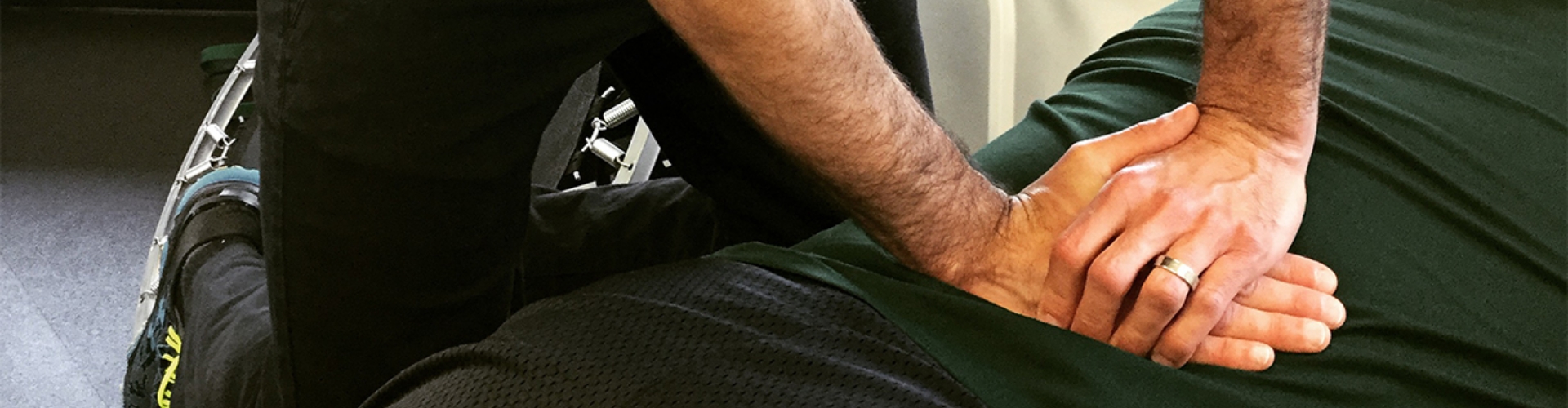
Back Pain Treatment in Howell, NJ
Back pain has a way of making ordinary life feel impossible. Maybe it hits you every morning before your commute north on the Garden State Parkway, tightening through your lower back before you even reach Exit 98. Or maybe it catches you mid-stride on the 5-mile perimeter trail at the Manasquan Reservoir — the park that draws over one million visitors each year to Howell’s rolling wetlands — and you find yourself stopping short, wondering if something is seriously wrong. Whatever your story, back pain in Howell is common, and effective help is closer than you think.
With a population of more than 53,000 spread across the largest municipality in Monmouth County, Howell is home to a diverse mix of commuters, healthcare workers, tradespeople, educators, and young families. Many residents work outside the township — heading toward Freehold, Lakewood, the Jersey Shore corridor, or north toward Newark and New York City — spending long hours behind the wheel or at a desk. Others work physically demanding jobs in construction, healthcare, or retail along the Route 9 commercial corridor. Both lifestyles place significant and ongoing stress on the spine, and the result shows up in physical therapy offices every week.
At Trinity Rehab, we provide back pain physical therapy for residents of Howell using a one-on-one, evidence-based approach that gets to the root of the problem — not just the pain signal.
Altered movement patterns from back pain can lead to secondary issues like knee discomfort. Explore our knee pain treatment options.
Why Howell Residents Can’t Afford to Wait on Back Pain
Back pain is the leading cause of missed workdays in the United States, and Howell’s commuter-heavy population is particularly exposed. If you drive more than 30 minutes each way for work — which a significant majority of Howell’s working residents do — you’re spending hours each week in the exact posture most likely to compress lumbar discs and tighten hip flexors. Add weekend activities at Turkey Swamp Park, youth sports at Howell High School, or time on the water at the Manasquan Reservoir, and the cumulative load on your spine becomes significant.
Research published by the National Institute of Neurological Disorders and Stroke confirms that early physical therapy intervention dramatically reduces the likelihood of acute back pain becoming a chronic, debilitating condition. Patients who begin treatment early spend less on healthcare overall and are far less likely to need surgery or long-term medication management.
Thanks to New Jersey Direct Access laws, you can start physical therapy in Howell without a doctor’s referral — meaning no waiting, no runaround, just expert care from day one.
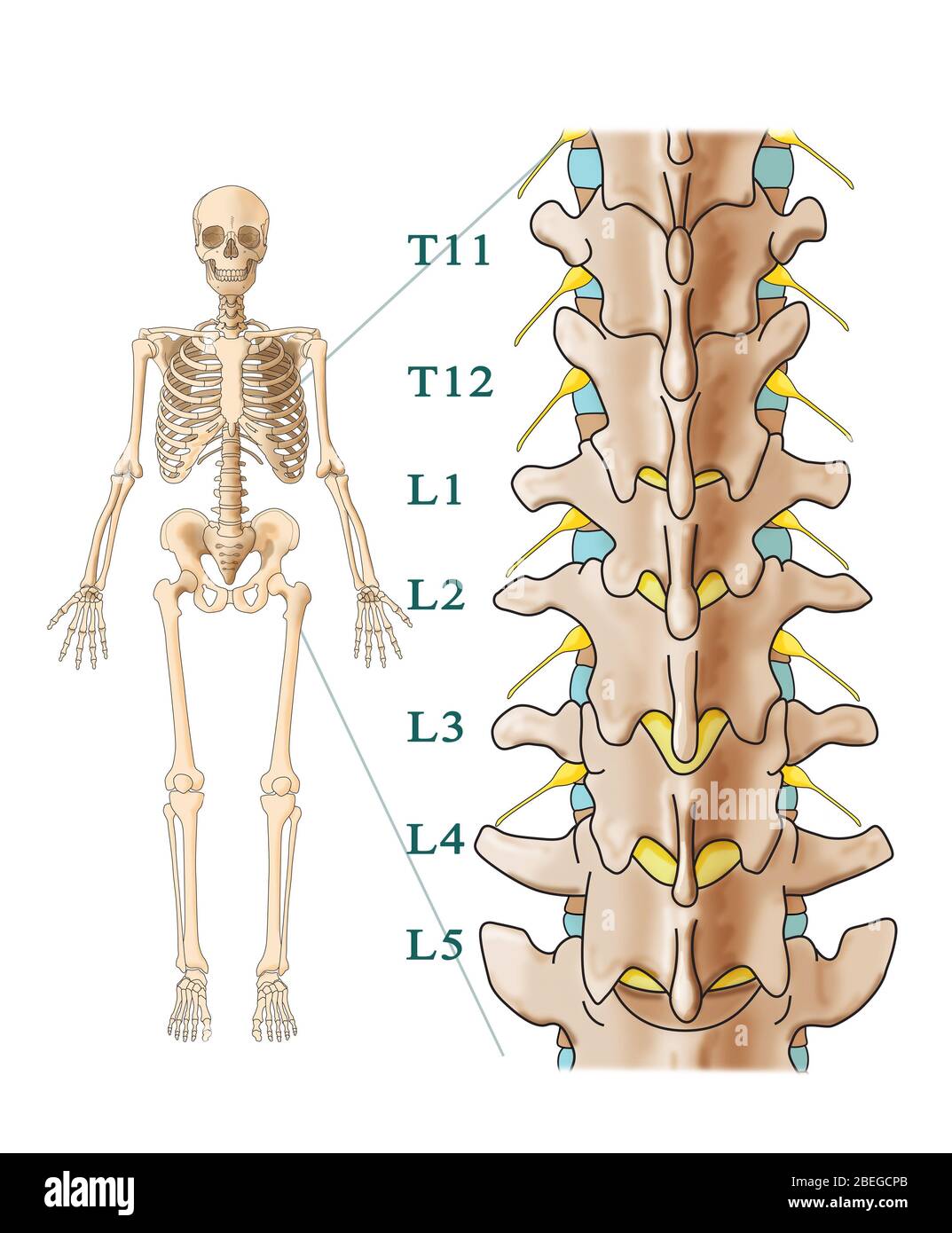
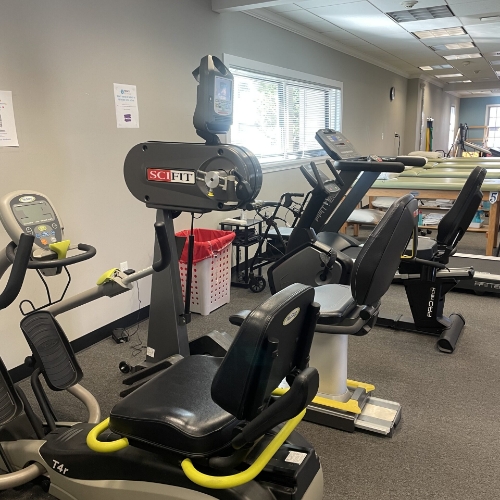
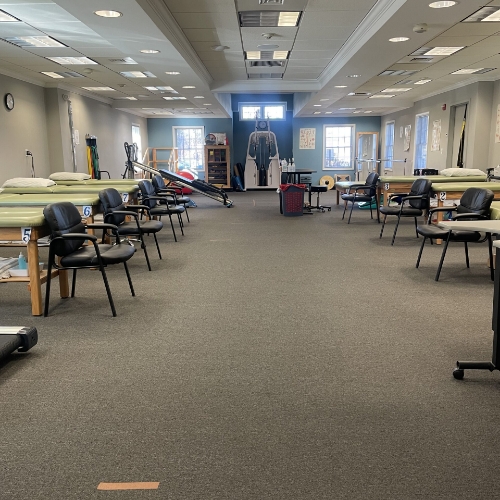
Inside Our Howell Clinic
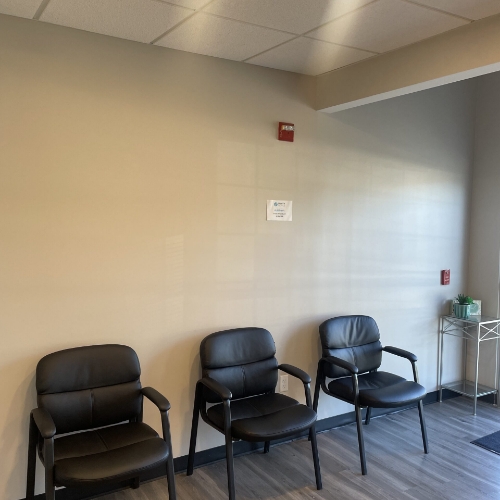

Common Causes We See in Howell
Howell’s demographics and work patterns create a predictable set of back pain causes:
- Prolonged driving and commuting — seated posture with poor lumbar support compresses discs and tightens hip flexors, a daily pattern for thousands of Howell residents
- Warehouse and construction work — repetitive lifting, bending, and vibration exposure common in Howell’s labor force put ongoing stress on lumbar structures (see how we treat work injuries)
- Herniated and bulging discs — often triggered by a single lift or twist, but built up over years of poor mechanics (learn about lumbar disc herniation)
- Sciatica — a common complaint among desk workers and drivers, causing burning or numbness that radiates from the lower back down the leg (explore sciatica treatment)
- Sports-related strain — youth and adult athletes playing at Howell High School and the surrounding recreation fields frequently present with lumbar muscle strains and stress reactions (see sports injury treatment)
- Degenerative disc disease — affecting Howell’s older residents, particularly those over 50 who are still active but notice increasing stiffness and morning pain
What You May Be Feeling
Back pain rarely announces itself the same way twice. Howell patients commonly describe:
- A dull, persistent ache in the lower back that builds throughout the workday
- Sharp, stabbing pain when standing up from a seated position
- Pain that radiates into the buttocks or shoots down one leg
- Morning stiffness that takes 20–30 minutes to loosen
- Tingling or numbness in the feet while driving
- Muscle spasms that make it difficult to stand fully upright
- Disrupted sleep because no position feels comfortable
These symptoms are your body communicating that something needs attention — and physical therapy is one of the most effective tools available to address them.
How Trinity Rehab Treats Back Pain: A Phase-Based Approach
Your physical therapy at Trinity Rehab follows a structured progression designed to resolve pain, restore function, and build the resilience to keep it from returning.
Phase 1: Pain Relief and Tissue Calming
Your first sessions focus on reducing the acute pain response so you can move more freely. Your therapist will use manual therapy — including joint mobilization, soft tissue work, and myofascial release — to reduce muscle guarding and improve spinal mobility. For patients with chronic or treatment-resistant back pain, EPAT shockwave therapy delivers focused acoustic pulses that improve circulation and interrupt the pain cycle, with studies showing 70–85% pain reduction in three to six sessions.
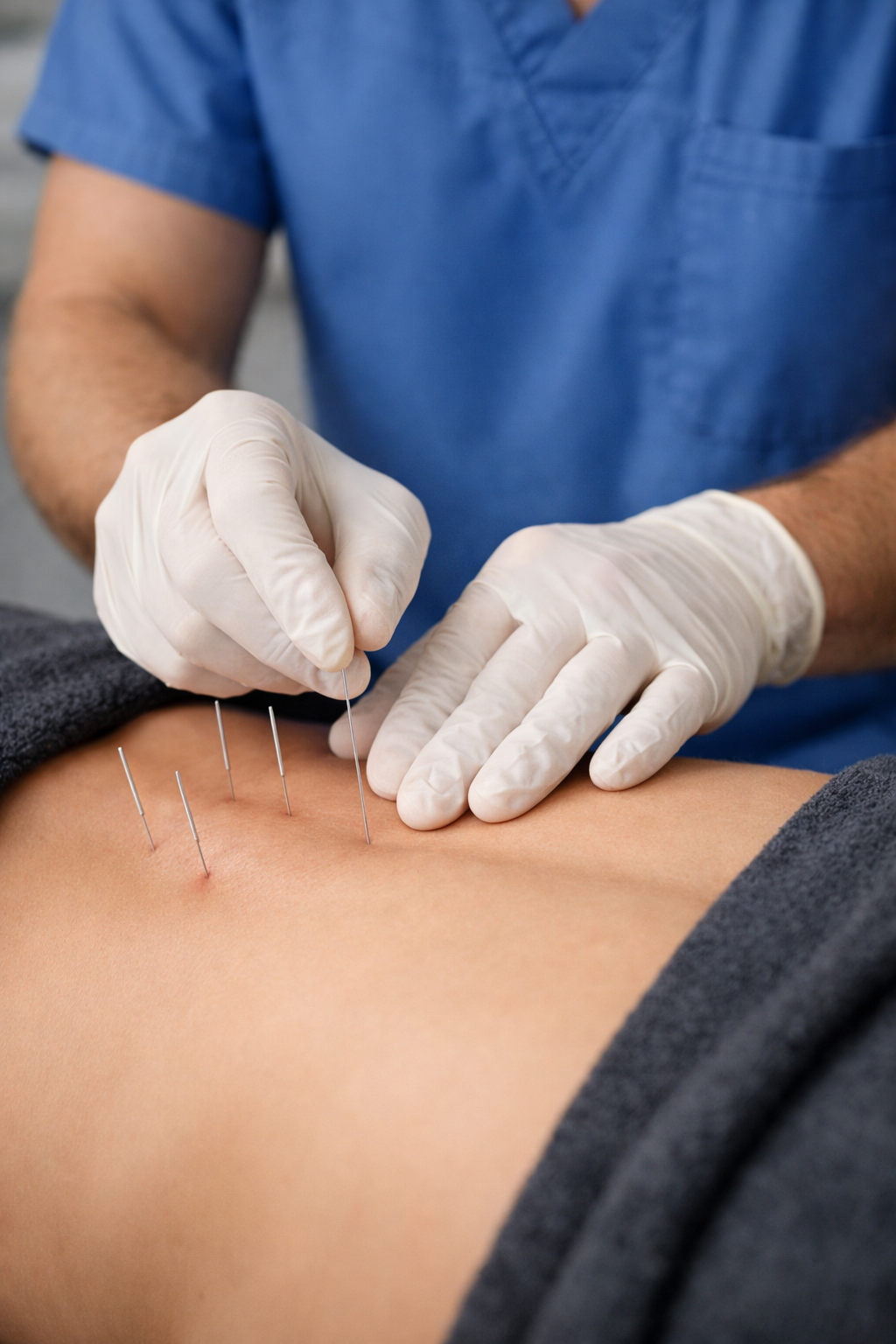
Dry needling may also be introduced early to release stubborn trigger points in the paraspinals, glutes, and hip flexors — muscles that are chronically tight in drivers and desk workers alike.

Phase 2: Rebuilding Stability and Strength
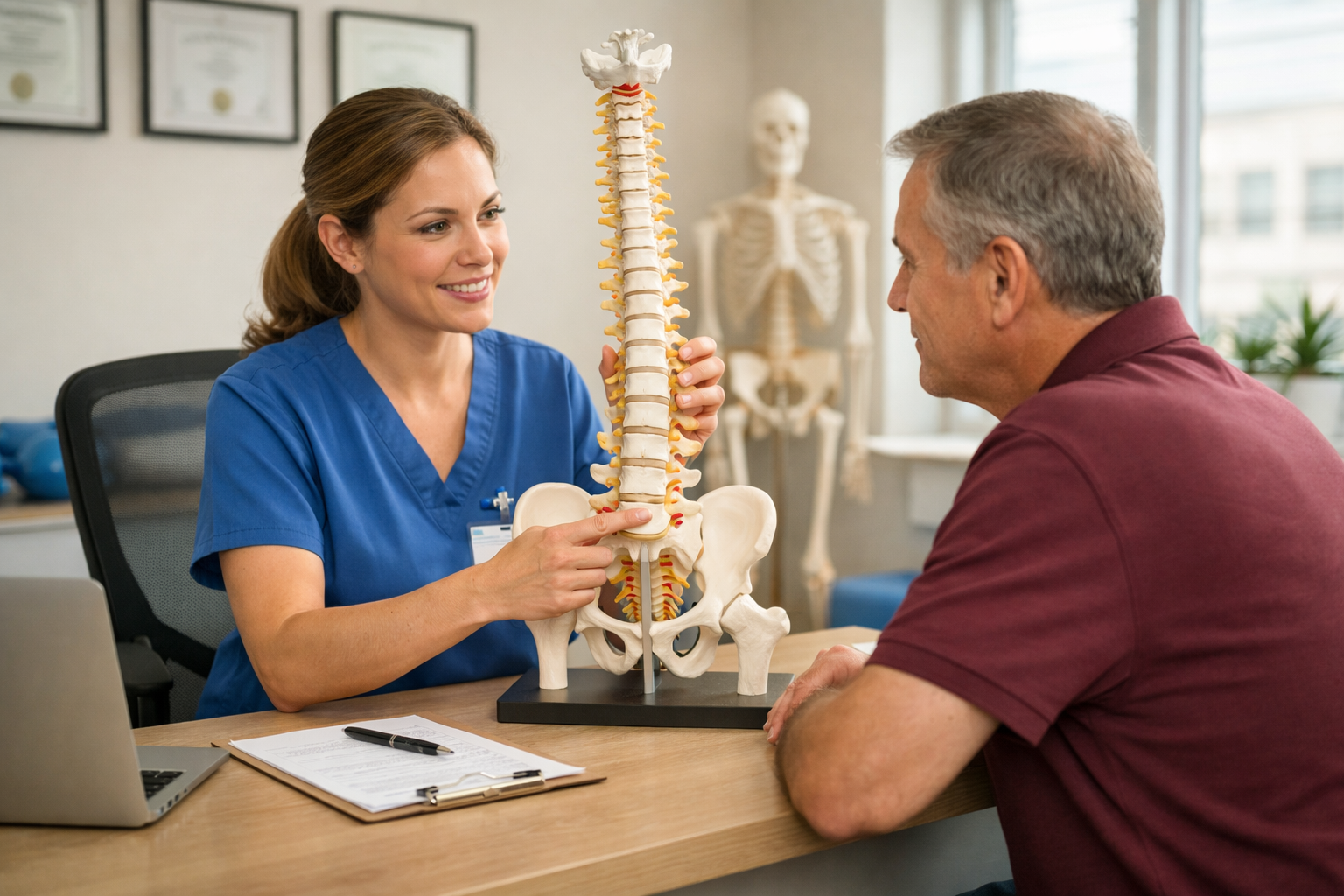
Once your pain is under control, the focus shifts to building the muscular foundation your spine needs to stay healthy. Core stabilization exercises — bridges, bird dogs, dead bugs, and progressive planks — strengthen the deep muscles that support your lumbar spine from the inside out. Hip mobility work addresses the tightness that’s often driving your lower back pain in the first place.
If disc-related pain or sciatica is part of your picture, spinal decompression techniques reduce pressure on compressed nerves, creating space for healing without surgical intervention.
Phase 3: Function, Movement, and Long-Term Prevention
The final phase of treatment returns you to full activity with the knowledge and body mechanics to stay there. Your therapist will work through the specific demands of your life — whether that’s a long commute, a physically demanding job, weekend hiking at Manasquan Reservoir, or coaching your child’s youth sports team at Howell Township parks — and build a personalized home exercise program you can maintain on your own.
Preventing Your Back Pain from Coming Back
Recovery is only meaningful if it holds. The patients who do best long-term are the ones who carry their new habits out of the clinic:
- Daily movement — even a 20-minute walk on the trails at Turkey Swamp Park or Manasquan Reservoir helps maintain lumbar health
- Ergonomic adjustments — proper seat positioning, lumbar support, and steering wheel placement for Howell’s commuters can make a remarkable difference
- Core maintenance — continuing your home exercise program three to four times per week after discharge
- Lifting mechanics — hip-hinge patterns, not spine-bending, when loading or unloading whether at work or at home
- Responding early — at the first sign of a familiar flare-up, don’t wait; address it immediately
Why Howell Residents Choose Trinity Rehab
Trinity Rehab is built around a model that is fundamentally different from high-volume physical therapy chains. Every visit is one-on-one with a licensed physical therapist — not a rotating cast of assistants or aides. That consistency allows your therapist to track your progress precisely, adapt your treatment in real time, and build the kind of therapeutic relationship that actually produces results.
Our clinics offer advanced treatment technology including EPAT shockwave therapy, dry needling, spinal decompression, and movement analysis — tools that allow us to address complex back pain cases that haven’t responded to more basic interventions.
We are in-network with most major insurance plans, verify your benefits before your first visit, and offer flexible scheduling including early morning and evening appointments designed to fit around Howell’s commuter schedules. And with 27 clinic locations across New Jersey and Pennsylvania, there is always a Trinity Rehab near you.
Related Conditions & Treatments
Back pain is just one of the many conditions we treat at Trinity Rehab Howell. Explore our full range of conditions we treat or learn more about specific treatment approaches:
Howell Back Pain Rehab For Work, Errands, And Everyday Movement
Back pain can interrupt lifting, sitting, driving, sleep, work, and exercise. Howell physical therapy should connect your symptoms to the specific movement patterns and daily demands that keep flaring them up.
Your therapist may assess mobility, strength, hip contribution, nerve symptoms, posture, gait, and lifting mechanics. Treatment can include manual therapy, exercise progression, movement coaching, and a home plan you can actually follow.
Related care includes sciatica treatment, hip pain physical therapy, and the main Howell physical therapy clinic page.
Frequently Asked Questions
Howell Back Pain Rehab For Work, Errands, And Everyday Movement
Back pain can interrupt lifting, sitting, driving, sleep, work, and exercise. Howell physical therapy should connect your symptoms to the specific movement patterns and daily demands that keep flaring them up.
Your therapist may assess mobility, strength, hip contribution, nerve symptoms, posture, gait, and lifting mechanics. Treatment can include manual therapy, exercise progression, movement coaching, and a home plan you can actually follow.
Related care includes sciatica treatment, hip pain physical therapy, and the main Howell physical therapy clinic page.
How long does physical therapy take for lower back pain?
Do I need a referral to start physical therapy in New Jersey?
Can physical therapy help me avoid back surgery?
What should I expect at my first appointment?
Does physical therapy help chronic back pain, or just acute flare-ups?
Ready to Get Back to the Life You Want?
Back pain does not have to define your days in Howell — not your commute, not your weekends at the reservoir, not your energy for your family. Trinity Rehab is ready to help you move forward.



Sign up for free health tips and tricks