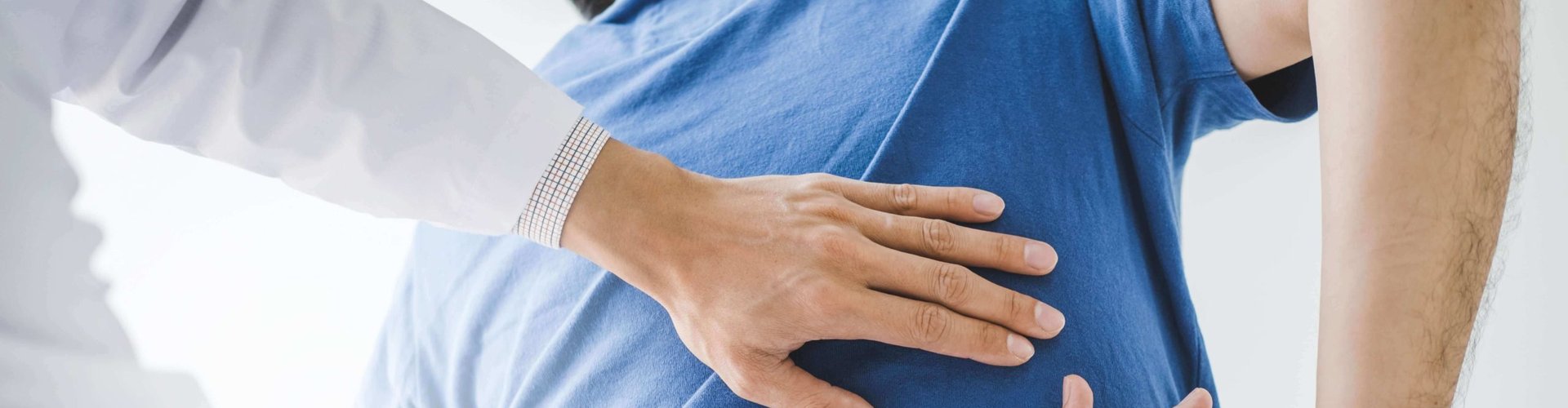
LUMBAR DISC HERNIATION TREATMENT IN FLEMINGTON, NJ
Flemington sits in the heart of Hunterdon County, where rolling farmland meets a historic Main Street lined with buildings old enough to have witnessed the Lindbergh trial. It is a place where weekends mean hiking the Columbia Trail, teeing off at Heron Glen Golf Course, skating at Flemington Ice Arena, and tending the large rural and suburban properties that define life in the Raritan Valley. For the roughly 4,900 borough residents and surrounding Raritan Township’s 24,000 inhabitants, the blend of rural living, athletic recreation, and commuter careers creates a lifestyle that is both fulfilling and physically demanding.
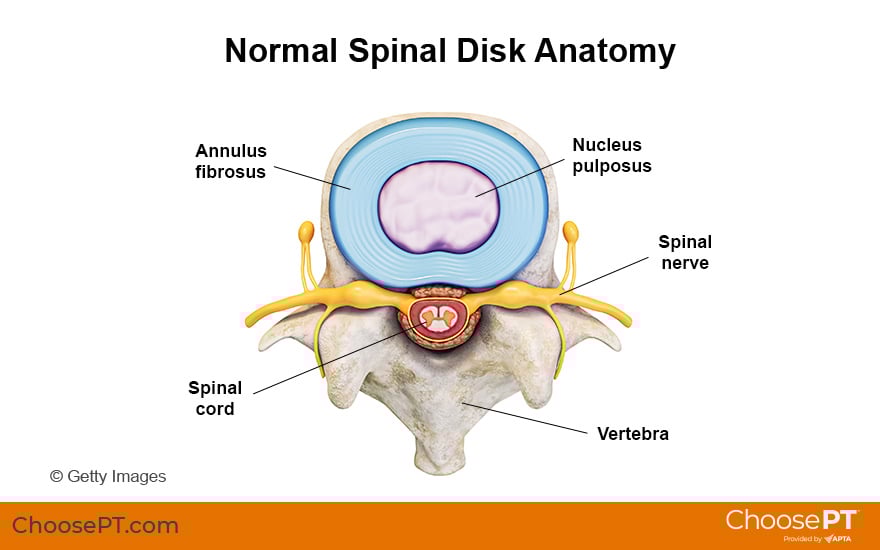
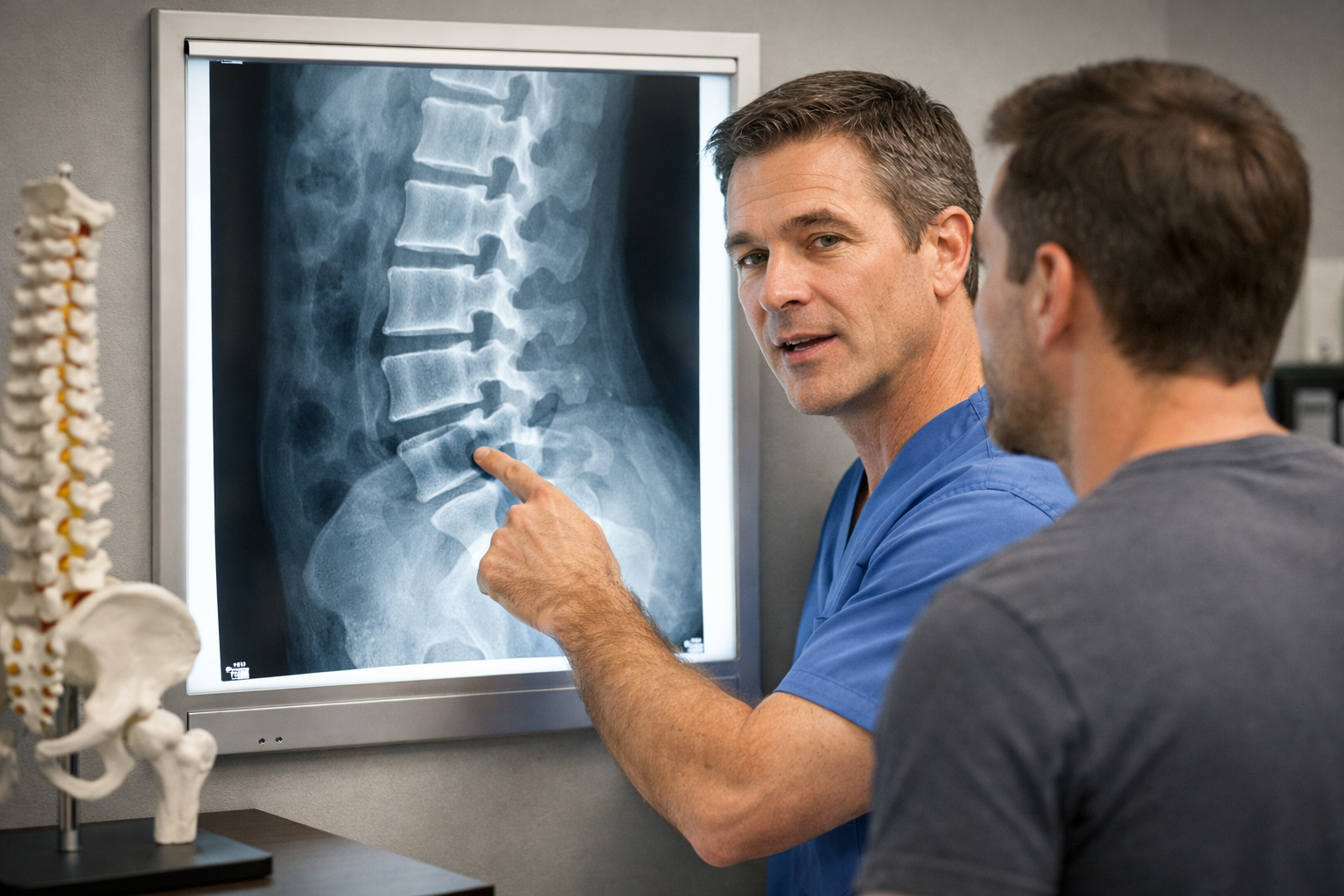
When a lumbar disc herniation strikes — that sharp, debilitating pain that shoots from your lower back into your leg — it can stop this lifestyle in its tracks. A disc herniation occurs when the gel-like interior (nucleus pulposus) of one of your spinal discs pushes through a tear in the disc’s outer wall (annulus fibrosus), compressing a nearby nerve root. The result is often sciatica: burning, radiating pain that can make sitting, bending, and even walking feel impossible.
At Trinity Rehab in Flemington, we specialize in personalized, one-on-one physical therapy that addresses the specific mechanics of your herniation and gets you back to the Hunterdon County life you value — without surgery or long-term reliance on pain medications.
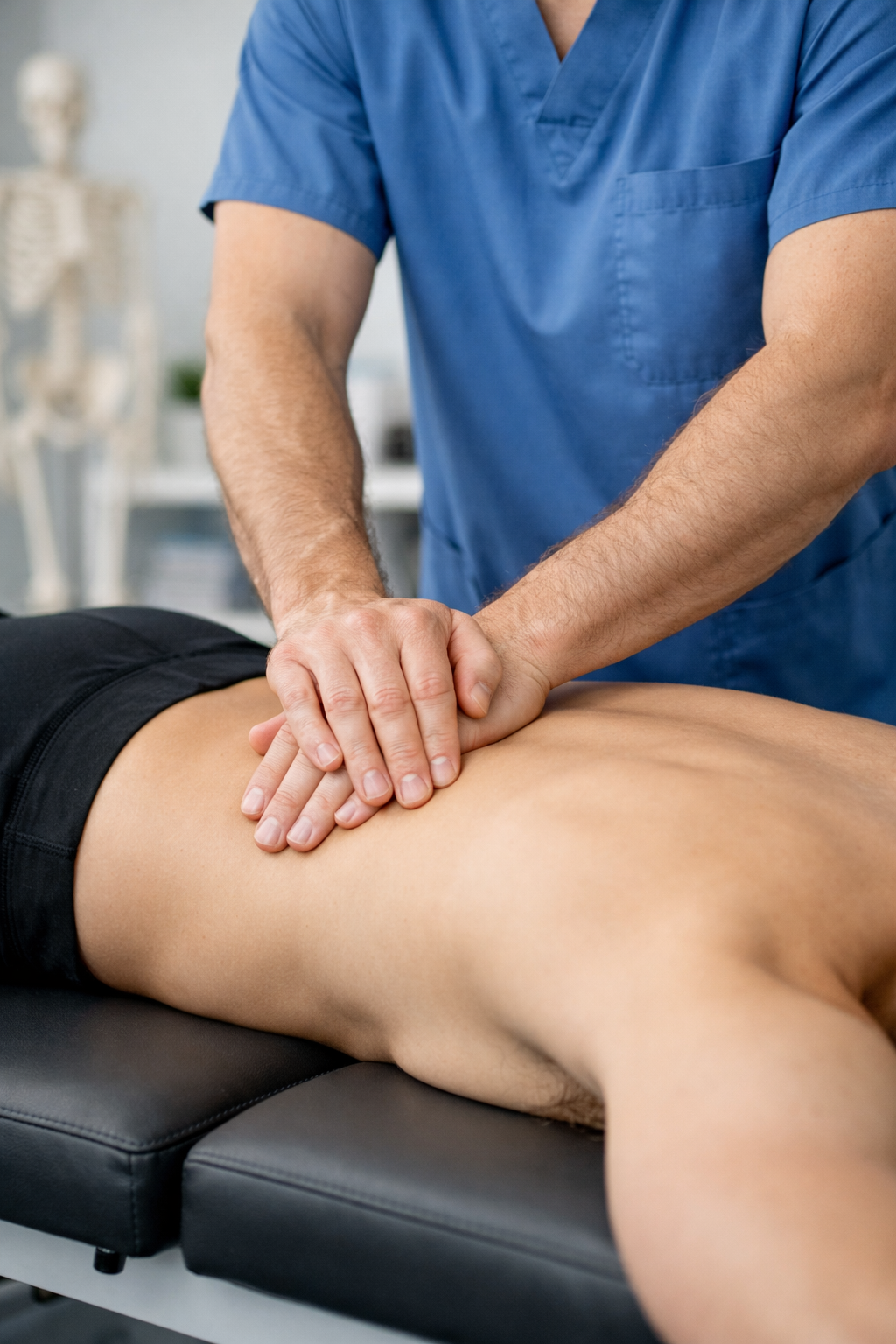
WHY GETTING TREATED EARLY MATTERS IN FLEMINGTON
Flemington’s commuter population faces a double challenge. The daily drive to offices along Routes 202 and 78 — or the longer trek into New York City — means hours of sitting that elevate intradiscal pressure. Then, on evenings and weekends, these same residents shift to the physically demanding activities that come with living in a semi-rural area: splitting firewood, clearing trails, hauling equipment for youth sports, or hiking the Cushetunk Mountain Nature Preserve.
Untreated lumbar disc herniations escalate. What starts as occasional back pain can progress to:
- Chronic radiculopathy — persistent nerve damage causing leg weakness and numbness
- Declining ability to work, exercise, or maintain your property
- Growing dependence on pain medication
- Disrupted sleep and reduced quality of life
The evidence supports early action. StatPearls (NCBI) reports that 85 to 90 percent of acute lumbar disc herniations resolve without surgery. Deutsches Ärzteblatt International confirms that 60 to 80 percent of patients experience significant relief within 6 to 12 weeks of conservative treatment. Starting physical therapy early gives you the best opportunity for a complete, lasting recovery.
WHAT CAUSES DISC HERNIATIONS IN FLEMINGTON AND SURROUNDING AREAS
- Rural property maintenance — Flemington and Raritan Township properties often include acreage that demands heavy outdoor work: splitting wood, hauling stone, mowing large lawns, gardening, and clearing brush. Repetitive bending and lifting with poor form is a primary disc herniation trigger.
- Long commutes — Whether you drive Route 202 to Bridgewater or take I-78 toward the city, the daily commute means prolonged sitting that increases lumbar disc pressure by up to 40 percent compared to standing.
- Sports and recreation — Hunterdon Central Red Devils field hockey, lacrosse, football, and volleyball involve high-intensity rotational and impact forces. Adult leagues at Flemington Tennis Club, hockey at Flemington Ice Arena, and rounds at Heron Glen Golf Course add risk through repetitive trunk rotation and sudden movements.
- Hiking and trail sports — The Columbia Trail, Cushetunk Mountain, Deer Path Park, and Hunterdon County’s trail network attract hikers and mountain bikers who encounter uneven terrain, steep inclines, and the need to twist and balance — all stressors for degenerating discs.
- Agricultural work — The surrounding farmland still employs workers in physically demanding roles. Work injuries involving lifting, bending, and operating equipment are common causes of disc herniation.
- Age-related degeneration — Spinal discs begin losing hydration in your 30s. Raritan Township’s median age of 42 places much of the population in the peak herniation window.
- Genetic predisposition — Some individuals inherit thinner or weaker disc structures that make herniation more likely even with moderate activity.
RECOGNIZING DISC HERNIATION SYMPTOMS
- Shooting or burning pain from the low back into the buttock, thigh, calf, or foot
- Numbness or tingling that follows a specific nerve path in the leg
- Leg weakness — difficulty with the uphill stretches on the Columbia Trail or climbing stairs
- Pain that intensifies with sitting, forward bending, coughing, or sneezing
- Morning stiffness in the lower back that loosens with gentle movement
- Relief when lying flat or taking a short walk
Not every herniated disc produces symptoms. Your physical therapist uses your functional limitations and movement patterns — not MRI alone — to guide your treatment plan.
HOW TRINITY REHAB FLEMINGTON TREATS HERNIATED DISCS
Every session at Trinity Rehab is one-on-one with a licensed physical therapist. Your recovery progresses through three structured phases that take you from acute pain to confident return to the Hunterdon County activities you value.
PHASE 1: PAIN REDUCTION AND NERVE CALMING
The immediate goal is reducing your pain and protecting the irritated nerve root:
- Directional preference exercises (McKenzie Method) — Your therapist identifies specific repeated movements — typically extension-based — that encourage the herniated disc material to migrate away from the compressed nerve, centralizing your pain. You learn a self-treatment sequence you can use at home, during a break from property work, or at the Flemington Junction office.
- Manual therapy — Hands-on joint mobilization and soft tissue work release the protective muscle guarding that locks your spine in painful positions. Spinal manipulation may be incorporated to restore segmental mobility. Flemington patients who arrive barely able to bend or stand straight often notice meaningful improvement within the first few visits.
- Neural mobilization — Gentle sciatic nerve gliding exercises restore the nerve’s ability to slide freely through surrounding tissue, reducing the radiating leg pain and numbness that many Hunterdon County patients find most debilitating — particularly on the uphill sections of the Columbia Trail or the stairs in their homes.
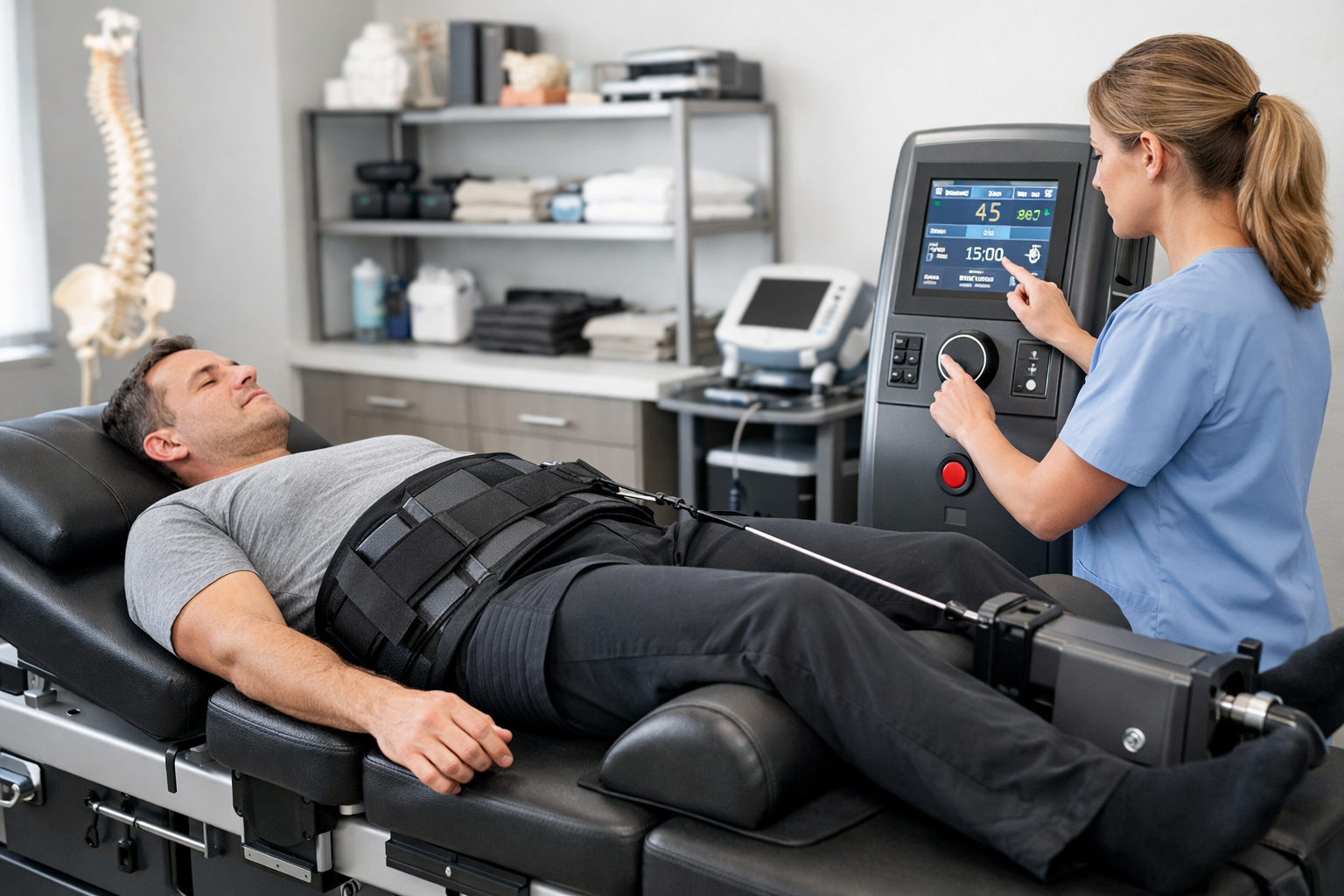
- Pain-relief modalities — Ice, heat, TENS (transcutaneous electrical nerve stimulation), and mechanical traction are used as needed to manage inflammation and provide comfort during the acute phase. Traction gently separates vertebral segments, creating space that reduces disc pressure.
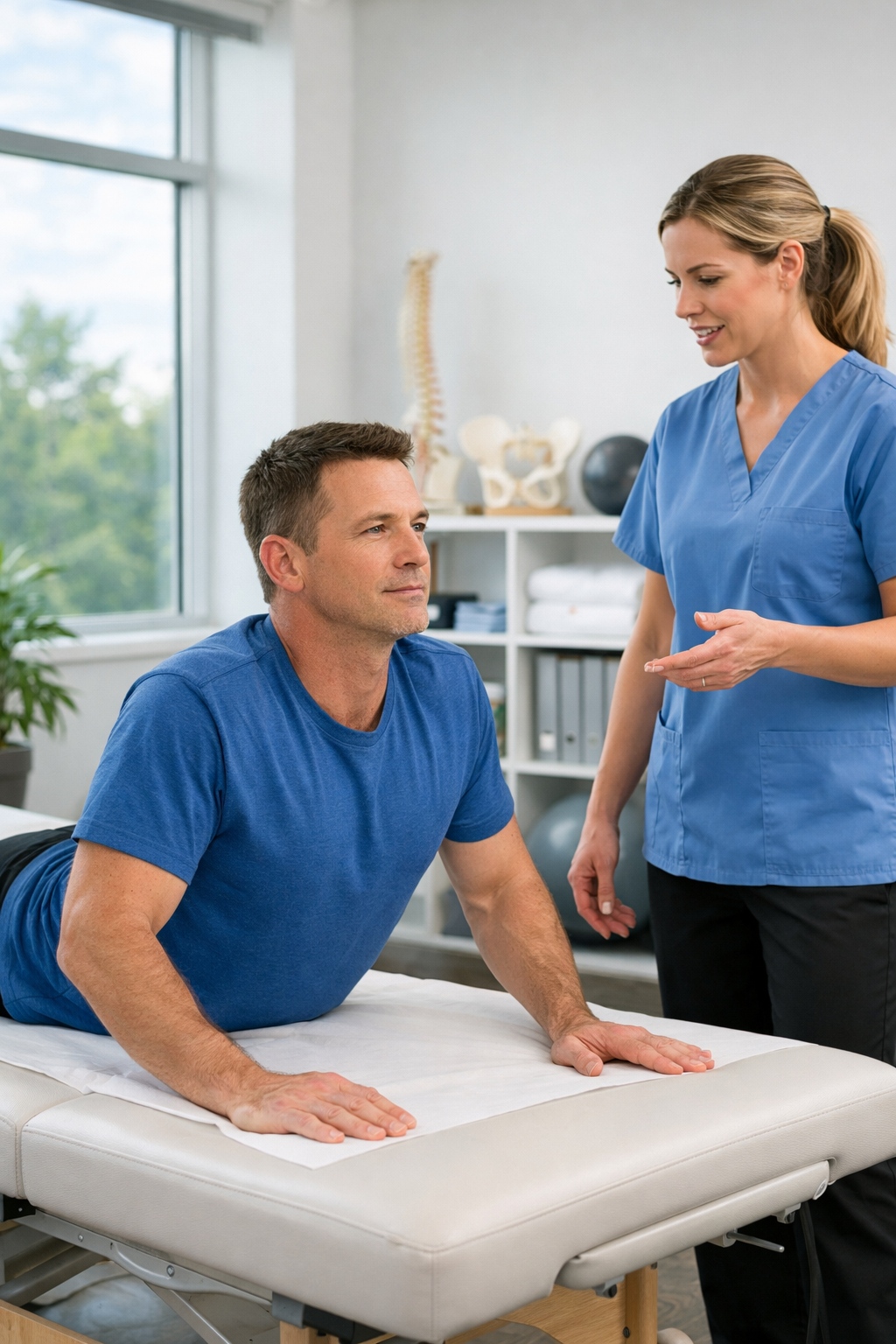
PHASE 2: CORE STABILIZATION AND PROGRESSIVE STRENGTHENING
As your pain subsides, the focus shifts to rebuilding the muscular support system your spine depends on:
- Deep core activation — Targeted exercises for the transverse abdominis, multifidus, and pelvic floor restore the segmental stability that protects your lumbar discs from re-injury. These muscles form the internal brace your spine needs during every lift, bend, and twist — whether you are hauling firewood, tending a garden, or swinging at Heron Glen.
- Hip and gluteal strengthening — Hunterdon County living demands strong hips. Trail hiking on the Columbia Trail, maintaining rural properties, playing hockey at Flemington Ice Arena, and carrying equipment to youth sports all require hip extensors and abductors that many patients have allowed to weaken. Strengthening these muscles protects your discs by redirecting forces away from the lumbar spine.
- Progressive functional challenges — Starting with controlled holds (planks, bird-dogs) and advancing to dynamic movements that mirror your real activities — hoisting stone for a garden wall, bending to plant rows, swinging a golf club, or carrying gear down Cushetunk Mountain trails.
- Flexibility and mobility training — Targeted stretching of hamstrings, hip flexors, and the piriformis corrects pelvic alignment and reduces the compressive forces that contribute to disc irritation. This is especially important for commuters who spend hours sitting on Routes 202 and 78.
PHASE 3: RETURNING TO HUNTERDON COUNTY LIFE
The final phase ensures your recovery translates to the real physical demands of your lifestyle:
- Functional movement training — Your therapist coaches proper lifting mechanics, bending patterns, and posture corrections tailored to your specific routine. Property owners learn safe techniques for heavy outdoor work. Commuters practice ergonomic strategies for the car. Healthcare workers from Hunterdon Medical Center receive lifting and transfer training.
- Sport-specific rehabilitation — Golfers at Heron Glen receive rotational stability drills. Hockey players at Flemington Ice Arena work on impact resistance. Tennis Club members practice lateral movement control. Red Devils athletes follow return-to-play protocols designed for their specific sport.
- Dry needling — Thin filament needles release persistent trigger points in the lumbar paraspinals, piriformis, and gluteal muscles — the deep tension that builds from years of physical labor, trail sports, and athletic competition. Dry needling improves muscle activation and enhances your response to strengthening exercises.
- EPAT / Shockwave Therapy — For chronic herniations that have plateaued, Extracorporeal Pulse Activation Technology stimulates tissue repair and increases blood flow to the injured area, breaking through recovery stalls.
- Home exercise program — You receive a customized maintenance plan tailored to the activities and demands of your Hunterdon County lifestyle, ensuring your gains continue long after your final session.
PREVENTING RECURRENCE: LIFE IN HUNTERDON COUNTY
- Keep training your core — At least three times per week. River Crossing YMCA, Flemington Tennis Club’s fitness area, or a home routine all work.
- Lift properly on your property — Bend at hips and knees, keep loads close, and avoid twisting while carrying. Use a wheelbarrow for heavy loads instead of carrying them.
- Break up the commute — A lumbar cushion and regular standing breaks protect your spine during the Route 202 or I-78 drive.
- Hike smart — Use trekking poles on uneven trails like Cushetunk Mountain, warm up before hitting the Columbia Trail, and avoid carrying an overloaded backpack.
- Maintain a healthy weight — Excess abdominal weight adds compressive force to the lumbar spine.
- Stay active through the seasons — Walk, swim, cycle, or cross-country ski. Regular movement keeps discs hydrated and muscles conditioned.
WHY FLEMINGTON RESIDENTS CHOOSE TRINITY REHAB
- One-on-one care, every visit — You spend your entire session with a licensed physical therapist.
- Evidence-based treatment — McKenzie Method, manual therapy, neural mobilization, dry needling, and EPAT — chosen based on clinical evidence and your individual response.
- Hunterdon County convenience — Our Flemington clinic serves the borough, Raritan Township, Readington, Clinton, and the surrounding region.
- Insurance-friendly — We work with most major carriers and provide transparent cost information.
- Rural-active expertise — We understand the physical demands of Hunterdon County living — from trail sports to property maintenance to agricultural work — and we build your treatment around them.
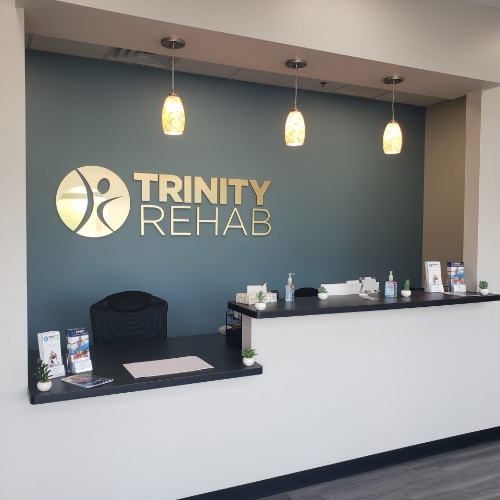
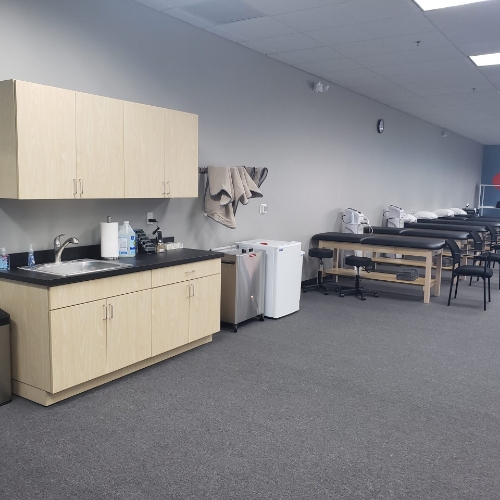
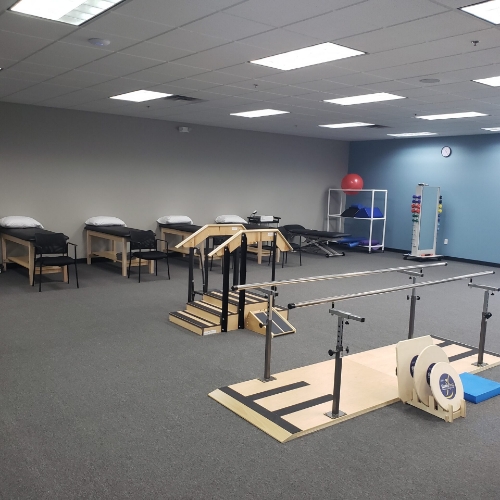
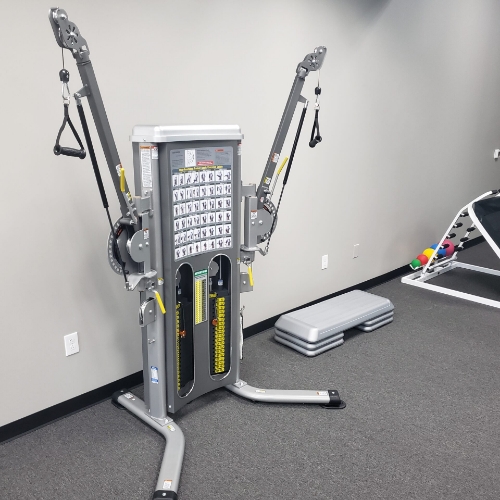
INSIDE OUR FLEMINGTON CLINIC
RELATED CONDITIONS & TREATMENTS
Lumbar disc herniation is just one of the many conditions we treat at Trinity Rehab Flemington. Explore our full range of conditions we treat or learn more about specific treatment approaches:
Flemington Disc Rehab For Back Pain, Leg Symptoms, And Daily Movement
Lumbar disc symptoms can interrupt sitting, driving, lifting, sleep, work, and exercise. Flemington rehab should connect the diagnosis to the positions and movements that actually trigger your symptoms.
Your therapist may assess lumbar mobility, nerve-related symptoms, hip strength, gait, lifting mechanics, sitting tolerance, and warning signs that require medical care before therapy continues.
Patients with related symptoms may also need sciatica treatment, back pain physical therapy, or the Flemington physical therapy clinic page.
FREQUENTLY ASKED QUESTIONS
Flemington Disc Rehab For Back Pain, Leg Symptoms, And Daily Movement
Lumbar disc symptoms can interrupt sitting, driving, lifting, sleep, work, and exercise. Flemington rehab should connect the diagnosis to the positions and movements that actually trigger your symptoms.
Your therapist may assess lumbar mobility, nerve-related symptoms, hip strength, gait, lifting mechanics, sitting tolerance, and warning signs that require medical care before therapy continues.
Patients with related symptoms may also need sciatica treatment, back pain physical therapy, or the Flemington physical therapy clinic page.
Is surgery necessary for a lumbar disc herniation?
How long will it take to recover?
Can I still hike the Columbia Trail during treatment?
What makes Trinity Rehab different from other clinics?
Do I need a referral?
GETTING BACK TO HUNTERDON COUNTY LIFE
A lumbar disc herniation does not have to take away the lifestyle you have built in Flemington — the morning hikes, the weekend property projects, the Red Devils games, the rounds at Heron Glen. With personalized physical therapy at Trinity Rehab, recovery is not just possible — it is the most likely outcome.
YOUR NEXT STEPS
- Request an appointment at Trinity Rehab Flemington — walk-ins welcome, or schedule online.
- Complete your one-on-one evaluation — your therapist assesses your pain, movement patterns, and goals.
- Begin your treatment plan — most patients feel improvement within the first few sessions.
No referral needed in New Jersey. Contact Trinity Rehab Flemington today.
Sources:
What Our Patients Say



Sign up for free health tips and tricks