
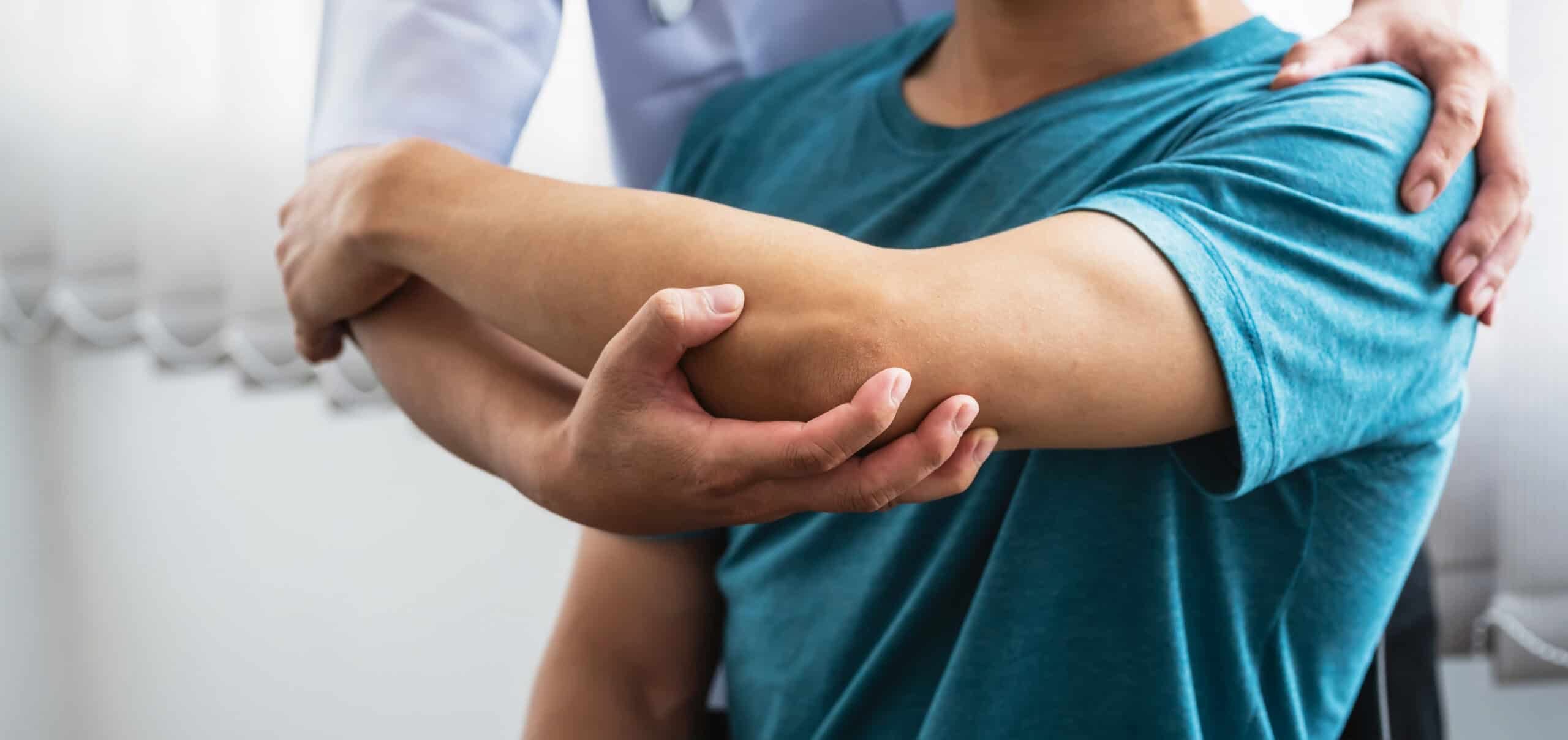
Golfer’s Elbow Treatment in Flemington, NJ | Trinity Rehab
A Historic Rural-Suburban Community Where Tradition Meets Active Living
Flemington is a charming historic borough in Hunterdon County with roots stretching back to early American history. The courthouse and traditional main street reflect small-town character, while residents enjoy a rural-suburban lifestyle with significant recreational opportunity and outdoor access. Hunterdon Central High School (home of the Red Devils) represents strong community athletics and academics. Beaver Brook Country Club and Heron Glen Golf Course reflect Flemington’s appeal to golfers and outdoor enthusiasts.
Hunterdon Healthcare employs a significant portion of the community, while other residents work in agriculture, small business, skilled trades, and professional services throughout the county. Many commute to jobs in New Jersey’s pharmaceutical corridor or to Princeton and New York. Others have built lives in Flemington precisely because of its quieter pace and outdoor access—people who value recreation, time in nature, and the slower lifestyle that rural-suburban living offers.
But even in picturesque Flemington, repetitive stress injuries emerge. Whether you’re a healthcare professional, a tradesperson, a farmer, a business owner, or someone juggling work and recreational pursuits, your arms and elbows face constant demands. That’s when golfer’s elbow—medial epicondylitis—can strike, transforming your ability to enjoy the outdoor recreation and recreational opportunities that draw people to Flemington in the first place.
Understanding Golfer’s Elbow: The Anatomy and Development
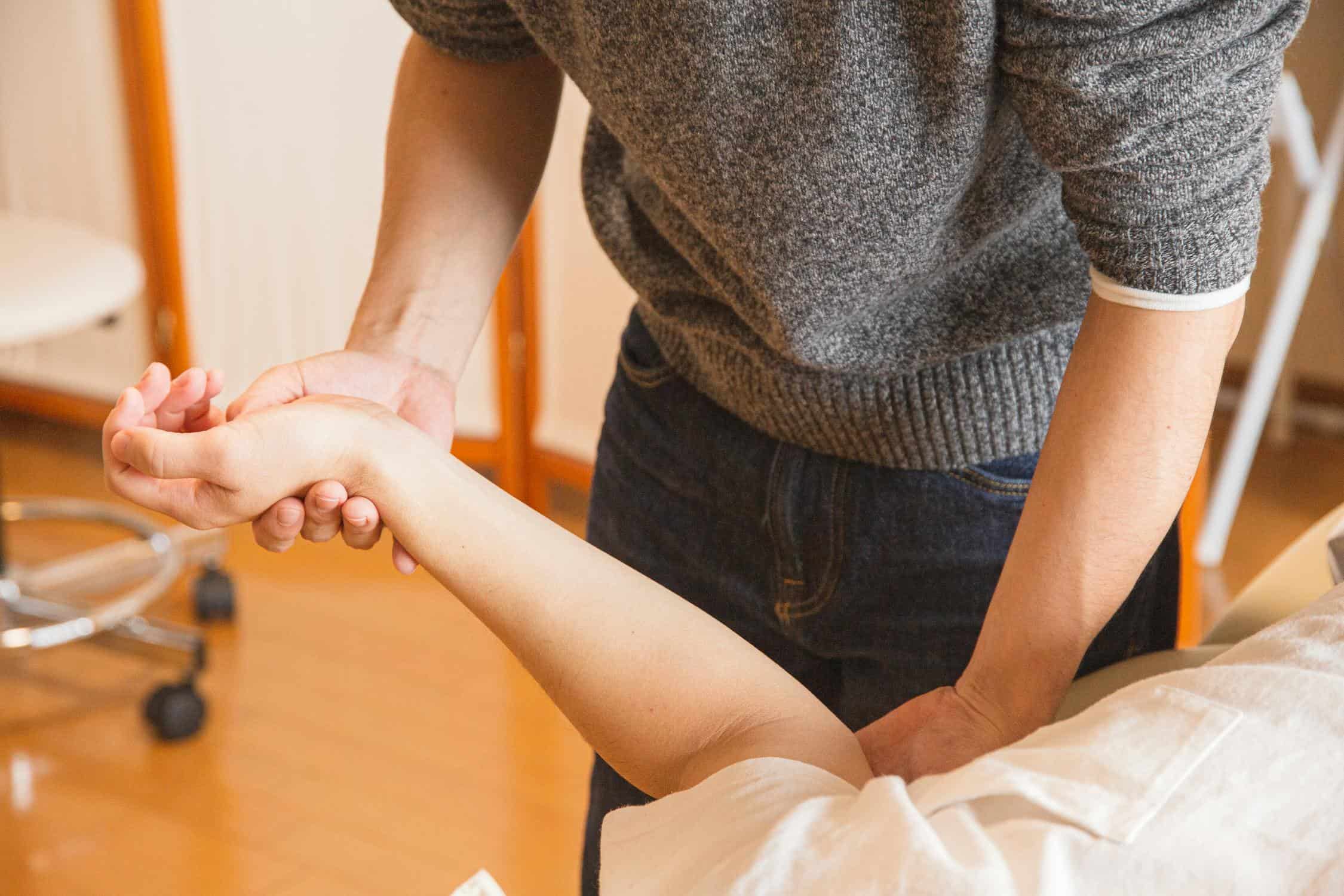
Golfer’s elbow is an overuse injury affecting the flexor-pronator muscle group on the inner side of your elbow. These muscles attach to the medial epicondyle, a bony bump on the inside of your elbow. When you grip, flex your wrist, rotate your forearm, or perform any gripping or flexing motion, these muscles work. In Flemington’s agricultural and skilled-trades culture, these muscles face relentless demands.
The injury develops gradually. Repetitive stress causes microscopic tears in tendon fibers. Your body responds with inflammation and attempts healing. But if the stress continues without adequate recovery—common in physically demanding jobs and recreational pursuits—inflammation persists. More tears accumulate. Scar tissue develops. Minor irritation becomes chronic pain that won’t go away.
The hallmark symptoms include:
- Pain on the inner side of your elbow, worsening with gripping, bending your wrist, or rotating your forearm
- Decreased grip strength, making work and hobbies feel exhausting and difficult
- Morning stiffness in your forearm that gradually improves through the day
- Tenderness when you press directly on the inner bump of your elbow
- Radiating discomfort that may travel down your forearm toward your pinky
- Numbness or tingling in your ring and pinky fingers (if nerve involvement develops)
For Flemington farmers and tradspeople, the pain often emerges after a full day of work. For healthcare professionals at Hunterdon Healthcare, it appears after shifts of patient care. For golfers, it shows up during your swing. By the time you seek help, the injury has likely been developing for weeks.
Who’s at High Risk in Flemington: Farmers, Tradespeople, Healthcare Workers, and Golfers
Flemington’s unique economic and lifestyle profile creates specific vulnerability to golfer’s elbow. The region has significant agricultural operations. Farmers and agricultural workers perform repetitive motions—gripping tools, hauling equipment, performing maintenance and repairs—thousands of times daily. The seasonal intensity of agricultural work means extended periods of physical demand followed by off-season recovery. When you return to seasonal work, you often do so without adequate conditioning, stressing unprepared tendons.
Skilled trades are central to Flemington’s economy. Electricians, plumbers, carpenters, HVAC technicians, and other tradespeople work on jobs throughout the county and region. Their work combines sustained gripping (wrenches, hammers, drills) with awkward positions and heavy lifting. The physical demands are relentless, and many tradespeople work through pain rather than seeking help.
Hunterdon Healthcare employs nurses, physical therapists, occupational therapists, laboratory technicians, and administrative staff. Healthcare work combines static postures (charting, standing) with sudden demands (patient transfers, precise procedures). The understaffed nature of healthcare means adequate breaks are rare and recovery time is limited.
Business owners and entrepreneurs who chose Flemington for its lifestyle are often working hard-building enterprises. That frequently means long hours, limited breaks, and constant stress. Whether you own a retail business, run a professional practice, or manage a service operation, the demands accumulate stress in your forearms and elbows.
Many Flemington residents are professionals who commute to jobs elsewhere but chose to live here for the lifestyle and outdoor access. These commuters often work intense jobs, then engage in recreational activities (golfing at Beaver Brook or Heron Glen, hiking, home projects) to manage stress and stay active.
Golfers at Beaver Brook Country Club and Heron Glen Golf Course represent a significant risk group. Flemington’s outdoor culture attracts serious recreational golfers. Many play multiple times weekly and practice to improve their games. The volume of golf-specific repetitive motion creates ideal conditions for tendon overuse.
Age is relevant. Flemington has many residents in their 50s, 60s, and beyond who are active and outdoors-focused. They’re farming, hiking, golfing, gardening, and engaging in renovation projects. Aging tendons recover more slowly, making these residents more vulnerable despite their enthusiasm for activity.
Finally, home improvement and property maintenance are significant in the rural-suburban setting. Many Flemington residents maintain acreage, engage in landscaping, and pursue renovation projects. These activities, especially done intensively, create accumulated stress on tendons already stressed by work.
How Trinity Rehab in Flemington Treats Golfer’s Elbow
When you come to Trinity Rehab for golfer’s elbow treatment, we understand the specific context of Flemington life. Are you a farmer or agricultural worker? A tradesperson? A healthcare professional? A golfer? A business owner juggling work and recreation? Your situation shapes your treatment plan.
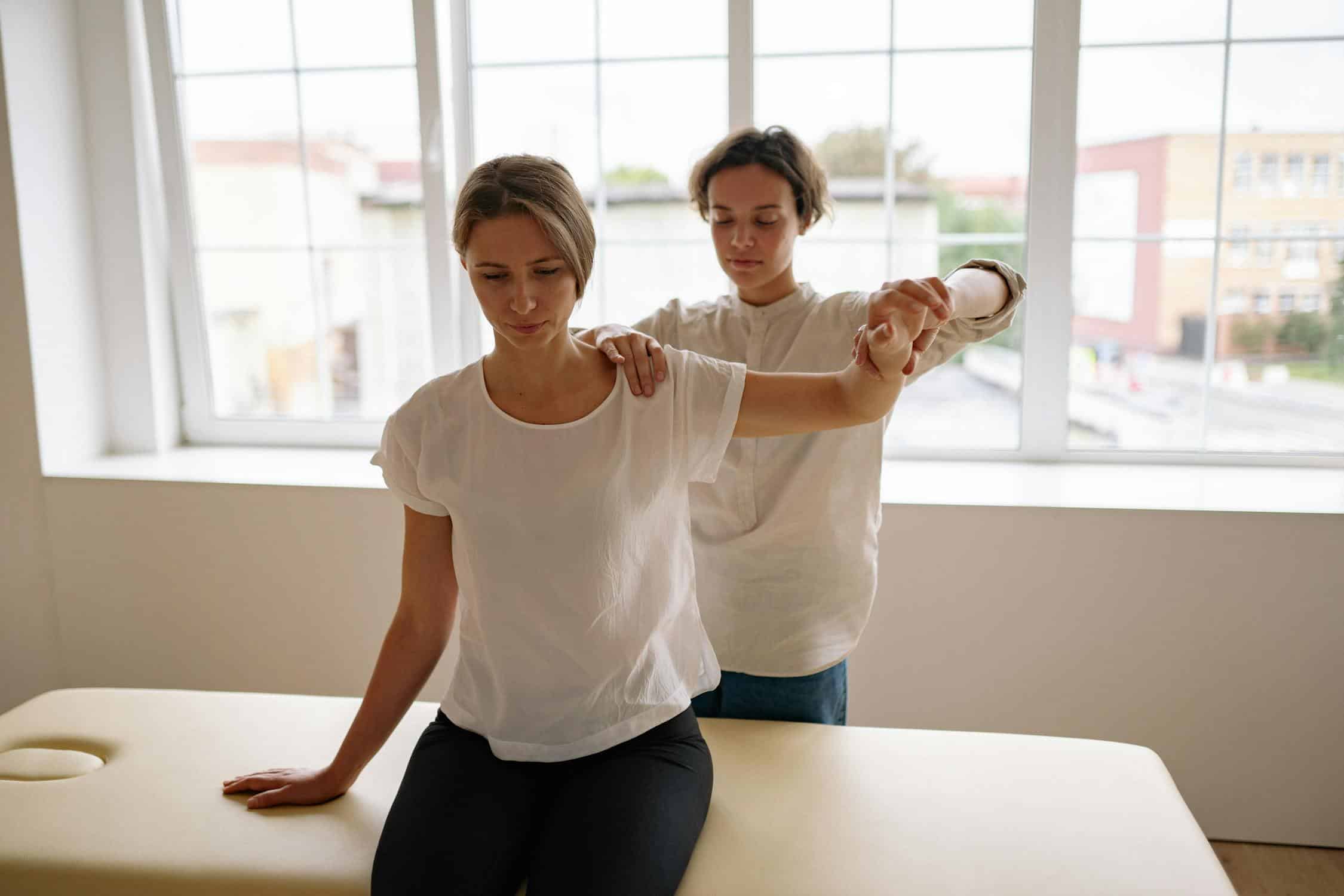
We begin with a thorough evaluation. We assess your range of motion, grip strength, pain patterns, and movement mechanics. We understand the specific demands of your work and recreational pursuits. We perform tests to identify which motions trigger pain and whether nerve involvement has developed. We ask detailed questions about your profession, activities, and what matters most to you.
From there, we develop a personalized three-phase treatment plan:
Phase 1: Reduce Pain and Protect the Tendon (Weeks 1–2) — Initial treatment protects the injured tendon and reduces inflammation. Ice therapy, activity modification, ergonomic adjustments for your workspace or activities, and possible bracing help. Manual therapy techniques—soft tissue mobilization, muscle energy methods, and joint mobilization—reduce tension in your forearm. Gentle range-of-motion exercises maintain mobility without aggravating the tendon. If your work involves repetitive gripping or lifting, we help you modify tasks to prevent ongoing damage.
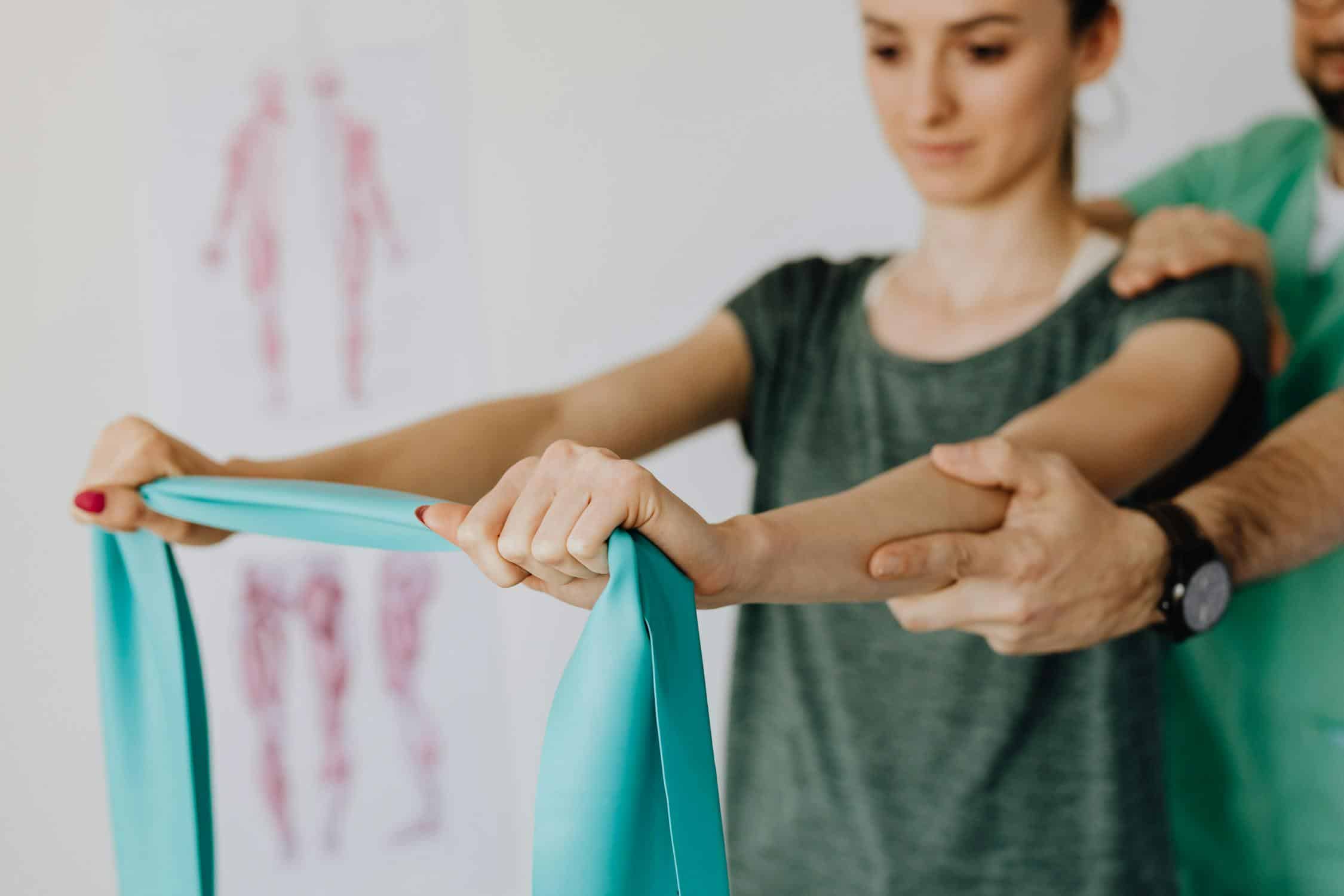
Phase 2: Progressive Strengthening (Weeks 3–6) — As inflammation decreases, we introduce controlled resistance exercises targeting the flexor and pronator muscles. These exercises progress gradually in intensity. For farmers and tradspeople, we replicate the gripping and lifting demands of your work in a controlled setting. For healthcare workers, we address patient-care specific movements. For golfers, we incorporate swing mechanics and golf-specific training. Dry needling may be added to address scar tissue and muscle trigger points. Manual therapy continues as needed.
Phase 3: Return to Full Activity (Weeks 6–8 and Beyond) — We progressively increase activity demands. Farmers and tradespeople resume full work capacity. Healthcare workers handle normal shifts. Golfers return to unrestricted play. Your forearms can handle the demands of your life.
EPAT is available for cases that don’t respond fully to conventional treatment. This advanced therapy uses acoustic waves to stimulate healing in resistant tendons. Many Flemington patients with chronic golfer’s elbow have found significant relief through EPAT.
What Your Treatment Experience Looks Like
Trinity Rehab provides one-on-one physical therapy. Your sessions are 45–60 minutes with a licensed physical therapist focused entirely on your care.
Your first visit is comprehensive. We assess your movement, test your strength and pain, and take a detailed history about your work and activities. We explain the anatomy of your injury and why you’re experiencing your symptoms.
Subsequent sessions follow this progression:
- Manual therapy: Hands-on techniques that reduce pain and improve mobility
- Active-assisted exercises: Guided movements that safely rebuild strength
- Resistance training: Progressive strengthening with resistance bands, weights, or functional movements
- Functional training: Work or activity-specific movements that prepare you for real-world demands
- Home exercise program: Customized exercises you perform between visits to accelerate healing
Most patients see meaningful improvement within 3–4 weeks and return to full activity within 6–8 weeks. Your timeline depends on injury severity, your age, and how consistently you follow your home program.
Prevention Strategies for Flemington Residents
Prevention is far easier than treating golfer’s elbow. Here’s how to protect your elbows:
For Farmers and Agricultural Workers:
- Use ergonomic tools with padded handles. Quality tools reduce strain and impact on your tendons.
- Take frequent breaks. Even during busy seasonal periods, stepping back every 45 minutes lets your forearms recover.
- Rotate tasks when possible. Varying your activities prevents any single muscle group from bearing excessive load.
- Strengthen your forearms and core proactively. Wrist curls, reverse wrist curls, and farmer’s carries build muscular endurance.
- Condition yourself before intense seasonal work. Pre-season strengthening prepares your tendons for the demands ahead.
For Tradespersons:
- Invest in quality, ergonomic tools with padded handles. Good tools significantly reduce strain.
- Take regular breaks throughout your workday. Your hands and forearms need rest.
- Lift and carry properly. Use your legs and core, not just your arms. Keep loads close to your body.
- Strengthen your forearms and core. Daily exercises build the muscular endurance that prevents injury.
- Use proper technique. Poor mechanics during gripping, lifting, or tool use accelerates tendon wear.
For Healthcare Professionals at Hunterdon Healthcare:
- Use proper body mechanics when transferring or handling patients. Let your legs and core do the work.
- Take frequent breaks between patient interactions. Your hands and forearms need rest.
- Strengthen your core and shoulder muscles. A strong core reduces reliance on arm strength.
- Maintain proper posture during charting. Slouching increases forearm tension.
- Perform preventive stretching. Daily forearm stretches maintain flexibility.
For Golfers at Beaver Brook and Heron Glen:
- Warm up properly before every round and practice session. Ten minutes of arm circles, wrist movements, and light swings prepare your muscles.
- Invest in instruction if possible. PGA lessons can identify and correct mechanics that overload your forearms.
- Practice progressively. Don’t suddenly increase your swing volume. Build up gradually over weeks.
- Strengthen your core and rotational muscles. A strong core reduces the load on your arms.
- Ensure your equipment fits you. Clubs and grips should match your hand size and specifications.
For Everyone in Flemington:
- Perform daily forearm stretching. Spend 5 minutes daily stretching your flexor and pronator muscles.
- Maintain proper posture throughout your day. Poor positioning accumulates strain.
- Progress gradually with new activities. Don’t suddenly increase intensity or volume.
- Ice after intense activity. 15 minutes of ice reduces inflammation after demanding days.
- Listen to early warning signs. Mild discomfort is your body signaling that something needs to change. Address it early.
Related Conditions & Treatments
Golfer’s elbow often accompanies or overlaps with other conditions. Trinity Rehab treats a wide range of musculoskeletal conditions:
Related Elbow Care At This Location
Elbow pain patterns can overlap depending on grip, lifting, racquet sports, work tasks, and tendon load. A related same-location page is:
Frequently Asked Questions About Golfer’s Elbow
I work as a farmer and my season is intense. Can I continue working while recovering?
I'm a tradesperson and my job demands constant gripping and lifting. Will physical therapy help?
How long does recovery take?
What makes golfer's elbow different from tennis elbow?
Can I golf again after golfer's elbow?
Return to Work, Recreation, and the Flemington Lifestyle
Whether you’re a farmer, tradesperson, healthcare professional, or golfer, golfer’s elbow doesn’t have to derail your Flemington lifestyle. With proper physical therapy and expert guidance, you can recover fully and return to the work and recreation you love.
Trinity Rehab’s Flemington location is staffed by physical therapists who understand the unique demands of living and working in Hunterdon County. We provide one-on-one care tailored to your specific goals and lifestyle.
Stop letting elbow pain limit your potential. Contact Trinity Rehab in Flemington today to schedule your initial evaluation. Let’s get you back to work and recreation without pain.
Trinity Rehab | Flemington, NJ Location Expert Physical Therapy for Golfer’s Elbow | Professional One-on-One Care Schedule your free consultation and begin your path to pain-free movement and strength.
Visit Trinity Rehab in Flemington
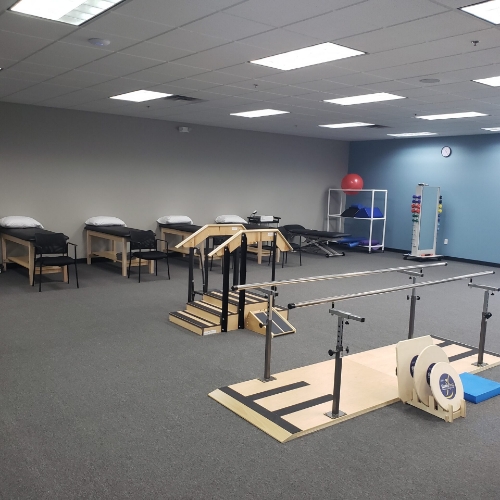
Our Flemington clinic is conveniently located at 276 US-202, Flemington, NJ 08822. Call us at (908) 751-9010 to schedule your golfer’s elbow evaluation today.