
The Difference Between Back Pain and Sciatica
Have you been told your persistent lower back pain is really sciatica? Did you know specific signs and symptoms can clarify what condition you’re dealing with? Far too often, these terms are used interchangeably or, worse yet, inaccurately. Fortunately, at Trinity Rehab, our skilled physical therapists can clear it up for you and set you on the right path to relief!
Back pain and sciatica can be confusing and even intimidating, especially when you’re not sure what’s causing your discomfort. Whether from a car accident, lifting something heavy, or seemingly out of nowhere, both back pain and sciatica seem to have similar causes and even share some symptoms.
That’s where physical therapy comes in. Physical therapy is highly effective for both conditions. It helps reduce pain, improves mobility, and, most importantly, tackles the underlying issues to prevent future discomfort. With a tailored treatment plan, you can get back to doing what you love, pain-free.
Understanding the Difference Between Back Pain and Sciatica
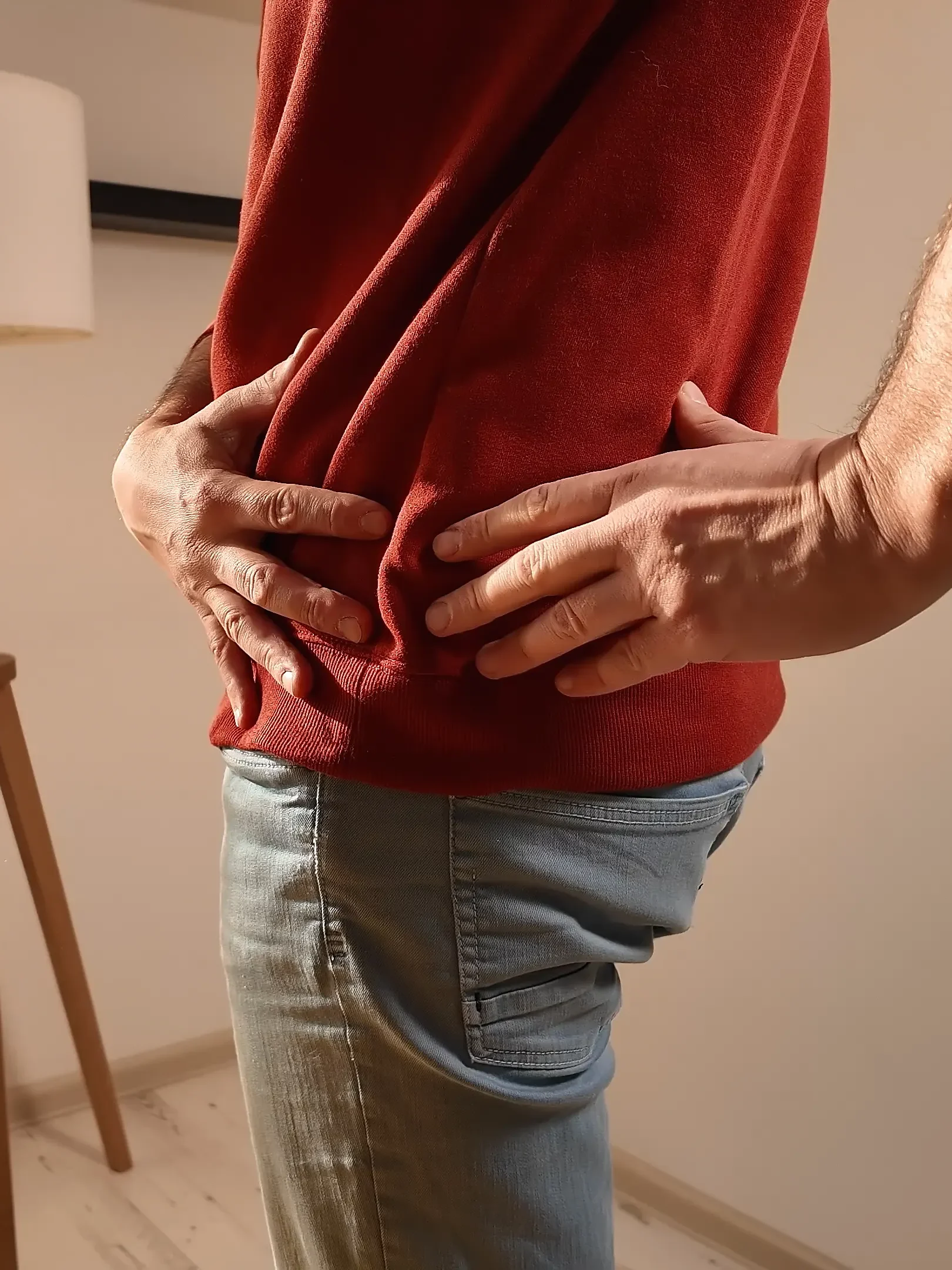
Back pain and sciatica are sometimes used interchangeably, but they’re not the same. Lower back pain is generally localized, affecting the lumbar region of the spine. It can arise from muscle strains, herniated discs, or prolonged poor posture.
Sciatica, on the other hand, is more specific and involves pain that travels along the sciatic nerve. This nerve starts in the lower back and runs through the hips and buttocks down to each leg. The pain you feel could be shooting, burning, or even tingling, and it usually affects just one side of your body. To be a “true” sciatica,” nerve symptoms must be felt in the leg (specifically below the knee).
Common Causes of Back Pain and Sciatica
- Lower Back Pain: In most cases, lower back pain is caused by factors such as muscle strain, herniated discs, degenerative disc disease, arthritis, and other conditions.
- Sciatica: Most commonly caused by a herniated disc, bone spur where the nerve exits the spine, or narrowing of the spine (spinal stenosis) compressing part of the nerve.
Classic Symptoms of Back Pain and Sciatica
- Lower Back Pain: May include stiffness, muscle spasms, and difficulty in moving.
- Sciatica: Must consist of symptoms along the nerve root in the leg and typically include numbness, tingling, or muscle weakness in the affected leg or foot, in addition to pain.
It’s crucial to know the difference between the two because the treatment approaches differ. For example, sciatica might require attention to nerve compression issues, while lower back pain could be more muscle-related.
So, if you’re tired of enduring persistent pain, take action and call to schedule an appointment with our spine experts. Let us help you understand your condition and guide you toward effective relief.
Patient Success Story
“I was in some of the worst pain of my 55 years of age. I wanted to tell whoever is listening, Trinity Rehab is a great place to get healthy again. The staff is very knowledgeable and listens to everything you say. A great place to get back on your feet again. I highly recommend this group of professionals. Come and find out how to move forward with your stubborn body pain and get back to life. I’m an electrician for a large company and I’m on disability for lower back pain. Trinity handled the workman’s comp hoops like just another day. I still have some pain that is lingering, but I’m getting better every day I go. I wouldn’t be walking around without Trinity Rehab!” – S.F.
Exercise Of The Month
Bridging
Begin on your back. Bend your knees and keep your back flat on the ground. Gently, contract your abdominals and hold to keep your back flat as you move up into the bridge position. Remember to breathe. Gently, squeeze your butt muscles and lift your hips off the ground. The goal is to have your hips aligned with your knees and shoulders. Hold for 5 seconds. 3 Sets, 10 Reps.
Our Approach to Assessment and Treatment at Trinity Rehab
If you are experiencing back pain or sciatica, it’s time to take action. Working with our experienced therapists can help you understand what you are dealing with and, most importantly, how to resolve it once and for all!
Whether you come to our clinic with lower back pain or sciatica, we will perform a thorough physical examination and medical history to provide you with solutions that work based on the findings.
Education
Manual Therapy
Targeted Exercises
Your well-being is our top priority.
At Trinity Rehab, we offer a proven approach to back pain and sciatica. Don’t let pain hold you back any longer. Call today and take the first step toward a pain-free life.
The Power of a Strong Core in Alleviating Sciatica
If you’ve ever felt shooting pain from your lower back down to your leg, you’re familiar with the discomfort of sciatica. It’s more than just a pain; it can disrupt your entire life. One effective but often overlooked approach to manage and potentially reduce this nagging issue is strengthening your core muscles. At Trinity Rehab, we’re experts in guiding you through core-focused exercises to find much-needed relief.
Why a Strong Core Matters
A strong core is not just about having “abs”; it includes muscles in your back, pelvis, hips, and even your buttocks. When these muscles are in tip-top shape, they help keep everything in the proper position and working correctly, minimizing the stress on the sciatic nerve and helping you feel less pain and more comfort.
Three Common Core Exercises
Planks
Bridge Exercise
Dead Bug Exercise

Discover the Path to Relief at Trinity Rehab
With a strong core, you’re not just building muscle; you’re creating a support system for your spine. This can lead to better posture, less pain, and improved quality of life. Schedule your appointment today and take the first step toward a more comfortable, active life.
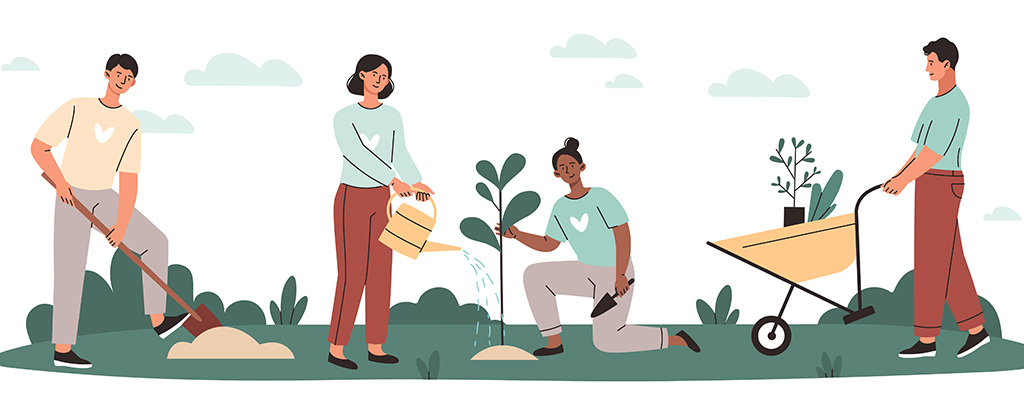
Dive into Spring Gardening Without the Back Pain
As flowers start blooming and southern gardens come alive, don’t let back pain hinder your green thumb efforts this spring. At Trinity Rehab, we’re committed to helping you get back in your garden by addressing your back pain concerns.
Our expert assistance ensures you:
- Find relief from pain, preparing you for those gardening sessions.
- Restore your mobility and strength to plant, prune, and pick with ease.
- Share gardening tips and fresh produce with friends and family without the shadow of back pain.
Our treatments are crafted for your distinct needs. This spring, turn a new leaf without pain—connect with us today and let your wellness blossom alongside your garden!
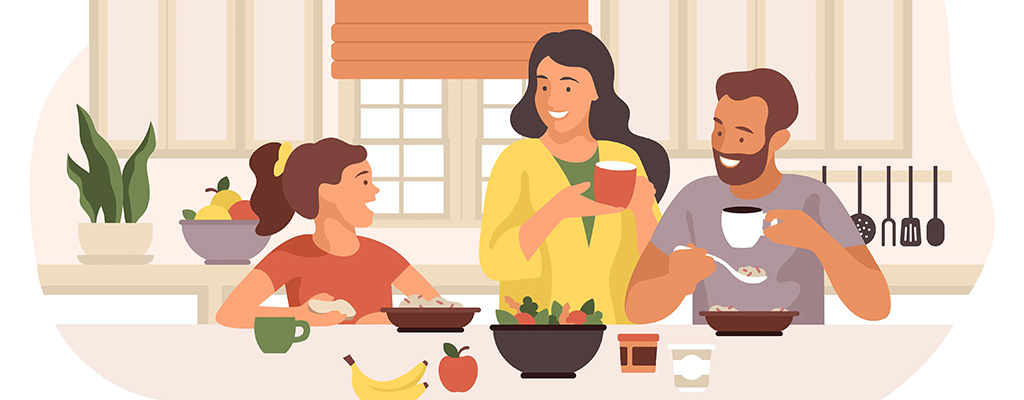
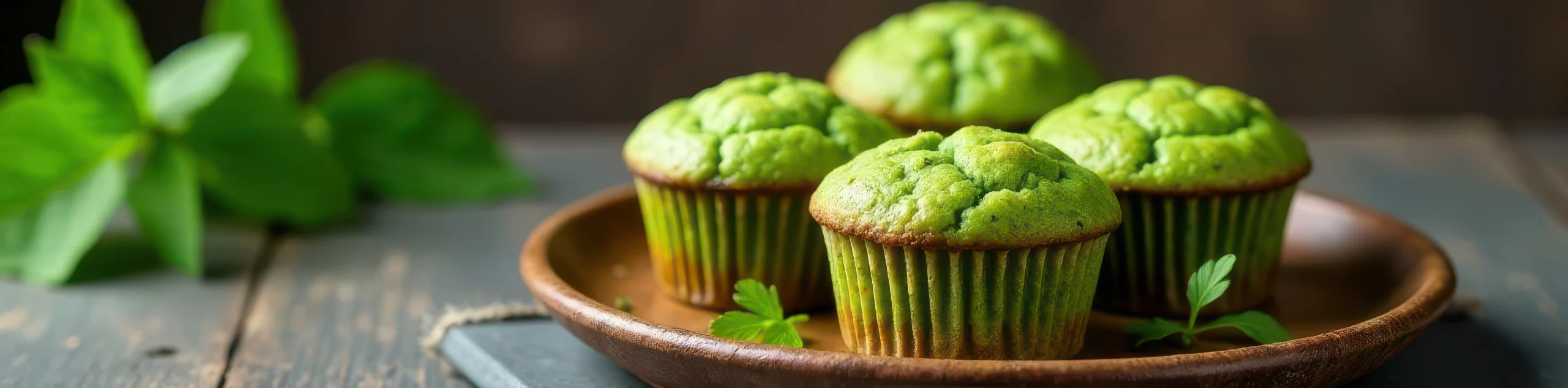
Recipe of the Month: Blender Banana Spinach Muffins
Ingredients:
- 2 eggs
- 2 medium to large extra ripe bananas
- ¼ cup pure maple syrup or honey
- ⅓ cup dairy free milk of choice
- 3 cups fresh spinach
- 1 teaspoon vanilla extract
- 1 cup packed blanched almond flour
- 1 cup oat flour
- ¼ cup flaxseed meal
- 1 teaspoon cinnamon
- 1 teaspoon baking powder
- ½ teaspoon baking soda
- ¼ teaspoon salt
- 2 tablespoons hemp seeds
Instructions:
- Preheat the oven to 375 degrees F. Line a muffin tin with 10 muffin liners (we’re only making 10 muffins). Spray the inside of the muffin liners with nonstick cooking spray so the muffins do not stick to the liners.
- Add the eggs, bananas, maple syrup/honey, dairy free milk, spinach and vanilla extract to a large, high powered blender and blend on high for 1 minute or until completely smooth. Set aside.
- In a large bowl whisk together the almond flour, oat flour, flaxseed meal, cinnamon, baking powder, baking soda and salt until well combined. Pour the blended wet ingredients over the dry ingredients and mix with a wooden spoon until well combined. Feel free to stir in hemp hearts, if using. Divide the batter between the muffin liners. Bake for 20-25 minutes or until a toothpick comes out clean or with just a few crumbs attached.