
Hip Pain Treatment in Metuchen, NJ
Hip pain can make ordinary Metuchen routines feel harder than they should. Walking downtown, getting in and out of the car on Middlesex Ave, sitting through an NJ Transit commute, climbing stairs at home, or keeping up with errands around town can all become frustrating when your hip feels stiff, sharp, weak, or unpredictable.
At Trinity Rehab Metuchen, our physical therapists help patients understand what is causing their hip pain and build a treatment plan to restore comfort, strength, and confident movement. Whether your symptoms are from hip bursitis, arthritis, a labral tear, muscle strain, post-surgical stiffness, or pain referred from the lower back, we focus on one-on-one care that fits your body and your goals.
Hip pain care in Metuchen
Our Metuchen clinic is located at 656 Middlesex Ave, close to patients from Metuchen, Edison, Woodbridge, Fords, South Plainfield, Highland Park, and Piscataway. Many people who come to us are trying to stay active while balancing commuting, work, family responsibilities, and the everyday walking that comes with life in a busy Middlesex County community.
Hip pain is not just a sports problem and not just an age problem. It can affect runners, walkers, teachers, healthcare workers, office employees, parents, retirees, and anyone whose daily routine depends on moving comfortably.
What Hip Pain Can Mean
Hip pain is a symptom with several possible causes. Pain in the groin or front of the hip may point toward the hip joint itself. Pain on the outside of the hip may involve the glute tendons, IT band region, or a bursa irritated by pressure and repeated movement. Pain in the buttock or upper thigh may involve the hip, lower back, or both.
That is why a physical therapy evaluation matters. Your therapist looks beyond the spot that hurts and evaluates how your hip, back, pelvis, knees, feet, strength, balance, and walking mechanics work together.
Common Hip Pain Problems We Treat In Metuchen
Hip Bursitis
Hip bursitis often causes tenderness on the outside of the hip. It may hurt to lie on that side, climb stairs, stand after sitting, or walk longer distances. For Metuchen patients, this can show up during commutes, errands, exercise classes, or longer walks through town.
Hip Arthritis
Hip arthritis can create groin pain, stiffness, reduced motion, and difficulty with stairs, shoes, socks, or getting out of a chair. Physical therapy helps improve strength, mobility, and walking mechanics so the hip joint does not have to absorb as much avoidable stress.
Labral Tears And Hip Impingement
Labral irritation can cause deep hip or groin pain, clicking, catching, pinching, or discomfort with sitting, squatting, pivoting, or athletic activity. Your therapist can help identify positions that aggravate symptoms and build strength and control around the hip.
Muscle Strains And Tendon Irritation
The hip flexors, glutes, adductors, hamstrings, and surrounding tendons can become irritated from overuse, weakness, sudden activity changes, or repetitive standing and walking. Treatment often includes load management, strengthening, mobility, and gradual return to activity.
Hip Pain Related To The Lower Back
Some pain felt around the hip starts in the spine or nearby nerves. If your pain travels into the buttock, thigh, or leg, your therapist will screen your back and nerve mobility as part of the plan.
Post-Surgical Hip Rehab
If you are recovering after hip replacement, hip arthroscopy, fracture care, or another orthopedic procedure, physical therapy helps restore walking, mobility, strength, balance, and confidence.
Why Hip Pain Can Be Hard To Ignore In Metuchen
Metuchen is a compact, active community. Many patients need to walk between errands, commute by train or car, climb stairs at home, and stay mobile for work or family life. Hip pain can interfere with all of that.
For some patients, the first sign is stiffness after sitting on the train or in traffic. Others notice outside hip pain when lying on one side, groin pain when getting out of the car, or a limp after walking around town. If symptoms keep coming back, it is worth finding out whether the hip needs strength, mobility, load management, gait retraining, or care for a related lower-back problem.
What To Expect At Your First Visit
Your first visit at Trinity Rehab Metuchen is designed to answer practical questions:
- What is likely contributing to your hip pain?
- Which movements or activities are keeping it irritated?
- Is the hip itself the main driver, or is the back, pelvis, knee, or gait pattern involved?
- What can you do right now to move with less pain?
- What should improve over the next few weeks?
Your therapist may watch how you walk, test hip motion, check strength, screen your lower back, review stairs or sit-to-stand mechanics, and ask about your work, commute, sleep, exercise routine, and goals. This gives the plan a real direction instead of turning treatment into generic hip exercises.
Symptoms That Mean It Is Time To Get Checked
Consider scheduling a physical therapy evaluation if you notice:
- Hip or groin pain that keeps returning.
- Pain when walking, climbing stairs, or standing from a chair.
- Stiffness after sitting, driving, commuting, or sleeping.
- Pain on the outside of the hip when lying on one side.
- Clicking, catching, or pinching in the hip.
- Limping or shifting weight away from one leg.
- Weakness or loss of confidence on stairs.
- Hip pain that is affecting exercise, work, sleep, or daily errands.
Seek urgent medical care if pain follows a major fall, you cannot bear weight, the hip appears deformed, or you have fever, severe swelling, sudden weakness, or major numbness.
Metuchen Hip Pain Scenarios We Commonly Plan Around
The local details matter because hip pain affects real routines.
Commuting And Sitting
Sitting can make hip flexor irritation, hip arthritis, labral symptoms, or referred back pain worse. If your hip feels stiff after driving, riding the train, or sitting at a desk, your plan may include mobility work, posture changes, hip and core strengthening, and strategies to reduce stiffness when you stand.
Walking Downtown Or Running Errands
Pain with walking may come from hip arthritis, bursitis, tendon irritation, weakness, or gait changes. Treatment may focus on stride mechanics, glute strength, balance, footwear conversations when relevant, and building walking tolerance gradually.
Stairs At Home Or Work
Stair pain can reveal weakness, limited hip mobility, knee compensation, or poor single-leg control. Your therapist can break down stair mechanics and build the strength needed to go up and down with less strain.
Exercise, Sports, And Fitness
Some patients want to return to running, golf, tennis, pickleball, gym workouts, or group classes. Treatment should bridge the gap between pain relief and the movements those activities require.
Recovery After Surgery
After hip replacement, arthroscopy, or fracture care, physical therapy helps restore motion, walking, strength, and confidence while respecting surgeon precautions.
How Trinity Rehab Metuchen Treats Hip Pain
Your first visit begins with a one-on-one evaluation. Your therapist will ask about your symptoms, medical history, work demands, commute, exercise routine, sleep position, and the specific activities you want to return to.
Your treatment plan may include:
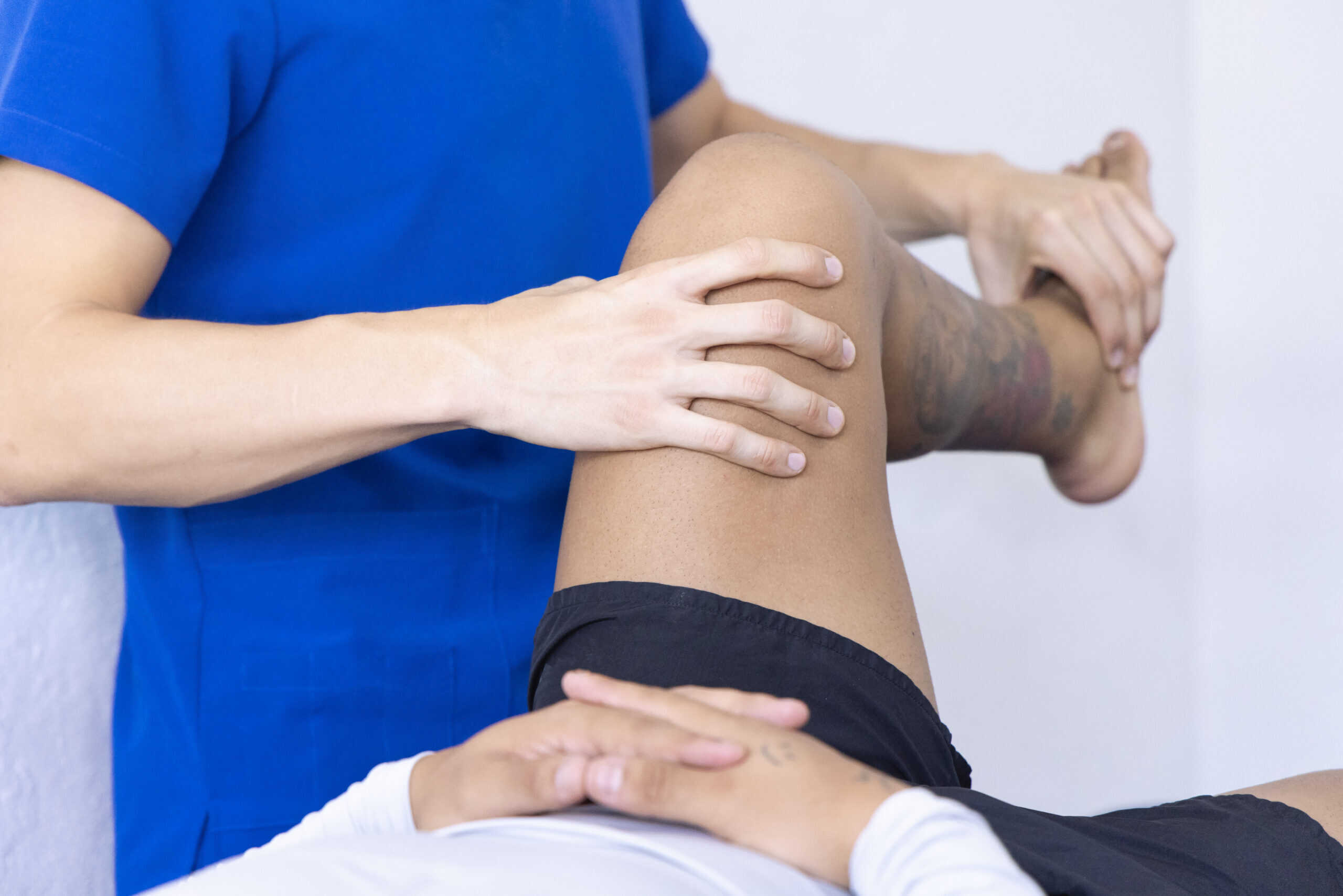
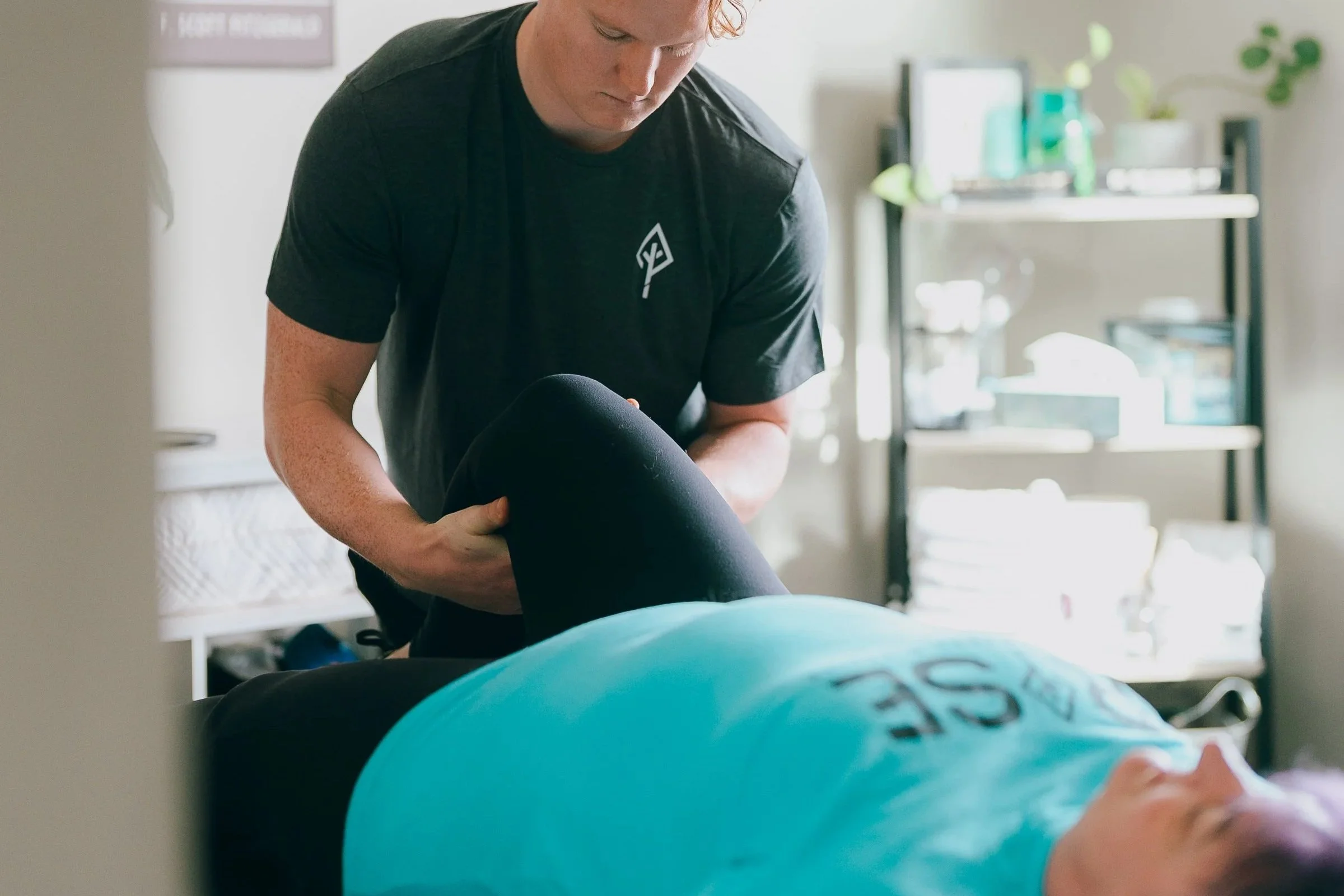
- Manual therapy to improve hip, pelvis, spine, or soft-tissue mobility.
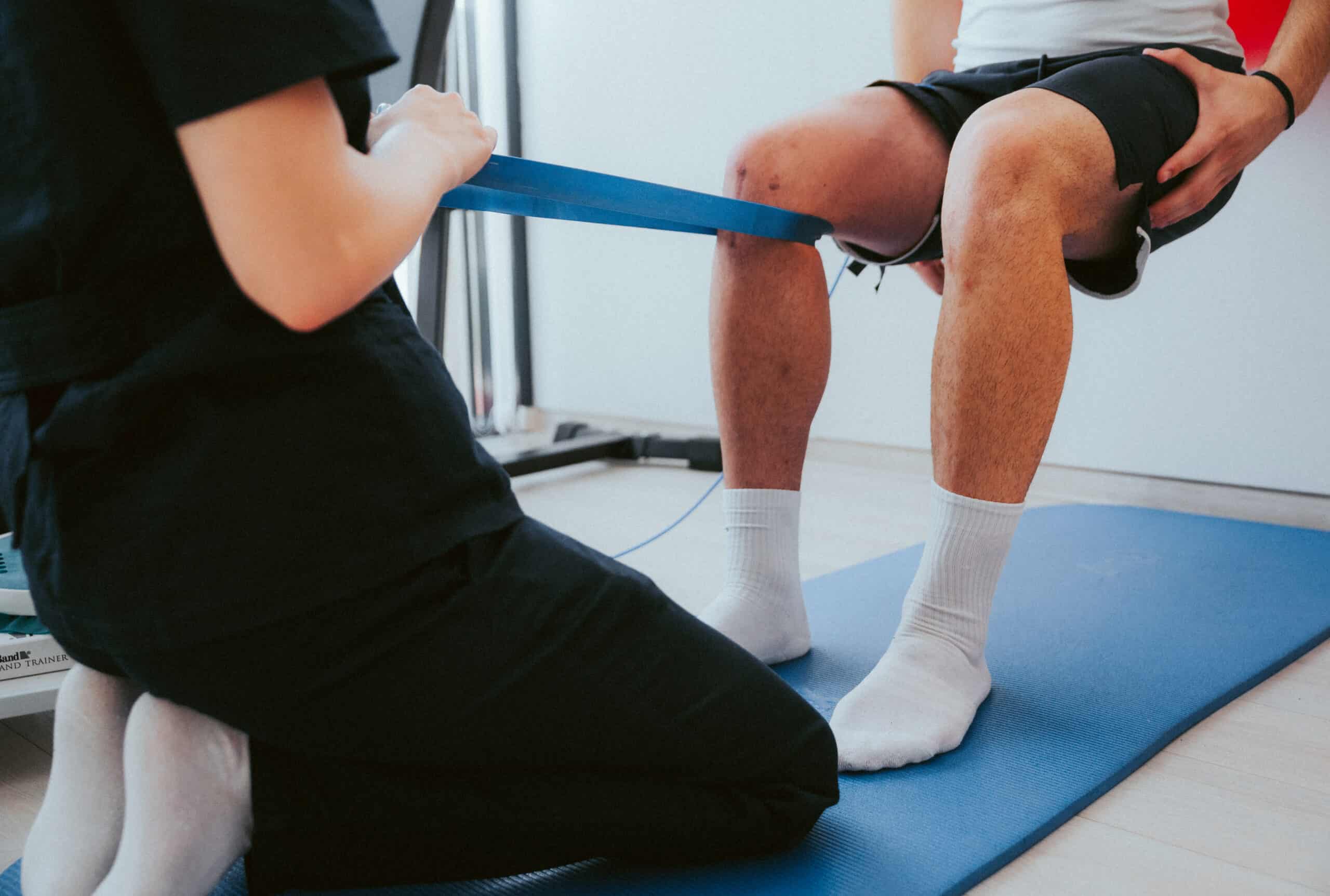
- Hip and glute strengthening.
- Core and lower-extremity strengthening.
- Balance and gait training.
- Stretching and mobility work matched to your specific limitation.
- Stair, squat, walking, and sit-to-stand retraining.
- Education on positions and activities that may be keeping the hip irritated.
- A home exercise plan that supports progress between sessions.
- AlterG, EPAT, or dry needling when clinically appropriate and available for your presentation.
Treatment Tools Available At Trinity Rehab Metuchen
The Metuchen clinic offers more than a basic exercise table. Depending on your presentation and therapist's clinical judgment, care may include:
- One-on-one physical therapy for evaluation, manual care, exercise progression, and movement coaching.
- AlterG Anti-Gravity Treadmill training for patients who need to rebuild walking or running tolerance with reduced body-weight loading.
- EPAT/shockwave therapy when soft-tissue irritation and the therapist's exam support its use.
- Dry needling when muscle tone, trigger points, or movement limitations make it appropriate.
- Hands-on mobility work for the hip, lower back, pelvis, and surrounding soft tissues.
- Balance and gait retraining for patients who feel unsteady, guarded, or less confident.
These tools are not used just because they are available. They should support the plan your therapist creates after evaluating your symptoms.
Metuchen Hip Pain Activity Map
A stronger hip pain page should connect the condition to the way people actually use the clinic. Around Metuchen, that often means NJ Transit sitting, Main Street walking, Middlesex Avenue errands, and downtown carrying. Those details matter because hip pain can come from the joint, tendons, bursitis, muscle strain, gait changes, lower-back referral, or post-surgical weakness.
Patients from Metuchen, Edison, Woodbridge, Fords, and South Plainfield, and nearby communities may need different starting points. Someone limited by gym return may need hip and glute strength, while someone flared by side-sleeping pain may need pacing, walking mechanics, stair strategy, or a closer look at back and nerve contribution.
What The Metuchen Evaluation Should Sort Out
- NJ Transit sitting: compare hip range of motion, back contribution, sitting tolerance, and the first few steps after standing.
- Main Street walking: check gait, single-leg control, balance, footwear demands, and whether walking symptoms build over distance.
- Middlesex Avenue errands: stage return to sport, fitness, golf, pickleball, yard work, or active weekends without overloading irritated tissue.
- downtown carrying: review lifting, carrying, stair, car-transfer, and home-task mechanics that may keep symptoms active.
- gym return: decide whether the early plan should emphasize mobility, strength, symptom calming, load management, or medical follow-up.
Hip pain care should also stay medically careful. Physical therapy does not replace urgent medical care, imaging decisions, orthopedic evaluation, or surgical decision-making. Major trauma, inability to bear weight, deformity, fever, rapidly worsening pain, severe swelling, sudden weakness, or major numbness should be evaluated medically.
Metuchen First-Visit Priorities
For a Metuchen patient, a useful first visit should turn a broad complaint like “hip pain” into a practical plan. The therapist may compare side-sleeping pain with apartment stairs, then test whether symptoms change with hip mobility, glute loading, step height, walking speed, posture, or lower-back screening.
The plan should give the patient a clear next step for the week: which activities to keep, which to temporarily modify, how to dose walking or stairs, and when to call a physician. That is the difference between a generic hip page and a local treatment page that reflects real visits at Trinity Rehab Metuchen.
Metuchen Hip Pain Planning Notes
Hip pain in Metuchen can look different from one patient to the next, so the plan has to be built around patterns instead of labels alone. A patient near Edison may be worried about balance or walking distance, while a patient near Woodbridge may be trying to get through standing work without limping.
If downtown carrying keeps flaring the hip, the plan may include small changes to lifting, pivoting, stair use, and how the patient gets in and out of the car. The plan should be conservative where it needs to be conservative: calm irritated tissue, restore motion, add strength gradually, and coordinate medical follow-up when symptoms do not fit a routine PT pattern.
A useful Metuchen hip pain visit turns the patient’s week into testable pieces. The therapist can compare main street walking, downtown carrying, and apartment stairs with hip motion, glute strength, back screening, and step mechanics. That makes the plan more specific for patients traveling from Edison, Woodbridge, Fords, South Plainfield.
The plan can also connect hip treatment to related Trinity services when appropriate, including back pain care, knee mechanics, osteoarthritis management, balance and gait work, post-surgical rehab, manual therapy, or dry needling when clinically appropriate. The point is not to list everything; it is to match the right service to the Metuchen patient’s presentation.
- home stairs: watch whether the hip, back, knee, or ankle changes the movement pattern, because compensation can keep symptoms active.
- work lifting: turn the finding into one or two home strategies the patient can actually follow between appointments.
- commute stiffness: recheck it as symptoms change so the plan does not stay stuck at the first-visit level.
- balance reactions: connect this to apartment stairs so progress is measured against real Metuchen routines.
- hip and ankle mobility: use this finding to decide whether the first week should emphasize mobility, strength, symptom calming, or activity modification.
- post-surgical precautions when relevant: compare the test result with the patient’s walking, stairs, sitting, work, and exercise goals before progressing the plan.
Metuchen Patient Reviews
Local reviews help patients see real clinic experience before scheduling hip pain treatment at Trinity Rehab Metuchen. This page uses the location-specific Trinity Rehab review widget rather than a generic placeholder.
Metuchen Hip Pain Rehab For Walking, Sitting, And Daily Mobility
Hip pain can affect errands, sleep, stairs, driving, and exercise for patients in and around Metuchen. Rehab should connect the diagnosis to the daily motions that actually trigger symptoms.
Your evaluation may include hip mobility, strength, gait, balance, spine contribution, and activity tolerance. The plan can progress from pain control and mobility into strength and return-to-activity work.
If symptoms overlap, review back pain physical therapy, sciatica treatment, or the Metuchen physical therapy clinic page.
Treatment Goals
The goal is not only to make the hip feel better during treatment. The goal is to help you move better in the parts of life that matter.
For Metuchen patients, that may mean:
- Walking downtown with less pain.
- Sitting through a commute without hip stiffness taking over.
- Getting out of the car more comfortably.
- Climbing stairs without gripping the railing.
- Returning to the gym, golf, running, walking, or fitness classes.
- Sleeping on your side again.
- Building confidence after hip surgery or a flare-up.
Local Service Area
Trinity Rehab Metuchen serves patients from Metuchen and nearby Middlesex County communities, including Edison, Woodbridge, Fords, South Plainfield, Highland Park, and Piscataway. The page should not overstate service-area claims, but it should make clear that patients from surrounding towns can use the Metuchen clinic if it is convenient for work, home, school, or commuting.
Why Patients In Metuchen Choose Trinity Rehab
Trinity Rehab Metuchen combines personal care with advanced rehabilitation tools. The clinic offers physical therapy, AlterG Anti-Gravity Treadmill training, EPAT, and dry needling. The Metuchen team is led by Michael Montalbano, PT, DPT, OCS, an orthopedic clinical specialist and Area Director.
Patients also value the clinic's supportive environment. Local reviews mention reduced pain, improved strength, and positive experiences recovering from osteoarthritis and joint replacement.
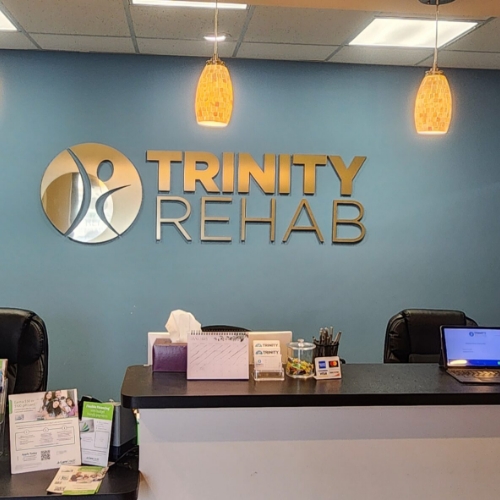
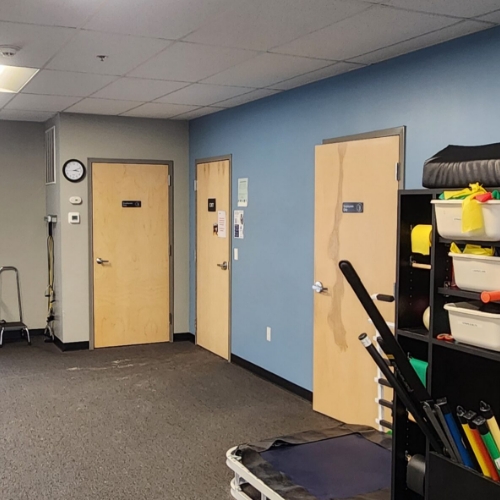
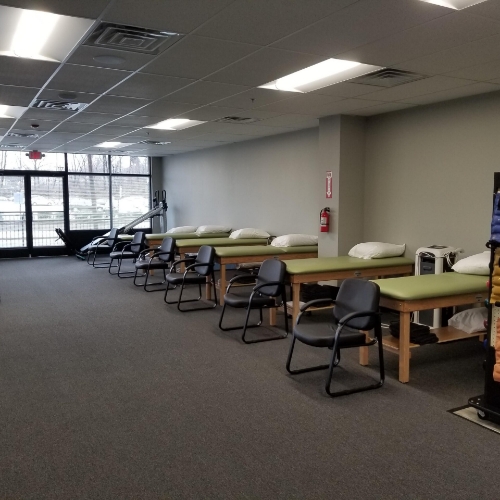
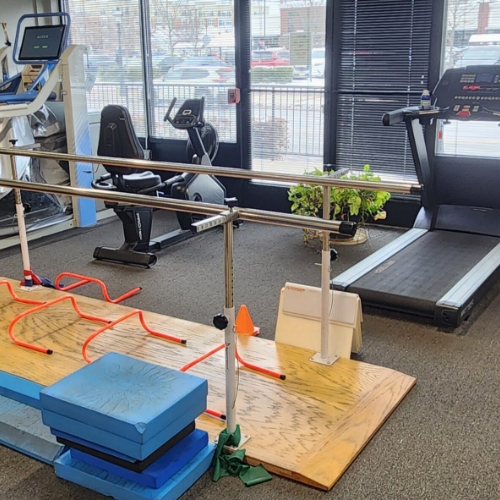
Inside Our Metuchen Clinic
How Hip Pain Treatment Connects To Other Trinity Services
Hip pain rarely exists in isolation. Your therapist may also consider how symptoms relate to:
- Back pain or sciatica when pain travels into the buttock, thigh, or leg.
- Knee pain when hip weakness changes lower-body mechanics.
- Osteoarthritis when stiffness and joint changes affect walking and stairs.
- Balance and gait problems when hip pain makes you guarded or unsteady.
- Post-surgical rehabilitation after hip replacement, arthroscopy, or fracture care.
This matters for both treatment quality and internal linking. Patients can also compare the main hip pain treatment guide or visit the Trinity Rehab Metuchen clinic page if they want clinic details before requesting an appointment.
Before Your Appointment
Patients can make the first visit easier by bringing:
- Insurance information.
- Physician referral if their plan requires one.
- A list of medications or recent imaging if relevant.
- Comfortable clothing that allows hip and leg movement.
- A short list of the activities they most want to improve.
The therapist does not need every answer before treatment begins. The evaluation is where the plan starts becoming clear.
Related Conditions
Hip pain often overlaps with other conditions. Depending on your symptoms, your therapist may also evaluate or discuss:
- Osteoarthritis.
- Sciatica.
- Back pain.
- Knee pain.
- Lumbar disc herniation.
- Post-surgical rehabilitation.
- Balance and gait disorders.
Frequently Asked Questions
Do I need a referral for hip pain physical therapy in Metuchen, NJ?
Can Trinity Rehab Metuchen help if hip pain bothers me during my commute?
Is hip pain always arthritis?
Can physical therapy help hip bursitis?
What if my hip pain is actually coming from my back?
How long does hip pain physical therapy take?
Clinic Information
Trinity Rehab Metuchen 656 Middlesex Ave Metuchen, NJ 08840
Phone: (848) 359-8080 Fax: (848) 221-8939
Hours:
- Mon: 7:00am-8:00pm
- Tue: 8:00am-8:00pm
- Wed: 7:00am-8:00pm
- Thu: 8:00am-8:00pm
- Fri: 8:00am-5:00pm
- Sat: 8:00am-1:00pm
Final CTA
If hip pain is changing how you walk, sit, sleep, commute, exercise, or move through your day, Trinity Rehab Metuchen can help you take the next step. Request an appointment and start a one-on-one physical therapy plan built around your goals.