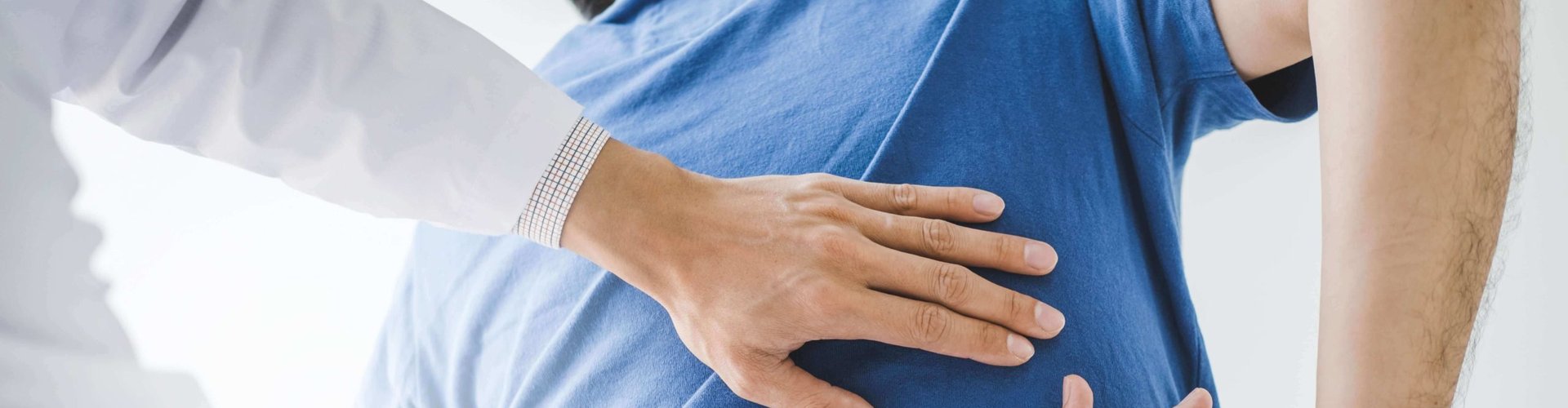
LUMBAR DISC HERNIATION TREATMENT IN METUCHEN, NJ
Metuchen earned its nickname — the “Brainy Borough” — through decades of valuing education, culture, and community. But even the smartest approach to fitness cannot always prevent a lumbar disc herniation. You might feel the first warning sign jogging the Middlesex Greenway, a 3.5-mile paved trail that cuts through the heart of town. Or maybe it hits during a shift at one of the logistics hubs that surround this densely packed 2.8-square-mile borough. Wherever the pain starts, when a herniated disc sends a bolt of electricity down your leg and turns simple tasks like tying your shoes into an ordeal, you deserve treatment that matches the intelligence of the community you call home. At Trinity Rehab, that means evidence-based, one-on-one physical therapy that treats the cause of your pain — not just the symptoms.
THE ANATOMY OF A HERNIATED DISC
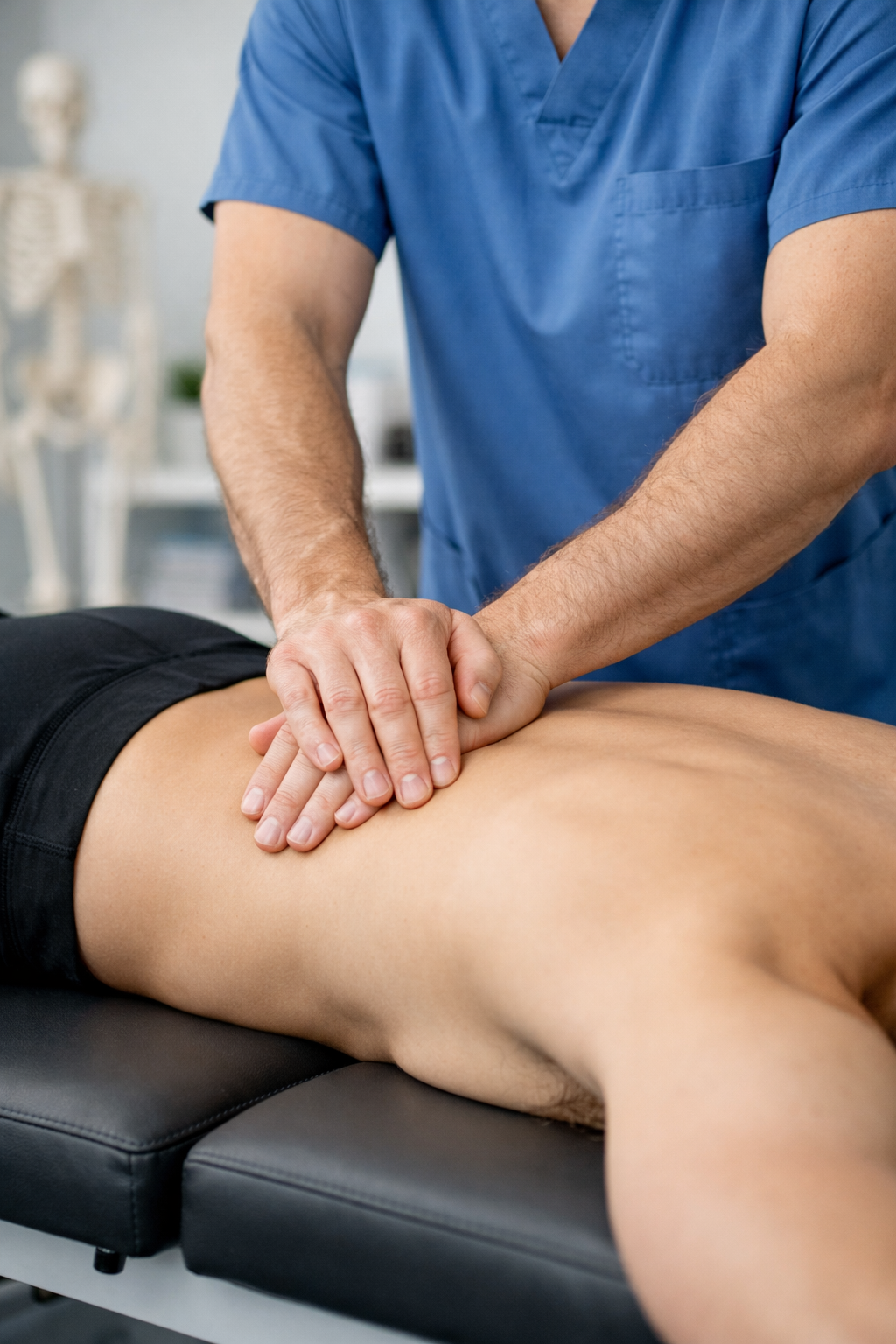
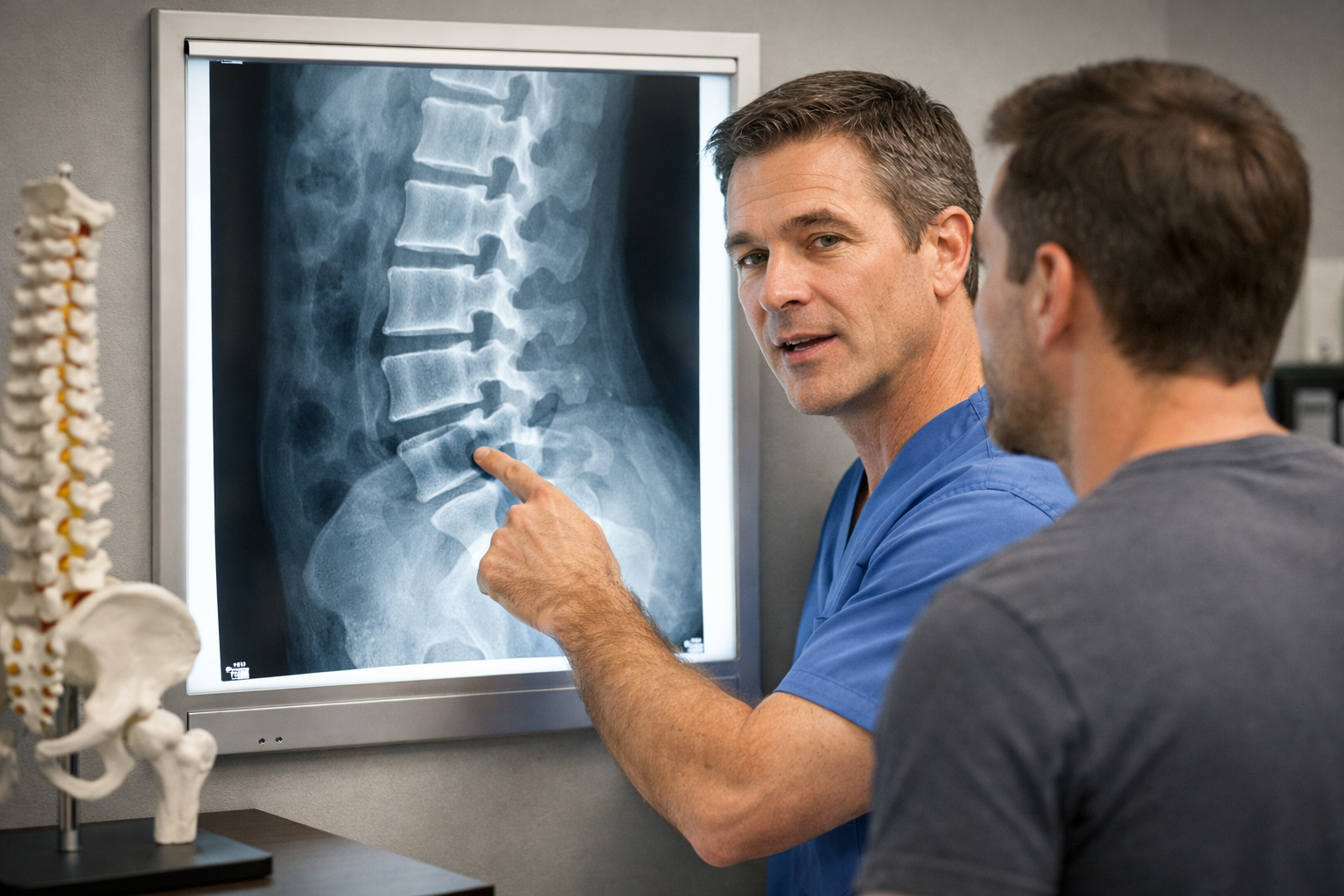
Your lumbar spine consists of five vertebrae (L1 through L5), each separated by an intervertebral disc designed to absorb shock and distribute load. These discs have a layered outer wall — the annulus fibrosus — surrounding a soft, hydrated core — the nucleus pulposus. When repetitive stress, sudden force, or age-related degeneration weakens the annulus, the nucleus can bulge or extrude through the defect, pressing on a nearby nerve root.
Because the L4-L5 and L5-S1 segments bear the greatest mechanical load, they are the most common sites for herniation. Compression of nerve roots at these levels typically produces sciatica — radiating pain, numbness, or weakness that travels from the lower back through the buttock and down the leg. A 2024 StatPearls review notes that conservative treatment, including physical therapy, resolves symptoms in the vast majority of cases without surgery (StatPearls, 2024).
WHY METUCHEN RESIDENTS DEVELOP DISC HERNIATIONS
THE NYC COMMUTE
Metuchen’s NJ Transit station connects residents to New York Penn Station in 40-45 minutes, making the borough a magnet for professionals who trade big-city offices for small-town charm. But that commute — driving to the station, sitting on the train, walking to the office, and reversing it all in the evening — subjects your lumbar discs to hours of sustained compressive load every day. This is one of the most underappreciated risk factors for disc degeneration and eventual herniation.
LOGISTICS AND PACKAGE HANDLING
Metuchen sits at the crossroads of major UPS, FedEx, and USPS distribution operations. Workers in these facilities perform repetitive bending, lifting, and carrying — often under time pressure that discourages proper body mechanics. The cumulative effect on the lumbar spine is significant: warehouse workers experience disc herniations at rates well above the general population.
TRACK, SOCCER, AND WEEKEND SPORTS
Metuchen High School’s Bulldogs have earned state championships in track and field and cross country, and the community supports thriving soccer, football, and indoor league programs at Sportsplex at Metuchen. Running creates repetitive impact loading through the lumbar spine, while soccer and football introduce rotational and collision forces. Golf at Metuchen Golf & Country Club adds the repetitive trunk rotation that specifically stresses the posterolateral disc — the most common herniation site. According to Deutsches Ärzteblatt International, both high-impact and repetitive rotational sports are established risk factors for disc injury (Deutsches Ärzteblatt, 2024).
YARD WORK IN A DENSE BOROUGH
Even though Metuchen is compact, its residential lots require regular maintenance. Raking, mulching, shoveling snow, and gardening all involve sustained forward bending — the posture that generates the highest pressure on the posterior lumbar disc. When fatigue sets in during a Saturday morning yard blitz, form breaks down and injury risk spikes.
SYMPTOMS THAT POINT TO A HERNIATED DISC
Many conditions cause back pain, but certain patterns suggest disc herniation specifically:
- Radiculopathy — sharp, shooting pain that follows a nerve path from the low back into the leg, often described as electric or burning
- Unilateral leg numbness or tingling, frequently along the outside of the calf or top of the foot
- Weakness in the leg or foot, such as difficulty with toe raises or heel walking
- Pain that intensifies when sitting, bending forward, or bearing down (coughing, sneezing, straining)
- Symptom relief when lying down or walking — both reduce intradiscal pressure
If these symptoms sound familiar, an evaluation at Trinity Rehab can pinpoint the source and set you on the path to recovery.
HOW TRINITY REHAB TREATS LUMBAR DISC HERNIATION
MANUAL THERAPY AND JOINT MOBILIZATION
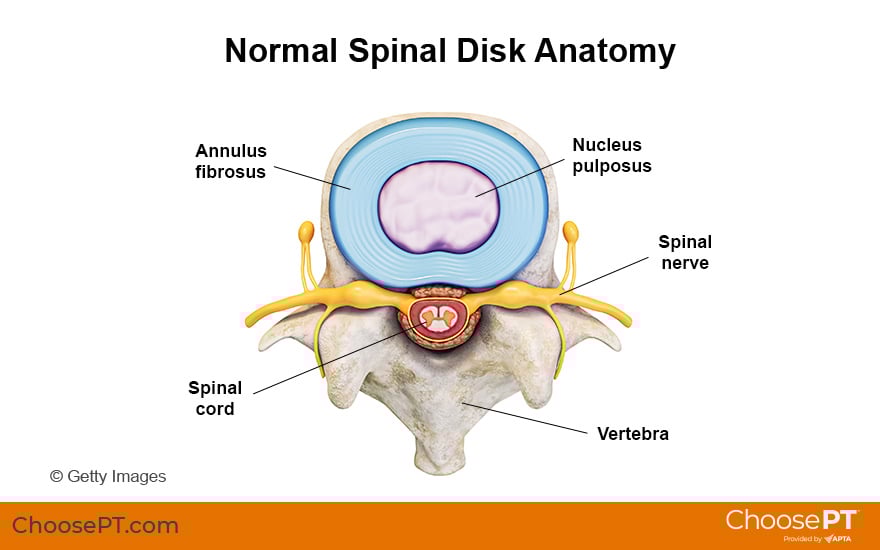
Every treatment plan at our clinic begins with skilled hands-on assessment and intervention. Manual therapy for disc herniation includes:
- Lumbar joint mobilization: Graded oscillatory movements applied to the affected spinal segments to restore segmental motion, reduce pain, and improve the mechanical environment around the disc.
- Soft tissue techniques: Targeted massage and myofascial release for the paraspinal muscles, quadratus lumborum, and piriformis — muscles that often go into protective spasm following a herniation and create secondary pain generators.
- Muscle energy techniques: Contract-relax approaches that use your own muscle activation to restore joint alignment and reduce guarding.
For Metuchen commuters who arrive at the clinic with backs stiffened by hours of sitting, manual therapy provides an immediate sense of relief and readies the body for active treatment.
MCKENZIE METHOD AND DIRECTIONAL PREFERENCE
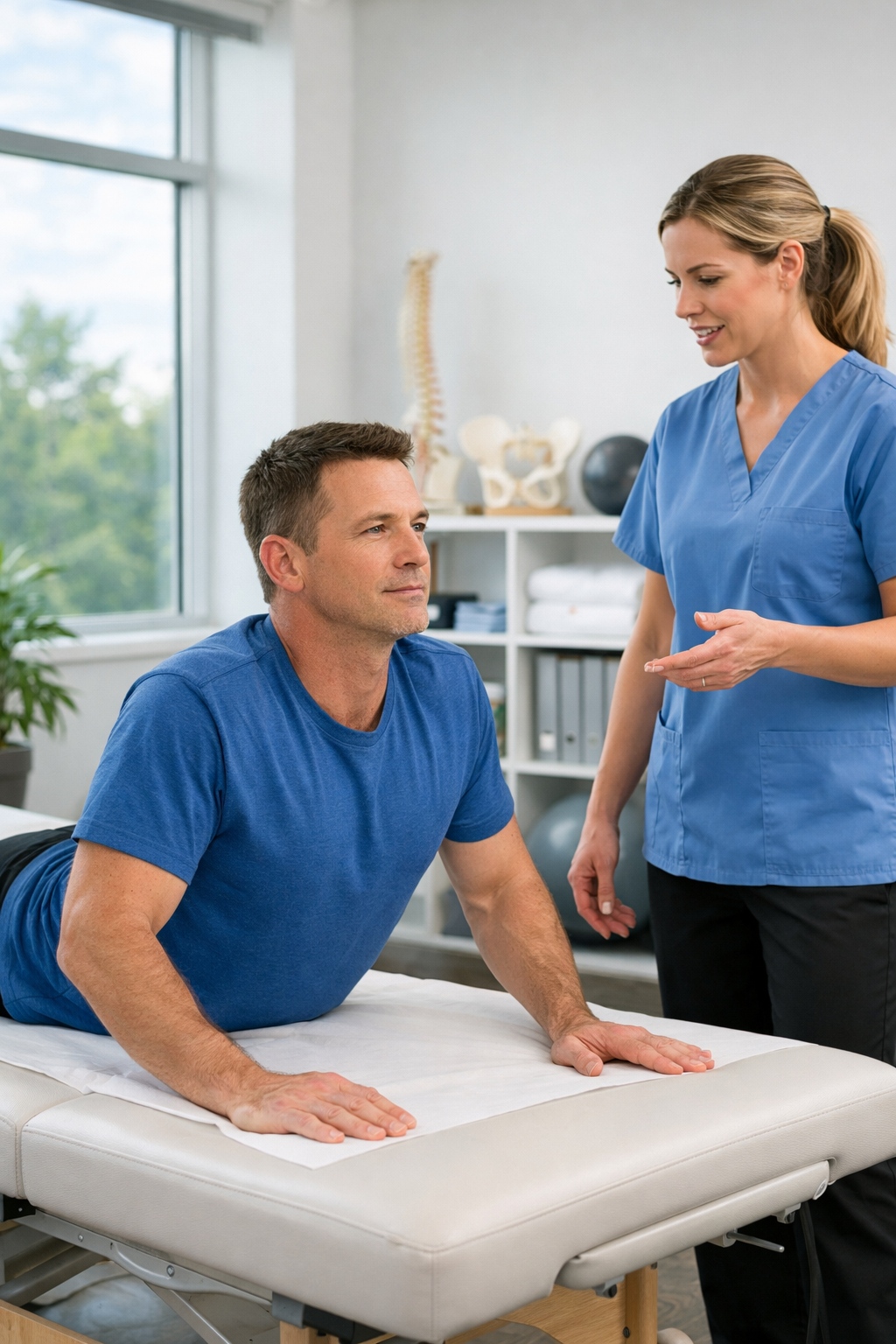
The McKenzie method is a cornerstone of disc herniation treatment at Trinity Rehab. During your initial evaluation, your therapist performs a systematic mechanical assessment to identify your directional preference — the specific movement direction that centralizes your symptoms. Centralization is a powerful clinical sign: when repeated movements cause pain to retreat from the leg back toward the midline of the spine, it indicates that the disc material is shifting away from the nerve root.
For most lumbar herniations, the directional preference is extension. Your therapist will prescribe a specific exercise protocol — often repeated prone press-ups — that you perform multiple times throughout the day. This gives you control over your symptoms between visits and accelerates the healing process. Whether you are at your desk in Midtown, on the Middlesex Greenway, or in your living room, you have a tool to manage your pain.
CORE STABILIZATION AND FUNCTIONAL STRENGTHENING
Disc herniation both results from and causes dysfunction in the core stabilizing system. Our program systematically rebuilds this system from the inside out:
- Deep stabilizer retraining: Isolated activation of the transversus abdominis, lumbar multifidus, pelvic floor, and diaphragm — the muscles that provide segmental control at each vertebral level.
- Progressive stabilization challenges: Once you can activate these muscles reliably, we layer in unstable surfaces, asymmetric loads, and dynamic movements that demand automatic stabilization — the kind your spine needs during a sprint on the track, a swing on the golf course, or a sprint to catch the train.
- Hip and posterior chain development: Deadlift variations, hip hinge patterns, and single-leg exercises rebuild the glute and hamstring strength that offloads the lumbar spine during bending and lifting.
- Work-specific conditioning: For logistics workers, we simulate the reaching, bending, and carrying tasks of your job, building endurance and proper mechanics under load.
NEURAL MOBILIZATION
A compressed nerve root does not simply spring back to normal once the disc stops pressing on it. Inflammation, swelling, and adhesions can leave the nerve sensitized and restricted long after the mechanical compression has improved. Neural mobilization — a series of gentle, precise movements that glide the sciatic nerve and its branches through surrounding tissues — restores normal nerve mechanics, reduces sensitivity, and resolves lingering radiculopathy symptoms. This technique is especially important for Metuchen patients who have been dealing with sciatica for weeks or months before seeking treatment.
ADVANCED MODALITIES: DRY NEEDLING AND EPAT
When standard manual therapy and exercise are not enough, we add targeted modalities:
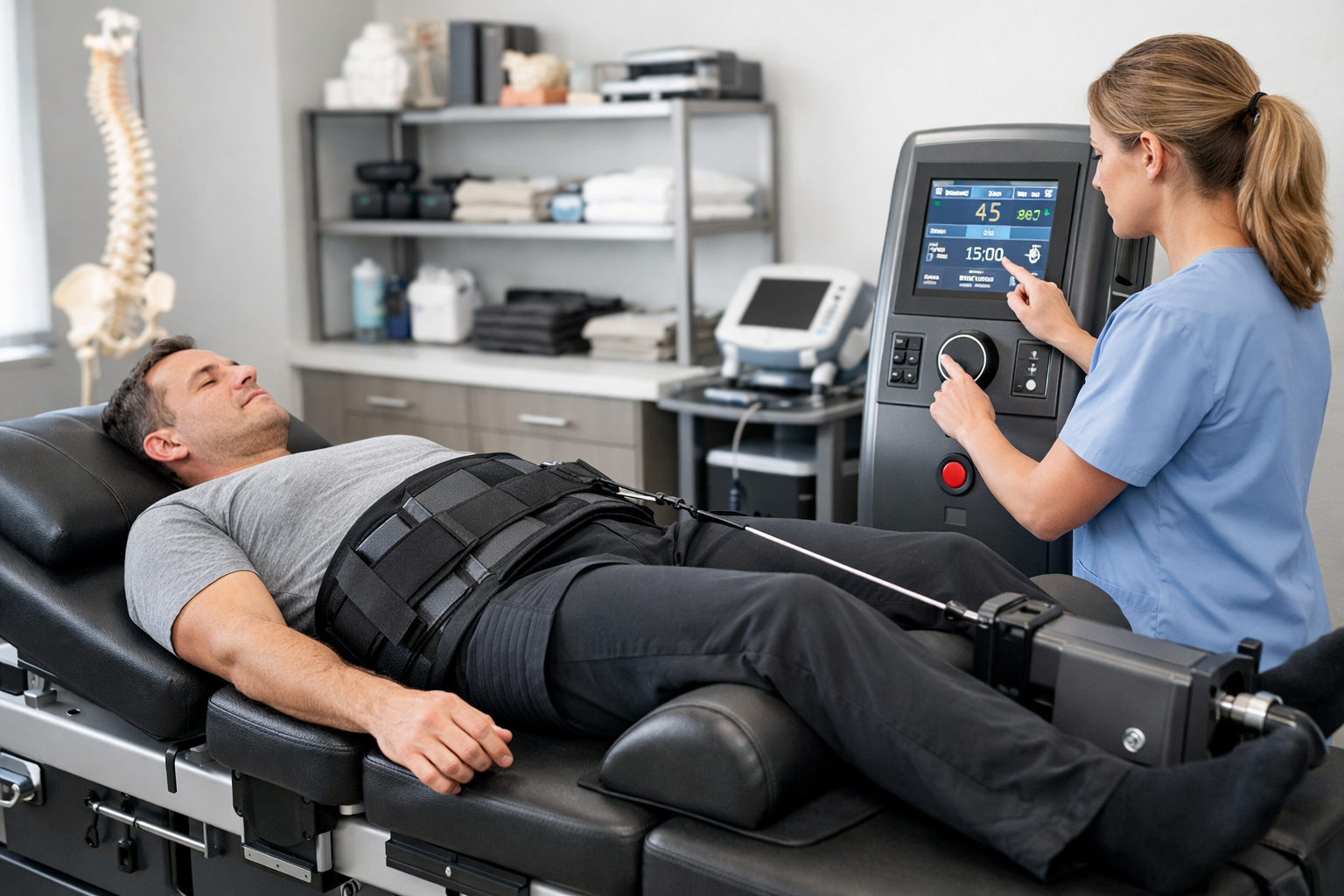
- Dry needling: Thin filament needles inserted into trigger points in the deep paraspinal muscles, piriformis, and gluteals produce a local twitch response that resets muscle tone, reduces pain, and improves blood flow. For patients with stubborn muscle spasm that limits their ability to exercise, dry needling can be a game-changer.
- EPAT: Extracorporeal Pulse Activation Technology delivers acoustic pressure waves to the affected area, stimulating cellular repair, increasing local circulation, and reducing chronic inflammation. We use EPAT as part of a comprehensive treatment plan, never as a standalone modality.
PREVENTION STRATEGIES FOR METUCHEN
- Master your commute posture: Use a lumbar support cushion on the train, keep both feet flat, and perform seated nerve glides during your ride to keep the sciatic nerve mobile.
- Warm up before running the Greenway: Five minutes of glute activation, hip openers, and trunk rotations before you hit the trail protects your discs from impact and rotational stress.
- Lift smart at work: Keep loads close to your body, bend at the hips instead of the waist, and never twist while lifting. Ask for help with anything over your comfortable limit.
- Break up yard work: Switch tasks every 15 minutes, use tools with extended handles, and take standing back-extension breaks to counteract prolonged flexion.
- Commit to your home exercises: Fifteen minutes of core work and mobility drills most days of the week is the single most effective way to prevent disc re-herniation.
WHY METUCHEN RESIDENTS CHOOSE TRINITY REHAB
The Brainy Borough deserves smart healthcare. Trinity Rehab’s one-on-one model means every minute of your session is spent with a licensed physical therapist who knows your history, tracks your progress, and adjusts your plan in real time. We do not use aides. We do not double-book. And we do not treat disc herniations with a cookie-cutter protocol. Your body, your job, your sport, and your commute all factor into a treatment plan as individual as you are. That is why Metuchen residents trust Trinity Rehab with their spinal health.
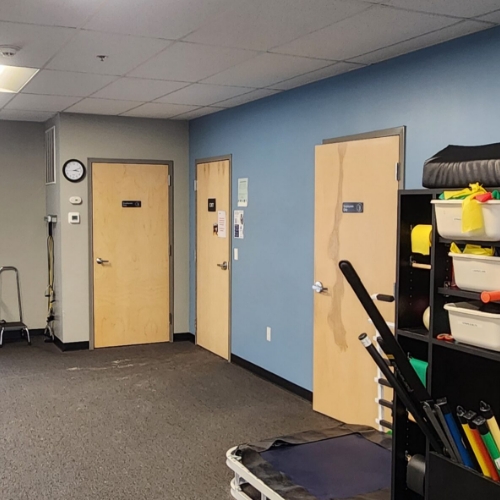
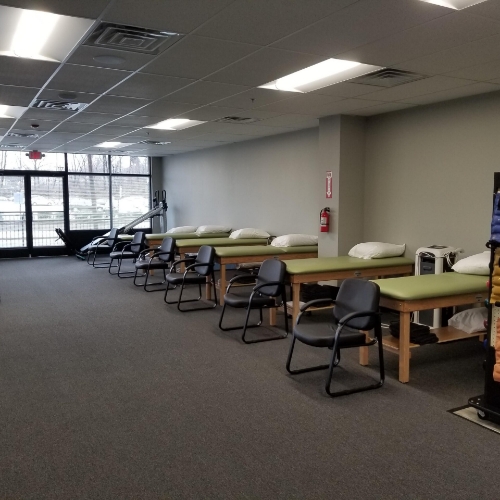
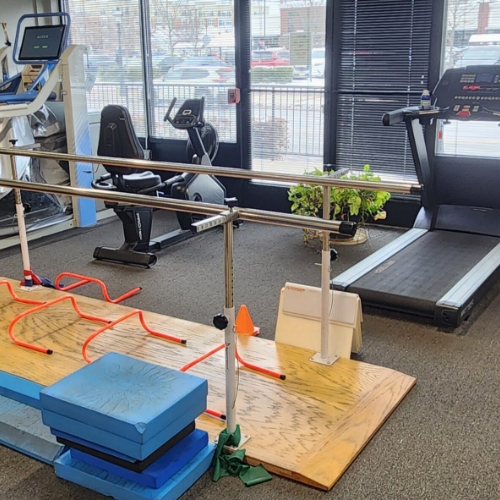
INSIDE OUR METUCHEN CLINIC
RELATED CONDITIONS & TREATMENTS
Lumbar disc herniation is just one of the many conditions we treat at Trinity Rehab Metuchen. Explore our full range of conditions we treat or learn more about specific treatment approaches:
Metuchen Disc Rehab For Back Pain, Leg Symptoms, And Daily Movement
Lumbar disc symptoms can interrupt sitting, driving, lifting, sleep, work, and exercise. Metuchen rehab should connect the diagnosis to the positions and movements that actually trigger your symptoms.
Your therapist may assess lumbar mobility, nerve-related symptoms, hip strength, gait, lifting mechanics, sitting tolerance, and warning signs that require medical care before therapy continues.
Patients with related symptoms may also need sciatica treatment, back pain physical therapy, or the Metuchen physical therapy clinic page.
FREQUENTLY ASKED QUESTIONS
Metuchen Disc Rehab For Back Pain, Leg Symptoms, And Daily Movement
Lumbar disc symptoms can interrupt sitting, driving, lifting, sleep, work, and exercise. Metuchen rehab should connect the diagnosis to the positions and movements that actually trigger your symptoms.
Your therapist may assess lumbar mobility, nerve-related symptoms, hip strength, gait, lifting mechanics, sitting tolerance, and warning signs that require medical care before therapy continues.
Patients with related symptoms may also need sciatica treatment, back pain physical therapy, or the Metuchen physical therapy clinic page.
How is a herniated disc diagnosed?
I work at a logistics facility — can I keep working during treatment?
Is disc herniation the same as a slipped disc?
Can I still run on the Middlesex Greenway?
What makes Trinity Rehab different from other clinics?
GET BACK TO LIVING YOUR BEST LIFE
A herniated disc does not have to steal your quality of life. Whether the pain started on the Greenway, at work, or somewhere in between, Trinity Rehab’s Metuchen-area clinic has the expertise and dedication to help you recover completely. Schedule your appointment today and discover why your neighbors trust Trinity Rehab with their spine care.
SOURCES
- StatPearls — Lumbar Disc Herniation: https://www.ncbi.nlm.nih.gov/books/NBK560878/
- Deutsches Ärzteblatt International — Lumbar Disc Herniation: https://pmc.ncbi.nlm.nih.gov/articles/PMC11465477/
What Our Patients Say



Sign up for free health tips and tricks