Knee Pain Treatment in Emerson, NJ: Physical Therapy for Bergen County’s Family Town
Emerson carries a reputation in Bergen County as “The Family Town” — a close-knit, walkable Pascack Valley borough where the Little League fields at Ackerman Park stay busy from spring through fall, where the Recreation Commission runs youth programs through every season, and where 92% of residents own their homes and put down roots. With a median age hovering around 47 and nearly a quarter of residents over 65, Emerson is also a community where knee pain — and specifically the knee pain that comes with decades of active living — is something many residents know firsthand.
At Trinity Rehab, we work with Emerson residents of all ages to address knee pain with the individualized care it deserves. Whether you’re a Cavaliers athlete recovering from a sports injury, an adult commuter whose knees have started complaining after years of daily driving and weekend activity, or a retiree trying to maintain the independence to walk Griffin Park without discomfort — we build treatment plans around your life, not a template.
The Knee Pain Landscape in Emerson, NJ
Emerson is a small borough — just 2.4 square miles in the Bergen County’s Pascack Valley — but its active lifestyle produces knee problems across the full age spectrum.
The commuter cohort. Emerson’s NJ Transit rail connection makes it a bedroom community for NYC commuters who spend an average of 31 minutes in transit each way. That daily pattern — long seated commute, desk work, brief active evenings — creates a predictable musculoskeletal profile: tight hip flexors from sustained sitting, weakened glutes from disuse, and a knee that bears the brunt of compensations when residents try to squeeze activity into the evenings and weekends. Weekend warrior overuse injuries — runner’s knee, IT band syndrome, meniscus irritation — are common in this group.
The 65-plus community. With 23% of residents over 65 and high homeownership, Emerson has a substantial population managing knee osteoarthritis — the gradual wear of cartilage that causes morning stiffness, aching on stairs, and the hesitation before standing from a chair. These residents want to stay active, maintain their independence, and continue enjoying the neighborhood parks they love. Physical therapy is the most effective conservative intervention available for this group, and it produces meaningful results even at advanced stages of arthritis.
Youth and high school athletes. Emerson Junior-Senior High School’s Cavaliers compete in basketball, volleyball, track and field, and football. The Emerson Little League program and youth football and cheer leagues add significant participation from younger athletes. In the cutting, jumping, and contact sports represented here, knee injuries — particularly patellofemoral syndrome in track athletes and patellar tendonitis in basketball and jump-sport players — appear regularly.
Adults in fitness programs. Emerson residents active at nearby gyms or in CKO Kickboxing classes bring their own injury risk: the repetitive impact of kickboxing combinations on a hip or quad weakness pattern can rapidly produce anterior knee pain. Adults who return to exercise programs after a period of inactivity are particularly vulnerable to this pattern.
Common Knee Conditions We Treat for Emerson Residents
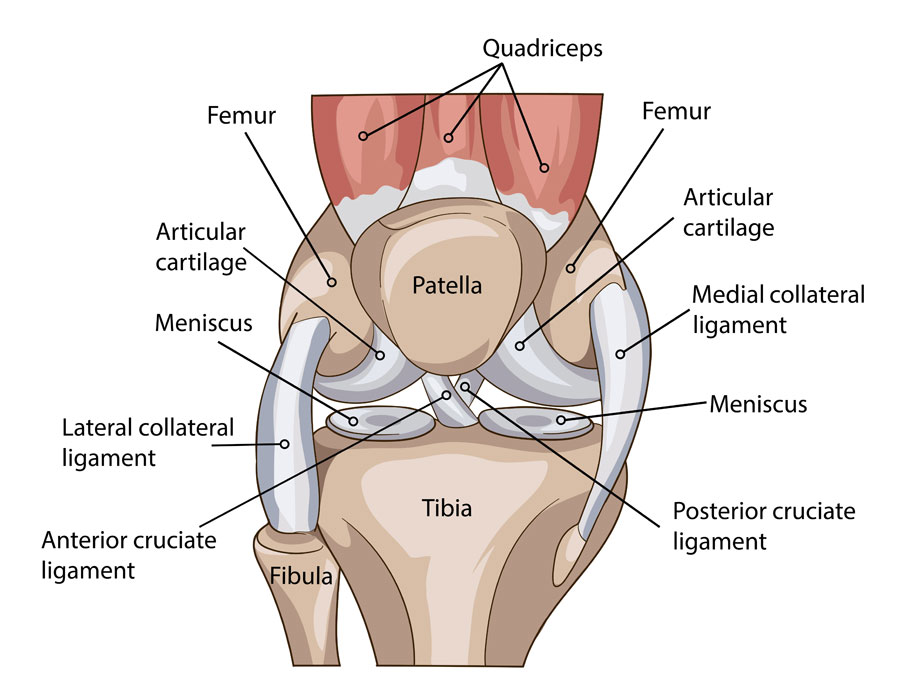
- Knee osteoarthritis — The leading diagnosis among Emerson’s 55-and-older population; causes pain, stiffness, and progressive loss of function
- Patellofemoral syndrome (runner’s knee) — Front-of-knee pain from patellar tracking problems in joggers and recreational athletes
- IT band syndrome — Outer-knee tightness and pain in runners, particularly those running on Emerson’s sidewalks and paths
- Patellar tendonitis — Tendon inflammation from jumping sports and high-intensity training at local gyms
- Meniscus tears — From sports injury in younger athletes; degenerative in active adults over 45
- ACL and ligament injuries — In Emerson Cavaliers athletes in football, basketball, and contact sports
- Post-surgical rehabilitation — After knee replacement or ACL reconstruction
- Age-related stiffness and strength loss — Affecting Emerson’s retiree population’s ability to stay active and independent
How Trinity Rehab Addresses Knee Pain for Emerson Patients
A Conversation Before Treatment Begins
The evaluation that opens every Trinity Rehab relationship is genuinely comprehensive. Your therapist doesn’t just assess the knee — they ask about your commute, your workout history, your home layout, the activities that matter to you. A retiree in Emerson who wants to keep walking Griffin Park without pain has different goals and constraints than a Cavaliers basketball player aiming to return to varsity play. The treatment plan reflects that.
Manual Therapy for Pain and Mobility
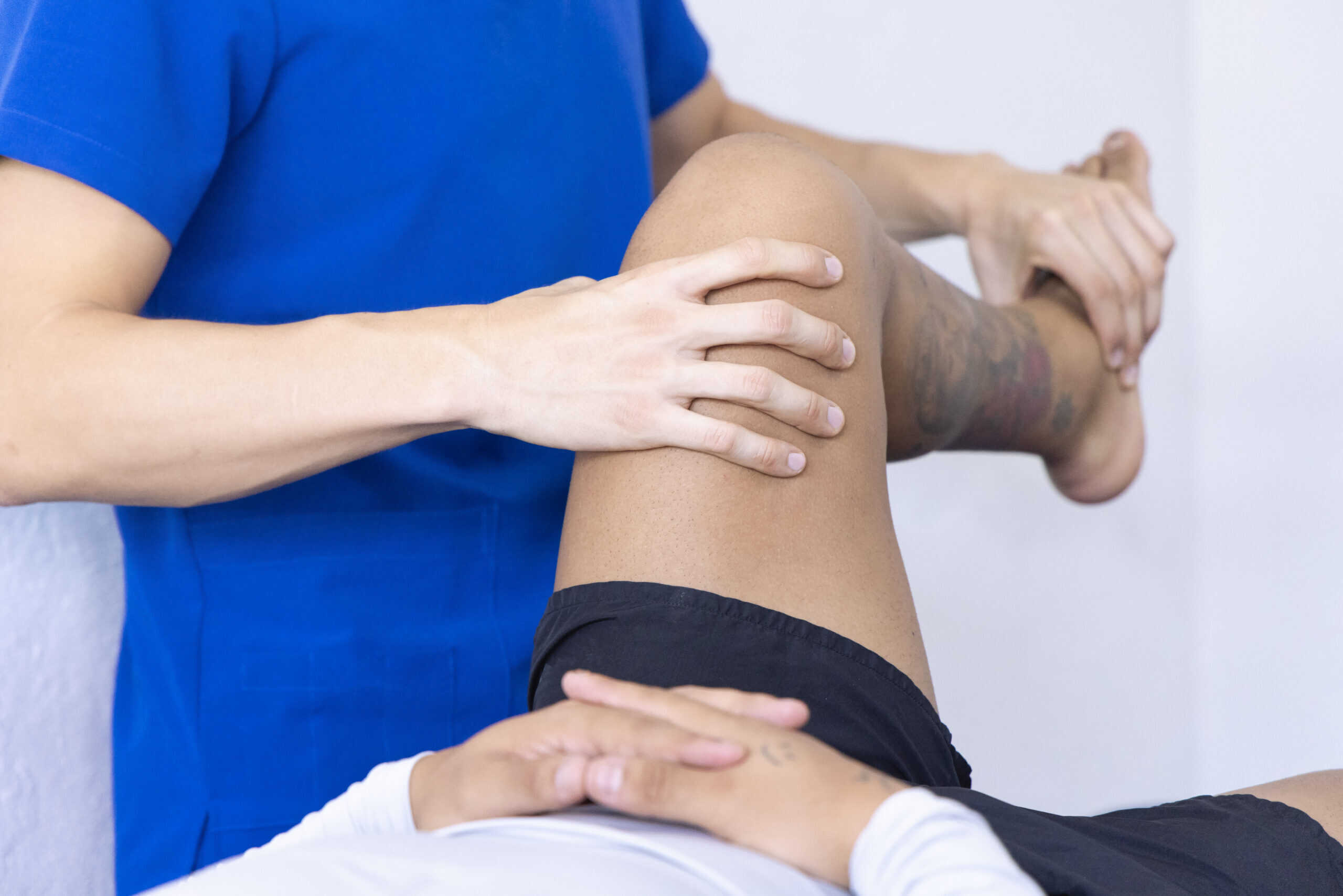
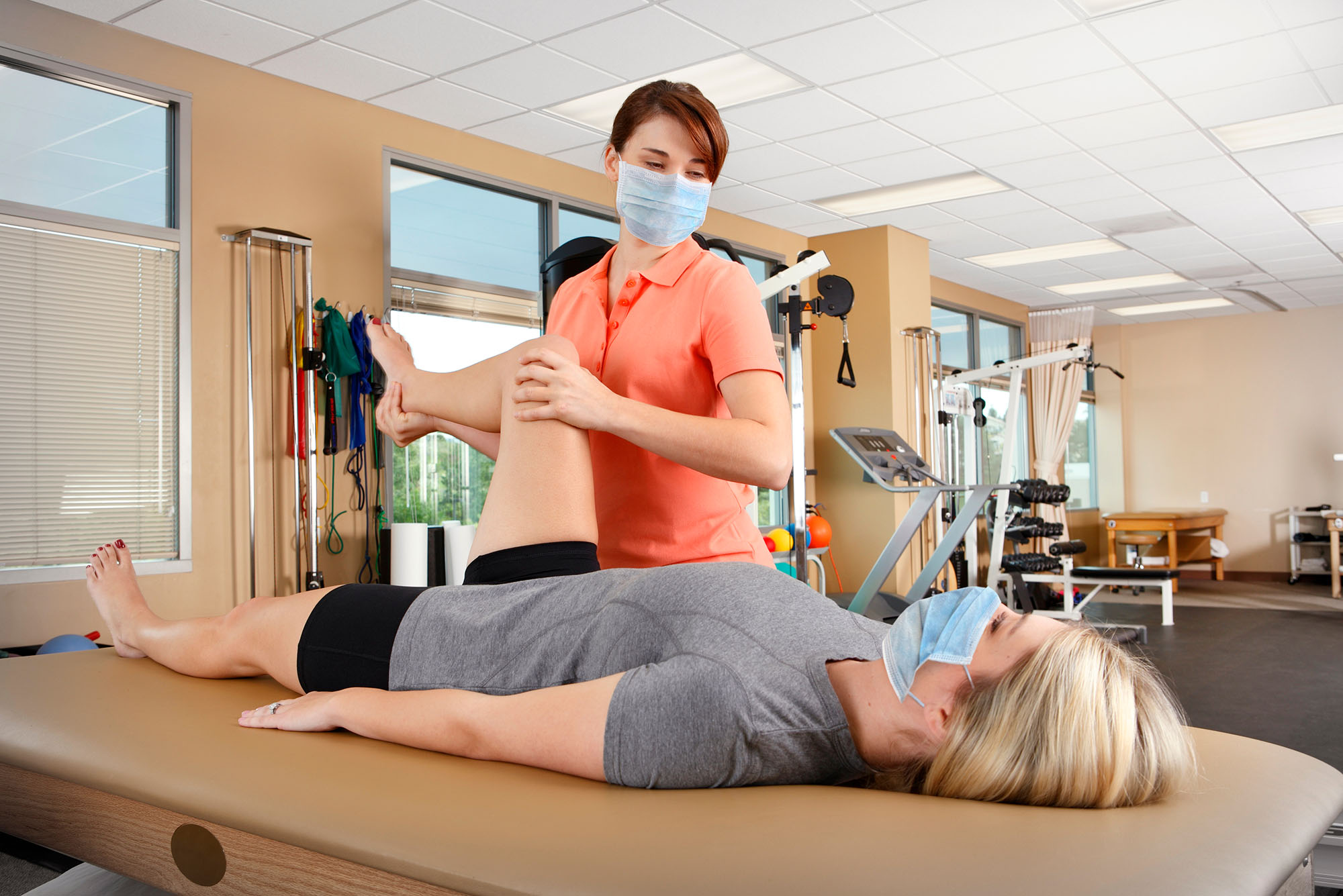
Manual therapy — joint mobilization, soft tissue work, and patellar mobilization — provides immediate relief for a stiff, painful knee and creates the conditions for exercise to be effective. For Emerson’s older residents dealing with morning stiffness and limited range of motion from arthritis, regular manual therapy is central to maintaining function and comfort. For athletes with acute injury, manual therapy begins the process of reducing swelling and restoring mechanics from the first session.
Strengthening: Long-Term Stability for Every Stage of Life
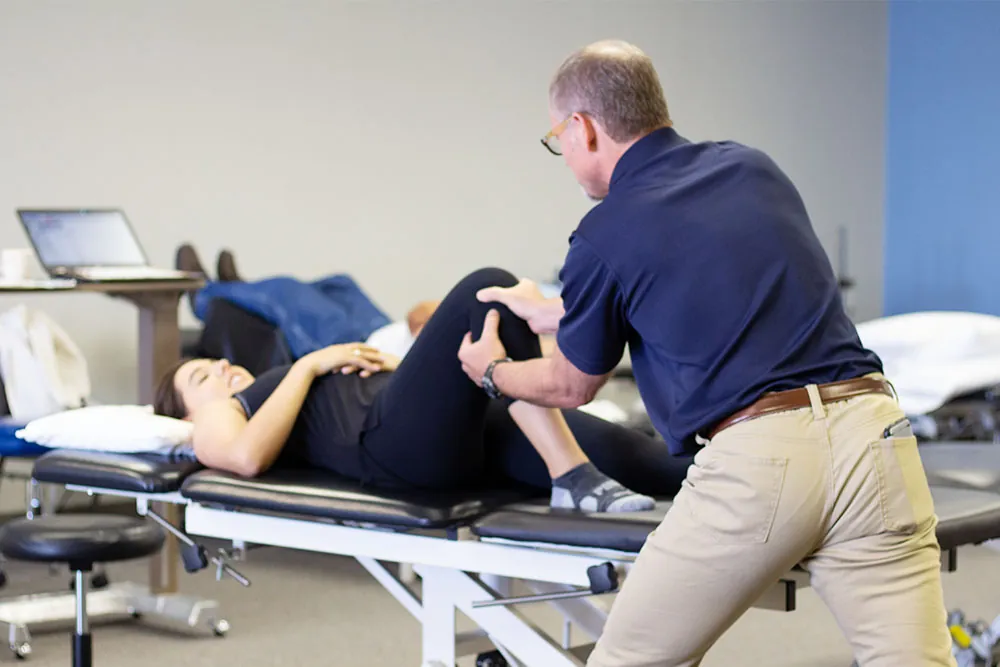
The muscles that protect the knee — quadriceps, hamstrings, glutes, and hip stabilizers — weaken gradually with age and inactivity. For Emerson’s commuter population, prolonged sitting accelerates this process. For the retiree community, the natural reduction in activity that comes with aging compounds it.
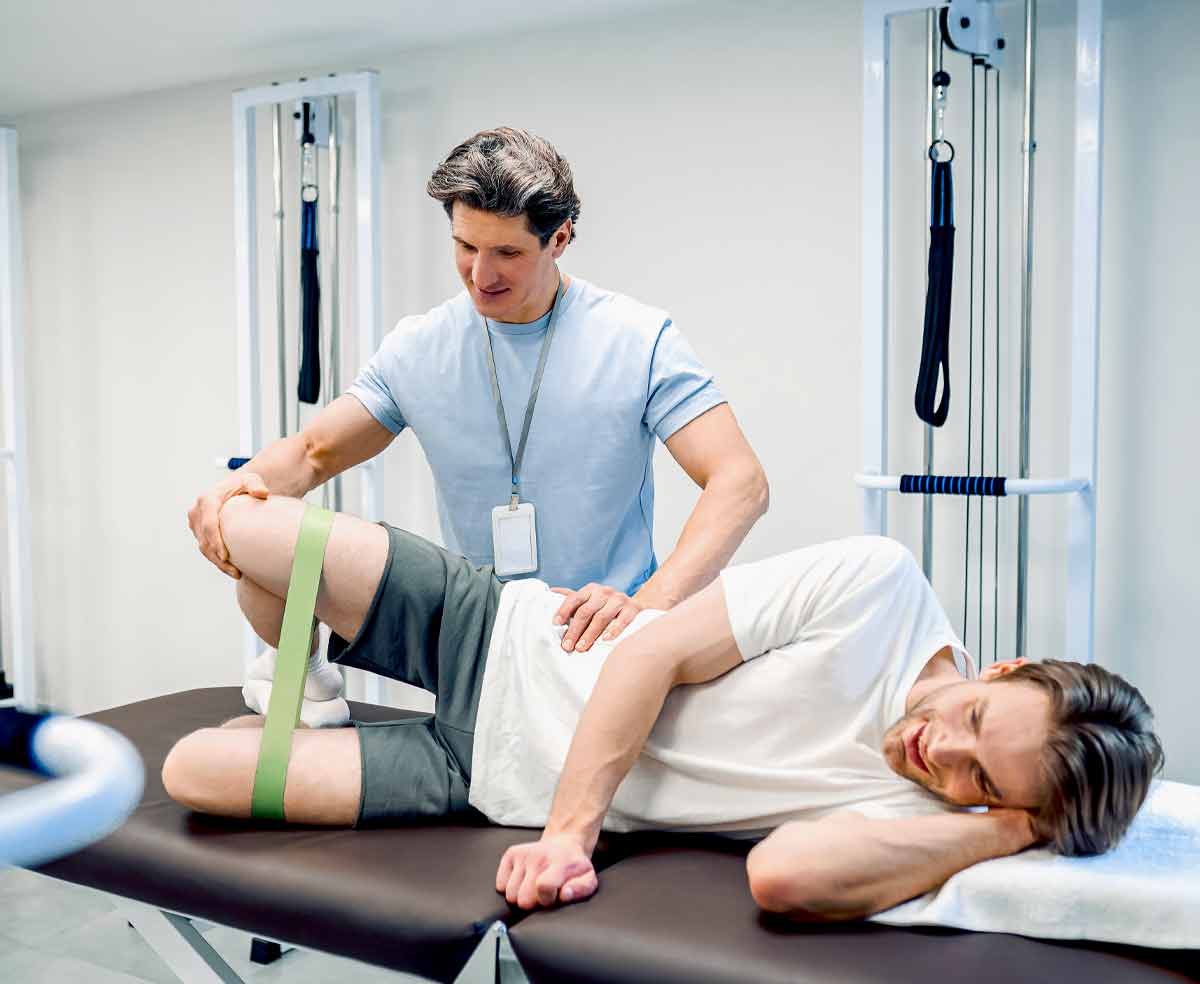
Strengthening these muscles is the most effective long-term intervention for knee pain regardless of age or condition. Research in Current Reviews in Musculoskeletal Medicine confirms that combined hip and knee strengthening significantly reduces pain and improves functional capacity. Your therapist designs a progressive program specifically for your starting point — whether you’re an Emerson Cavalier building back from a ligament injury or a 68-year-old who wants to climb stairs without holding the railing.
EPAT Shockwave Therapy
For Emerson residents with chronic tendon pain — including patellar tendonitis that has persisted through a season of activity and hasn’t responded fully to rest and exercise — EPAT shockwave therapy provides focused acoustic energy that stimulates blood flow and reactivates healing in damaged tissue. Most patients see meaningful improvement after 3–5 sessions. For conditions that have become chronic, EPAT often provides the breakthrough that allows full rehabilitation to proceed.
Dry Needling
Dry needling addresses trigger points — tight, irritable bands in muscles that refer pain and restrict movement. For Emerson commuters with hip flexor and quad tightness from daily driving, or for athletes with persistent muscle tension alongside their knee condition, dry needling provides efficient relief. It’s particularly useful for patients whose knee pain involves a muscle tightness component that stretching alone hasn’t resolved.
AlterG Anti-Gravity Treadmill
For Emerson residents recovering from knee replacement surgery or in significant pain that limits weight-bearing, the AlterG treadmill enables progressive walking and functional movement with reduced joint load. This technology is especially valuable in the early weeks of post-surgical recovery, allowing patients to maintain mobility and conditioning while protecting the healing joint.
Home Programs: The Bridge Between Sessions
Emerson residents typically commute early and return late. The home exercise program your therapist designs needs to work in real Emerson schedules — brief, targeted, and directly connected to your in-clinic goals. You’ll leave each session knowing exactly what to do and why. Because the progress made between sessions is often just as important as the work done during them.
Knee Osteoarthritis in Emerson: A Closer Look
Knee osteoarthritis (KOA) deserves particular attention for Emerson’s population. With nearly a quarter of residents over 65 and high rates of long-term homeownership and physical activity history, KOA is by far the most prevalent knee condition in the community.
The good news: while cartilage loss cannot be reversed, physical therapy meaningfully reduces pain, improves function, and slows progression. A systematic review in the European Journal of Medical Research found that exercise therapy consistently improves pain and functional outcomes in KOA patients. Trinity Rehab’s approach to knee OA combines targeted strengthening to unload the joint, manual therapy to maintain mobility, EPAT for patients with concurrent tendon pain, and education about movement patterns and activity modifications that protect the knee long term.
Many Emerson residents with moderate to advanced knee OA avoid or significantly delay knee replacement through consistent physical therapy.
Why Emerson Residents Choose Trinity Rehab
One-on-one care with a licensed therapist for every session — a model that produces better outcomes and real accountability in a community where people’s time is genuinely limited.
Direct access, no referral required — Bergen County residents can begin treatment without waiting for a physician’s appointment. Schedule your evaluation online today.
Advanced technology — EPAT shockwave therapy, dry needling, and the AlterG anti-gravity treadmill available when clinically appropriate — tools most Bergen County physical therapy practices don’t offer.
Most major insurance plans accepted — Verified before your first appointment, no surprises.
Explore all conditions we treat or read the full knee pain hub article.
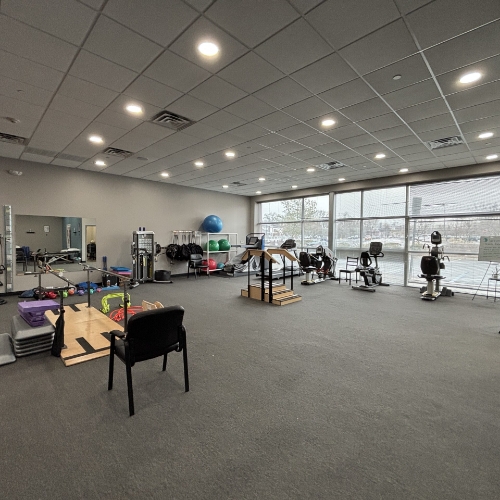
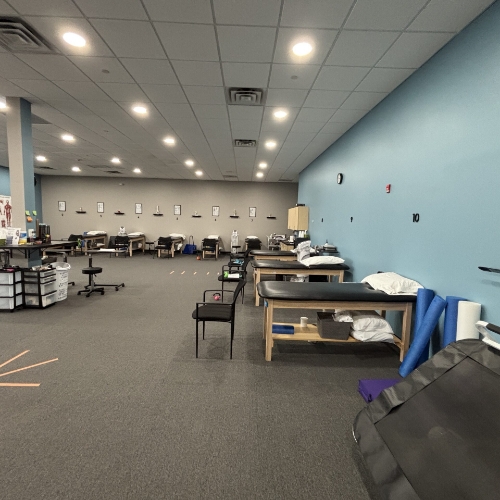
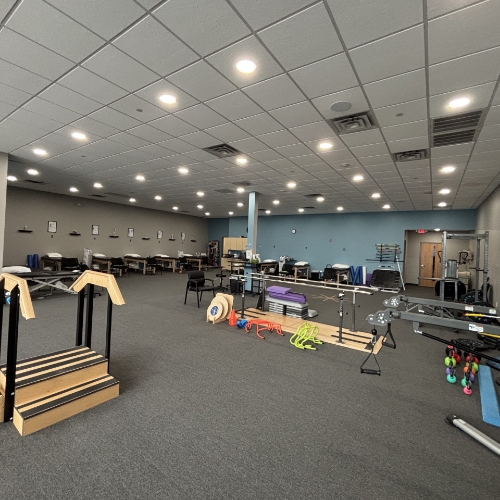
Inside Our Emerson Clinic
Related Conditions & Treatments
Knee pain is just one of the many conditions we treat at Trinity Rehab. Explore our full range of conditions we treat or learn more about specific treatment approaches:
Emerson Knee Rehab For Stairs, Walking, And Daily Confidence
Knee pain can make stairs, walking, exercise, work, and getting in and out of a car more difficult. Emerson rehab should identify whether strength, mobility, balance, swelling, or movement mechanics are driving the issue.
Your therapist may assess knee motion, quad and hip strength, walking mechanics, balance, and activity tolerance. The plan can progress from symptom control to stronger, more confident movement.
Related care includes ACL rehab, meniscus tear rehab, and the Emerson physical therapy clinic page.
Frequently Asked Questions — Knee Pain Treatment in Emerson, NJ
Emerson Knee Rehab For Stairs, Walking, And Daily Confidence
Knee pain can make stairs, walking, exercise, work, and getting in and out of a car more difficult. Emerson rehab should identify whether strength, mobility, balance, swelling, or movement mechanics are driving the issue.
Your therapist may assess knee motion, quad and hip strength, walking mechanics, balance, and activity tolerance. The plan can progress from symptom control to stronger, more confident movement.
Related care includes ACL rehab, meniscus tear rehab, and the Emerson physical therapy clinic page.
I'm in my late 60s and live in Emerson. My doctor says I have significant knee arthritis. Is it too late for physical therapy to help?
My teenager plays basketball for Emerson and has been complaining of knee pain below the kneecap. What is that, and can it be treated without stopping play?
I commute by train to NYC every day and my knees have been achy in the evenings. Could PT help?
Do I need a referral to begin PT at Trinity Rehab?
How do I know if my knee pain needs PT or if I should see an orthopedic doctor first?
Start Your Knee Pain Recovery Today
Don’t let knee pain hold you back. Our physical therapists will create a personalized treatment plan to get you moving again.
Related resources: Knee Pain Treatment Hub | Hip & Knee Pain Relief | Sciatica Treatment | EPAT Therapy | Sports Injuries



Sign up for free health tips and tricks