
LUMBAR DISC HERNIATION TREATMENT IN HAMILTON, NJ
Hamilton Township is a place where 93,000 people find space to spread out across 40 square miles of central New Jersey — raising families in established neighborhoods, walking the 350 acres of Veterans Park, admiring sculpture at Grounds For Sculpture, and coaching youth basketball through the Hamilton PAL. It is also a town where the physical demands of daily life, from warehouse shifts along the I-95 corridor to tennis matches at the 18-court Veterans Park complex, put constant pressure on the lumbar spine.
When that pressure produces a lumbar disc herniation — the moment a weakened disc in your lower back gives way and compresses a nerve — the consequences can derail your entire routine. The shooting leg pain, the inability to sit through your commute, the weakness that makes climbing your front steps feel exhausting: these are not minor inconveniences. They are signals that your spine needs expert care.
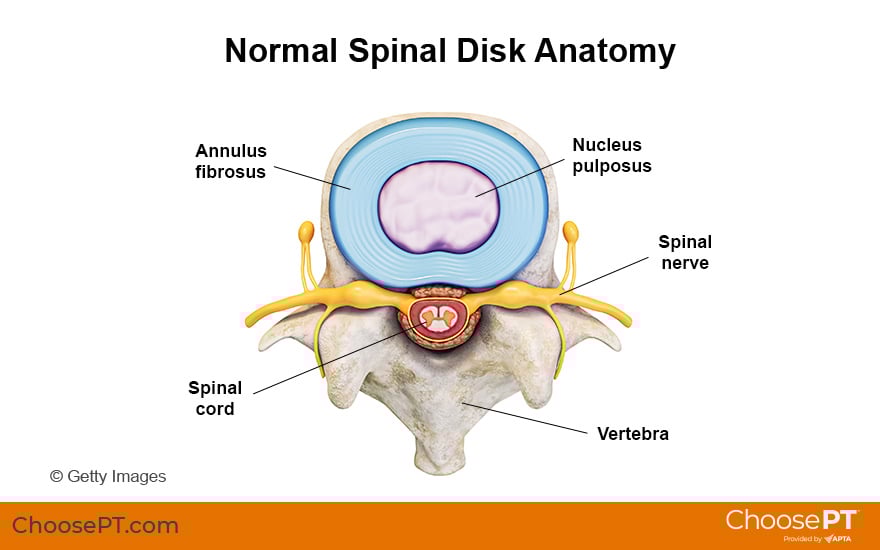
A herniated disc occurs when the gel-like center of a spinal disc (nucleus pulposus) breaks through its outer ring (annulus fibrosus) and presses on a nearby nerve root. This compression produces the pain, numbness, and weakness that characterize sciatica and lumbar radiculopathy. At Trinity Rehab in Hamilton, we use personalized, one-on-one physical therapy to address the cause of your herniation, reduce your symptoms, and restore the active life you deserve.
WHY HAMILTON RESIDENTS CANNOT AFFORD TO WAIT
Hamilton’s demographics create a perfect environment for disc herniations. The median age of approximately 42 places a large percentage of the population in the 30-to-50 window where herniation rates peak. One in five residents is under 18 — meaning parents are constantly lifting, bending, carrying car seats, and running alongside bikes. Another 19 percent are 65 and older, facing the cumulative effects of disc degeneration that make even routine activities risky.
Add in a 25-minute average commute (many residents take NJ Transit or drive I-295/I-195), a growing warehouse and logistics sector, and three competitive high school athletics programs (Hamilton West Hornets, Nottingham Northstars, Steinert Spartans), and you have a township where backs are under constant demand.
Without treatment, a lumbar disc herniation can progress to:
- Chronic back pain that keeps you from work, family activities, and exercise
- Radiculopathy — persistent nerve damage causing leg weakness that limits your mobility
- Increased medication dependence
- Sleep disruption and declining overall health
The research confirms that early conservative treatment is the right approach. According to StatPearls (NCBI), 85 to 90 percent of acute lumbar disc herniations resolve without surgery. Deutsches Ärzteblatt International reports that 60 to 80 percent of patients see meaningful improvement within 6 to 12 weeks of conservative care. Physical therapy at Trinity Rehab Hamilton gives you the fastest, most sustainable path to recovery.
COMMON CAUSES OF DISC HERNIATION IN HAMILTON
- Warehouse and logistics work — Hamilton’s growing distribution sector, including Amazon, UPS, FedEx operations, and the new 170,000-square-foot logistics center, employs workers who lift, bend, and carry repeatedly. These are the movements that create cumulative disc stress at the L4-L5 and L5-S1 levels — the two most commonly herniated segments.
- The daily commute — Hamilton’s central location between New York and Philadelphia makes it a commuter hub. Whether you drive I-95, ride NJ Transit rail, or take the bus, prolonged sitting raises lumbar disc pressure by up to 40 percent.
- High school sports — Hamilton’s three high schools produce competitive football, basketball, and baseball programs. The impact forces of tackling, the rotational demands of a baseball swing, and the explosive movements of basketball all put young spines at risk.
- Tennis and pickleball — Veterans Park’s 18-court complex hosts players whose quick lateral movements, serves, and overhead shots place rotational torque on lumbar discs.
- Golf — Hamilton Trails Golf Club and the Golf Center driving range attract players whose repetitive swing rotation stresses spinal discs, especially those who skip warm-ups or play through pain.
- Yard work and gardening — Hamilton’s residential neighborhoods, combined with the expansive green spaces at Veterans Park, Sayen Gardens, and Kuser Park, mean residents spend hours on outdoor maintenance. Bending, lifting, and twisting with poor body mechanics are classic disc herniation triggers.
- Disc degeneration — Age-related changes reduce disc hydration and flexibility. Most herniations involve discs that have already been weakened by years of wear, even if the final injury feels sudden.
SYMPTOMS HAMILTON PATIENTS EXPERIENCE
Lumbar disc herniation symptoms depend on the location and severity of the herniation:
- Sharp, burning, or electric pain radiating from the lower back through the buttock and down the leg
- Numbness or tingling in the thigh, calf, foot, or toes
- Muscle weakness — difficulty pushing off while walking Veterans Park trails or climbing stairs
- Pain that worsens with sitting, forward bending, coughing, or sneezing
- Lower back stiffness, especially upon waking or after a long period in the car
- Improvement when lying down or taking short walks around the neighborhood
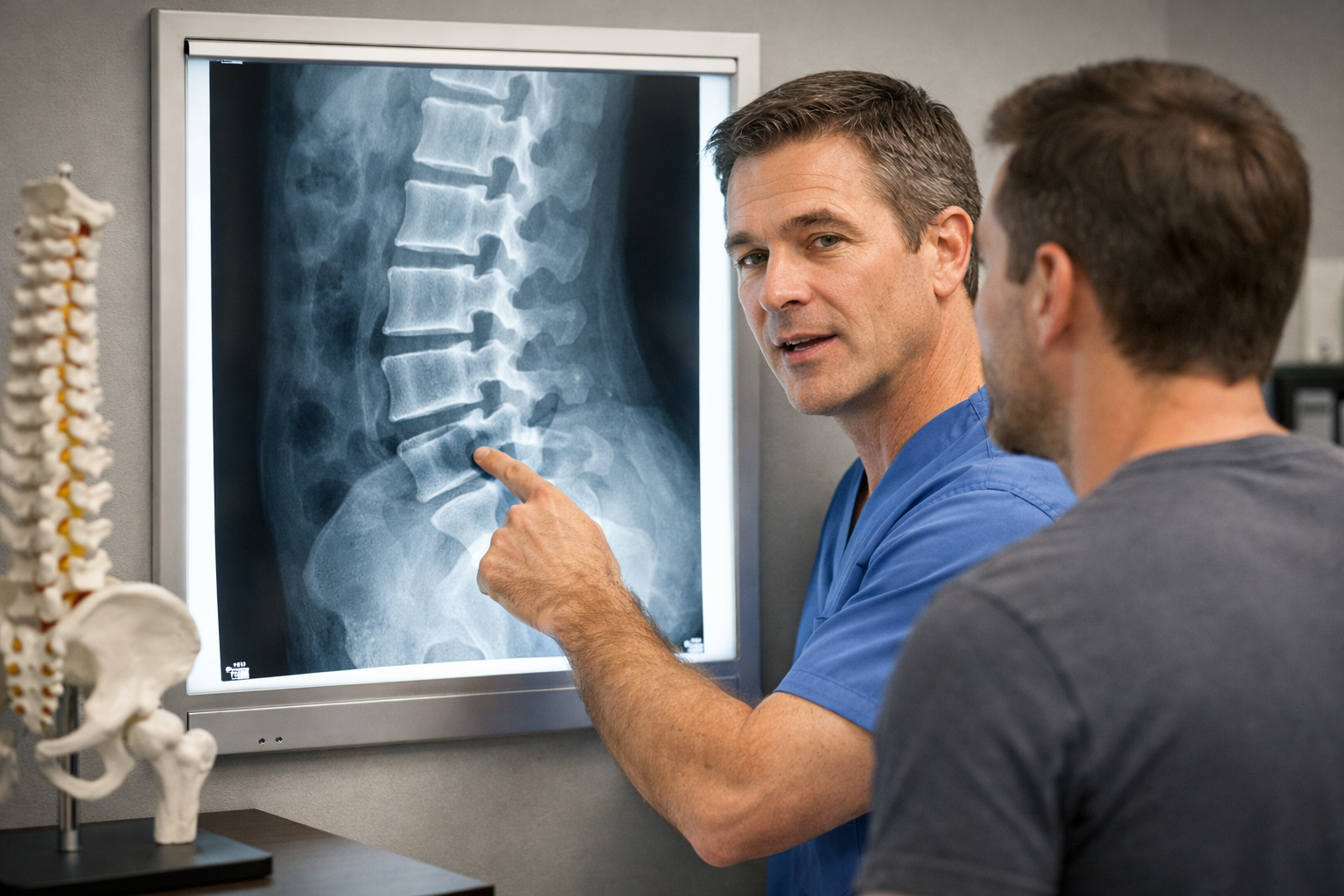
Many people have disc herniations on MRI without any symptoms, which is why your physical therapist at Trinity Rehab evaluates your function, movement, and pain patterns — not imaging alone — to design your plan.
HOW PHYSICAL THERAPY AT TRINITY REHAB HAMILTON RESTORES YOUR FUNCTION
Treatment at Trinity Rehab is always one-on-one with a licensed physical therapist. Your care is organized around the techniques that your specific herniation responds to, with each treatment building on the last.
MANUAL THERAPY AND SPINAL MOBILIZATION
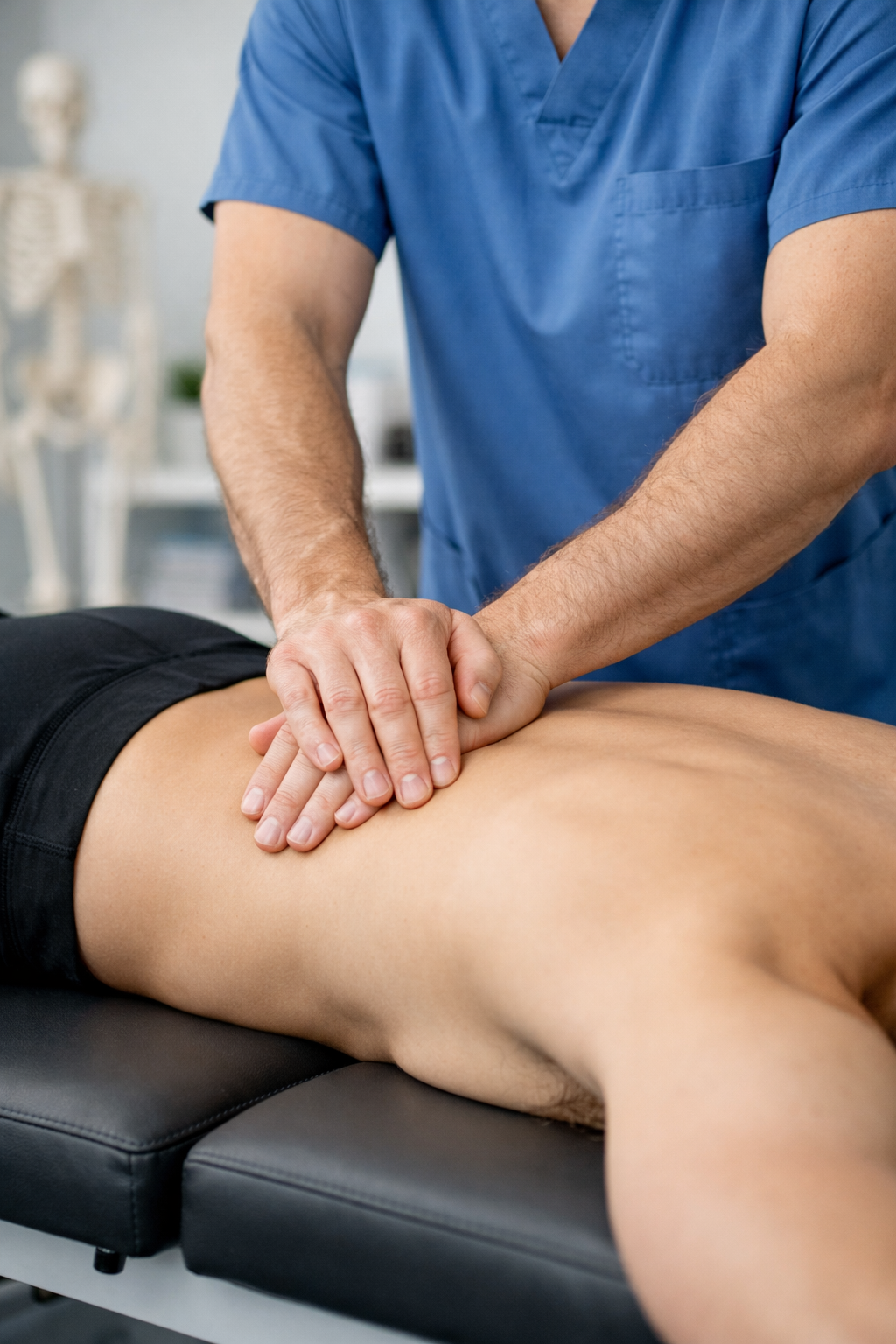
Manual therapy is often the starting point for Hamilton patients who arrive in acute pain. Your therapist uses skilled, hands-on joint mobilization to restore motion in locked-up lumbar segments, soft tissue techniques to release the protective muscle guarding that surrounds a herniated disc, and spinal manipulation to improve alignment and reduce nerve pressure. Whether you are a warehouse worker who cannot bend to the floor, a Steinert Spartan parent who cannot sit through a game, or a Grounds For Sculpture volunteer who cannot stand for an hour, manual therapy frequently provides meaningful relief within the first two to three sessions.
MCKENZIE METHOD AND DIRECTIONAL PREFERENCE
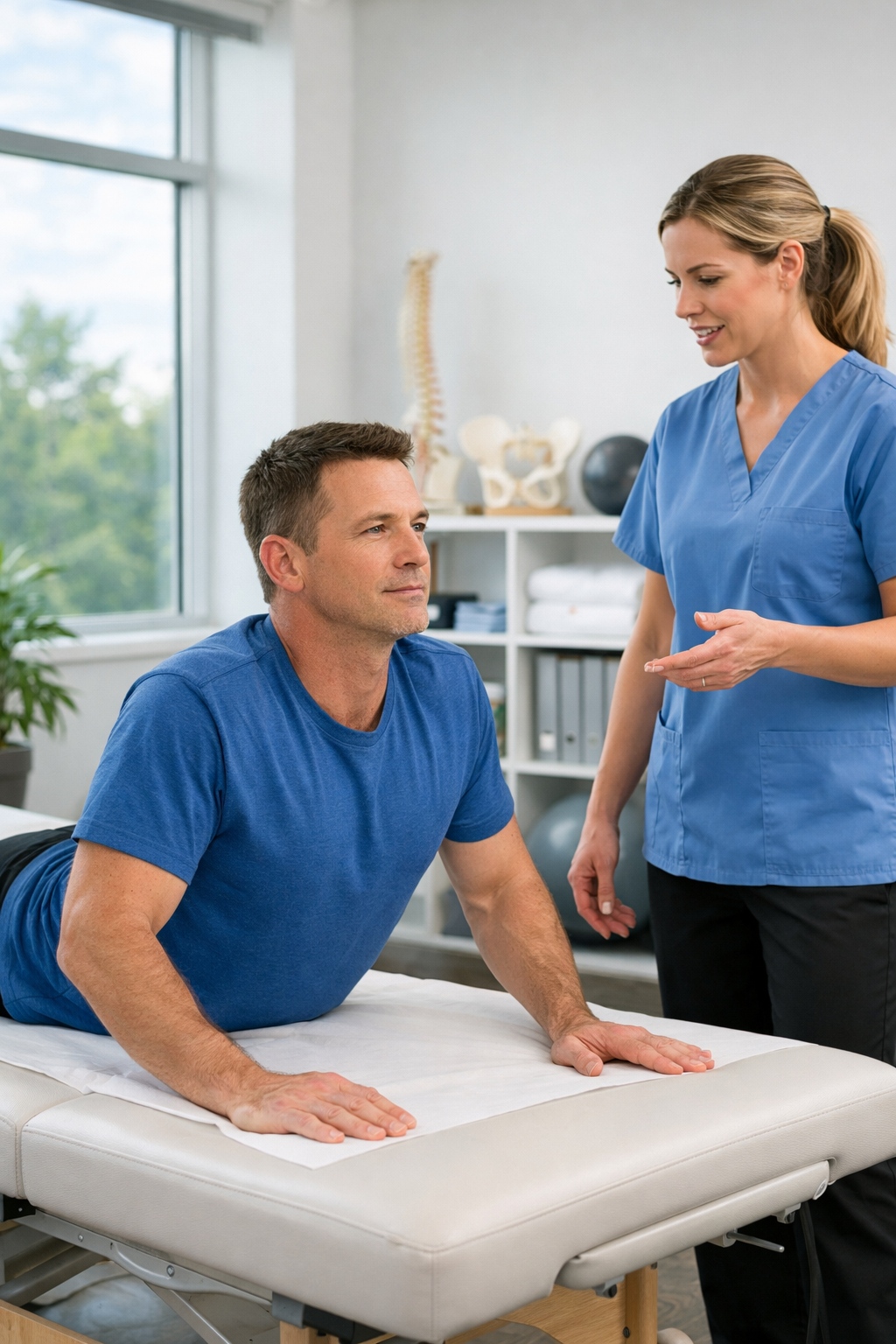
The McKenzie Method identifies the specific movement directions that centralize your pain — drawing it out of your leg and back toward the midline of your spine. For most lumbar herniations, extension-based exercises are the primary tool. Your therapist teaches you a repeatable self-treatment protocol you can use at home, at the warehouse during a break, or at your NJ Transit stop before boarding. Giving you control over your symptoms between visits accelerates recovery and builds confidence.
CORE STABILIZATION AND FUNCTIONAL STRENGTHENING
Rebuilding the deep muscular support around your lumbar spine is essential for lasting recovery and preventing the next episode:
- Deep core reactivation — Targeted exercises for the transverse abdominis, multifidus, and pelvic floor restore the internal muscular bracing system your discs depend on. For Hamilton’s mix of warehouse workers, desk commuters, and weekend athletes, rebuilding this foundation is non-negotiable.
- Hip and gluteal strengthening — Hamilton residents who walk Veterans Park’s 350 acres, serve on the 18-court tennis complex, and coach PAL basketball need strong hips. Weakness in the glutes shifts compensatory force to the lumbar spine and increases re-injury risk.
- Progressive functional challenges — Advancing from static holds (planks, bird-dogs) to dynamic exercises that replicate the demands of your actual life — lifting boxes on the warehouse floor, swinging a racket, bending to a garden bed at Sayen Gardens, or carrying a toddler up the front steps.
- Flexibility and mobility work — Targeted stretching of hamstrings, hip flexors, and the piriformis restores pelvic alignment and reduces the compressive forces that aggravate herniated discs, especially after hours sitting in a car on I-95 or at a desk.
NEURAL MOBILIZATION: RESTORING SCIATIC NERVE MOBILITY
When a herniated disc compresses the sciatic nerve, the nerve can become tethered to surrounding tissue, losing its ability to glide freely. Gentle nerve flossing and gliding techniques restore that mobility, reducing the radiating leg pain and numbness that make walking Veterans Park trails, climbing stairs, and standing through a shift feel impossible. For patients whose leg symptoms are worse than their back pain, neural mobilization is often the technique that changes everything.
DRY NEEDLING FOR DEEP MUSCLE TENSION
Dry needling targets persistent trigger points in the lumbar paraspinals, piriformis, and gluteal muscles — the deep knots that standard stretching cannot reach. Hamilton’s warehouse workers, logistics employees along I-95, and weekend golfers at Hamilton Trails all carry the kind of accumulated muscular tension that responds exceptionally well to this technique. Dry needling improves muscle activation and amplifies the gains from your exercise program.
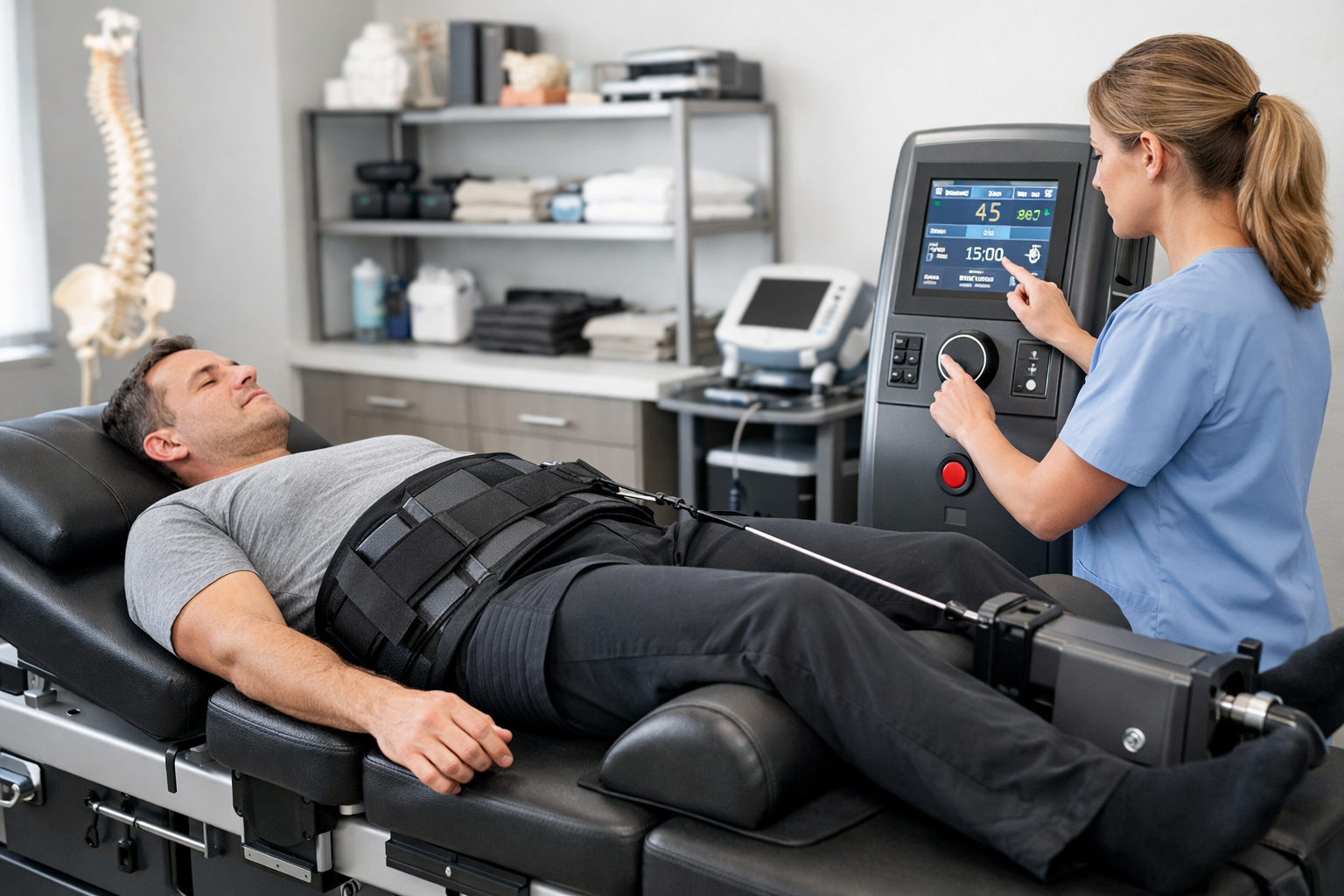
EPAT / SHOCKWAVE THERAPY FOR CHRONIC CASES
For Hamilton patients whose herniation symptoms have plateaued after weeks of consistent therapy, EPAT (Extracorporeal Pulse Activation Technology) delivers targeted acoustic waves that stimulate blood flow, accelerate tissue healing, and reduce chronic pain. EPAT provides an additional stimulus for herniations that have been slow to resolve through conventional treatment alone.
RETURN-TO-ACTIVITY AND HOME EXERCISE PROGRAM
Before you go back to the warehouse floor, the Veterans Park tennis courts, or full-contact Hornets football practice, your therapist runs you through job-specific and sport-specific drills that test your spine under realistic conditions. You also receive a customized home exercise program that maintains your progress and protects your spine well beyond your last visit.
PREVENTING RECURRENCE FOR HAMILTON RESIDENTS
- Continue your core program — Three or more times per week at the Hamilton Area YMCA, Veterans Park facilities, or at home.
- Use proper mechanics at work — Whether you work in a warehouse, at a desk, or on your feet, your therapist teaches techniques specific to your job that reduce spinal strain.
- Break up sitting — If you commute on I-95 or NJ Transit, stand and move every 30 to 45 minutes. A lumbar support cushion protects your disc during the drive.
- Walk Veterans Park — The 350-acre park offers miles of trails for low-impact activity that keeps discs nourished and muscles engaged.
- Maintain a healthy weight — Reducing excess abdominal weight decreases the compressive load on your lumbar spine.
- Incorporate daily spinal mobility — Standing extensions, Cat-Cow stretches, and Half Cobra exercises maintain disc space and prevent stiffness from setting in.
- Listen to your body — Sharp or radiating pain is a signal to modify your activity and consult your physical therapist before it worsens.
WHY HAMILTON PATIENTS CHOOSE TRINITY REHAB
- One-on-one care — Every session is spent with a licensed physical therapist. No aides, no group exercises, no shortcuts.
- Evidence-based approach — McKenzie Method, manual therapy, neural mobilization, dry needling, and EPAT — selected based on your specific herniation and the latest research.
- Mercer County location — Our Hamilton clinic is easily accessible from I-95, I-295, and Route 33, serving Hamilton, Trenton, Robbinsville, and the surrounding area.
- Insurance-friendly — We accept most major plans and explain your coverage before you begin.
- Township-wide trust — From Hornets families to Steinert Spartans parents to Grounds For Sculpture volunteers, Hamilton residents rely on Trinity Rehab for results.
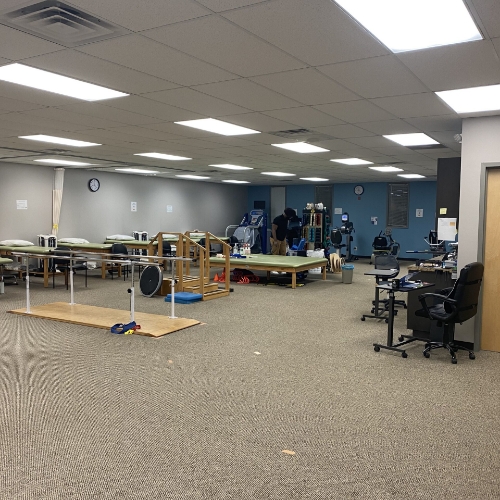
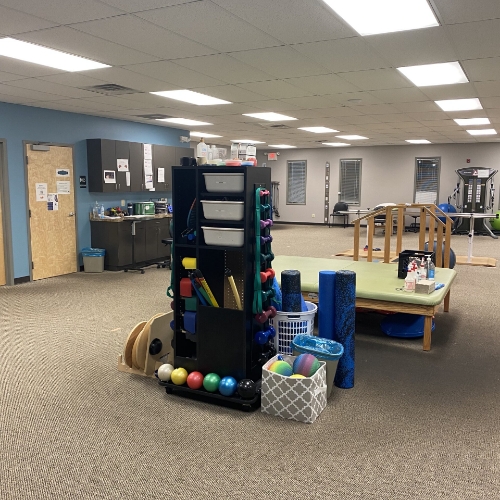
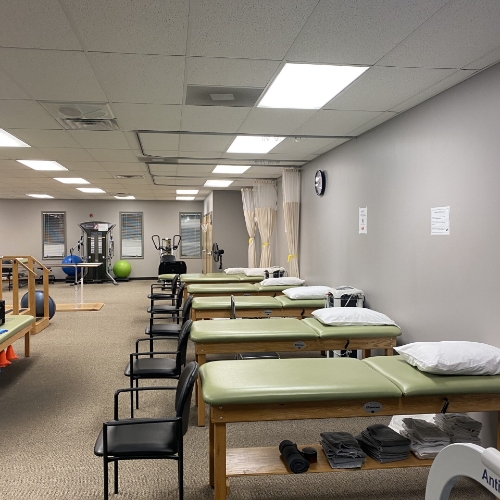
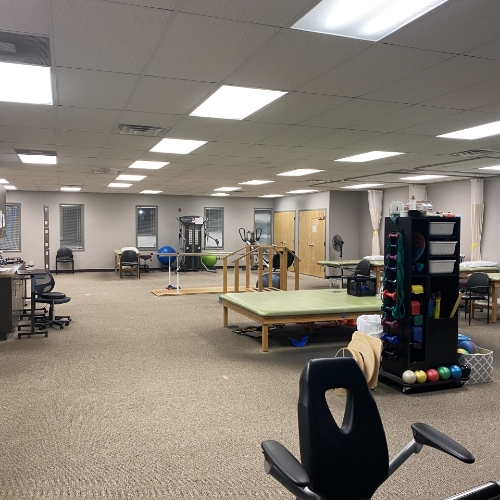
INSIDE OUR HAMILTON CLINIC
RELATED CONDITIONS & TREATMENTS
Lumbar disc herniation is just one of the many conditions we treat at Trinity Rehab Hamilton. Explore our full range of conditions we treat or learn more about specific treatment approaches:
Hamilton Disc Rehab For Back Pain, Leg Symptoms, And Daily Movement
Lumbar disc symptoms can interrupt sitting, driving, lifting, sleep, work, and exercise. Hamilton rehab should connect the diagnosis to the positions and movements that actually trigger your symptoms.
Your therapist may assess lumbar mobility, nerve-related symptoms, hip strength, gait, lifting mechanics, sitting tolerance, and warning signs that require medical care before therapy continues.
Patients with related symptoms may also need sciatica treatment, back pain physical therapy, or the Hamilton physical therapy clinic page.
FREQUENTLY ASKED QUESTIONS
Hamilton Disc Rehab For Back Pain, Leg Symptoms, And Daily Movement
Lumbar disc symptoms can interrupt sitting, driving, lifting, sleep, work, and exercise. Hamilton rehab should connect the diagnosis to the positions and movements that actually trigger your symptoms.
Your therapist may assess lumbar mobility, nerve-related symptoms, hip strength, gait, lifting mechanics, sitting tolerance, and warning signs that require medical care before therapy continues.
Patients with related symptoms may also need sciatica treatment, back pain physical therapy, or the Hamilton physical therapy clinic page.
Can my herniated disc heal without surgery?
How long does physical therapy for a herniated disc take?
Can I return to tennis or sports after a herniated disc?
Is it safe to work in a warehouse with a herniated disc?
Do I need a referral?
GETTING BACK TO WHAT MATTERS
Hamilton Township is a place with room to live, work, and play — and a lumbar disc herniation should not take that away. Whether your goal is returning to the tennis courts at Veterans Park, finishing a shift without pain, strolling through Grounds For Sculpture, or simply picking up your child without wincing, Trinity Rehab can help you get there.
YOUR NEXT STEPS
- Request an appointment at Trinity Rehab Hamilton — walk-ins welcome, or schedule online.
- Meet your physical therapist for a one-on-one evaluation of your symptoms, movement, and goals.
- Begin your personalized treatment plan — relief often begins within the first few sessions.
No referral needed. Contact Trinity Rehab Hamilton today.
Sources:
What Our Patients Say



Sign up for free health tips and tricks