Back Pain Treatment in Hamilton, NJ
Hamilton Township is Mercer County’s largest municipality — a sprawling, 39-square-mile suburban community of nearly 90,000 residents that serves as the residential backbone of the greater Trenton region. Hamilton is home to three high schools — Steinert (East), Hamilton High West, and Nottingham — along with 17 elementary schools and three middle schools. Veterans Park, at 350 acres, is one of the largest municipal parks in New Jersey. The Grounds for Sculpture, a 42-acre sculpture park with more than 270 works, draws visitors from across the state to the Hamilton Square area. Sayen House and Gardens, with its 1,000 azaleas and 500 rhododendrons, is one of Central Jersey’s most beloved open spaces. And Mercer County Park, just across Hamilton’s northern border, offers 2,500 acres of trails, athletic fields, tennis courts, a rowing center, and year-round recreation.
Hamilton’s economy is a mix of government, healthcare, logistics, retail, and small business. The township’s residents include blue-collar workers and tradespeople, healthcare professionals at Capital Health and St. Francis Medical Center, teachers, state government employees who commute to Trenton, and a large contingent of retired veterans and senior residents. This diversity means back pain presents differently across Hamilton’s neighborhoods — from disc injuries in younger athletes at Steinert High to spinal stenosis in older adults enjoying Sayen Gardens to occupational strain in warehouse workers along Route 130.
Trinity Rehab provides expert, one-on-one physical therapy for back pain to Hamilton residents — with the advanced technology and personalized care that delivers lasting results.
The Real Stakes of Back Pain in Hamilton Township
Back pain is the most common reason adults in the United States seek medical care — and in a community as large and physically active as Hamilton, its impact is enormous. Workers miss time at their jobs. Parents miss their children’s events at Veterans Park or Mercer County Park. Retirees stop taking the morning walks through Sayen Gardens that anchor their days.
The National Institute of Neurological Disorders and Stroke reports that untreated back pain is one of the leading causes of chronic disability, and that patients who begin physical therapy early — within the first few weeks of symptoms — recover significantly faster and are far less likely to need surgery or long-term medication management.
Hamilton’s residents deserve access to the same quality of spine care available in larger regional medical centers — expert, evidence-based treatment that goes well beyond a heating pad and a bottle of anti-inflammatories. That is what Trinity Rehab delivers.

Who Gets Back Pain in Hamilton — and Why
Hamilton’s diverse population means we see an equally diverse range of back pain causes. The most common presentations at our clinic include:
Occupational and Physical Labor Injuries
Hamilton’s working-class workforce includes significant numbers of tradespeople, warehouse workers, logistics employees along Route 130, and healthcare workers in physically demanding roles. Repetitive lifting, bending, extended standing, and awkward postures contribute to work-related back injuries that require structured rehabilitation.
Government and Office Worker Sedentary Strain
Hamilton’s proximity to Trenton means a large proportion of residents work in state government or related sectors — spending long hours at desks or workstations. Prolonged sitting accumulates cumulative stress on the lumbar spine, weakens the stabilizing muscles, and sets the stage for disc problems and chronic pain.
Herniated and Bulging Discs
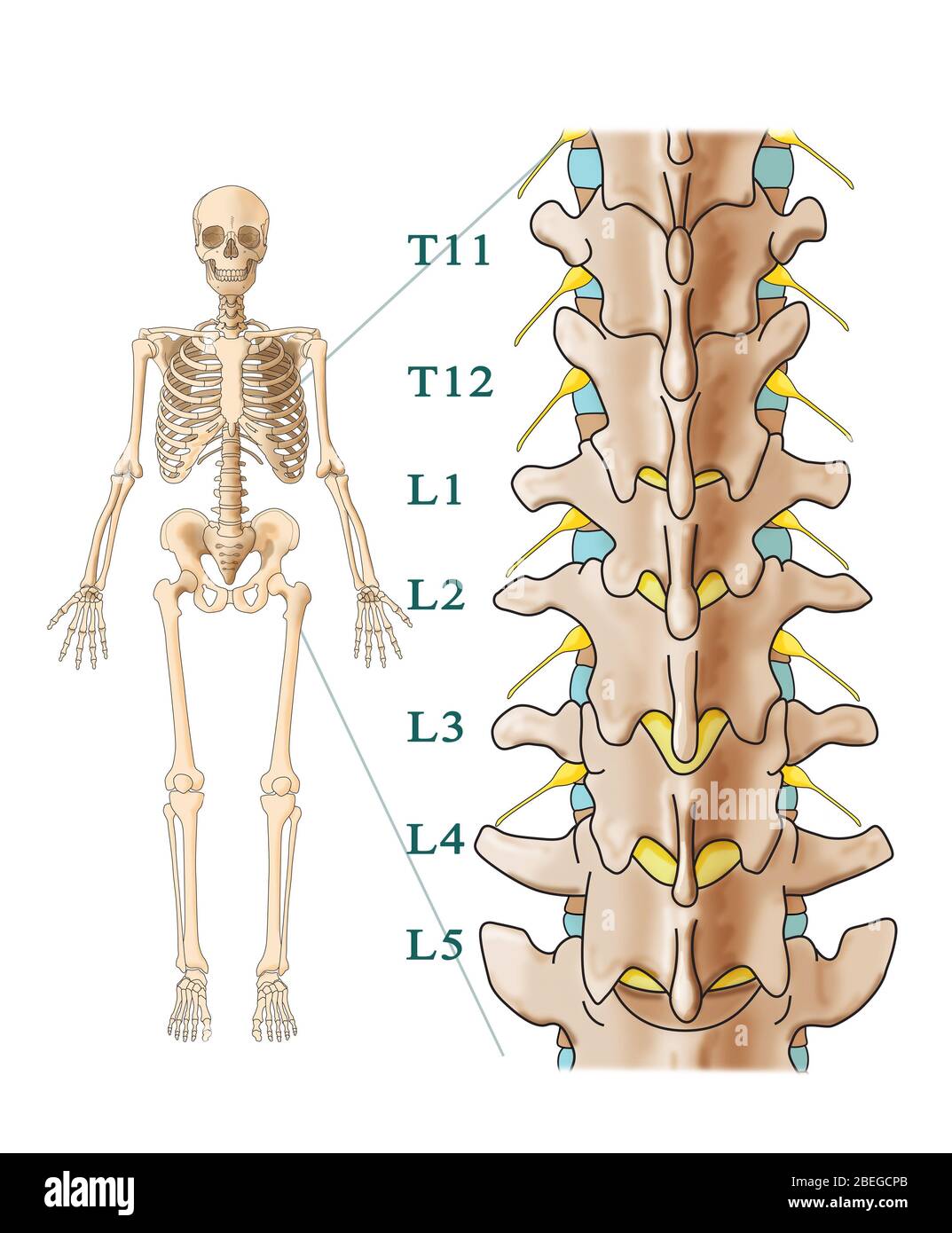
Lumbar disc herniation is one of the most frequently diagnosed back conditions in Hamilton. A herniated disc compresses a spinal nerve root, causing localized back pain and often radiating pain, numbness, or weakness in the leg. Physical therapy is the first-line treatment for most disc herniations.
Sciatica
The burning, shooting pain of sciatica — traveling from the lower back through the buttock and down the leg — affects a large number of Hamilton adults. The condition responds very well to the combination of manual therapy, nerve mobilization, and targeted core strengthening that defines Trinity Rehab’s approach.
Sports Injuries in Student Athletes
Steinert, Hamilton West, and Nottingham High Schools all have extensive athletic programs across football, soccer, track and field, wrestling, and baseball. Student athletes regularly experience back strains, disc injuries, and overuse conditions. Sports injury treatment for Hamilton’s high school athletes is a consistent part of our patient load.
Spinal Stenosis and Degenerative Disc Disease
Hamilton’s large retiree and senior population deals frequently with age-related spinal changes. Stenosis — narrowing of the spinal canal — causes aching, stiffness, and leg pain that worsens with standing and walking. Degenerative disc disease produces persistent aching and reduced flexibility. Both conditions respond well to physical therapy, often dramatically improving quality of life and daily independence.
Sacroiliac Joint Dysfunction
A frequently overlooked source of lower back pain, sacroiliac dysfunction causes deep, one-sided pain in the lower back and pelvis that can mimic disc problems. Hands-on assessment by a skilled physical therapist is necessary to accurately identify this condition and treat it effectively.
Symptoms That Deserve Attention
If you are experiencing any of the following, a physical therapy evaluation is warranted:
- A constant dull ache in the lower back that worsens with prolonged sitting, standing, or driving
- Sharp pain when bending, twisting, lifting, or changing positions
- Pain that radiates from the lower back into the buttock, thigh, or calf
- Burning, tingling, or numbness in one or both legs
- Morning stiffness lasting 20 minutes or more before you feel mobile
- Muscle spasms that make it difficult to stand upright
- Difficulty sleeping or finding a comfortable position at night
- Leg weakness or balance problems that affect how you walk
How Trinity Rehab Treats Back Pain in Hamilton
Your treatment plan at Trinity Rehab is built around your specific diagnosis and the realities of your daily life — not a generic protocol pulled from a textbook.
Phase 1: Assessment and Pain Management
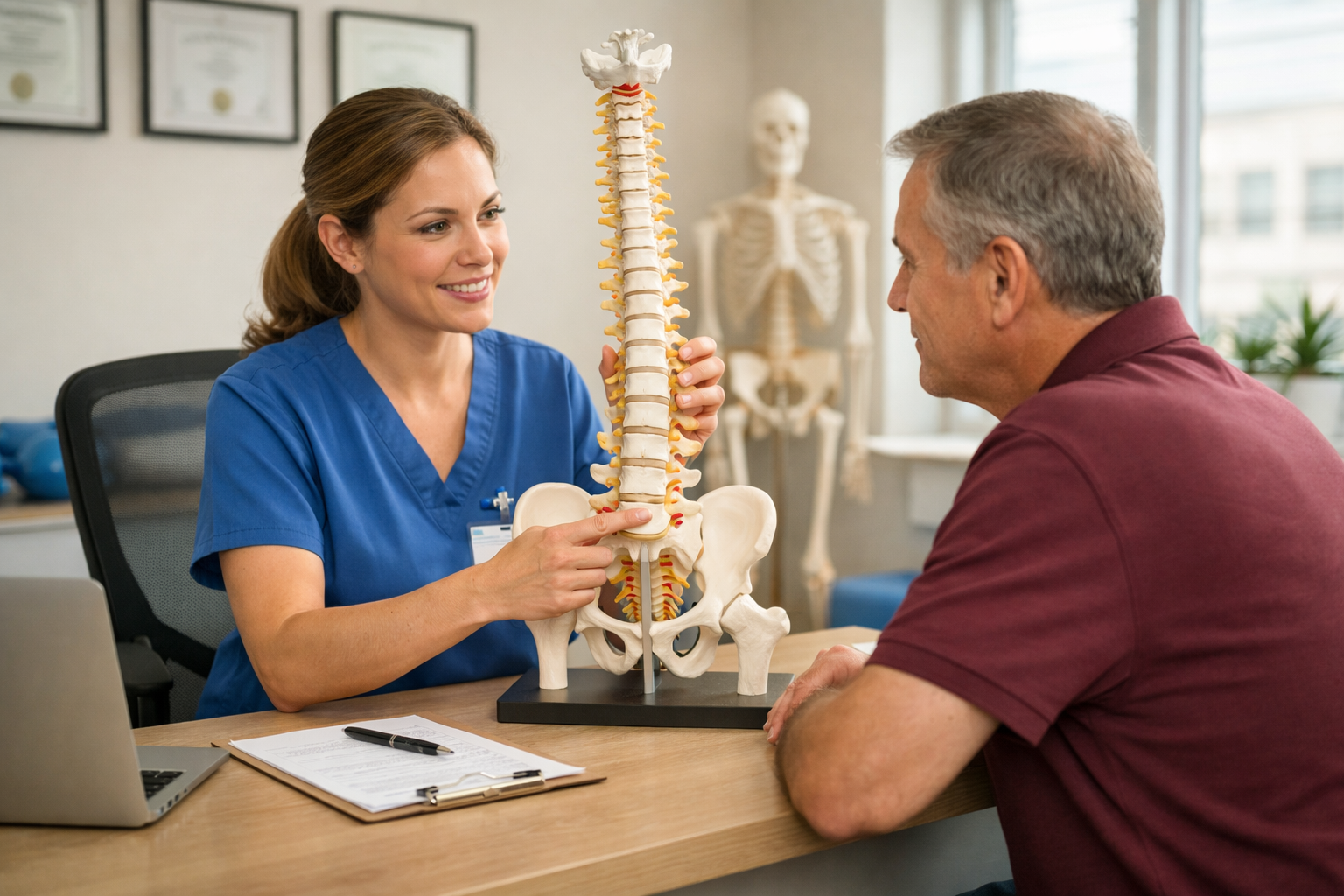
Comprehensive evaluation — Your first appointment is a thorough, one-on-one assessment: detailed medical history, hands-on physical examination, postural and movement analysis, strength and flexibility testing. Your therapist explains the diagnosis clearly and builds your individualized treatment plan during this visit.
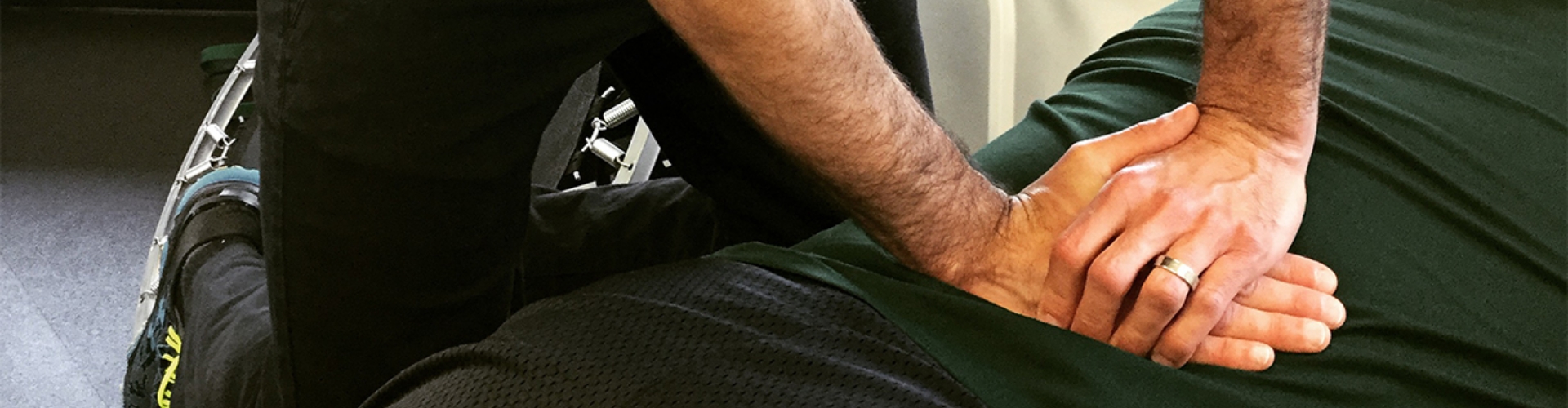
Manual therapy — Manual therapy is central to early pain management. Joint mobilization restores movement to restricted lumbar and sacroiliac segments. Myofascial release addresses the connective tissue restrictions that accumulate with chronic pain and guarded movement. Soft tissue techniques reduce muscle tension and nerve irritation. Most patients experience meaningful pain reduction within the first few sessions.
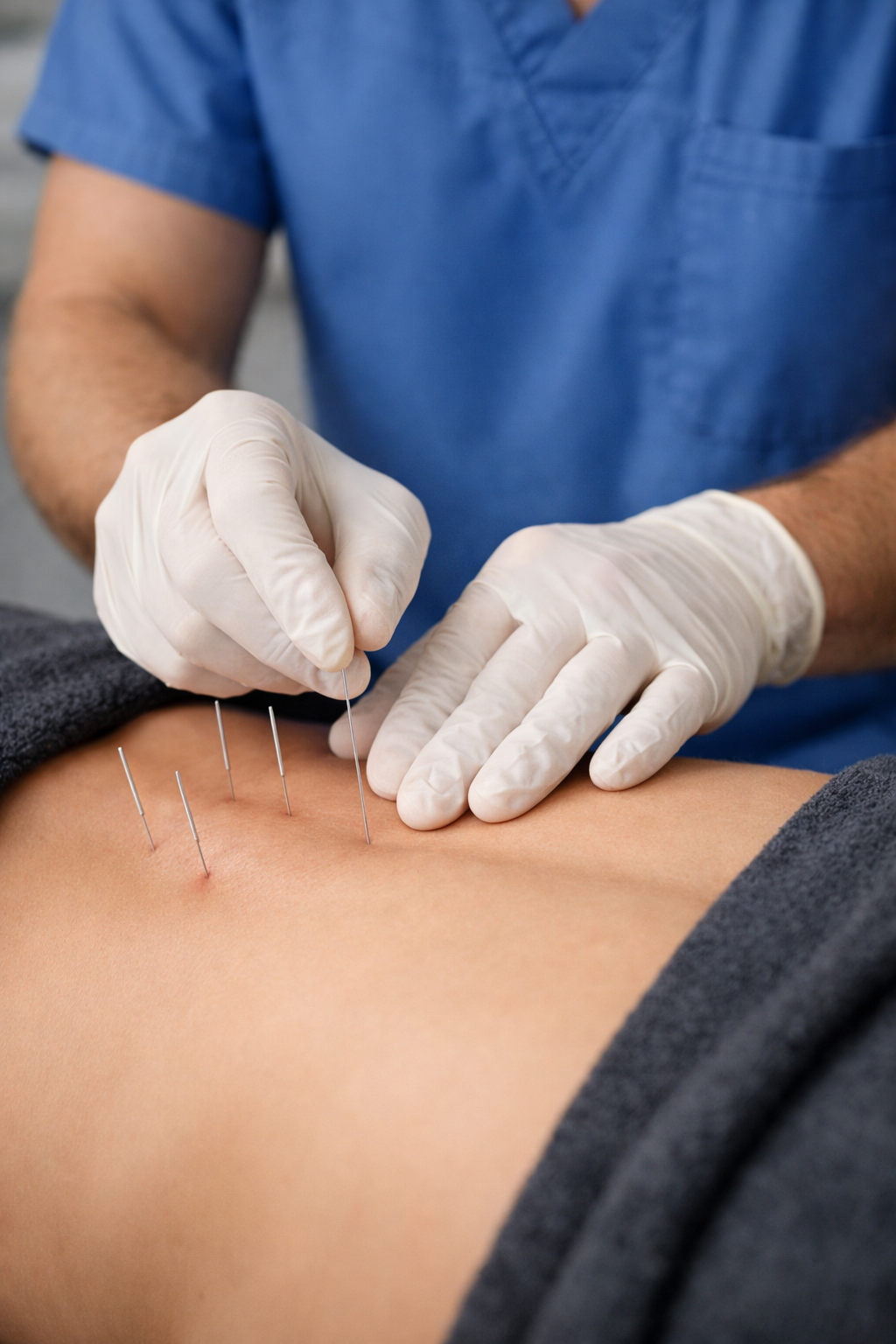
Dry needling — Dry needling targets the trigger points in the paraspinal and gluteal muscles that perpetuate pain and stiffness. A fine filament needle releases the contracted tissue and restores normal circulation and neuromuscular function. Relief is often immediate and substantial — making it one of the most impactful tools in the early treatment phase.
EPAT shockwave therapy — For patients with chronic pain that has persisted for months or years, EPAT delivers focused acoustic pulses that stimulate tissue healing and interrupt the chronic pain cycle at a cellular level. Three to six sessions produce 70–85% improvement in most chronic back pain cases.

Phase 2: Stabilization and Strengthening
Core stabilization training — A weak core is the most consistent underlying factor in recurrent back pain. Your therapist designs a progressive program targeting the deep stabilizing muscles — the multifidus, transverse abdominis, and hip stabilizers. These exercises build the spine’s intrinsic support system, reducing the load on discs, joints, and ligaments under daily demands. For Hamilton’s workers, athletes, and retirees, this phase is often the most transformative.
Spinal decompression — For disc herniations, bulges, and stenosis, mechanical decompression gently reduces intradiscal pressure and relieves nerve root compression. It supports natural disc healing and is particularly valuable for patients with leg pain, numbness, or weakness related to disc pathology.
Flexibility and mobility training — Tight hamstrings, hip flexors, and thoracic spine are reliable contributors to lumbar pain. Your program includes targeted stretching, joint mobility work, and nerve glides to restore the range of motion your kinetic chain needs to function efficiently.
Phase 3: Return to Full Function
Postural and ergonomic training — For Hamilton’s desk workers, tradespeople, and retirees, teaching safe movement mechanics is one of the most valuable parts of the program. Your therapist evaluates your specific occupational and recreational demands — whether that means a state government desk job, a physically demanding trade, or daily walks through Sayen Gardens — and provides targeted corrections.
Home exercise program — Every patient graduates with a personalized home exercise program: 15–20 minutes of stretches, stability work, and strengthening that maintains the gains from physical therapy and protects the spine long-term. Consistent home exercise is one of the strongest predictors of lasting back pain relief.
Neuromuscular re-education — Chronic pain alters how the brain communicates with muscles. Neuromuscular re-education restores balanced activation patterns and efficient movement, addressing the compensation habits that accumulate when patients have been in pain for months or years.
Preventing Back Pain Recurrence in Hamilton
- Walk regularly — Mercer County Park, Veterans Park, and Sayen Gardens all offer beautiful routes for the low-impact walking that keeps spinal muscles conditioned
- Maintain your core program — This is the most important habit for preventing recurrence after discharge
- Lift safely every time — Bend at the hips and knees, keep loads close to your body, never twist under weight
- Take movement breaks — Every 30–45 minutes during desk work or long drives
- Stretch your hips and hamstrings daily — These muscles directly influence lumbar spine health
- Address symptoms early — The sooner you respond to warning signs, the easier the recovery
Why Hamilton Township Residents Choose Trinity Rehab
- One-on-one care, every session — You work directly with a licensed physical therapist for your entire visit, every time
- Advanced treatment technology — EPAT shockwave therapy, dry needling, spinal decompression, and movement analysis tools
- Spine-specialized expertise — Deep experience with disc herniation, sciatica, stenosis, degenerative disc disease, occupational injuries, and post-surgical rehab
- No referral required — New Jersey Direct Access means you can start immediately
- In-network with major insurers — Benefits verified before your first visit
- Flexible scheduling — Morning, evening, and accommodating appointment times for Hamilton’s working families
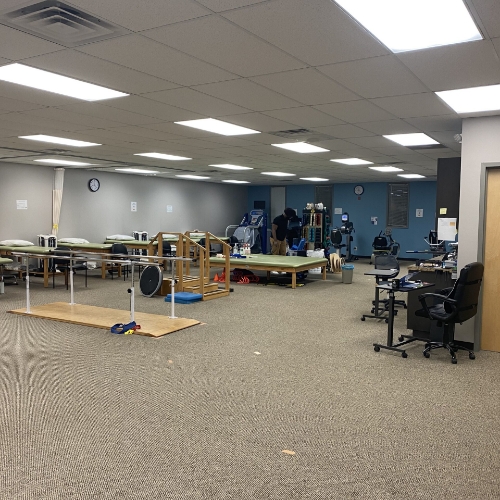
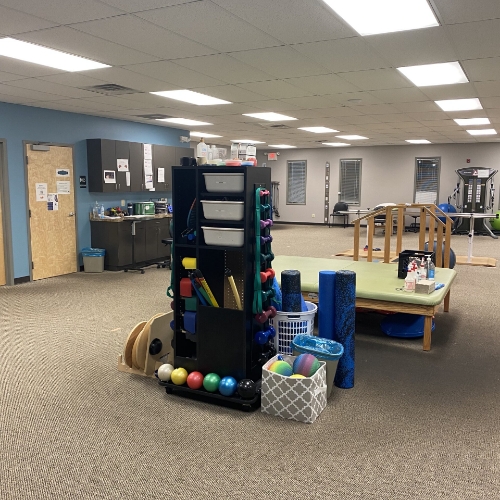
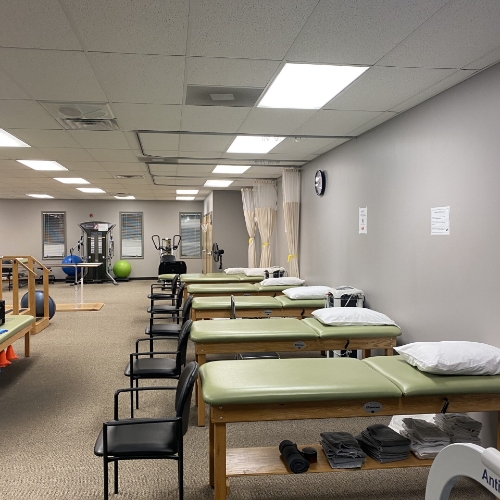
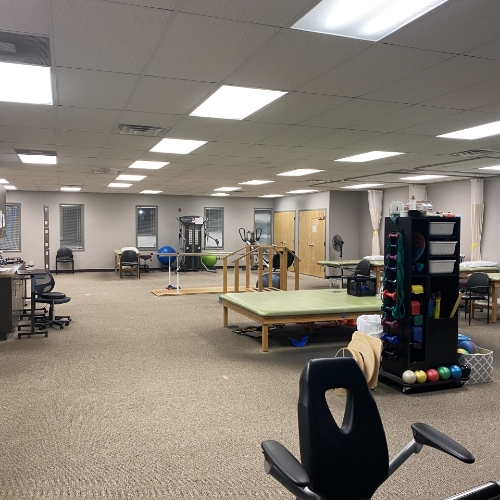
Inside Our Hamilton Clinic
Related Conditions & Treatments
Back pain is just one of the many conditions we treat at Trinity Rehab Hamilton. Explore our full range of conditions we treat or learn more about specific treatment approaches:
Hamilton Back Pain Rehab For Work, Errands, And Everyday Movement
Back pain can interrupt lifting, sitting, driving, sleep, work, and exercise. Hamilton physical therapy should connect your symptoms to the specific movement patterns and daily demands that keep flaring them up.
Your therapist may assess mobility, strength, hip contribution, nerve symptoms, posture, gait, and lifting mechanics. Treatment can include manual therapy, exercise progression, movement coaching, and a home plan you can actually follow.
Related care includes sciatica treatment, hip pain physical therapy, and the main Hamilton physical therapy clinic page.
Frequently Asked Questions
Hamilton Back Pain Rehab For Work, Errands, And Everyday Movement
Back pain can interrupt lifting, sitting, driving, sleep, work, and exercise. Hamilton physical therapy should connect your symptoms to the specific movement patterns and daily demands that keep flaring them up.
Your therapist may assess mobility, strength, hip contribution, nerve symptoms, posture, gait, and lifting mechanics. Treatment can include manual therapy, exercise progression, movement coaching, and a home plan you can actually follow.
Related care includes sciatica treatment, hip pain physical therapy, and the main Hamilton physical therapy clinic page.
How long does physical therapy take for lower back pain?
What should I expect at my first physical therapy appointment for back pain?
Does physical therapy help with chronic back pain?
Can physical therapy help me avoid back surgery?
Does insurance cover physical therapy for back pain in New Jersey?
Get Back to What Matters in Hamilton Township
Whether back pain is keeping you off the trails at Mercer County Park, making the morning walk through Sayen Gardens something you dread, or simply making every workday harder than it should be — Trinity Rehab is ready to help you recover.
- Schedule your evaluation online
- Complete your one-on-one assessment with a licensed physical therapist
- Begin your personalized treatment plan and start getting better
No referral. Convenient scheduling. Expert care focused entirely on you.
Related resources: Back Pain Relief Hub | Sciatica Treatment | Lumbar Disc Herniation | EPAT Therapy | Work Injuries | Knee pain treatment
What Our Patients Say



Sign up for free health tips and tricks