

SCIATICA TREATMENT IN WOODBRIDGE, NJ
Woodbridge is, in many ways, the crossroads of New Jersey. The NJ Turnpike and Garden State Parkway intersect here. Amazon, UPS, and FedEx distribution centers operate here. Wakefern Food Corp’s headquarters is here. And for tens of thousands of residents in Middlesex County’s most populous township, daily life involves the physical work of those distribution and logistics jobs, the long sits of a 33-minute average commute, and the recreational pursuits that make the rest of it worth doing — kayaking on the Woodbridge River, walking the trails at Cattus Island’s Middlesex County equivalent the Ernest L. Oros Wildlife Preserve, playing in a community sports league, or spending a Sunday at the Barron Arts Center and Parker Press Park with the family. When sciatic nerve pain enters this picture — that burning, shooting line from the lower back down through the buttock and into the leg — it does not distinguish between the warehouse worker and the account manager. It stops them both. Trinity Rehab provides expert, one-on-one sciatica treatment in Woodbridge to get everyone back to the life they have built here, New Jersey’s oldest township.
Understanding Sciatica
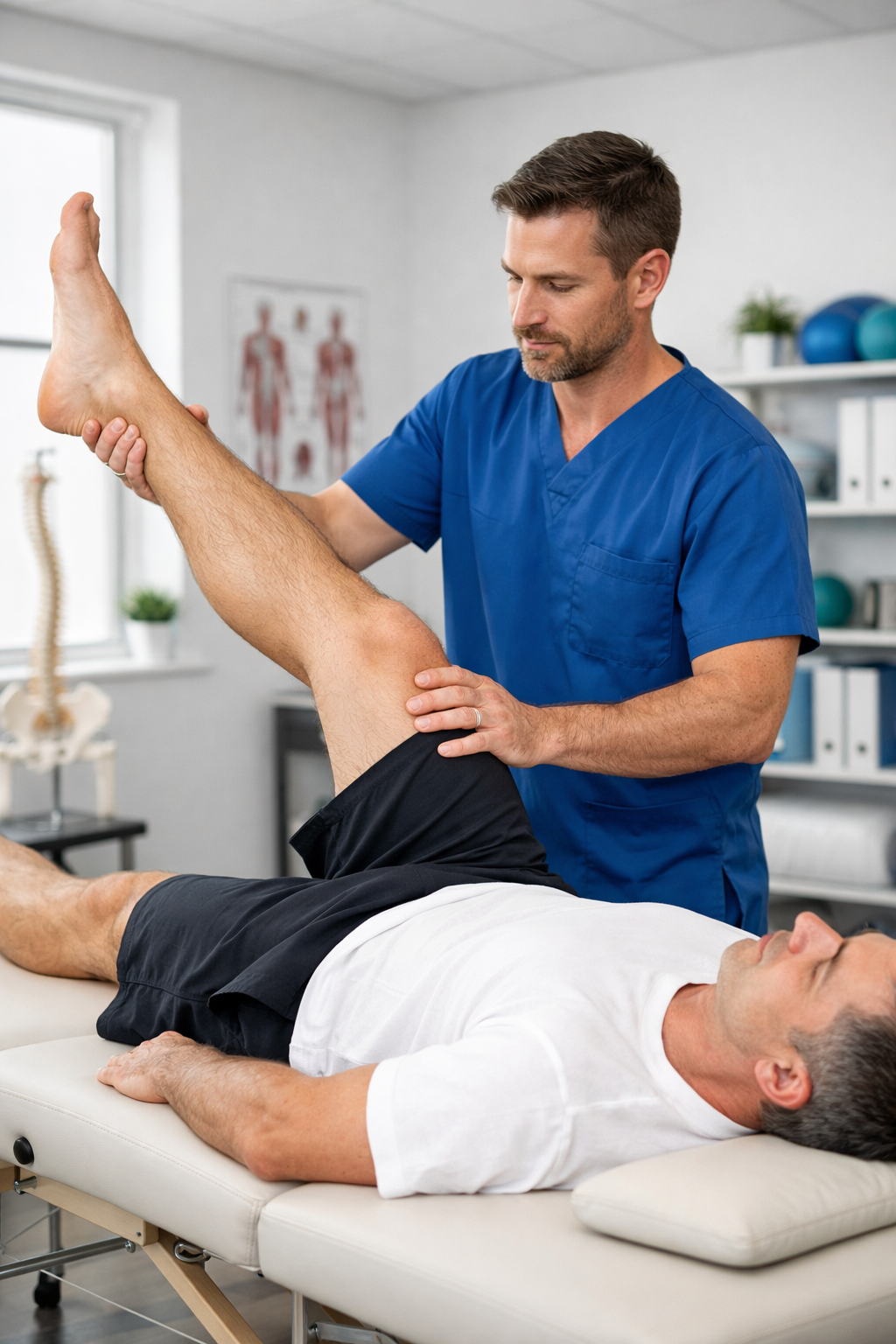
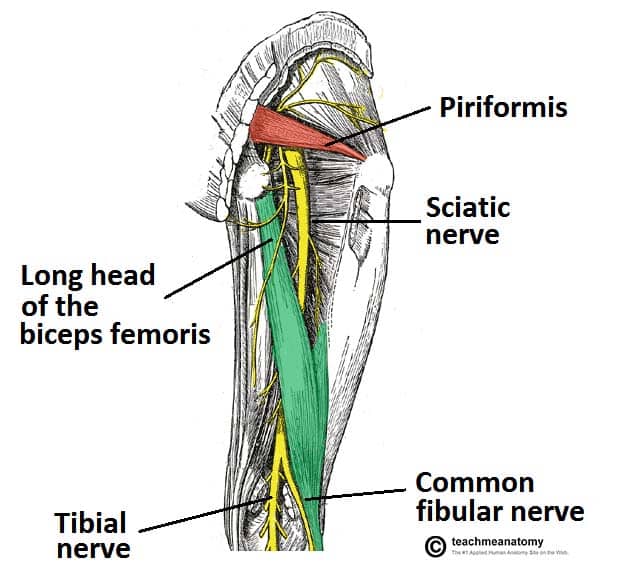
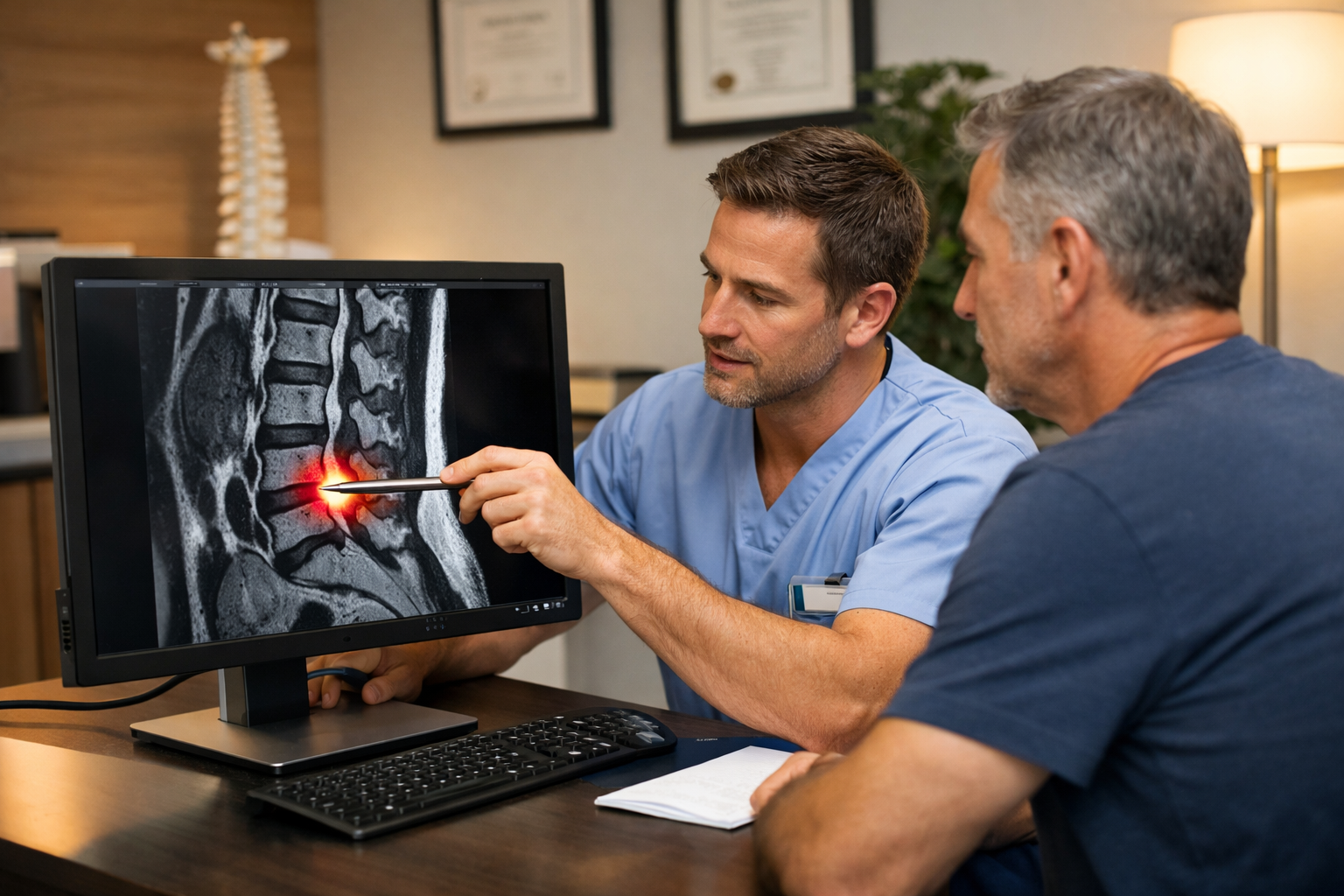
The sciatic nerve exits the lower lumbar spine through a bundle of nerve roots (L4 through S3), passes through the deep gluteal region, and travels down the back of each leg to the foot. It is the body’s largest nerve, and when one of its lumbar origin roots is compressed or irritated, the result is lumbar radiculopathy — clinically, and sciatica colloquially. The pain does not stay at the site of compression; it radiates outward along the nerve’s distribution, which is why a disc herniation in the lower back can produce symptoms felt in the outer calf or the bottom of the foot.
The specific character of the radiating symptom — which leg, which part of the leg, which sensations — is actually diagnostic information. Each lumbar nerve root level produces a distinct symptom pattern, and an experienced physical therapist can use this map to identify the likely source of compression before imaging even enters the picture. This is one reason why an evaluation with a licensed PT is often the most efficient first step when sciatica appears.
According to Cleveland Clinic, sciatica affects nearly 40% of adults at some point in their lives. Most recover fully with appropriate conservative treatment — and physical therapy is consistently among the most effective.
What Causes Sciatica in Woodbridge Residents
Woodbridge’s employment profile and community demographics create some of New Jersey’s most diverse sciatica risk patterns in a single municipality:
Warehouse and distribution workers. Woodbridge is a New Jersey logistics hub. Amazon, UPS, FedEx, and Triton Container facilities employ a large segment of the local workforce in physically demanding roles. Repetitive lifting, bending, and twisting in high-volume warehouse environments — often across 8-to-10-hour shifts — is one of the most well-documented causes of lumbar disc herniation and the sciatica that follows it. Workers who lift awkwardly, who have accumulated years of high-volume loading, or who lack adequate core strength to protect the lumbar spine during the physical demands of their roles are at elevated risk. When the system reaches its limit, a single lift can tip a vulnerable disc into frank herniation and acute nerve root compression.
Commuters and desk workers. Many Woodbridge residents commute to New York or nearby employment centers, averaging 33 minutes each way by car. Those in office roles at Wakefern Food Corp, OceanFirst Bank, or Hackensack Meridian’s Metropark wellness center face the prolonged seated loading that builds disc vulnerability over months and years.
Woodbridge High School athletics and youth sports families. Woodbridge High School’s Barrons have won nine state football championships. Parents and coaches supporting the Barrons, Colonia Patriots, and JFK Memorial athletes are often active recreational participants themselves, adding lumbar loading through adult leagues, pickup sports, and weekend training alongside their active family schedules.
Woodbridge River and waterfront recreation. The Woodbridge River Park, Ernest L. Oros Wildlife Preserve, and Raritan Bay waterfront draw residents to kayaking, canoeing, and trail use. The sustained seated position of a kayak and the mechanics of paddling load the lumbar spine and piriformis in ways that accumulate over a season of weekend use. Related reading: back pain treatment at Trinity Rehab.
Seasonal snow shoveling. New Jersey winter storms deliver heavy, wet snow. The combination of cold muscle temperature, loaded lumbar flexion, and rotational lifting makes shoveling one of the most consistent precipitants of acute lumbar disc herniation. Woodbridge’s dense neighborhoods mean residents clear substantial sidewalk footage each storm.
Recognizing Sciatica
In Woodbridge’s working community, sciatica is sometimes dismissed as “just a bad back” or attributed to muscle soreness from physically demanding work. The distinguishing features are clear when you know what to look for:
- Radiating pain that follows a specific path — from the lower back or deep buttock, down through the back or outer thigh, potentially into the calf and foot; this traveling quality is sciatica’s defining feature
- Neurological symptoms in the leg — numbness, tingling, or “electric” sensations that feel distinctly different from muscle soreness; often described as the leg going partially “asleep”
- Weakness in the foot, calf, or thigh — difficulty lifting the foot fully when walking; tripping more than usual; the leg feeling unreliable
- Pain that worsens during the commute or after a shift — the seated position of a car seat or forklift compresses the disc and restricts nerve root movement, often producing symptoms that peak at the end of a workday
- One-sided pattern — sciatica’s nerve root compression is characteristically unilateral; if both legs are significantly symptomatic simultaneously, further evaluation is warranted
A Woodbridge warehouse worker who lifts dozens of packages per shift and drives 30 minutes home in a compact car may notice increasing left-sided leg pain that starts as dull and occasional and progresses to persistent and sharp over several weeks. A remote worker who relocated to Woodbridge for its Turnpike access may develop right-sided buttock pain and numbness that worsens through a day of back-to-back video calls on a dining chair. Both are sciatica. Different lives, same condition — and each needs a treatment plan built around their specific situation.
Trinity Rehab’s Sciatica Treatment: What to Expect
Trinity Rehab’s approach to sciatica in Woodbridge is structured, individualized, and built around the specific demands of your life — whether that is a warehouse floor, a commuter rail seat, a kayak on the Woodbridge River, or the sidelines of a Barrons game.
Manual Therapy: Immediate Structural Relief
Manual therapy is one of the most powerful early tools in sciatica care. Your Trinity Rehab physical therapist uses specific joint mobilization techniques on the lumbar spine to decompress the nerve root, sacroiliac joint assessment and treatment for those with SI contributions, and soft tissue techniques on the piriformis and gluteal muscles that often compress the sciatic nerve from outside the spine. For Woodbridge’s warehouse workers, manual therapy also addresses the thoracolumbar fascial restrictions that accumulate from repetitive bending and twisting — tissue changes that limit spinal mobility and keep nerve roots under chronic tension.
Neural Mobilization
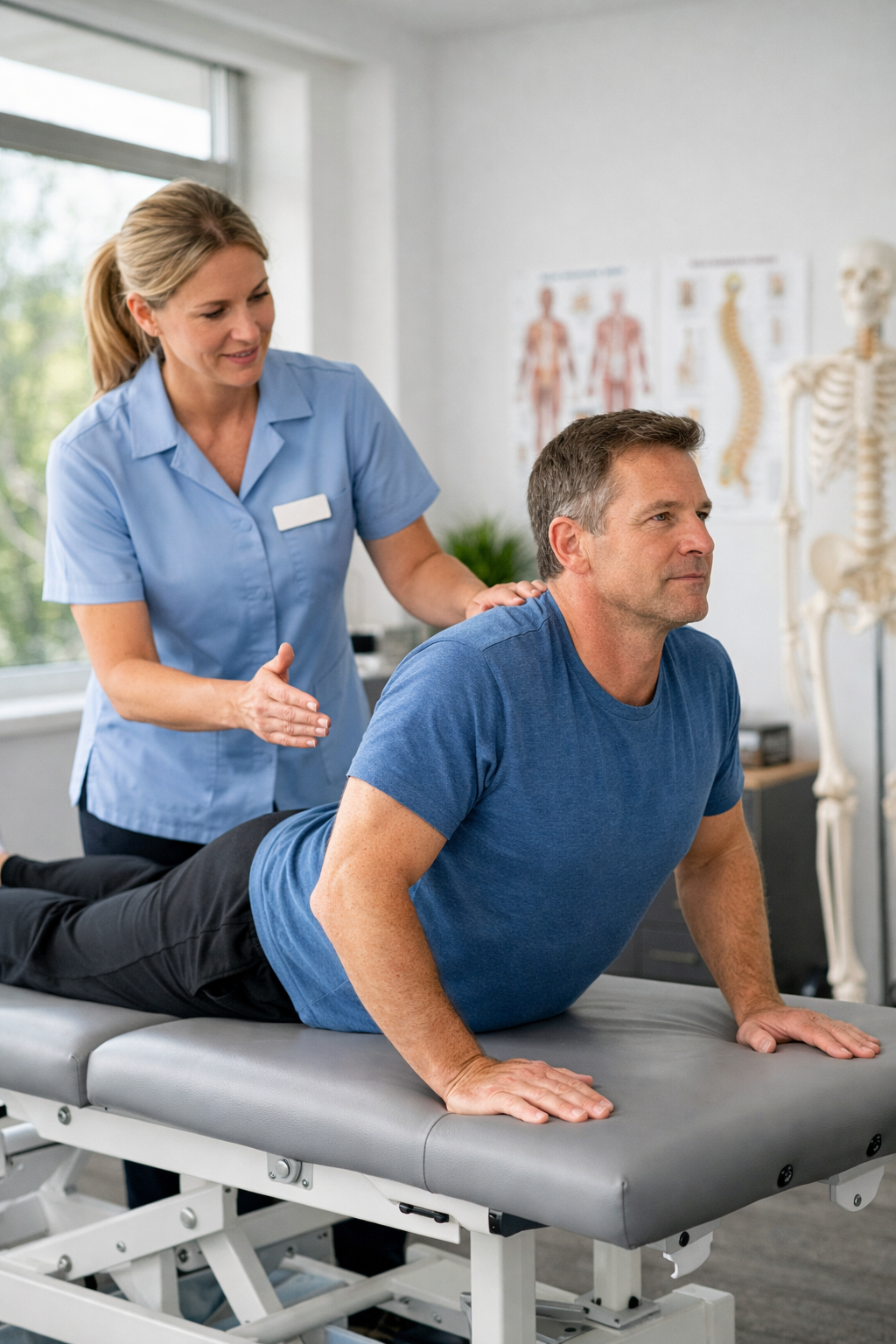
The sciatic nerve must be free to glide through surrounding tissues as the leg moves. Nerve sensitization — where the nerve becomes hypersensitive and adherent — amplifies pain with ordinary movement. Neural mobilization techniques are carefully graduated sequences that restore the nerve’s freedom of movement, directly reduce hypersensitivity, and return normal mechanics to the entire neural pathway. Home nerve gliding exercises are introduced early so that patients can support their own recovery between sessions.
Targeted Core Stabilization
A weak core is among the most common underlying contributors to workplace sciatica in physically demanding jobs. When the deep stabilizers — the transversus abdominis and multifidus — are not providing adequate lumbar support, the discs and nerve roots absorb load they were not designed to manage alone. Trinity Rehab’s stabilization program begins with isolated deep muscle activation, progresses to functional movement patterns relevant to Woodbridge occupations (lifting, reaching, twisting, sustained postures), and ultimately advances to the load levels demanded by your specific job or sport.
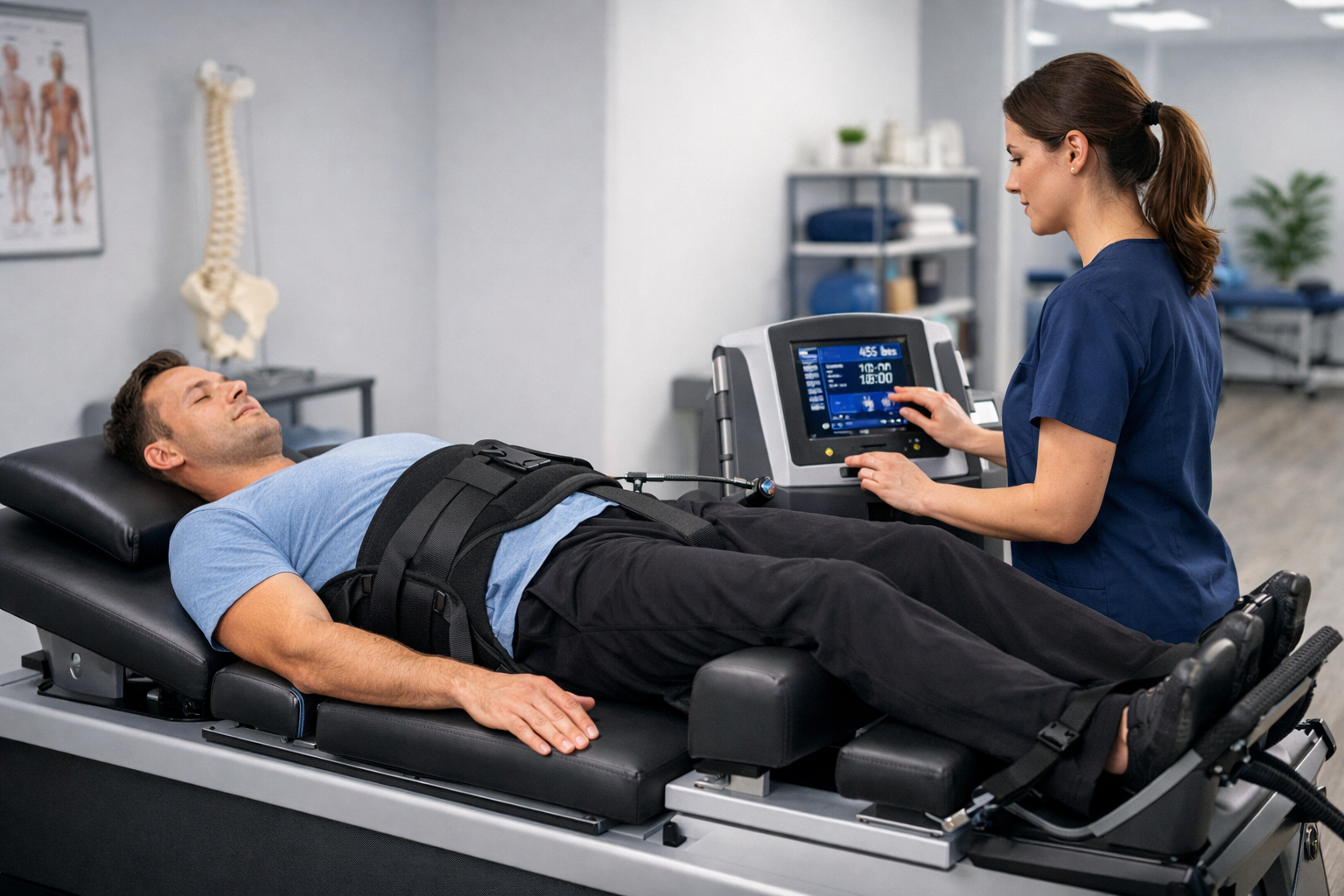
Hip Strengthening and Posterior Chain Development
Gluteal weakness is a near-universal finding in sciatica patients. The glutes control pelvic alignment, directly affect piriformis tension, and determine how much of each lift or step is absorbed by the lumbar spine. For Woodbridge’s warehouse workers, strengthening the glutes and hamstrings is occupational rehabilitation — it is the difference between a body that can sustain a demanding job and one that breaks down under repetitive loading. For recreational athletes, it is the difference between a sport that hurts and one that strengthens.
Dry Needling for Deep Release
Dry needling is available for Woodbridge patients when piriformis or paraspinal trigger points are maintaining nerve compression despite other treatment. This technique uses thin monofilament needles to release myofascial trigger points in the deep gluteal and lumbar musculature — reaching tension that cannot be accessed by surface manual techniques. For workers with years of repetitive occupational loading, dry needling can break through plateaus that limit strengthening progress.
Occupational and Functional Rehabilitation
For Woodbridge’s warehouse and distribution workers, occupational rehabilitation is not a bonus — it is the point. Your Trinity Rehab therapist will assess the specific demands of your job, identify the movement patterns that are loading your lumbar spine most aggressively, and build a functional progression that prepares your body to return to work safely. Body mechanics coaching, lifting technique refinement, and worksite accommodation recommendations are integrated into the treatment plan.
For commuters and desk workers, ergonomic coaching — seat positioning, lumbar support, movement break frequency, and posture cueing — extends the treatment environment to the workday itself.
Return to Activity and Long-Term Prevention
Before discharge, your therapist ensures you are prepared for everything Woodbridge demands — the warehouse floor, the Turnpike commute, the kayak, the fall sports season. A clear home exercise program and injury prevention education complete the course of care.
Why Trinity Rehab in Woodbridge
Woodbridge’s workforce includes people doing some of the most physically demanding jobs in New Jersey. They deserve physical therapy that matches that seriousness — not a crowded gym, not a generic exercise handout, but a licensed physical therapist engaged with their case for every minute of every session. That is what Trinity Rehab’s one-on-one model delivers.
No referral required. New Jersey’s Direct Access Law allows Woodbridge residents to begin physical therapy immediately, without waiting for a physician’s appointment or prescription. In sciatica, time to treatment correlates directly with recovery speed — early care consistently produces better outcomes.
Trinity Rehab accepts most major insurance plans, including those common among Woodbridge’s major employers, and offers scheduling flexibility with early morning and evening appointments. We understand that warehouse shifts, retail management hours, and NYC commutes do not always align with a standard 9-to-5 physical therapy schedule.
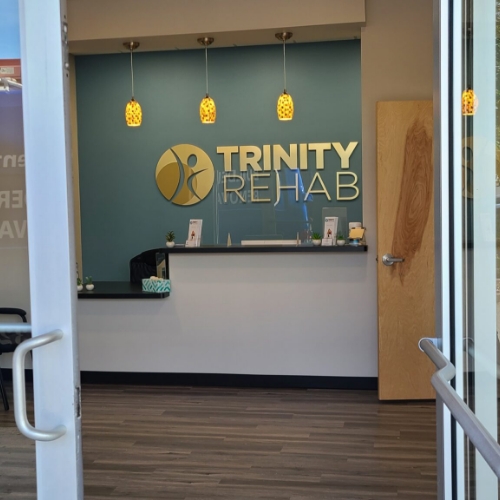
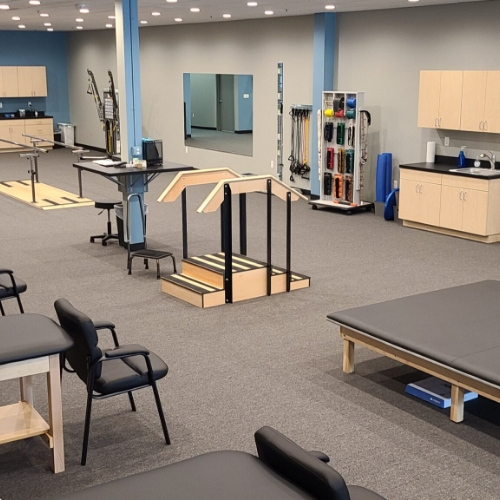
Inside Our Woodbridge Clinic
Related Conditions & Treatments
Sciatica is just one of the many conditions we treat at Trinity Rehab Woodbridge. Explore our full range of conditions we treat or learn more about specific treatment approaches:
- Sciatica Treatment Overview
- Back Pain Treatment
- Hip & Knee Pain Relief
- Manual Therapy
- Dry Needling
- EPAT / Shockwave Therapy
Woodbridge Sciatica Rehab For Leg Pain, Sitting Pain, And Walking Tolerance
Sciatica-like symptoms can make sitting, driving, bending, sleeping, and walking difficult. Woodbridge patients need a plan that separates nerve-related leg pain from back, hip, or muscle-driven symptoms.
Your therapist may assess symptom behavior, lumbar mobility, nerve tension, hip strength, walking tolerance, and positions that calm or worsen symptoms. Progressive weakness, numbness, or bowel/bladder changes should be medically reviewed urgently.
Related spine options include back pain physical therapy, lumbar disc herniation rehab, and the Woodbridge physical therapy clinic page.
Frequently Asked Questions
Woodbridge Sciatica Rehab For Leg Pain, Sitting Pain, And Walking Tolerance
Sciatica-like symptoms can make sitting, driving, bending, sleeping, and walking difficult. Woodbridge patients need a plan that separates nerve-related leg pain from back, hip, or muscle-driven symptoms.
Your therapist may assess symptom behavior, lumbar mobility, nerve tension, hip strength, walking tolerance, and positions that calm or worsen symptoms. Progressive weakness, numbness, or bowel/bladder changes should be medically reviewed urgently.
Related spine options include back pain physical therapy, lumbar disc herniation rehab, and the Woodbridge physical therapy clinic page.
Where can I get sciatica treatment in Woodbridge, NJ?
Does Trinity Rehab accept insurance for Woodbridge residents?
I do heavy lifting at work — will physical therapy actually help me return to that job?
How do I know if my sciatica is serious enough for physical therapy?
Woodbridge is New Jersey’s oldest township and one of its most active communities. The Woodbridge River, the Barron Arts Center, the community sports leagues, and the honest physical work of a busy life deserve a body that can show up fully. Sciatica is treatable — and Trinity Rehab is ready to treat yours.
- Request your appointment — no physician referral needed, flexible scheduling available
- Get a thorough evaluation — understand exactly what is causing your sciatica and how to address it
- Recover with one-on-one expert care — your licensed PT, every session, from first visit to full recovery
Woodbridge’s life is worth getting back to. Book your sciatica appointment today.