
ROTATOR CUFF INJURY TREATMENT IN WOODBRIDGE, NJ
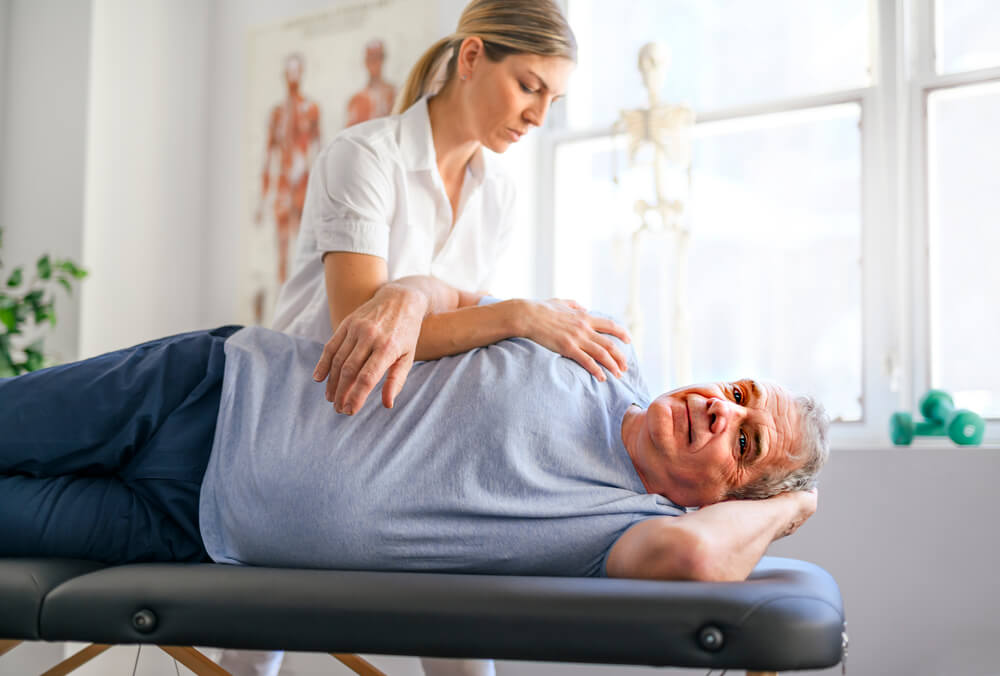
Your Shoulder Keeps Woodbridge Moving — We Keep It Healthy
Woodbridge Township runs on hard work. Whether you manage IT infrastructure at SHI International’s headquarters, coordinate builds with Structure Tone, or move freight through distribution centers like R.A.S. Logistics, your shoulders absorb the demands of your livelihood. After hours, those same shoulders power slapshots during hockey league nights at the Woodbridge Community Center, pull through laps at Highland Grove Pool, and launch serves on the courts at Woodbridge High School. In a township where suburban families, NYC commuters, and long-time residents share a tradition of staying active, a rotator cuff injury can stall your career, sideline your weekends at Merrill Park, and make everyday tasks feel impossible.
At Trinity Rehab in Woodbridge, we provide one-on-one physical therapy designed to get your shoulder working again — without surgery, and without a physician referral. New Jersey’s direct access law means you can schedule your first appointment as soon as symptoms appear.
Understanding Rotator Cuff Injuries
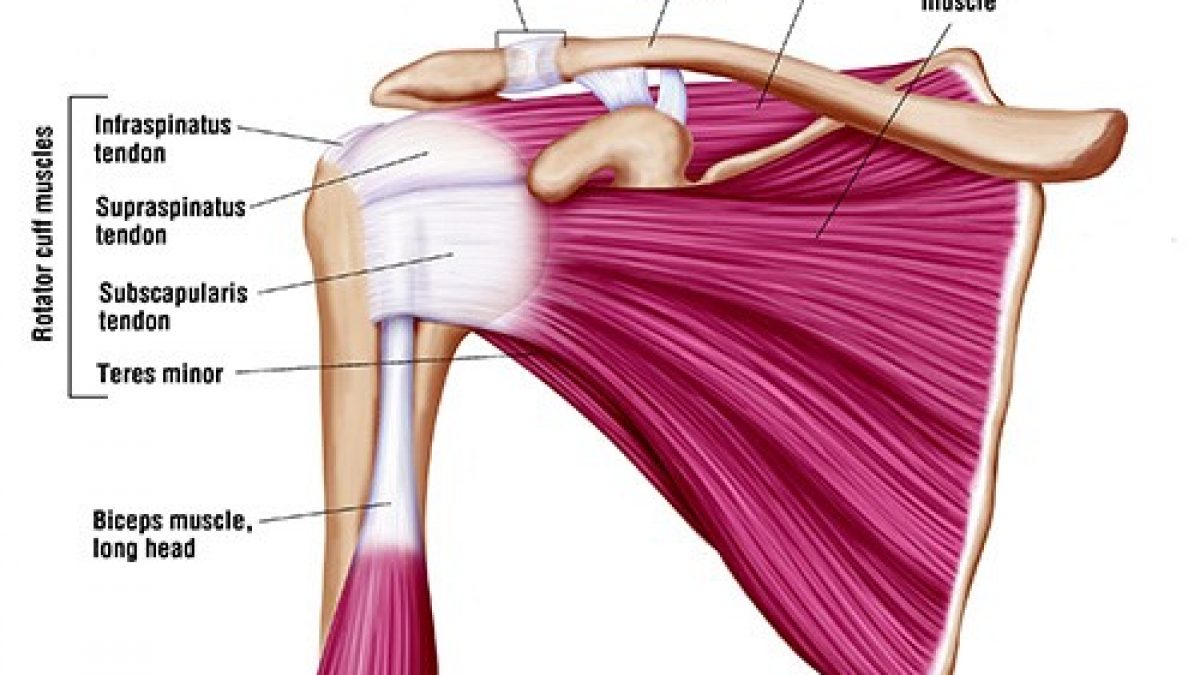
The rotator cuff is a group of four muscles and tendons — the supraspinatus, infraspinatus, teres minor, and subscapularis — that stabilize the glenohumeral joint and control virtually every movement your shoulder makes. Together, they hold the head of the upper arm bone centered in the shoulder blade’s shallow socket, providing the mobility and stability you need to reach, throw, lift, and carry.
Rotator cuff injuries range from rotator cuff tendinopathy — where the tendon becomes irritated from overuse — to partial and full-thickness tears. Without intervention, a minor irritation can progress into a tear that requires months of rehabilitation or surgery. Research consistently shows that early physical therapy produces significantly better outcomes, including reduced pain, improved strength, and restored range of motion — often without surgical intervention.
Why Rotator Cuff Injuries Are So Common in Woodbridge
Woodbridge’s economic diversity means the township’s residents face an unusually wide range of shoulder demands. Here are the scenarios we see most often at our clinic:
IT and Desk-Based Workers
SHI International employs thousands of professionals who spend eight or more hours at a desk with rounded shoulders and forward head posture. This positioning narrows the subacromial space, gradually compressing the supraspinatus tendon and leading to chronic rotator cuff tendinopathy. Commuters who add an hour on NJ Transit or behind the wheel on the Turnpike compound the postural stress.
Construction and Skilled Trades
Structure Tone’s headquarters brings a concentration of construction professionals to Woodbridge who regularly lift materials overhead and operate power tools at shoulder height. The repetitive overhead motion and heavy loading place enormous stress on rotator cuff tendons, making acute tears and cumulative tendinopathy frequent work injuries in this population.
Warehouse and Distribution Workers
The logistics corridor through Woodbridge — anchored by operations like R.A.S. Logistics — relies on workers who load, unload, and carry throughout their shifts. Reaching into trucks, stacking pallets, and pulling heavy packages repetitively strain the supraspinatus and infraspinatus. Many push through early discomfort because they cannot miss shifts, which often means the injury is more advanced when they finally seek treatment.
Hockey and Ice Sports Athletes
The Woodbridge Community Center’s ice rink supports active hockey leagues for adults and youth. Hockey demands explosive shoulder movements — slap shots, body checks, bracing against the boards — that place sudden, high-force loads on the rotator cuff. A hard fall or collision can cause an acute tear, while repetitive shooting contributes to chronic infraspinatus and teres minor strain. These sports injuries require sport-specific rehabilitation for a safe return to the ice.
Swimmers and Aquatic Athletes
From the Community Center pool to Springwood Swim Club to Woodbridge High School’s coed swimming program, the township has a thriving aquatic community. Freestyle, backstroke, and butterfly demand thousands of overhead arm cycles per practice. This volume makes swimmer’s shoulder — a form of rotator cuff tendinopathy driven by impingement — one of the most common overuse injuries in the sport.
Recreational Athletes and Active Adults
Merrill Park’s 179 acres of sports fields and bike paths, Fords Park’s baseball diamonds and basketball courts, and the township’s volleyball and tennis programs keep residents active. Overhead serves, throwing motions, and sustained cycling postures all contribute to rotator cuff stress. With a median age of 40.3, a large portion of Woodbridge faces age-related tendon degeneration that compounds the risk from recreational activity.
Recognizing Rotator Cuff Injury Symptoms
Rotator cuff injuries do not always announce themselves with a single dramatic event. Many develop gradually. You should seek evaluation if you notice:
- A deep, aching shoulder pain that worsens at night, especially when lying on the affected side
- Difficulty reaching behind your back to fasten clothing or grab a seatbelt
- Pain or weakness when lifting your arm overhead or away from your body
- A catching or clicking sensation during shoulder movement
- Progressive loss of range of motion limiting everyday tasks
- Weakness when gripping, carrying, or lifting objects at arm’s length
- Pain radiating from the outer shoulder down the upper arm
- learn more about rotator cuff recovery
If these symptoms are affecting your work, your time on the ice, your laps at the pool, or your weekends at Merrill Park, do not wait. Early intervention protects your shoulder and shortens your recovery.
How We Treat Rotator Cuff Injuries: A Phase-Based Approach
At Trinity Rehab in Woodbridge, every program begins with a comprehensive evaluation of your shoulder’s range of motion, strength, and functional limitations. We then build a treatment plan around three progressive phases tailored to your healing timeline and goals.
Phase 1: Reducing Pain and Protecting the Shoulder
The first priority is calming inflammation, managing pain, and restoring gentle mobility before the shoulder stiffens.
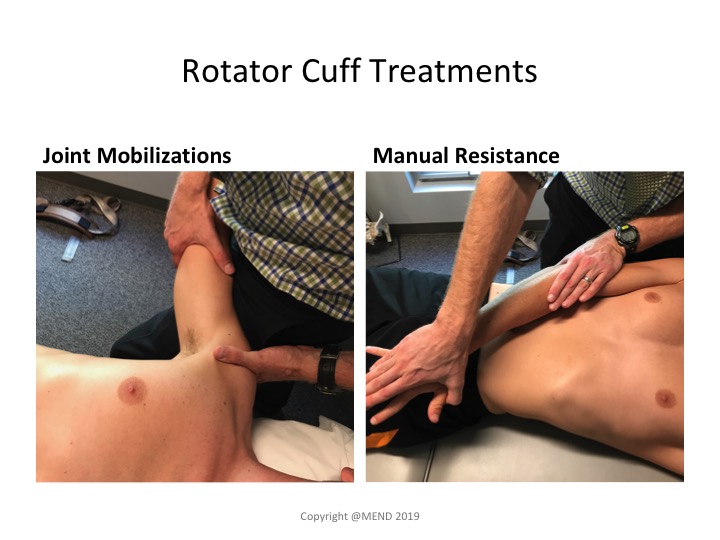
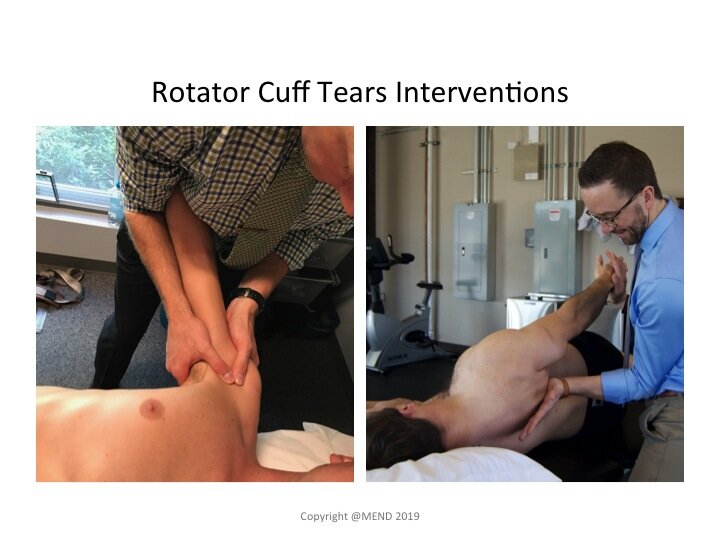
Manual therapy plays a central role. Your therapist uses soft tissue mobilization and joint mobilization of the glenohumeral and acromioclavicular joints to reduce pain and restore normal mechanics. For patients with desk-related postural impingement, we also address the cervical and thoracic spine to relieve tension contributing to shoulder compression.
Passive and active-assisted range of motion exercises — pendulum movements, table slides, and pulley-assisted motions — keep the shoulder mobile without stressing the injured tendon.
Postural education is especially important for Woodbridge’s commuters and desk workers. We teach workstation setup, driving posture adjustments, and shoulder positioning strategies to open the subacromial space and reduce ongoing impingement.
Early scapular stabilization exercises — gentle activation of the lower trapezius, serratus anterior, and rhomboids — rebuild the foundation that healthy shoulder mechanics depend on.
Phase 2: Rebuilding Strength and Control
As pain decreases and mobility improves, treatment shifts to progressive strengthening and neuromuscular retraining.
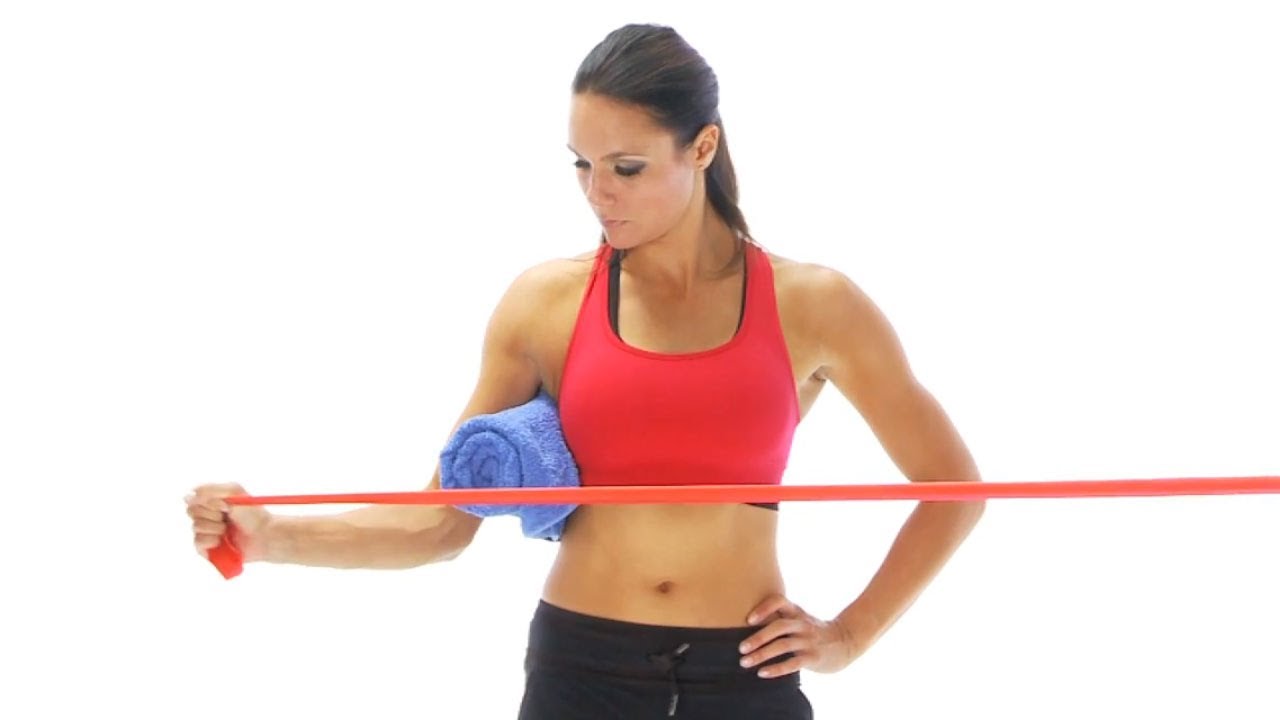
Isometric strengthening begins the loading process safely, followed by resistance band exercises targeting internal rotation, external rotation, and scapular retraction with careful elbow positioning to prevent compensation.
Eccentric loading protocols are a cornerstone of this phase. These controlled lowering movements target tendon remodeling and have strong research support for rotator cuff tendinopathy and partial tears. For Woodbridge’s warehouse and construction workers, eccentric training is especially important — it conditions the tendon to handle heavy, deceleration-type loads their jobs demand.
Proprioceptive training — closed-chain exercises, rhythmic stabilization, and perturbation drills — retrains your shoulder’s position sense and dynamic stability. This is critical for hockey players reacting to unpredictable forces on the ice and swimmers maintaining precise positioning through thousands of stroke cycles.
Posterior capsule stretching with cross-body and sleeper stretches addresses tightness that contributes to impingement in overhead athletes and desk workers alike.
Phase 3: Full Recovery and Return to Activity
The final phase bridges the gap between clinical strength and the real-world demands of your life in Woodbridge.
Task-specific training simulates the exact movements your body needs to perform. For a Structure Tone foreman, that means overhead lifting and sustained tool use at shoulder height. For an SHI software engineer, it means sustained computer posture with periodic reaching. For a swimmer at Springwood Swim Club, it means progressive stroke-volume loading. We design these protocols around your specific goals.
Dry needling targets myofascial trigger points in the rotator cuff, upper trapezius, and periscapular muscles. By releasing these chronic tension points, we restore normal muscle activation patterns and reduce residual shoulder pain that can persist even after the tendon itself has healed.
EPAT/shockwave therapy delivers acoustic pressure waves directly to the rotator cuff tendons, stimulating cellular repair, increasing blood flow, and breaking down calcific deposits. This advanced modality is especially effective for chronic tendinopathy cases that have not responded fully to exercise alone.
Sport-specific rehabilitation rounds out this phase for Woodbridge’s athletes. Hockey players progress through shooting drills at controlled intensity. Swimmers rebuild stroke volume gradually. Tennis and volleyball players work through progressive serving programs. The goal is confident, full-speed performance — not just pain-free movement in the clinic.
A structured home exercise program maintains your gains between sessions and after discharge. Most programs run six to twelve weeks at two to three visits per week.
Preventing Future Rotator Cuff Problems
Recovery is only the beginning. We equip every Woodbridge patient with tools to protect their shoulder long-term:
- Maintain rotator cuff and scapular strength — Resistance band external rotation and scapular retraction exercises two to three times per week, especially for construction and warehouse workers.
- Stretch the posterior shoulder regularly — Cross-body and sleeper stretches keep the posterior capsule flexible and reduce impingement risk.
- Set up your workstation properly — If you work at SHI or any Woodbridge office, ensure your monitor is at eye level and your chair supports your thoracic spine.
- Warm up before activity — Whether heading to hockey at the Community Center, laps at Highland Grove Pool, or baseball at Fords Park, five minutes of pendulum movements and light band work prepares your rotator cuff.
- Use proper lifting mechanics — Keep loads close to your body and avoid lifting heavy objects overhead with a straight arm.
- Address shoulder pain early — A mild ache can become a significant tear if ignored. Direct access in New Jersey means you can see a physical therapist immediately.
Why Woodbridge Patients Choose Trinity Rehab
- One-on-one care at every session — You work directly with a licensed physical therapist for the full duration of every appointment. No handoffs to aides or assistants.
- Evidence-based protocols — Our rotator cuff programs are grounded in current research on tendon healing, eccentric loading, and neuromuscular control.
- Advanced modalities under one roof — Manual therapy, dry needling, and EPAT/shockwave therapy are all available, giving you access to treatments many facilities do not offer.
- A clinic that understands Woodbridge — We treat the township’s IT professionals, construction workers, warehouse employees, commuters, swimmers, and hockey players every day.
- Direct access — no referral needed — New Jersey law allows you to start immediately. Request an appointment today.
- Insurance coordination — We work with most major insurance plans and handle verification so you can focus on recovery.
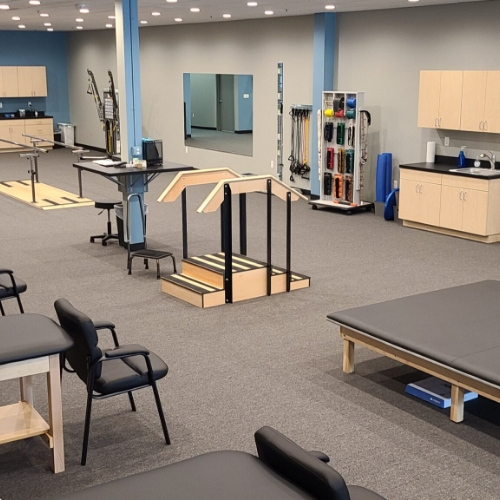
Inside Our Woodbridge Clinic
Frequently Asked Questions
Where can I get rotator cuff treatment in Woodbridge, NJ?
Can physical therapy heal a torn rotator cuff without surgery?
How long does rotator cuff rehabilitation take?
Will my rotator cuff injury get worse if I keep working?
Do I need an MRI before starting physical therapy?
Take the First Step Toward Recovery
A rotator cuff injury does not have to define your daily life — not at work, not at the Community Center, not at Merrill Park, and not at home. With the right treatment, most patients regain full function and return to everything they need and want to do.
Request your appointment today — no physician referral needed. Let us build a treatment plan around your shoulder, your goals, and your life in Woodbridge.
Start Your Recovery in Woodbridge Today
Don’t let shoulder pain hold you back. Schedule your evaluation at Trinity Rehab in Woodbridge and take the first step toward a stronger, pain-free shoulder.
Local Rotator Cuff Care in Woodbridge, NJ
For patients in Woodbridge and nearby communities such as Avenel, Iselin, Colonia, Perth Amboy, rotator cuff rehab has to fit real routines: Middlesex County commuting, standing work, warehouse tasks, and family schedules. Your therapist will connect shoulder symptoms to the daily demands that matter most, including overhead work, lifting from shelves, posture from long drives, and keeping symptoms from limiting work capacity.
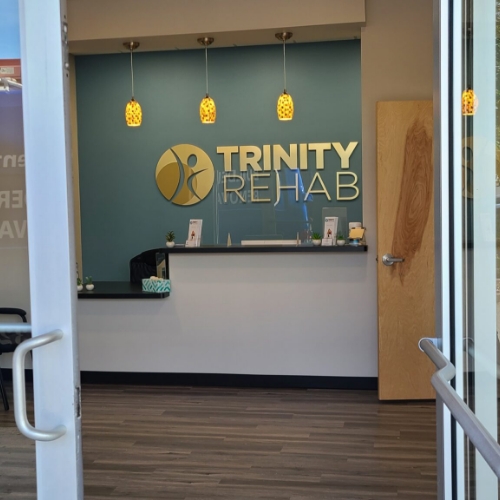
Your first visit at Trinity Rehab Woodbridge includes a review of your symptoms, shoulder and neck mobility, rotator cuff strength, scapular control, posture, lifting mechanics, and the activities you need to return to. The clinic is located at 33 Woodbridge Center Dr, Woodbridge, NJ, 07095.
Call (848) 999-0550 for the Woodbridge clinic, or use the clinic page for current hours and appointment details.
For directions, parking context, and the best route to the clinic, use Google Maps for Trinity Rehab Woodbridge.
Rotator cuff injuries can overlap with shoulder pain, shoulder impingement, neck pain, and upper back mobility limitations. Your plan may include manual therapy, progressive rotator cuff loading, scapular strengthening, posture work, dry needling when appropriate, and careful return-to-work or return-to-sport progression.
Related Conditions & Treatments
Rotator cuff injuries are just one of the many conditions we treat at Trinity Rehab Woodbridge. Explore our full range of conditions we treat or learn more about specific treatment approaches:
What Our Patients Say



Sign up for free health tips and tricks