
Osteoarthritis Treatment in Woodbridge, NJ
Woodbridge Township is one of New Jersey’s most distinctive communities — a township of over 100,000 residents at the intersection of the Garden State Parkway and New Jersey Turnpike, where Amazon, UPS, FedEx, and Lineage cold storage warehouses operate around the clock, Wakefern/ShopRite’s corporate headquarters employs thousands, and Woodbridge Center Mall anchors a major retail corridor. It is a working community in the truest sense: diverse, energetic, and defined by people who are on their feet and putting their bodies to work every day. It is also a community where osteoarthritis takes a serious toll.
Osteoarthritis — the most common degenerative joint disease in the United States, affecting more than 32.5 million adults — is particularly prevalent in communities with heavy logistics, warehousing, and manual labor employment. The physical demands of Woodbridge’s major employers, combined with the high proportion of active adults and a population that includes nearly 16% of residents over 65, create conditions where knee osteoarthritis, hip osteoarthritis, and hand osteoarthritis are common facts of working life rather than distant future concerns.
Physical therapy is the most strongly evidence-backed non-surgical treatment for osteoarthritis — recommended ahead of escalating medication and well before surgery by the American College of Rheumatology, the Arthritis Foundation, and the National Institute for Health and Care Excellence (NICE). At Trinity Rehab, we serve Woodbridge and the broader Middlesex County region with individualized, one-on-one osteoarthritis treatment that is built around your body, your work, and your life.
Why Woodbridge Creates Specific Osteoarthritis Risk
Effective physical therapy begins with understanding the forces that shaped your joint health history. In Woodbridge, several patterns are particularly relevant:
Warehouse and logistics workers: The Amazon, UPS, FedEx, and Lineage cold storage facilities operating in Woodbridge Township together represent thousands of workers whose jobs involve repetitive heavy lifting, kneeling, squatting, and carrying — the occupational loading patterns most clearly linked to accelerated knee and hip cartilage wear. Cold ambient temperatures in cold storage facilities additionally cause muscle tightening that reduces the shock-absorbing capacity of the muscles around these joints, directing more of each load directly to the cartilage. Workers in their 40s and 50s who have spent a decade or more in these environments often find that osteoarthritis has arrived years earlier than they expected.
Retail workers: Long shifts on hard floors at Woodbridge Center Mall and the Route 9 corridor create cumulative hip and knee loading that elevates degeneration risk over careers.
Wakefern/ShopRite employees: Office workers accumulate hip flexor tightening and lumbar degeneration from prolonged sitting; distribution center employees face the same repetitive manual demands as warehouse workers.
Active community members: The Woodbridge Community Center’s hockey, skating, basketball, volleyball, and pickleball programs keep residents active across age groups. NJ Coed Sports and PlayMore adult leagues are popular. Cumulative sport stress and prior injuries raise osteoarthritis risk in the 40s and 50s.
Ice hockey and skating participants: Ice hockey’s combination of rotational hip forces, lateral edge loading, and impact from contact and falls creates a specific risk profile for hip, knee, and ankle joint degeneration that WCC-league hockey players often encounter in middle age.
A Woodbridge resident who spent 18 years working logistics at a Route 1 distribution center describes the pattern: “By the time I was 51, my knees were so stiff every morning that it took me 20 minutes to get downstairs. I just kept working through it. My physical therapist told me that was actually making the cartilage break down faster because the surrounding muscles had gone completely weak.”
Symptoms of Osteoarthritis: What to Watch For
Osteoarthritis most commonly affects the knees, hips, hands, and spine. Recognizing these symptoms early gives you the best window for effective conservative management:
- Morning stiffness that requires 20–30 minutes of movement before the affected joint loosens — a hallmark clinical feature distinguishing osteoarthritis from inflammatory arthritis conditions
- Deep, aching joint pain that worsens with weight-bearing activity and improves with rest
- Crepitus — a grinding, grating, or clicking sensation during joint movement, often noticeable on stairs or when rising from a chair
- Swelling around the joint after demanding activity: a full shift on the warehouse floor, a session of hockey, a longer walk at Merrill Park
- Progressive loss of range of motion — decreased knee bend, reduced hip rotation, stiffness in the fingers and wrists
- Instability or the sensation that the joint might give way, particularly during physically demanding activities
- Difficulty with specific functional tasks: rising from a seated position, getting in and out of a vehicle, gripping tools or equipment, bending to lift packages
These symptoms will not resolve on their own. But with structured, expert physical therapy, most patients see meaningful improvement within the first three to four weeks of treatment — and substantial functional recovery over a six to twelve week course of care.
Physical Therapy for Osteoarthritis at Trinity Rehab: What Your Treatment Includes
Every patient at Trinity Rehab receives a comprehensive initial evaluation before a single exercise is prescribed. Your physical therapist assesses your affected joint’s mobility, the strength of surrounding muscle groups, your movement patterns, balance, and the specific activities most impacted by your osteoarthritis. The treatment plan that follows is specific to you — not to a diagnosis category.
Manual Therapy
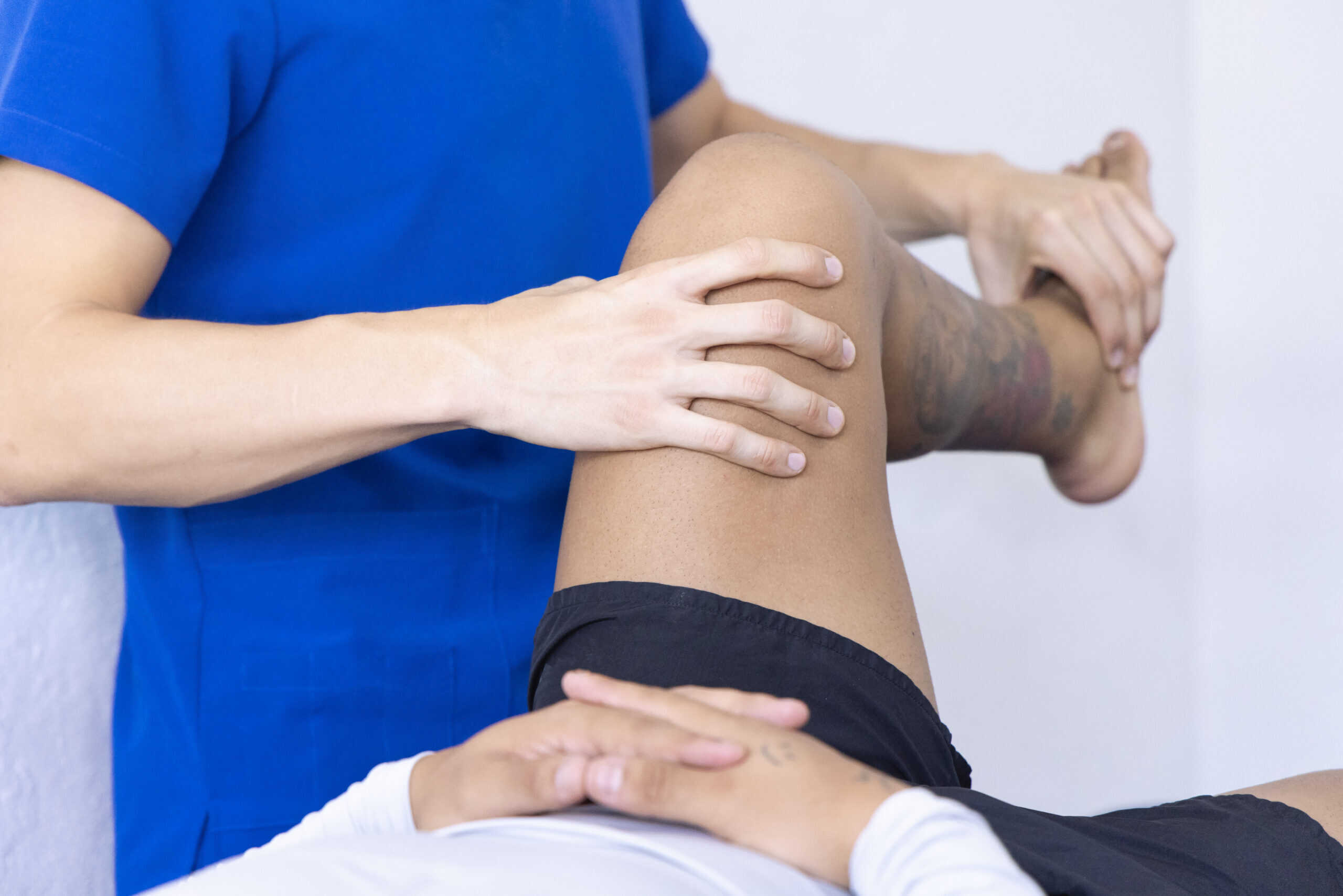
Manual therapy is one of the most effective components of osteoarthritis physical therapy and a treatment modality in which Trinity Rehab’s therapists are specially trained. It includes:
Joint mobilization: Graded, rhythmic passive movements applied directly to the arthritic joint to reduce stiffness, restore joint mechanics, and interrupt the pain-spasm cycle. For Woodbridge patients with knee osteoarthritis, tibiofemoral and patellofemoral mobilization restores the gliding and rolling mechanics that stiffen progressively as cartilage roughens. For hip osteoarthritis, mobilization recovers the rotation and extension range that walking, stair use, and getting in and out of vehicles requires.
Soft tissue mobilization and myofascial release: The muscles and fascial layers surrounding a chronically arthritic joint thicken, tighten, and develop trigger points over months of protective guarding. Systematic soft tissue work addresses the quadriceps, iliotibial band, hip flexors, glutes, and calf as appropriate for your presentation, releasing the tissue tension that perpetuates pain even as the joint itself begins to improve.
Neuromuscular re-education: Compensatory movement habits — the lateral trunk lean, the shortened stride, the avoidance of full knee bend — are efficient short-term strategies that generate secondary injuries over time. Your therapist identifies and corrects these patterns before they lead to new diagnoses.
Strengthening: The Most Durable Long-Term Intervention
Muscle strength is both the best defense against further osteoarthritis progression and the most direct tool for reducing pain and improving daily function. When pain causes someone to move less, the surrounding muscles weaken rapidly, removing the shock-absorbing protection they provide and accelerating cartilage breakdown. Rebuilding that strength is the most important investment you can make in your joint health.
Quadriceps strengthening for knee arthritis: The quadriceps muscle is the most evidence-supported target in knee osteoarthritis treatment. Stronger quads reduce bone-on-bone pressure during every step of every shift. Research consistently shows that quadriceps strengthening reduces knee pain, improves stair function, and substantially delays the need for knee replacement surgery. Your program builds strength progressively, ensuring joint safety while maximizing functional improvement.
Hip abductor and gluteal strengthening for hip osteoarthritis: Lateral hip muscles stabilize the pelvis during walking. When weak, every step concentrates load on the hip joint and drives a compensatory trunk lean that strains the lower back. Targeted strengthening reverses this pattern.
Hand and grip strengthening: Woodbridge workers who grip, lift, and perform fine motor tasks benefit from a targeted exercise program preserving hand function for both work and daily independence.
Aerobic exercise conditioning: Low-impact aerobic exercise maintains joint health, healthy weight, and cardiovascular fitness. Your therapist prescribes walking, cycling, aquatic exercise, or anti-gravity treadmill training calibrated to your current capacity.
Joint flexibility and PNF stretching: PNF stretching recovers range of motion in arthritic joints more effectively than static stretching alone.
AlterG Anti-Gravity Treadmill
For Woodbridge patients whose knee or hip osteoarthritis is severe enough that full weight-bearing exercise reliably triggers pain, the AlterG Anti-Gravity Treadmill provides an unmatched rehabilitation pathway. It reduces effective body weight by up to 80% using pressurized air, allowing pain-free walking and aerobic conditioning at whatever load the joint can tolerate. Clinical studies demonstrate 20–30% pain reduction and improved endurance for arthritis patients using anti-gravity treadmill training.
The AlterG is valuable for Woodbridge workers needing to rebuild capacity before returning to full-duty physical work, and for older residents who want to walk Merrill Park or the Middlesex Greenway without flaring their joints.
EPAT and Dry Needling
EPAT delivers acoustic pressure waves into damaged soft tissues around arthritic joints, stimulating collagen production and tissue regeneration. For Woodbridge patients with patellar tendinopathy, Achilles tendinopathy, or plantar fasciitis alongside their osteoarthritis, research demonstrates 60–80% pain relief. EPAT adds a third dimension of manual therapy-adjacent tissue treatment for patients who have plateaued with standard care.
Dry needling uses fine monofilament needles to release myofascial trigger points in the quadriceps, glutes, iliotibial band, and calf — muscles that guard arthritic joints and become painful themselves. Releasing these points rapidly improves flexibility and reduces pain.
Transcutaneous electrical nerve stimulation (TENS): A non-invasive pain management modality that interrupts pain signal transmission at the nerve level. TENS can reduce pain during flares and is teachable for home use.
Long-Term Self-Management: Protecting Your Joints After Therapy
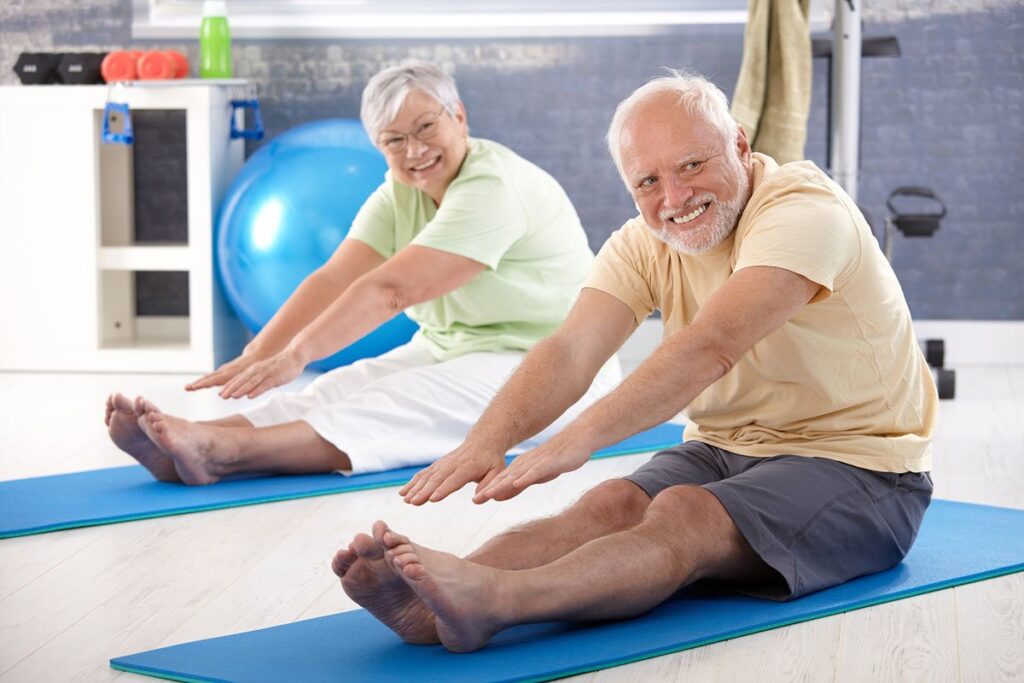
The goal of physical therapy at Trinity Rehab is to give you the skills and tools to manage your osteoarthritis for life — not to create indefinite clinical dependency. Your therapist builds:
- A home exercise program to be maintained three to four times per week, sustaining the strength and joint flexibility gains from your sessions
- Joint protection strategies for the specific demands of your work environment — proper lifting mechanics, posture adjustments, and movement patterns that reduce cumulative cartilage stress
- Activity modification guidance for recreational pursuits — adapting hockey, volleyball, softball, and walking to your joint’s current capacity
- Weight management support: every 10% reduction in body weight reduces knee pain by up to 50%, and your therapist provides practical guidance and referral resources
- Pain management tools: heat and cold application, topical NSAIDs on the affected joint, and corticosteroid injections (in coordination with your physician) when appropriate
- Dietary supplements: glucosamine and chondroitin are sometimes used for osteoarthritis, though evidence is limited
Why Woodbridge Patients Choose Trinity Rehab
One-on-one care with a licensed physical therapist at every session is what distinguishes Trinity Rehab — not an aide, not a shared appointment. Your therapist observes every movement and adjusts your program continuously.
Our expertise spans the full spectrum of arthritis presentations: early-stage management, geriatric physical therapy for older Woodbridge adults, sports medicine-informed care, and post-surgical rehabilitation. We accept most major insurance plans and verify coverage upfront.
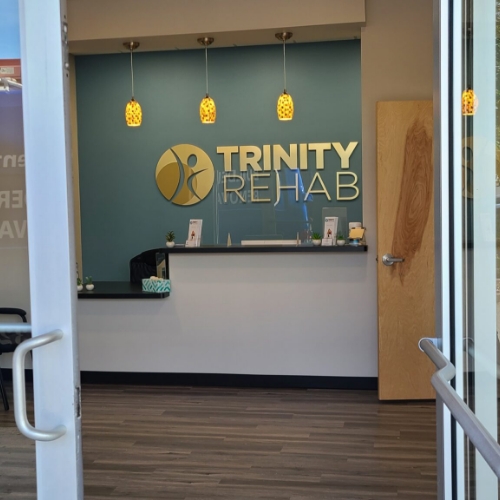
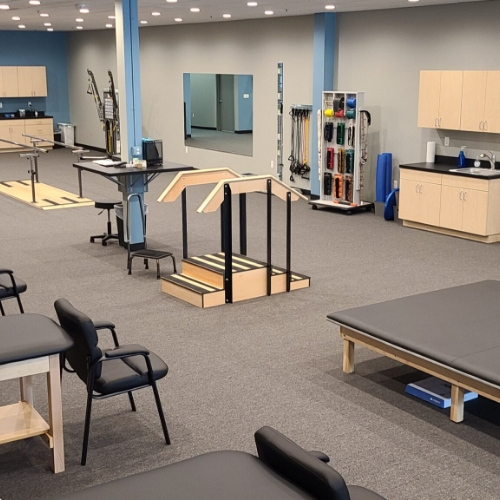
Inside Our Woodbridge Clinic


Related Conditions & Treatments
Osteoarthritis is just one of the many conditions we treat at Trinity Rehab Woodbridge. Explore our full range of conditions we treat or learn more about specific treatment approaches:
Frequently Asked Questions
Do I need a doctor's referral to start physical therapy for osteoarthritis in Woodbridge, NJ?
Can I do physical therapy while I am still working in a physically demanding job?
What is the relationship between osteoarthritis and joint replacement surgery?
How quickly will I see improvement?
Is osteoarthritis the same as arthritis?
Getting Back to Your Woodbridge Life
Whether your goal is completing a full shift at the distribution center without limping by the end of the day, getting back onto the WCC hockey ice, walking the Middlesex Greenway with your kids on a Sunday morning, or simply being able to bend to pick something up without bracing yourself for pain — you deserve a plan that takes those goals seriously.
Physical therapy at Trinity Rehab gives you a proven, non-surgical path to real knee pain relief, restored joint flexibility, and the physical capacity to stay fully engaged in your work and your community. Our osteoarthritis specialists are ready to build your personalized treatment plan today. We also address back pain and hip and knee conditions within the same coordinated program.
Your Next Steps
- Request an appointment online or call the Trinity Rehab location nearest Woodbridge.
- Complete a brief intake form — streamlined and minimal.
- Meet your physical therapist for a comprehensive evaluation and begin your personalized plan.
Same-week appointments are frequently available. New Jersey Direct Access means no referral, no waiting — you can start today.
Sources: Centers for Disease Control and Prevention. Osteoarthritis. https://www.cdc.gov/arthritis/osteoarthritis/ | Journal of Orthopaedic & Sports Physical Therapy. https://www.jospt.org/ | Frontiers in Physiology. Physical therapy as a promising treatment for osteoarthritis. https://pmc.ncbi.nlm.nih.gov/articles/PMC9614272/