
SCIATICA TREATMENT IN WAYNE, NJ
Wayne is a community that does not slow down easily. On any given morning, you might find residents hiking the 1,153-acre High Mountain Park Reserve before work, swimming laps at the Wayne Community Center, or cycling through one of the residential lake communities around Packanack Lake or Pines Lake. The Wayne PAL keeps youth sports running across baseball, soccer, football, and lacrosse from spring through fall. Wayne Hills Patriots and Wayne Valley Indians compete fiercely in Big North Conference athletics, and the parents and coaches in the stands are often just as active in their own right. Then there is the daily reality of the commute — many Wayne residents make the 45-to-60-minute push into Midtown Manhattan via NJ Transit bus or train, turning the workday into a 10-plus-hour seated marathon. In a community this busy, sciatic nerve pain is more than inconvenient. It is a direct threat to the way Wayne people live. Trinity Rehab’s one-on-one sciatica treatment is designed to meet that threat head-on.
What Is Sciatica?
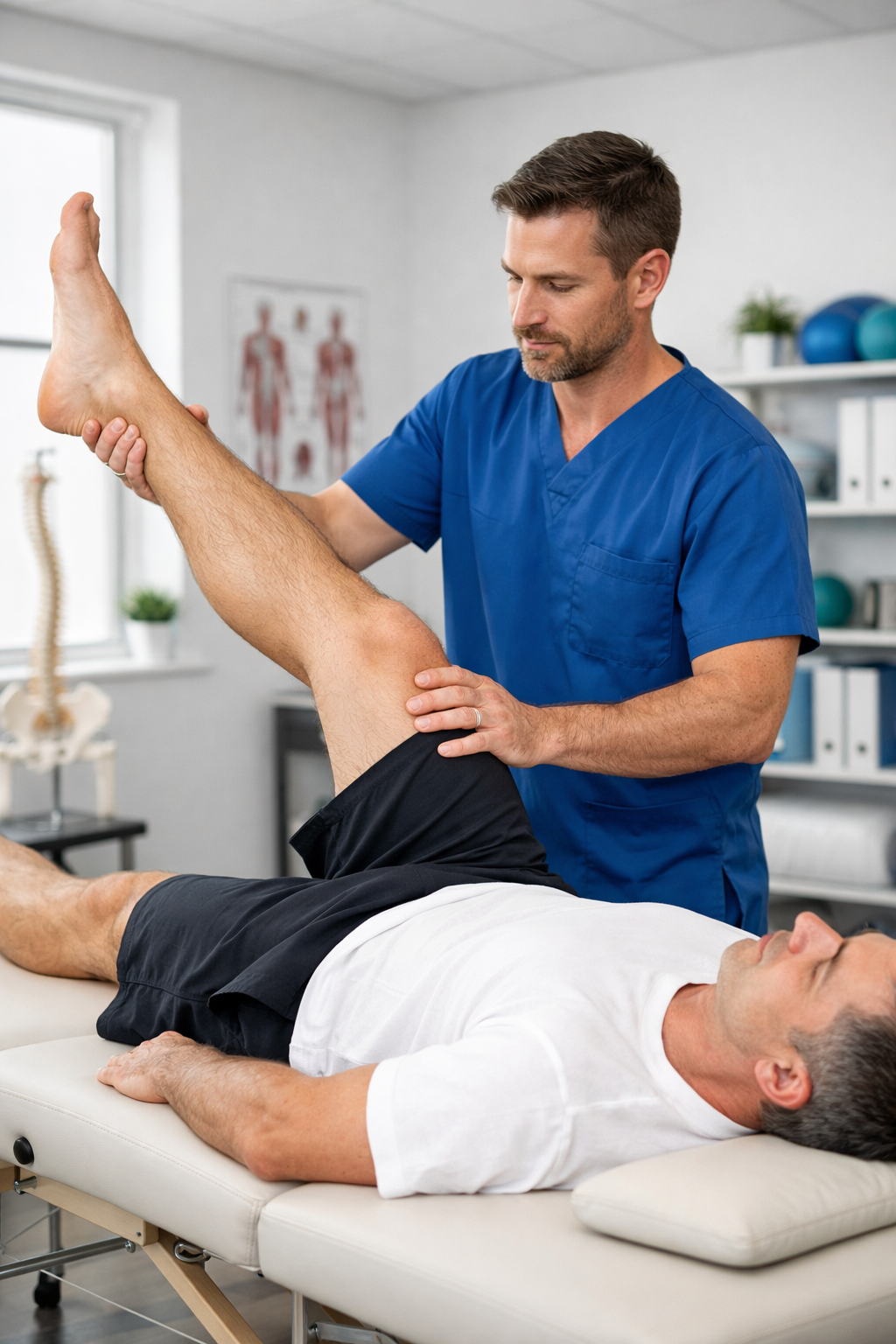
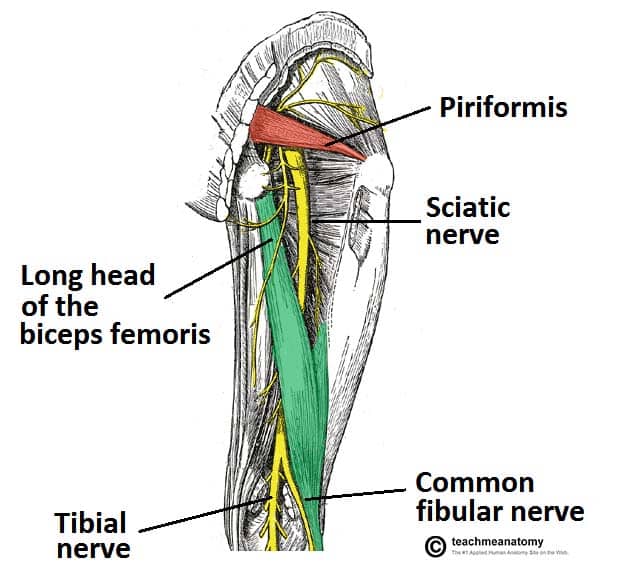
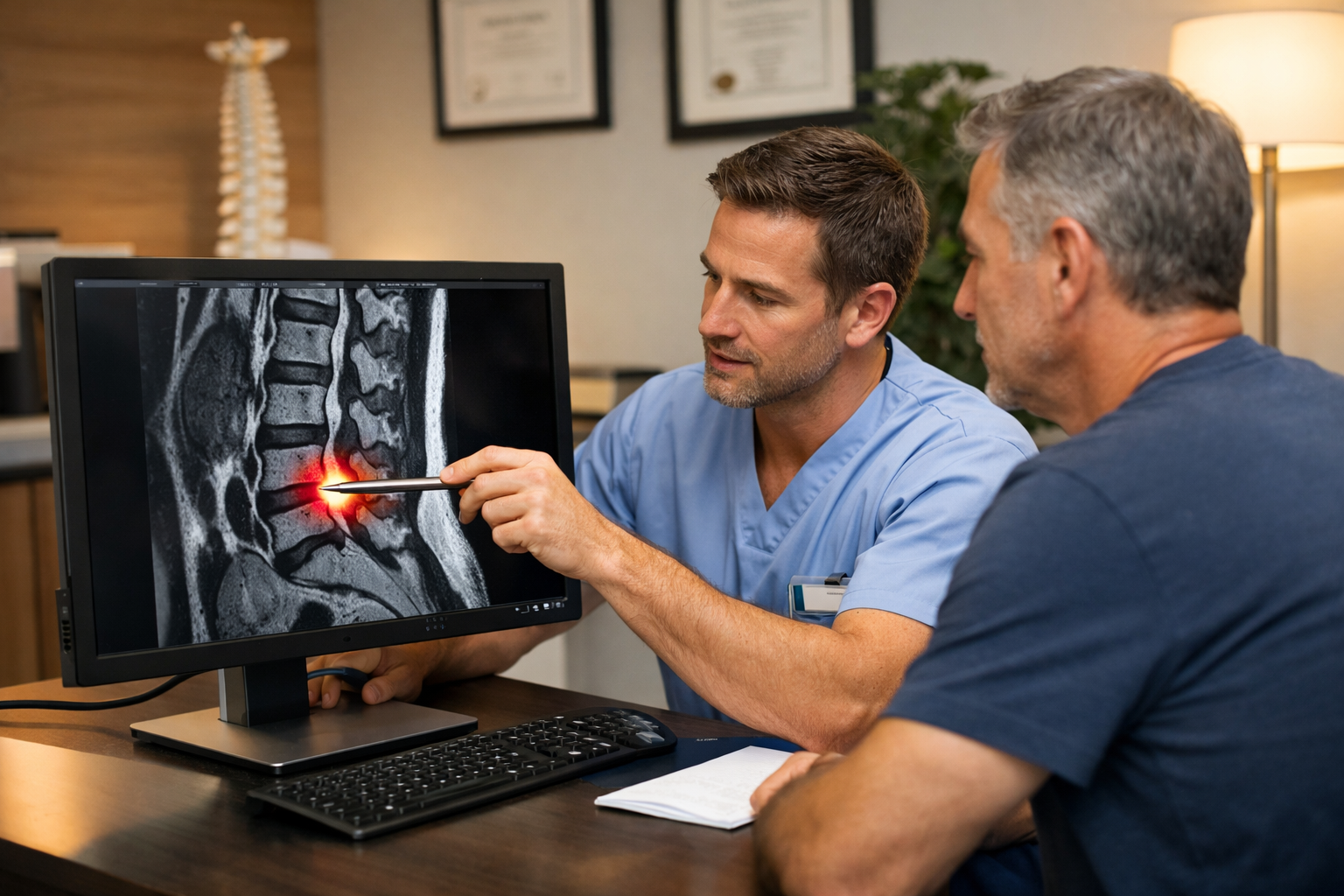
The sciatic nerve — the body’s longest — originates from lumbar nerve roots L4 through S3, travels through the deep gluteal region past the piriformis muscle, and descends the back of the leg to the foot. Sciatica refers to the pain, numbness, or tingling that radiates along this path when one of those nerve roots is compressed or irritated at its origin in the lower back. The clinical diagnosis is lumbar radiculopathy.
The most frequent causes include:
- Herniated or bulging disc — the soft inner nucleus of a lumbar disc pushes through its outer casing and presses directly on a nerve root; accounts for approximately 90% of sciatica cases
- Lumbar spinal stenosis — age-related narrowing of the spinal canal that compresses nerve roots, typically worsening with extended standing or walking
- Piriformis syndrome — the deep gluteal piriformis muscle, when chronically tight or irritated, compresses the sciatic nerve from outside the spine; often seen in runners, cyclists, and lateral-movement sport athletes
- Spondylolisthesis — vertebral slippage producing instability that can pinch a nerve root; more common in high-impact sport participants
Each cause requires a different treatment emphasis — which is why the evaluation determines everything. A quick assessment for the right structural diagnosis is not a formality; it is the map that guides effective care.
Why Wayne Residents Develop Sciatica
Wayne’s demographics and lifestyle generate sciatica risk from multiple directions simultaneously:
NYC commuters on NJ Transit. Wayne is a major NJ Transit hub with bus and rail service to Midtown Manhattan. A 90-minute daily round trip in poorly supported seats creates disc compression that accumulates over a commuting career. Combined with a full office day, many Wayne residents load their lumbar discs for 10-plus hours daily — and the disc that herniates after a weekend tennis match has often been building toward that moment for months.
Corporate and medical campus employees. Wayne is home to St. Joseph’s Wayne Hospital, William Paterson University, and corporate facilities for major employers including Getinge, BAE Systems, Hankook Tire, and Saint-Gobain. Healthcare workers at St. Joseph’s face the occupational sciatica risks familiar across nursing and patient care — repetitive patient transfers, prolonged standing, and awkward procedural postures that accumulate disc stress. Office and technical employees at corporate facilities face the prolonged-seated loading that is the standard disc herniation precursor.
High Mountain Park hikers and outdoor enthusiasts. The High Mountain Park Reserve is one of Wayne’s most treasured assets — 1,153 acres of wooded trails with significant elevation change for the region. Trail hikers and runners at High Mountain face hip flexor demands, glute loading, and spinal stabilization challenges that, in someone with underlying disc vulnerability, can escalate to acute sciatica. Laurelwood Arboretum’s more accessible trails draw walkers across all fitness levels, including older adults in whom stenosis-related sciatica becomes increasingly common.
Lake community recreational athletes. Packanack Lake and Pines Lake residents have access to swimming, paddling, and waterfront recreation throughout the summer. Wayne’s extensive park system — 23 parks, 1,859 acres — provides tennis courts, turf fields, and athletic facilities used heavily by adult recreational leagues. Repetitive tennis serves, pickleball lateral movements, and adult softball swings all load the lumbar spine and piriformis in ways that, over a season, can compress the sciatic nerve.
Seasonal yard work and winter conditions. Wayne’s residential character means seasonal property demands — spring planting, fall leaf cleanup, and winter shoveling — affect a large portion of the community. Heavy wet snow from North Jersey winter storms is a consistent precipitant of acute lumbar disc herniation; the combination of cold temperatures, loaded spinal flexion, and rotational lifting is particularly hazardous.
Symptoms That Point to Sciatica
In Wayne’s active community, sciatica sometimes develops so gradually that patients initially attribute it to muscle soreness from a hard workout. Key distinguishing features:
- Radiating pain following the nerve’s path — from the lower back or deep buttock, down through the back of the thigh, possibly into the calf or outer foot; a line of discomfort, not a diffuse ache
- Neurological symptoms — numbness, tingling, or “pins and needles” in the calf, ankle, or foot that go beyond ordinary exercise soreness
- Weakness in the leg or foot — difficulty pulling toes up, or the foot slapping during walking; more pronounced on stairs or uneven trails at High Mountain
- Symptom increase with sitting — the NJ Transit bus seat, the office chair, the car seat on Route 23 are all reliable aggravators
- One-sided pattern — classic sciatica affects one leg; when both legs are symptomatic simultaneously, further evaluation is warranted
Consider a Wayne resident who added a Laurelwood Arboretum walk to a commuting week and noticed a dull ache behind the right knee that evening, worsened through the next morning’s NJ Transit commute, and escalated to a burning line from the buttock to the ankle by the weekend. That accumulation pattern — light activity tipping an already-loaded system into nerve compression — is the Wayne sciatica story more often than a single dramatic injury.
How Trinity Rehab Treats Sciatica in Wayne
Trinity Rehab’s sciatica treatment in Wayne uses a combination of topic-area approaches, with the specific mix determined by your evaluation:
Neural Mobilization and Nerve Calming
The first treatment priority is always the nervous system itself. Neural mobilization — a series of carefully graduated movements that guide the sciatic nerve through its pathway, reducing tension and improving glide — begins in early sessions. This approach directly addresses nerve hypersensitivity: the state in which ordinary movement triggers disproportionate pain because the nerve has lost its mechanical freedom. Patients are taught home nerve gliding exercises appropriate for their phase of recovery and specific nerve root level.
Manual Therapy for Structural Relief
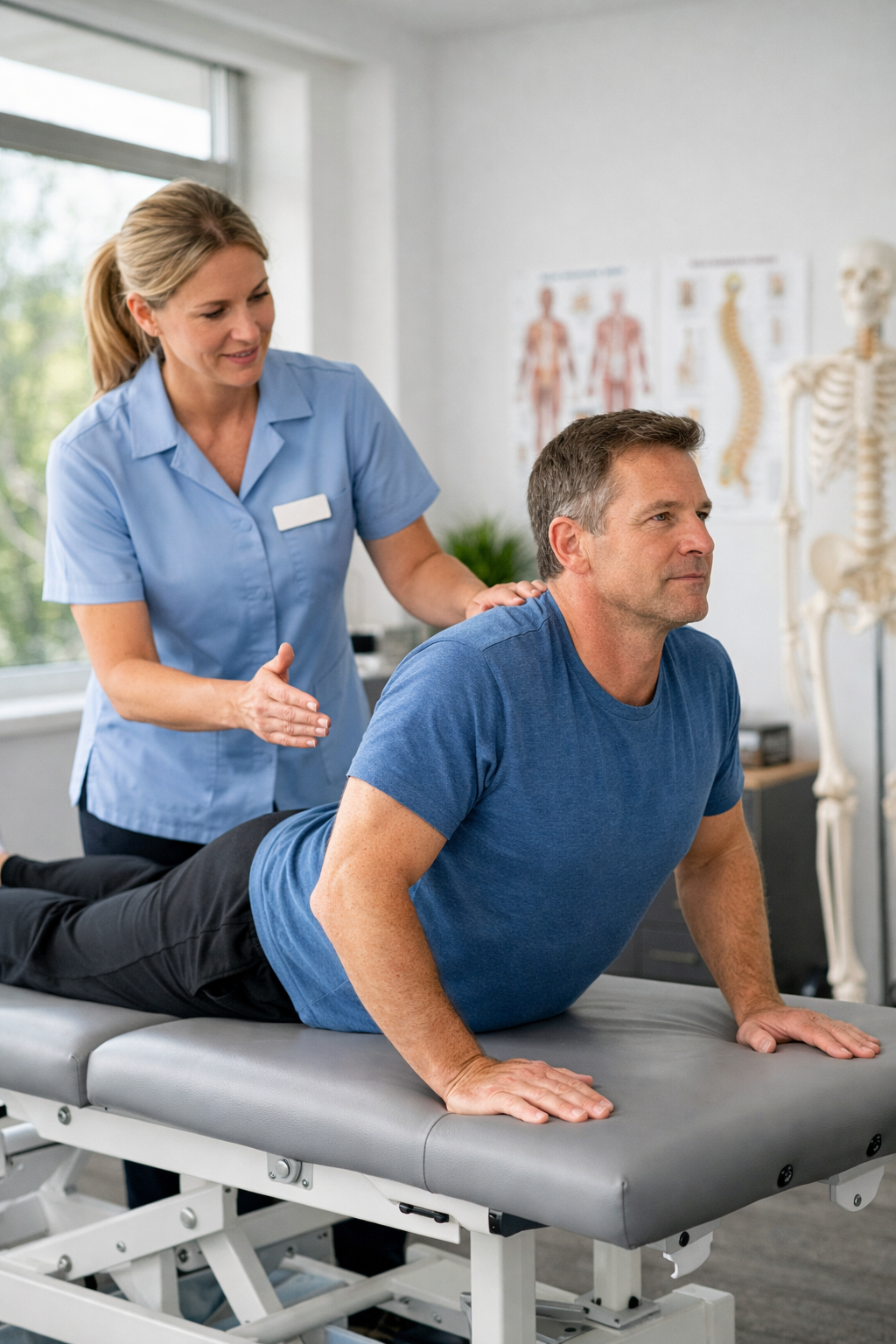
Manual therapy addresses the specific joint and soft tissue restrictions driving nerve compression. Your therapist uses lumbar joint mobilization techniques to decompress the affected nerve root level, sacroiliac joint assessment and correction for those with SI-related contributions, and targeted soft tissue work on the piriformis and hip rotator complex — essential for Wayne’s runners, hikers, and court sport athletes whose deep gluteal muscles accumulate years of tension. Related reading: back pain treatment at Trinity Rehab.
Core Stabilization: From Activation to Integration
Core stabilization for sciatica is not crunches or planks — it is precision activation of the deep stabilizer muscles that protect lumbar disc segments and nerve roots during everyday and athletic loading. Trinity Rehab’s core stabilization progression:
- Isolated activation — identifying and engaging the transversus abdominis and multifidus independently; these muscles are frequently inhibited in people with lumbar pain
- Functional integration — transferring that activation into positions that replicate Wayne life: the sustained trunk bracing of a long NJ Transit bus ride, the dynamic stability of a trail step, the rotational control of a tennis serve
- Progressive loading — challenging the stabilizers under increasing demand until they are meeting the actual needs of your daily activities
Hip Strengthening and Piriformis Management
For Wayne’s trail hikers, High Mountain runners, and court sport athletes, hip strengthening is central to sciatica recovery. Systematically loading the gluteus medius, gluteus maximus, and hip external rotators reduces the mechanical demand on the lumbar spine and prevents the piriformis overactivation that directly compresses the sciatic nerve. This phase includes progressive exercises — glute bridges, lateral band walks, single-leg Romanian deadlifts — calibrated to your current capacity and the demands of your specific activities.
Dry Needling for Stubborn Trigger Points
When deep piriformis trigger points are maintaining sciatic nerve irritation despite manual therapy and stretching, dry needling provides targeted access to myofascial tension that cannot be reached by surface techniques. For Wayne’s long-term tennis players and recreational runners, years of repetitive hip loading create deep gluteal trigger points that dry needling can release efficiently, opening the door to more effective strengthening work.
Return to Full Wayne Activity
The final stage prepares you for your specific demands — the trail at High Mountain Park, the NJ Transit commute, the tennis match, the Packanack Lake swim. Your therapist provides clear return-to-activity criteria and an independent home exercise program to maintain gains through every season.
Why Choose Trinity Rehab in Wayne
Wayne is a demanding community — physically, professionally, and in terms of the expectations residents bring to the services they choose. Trinity Rehab meets those expectations with one-on-one care by a licensed physical therapist at every session. No group exercise sessions. No being managed by aides while your PT attends to other patients. Your therapist knows your case, tracks your progress, and adjusts your plan in real time.
No referral required. New Jersey’s Direct Access Law means you can go from recognizing your sciatica symptoms to being in treatment within days — without waiting for a physician appointment or a prescription. Early intervention consistently produces better outcomes in lumbar radiculopathy.
Trinity Rehab offers early morning and evening appointments around NJ Transit schedules and Wayne’s active lifestyle demands. We accept most major insurance plans, including those common among St. Joseph’s Hospital staff, William Paterson University employees, and Wayne’s major corporate employers.
Inside Our Wayne Clinic
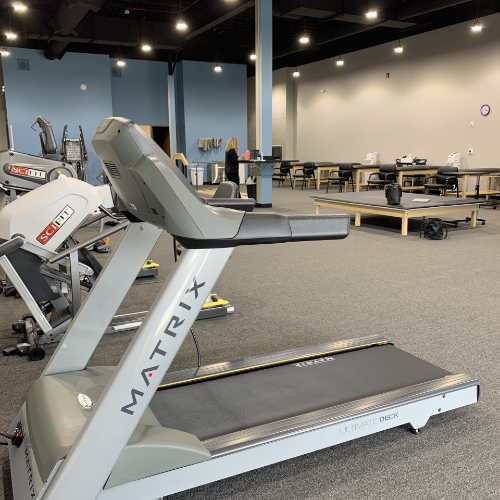
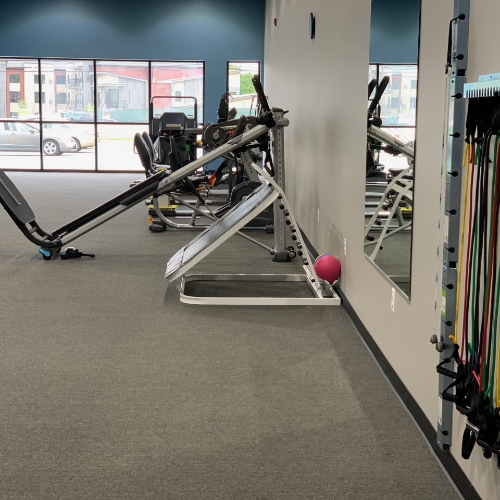
Related Conditions & Treatments
Sciatica is just one of the many conditions we treat at Trinity Rehab Wayne. Explore our full range of conditions we treat or learn more about specific treatment approaches:
- Sciatica Treatment Overview
- Back Pain Treatment
- Hip & Knee Pain Relief
- Manual Therapy
- Dry Needling
- EPAT / Shockwave Therapy
Wayne Sciatica Care For Nerve-Like Leg Pain
Sciatica can make driving, sitting through work, climbing stairs, and walking through normal Wayne-area routines feel unpredictable. A local plan should separate back-driven symptoms from hip, hamstring, or other leg pain patterns so treatment is aimed at the right source.
Your first visit may include lumbar movement testing, nerve sensitivity screening, hip strength, walking mechanics, balance, and a review of symptoms that would require medical care first, such as progressive weakness, numbness, or worsening neurological signs.
Useful related pages include Wayne lumbar disc herniation rehab, Wayne back pain treatment, and the Wayne clinic page.
Frequently Asked Questions
Where can I receive sciatica treatment in Wayne, NJ?
Does Trinity Rehab accept insurance from Wayne-area employers?
I am a long-distance NJ Transit commuter — will physical therapy be sustainable around my schedule?
Can sciatica be treated without surgery?
How is sciatica different from “just a bad back”?
Wayne’s trails, courts, and community are built for active, full lives. Sciatica should not be the reason you start avoiding High Mountain or shortening your NJ Transit standing routine. Trinity Rehab is here to help you address it specifically, systematically, and completely.
- Request your appointment — no referral needed, flexible scheduling available
- Get a precise evaluation — know exactly what is causing your sciatica and what will fix it
- Recover with expert one-on-one care — every session, every step, until Wayne’s full life is available to you again
Wayne is worth being fully healthy for. Book your appointment today.