
ROTATOR CUFF INJURY TREATMENT IN WAYNE, NJ
Wayne is a community that stays in motion. On any given weekend, baseball players at Wayne Valley High School are chasing another Passaic County Tournament title, swimmers at Wayne Hills are logging laps before dawn, and families are hiking the 1,153-acre High Mountain Park Preserve or teeing off at Preakness Valley Golf Course. From PAL youth coaches running drills at Captain Kilroy Park to university staff crossing the William Paterson campus and nurses pulling twelve-hour shifts at St. Joseph’s Wayne Medical Center, shoulder demands here are constant. When a rotator cuff injury disrupts that active lifestyle, you need treatment that understands both the injury and the community it happens in.
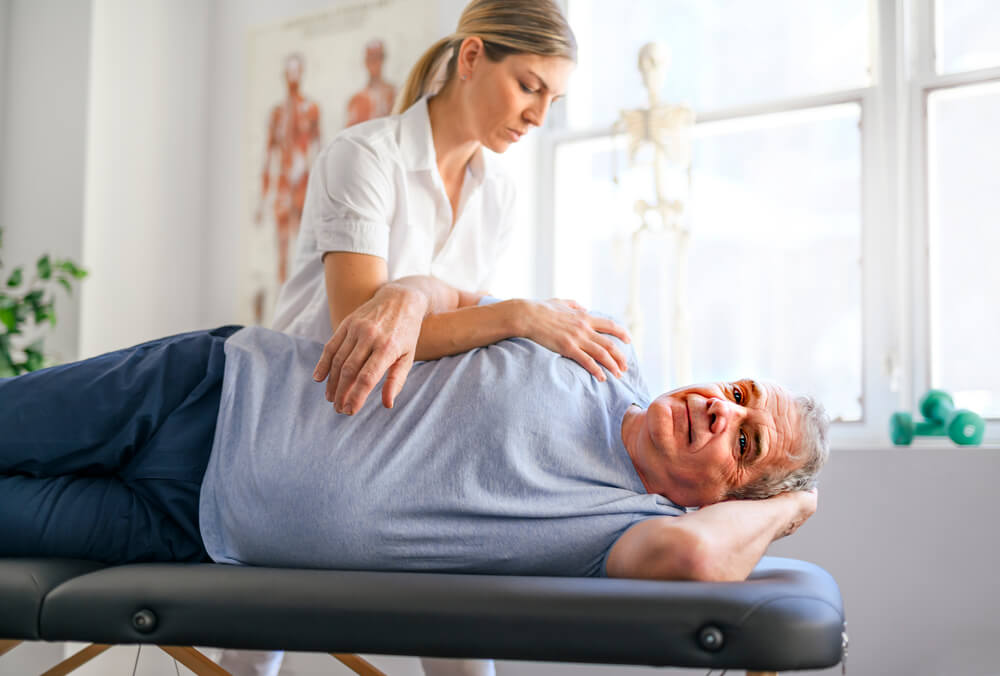
At Trinity Rehab, we provide one-on-one [physical therapy](https://trinity-rehab.com/physical-therapy-treatments/physical-therapy/) for rotator cuff injuries right here in Wayne. Our approach combines hands-on care with progressive rehabilitation so you can get back to the activities and responsibilities that define your daily life in this Passaic County suburb.
Understanding Your Injury
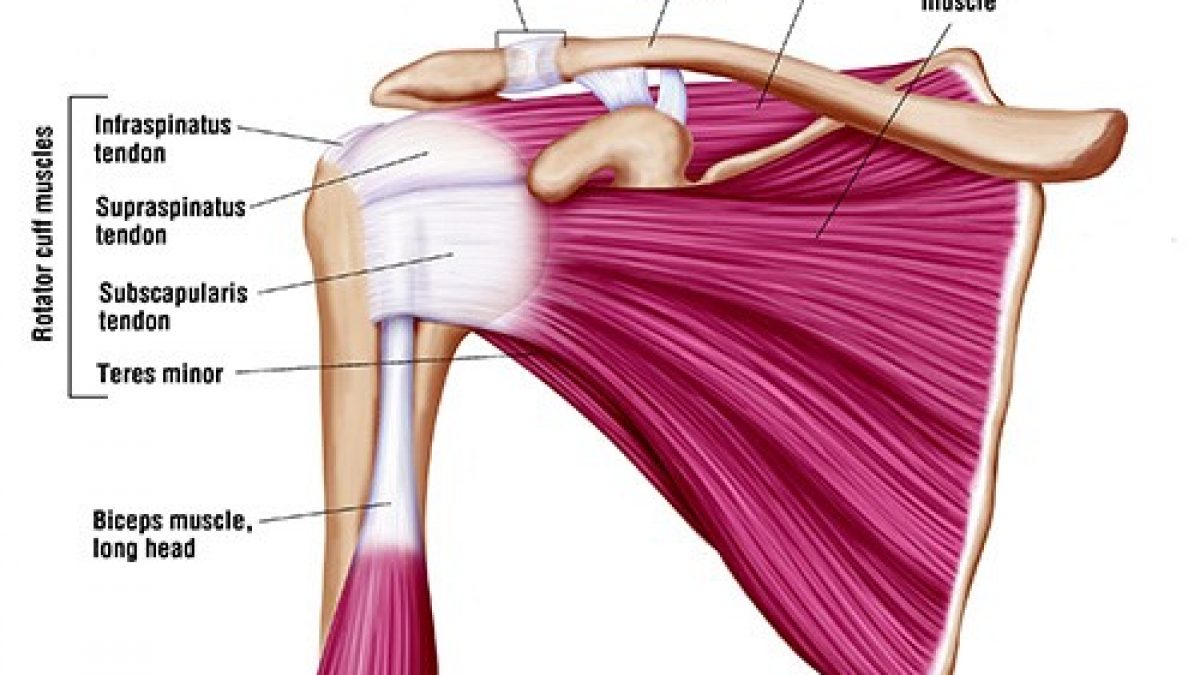
The rotator cuff is a group of four muscles and tendons — the supraspinatus, infraspinatus, teres minor, and subscapularis — that stabilize the glenohumeral joint and control shoulder movement. These structures allow you to reach overhead, rotate your arm, and generate the force needed for throwing, swimming, and lifting.
Rotator cuff injuries exist on a spectrum. Rotator cuff tendinopathy involves irritation or degeneration of the tendon from repetitive overhead activity. Partial-thickness tears affect some of the tendon fibers, while full-thickness tears extend through the entire tendon. The supraspinatus is the most commonly affected because of its position at the top of the shoulder, where it can become compressed during overhead movements.
Why Early Treatment Matters
Delaying treatment allows compensatory movement patterns to develop. Your body will find workarounds — shrugging the shoulder, rotating the trunk, avoiding certain motions — and those compensations create secondary problems in the neck, upper back, and elbow. Research consistently shows that physical therapy is the recommended first-line treatment for most rotator cuff injuries, including many partial tears. In New Jersey, you have direct access to physical therapy without a physician referral, so you can begin treatment as soon as symptoms appear.
How Rotator Cuff Injuries Happen in Wayne
The way people live and work in Wayne creates specific risk patterns that we see regularly in our clinic.
Healthcare and Hospital Workers. St. Joseph’s Wayne Medical Center employs hundreds of nurses, aides, and support staff who spend shifts transferring patients, reaching for equipment, and working in awkward postures. These demands place enormous stress on the supraspinatus and infraspinatus tendons. Work-related shoulder injuries in healthcare settings are among the most common cases we treat.
University Faculty and Staff. William Paterson University faculty carry bags across campus and set up lab equipment, while administrative and facilities staff handle shelving, lifting, and prolonged computer work that contributes to postural dysfunction and shoulder impingement.
Swimmers and Tennis Players. Wayne’s aquatic community runs deep — from Wayne Hills’ competitive swim program to lap swimmers at the Wayne Community Center pool and James Roe Memorial Pool. The repetitive overhead motion of freestyle and butterfly is a leading cause of rotator cuff tendinopathy. Players at Wayne Indoor Tennis and Wayne Racquet Club similarly subject their shoulders to thousands of serves and overhead shots each season.
Golfers. Preakness Valley Golf Course draws players from across Wayne and the surrounding area. The golf swing generates significant rotational force through the shoulder complex — the lead arm’s rotator cuff manages deceleration through the follow-through while the trail shoulder handles external rotation during the backswing.
Youth Athletes and Coaches. Wayne PAL youth sports programs keep kids active in baseball, softball, football, and soccer. Young athletes — especially baseball pitchers — are vulnerable because their musculoskeletal systems are still developing. The volunteer coaches running those programs often develop their own shoulder issues from years of demonstrating throws and hitting fungo. Between Wayne Valley’s baseball program, Wayne Hills’ volleyball squad, and the PAL leagues, sports-related shoulder injuries are a year-round concern.
Commuters and Desk Workers. Many Wayne residents commute into New York City via I-80, Route 23, or NJ Transit. Hours gripping a steering wheel or hunched over a laptop contribute to rounded shoulders and thoracic stiffness, which alter scapular mechanics and increase rotator cuff strain.
Recognizing the Symptoms
You should seek evaluation if you experience any of the following:
- Pain on the outside or front of the shoulder that worsens when reaching overhead or behind your back
- Night pain that disrupts sleep, especially when lying on the affected side
- Weakness when lifting objects away from the body or rotating the arm
- A catching or clicking sensation during shoulder movement
- Gradual loss of range of motion, making it difficult to fasten a seatbelt, reach a shelf, or throw a ball
- Sharp pain with specific movements such as reaching into the back seat of your car or pulling a door open
- rotator cuff treatment overview
If these symptoms sound familiar, we encourage you to schedule an appointment for a thorough evaluation. Identifying the specific structures involved — and the stage of the injury — allows us to build a treatment plan tailored to your situation.
Hands-On Rehabilitation
Every rotator cuff program at Trinity Rehab begins with a detailed assessment. We evaluate your shoulder range of motion, strength, scapular positioning, and movement quality. We also ask about your daily demands — whether that means lifting patients at St. Joseph’s, swimming at the community center, or chasing a toddler around Laurelwood Arboretum’s sensory garden. These details shape every decision in your plan.
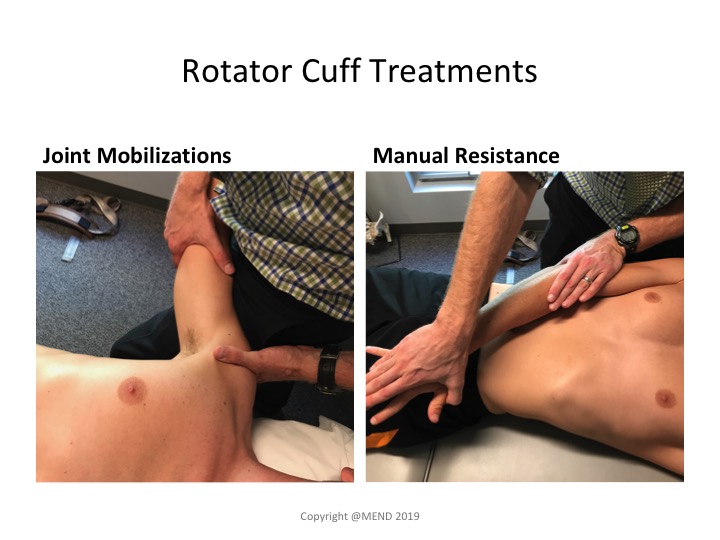
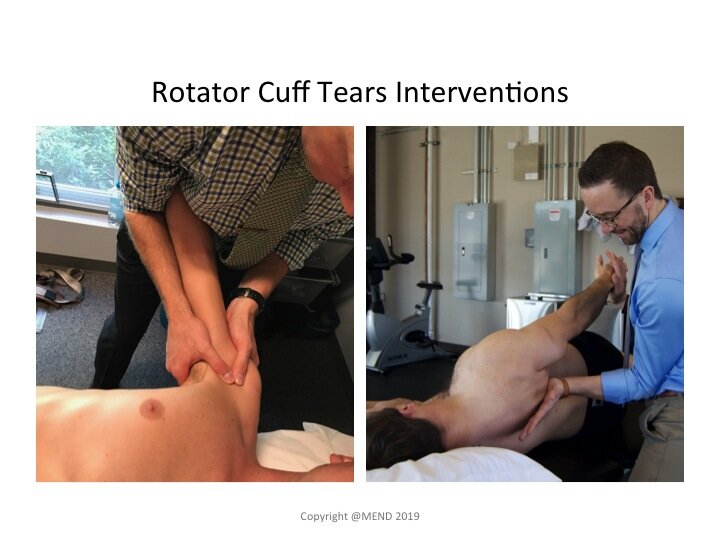
Manual therapy forms the foundation of early treatment. Our therapists use joint mobilization techniques to restore glenohumeral joint mobility, reduce stiffness, and decrease pain. Soft tissue mobilization targets the upper trapezius, pectoralis minor, and posterior capsule to address tightness that alters normal mechanics. Many patients experience immediate improvements in comfort and movement quality during the first few visits.
We also incorporate dry needling to address myofascial trigger points in the rotator cuff and surrounding tissues. Trigger points in the infraspinatus and upper trapezius are particularly common. By releasing these areas, we reduce referred pain, improve blood flow to the tendon, and create a better environment for strengthening.
Strengthening the Shoulder Complex
Once pain and range of motion are under control, rehabilitation shifts toward rebuilding strength and stability. This phase is where lasting recovery happens, and it requires precision.
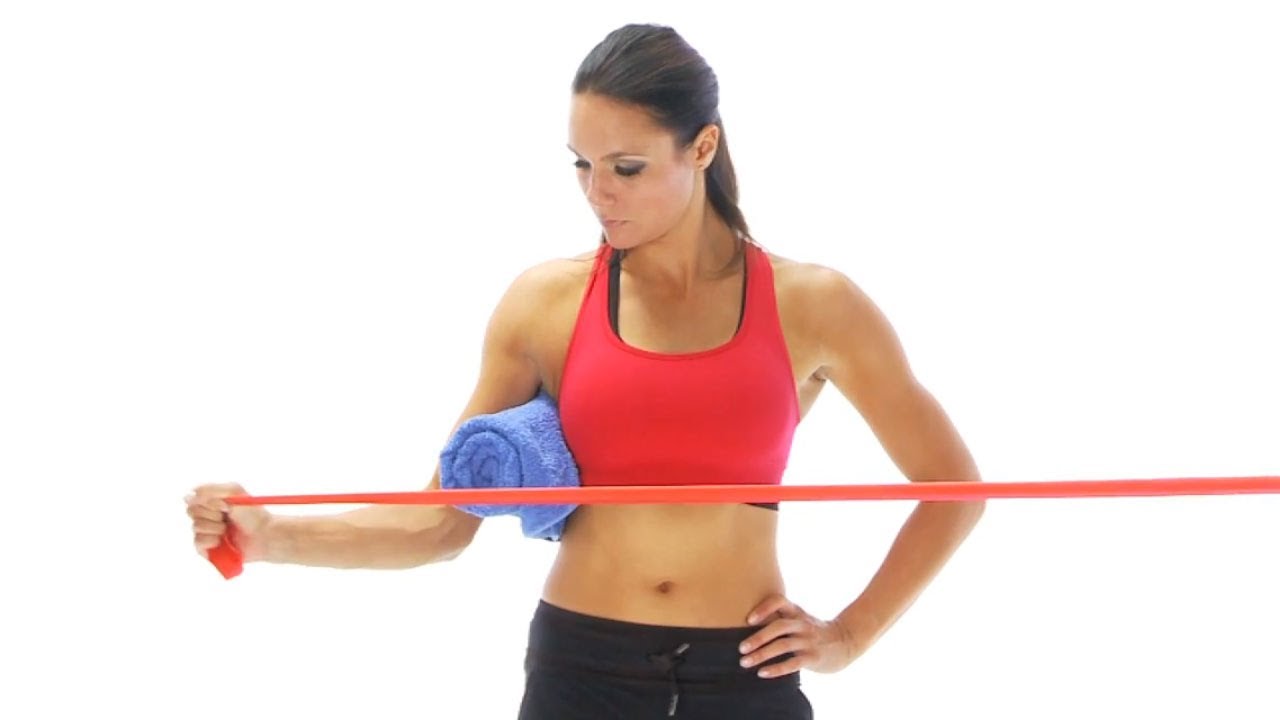
Eccentric loading is central to our strengthening protocol. Eccentric exercises — where the muscle lengthens under tension — stimulate tendon remodeling and improve the tissue’s capacity to handle load. We progress you through eccentric external rotation, sidelying abduction, and resisted lowering drills at a pace that challenges the tendon without provoking a flare-up.
Scapular stabilization addresses the platform on which the rotator cuff operates. The scapula must move in coordinated rhythm with the humerus during every shoulder motion. When the serratus anterior, lower trapezius, and rhomboids are weak or poorly timed, the rotator cuff compensates and breaks down. We use wall slides, prone Y-T-W raises, and resisted rows to restore proper scapulohumeral rhythm.
Rotator cuff isolation targets each muscle individually — side-lying external rotation for the infraspinatus, resisted internal rotation for the subscapularis, and controlled abduction for the supraspinatus. We use resistance bands, dumbbells, and cable systems to apply appropriate load at every stage.
Core and kinetic chain integration ensures that overhead and rotational force does not rely solely on the shoulder. A golfer’s power at Preakness Valley should come from the hips and trunk. A swimmer’s pull at the community center pool should engage the lats and core. By training these connections, we reduce the rotator cuff’s burden and lower re-injury risk.
Advanced Recovery Techniques
For cases that respond slowly to traditional therapy — particularly chronic tendinopathy or calcific tendinitis — we offer Extracorporeal Pulse Activation Technology (EPAT), also known as shockwave therapy. EPAT delivers acoustic pressure waves to the affected tendon, stimulating cellular repair and increasing blood flow. This non-invasive treatment can accelerate healing when combined with your exercise program.
We may also use instrument-assisted soft tissue mobilization and neuromuscular electrical stimulation depending on your presentation. Every tool we incorporate serves a clear purpose — we do not apply generic protocols or rely on passive modalities alone.
Returning to Your Active Life
Most rotator cuff rehabilitation programs at our clinic run between six and twelve weeks, with sessions two to three times per week. We structure return-to-activity progressions around what matters to you:
- For swimmers, we rebuild stroke mechanics progressively — starting with kick-only sets and pull drills before reintroducing full freestyle and butterfly
- For tennis and racquet sport players, we progress from controlled groundstrokes to volleys and finally overhead serves, monitoring shoulder tolerance at each stage
- For golfers, we restore full backswing and follow-through range before reintroducing full-power swings on the course
- For healthcare workers, we simulate patient handling tasks — transfers, reaching, lifting — to ensure confidence and safety before you return to full duties
- For Wayne’s youth athletes, we coordinate with coaches and families to manage training loads and ensure a safe return to the field or pool
Your therapist will provide a home exercise program from day one. Consistency between visits is a major factor in how quickly you recover. We also educate you on workstation setup, sleep positioning, and activity modification to support healing around the clock.
Preventing Future Rotator Cuff Problems
Once you have recovered, maintaining shoulder health requires ongoing attention. We recommend:
- A daily shoulder maintenance routine — five to ten minutes of rotator cuff and scapular exercises three to four times per week
- Proper warm-up before activity — dynamic arm circles, band pull-aparts, and shoulder CARs (controlled articular rotations) before swimming, tennis, golf, or gym sessions
- Posture awareness during commutes — adjusting your seat and taking breaks during long drives on I-80 or Route 23
- Workload management for overhead athletes — pitch counts for Wayne Valley and Wayne Hills baseball players, stroke count monitoring for swimmers, and service-game load tracking for tennis players
- Ergonomic adjustments at work — proper desk setup for university and office workers, body mechanics training for hospital staff
- Annual shoulder screening — especially if you are over 40. With more than a quarter of Wayne residents over age 60, age-related tendon changes are a real consideration
Why Wayne Residents Choose Trinity Rehab
We treat you one-on-one for the full duration of every session. You will not be handed off to an aide or left to exercise unsupervised. Your therapist knows your name, your history, and the specific demands of your life in Wayne — whether that means getting back on the mound at Wayne Valley, resuming laps at the community center pool, completing a shift at St. Joseph’s without pain, or walking the trails at High Mountain Park Preserve with your family.
Our clinic offers flexible scheduling designed for Wayne’s busy professionals and commuters, because we know that fitting appointments around a NJ Transit schedule or a hospital shift requires options.
If you are dealing with shoulder pain from a rotator cuff injury, do not wait for it to resolve on its own. Schedule your appointment at Trinity Rehab and start your recovery with a team that treats the person, not just the shoulder.
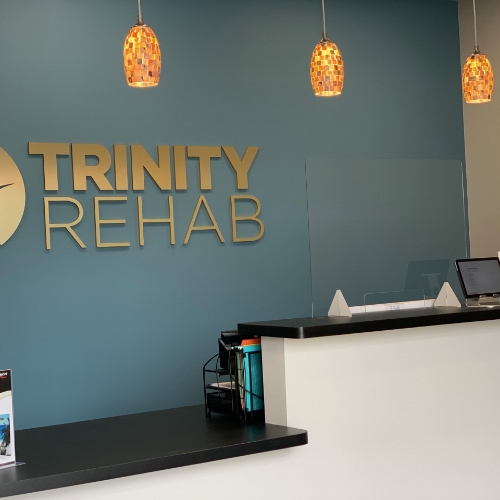
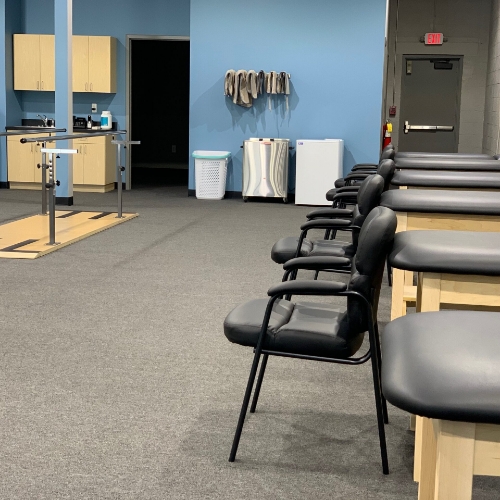
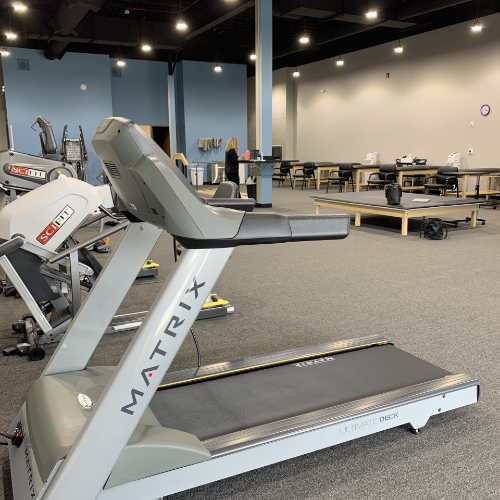
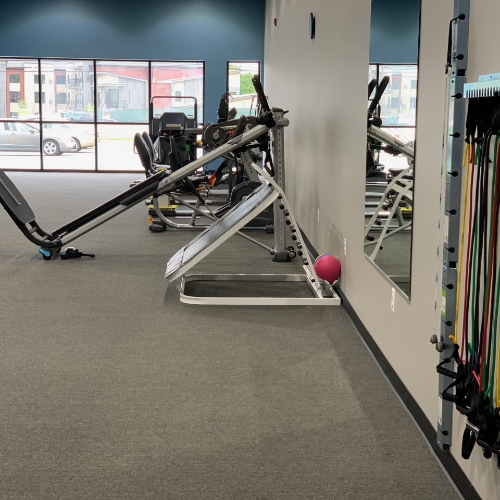
Inside Our Wayne Clinic
Frequently Asked Questions
Where can I get rotator cuff treatment in Wayne, NJ?
How long does rotator cuff physical therapy take?
Can physical therapy help me avoid rotator cuff surgery?
What should I expect at my first visit?
Is rotator cuff treatment covered by insurance?
Start Your Recovery in Wayne Today
Don’t let shoulder pain hold you back. Schedule your evaluation at Trinity Rehab in Wayne and take the first step toward a stronger, pain-free shoulder.
Related Conditions & Treatments
Rotator cuff injuries are just one of the many conditions we treat at Trinity Rehab Wayne. Explore our full range of conditions we treat or learn more about specific treatment approaches:
What Our Patients Say



Sign up for free health tips and tricks